In Fukui's Central district, 菜亭 隠居亭 occupies a quiet address at 3 Chome-9-21 that sits apart from the city's more visited dining corridors. The format here belongs to the slower, more deliberate register of Japanese dining, a meal paced by ritual rather than volume. For travellers moving beyond the Hokuriku region's better-known stops, this address rewards patience.
Pearl is the En Primeur Club membership app — saves, bookings, and concierge access live there. Same editors, same standards.
- Address
- 3 Chome-9-21 Central, Fukui, 910-0006, Japan
- Phone
- +81776231009
- Website
- kaikatei.biz
 Saves & bookings on Pearl
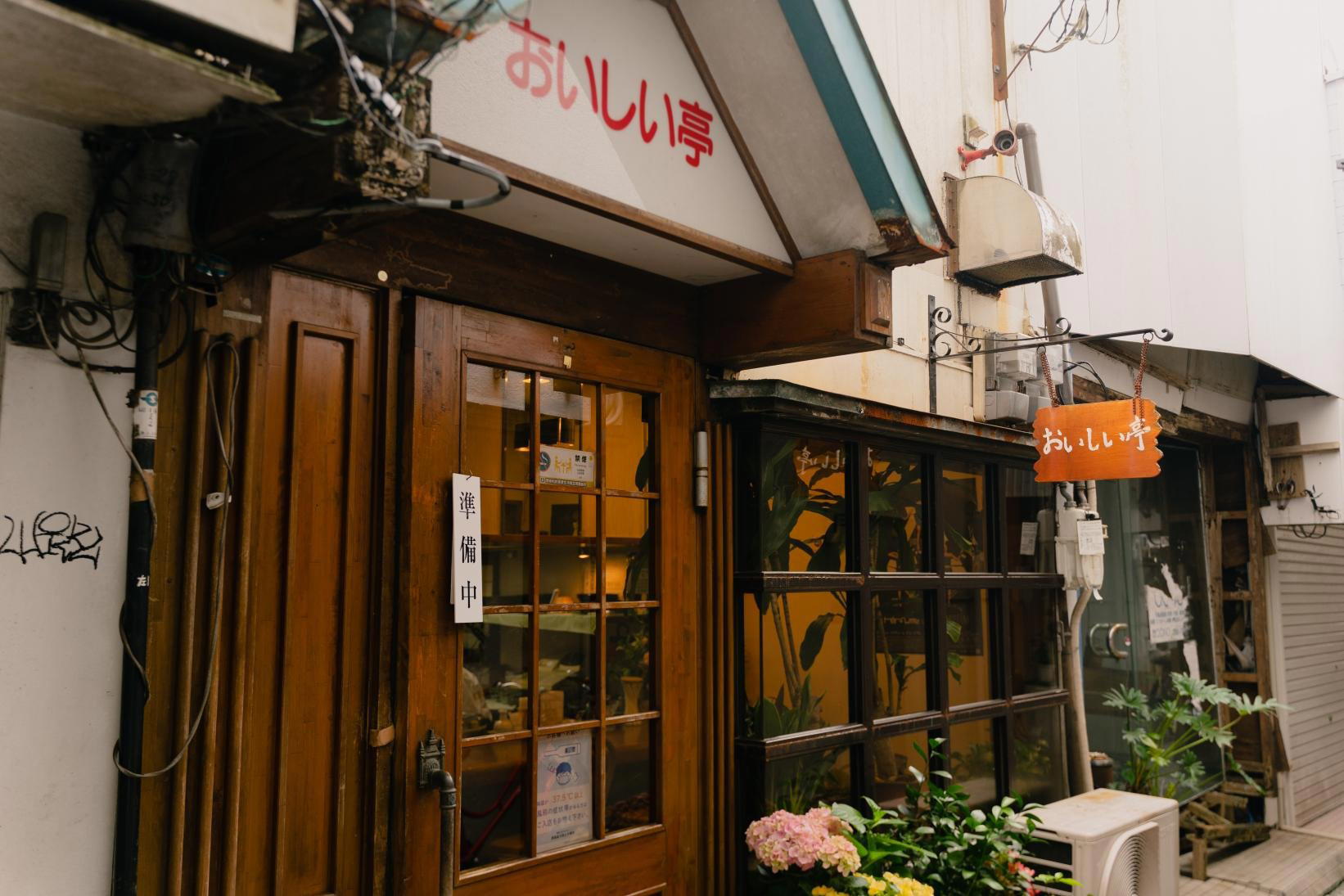
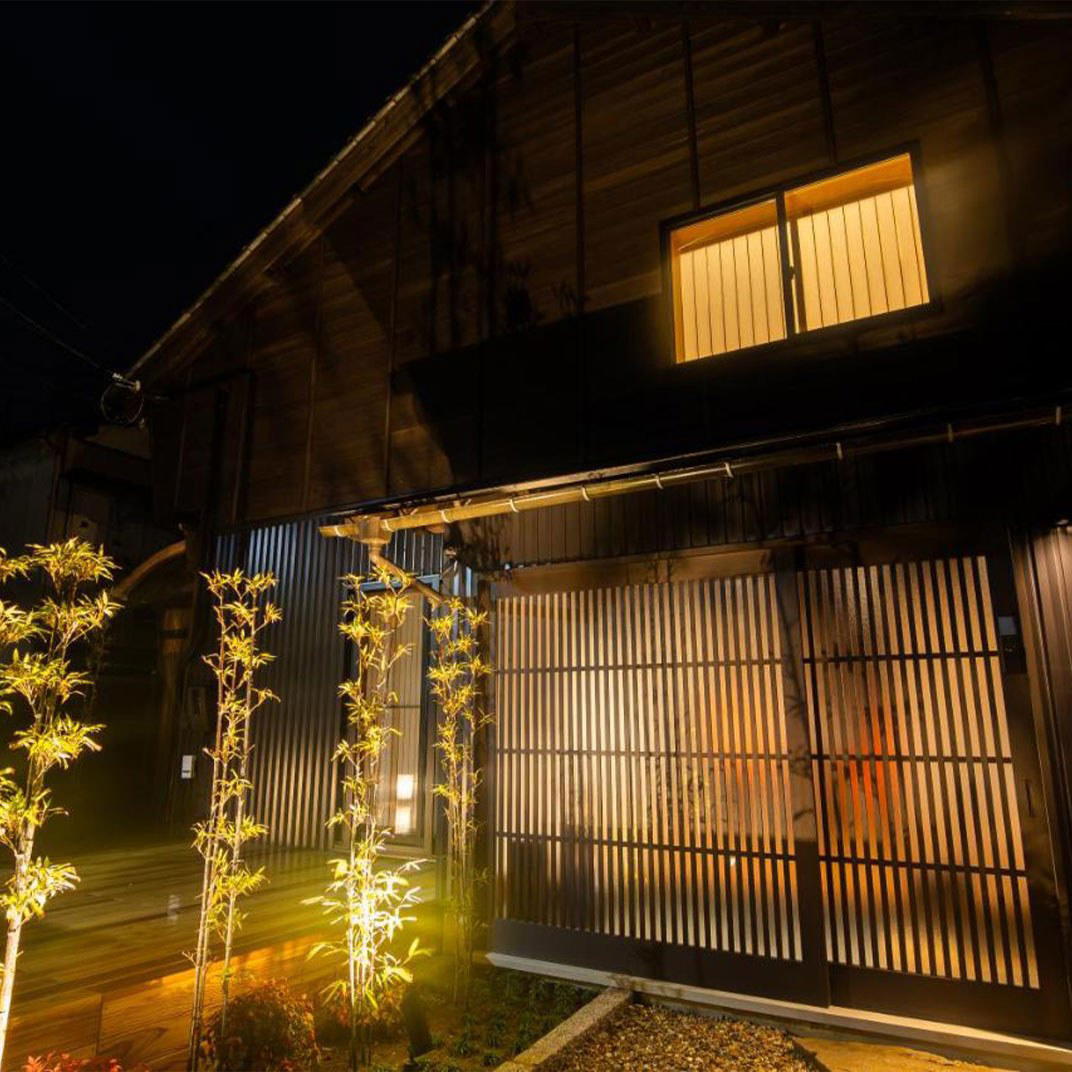
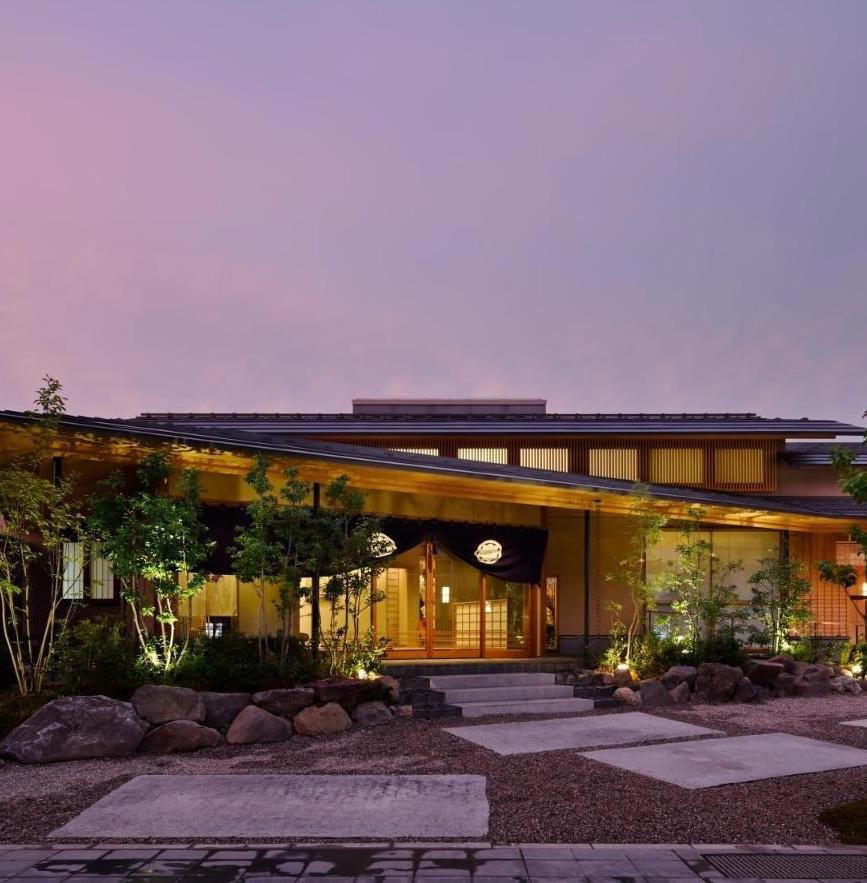
There is a particular kind of restaurant in provincial Japanese cities that announces nothing. No queue forming outside, no signage designed for passing traffic, no English-language concessions. 料亭 開花亭 is a Fukui restaurant serving Seasonal Kaiseki at about $250 per person, at 3 Chome-9-21 Central, Fukui, 910-0006, Japan. The entrance belongs to this register, a physical address that rewards those who arrive with intent rather than those who stumble upon it. This quality is not accidental. It reflects a dining tradition, common across smaller Hokuriku cities, where the room itself is considered part of the meal's architecture.
The Ritual of the Room
Japanese dining at this tier operates on a grammar that most Western hospitality formats have abandoned: the idea that pacing, sequence, and spatial arrangement are as expressive as the food itself. In cities like Fukuoka, where Goh has built an international reputation around precisely this discipline, or in Kyoto where Gion Sasaki turns seasonal kaiseki into a study in restraint, the ritual structure of the meal is understood as content, not ceremony. Fukui's dining scene operates on a smaller, less-documented scale than these cities, but the underlying sensibility is the same: the room asks something of you before it gives anything back.
At 料亭 開花亭, the name itself is instructive. That framing shapes the experience before a single dish arrives. The pace here is not driven by table-turn pressure. The meal unfolds. Guests who arrive expecting the efficient momentum of a city restaurant will need to recalibrate.
Fukui as a Dining Context
Fukui prefecture sits on the Sea of Japan coast, separated from Kyoto by the Tsuruga corridor and from Kanazawa by a stretch of Hokuriku coastline that the shinkansen extension, completed in March 2024, has now brought into closer reach. That infrastructure change matters for understanding who is eating in Fukui now. The new Hokuriku Shinkansen link from Kanazawa to Tsuruga cut journey times significantly, and the city's dining scene is beginning to absorb a different category of visitor, one who arrives with pre-formed opinions about Japanese regional food and the patience to form new ones.
The city's strongest ingredient claim is Echizen crab (越前がに), the cold-water snow crab fished from the Sea of Japan between November and March. Around this seasonal anchor, Fukui's restaurants have organized themselves into a loose hierarchy, with sushi-focused rooms like Sushi Jubei and broader Japanese formats sitting alongside addresses such as Miyazaki and Kaikatei, which approaches the city's Chinese dining category.
The Dining Ritual: Sequence and Etiquette
Across Japan's mid-tier to high-tier restaurants, the dining ritual follows conventions that differ meaningfully from kaiseki's strict formality but share its underlying logic. The meal has a shape. Courses arrive in a sequence that moves from lighter to richer, from raw to cooked, from sea to land. Soup marks a transition. Rice signals the approach of an ending. Interrupting that sequence with requests to accelerate or consolidate courses is, at most addresses operating in this register, a form of disturbance.
This is worth stating plainly because it affects how to use an evening here. Reservations, where they apply, are not merely administrative acts, they signal to the kitchen how many people are eating and over what span of time. Arriving significantly late compresses the meal for everyone in the room. At comparable addresses elsewhere in the region, such as 一本木 加賀棒茶 in Nanao or 湖畔荘 in Takashima, this relational contract between kitchen and guest is assumed rather than stated. The same logic applies here.
Internationally, the restaurants that execute this ritual with greater precision, Atomix in New York, or Le Bernardin in the same city, treat the sequence as a form of argument. Each course makes a point that the next course qualifies or extends. Whether the kitchen at 料亭 開花亭 operates at that level of intentionality is part of the dining experience.
Comparable Addresses and Peer Context
HAJIME in Osaka represents the genre at its most internationally legible. Harutaka in Tokyo and akordu in Nara show how different cities within the same cultural tradition inflect the meal differently, one toward precision, the other toward a more meditative register. Further afield, 古伊丹山乃 in Sapporo and 鳥羽屋 in Nishikawa Machi situate this style of dining within Japan's broader provincial restaurant culture, where the meal's rootedness in a specific place is itself part of the offering. Also relevant for contrast: Birdland in Sakai and 寿司盤 and 御料理 一心 within Fukui itself, the latter two representing the city's more formal Japanese dining tier.
Planning Your Visit
菜亭 隠居亭 is located at 3 Chome-9-21 Central, Fukui, 910-0006. The address places it in the city's central district, within reach of Fukui Station, which since March 2024 sits on the extended Hokuriku Shinkansen line connecting Kanazawa and Tsuruga. Reservations are essential.
Cuisine and Awards Snapshot
Comparable venues nearby, for context on price, style, and recognition.
| Venue | Cuisine | Price | Notes |
|---|---|---|---|
| 料亭 開花亭This venue — the venue you are viewing | Seasonal Kaiseki | $$$$ | Not listed |
| 鮨処海月 | Kappo-Style Seasonal Kaiseki | $$$$ | central Fukui |
| 旬味 泰平 | Honzen-ryori | $$$ | Central |
| 滝の川 | Echizen Crab Seafood | $$$ | Echizen Town |
| Bouyourou | Seasonal Japanese kaiseki with Echizen crab at an oceanfront onsen ryokan | $$$$ | Mikuni Onsen |
| Miyazaki | Michelin-Starred Seasonal Kaiseki Omakase | $$$$ | Junka, Fukui City |
Continue exploring
More in Fukui
Restaurants in Fukui
Browse all →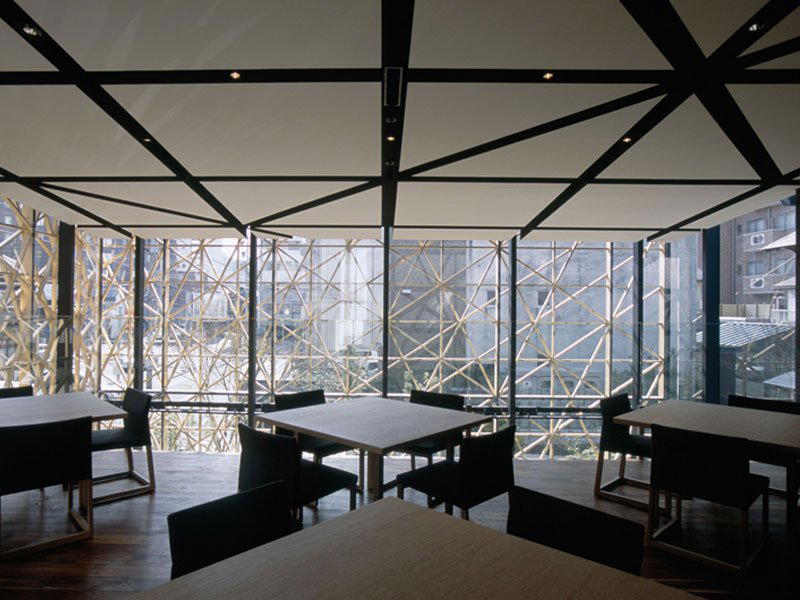
At a Glance
- Elegant
- Intimate
- Sophisticated
- Special Occasion
- Date Night
- Chefs Counter
- Sake Program
- Local Sourcing
Current opening hours
- Monday
- 11:30 AM–2:30 PM, 5:30–10 PM
- Tuesday
- 11:30 AM–2:30 PM, 5:30–10 PM
- Wednesday
- 11:30 AM–2:30 PM, 5:30–10 PM
- Thursday
- 11:30 AM–2:30 PM, 5:30–10 PM
- Friday
- 11:30 AM–2:30 PM, 5:30–10 PM
- Saturday
- 11:30 AM–2:30 PM, 5:30–10 PM
- Sunday
- Closed
Hours can change for holidays and private events. Last verified .
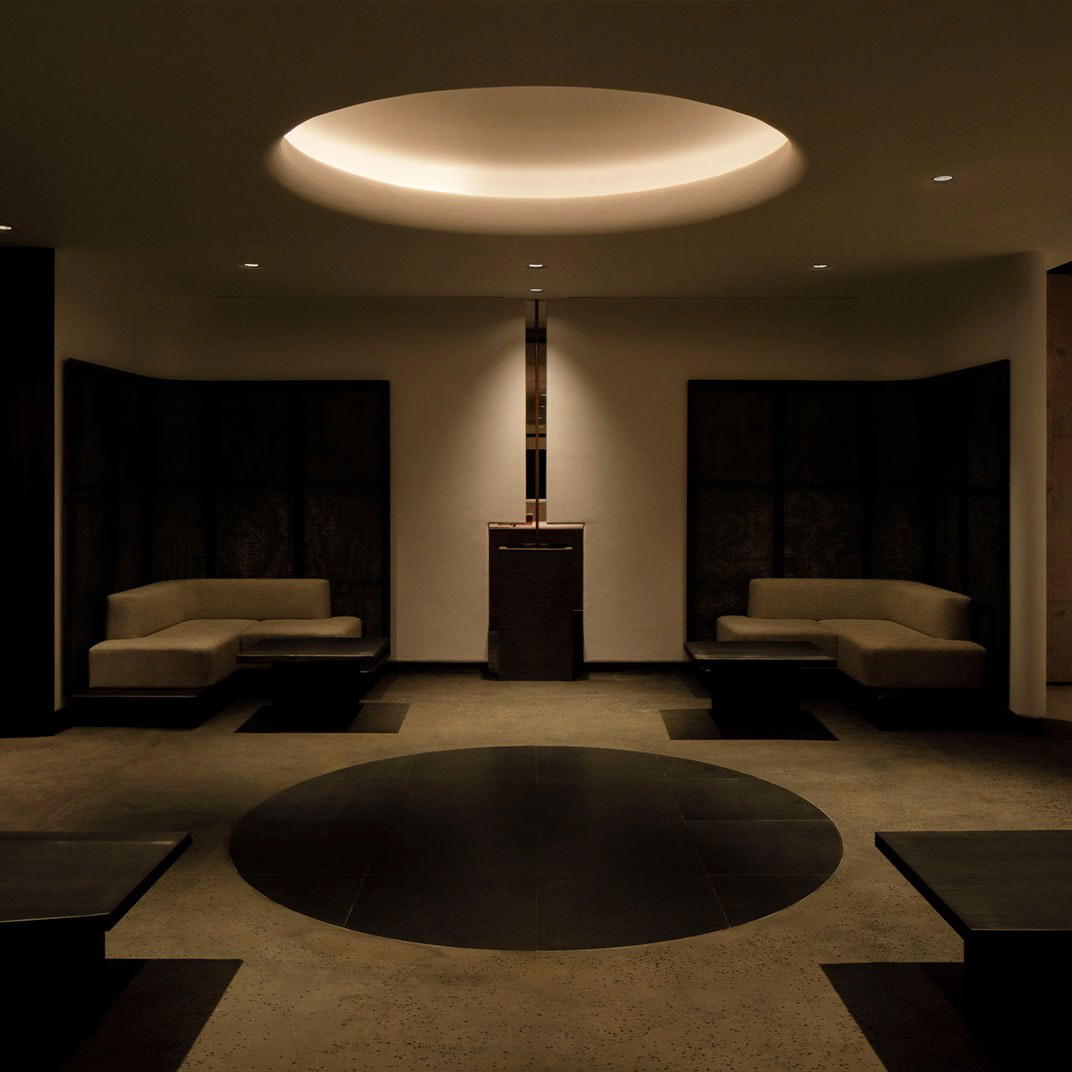
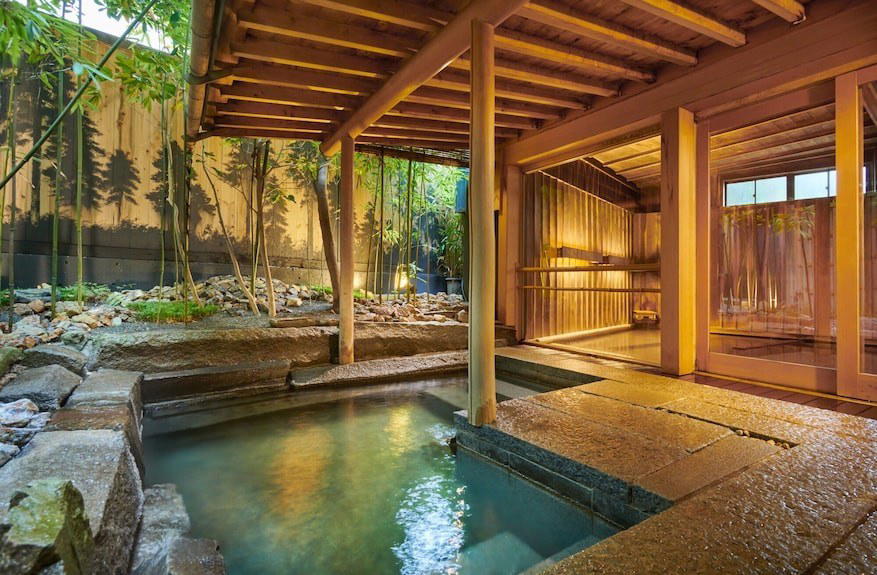
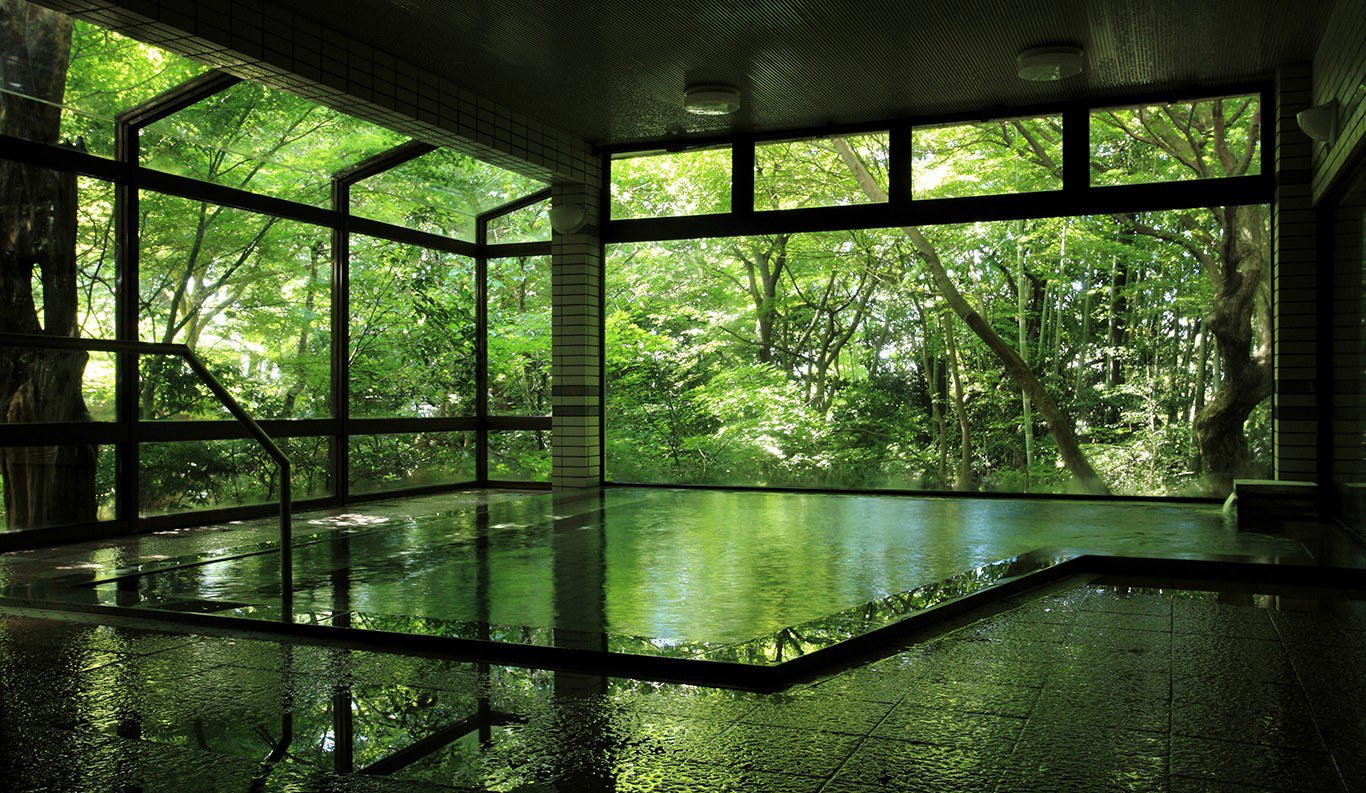
Serene and refined with soft lighting, minimalist decor, and an atmosphere of quiet anticipation centered around the chef's counter.