Our verdict
本膳 泰平 occupies a corner of central Fukui where traditional Japanese dining formats remain relatively intact, away from the concentrated fine-dining circuits of Osaka or Kyoto. Operating within Japan's deep honzen-ryori and kaiseki lineage, the restaurant represents Fukui's quieter but serious approach to seasonal cuisine, rooted in the prefecture's Echizen seafood and mountain produce traditions.

Pearl is the En Primeur Club membership app, where members save venues, book tables and use the concierge.
Fukui's Dining Position and What It Tells You
Fukui sits in a category of Japanese prefectures that receive serious culinary attention from domestic travelers but remain largely undiscovered by international visitors. That asymmetry matters when you are trying to understand where a restaurant like 本膳 泰平 fits. The city's dining scene is shaped by access to Echizen crab, Obama-sourced seafood via the Wakasa Bay corridor, mountain vegetables from the inland ranges, and fermented products like Echizen miso that give local cooking its particular depth. These are not secondary ingredients pressed into service for regional pride, they are primary, season-driven materials around which Fukui's more serious kitchens build their menus.
The prefecture's fine dining does not follow the Kyoto model of highly codified kaiseki with a documented lineage stretching back centuries, nor does it try to replicate the competitive density of Osaka, where restaurants like HAJIME operate in a very different tier of ambition and international recognition. Fukui instead offers something closer to an older, quieter mode of Japanese hospitality, where the sourcing story is local and the format is less theatrical. For the reader accustomed to booking counters like Harutaka in Tokyo or tracking seasonal kaiseki at Gion Sasaki in Kyoto, this context recalibrates expectations usefully.
The Cultural Frame: Honzen-Ryori and Regional Tradition
The name 本膳 泰平 carries a direct cultural signal. Honzen-ryori is one of the oldest formal dining traditions in Japan, predating kaiseki and originating in samurai-era banquet culture. It organizes a meal around a hierarchical sequence of trays and courses, each component governed by rules of presentation, pairing, and seasonal appropriateness. By the Meiji period, honzen had largely retreated to ceremonial contexts, with kaiseki absorbing much of its structural logic into a more flexible, aesthetically driven format. But traces of the tradition persist in how many older regional restaurants in cities like Fukui frame their approach to formal dining, the emphasis on balance, completeness, and seasonal correctness over innovation for its own sake.
In this sense, 本膳 泰平 situates itself within a broader pattern visible across Japan's secondary cities, where formal dining traditions that have been commercially rationalized in major urban centers survive with more of their original character intact. The Fukui dining scene does not have the volume of internationally ranked restaurants found in, say, Fukuoka (where restaurants like Goh command significant critical attention) or the deep kaiseki bench of Kyoto, but it maintains a coherent local identity built on ingredient access and an older formal logic.
Location and Approach
The restaurant's address places it in the Central district of Fukui city, a walkable, mid-density area that functions as the civic and commercial core of the prefecture's capital. Central Fukui is a practical base for anyone spending time in the city, with the main JR Fukui Station providing direct Shinkansen access following the March 2024 extension of the Hokuriku Shinkansen, which reduced travel time from Tokyo to Fukui significantly and changed the calculus for day-trippers and short-stay visitors alike. That infrastructure change has sharpened attention on Fukui's dining scene in a way that was not true even two years ago. Restaurants operating in the Central district are now more accessible to visitors arriving from Tokyo or Kanazawa without an overnight commitment.
For readers comparing options in the city, the Fukui dining scene includes Sushi Jubei for traditional sushi, Kaikatei for Chinese, and Miyazaki among the broader options. Our full Fukui restaurants guide maps the city's dining character across formats and price points. Within the Japanese format category, 寿司房 and 御料理 一心 also operate in the city's more considered dining tier.
What to Know Before You Go
Given the honzen and formal Japanese dining frame the name implies, standard practices in this category apply as useful orientation: formal Japanese restaurants in Fukui's serious tier typically operate on an advance reservation basis, often require a minimum party size for formal course menus, and may request dietary information at the time of booking rather than on arrival. Visitors with dietary restrictions should contact the restaurant directly and early, this is standard practice across regional kaiseki and formal dining houses throughout Japan, as courses are frequently composed around a fixed seasonal sequence with limited day-of flexibility.
For comparison across Japan's regional fine dining circuits, smaller-city formal restaurants generally operate with shorter booking windows than their Tokyo or Kyoto counterparts, four to six weeks rather than three to four months is more typical, but this varies significantly by format and season. Fukui's Echizen crab season runs from November through March, and demand for formal dining that features the ingredient peaks sharply in that window. Anyone targeting winter visits should plan with that seasonal pressure in mind.
Readers accustomed to the kaiseki experience at destination restaurants further afield, including akordu in Nara, Abon in Ashiya, or the more rural formats like affetto akita in Akita, will recognize the pattern of regionally anchored formal dining that 本膳 泰平 seems to represent: menus built around what the prefecture produces rather than international sourcing, and a format shaped by tradition more than trend. That applies equally to some of the quieter formal houses covered in our guides for Aji Arai in Oita, Ajidocoro in Yubari District, and Akakichi in Imabari. For international readers, the frame of a serious regional tasting restaurant, something closer in spirit to Lazy Bear in San Francisco in its commitment to a fixed, deliberate format, or the produce-focused discipline of Le Bernardin in New York City in its ingredient-first logic, may offer a useful reference point, even if the culinary traditions are entirely different.
Frequently asked questions
What's æ¬å³ æ³°å¹³'s location?
æ¬å³ æ³°å¹³ is located at 3 Chome-14-11 Central, Fukui, 910-0006, Japan, Fukui.
What's the signature dish at 本膳 泰平?
Given the restaurant's name directly references honzen-ryori, a ceremonial Japanese dining format structured around a lacquered tray set with multiple prescribed courses, the kitchen almost certainly organises its menu around that tradition rather than a single headline dish. Contacting the restaurant directly in Fukui's Central district is the most reliable way to confirm current offerings.
How far ahead should I plan for æ¬å³ æ³°å¹³?
Reservations are recommended for æ¬å³ æ³°å¹³ in Fukui. Confirm current policy via the venue's official channels.
What's the signature at æ¬å³ æ³°å¹³?
æ¬å³ æ³°å¹³ is best approached by focusing on the core concept and signature offerings.
Can æ¬å³ æ³°å¹³ accommodate dietary restrictions?
Dietary accommodations can vary. Flag restrictions in advance via the venue's official channels.
Price and Positioning
| Venue | Cuisine | Price | Awards | Notes |
|---|---|---|---|---|
| æ¬å³ æ³°å¹³This venue (the venue you are viewing) | Honzen-ryori | Not listed | Not listed | Not listed |
| Sushi Jubei | Traditional Fukui Omakase Sushi | Not listed | Not listed | Sushi |
| Kaikatei | Modern Kappo Kaiseki | $100–150 | La Liste Top Restaurants · Tabelog 100 #40 | Chinese |
| Miyazaki | Michelin-Starred Seasonal Kaiseki Omakase | $150–200 | Tabelog Bronze #282 | Not listed |
| æäº éè±äº | Modern Kappo Kaiseki | $100–150 | La Liste Top Restaurants · Tabelog 100 #40 | Not listed |
| ç¦äºå²ç¹ ææ | Traditional Fukui Kaiseki | $100–150 | Not listed | Not listed |
Continue exploring
More in Fukui
Details
- Classic
- Elegant
- Sophisticated
- Special Occasion
- Historic Building
- Set Menu
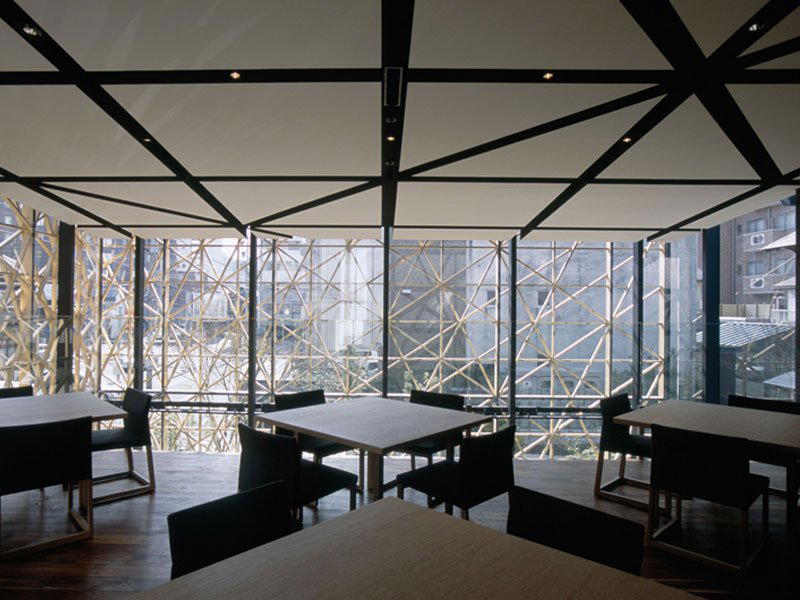
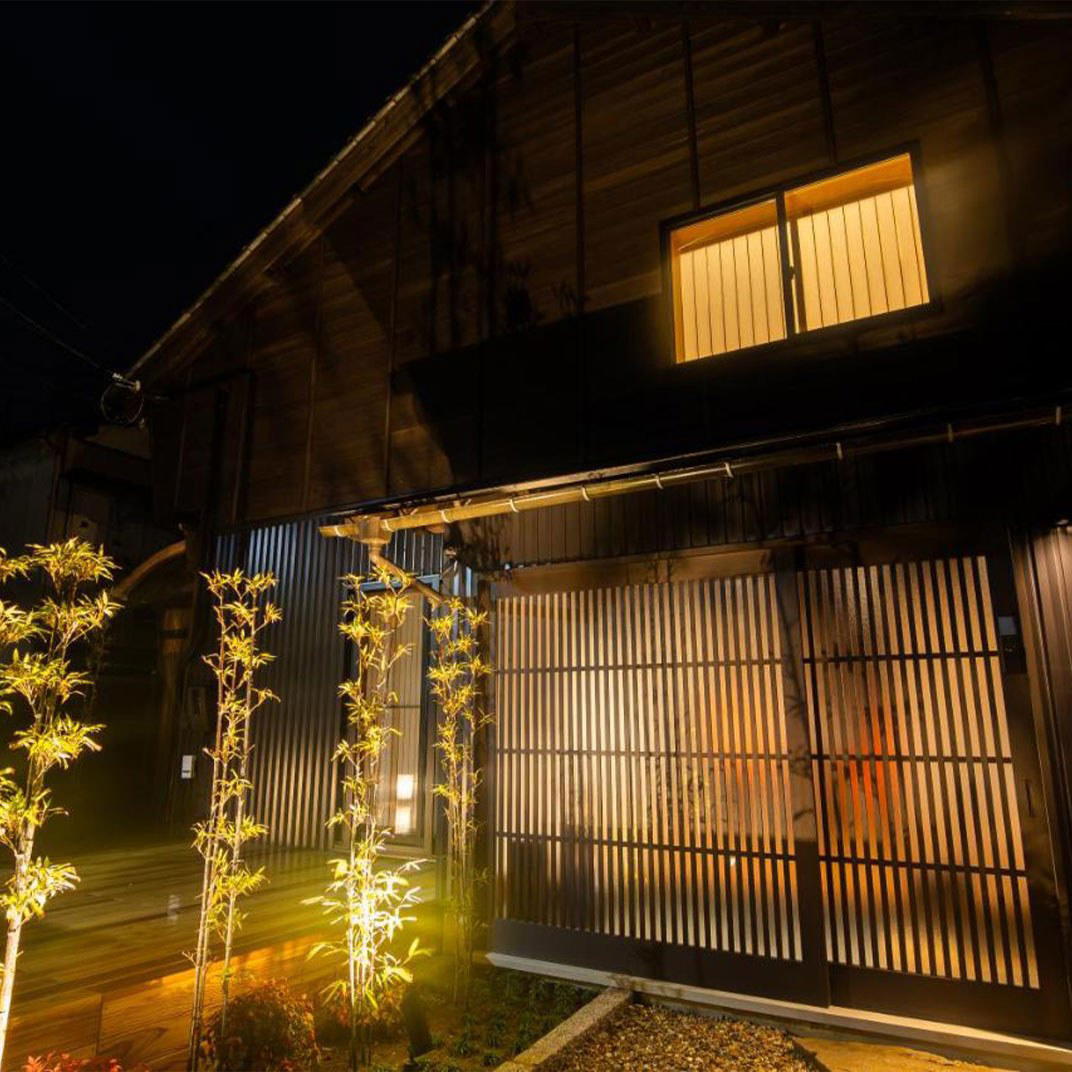
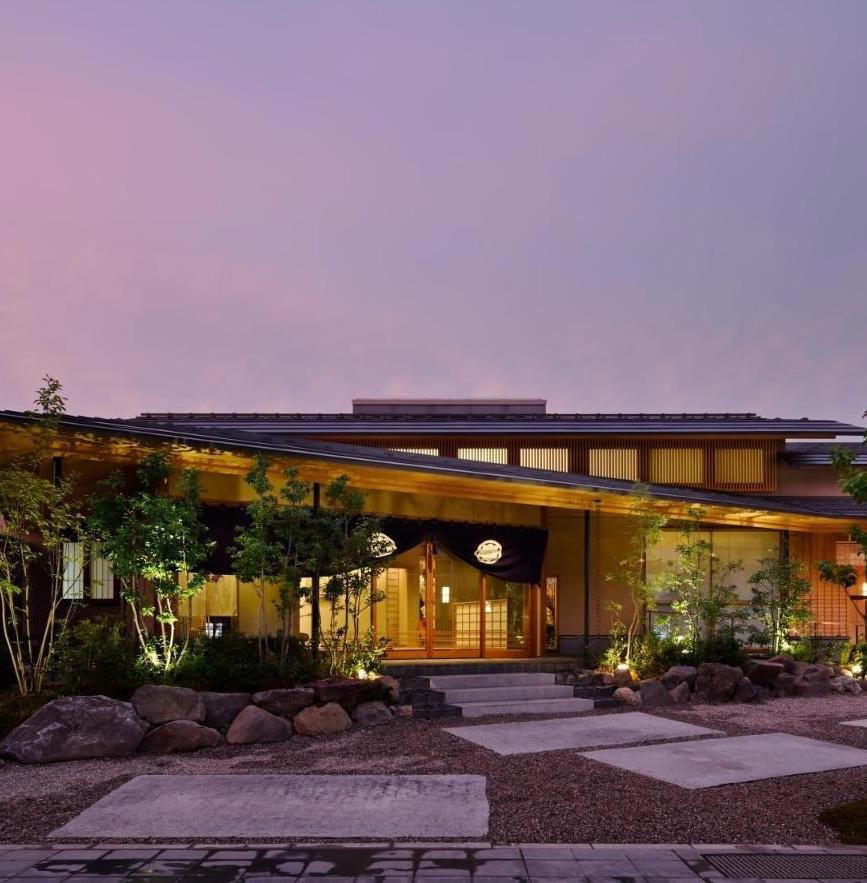
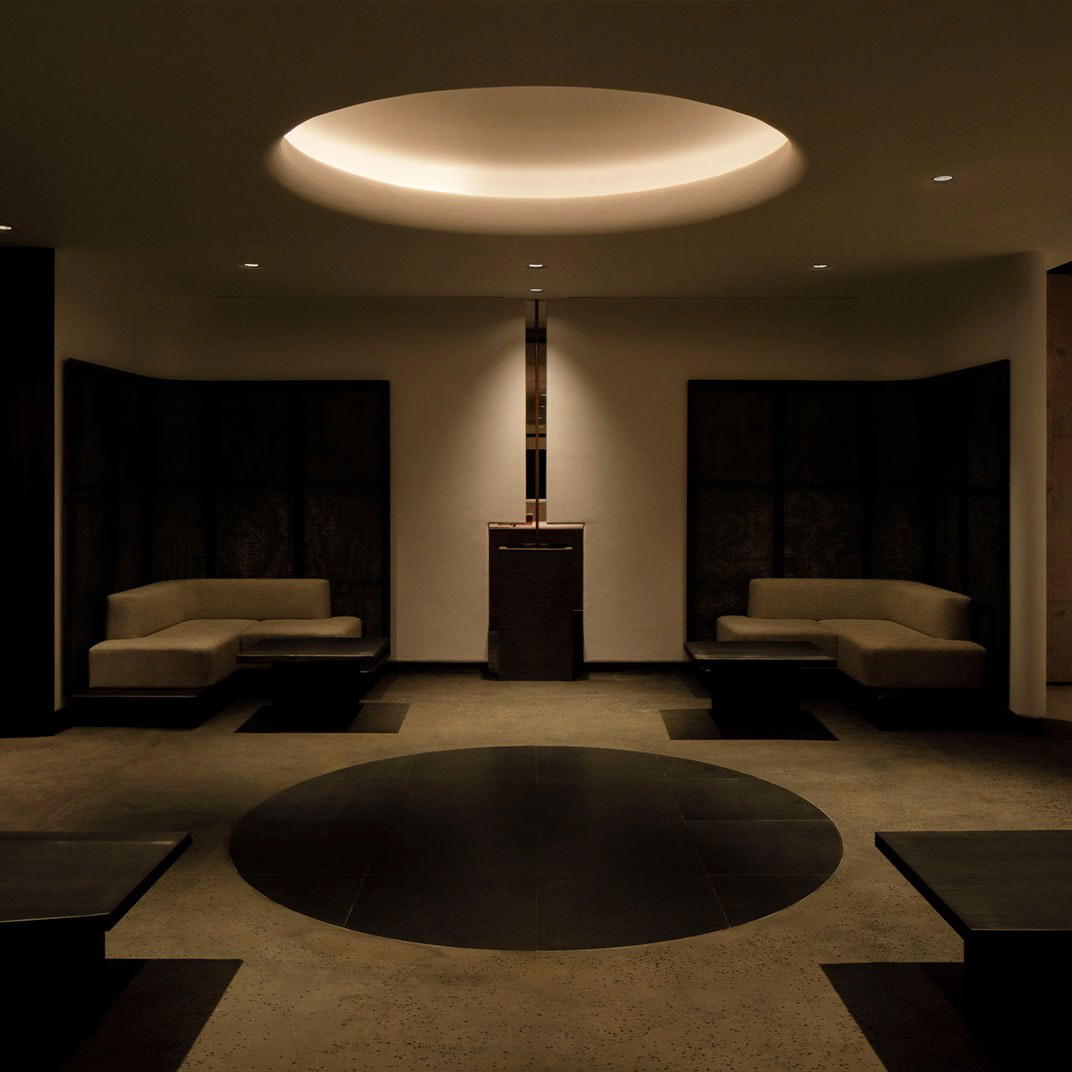
Traditional and formal atmosphere characteristic of ancient Japanese dining rites.