
Bouyourou brings Fukui’s crab culture into the grammar of kaiseki: seasonal sequencing, quiet pacing, and a coastal sensibility rather than spectacle. Its inclusion on Opinionated About Dining’s 2026 Top Restaurants in Japan Recommended list gives it a clear editorial signal for travelers looking beyond the usual Japan dining circuit.
Pearl is the En Primeur Club membership app — saves, bookings, and concierge access live there. Same editors, same standards.
- Address
- 4 Chome-3-38 Mikunicho Komegawaki, Fukui, Chūbu, Japan
- Phone
- +81 776-82-0067
 Saves & bookings on Pearl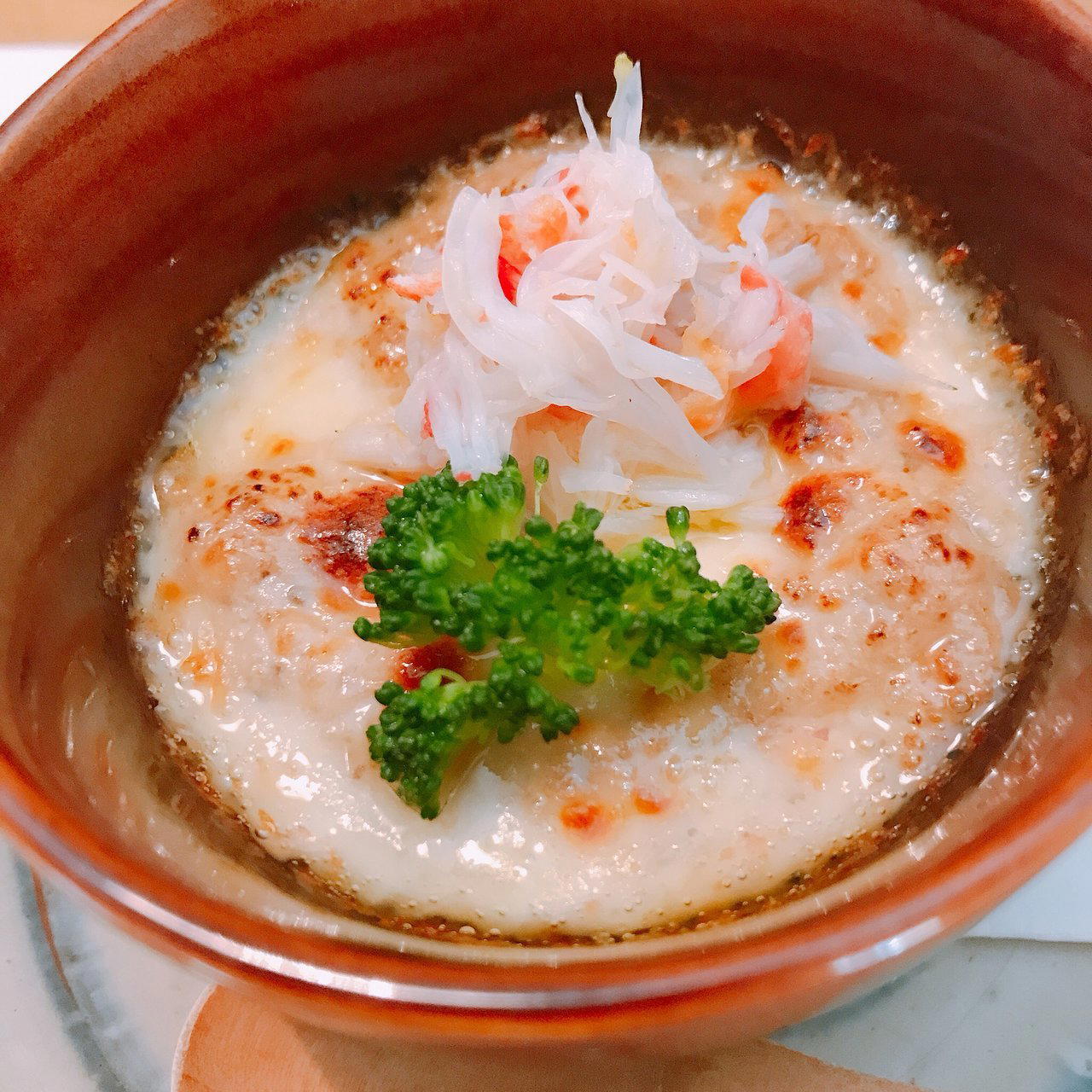
The approach to serious kaiseki in Fukui begins before a tray reaches the table. This is a coast-facing prefecture where winter seafood, Echizen crab, soba, sake, and ryokan dining traditions shape expectations more than metropolitan fashion. Bouyourou belongs to that older rhythm: a crab kaiseki address in Mikunicho Komegawaki, where the meal is read through season, sequence, restraint, and the local appetite for precise seafood cookery.
Fukui does not need the theatrical density of Tokyo or Kyoto to make a persuasive dining argument. Its strength is narrower and more place-bound. The city and its surrounding coastal towns reward travelers who understand that Japanese dining prestige is not always concentrated in capital-city counters. A meal here is less about a trophy reservation and more about seeing how a regional ingredient becomes a formal meal: crab handled across courses, temperature changes, and serving styles without turning the table into a parade of excess.
Crab kaiseki in Fukui is about sequence, not abundance
Kaiseki is often misunderstood as luxury through multiplication: more courses, more ceramics, more ceremony. The better way to read it is as an edited seasonal argument. In a crab kaiseki context, that argument depends on pacing. The ingredient is not simply served once as a centerpiece; it can move through different textures and temperatures while the meal keeps the measured cadence associated with formal Japanese dining.
That matters in Fukui because crab carries regional weight. Echizen crab, landed along the Sea of Japan coast, is one of the prefecture’s defining winter references, and restaurants working in this register tend to be judged on control rather than novelty. Bouyourou’s OAD recognition in the 2026 Top Restaurants in Japan Recommended list places it within a national conversation, but the more useful frame is local: this is Fukui’s seafood culture expressed through kaiseki discipline rather than through a casual market-counter format.
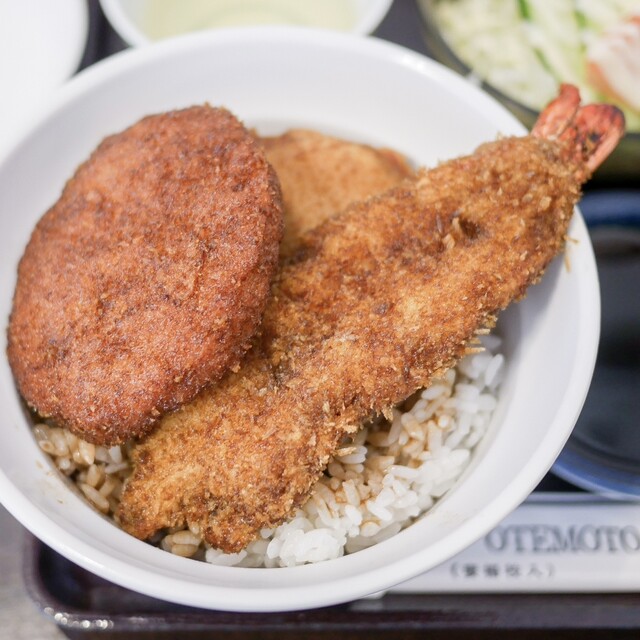
The distinction is important for travelers planning a food-focused route through the prefecture. Fukui’s dining identity is not built around a single genre. Soba is central enough that Amida Soba Fuku no I belongs on a different kind of itinerary, one rooted in buckwheat and everyday regional eating. Sauce katsudon has its own claim through Europe Ken Souhonten. For diners looking at the wider city, Kaikatei (Chinese), Korean Chubo Senara, and Kyouya show how varied the local table can be. Crab kaiseki sits apart from those categories because it asks for more time, more attention, and a stronger tolerance for quiet formality.
The local scene rewards diners who leave the major-city circuit
Japan’s restaurant map is often flattened by international demand. Visitors chase familiar city names, then treat regional dining as a side note. Fukui works against that habit. The prefecture’s appeal is specific: Sea of Japan seafood, cold-season ingredients, old craft towns, hot springs, and rail-linked access that makes it plausible as a deliberate stop rather than a detour. In that setting, Bouyourou functions less as an isolated destination and more as evidence of how deep regional Japanese dining can be when the menu is built around a local product rather than imported prestige.
The chef line is listed collectively rather than around a single named personality, which suits the genre. Kaiseki has room for authorship, but its deepest obligations are structural: seasonality, balance, vessel, temperature, and the rhythm between richer and quieter courses. In crab kaiseki, restraint becomes especially important because the ingredient can dominate if the kitchen lets it. The editorial question is not whether the meal feels grand; it is whether the format keeps crab in proportion, letting the region speak without turning the ingredient into a blunt luxury signal.
For travelers building a Fukui plan, the restaurant belongs in a broader, slower itinerary. The city’s dining spread is easier to understand through our full Fukui restaurants guide, while overnight planning sits naturally with our full Fukui hotels guide. Drinking culture, winery context, and cultural programming are better treated as separate layers through our full Fukui bars guide, our full Fukui wineries guide, and our full Fukui experiences guide. The point is not to overload a day with bookings, but to let the meal sit inside the prefecture’s coastal and seasonal logic.
How to place it in a Japan dining itinerary
Bouyourou makes the strongest case for diners who already understand that Japan’s regional restaurants can carry as much meaning as famous urban rooms. A traveler moving through the country might pair Fukui with other sharply defined formats elsewhere: beef sukiyaki at -Grilled beef Sukiyaki- KAMAKURA TANUKIAN 鎌倉 たぬき庵 in Kamakura, casual seafood and charcoal grilling at. 鮪と炭火焼き うお炭 秋葉原店 in Tokyo, coffee-led urban pacing at.cafe in Osaka, or contemporary small-format dining at.know in Kumamoto. Those links are not substitutes; they clarify how different Japanese dining categories behave when the city, ingredient, and format change.
Crab kaiseki also differs from international-Japanese hybrids and single-dish specialists. (Shoku) Vietnam in Kawasaki and [Curry Senmon Ten] Maruyama Kyoju. in Sapporo belong to a more casual, category-specific reading of Japan’s restaurant culture. Kitafuku Akasaka, Crab Kaiseki in Tokyo is useful as a genre reference, but Fukui changes the emotional temperature of the meal because the coast and ingredient culture are closer to the table. For sake-minded travelers continuing beyond Japan, Jōdo Saké Bar in Los Angeles shows how Japanese drinking culture is reframed abroad, though it occupies a different context entirely.
The editorial verdict is narrow and clear: this is a meal for travelers who want kaiseki as a regional language, not as a decorative performance. The OAD 2026 Recommended listing supplies a credible external marker, but the stronger reason to pay attention is Fukui itself. Crab here is not a luxury import into the menu; it is part of the prefecture’s seasonal identity. That makes Bouyourou a serious choice for diners willing to slow the itinerary and let one ingredient carry a formal Japanese meal with discipline.
How It Compares
Comparable venues nearby, for context on price, style, and recognition.
| Venue | Cuisine | Price | Notes |
|---|---|---|---|
| BouyourouThis venue — the venue you are viewing | Seasonal Japanese kaiseki with Echizen crab at an oceanfront onsen ryokan | $$$$ | Not listed |
| 料亭 開花亭 | Seasonal Kaiseki | $$$$ | central Fukui |
| 旬味 泰平 | Honzen-ryori | $$$ | Central |
| サンドウィッチ&コーヒー トレモロ | Sandwich & Coffee Cafe | $$ | 越前開発 |
| çå µè¡ | japanese | Not listed | Fukui |
| Kaikatei | Modern Kappo Kaiseki | $$$ | Chuo |
Recognition history
Dated appearances from independent guides and award organizations, with the underlying list record or original source where available.
Opinionated About Dining Top Restaurants in Japan Recommended
Opinionated About Dining
Continue exploring
More in Fukui
At a Glance
- Scenic
- Romantic
- Elegant
- Quiet
- Intimate
- Date Night
- Family
- Celebration
- Group Dining
- Solo
- Waterfront
- Panoramic View
- Hotel Restaurant
- Private Dining
- Design Destination
- Historic Building
- Sake Program
- Local Sourcing
- Sustainable Seafood
- Waterfront
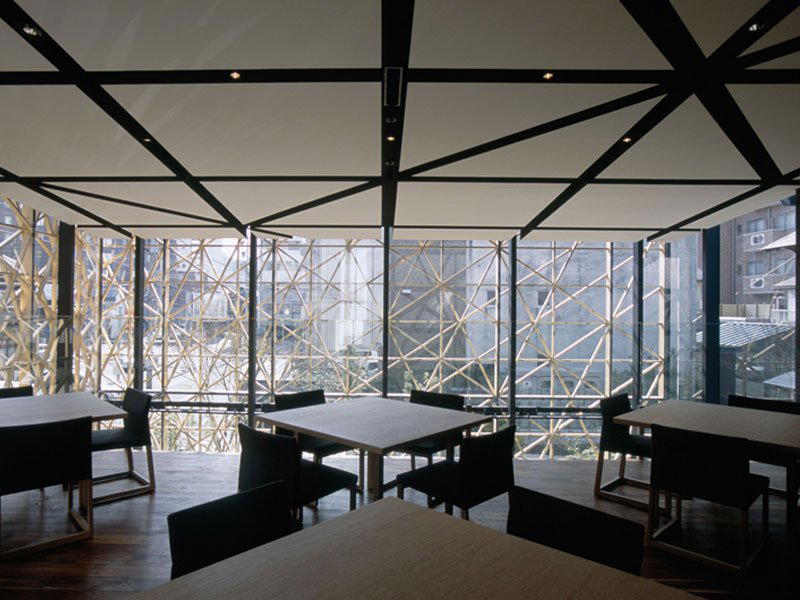
Inside an unassuming concrete exterior, the interiors are strikingly designed with varied materials and large windows framing the rough Japan Sea, creating a calm, elegant and slightly formal atmosphere focused on privacy, quiet, and immersive seaside views.