Our verdict
Casabula occupies a quiet address on Calle de Bolivia in Chamartín, one of Madrid's more residential northern districts, placing it at a deliberate distance from the central restaurant circuit. The venue sits in a tier of Madrid dining where neighbourhood context and sourcing ethics matter as much as technique. For visitors tracking the capital's evolving approach to conscious cooking, it represents a useful data point.

Pearl is the En Primeur Club membership app, where members save venues, book tables and use the concierge.
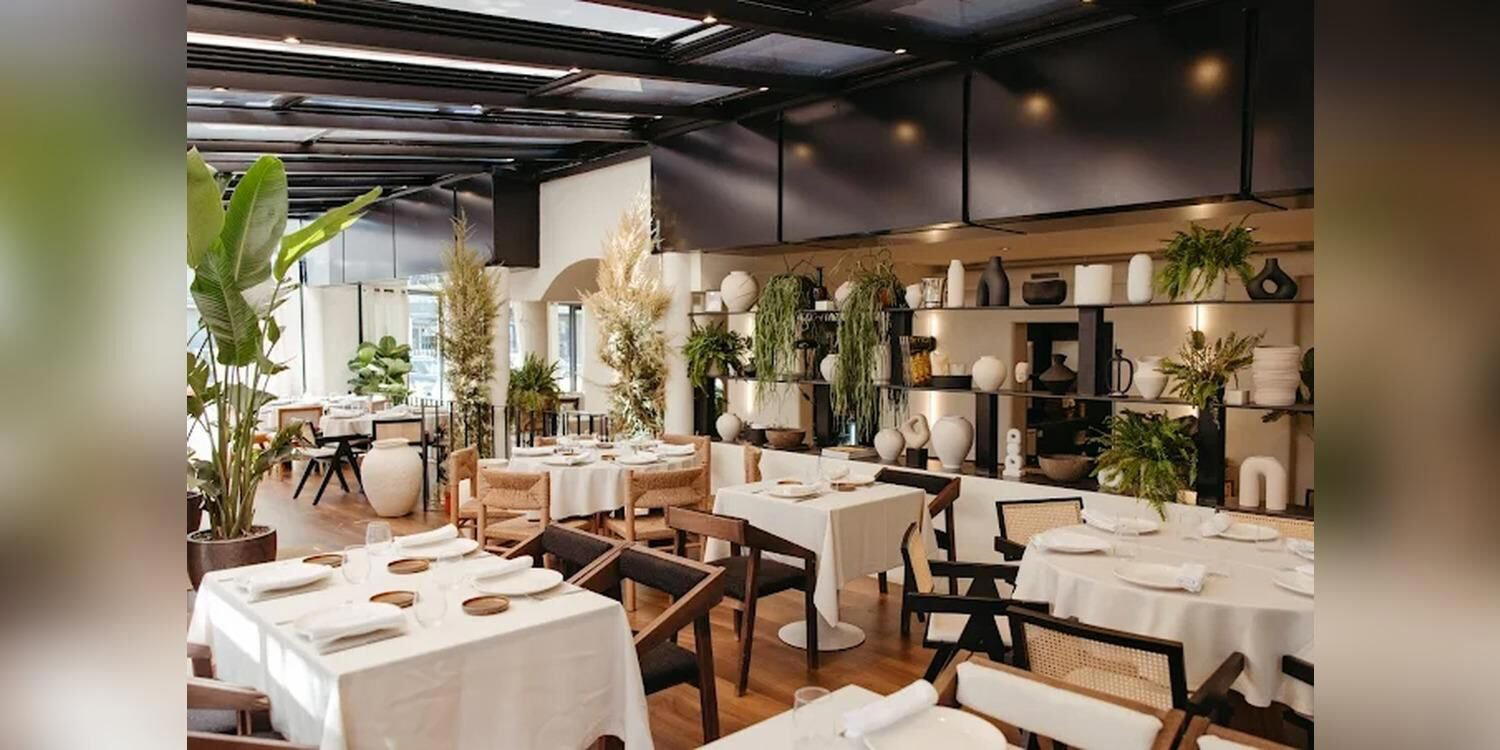
Chamartín and the Question of Where Madrid Eats Seriously
Madrid's fine dining conversation tends to anchor itself south and west: the Gran Vía corridor, Salamanca's expense-account tables, and the creative flagships clustered around the city centre. Chamartín, the residential district running north toward the IFEMA fairgrounds, has long operated outside that gravity. It is not an area that attracts food tourists by default, which makes the presence of a considered restaurant like Casabula on Calle de Bolivia all the more instructive about where the city's dining culture is actually moving.
The broader pattern across European capitals over the past decade has been a gradual drift of ambitious restaurants into residential postcodes. Rents are lower, regulars are closer, and the signal-to-noise ratio favours venues that earn loyalty rather than foot traffic. Chamartín fits that model. It is the kind of neighbourhood where a restaurant has to be worth the journey rather than simply convenient, which tends to sharpen kitchen focus in ways that central locations do not always demand.
The Sustainability Frame in Madrid's Restaurant Scene
Spanish fine dining has spent the last two decades building one of the most recognisable technical identities in the world, from the Basque avant-garde represented by Mugaritz in Errenteria and Arzak in San Sebastián to the Catalan architecture of El Celler de Can Roca in Girona and Cocina Hermanos Torres in Barcelona. More recently, a parallel conversation has emerged around what that technical ambition costs environmentally, and whether Spanish kitchens can lead on ethics as visibly as they have led on technique.
At the national level, venues like Azurmendi in Larrabetzu have become reference points for what a three-Michelin-star operation committed to environmental architecture looks like: rooftop gardens, bioclimatic building design, and supplier relationships built on proximity and traceability. Aponiente in El Puerto de Santa María has built its entire identity around marine by-products and the argument that the sea's overlooked ingredients carry as much value as its prestige cuts. These are not add-on ethical gestures; they are structural to the cooking.
Madrid's own fine dining circuit has been slower to make sustainability the primary editorial frame. DiverXO and Coque operate at the top of the capital's creative tier but are primarily known for technique and scale of ambition rather than environmental ethics. Deessa and DSTAgE have each signalled a more conscious sourcing approach, but neither has positioned sustainability as its defining public argument. The gap between what Spain's most ethically-oriented restaurants are doing nationally and what Madrid's central circuit foregrounds locally is real, and it creates space for venues in residential districts to occupy a different position.
What a Neighbourhood Address Signals About the Sourcing Model
Restaurants that operate in residential districts away from the prestige circuit tend to structure their supply chains differently. Without the expectation of tourist spend or expense-account covers, they build around local producer relationships, shorter menus with higher ingredient utilisation, and formats that reduce the overhead pressure that drives waste. This is not universal, but it is a documented pattern across cities where the post-pandemic dining reset has pushed serious cooking outward from historic centres.
Calle de Bolivia sits in a part of Chamartín where the dining offer is shaped by residents rather than visitors. A restaurant at that address is pricing and sourcing against local expectations as much as against peer creative venues. That context shapes what responsible cooking looks like at the operational level: ingredient rotation driven by what local producers bring in, portion formats calibrated to reduce plate waste, and a menu architecture that treats seasonal constraint as a design principle rather than a marketing claim.
Internationally, the clearest models for this approach come from venues like Lazy Bear in San Francisco, where a communal format and close producer relationships define the sourcing ethics at a structural level, and Le Bernardin in New York City, where a decades-long commitment to responsible seafood sourcing has shaped the menu's architecture from the supply side rather than the plate side. The lesson in both cases is that ethical sourcing becomes credible when it constrains what appears on the menu, not merely when it appears in the copy that describes it.
Madrid's Creative Tier and Where Casabula Sits
The reference points in Madrid's highest creative bracket, including Paco Roncero and the venues above, operate at price points and with guest volumes that bring specific pressures on sourcing ethics and waste management. Residential-district venues like Casabula are not competing directly with that tier; they are operating in a different register where the overhead model permits a more granular relationship with suppliers and a more flexible response to seasonal availability.
Across Spain, the most instructive comparisons for this middle-tier conscious cooking argument come from venues like Ricard Camarena in València and Atrio in Cáceres, both of which demonstrate that serious sourcing ethics and regional ingredient focus are not exclusive to flagship operations with large public profiles. The argument that sustainable cooking is a prestige-tier luxury has weakened considerably as mid-market venues have shown that shorter supply chains and reduced waste are as much a function of operational discipline as of budget.
For a broader orientation to the capital's full creative dining range, the EP Club Madrid restaurants guide maps the major tiers and neighbourhoods. At the national level, the sustained ambition visible in venues from Quique Dacosta in Dénia to Martin Berasategui in Lasarte-Oria provides a frame for what Spanish kitchens at their most deliberate look like, and how a Chamartín address fits into that wider story.
Know Before You Go
| Address | C. de Bolivia, 21, Chamartín, 28016 Madrid, Spain |
|---|---|
| District | Chamartín (northern Madrid, residential) |
| Price Range | |
| Reservations | |
| Hours | Not confirmed, verify before visiting |
| Phone | Not listed, use the venue address to locate contact details |
Frequently asked questions
What is the signature dish at Casabula?
No verified menu data is available for Casabula in EP Club's database, so naming a specific signature dish would risk inaccuracy. What the venue's Chamartín address and positioning suggest is a kitchen oriented toward considered, season-driven cooking rather than a static repertoire built around one headline preparation.
Should I book Casabula in advance?
Chamartín operates as a residential district with a local-first dining culture, which means tables at well-regarded neighbourhood venues tend to fill on regular weekly patterns rather than through tourist-driven spikes. If you are visiting Madrid specifically to eat here, booking ahead is the prudent approach regardless of price tier or award status. Madrid's broader creative dining circuit, particularly at the €€€€ level represented by venues like DiverXO and Coque, requires bookings weeks to months in advance; neighbourhood venues generally have more flexibility, but that buffer is not guaranteed for weekend evenings.
Is Casabula a good choice for a dinner focused on locally sourced Madrid-region ingredients?
Restaurants in residential Madrid districts like Chamartín have historically built stronger relationships with smaller regional producers than the high-volume central venues, where supply chains are shaped by scale and consistency requirements. Casabula's address on Calle de Bolivia places it within that neighbourhood dining pattern, where a locally oriented sourcing model is more operationally viable. For confirmed details about specific producer relationships or seasonal ingredient focus, the venue itself is the authoritative source; Spain's broader commitment to regional ingredient identity, visible in acclaimed kitchens from Dénia to San Sebastián, sets the national benchmark against which any Madrid restaurant's sourcing ambition is measured.
Recognition, Side-by-Side
Comparable venues nearby, for context on price, style, and recognition.
| Venue | Cuisine | Price | Notes |
|---|---|---|---|
| casabulaThis venue (the venue you are viewing) | Asturian Parrilla | $50–100 | Not listed |
| Il Tavolo Verde | Organic Spanish Cafe | Not listed | Recoletos |
| Ana la Santa | Modern Spanish Tapas | $30–50 | Barrio de las Letras |
| El 5 de Tirso | Modern Madrid Tapas | $20–30 | Lavapies |
| La Canica | Modern Spanish Tapas | Not listed | Piovera |
| Carambola Café Bistró | Traditional Spanish Tapas & Café | $30–50 | Valdebebas |
Continue exploring
More in Madrid
Restaurants in Madrid
All restaurants in Madrid →
Bars in Madrid
All bars in Madrid →



Details
- Cozy
- Classic
- Family
- Business Dinner
- Open Kitchen
- A La Carte
Current opening hours
- Monday
- 1–5 PM, 8 PM–12 AM
- Tuesday
- 1–5 PM, 8 PM–12 AM
- Wednesday
- 1–5 PM, 8 PM–12 AM
- Thursday
- 1–5 PM, 8 PM–12 AM
- Friday
- 1–5 PM, 8 PM–12 AM
- Saturday
- 1–5 PM, 8 PM–1 AM
- Sunday
- 1–5 PM, 8 PM–1 AM
Hours can change for holidays and private events. Hours as of .
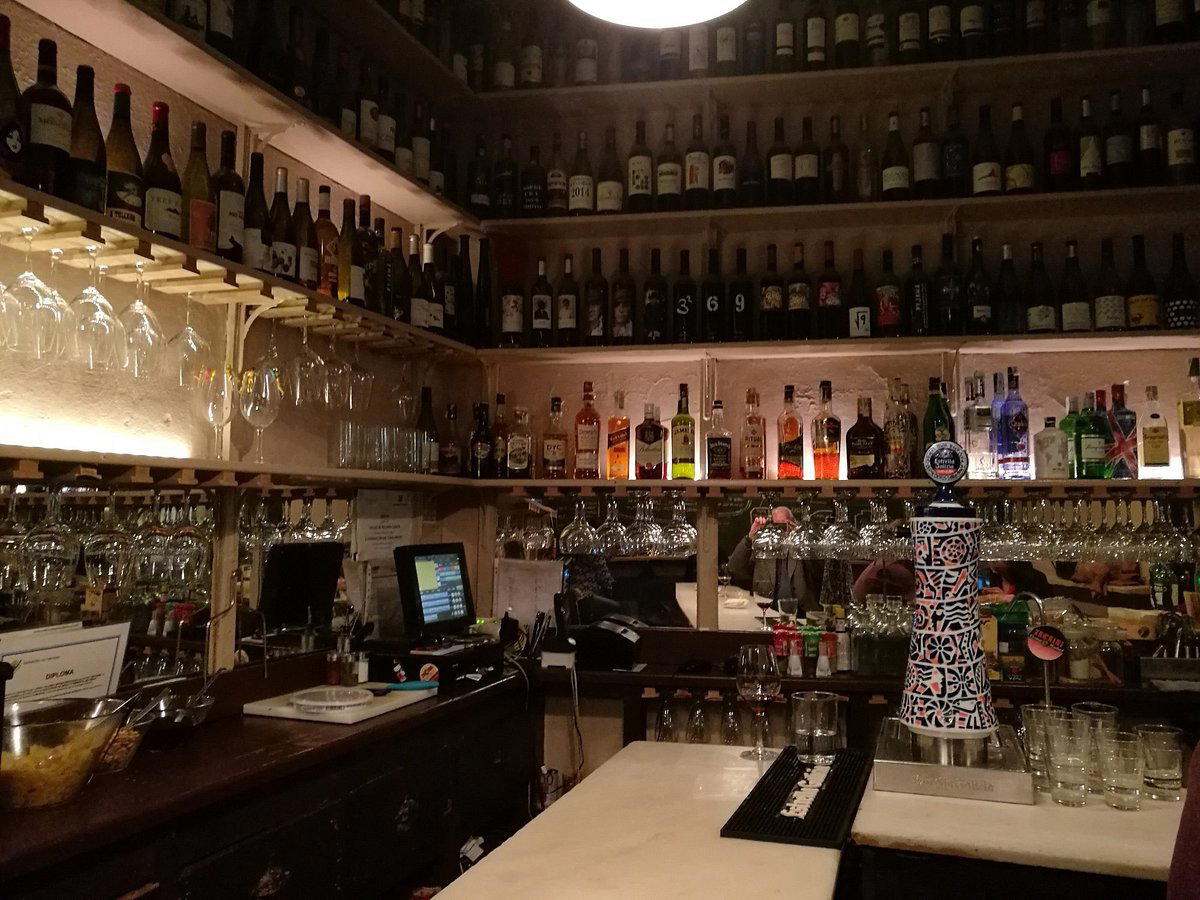
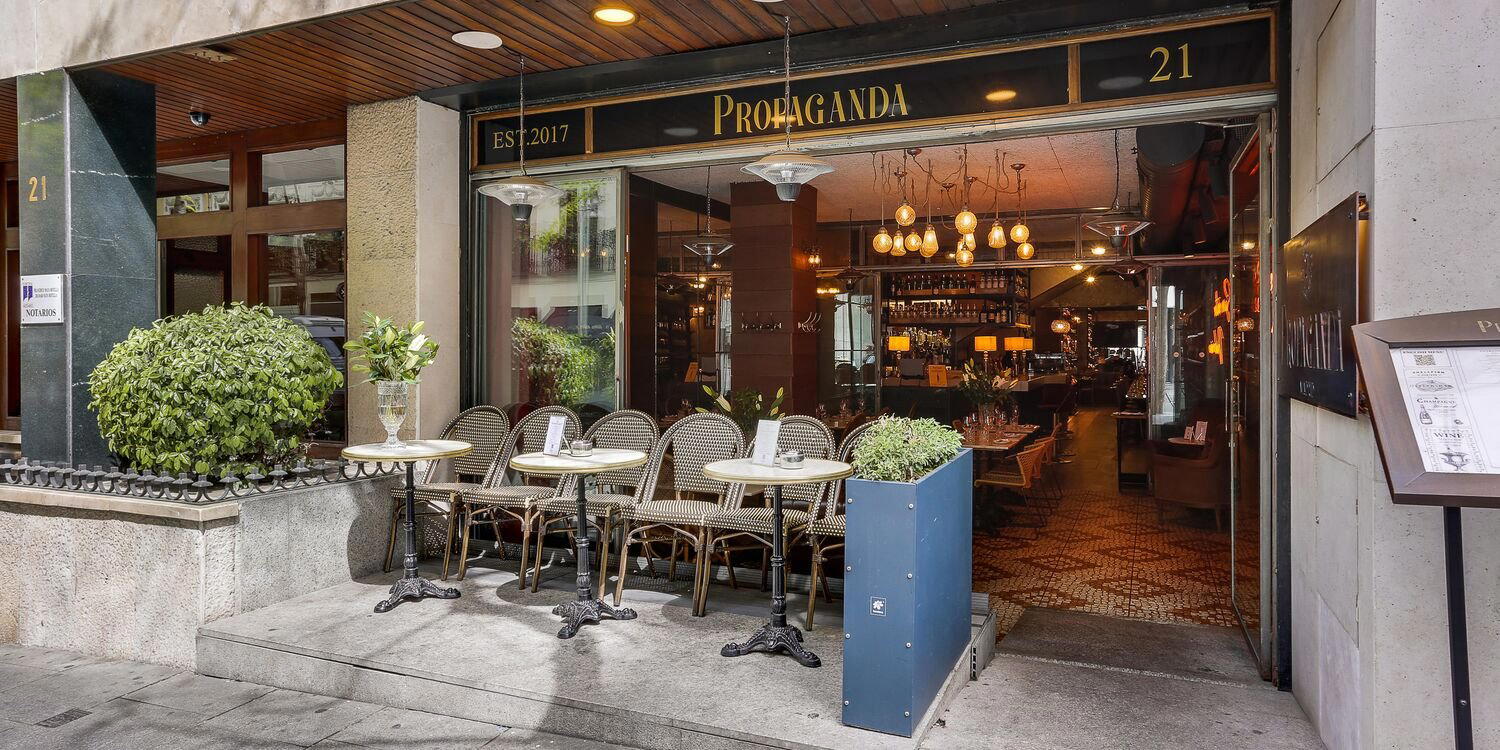
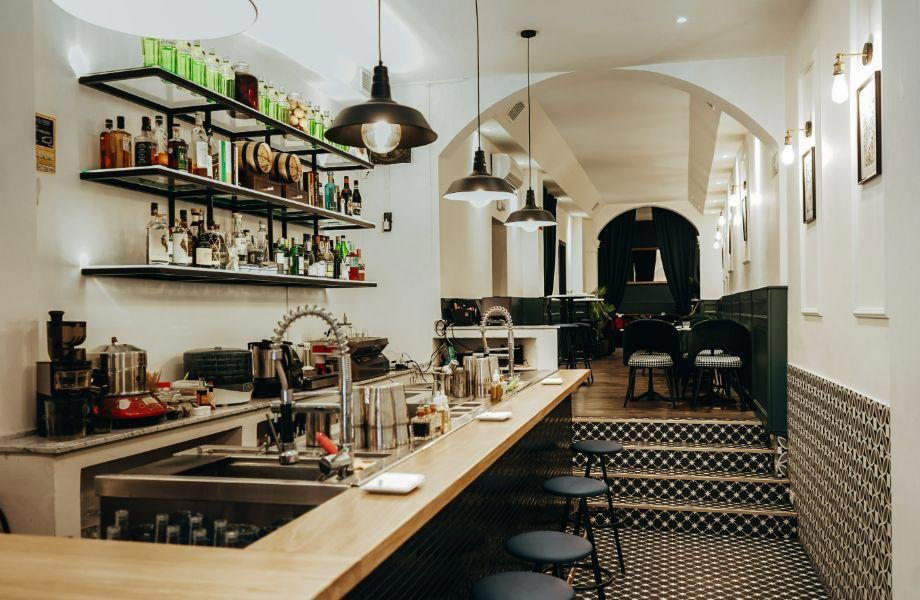
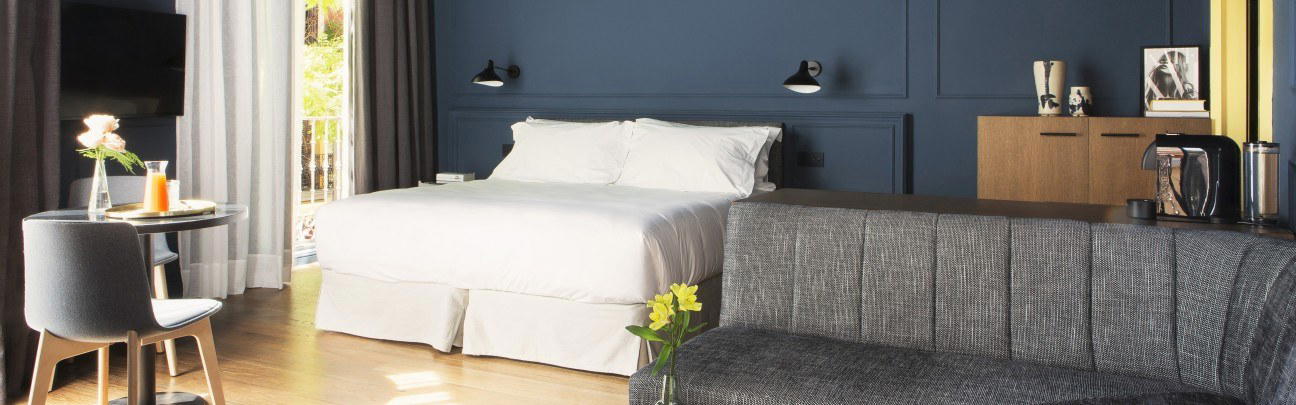
Cozy and aesthetically pleasing with nice decor and Christmas ornamentation noted in reviews.