Our verdict
On Ulitsa Malaya Dmitrovka in central Moscow, Butcher occupies a position in the city's meat-focused dining tier, where the format and address signal a deliberate proposition rather than casual eating. Moscow's restaurant scene has grown increasingly stratified, and venues that plant their flag around a single product category tend to attract a specific, repeat-heavy clientele. Butcher is one of those addresses worth understanding before you go.

Pearl is the En Primeur Club membership app — saves, bookings, and concierge access live there. Same editors, same standards.
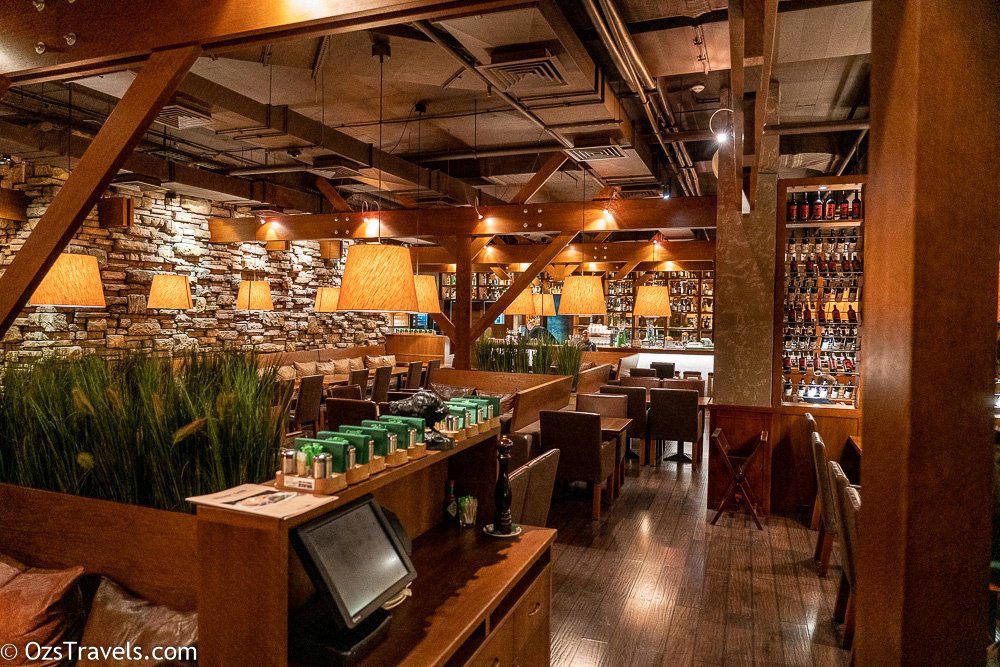
Malaya Dmitrovka and the Logic of the Specialist Restaurant
Ulitsa Malaya Dmitrovka has a particular character among Moscow's central streets. Running parallel to Tverskaya, it carries less tourist traffic and more of the city's working creative and professional class, the kind of foot traffic that sustains restaurants on quality rather than novelty. At number 20, Butcher occupies a slot on a street where the surrounding neighbourhood has consistently supported restaurants that take their format seriously. In Moscow's current dining environment, that address carries weight before a single dish arrives.
The broader context matters here. Moscow's restaurant market has undergone significant consolidation and specialisation over the past decade. The generation of restaurants that opened in the 2010s largely competed on spectacle and breadth; the more durable wave that followed tended toward category depth. Meat-focused restaurants, steakhouses, and product-led formats belong to that second wave, and they occupy a distinct tier in the city's dining hierarchy: not the modern Russian tasting-menu circuit occupied by venues like White Rabbit or Twins Garden, but a parallel track that prizes directness over ceremony. Butcher sits on that track.
What the Format Tells You
A restaurant named for its product category is making a statement about priorities. The steakhouse and butcher-concept format, which took hold in European capitals and New York through the 2000s and 2010s, reached Moscow with its own local inflection: sourcing questions became central, given the complexity of premium beef supply chains into Russia, and the format differentiated itself partly on that sourcing story. Restaurants in this tier compete on provenance, cut selection, and dry-aging credentials rather than on tasting-menu architecture or wine cellar depth alone.
That context shapes what a visit to Butcher involves. You are not choosing between a twelve-course progression and à la carte flexibility; you are choosing between cuts, preparation methods, and the supporting cast of sides and sauces that a kitchen has decided deserve equal attention. The discipline of that format, when executed well, produces a meal that feels more honest than elaborate. It also means the kitchen has nowhere to hide: the quality of the primary product is the entire proposition.
For comparison within Moscow's broader scene, this positions Butcher differently from the introspective modern-Russian format at Varvary or the European ambition of Accenti and Aist. Those restaurants ask something different of the diner's attention. Butcher asks you to focus.
Planning a Table: What You Need to Know
The editorial angle for Butcher, given what the format implies and the address suggests, is squarely about logistics and expectation management. Moscow's better-known restaurants in the central districts have moved steadily toward advance booking requirements over the past several years, and meat-focused venues that have built a repeat clientele tend to fill Thursday through Saturday evenings several days ahead. Walk-in availability at Butcher, as with its category peers in this part of the city, is more reliably found at lunch or on weekday evenings before 7pm.
Malaya Dmitrovka 20 is reachable on foot from Pushkinskaya or Chekhovskaya metro stations, both within a short walk, making it accessible without a car in a city where central parking is genuinely difficult. That access point is worth factoring into evening plans, particularly if you are combining dinner with a nearby theatre visit — the Lenkom Theatre sits on the same street and has historically driven early-evening demand in the neighbourhood.
In Moscow's current restaurant environment, several mid-to-upper tier venues are bookable through aggregator platforms including Afisha and local reservation systems, and that is the most practical starting point when a direct channel is not confirmed. For visitors arriving from outside Russia who are accustomed to platforms like OpenTable or Resy, neither operates here; local alternatives or direct contact through the venue's own social presence are the reliable routes.
Timing within the meal matters in this format. Meat-focused restaurants that take aging and temperature seriously tend to build in longer kitchen windows than their à la carte flexibility might suggest. Arriving with a tight schedule — a two-hour window before a late commitment, works better at lunch than at dinner, where the pacing tends to extend. Budget three hours for a full evening at a venue in this tier in Moscow, particularly if you are ordering across multiple cuts or adding substantial side dishes.
The Broader Moscow Meat Dining Scene
For those mapping Moscow's restaurant scene more systematically, the specialist category that Butcher occupies sits between the casual steakhouse chains that proliferated across the city in the 2010s and the product-obsessive fine-dining tier where meat appears as one element in a broader tasting architecture. The middle of that range, which is where venues like Butcher operate, is where you find the most consistent value proposition: serious product, focused service, and pricing that reflects the cost of quality sourcing without the overhead of tasting-menu ceremony.
Russia's domestic beef production has expanded significantly since 2014, with ranches in the Voronezh and Lipetsk regions developing marbled breeds that compete with imported Wagyu and American prime cuts in urban restaurant markets. Restaurants in Butcher's category have benefited from that domestic supply development, and the sourcing landscape available to a Moscow meat restaurant today is meaningfully different from what it was a decade ago. That shift has raised the floor for the entire category.
For those travelling more widely across Russia and interested in restaurant culture beyond Moscow, the dining scene extends in interesting directions: Bourgeois Bohemians in St. Petersburg, COCOCO Bistro, and Birch represent the northern capital's distinct dining character, while further afield, Baran-Rapan in Sochi, Leo Wine & Kitchen in Rostov, Alanskaya Kukhnya in Krasnodar, and SEASONS in Kaliningrad show how different Russia's regional dining identities have become. Outside Russia entirely, the specialist-format logic applies globally: Le Bernardin in New York and Lazy Bear in San Francisco each demonstrate what category commitment looks like at the highest execution level, even in entirely different product categories. See our full Moscow restaurants guide for a broader map of where the city's dining scene currently sits.
Additional regional references worth knowing include La Colline in Bolshoye Sareyevo, Tsarskaya Okhota in Zhukovka, and Primorskiy Prospekt, 72 in Staraya Derevnya for those exploring the broader Moscow region dining circuit.
Frequently asked questions
What part of town is Butcher in?
Butcher is located at Ulitsa Malaya Dmitrovka, 20, Moscow, Russia, 127006, Moscow.
Is Butcher on Malaya Dmitrovka suitable for a business dinner in Moscow?
The address — Ulitsa Malaya Dmitrovka, 20, in central Moscow — places the restaurant within easy reach of the city's business and government districts, making it a practical choice for a working dinner. Specialist meat restaurants in this format tend to favour a focused menu and confident service style, both of which suit a table where the food should not distract from conversation. No formal dress code or private dining details are confirmed in our editorial record, so check the venue's official channels for those specifics.
What's the best thing to order at Butcher?
The restaurant's name signals a single-minded focus on meat, which means the primary cuts are the reason to visit. In butcher-concept formats, the logic is to order whatever reflects the house's sourcing position — typically a dry-aged or prime beef cut rather than supplementary dishes.
How hard is it to get a table at Butcher?
Butcher sits on Ulitsa Malaya Dmitrovka, a street that draws a local rather than tourist crowd, which tends to keep reservation pressure more manageable than venues directly on Tverskaya. That said, specialist meat restaurants in Moscow's central districts attract a consistent following, and weekend tables at format-driven spots typically require booking several days ahead. Direct confirmation of current wait times is best sought through the restaurant itself, as no booking data is held in our editorial record.
How It Stacks Up
| Venue | Cuisine | Price | Awards |
|---|---|---|---|
| ButcherThis venue — the venue you are viewing | Premium Steakhouse | Not listed | Not listed |
| White Rabbit | Modern Russian Fine Dining | $100–150 | World's 50 Best #25 · La Liste Top Restaurants |
| Selfie | Modern European Fusion with Russian Influences | $50–100 | La Liste Top Restaurants |
| Twins Garden | Modern Russian Fine Dining | $150–200 | World's 50 Best #30 · La Liste Top Restaurants |
| Artest | Modern European Fine Dining | $50–100 | La Liste Top Restaurants |
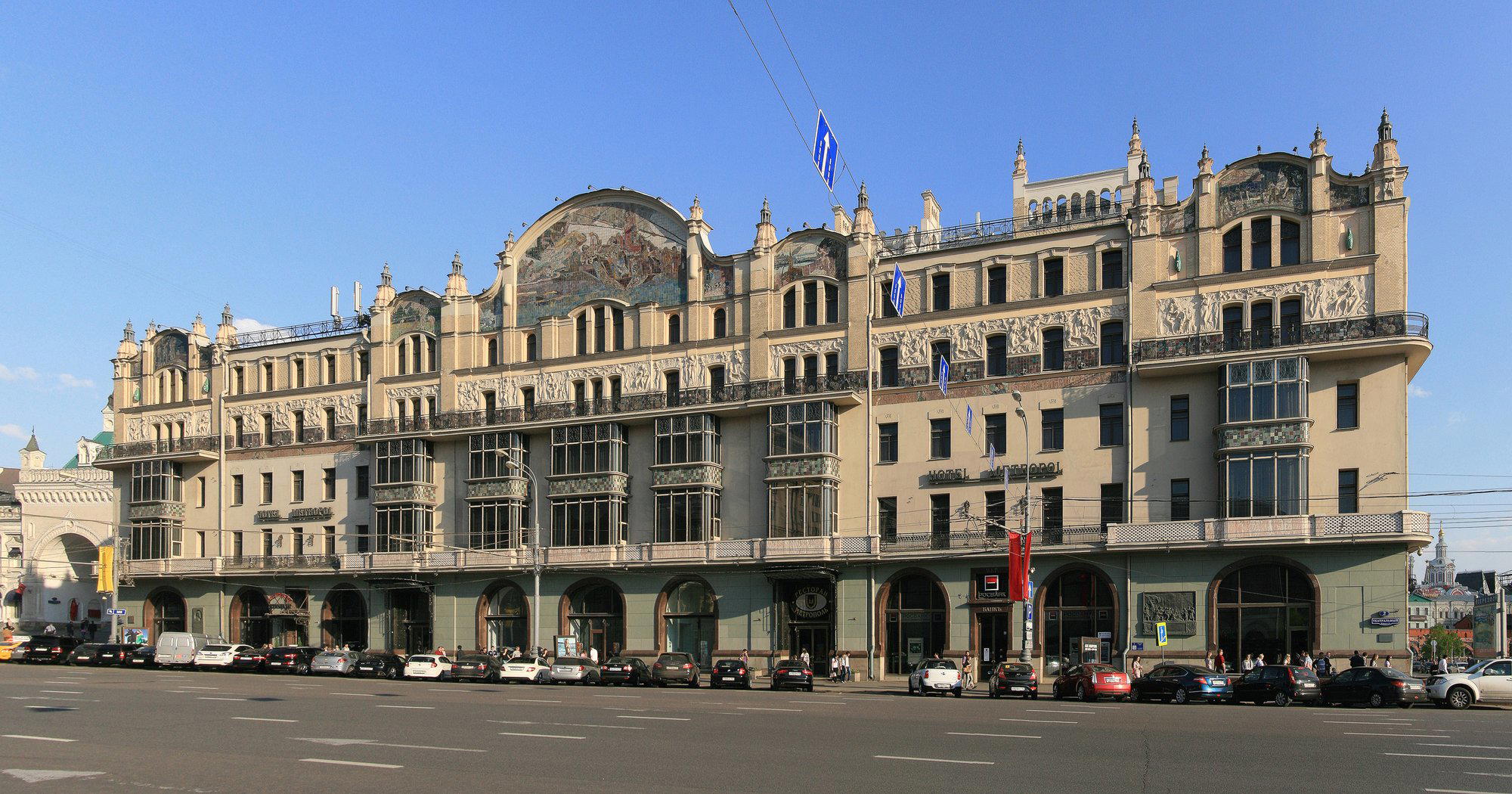
| САВВА - Savva - Hotel Metropol | Russian European | Not listed | Not listed |
Continue exploring
More in Moscow
Restaurants in Moscow
All restaurants in Moscow →
Details
- Energetic
- Modern
- Rustic
- Business Dinner
- Date Night
- Special Occasion
- Open Kitchen
- A La Carte
Current opening hours
- Monday
- 12 PM–12 AM
- Tuesday
- 12 PM–12 AM
- Wednesday
- 12 PM–12 AM
- Thursday
- 12 PM–12 AM
- Friday
- 12 PM–12 AM
- Saturday
- 12 PM–12 AM
- Sunday
- 12 PM–12 AM
Hours can change for holidays and private events. Last verified .
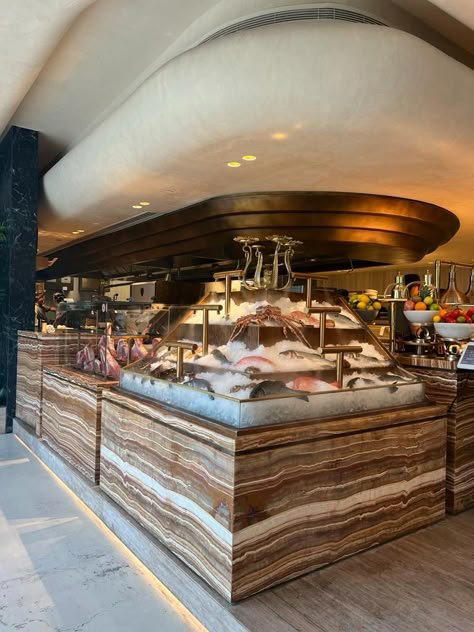
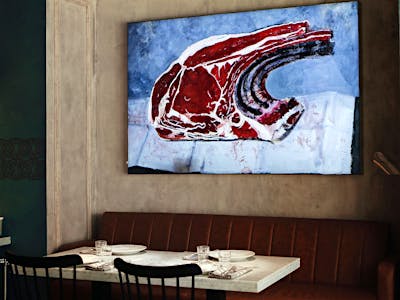
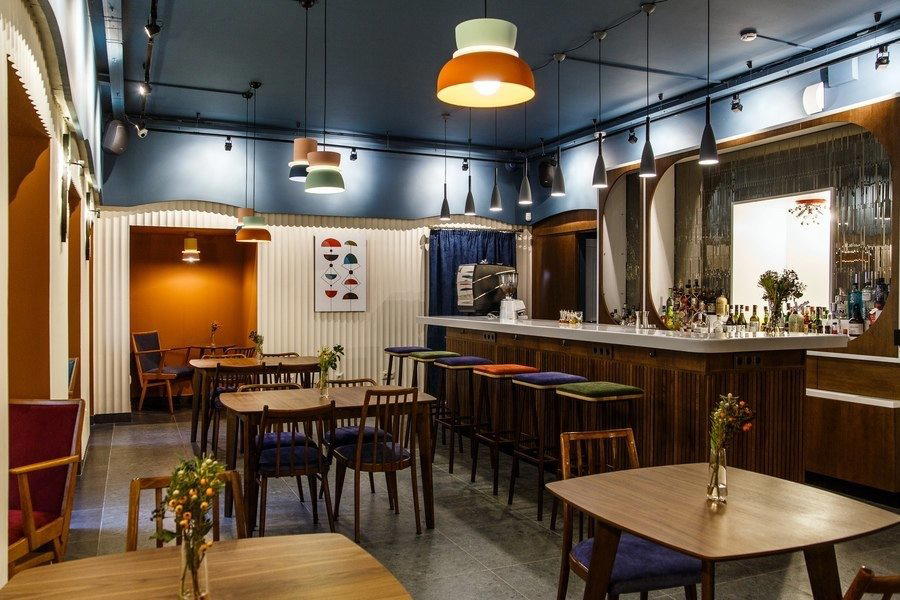
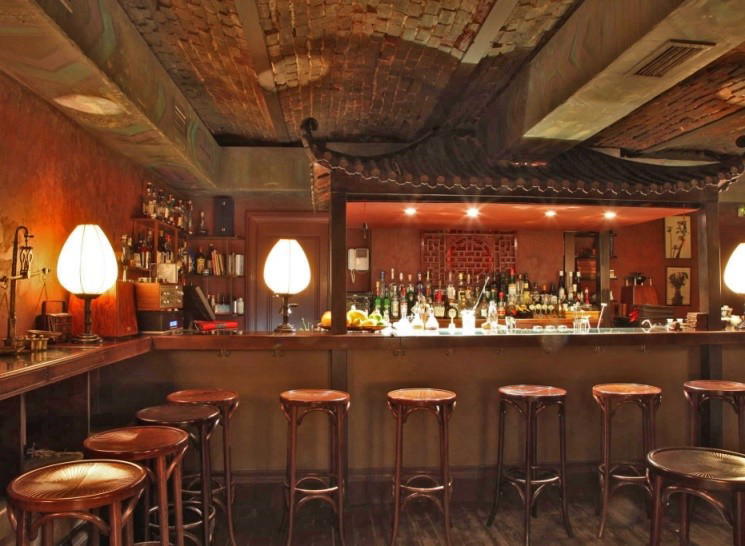
Cozy atmosphere with a masculine, meat-focused vibe ideal for steak enthusiasts.