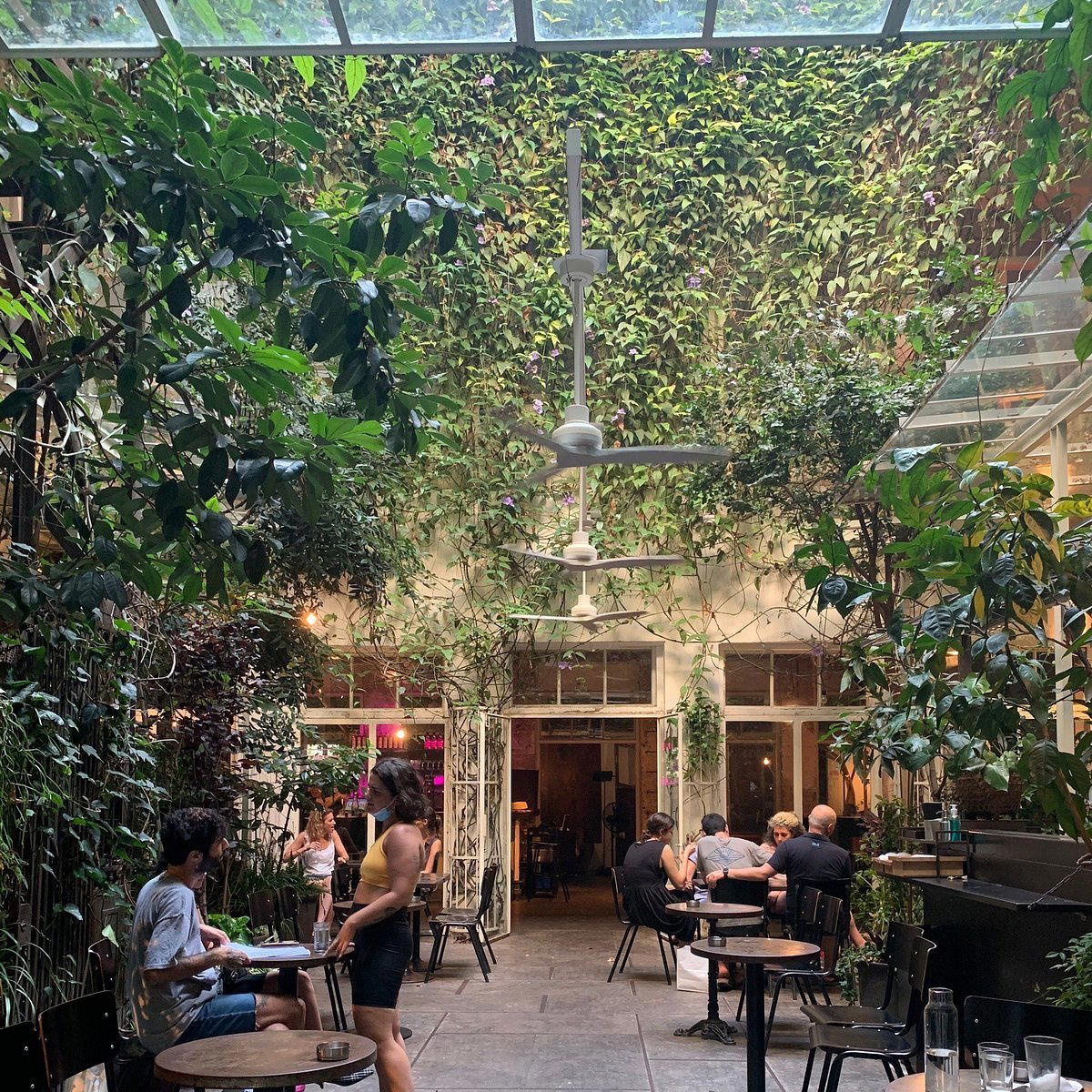
On a quiet residential street in Tel Aviv's older urban fabric, Cafe Puaa occupies a space that reads more like someone's living room than a conventional café. The address on Rabbi Yohanan Street places it within reach of the city's neighbourhood café circuit, a tier distinct from the polished all-day venues of Rothschild or the tourist-facing spots near the port. It belongs to a local tradition of intimate, unhurried spaces that reward those who seek them out.
Pearl is the En Primeur Club membership app — saves, bookings, and concierge access live there. Same editors, same standards.
- Address
- Rabbi Yohanan St 6, Tel Aviv-Yafo, Israel
- Phone
- +972 3 682 3821
- Directions
- Get directions
 Saves & bookings on Pearl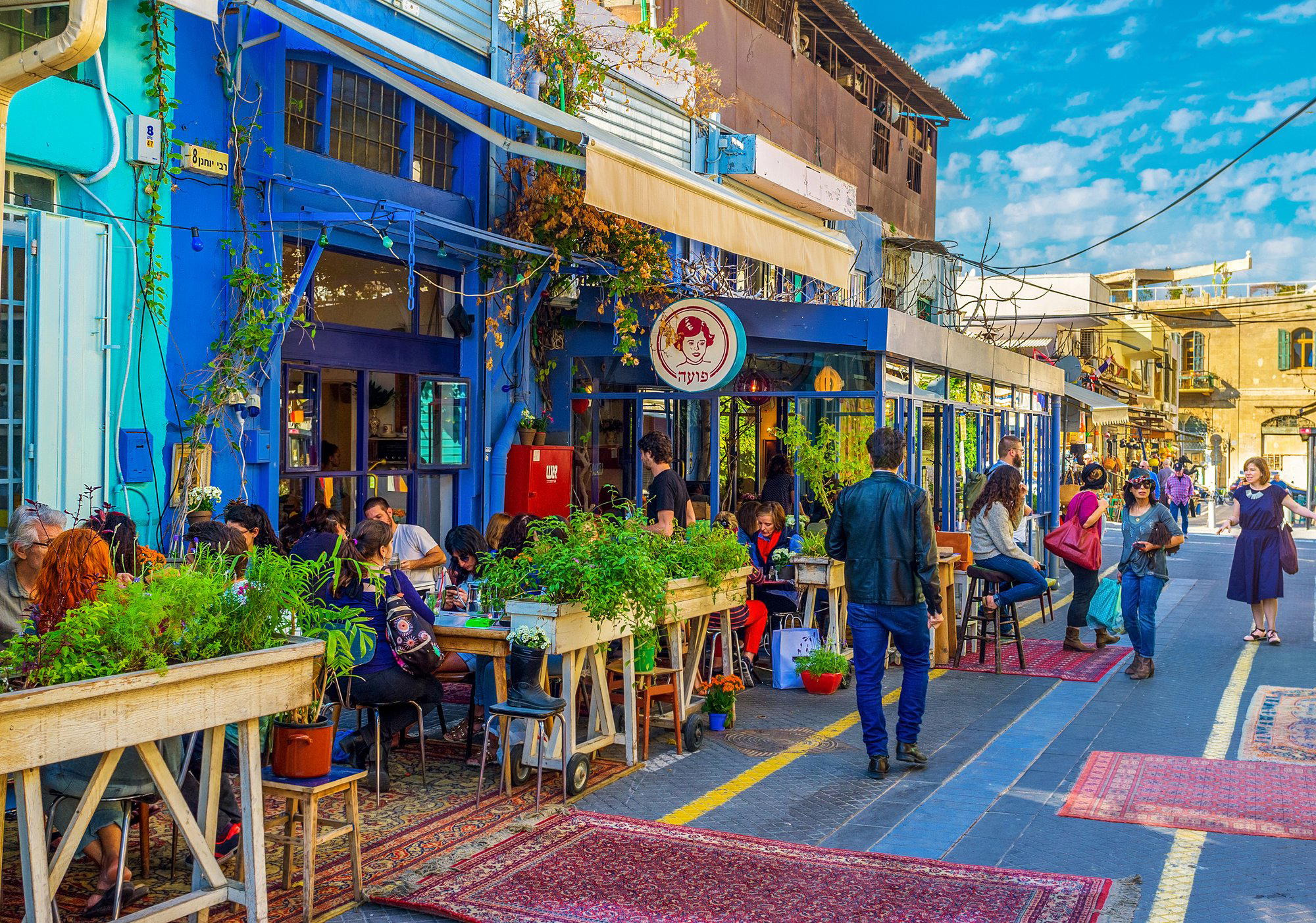
A Street-Level Encounter with Tel Aviv's Neighbourhood Café Tradition
Tel Aviv's café culture divides along fairly clear lines. There are the wide-pavement institutions of Dizengoff and Rothschild, designed for visibility and volume, and then there are the neighbourhood spots that compress everything into smaller, more personal spaces. Rabbi Yohanan Street, where Cafe Puaa sits, belongs to the second category. The street itself is residential in character, the kind of address that requires a deliberate decision to visit rather than a spontaneous detour. That geography is not incidental — it shapes the crowd, the pace, and the physical logic of the space.
The design vocabulary of Tel Aviv's older café tier tends toward accumulation rather than curation: mismatched furniture, layered colour, objects that suggest decades of settling rather than a single opening-night installation. Cafe Puaa operates in this tradition. The interior reads as a physical record of the neighbourhood rather than a branded environment, which places it in a different competitive register from the design-led all-day cafés that have proliferated across the city's newer commercial strips. Where those venues signal intent through restraint and material consistency, spaces like Puaa signal belonging through density and informality.
The Space as Statement
In a city where interior design has become an increasingly deliberate instrument of positioning, the absence of a unified aesthetic is itself a position. Tel Aviv's most formally designed café interiors now carry the signature of recognisable studios, with terrazzo floors, arched niches, and natural linen as shorthand for a particular aspirational bracket. Cafe Puaa sits outside that bracket, not through neglect but through a different set of values about what a neighbourhood café is supposed to do.
The seating arrangement in spaces of this type typically prioritises proximity over comfort in the conventional sense: tables close enough that conversations overlap, chairs that have been reupholstered at different points, walls that function as informal galleries or notice boards. This physical compression creates a social environment that is harder to engineer in a larger, more formally planned venue. It is why spots like this tend to attract a regulars-heavy clientele, with first-time visitors arriving through word of mouth rather than review aggregators.
For context, this places Cafe Puaa in a peer group that includes neighbourhood institutions across Tel Aviv's older residential quarters, spaces that share an architectural informality and a particular relationship with time. The comparison venues operating in the Israeli café and casual dining tier — from shakshuka-anchored spots in Jaffa to kebab-led counters in working neighbourhoods, each occupy a physical format that reflects their culinary logic. Puaa's residential street address suggests a similar alignment between location, space, and the kind of eating and drinking that happens there.
Tel Aviv's Neighbourhood Dining Circuit
Understanding where Cafe Puaa sits requires a brief account of how Tel Aviv's dining geography works. The city's most formally recognised restaurants, venues with national press coverage and reservation pressure, cluster in predictable zones: the Sarona complex, the port area, Neve Tzedek, and the Rothschild corridor. For a broader view of what those venues look like, our full Tel Aviv restaurants guide maps the city's dining tiers in detail.
Within the city's Israeli dining scene, there is a recognisable middle tier of neighbourhood spots that do not operate at the formal restaurant register but do something more considered than a simple café or quick-service counter. Venues like Abie and Habasta occupy parts of this space, as does a, each with its own neighbourhood logic and pricing register. Alena at The Norman and Aria represent the more formally positioned end of Israeli cuisine in the city, while Azura anchors a more traditional Middle Eastern register.
Further afield, the Israeli dining circuit extends to venues with regional identities that differ sharply from Tel Aviv's cosmopolitan register. Chakra in Jerusalem and Majda in Har Nof each represent distinct culinary and spatial traditions. Uri Buri in Acre is among the country's more discussed seafood addresses, while Abu Hassan in Jaffa remains the reference point for hummus at the Tel Aviv-Jaffa boundary. Helena in Caesarea, Pescado in Ashdod, מידס in Ashqelon, Burger 232 in Maggen, Diana in נצרת, and Herbert Samuel Herzliya in Herzliya extend the picture across the country's coastal and inland dining geography.
For international reference points, the contrast with a venue like Le Bernardin in New York City or Lazy Bear in San Francisco is useful precisely because it is so stark: those are venues where the spatial design is inseparable from the formal dining programme, where every material choice carries deliberate weight. Cafe Puaa operates in a register where that kind of intentionality would be beside the point.
Planning a Visit
Cafe Puaa is located at Rabbi Yohanan St 6, Tel Aviv-Yafo. The address places it in a walkable residential zone, accessible on foot from several of the city's central neighbourhoods. Phone and website details are not confirmed in current records, so the most reliable approach is to visit directly or check current local listings before planning around a specific time. Given the intimate scale typical of spaces in this category, arriving during off-peak hours is a practical consideration if you prefer a quieter environment. No booking method, dress code, or seat count is confirmed in available data, which itself suggests an informal walk-in model consistent with the neighbourhood café format.
- Shakshuka
- Moussaka with quinoa and feta
- Curried pumpkin dumplings
- Sabich
- Mujaddara
- Fried cauliflower with labneh
How Cafe Puaa Tel Aviv compares with similar nearby venues.
| Venue | Cuisine |
|---|---|
| Dr. Shakshuka | Middle Eastern |
| Abu Hassan | Humus |
| OCD Restaurant | Modern Israeli |
Continue exploring
More in Tel Aviv
Restaurants in Tel Aviv
Browse all →
Bars in Tel Aviv
Browse all →

Hotels in Tel Aviv
Browse all →

At a Glance
- Cozy
- Bohemian
- Well Known
- Trendy
- Whimsical
- Brunch
- Casual Hangout
- Group Dining
- Solo
- Family
- Terrace
- Standalone
- Historic Building
- Beer Program
- Local Sourcing
- Street Scene
Current opening hours
- Monday
- 9 AM–10:30 PM
- Tuesday
- 9 AM–10:30 PM
- Wednesday
- 9 AM–10:30 PM
- Thursday
- 9 AM–11 PM
- Friday
- 9 AM–10:30 PM
- Saturday
- 10 AM–10:30 PM
- Sunday
- 9 AM–10:30 PM
Hours can change for holidays and private events. Last verified .
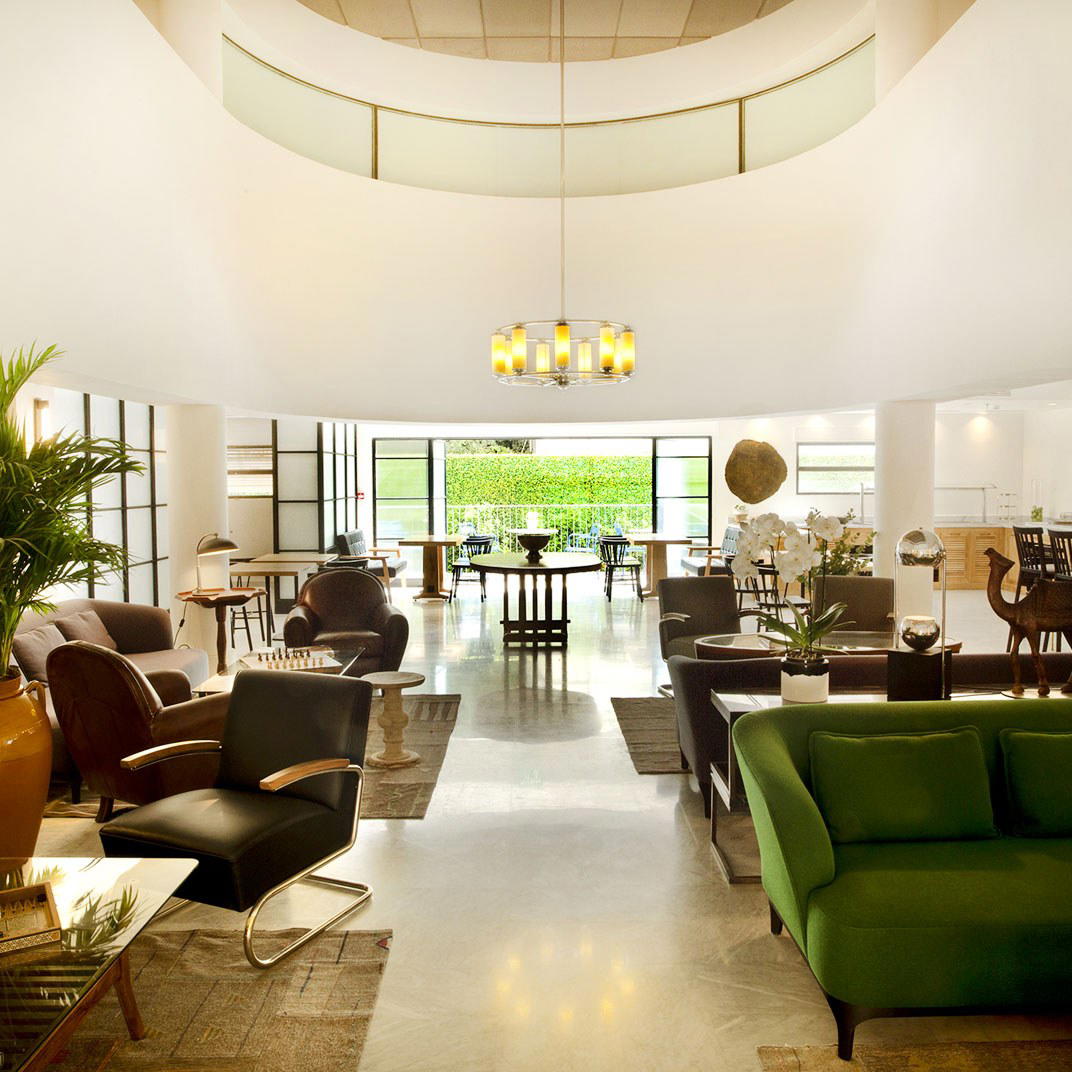
Warm, retro living room aesthetic with mismatched vintage furniture, colorful carpets, antique ornaments, hanging plants, and natural daylight from street-facing seating; feels homey and nostalgic with a lively flea market energy.
Know Before You Go
- Getting there
- Rabbi Yohanan St 6, Tel Aviv-Yafo, Israel