


Set within a 19th-century French hospital compound in Jaffa's ancient core, The Jaffa Hotel occupies one of Tel Aviv-Yafo's most architecturally significant addresses. La Liste's 2026 ranking awarded it 90.5 points, placing it among a select tier of properties where heritage fabric and contemporary hospitality intersect. For travellers seeking a base that connects old Jaffa to modern Tel Aviv, few addresses carry this combination of history and recognition.
Pearl is the En Primeur Club membership app — saves, bookings, and concierge access live there. Same editors, same standards.
- Address
- Louis Pasteur St 2, Tel Aviv-Yafo, 6803602
- Phone
- +972 3-504-2000
- Website
- fattal.co.il
- Directions
- Get directions
 Saves & bookings on Pearl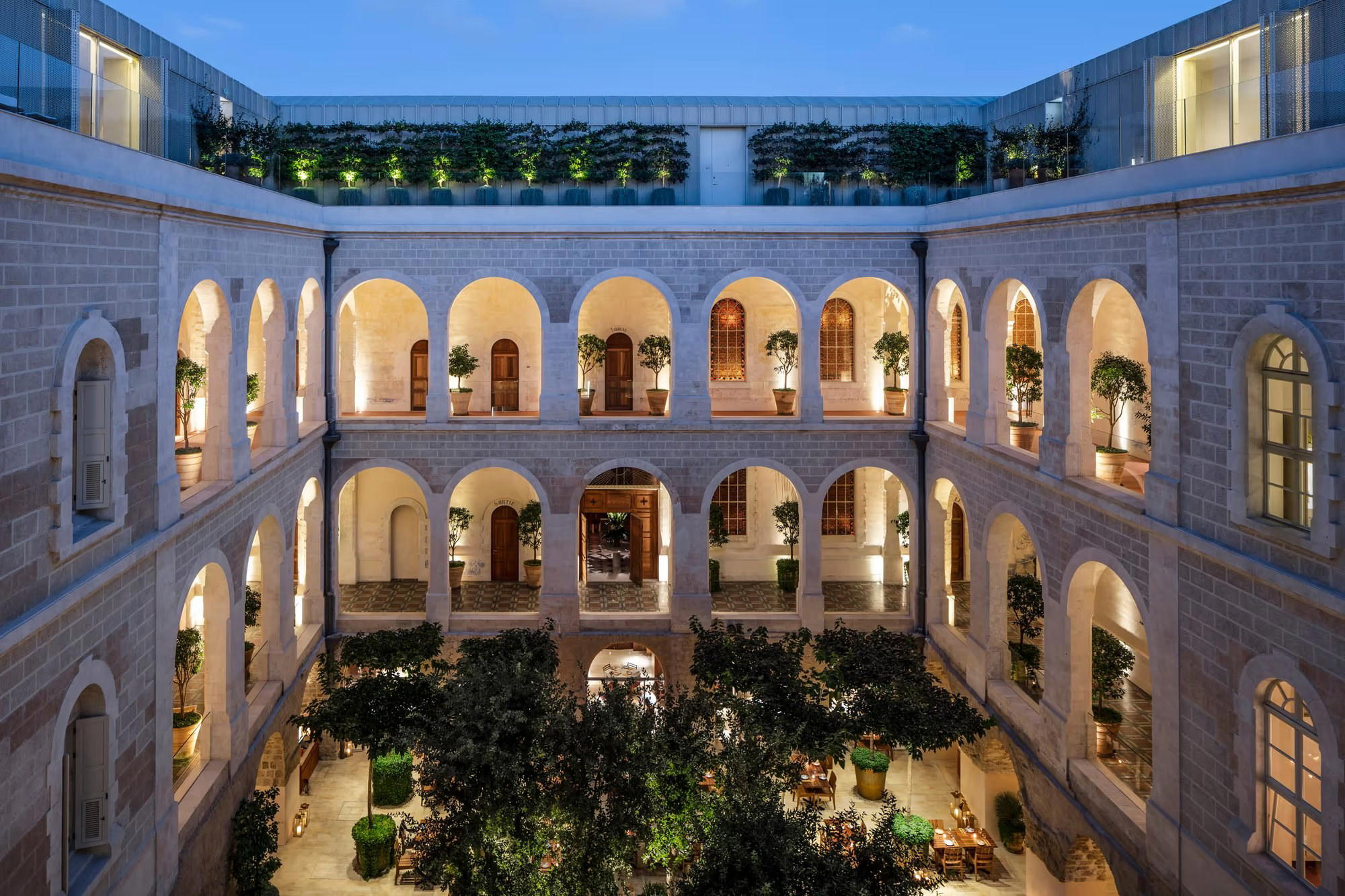
Where Crusader Stone Meets Contemporary Minimalism
Old Jaffa operates on a different register from the rest of Tel Aviv. The streets narrow, the stone thickens, and the port's smell of salt and diesel cuts through the flea market's spice stalls. It is one of the few places in Israel where 13th-century Crusader-era masonry sits within arm's reach of a working fishing harbour, and where the culinary scene has grown sharp enough to hold its own against Tel Aviv's white-city restaurant strip a few kilometres north. The Jaffa Hotel, at Louis Pasteur Street 2, is positioned at the intersection of those layers — literally so, given that a section of the 13th-century Crusader Wall has been incorporated into the building's courtyard and flows into the contemporary lobby. That choice, to let the wall remain visible rather than clad or reference it abstractly, sets the tone for what architect Ramy Gill accomplished in the 19th-century building's restoration.
Minimalism and heritage are two approaches to luxury that usually pull in opposite directions. The former strips away; the latter accumulates. At The Jaffa, the tension is resolved by John Pawson, whose signature approach — spare volumes, calibrated light, materials that age visibly, turns out to be one of the few idioms capable of sitting alongside 700-year-old stone without competing with it. The 120 rooms and suites carry Pawson's custom furniture and specification-grade bathrooms, and the effect is less about lavishness as a display and more about lavishness as precision: beds, linens, and fittings chosen to hold up under scrutiny rather than impress at first glance.
The Israeli Table, Grounded in Place
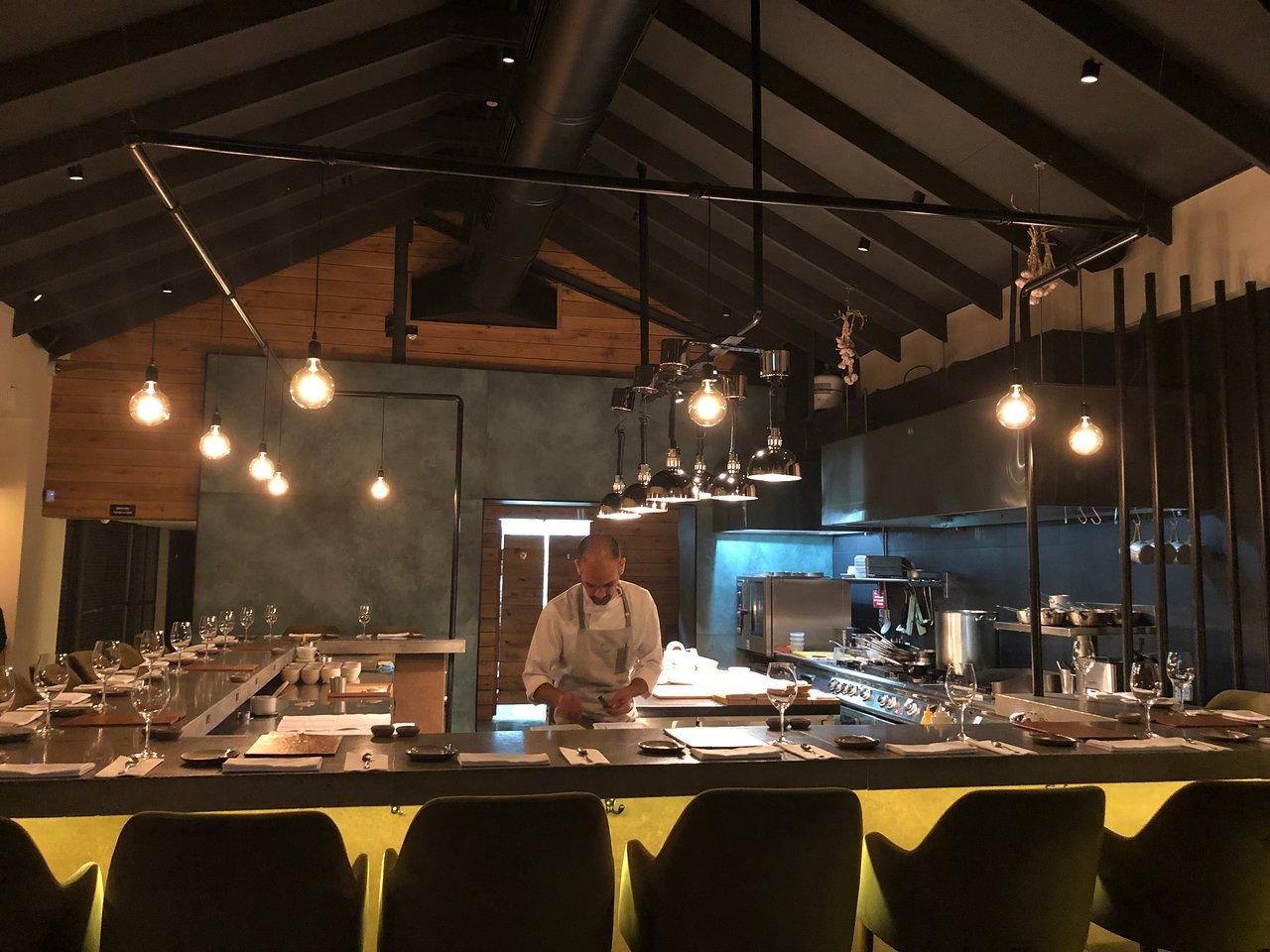
The broader trend in Israeli hotel dining has moved away from safe international menus toward cooking that treats local ingredients and Levantine tradition as the primary reference. The Jaffa's dining at Golda's places it within that current, with Israeli classic dishes as the stated framework. The 19th-century chapel, magnificently restored within the property, adds a spatial dimension to eating and gathering that few hotels in Tel Aviv can offer, the architecture becomes part of the occasion rather than backdrop. The context matters: Jaffa's market and port have supplied kitchens here for centuries, and any serious hotel kitchen in this neighbourhood operates with a larder and a culinary vocabulary that newer developments further north cannot replicate by default.
Responsible Luxury and the Weight of Built Heritage
The sustainability argument for adaptive reuse in hospitality is sometimes framed in carbon terms, but the more honest framing is cultural. When a 19th-century building in one of the Mediterranean's oldest continuously inhabited port cities is demolished for a purpose-built hotel, something irreplaceable is removed from the public record of how a place looked and felt. When it is restored, that record is extended. Ramy Gill's approach to The Jaffa leans hard into the latter position: the Crusader Wall is not a feature in the decorative sense but evidence of continuity, retained in the lobby as a structural and historical argument rather than an ornament. For travellers who weigh the impact of their accommodation choices, that distinction between a property that references history and one that is physically continuous with it carries weight.
Outdoor pool, fitness centre, and spa complete the property's amenity footprint without pushing it toward the resort model. Jaffa's walkability, the flea market, the port, the galleries along Yefet Street, the Ottoman-era clock tower, means that a hotel in this neighbourhood functions leading when it does not attempt to contain the guest. The Jaffa is built for going out and coming back, not for staying in. That orientation also has a community dimension: guests who walk Jaffa spend money in the neighbourhood's independent market, restaurants, and workshops rather than routing all expenditure through a single property. It is one of the less-discussed advantages of location-led luxury over resort isolation.
Where It Sits in Tel Aviv's Hotel Market
Tel Aviv's upper tier has broadened over the past decade. Properties like The Norman Tel Aviv and The Drisco Tel Aviv occupy the heritage-restoration niche with different architectural registers and neighbourhood anchors. Dan Tel Aviv, David InterContinental Tel Aviv, and The David Kempinski Tel Aviv operate at scale on the seafront, offering a different geometry of luxury. Alma Hotel, Brown TLV Urban Hotel, and Hotel Montefiore work further down the scale in terms of keys and price positioning. The Jaffa holds a specific coordinate in that spread: it is the Jaffa-anchored option in the premium tier, the property most explicitly built around the old city's physical and historical character rather than Tel Aviv's Bauhaus-district identity. La Liste's 2026 ranking awarded it 90.5 points in the Leading Hotels category, placing it in a tier that correlates with peer properties across the Mediterranean and wider Middle East.
For wider context within Israel, properties like David Citadel Hotel in Jerusalem and The Efendi Hotel in Acre represent the same heritage-led model applied to different cities and periods. Six Senses Shaharut in the Negev and Beresheet in Mizpe Ramon anchor a separate strand of Israeli luxury in landscape rather than urban fabric. For those touring the country, Elma Arts Complex in Hadera and Beresheet Hotel in Beersheba extend the range of architecturally serious options beyond the main cities. See our full Tel Aviv guide for broader dining and hotel context across the city.
For international comparison, the adaptive-reuse model at scale finds parallels in properties like Aman Venice and Castello di Reschio, both of which place Pawson-adjacent restraint inside historic envelopes. Cheval Blanc Paris and Aman New York demonstrate how premium properties in historic urban fabric operate differently from purpose-built hotels in the same cities. Badrutt's Palace, Bvlgari Hotel Tokyo, Hotel Bel-Air, Hôtel de Paris Monte-Carlo, The Fifth Avenue Hotel, and Amangiri round out the global peer conversation for travellers calibrating where The Jaffa sits in relative terms.
Planning Your Stay
The Jaffa is located at Louis Pasteur Street 2, Tel Aviv-Yafo, placing it in the heart of old Jaffa within walking distance of the port and flea market. Tel Aviv's main travel periods concentrate in spring (March to May) and autumn (September to November), when temperatures are moderate and the city's cultural calendar is densest. Summer brings high heat and humidity; December through February offers cooler and occasionally wet conditions. For peak periods and weekend stays, reserving two to three months in advance is standard practice for properties in this tier. The 120 rooms and suites, spa, outdoor pool, and restored chapel dining space mean the property covers a full range of reasons to be in Jaffa rather than just a bed between activities.
Recognition history
Dated appearances from independent guides and award organizations, with the underlying list record or original source where available.
La Liste Top Hotels
La Liste
Virtuoso Luxury Hotel Partner
Virtuoso
Michelin Selected
Michelin
Continue exploring
More in Tel Aviv
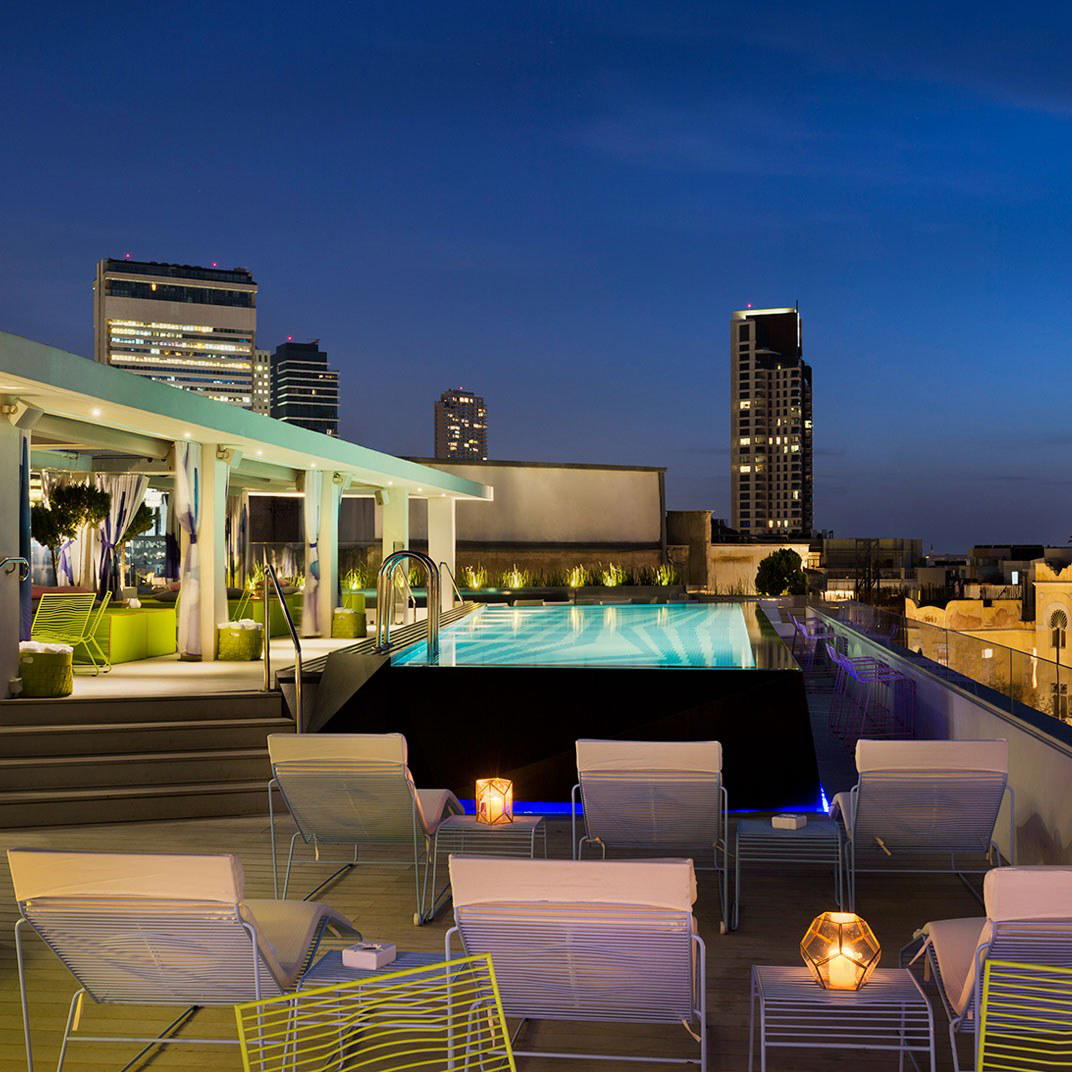
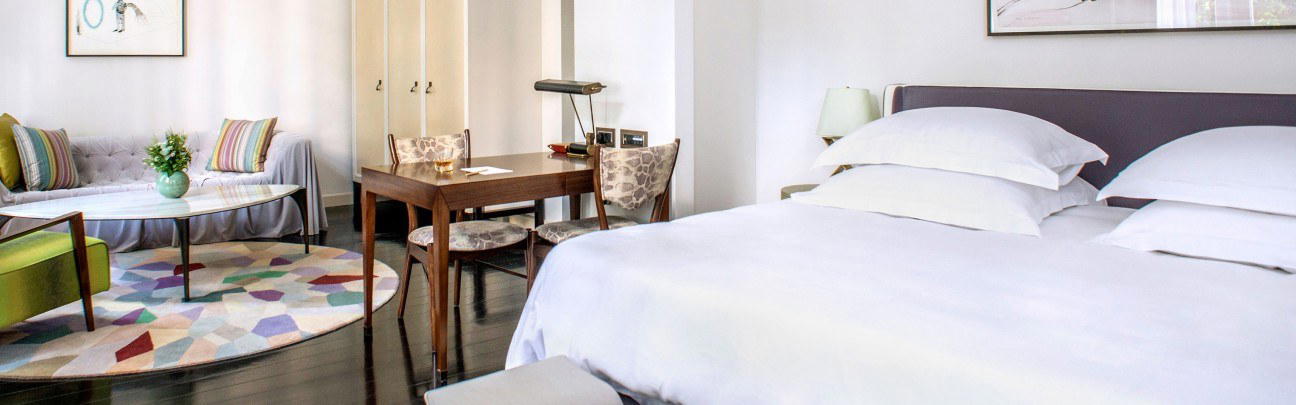
Hotels in Tel Aviv
Browse all →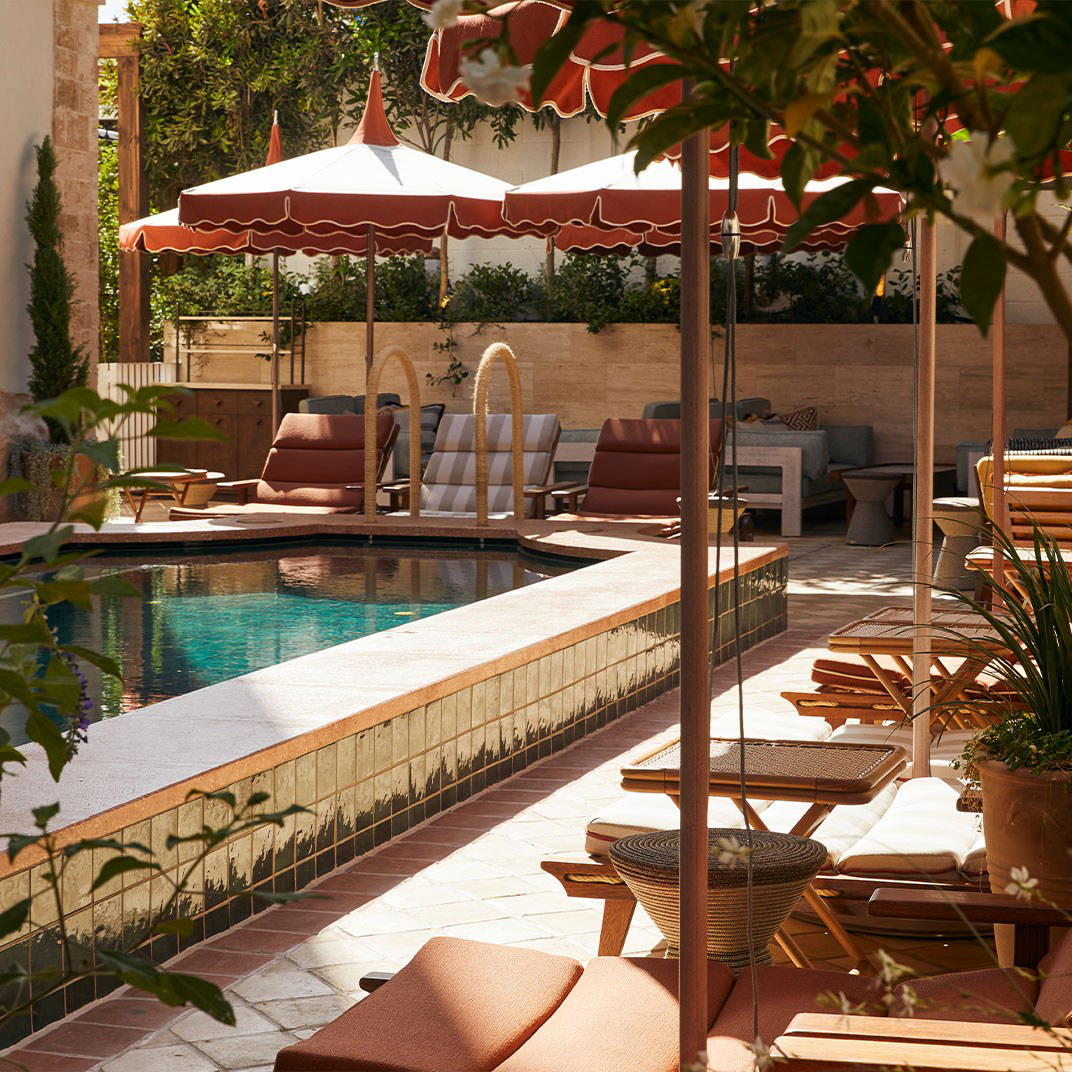
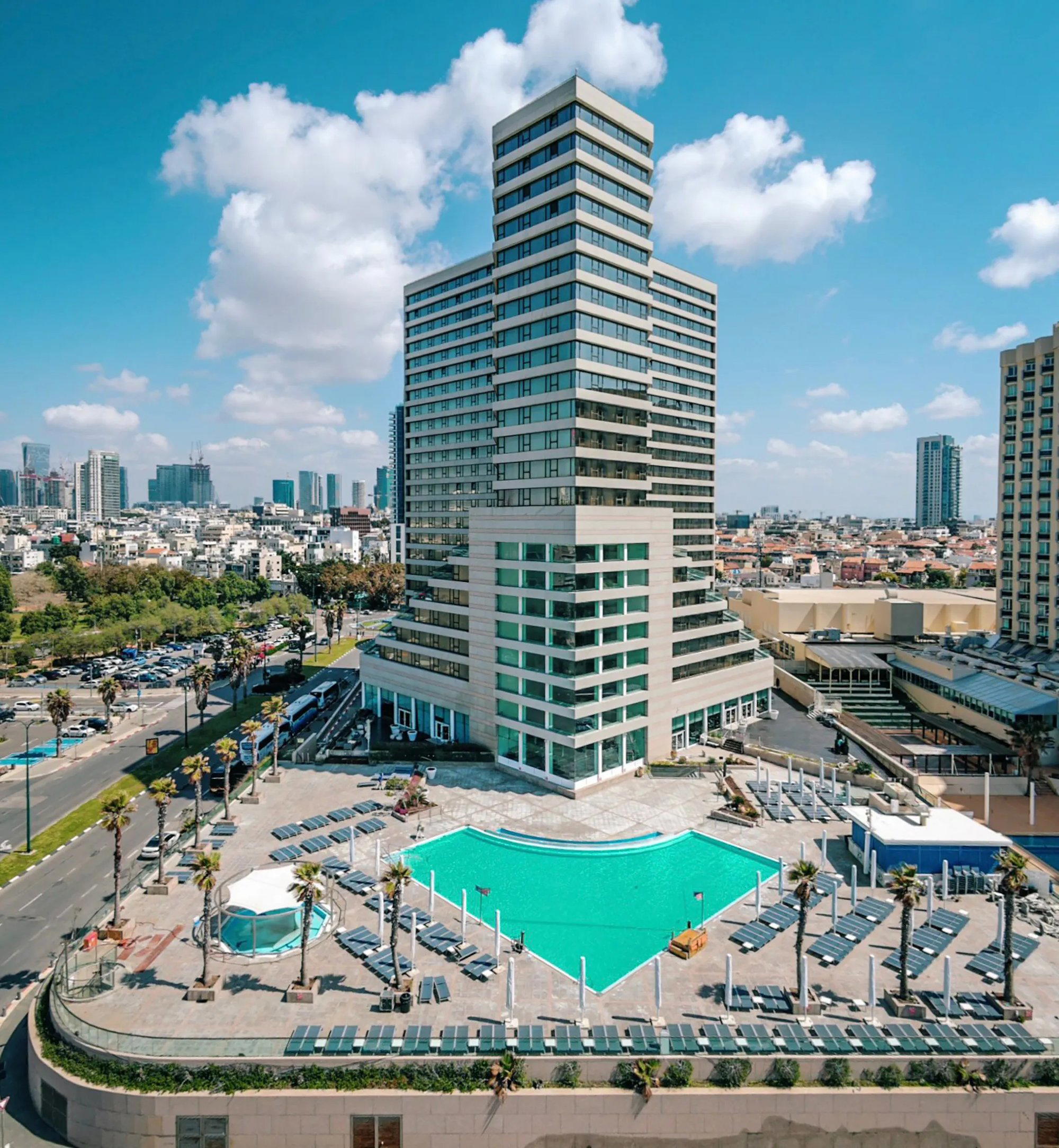
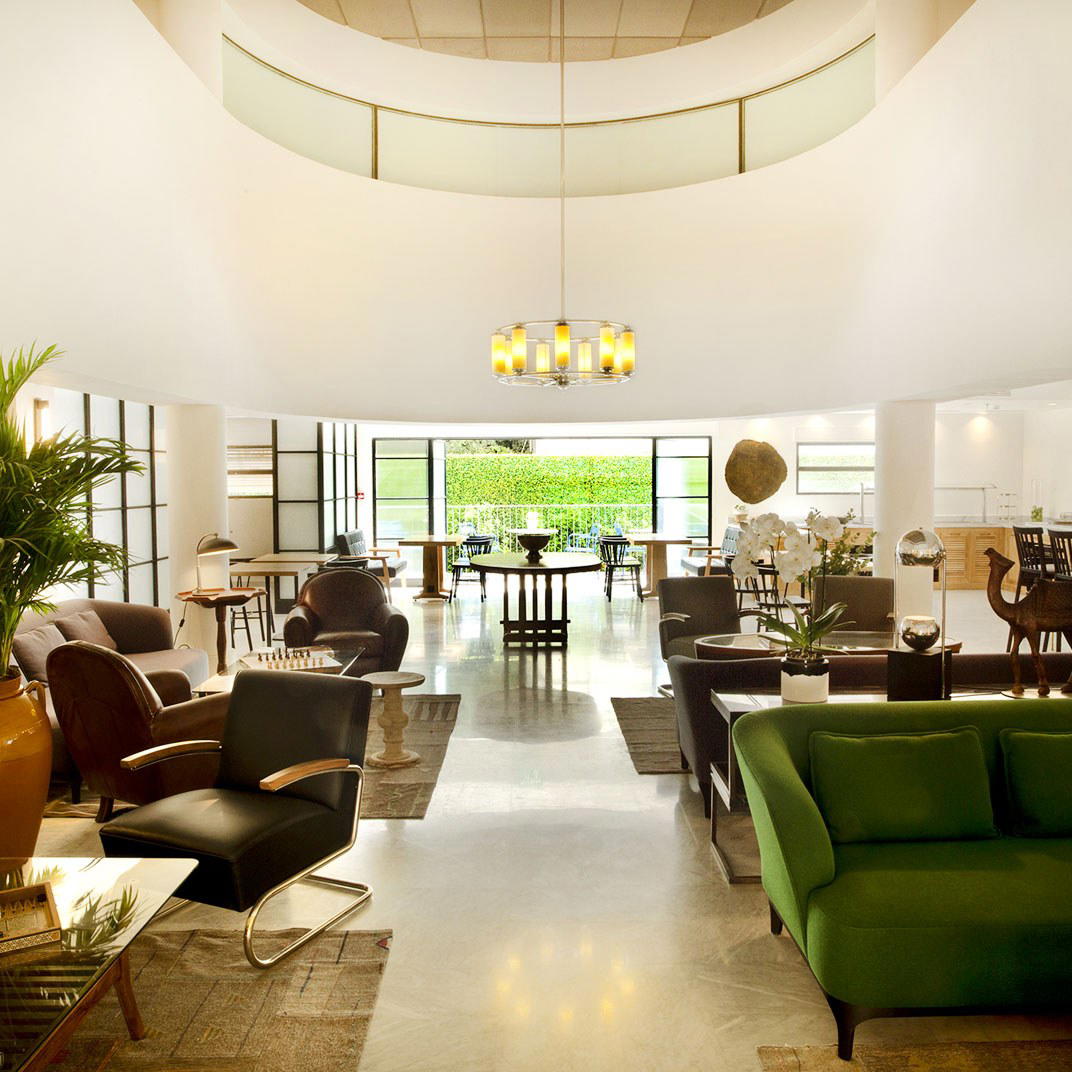
Bars in Tel Aviv
Browse all →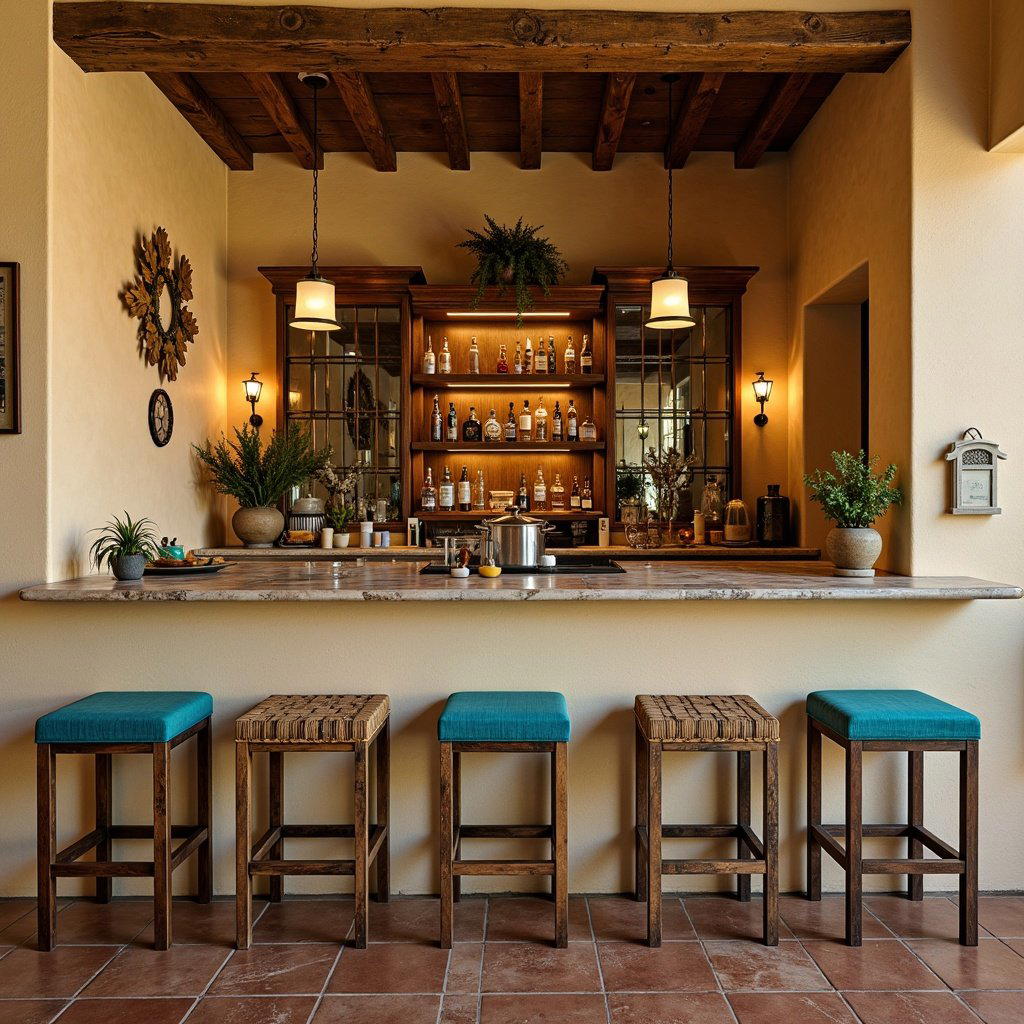

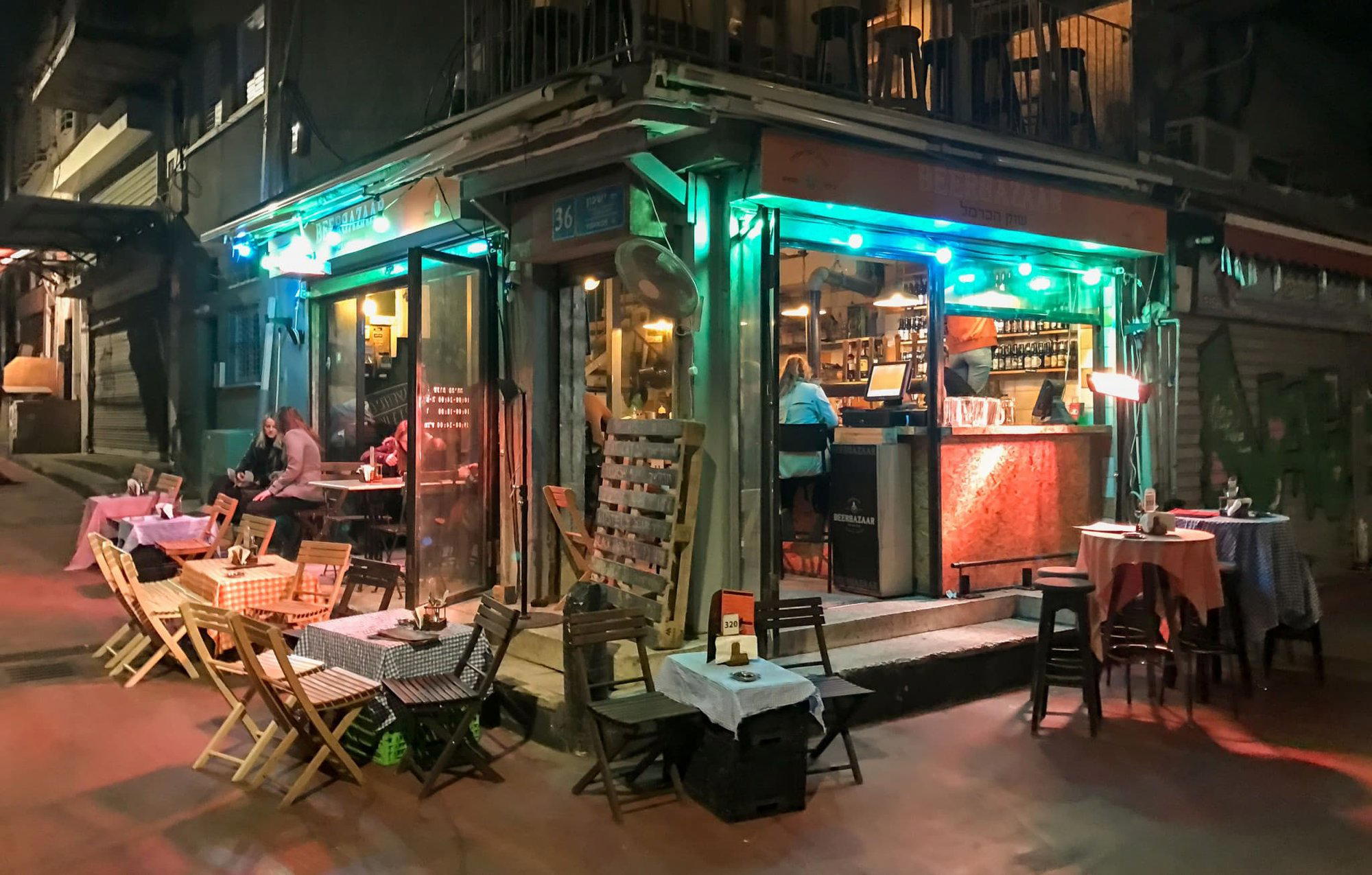
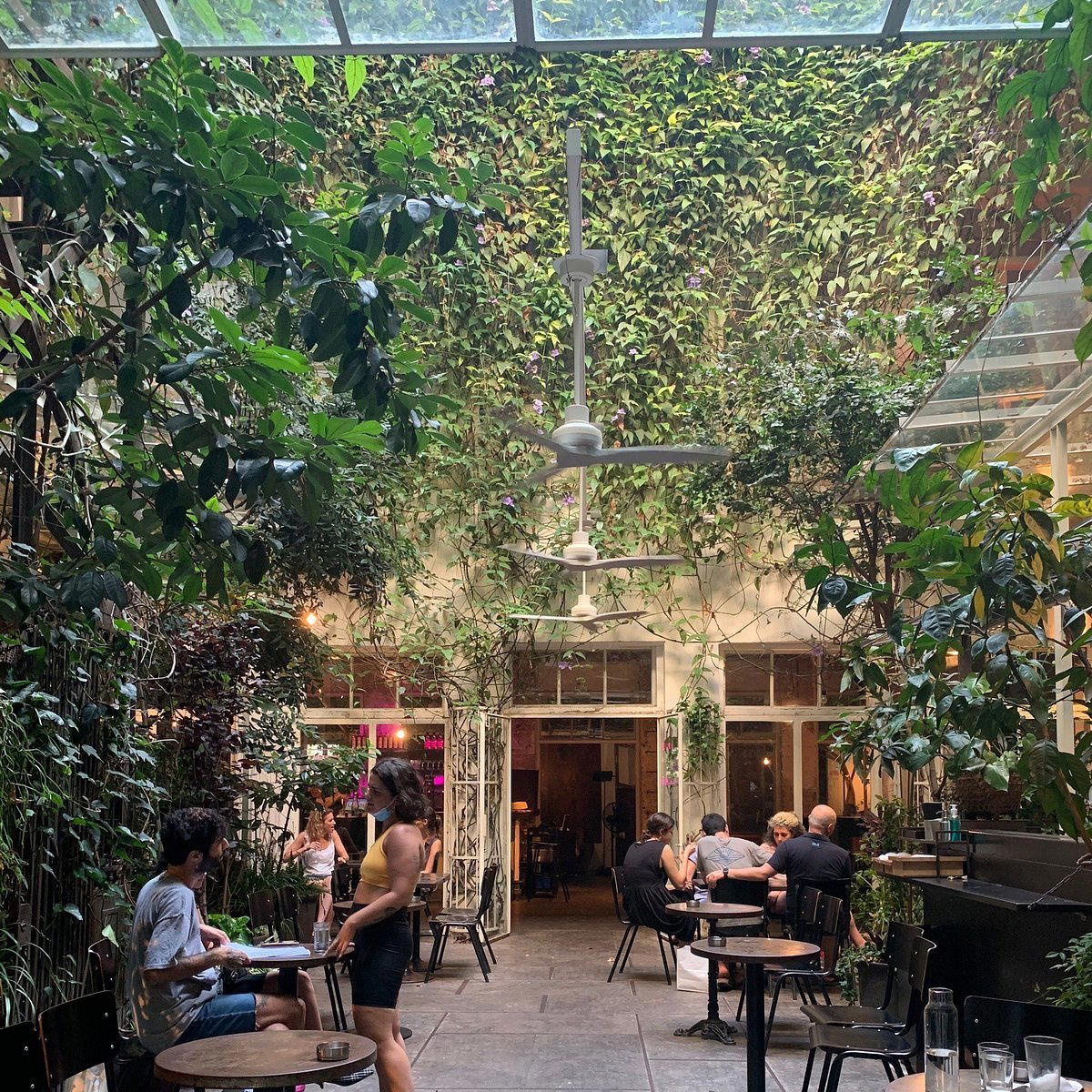
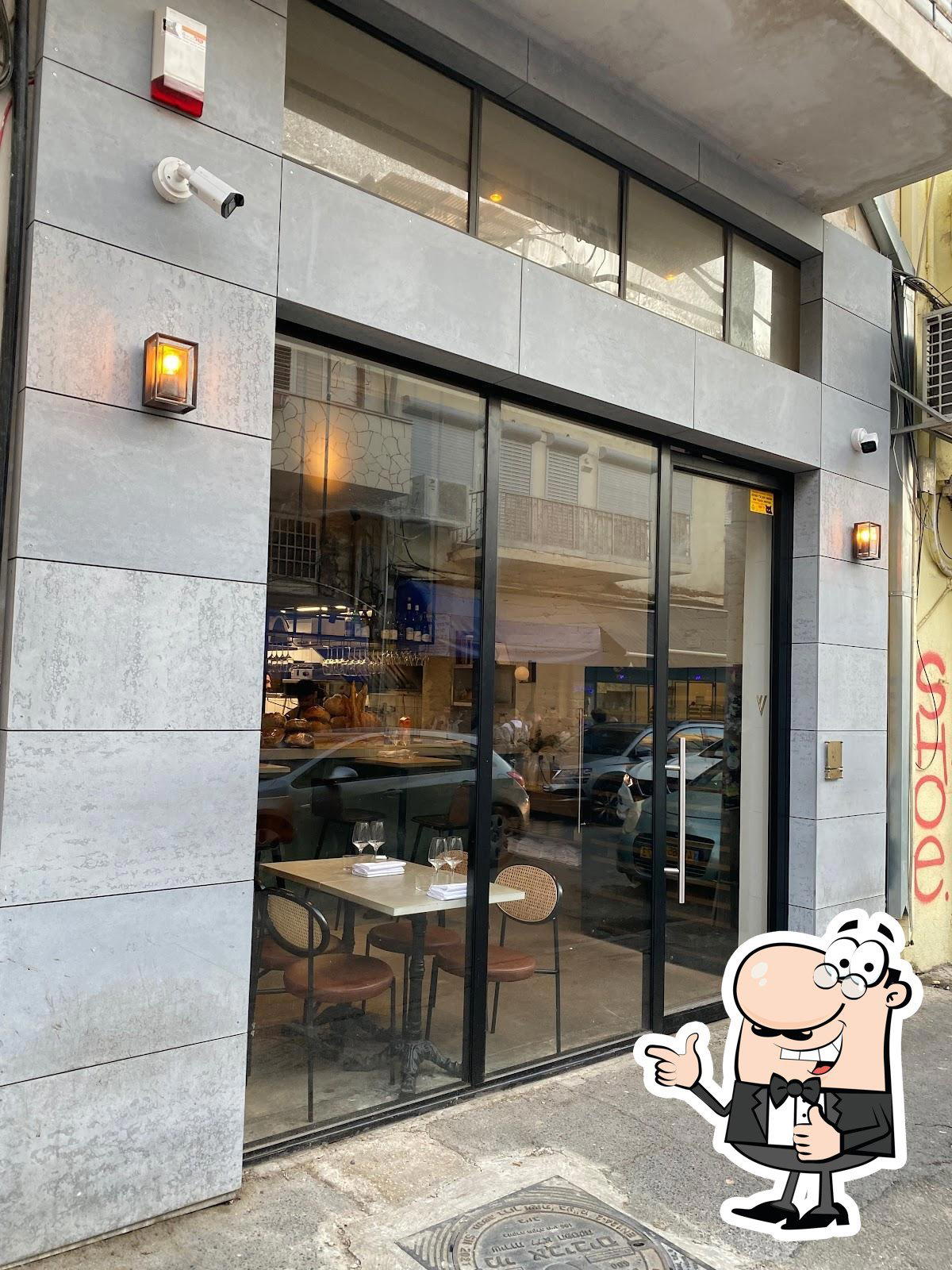
Restaurants in Tel Aviv
Browse all →

At a Glance
- Elegant
- Romantic
- Sophisticated
- Historic
- Romantic Getaway
- Anniversary
- Destination Wedding
- Business Trip
- Wellness Retreat
- Historic Building
- Design Destination
- Waterfront
- Garden
- Terrace
- Panoramic View
- Destination Spa
- Rooftop Pool
- Wi Fi
- Pool
- Spa
- Fitness Center
- Room Service
- Concierge
- Valet Parking
- Restaurant
- Bar
- Sauna
- Bicycle Rental
- EV Charging
- Waterfront
- Garden
- Skyline
- Wi Fi
- Pool
- Spa
- Fitness Center
- Room Service
- Concierge
- Valet Parking
- Restaurant
- Bar
- Sauna
- Bicycle Rental
- EV Charging
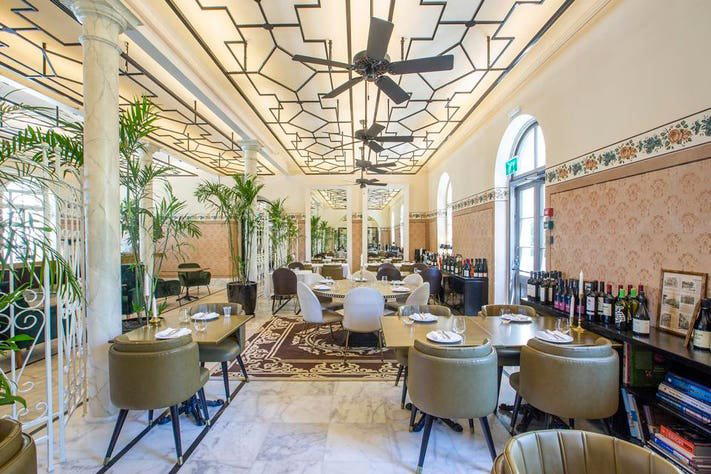
Understated luxury with refined elegance; bright, light-flooded spaces combining historic high ceilings and arched windows with minimalist modern design; serene courtyard and pool areas create a tranquil sanctuary atmosphere.
Know Before You Go
- Getting there
- Louis Pasteur St 2, Tel Aviv-Yafo, 6803602