
Michelin Plate
Our verdict
Café Zi brings Cantonese cooking to Beijing's Jiu Xian Qiao art district, holding a Michelin Plate in both 2024 and 2025. The ¥¥¥ price tier places it in the mid-to-upper range for the capital's Chinese dining scene, between the street-facing casual end and the city's starred Cantonese houses. It is one of relatively few venues in this part of Chaoyang to focus seriously on southern Chinese tradition.

Pearl is the En Primeur Club membership app, where members save venues, book tables and use the concierge.
The menu
What to order
- Sweet Mango and Pomelo
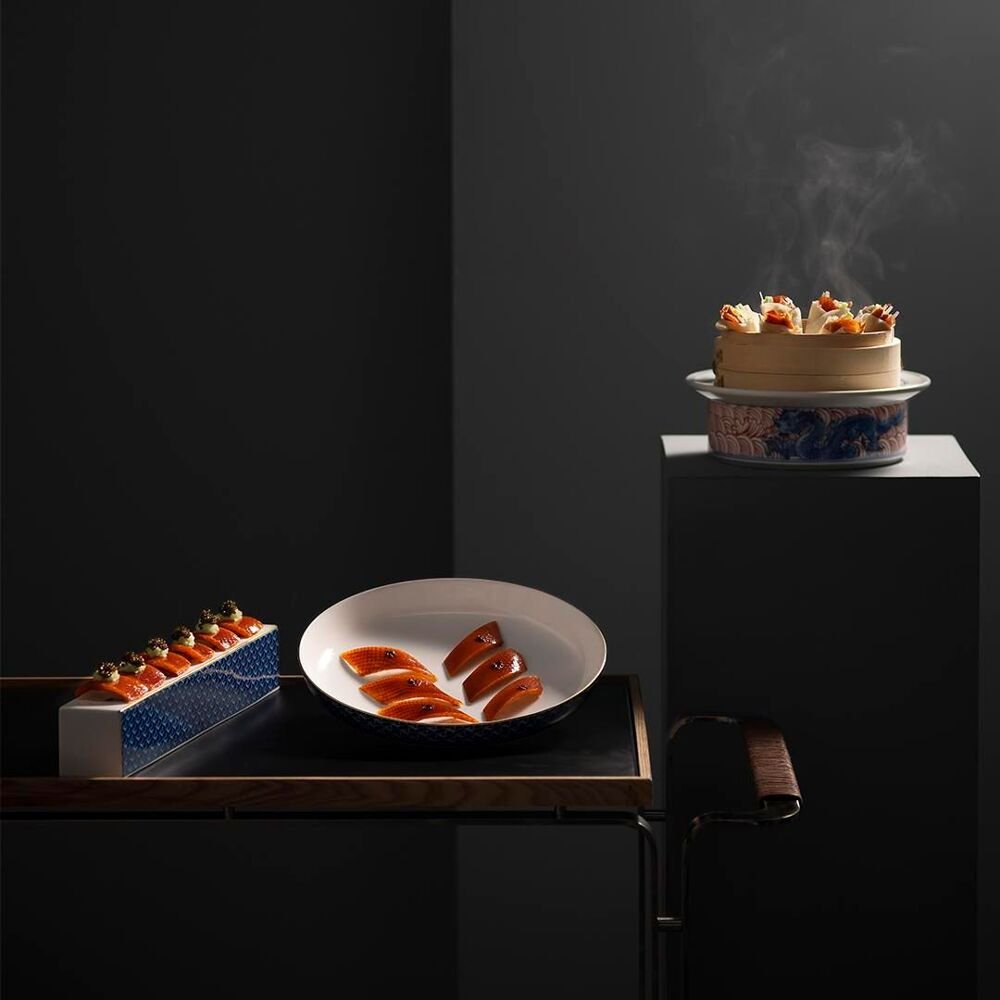
- Dim Sum
- Hong Kong-style Steamed Grouper
Cantonese in Chaoyang: What the Address Signals
Jiu Xian Qiao Road runs through one of Beijing's most recognisable creative corridors. The stretch around the 798 Art District and Dashanzi draws designers, gallerists, and the international professionals who have settled around Sanlitun and its surrounding compounds. It is a part of Chaoyang that identifies more with contemporary culture than with any particular culinary tradition, which makes the presence of a serious Cantonese kitchen here worth reading as a deliberate positioning choice rather than an accident of real estate. In a city where Cantonese dining tends to cluster around business hotels and commercial towers in the CBD, placing a Michelin Plate-recognised restaurant in this neighbourhood addresses a different audience: residents and visitors who want considered cooking in a setting that doesn't feel like a corporate banquet room.
Beijing's Cantonese dining tier has historically sat beneath Hong Kong or Guangzhou in terms of depth, but the category has grown more credible over the past decade. For comparison, Chao Shang Chao in Chaoyang holds three Michelin stars at a ¥¥¥¥ price point, while venues like Lei Garden (Jinbao Tower) represent the hotel-adjacent Cantonese model in a different part of the city. Café Zi's ¥¥¥ position and Michelin Plate recognition in consecutive years (2024 and 2025) place it within the credible but not starred tier: acknowledged by the guide, consistent enough to return year-on-year, but priced below the leading bracket. That is a useful bracket to know when considering how Beijing's southern Chinese kitchens are organised by ambition and spend.
The Neighbourhood Context
The Jiu Xian Qiao and Dashanzi area is not where most visitors default when thinking about dinner in Beijing. Sanlitun's bar and restaurant concentration sits to the west; the CBD's towers and hotel restaurants are further south. This part of Chaoyang has a lower density of dining anchors, which means venues that hold here tend to do so on local reputation rather than foot traffic. A Michelin Plate in this postcode carries a different weight than it might in a tourist-saturated corridor: it signals that a professional guide found the cooking worthy of recognition without the safety net of location advantage.
For visitors staying in Sanlitun, Gongti, or the broader Chaoyang residential belt, Café Zi is reachable without crossing the city. Those coming from further west or from the historic centre should treat it as a destination choice rather than a convenient stop, and plan accordingly. The address at 4 Jiu Xian Qiao Lu is most practically accessed by taxi or ride-hailing app; the 798 area's street numbering is not always intuitive on foot.
Where Cantonese Tradition Sits in Beijing
Cantonese cuisine occupies a specific position in Beijing's dining hierarchy. The capital's own culinary identity leans toward northern traditions: roast duck, lamb, fermented and preserved preparations, wheat-based staples. Cantonese kitchens have always had to assert a different logic here, one built around seafood freshness, lighter stocks, and a restrained approach to seasoning that can read as understatement in a city accustomed to bolder flavour profiles. The restaurants that have made this work successfully tend to invest in sourcing infrastructure and front-of-house service that communicates the tradition's internal standards to a audience that didn't grow up with dim sum as a weekly ritual.
Across mainland China's major cities, the Cantonese tier ranges from three-star operations like Jade Dragon in Macau and Forum in Hong Kong at the apex, to hotel dining rooms with southern Chinese menus that vary widely in execution. In Beijing specifically, venues like Fu Chun Ju and The House of Dynasties occupy different parts of the mid-to-upper range. Café Zi's repeated Plate recognition puts it in identifiable company without claiming a position it hasn't earned through the starred tier.
For those tracking how Cantonese cooking is being interpreted across mainland cities, the pattern is consistent: venues that earn Michelin attention outside Guangdong typically share an investment in technique and produce that distinguishes them from the broader Cantonese restaurant category. Imperial Treasure Fine Chinese Cuisine in Guangzhou, Dai Yuet Heen in Nanjing, and Chef Tam's Seasons in Macau each represent how the tradition travels and adapts when transplanted from its origin geography.
Planning a Visit
Café Zi carries a ¥¥¥ price designation, which in Beijing's current market positions it above the mid-market but below the banquet-style luxury tier where covers often run into four figures per head. For that spend level, the Michelin Plate recognition over consecutive years is a meaningful signal: the guide's inspectors found the kitchen consistent enough to include twice, which reduces the variance risk that often comes with mid-tier dining in a city where quality can fluctuate significantly between visits.
Because no booking contact details are currently listed through EP Club's verified data, confirming a reservation method directly through the venue or through a hotel concierge familiar with the area is advisable before visiting. The Jiu Xian Qiao address is leading handled via navigation apps set to the specific street number; the broader 798 zone can be disorienting if you are not familiar with its internal layout.
Those building a broader Beijing dining itinerary at this price tier might cross-reference The Beijing Kitchen (Jianguo Road) or Zijin Mansion for northern Chinese contrast, and consult our full Beijing restaurants guide for the complete picture across cuisines and price points. For accommodation and context around where to stay in relation to the Chaoyang dining belt, our full Beijing hotels guide covers the main options. The city's bar and drinks scene, particularly in the Sanlitun corridor close to this part of Chaoyang, is mapped in our full Beijing bars guide.
For Cantonese kitchens worth knowing across other Chinese cities, 102 House in Shanghai, Ru Yuan in Hangzhou, and Xin Rong Ji in Chengdu offer points of comparison at different price tiers and with different stylistic emphases. Our full Beijing experiences guide and our full Beijing wineries guide round out planning for visitors spending several days in the capital.
Frequently asked questions
What part of town is Café Zi in?
Café Zi is located at 4 Jiu Xian Qiao Lu, Chao Yang Qu, Bei Jing Shi, China, 100016, Beijing.
What distinctions does Café Zi have?
Café Zi has received recognition including: Michelin Plate (2025); Michelin Plate (2024).
What do people recommend at Café Zi?
Café Zi holds a Michelin Plate for both 2024 and 2025, which points to consistent recognition of its Cantonese kitchen rather than a single standout dish. The ¥¥¥ price tier suggests a composed, multi-course approach rather than casual dim sum, placing it in the tier where Cantonese technique is the main event.
What price level is Café Zi?
Pricing at Café Zi is listed as ¥¥¥.
Booking and Cost Snapshot
A quick peer check to anchor this venue’s price and recognition.
| Venue | Cuisine | Price | Awards | Notes |
|---|---|---|---|---|
| Café ZiThis venue (the venue you are viewing) | Contemporary Cantonese | $30–50 | Michelin Plate | Not listed |
| Jing | Modern French with Asian Influences | $300–500 | 1 Michelin Star · Black Pearl 1 Diamond | French Contemporary |
| Xin Rong Ji (Xinyuan South Road) | Taizhou Chinese Fine Dining | $300–500 | 3 Michelin Stars · World's 50 Best #84 | Taizhou |
| Chao Shang Chao (Chaoyang) | Modern Teochew (Chaoshan) Fine Dining | $200–300 | Michelin Plate · La Liste Top Restaurants | Chao Zhou |
| Lamdre | Modern Plant-Based Chinese Vegetarian | Not listed | 2 Michelin Stars · World's 50 Best #17 | Vegetarian |
| Jingji | Imperial Beijing Royal Cuisine | $200–300 | 2 Michelin Stars · La Liste Top Restaurants | Beijing Cuisine |
Recognition history
Dated appearances from independent guides and award organizations, with the underlying list record or original source where available.
Michelin Plate
Michelin
Full recognition history (2 entries)
Michelin Plate
Michelin
Continue exploring
More in Beijing
Restaurants in Beijing
All restaurants in Beijing →
Bars in Beijing
All bars in Beijing →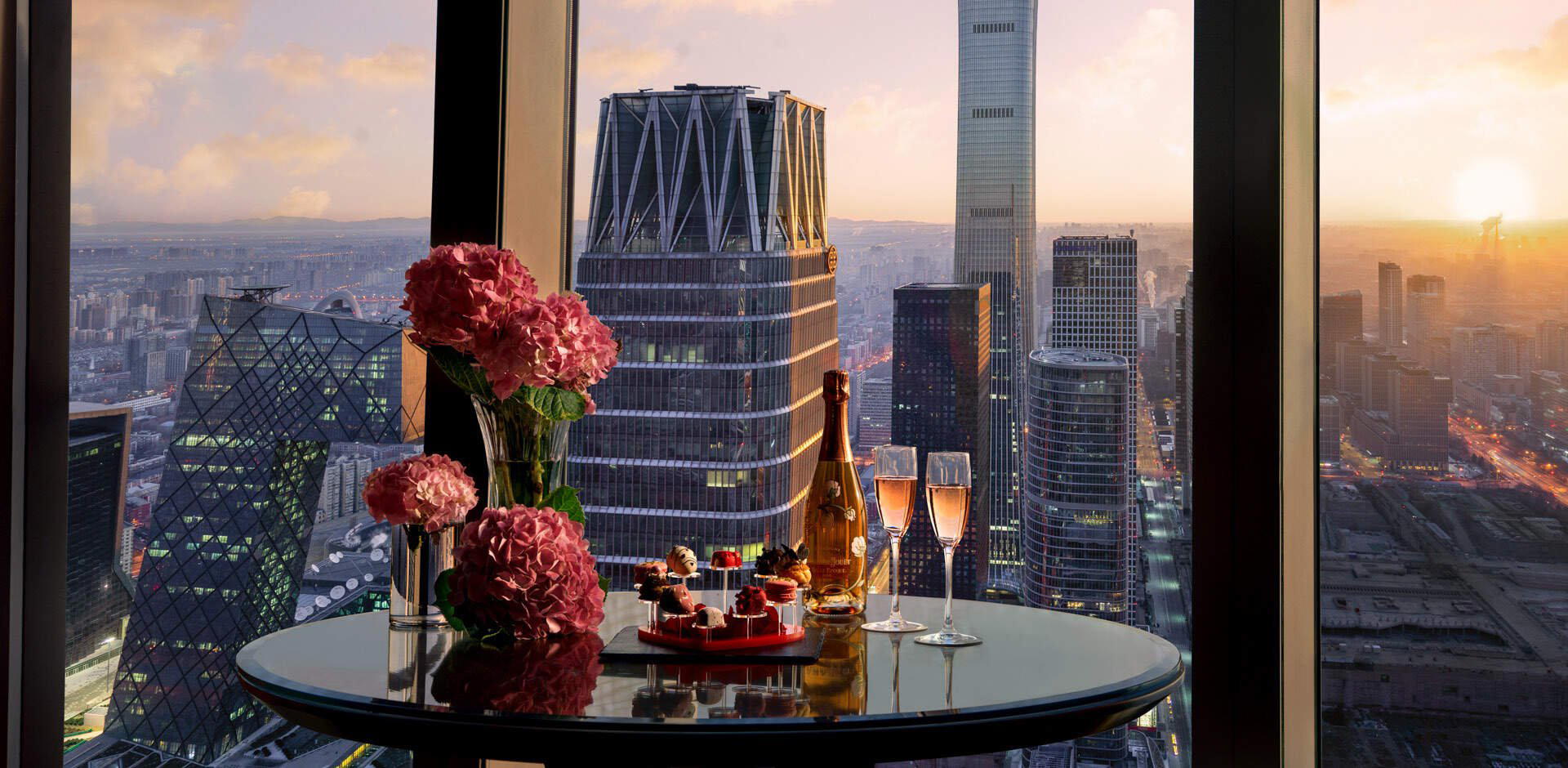
Details
- Elegant
- Sophisticated
- Cozy
- Date Night
- Family
- Special Occasion
- Terrace
- Open Kitchen
- Hotel Restaurant
- Extensive Wine List
- Craft Cocktails
- Skyline
- A La Carte
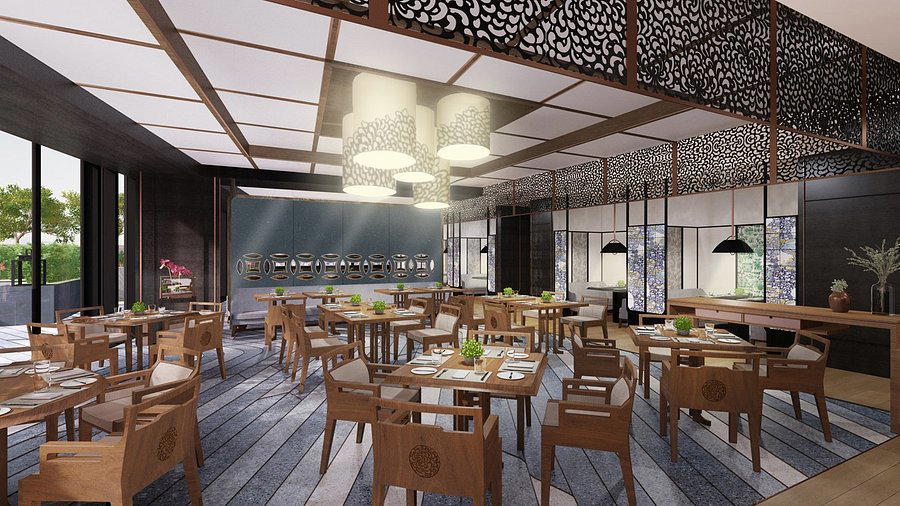
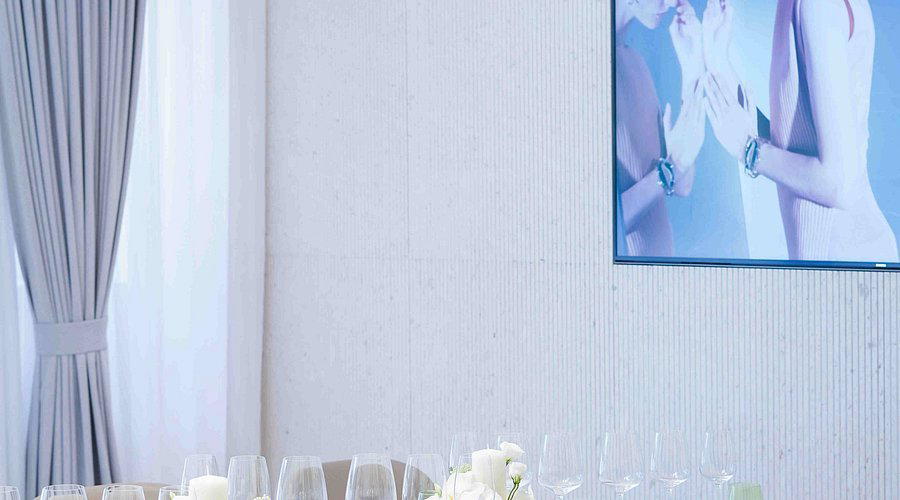
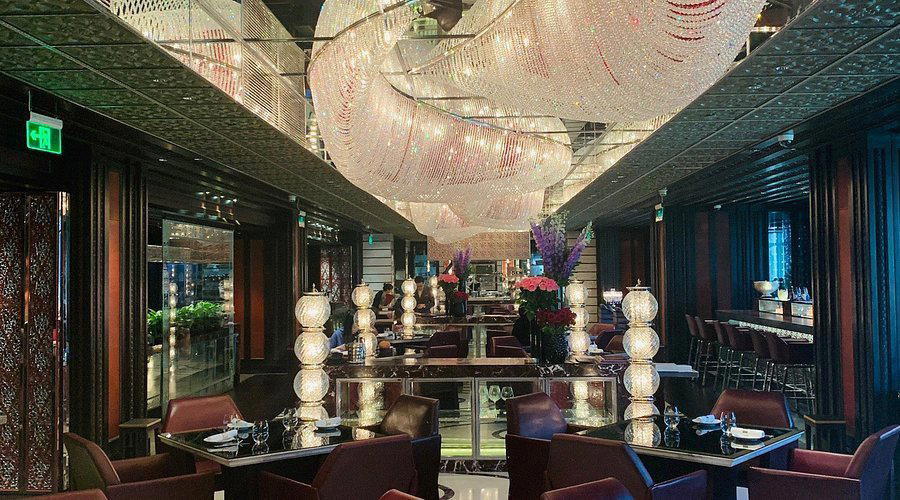
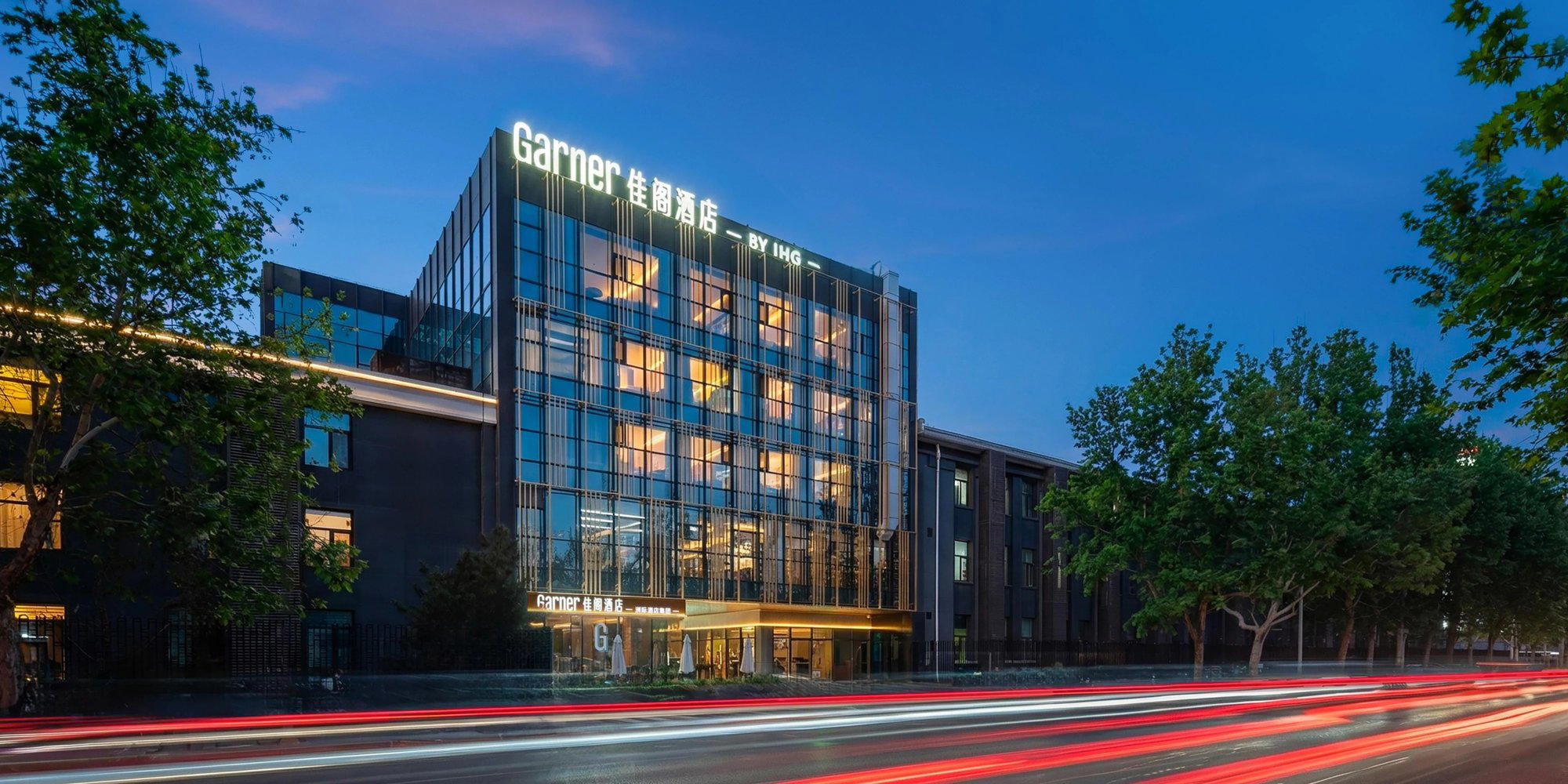
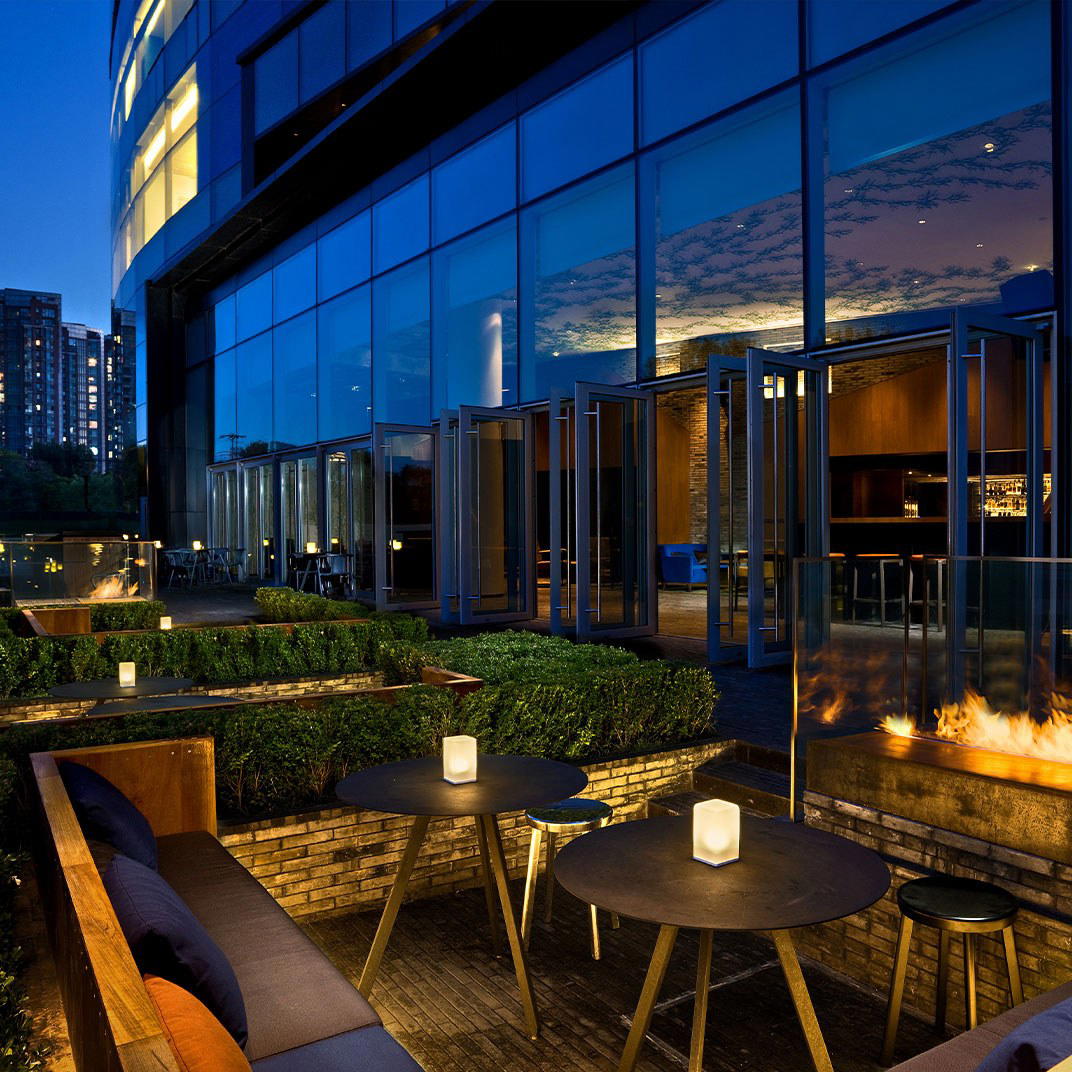
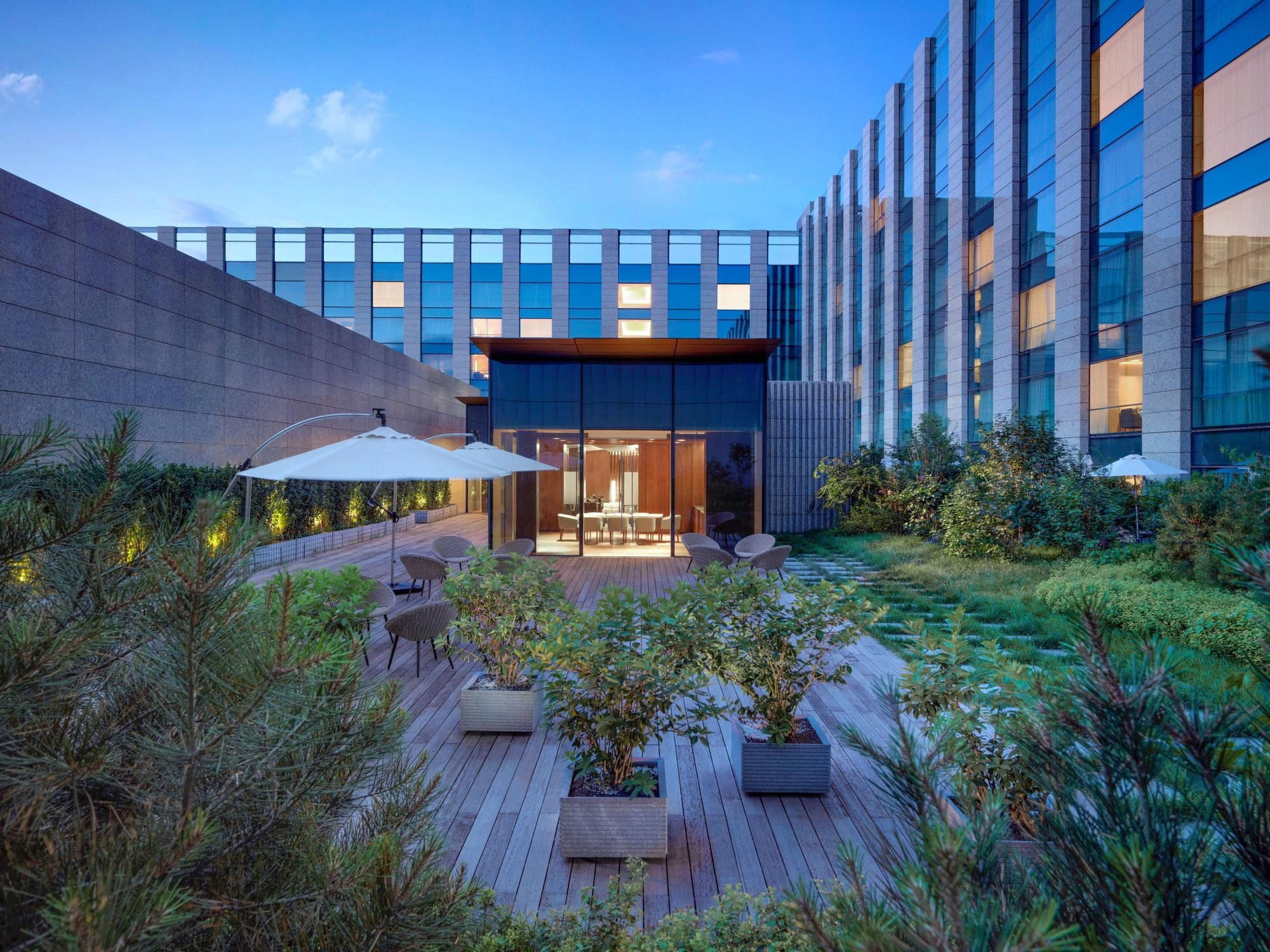
Elegant atmosphere with contemporary decor, quiet elegance, and Chinese flavor elements, enhanced by natural light and city views.