Jiu Xian Qiao Lu sits in Chaoyang, Beijing's most commercially active district, where creative industries, embassy clusters, and a dense restaurant scene have developed over the past two decades. The address places visitors close to the art district energy of 798 and the broader hospitality infrastructure that makes Chaoyang a practical base for extended stays in the capital.

Pearl is the En Primeur Club membership app, where members save venues, book tables and use the concierge.
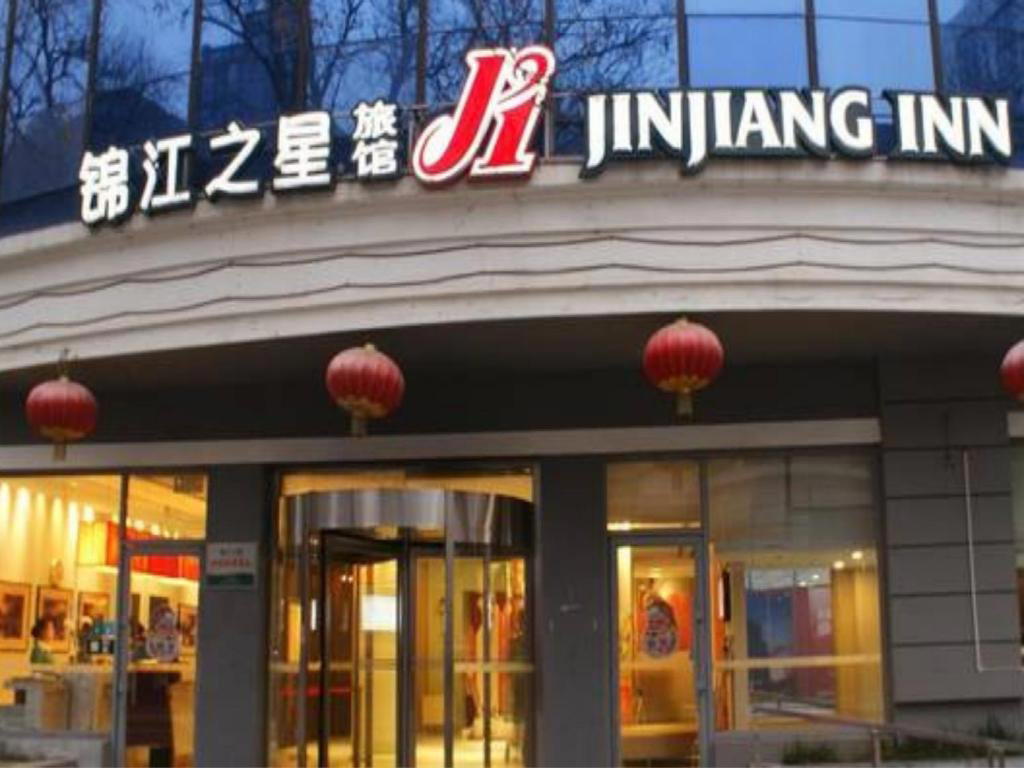
Chaoyang and the Street That Connects Two Versions of Beijing
There is a particular quality to Jiu Xian Qiao Lu, the road itself, not just the address, that tells you something about how Beijing's Chaoyang district works. It runs through a corridor where light-industrial heritage and contemporary commercial life sit in close proximity: print shops and warehouses from an older economic era occupy the same blocks as galleries, design studios, and the kind of mid-range restaurants that feed the creative workforce of the 798 Art District nearby. To arrive here is to arrive at one of the city's more honest intersections, where the curated version of Beijing that visitors often seek meets the functional city that residents actually use.
Chaoyang is Beijing's largest urban district by area and population, and it accounts for a disproportionate share of the capital's international-facing commerce and hospitality. The embassies are here. The multinational headquarters are here. So are, increasingly, the restaurants and bars that have displaced Sanlitun's earlier, rougher incarnation with something more considered. Jiu Xian Qiao Lu sits at the northern edge of this activity, close enough to benefit from the infrastructure without occupying the most crowded or visible blocks.
The Service Logic of a Chaoyang Address
What defines the guest experience in this part of Beijing is less about individual venue theatrics and more about the accumulated convenience of proximity. The Chaoyang hospitality model has, over the past decade, moved toward a service philosophy built on anticipating the needs of mobile, internationally literate visitors: business travellers who need fast access to both the CBD and the airport expressway, leisure visitors who want the art and cultural density of the 798 zone, and long-stay residents who need neighbourhood infrastructure that actually functions day to day.
Jiu Xian Qiao Lu sits within this logic. The road connects the third ring road to the electronic and creative markets around the old Jiuxianqiao electronics district, which means movement in and out of this corridor is relatively direct. Capital Airport Expressway access is among the faster options from Chaoyang's northern reaches, a practical consideration for travellers working across Beijing and other Chinese cities simultaneously.
For context on how Beijing's premium hospitality market is structured, it is worth noting how the Chaoyang addresses of properties like Bvlgari Hotel Beijing and Conrad Beijing position themselves relative to the older luxury cluster around Wangfujing and the Forbidden City. The centre-of-gravity for international business and premium leisure has shifted east and north over time, and Jiu Xian Qiao Lu sits within that gravitational field.
How the Neighbourhood Shapes the Experience
The 798 Art District, a fifteen-minute walk or short cab ride from Jiu Xian Qiao Lu, is the best-documented example of how post-industrial space gets repurposed in Chinese cities. The Bauhaus-influenced factory buildings that now house galleries, design-led restaurants, and international art institutions attract a particular kind of visitor who values cultural density over conventional tourist landmarks. This is not the Beijing of Tiananmen or the hutong walking tours, it is a Beijing oriented around production, ideas, and commerce in its more contemporary forms.
Restaurants in this corridor tend to reflect that clientele. The dining options accessible from Jiu Xian Qiao Lu span international formats alongside Chinese regional cooking, with a particular density of Japanese and Korean options reflecting the embassy and expat demographics of northern Chaoyang. This is a different dining ecology from what you find in the hutong lanes of Dongcheng, where historical setting does much of the contextual work. Here, food has to stand on its own terms.
For travellers staying in other parts of the city, Mandarin Oriental Qianmen and Aman Summer Palace represent the alternative poles: the former anchored to the historic southern city near Qianmen, the latter oriented toward the imperial northwest at Yiheyuan. Jiu Xian Qiao Lu occupies neither of those reference points, which is precisely what gives it a different kind of utility.
Planning Your Time in This Part of Chaoyang
The practical rhythms of Jiu Xian Qiao Lu reward visitors who understand the district's operating cadence. The 798 galleries typically open from 10am, with the most concentrated programming on weekends and during major art calendar events, JINGART and the Beijing Art Week in spring and autumn bring significant visitor density to the entire corridor. Outside those windows, the neighbourhood operates at a noticeably quieter register, which suits visitors looking to move efficiently rather than spectate.
Transportation here relies primarily on taxis and ride-hailing apps (DiDi is the dominant platform for foreigners without Chinese banking integration linked to WeChat Pay), as subway coverage in this part of Chaoyang requires transfers that add time. The Line 14 extension has improved connectivity, but for anyone with luggage or working across multiple districts in a single day, surface transport remains the practical default.
For those building a wider Beijing itinerary, the EP Club guide covers the full range of the capital's hotels and dining. The full Beijing restaurants guide maps the city's dining by district, price tier, and occasion type. Properties like Eclat Beijing, China World Summit Wing, Beijing, and Fairmont Beijing Hotel each anchor different sub-districts within the broader Chaoyang and CBD catchment.
For travellers extending beyond Beijing, the EP Club network covers Amanfayun in Hangzhou, Amandayan in Lijiang, Andaz Shenzhen Bay in Shenzhen, and 1 Hotel Haitang Bay, Sanya for coastal travel, as well as JW Marriott Hotel Shanghai at Tomorrow Square for those continuing south to Shanghai.
Cuisine Context
| Venue | Price | Awards |
|---|---|---|
| Jiu Xian Qiao LuThis venue (the venue you are viewing) | Not listed | Not listed |
| Aman Summer Palace | $1,000–1,500 | Forbes 4-Star |
| Bvlgari Hotel Beijing | Not listed | 2 Michelin Keys · La Liste Top Hotels |
| Conrad Beijing | $200–300 | Forbes Recommended |
| Fairmont Beijing Hotel | Not listed | Forbes Recommended |
| Four Seasons Hotel Beijing | $500–750 | Michelin Selected · La Liste Top Hotels |
Continue exploring
More in Beijing
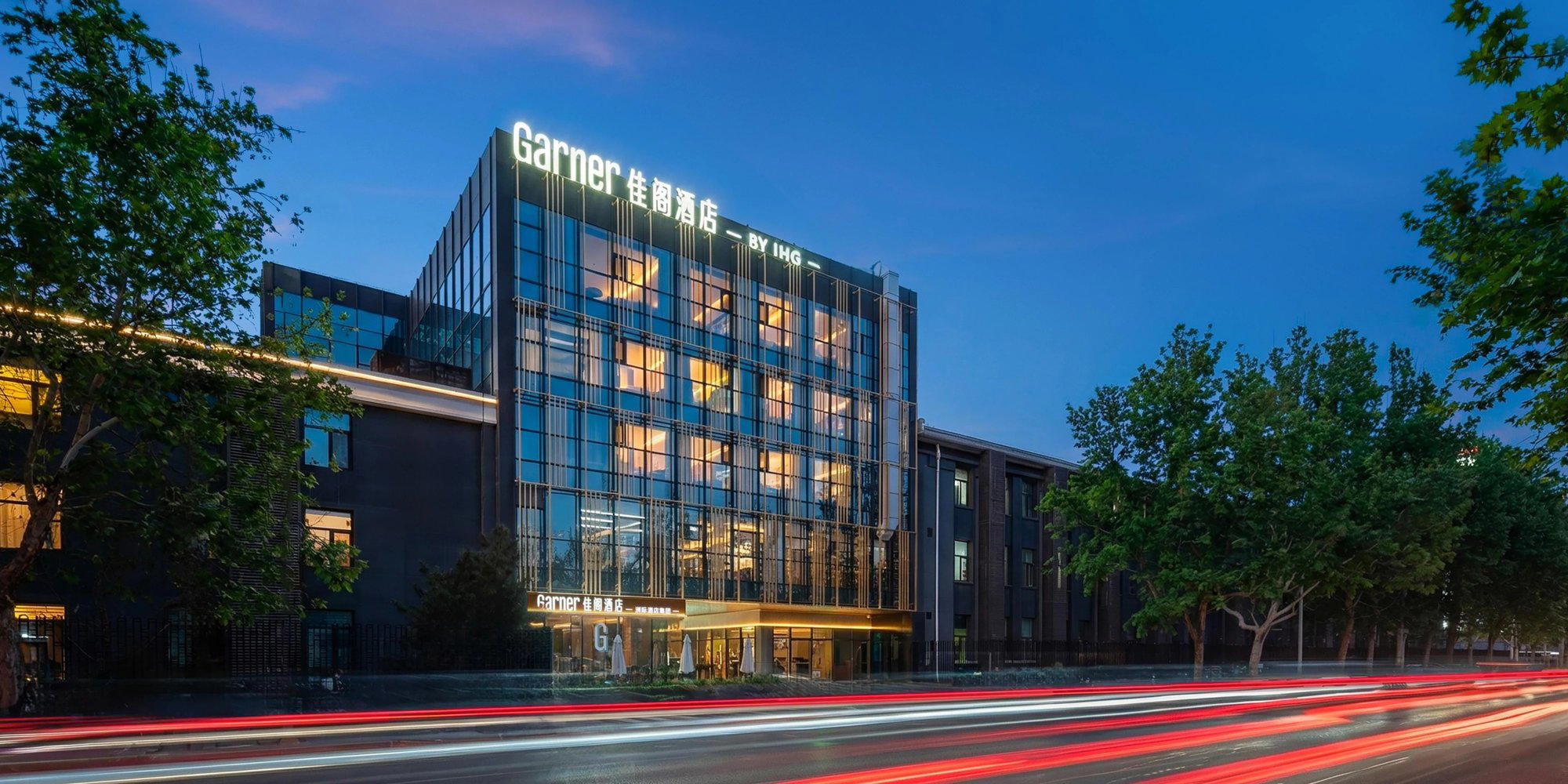
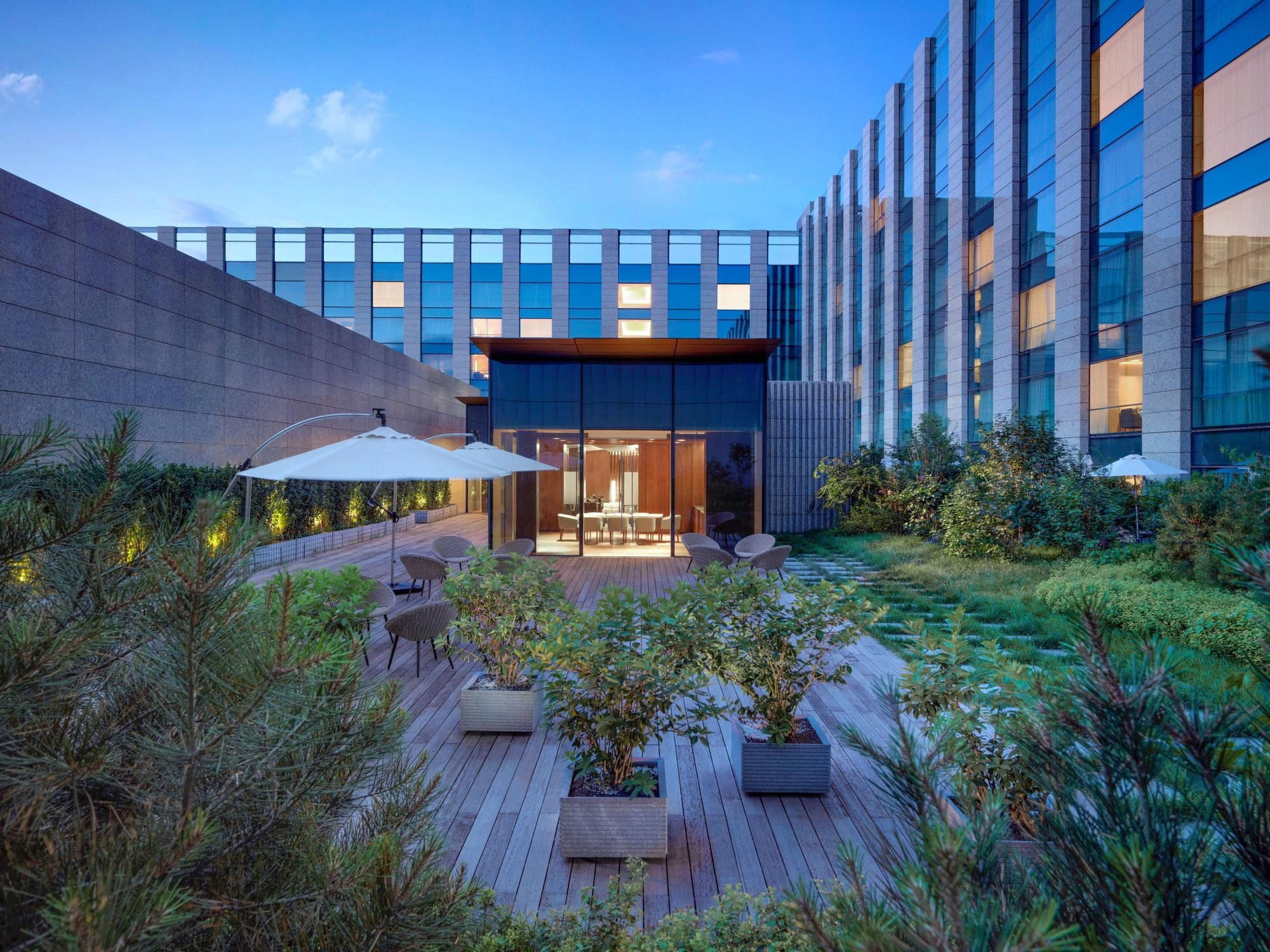
Hotels in Beijing
All hotels in Beijing →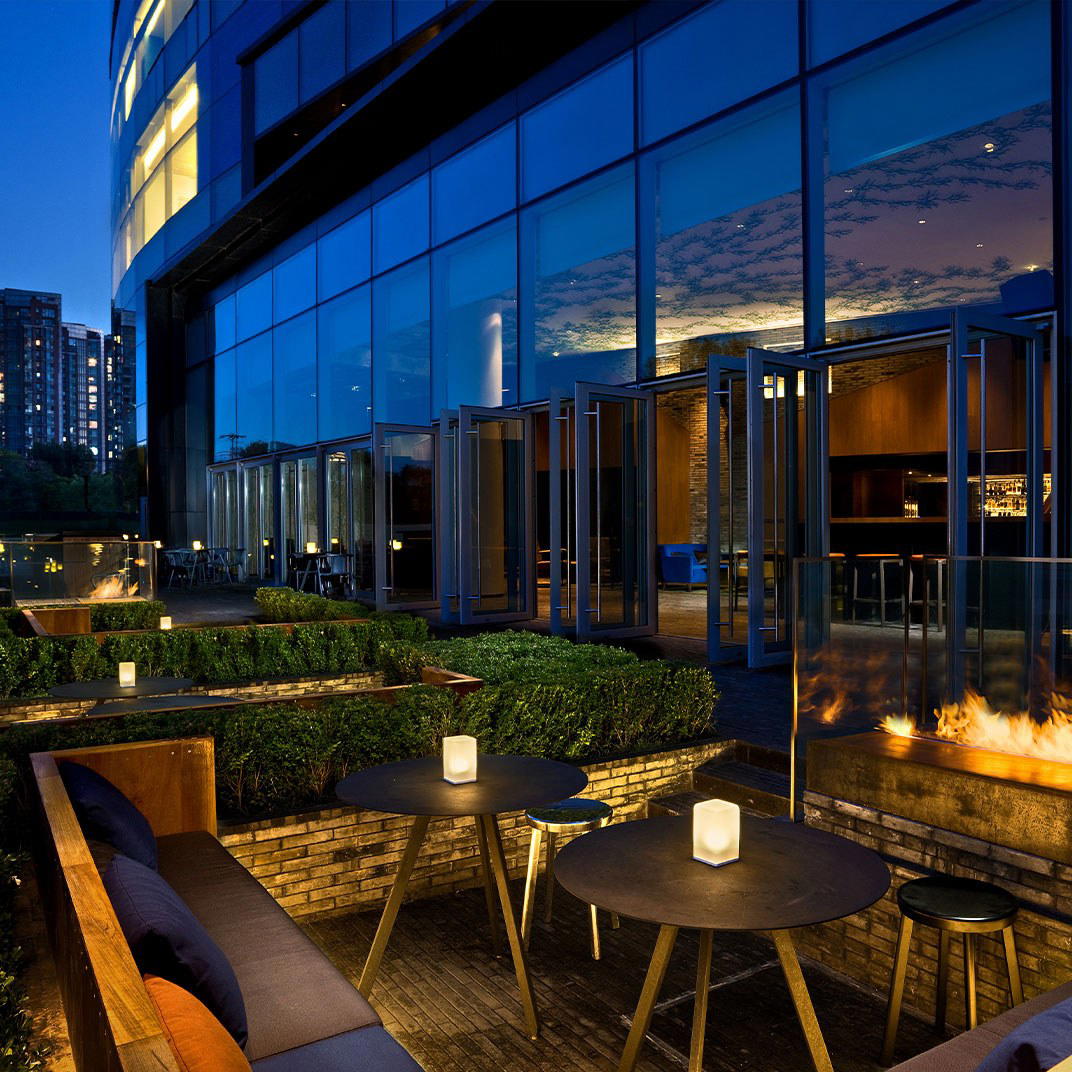
Bars in Beijing
All bars in Beijing →
Details
- Modern
- Business Trip
- Weekend Escape
- Design Destination
- Wi Fi
- Fitness Center
- Business Center
- Street Scene
- Elevator
Modern and trendy with soundproofed rooms for a peaceful stay amid the art district.