Located in Fukushima Ward, one of Osaka's most concentrated dining districts, 澤田 sits within a neighbourhood that has quietly accumulated some of the Kansai region's most serious cooking over the past two decades. The address alone places it among a comparable set defined by precision and restraint, where the cultural weight of kaiseki and kappo traditions continues to shape how chefs approach the plate.
Pearl is the En Primeur Club membership app — saves, bookings, and concierge access live there. Same editors, same standards.
- Address
- 4 Chome-2-50 Fukushima, Fukushima Ward, Osaka, 553-0003, Japan
- Phone
- +819045767699
- Website
- omakase.in
- Directions
- Get directions
 Saves & bookings on Pearl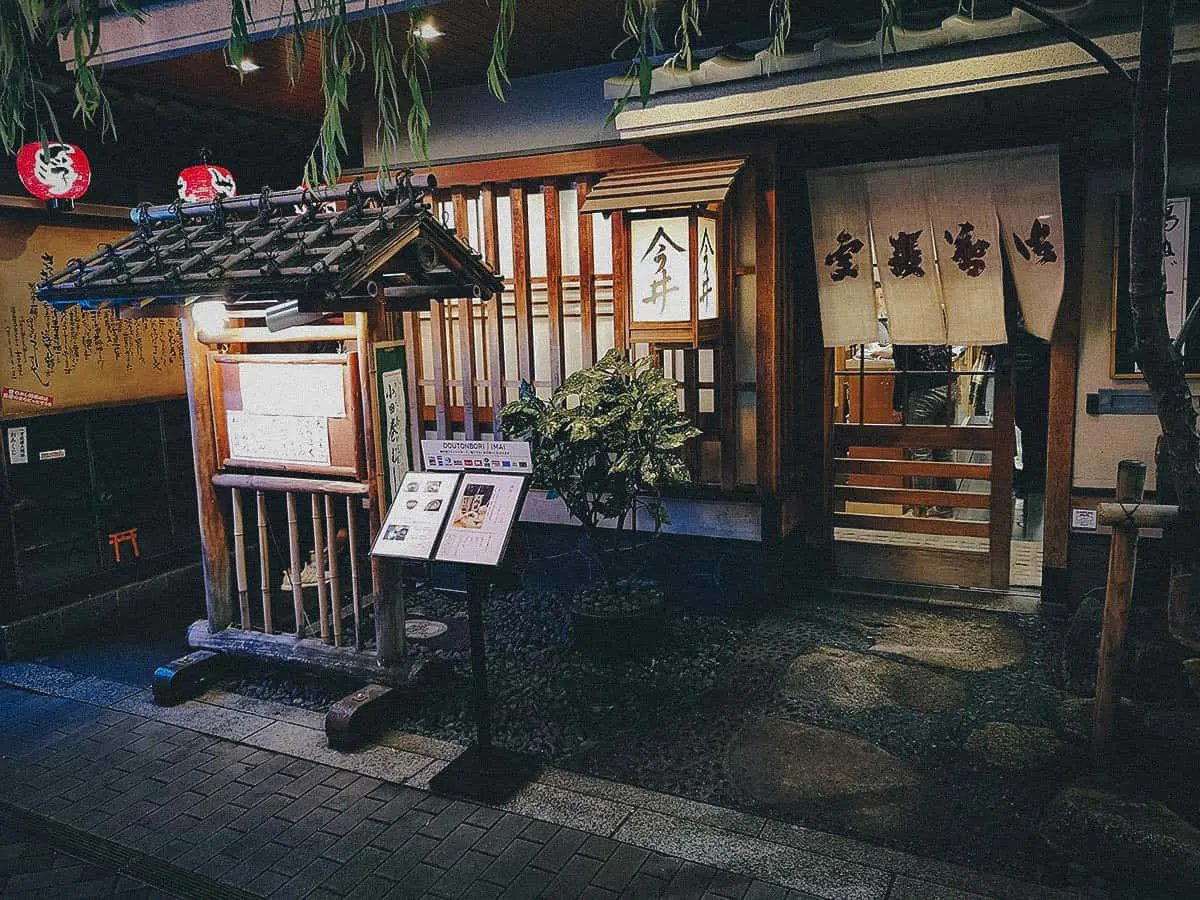
Fukushima Ward and the Architecture of Osaka Dining
Fukushima Ward occupies a narrow strip of Osaka between the Umeda transport hub and the Osaka-jo area, and over the past twenty years it has become one of the city's most densely serious dining corridors. The streets around Fukushima Station concentrate a particular kind of restaurant: intimate in scale, exacting in execution, and largely indifferent to the tourist circuits that define Dotonbori or Shinsaibashi. Walking the side streets here in the early evening, you pass darkened wood facades, hand-lettered noren, and the low hum of exhaust from kitchen vents, a physical grammar that signals craft over spectacle. This is where 澤田, at 4 Chome-2-50 Fukushima, Osaka, 553-0003, Japan, has chosen to operate.
The ward's dining character is shaped by its position in the broader Kansai culinary continuum. Osaka and Kyoto function as complementary poles: Kyoto leans toward the rarefied formalism of kaiseki, while Osaka has historically favoured kappo, a format where the counter itself becomes a zone of dialogue between cook and diner. That distinction matters when reading any address in Fukushima Ward. The neighbourhood draws serious diners from across the Hanshin region, many of whom move fluidly between Osaka's counter restaurants and the kaiseki houses of Gion, much as Western food travellers might cross between dinner at Gion Sasaki in Kyoto and the more technically European register of akordu in Nara.
The Cultural Weight Behind the Address
Japanese counter dining carries a set of cultural expectations that differ substantially from Western tasting-menu formats. The kappo tradition, rooted in Osaka's merchant-class food culture, was never primarily about ceremony. It was about proximity: the diner watches the cook, the cook reads the diner, and the meal adjusts in real time. This is a fundamentally different proposition from the fixed-sequence kaiseki of a formal ryotei, and it is the tradition against which Fukushima Ward restaurants are most usefully measured.
Within Osaka's broader dining map, the competition in this cultural register is substantial. Ajikitcho Bunbuan operates at the formal kaiseki end of the spectrum, while Ajihei Sonezaki represents the more approachable kappo register. Further along the contemporary axis, restaurants like Aka to Shiro and Az reflect the growing appetite in Osaka for formats that borrow from European fine dining structure while retaining Japanese ingredient logic. Calendrier sits in a similar cross-referential space. 澤田's placement within this spectrum, given the limited public record, invites a closer read of what the Fukushima address itself signals: restraint, localism, and a diner assumed to know what they are doing.
The Kansai region's influence on Japanese dining extends well beyond its borders. The precision that defines counter cooking here has shaped chefs working across Japan, from the northern counters of affetto akita in Akita to the more rural registers of Ajidocoro in Yubari District and the island-specific sourcing of Akakichi in Imabari. The cultural export of Osaka's counter philosophy is a real and traceable current in Japanese gastronomy.
Reading the comparable set
Any serious Osaka dining itinerary is now built around a combination of established names and newer addresses that have accumulated recognition through consistency rather than publicity. The city's most credentialled restaurants, including HAJIME in Osaka, operate at a global reference level, while the city's deeper interest lies in the quieter tier of kappo and seasonal Japanese houses that rarely generate international press but sustain a loyal, knowledgeable local base.
That quieter tier is where addresses like 澤田 tend to operate, and where the critical work of curation matters most. A venue in Fukushima Ward may simply be calibrated for a different audience. Japan's dining culture has always supported a class of restaurants that work on referral, regularity, and the accumulated trust of a neighbourhood. This is as true in Osaka as it is in the fishing-town kappo houses of Kyushu or the more recently recognised counters of Goh in Fukuoka.
For visitors building a multi-city Kansai itinerary, it is worth mapping Osaka's counter scene against the reference points that connect to it: the kaiseki formalism of Kyoto to the north, the Hyogo coastal sourcing that feeds restaurants like Abon in Ashiya, and the Oita-sourced ingredients that appear in regional specialists like Aji Arai in Oita. Japanese fine dining is increasingly legible as a network of sourcing relationships and training lineages, not just a set of independent restaurants. Tokyo's elite counter scene, represented by names like Harutaka in Tokyo, sits at one end of this spectrum; the neighbourhood kappo of Fukushima Ward sits at another, and neither is less serious for the difference in scale or visibility.
Planning a Visit
Fukushima Ward is served directly by Fukushima Station on the JR Osaka Loop Line, and by Noda-Hanshin Station on the Hanshin Main Line, placing it within ten minutes of Osaka's central interchange at Umeda. The area's counter restaurants typically operate on booking-only formats, with advance reservations ranging from several weeks to several months depending on the house. For visitors arriving from outside Japan, coordinating through a concierge service or using a Japan-specific reservation platform is the standard approach for addresses that do not maintain English-language booking infrastructure.
Visitors who have worked through the larger reference counters of Tokyo or Kyoto and are looking to calibrate against a different register of Japanese counter cooking will find Fukushima Ward useful. The neighbourhood's density means that a single evening visit can serve as both a meal and a reconnaissance, the short walk between restaurants here offers a clear read of how Osaka's serious dining culture presents itself at street level, far from the larger international circuits represented by, say, Le Bernardin in New York City or Lazy Bear in San Francisco.
Comparison Snapshot
Comparable venues nearby, for context on price, style, and recognition.
| Venue | Cuisine | Price | Notes |
|---|---|---|---|
| 澤田This venue — the venue you are viewing | Traditional Japanese Kaiseki | $$$ | Not listed |
| Fujikawa | Traditional Japanese Kaiseki with Tempura | $$$ | Kita |
| 善道 | Traditional Japanese Kaiseki | $$$ | Kita |
| Yoshitora | Traditional Unagi (Freshwater Eel) | $$$ | Chūō |
| Shugetsu | Okonomiyaki Teppanyaki | $$$ | Higashiyodogawa |
| 台処 かみ谷 | Japanese Izakaya | $$$ | Nishi |
Continue exploring
More in Osaka
Restaurants in Osaka
Browse all →




Bars in Osaka
Browse all →



Hotels in Osaka
Browse all →



Wineries in Osaka
Browse all →
At a Glance
- Elegant
- Intimate
- Sophisticated
- Special Occasion
- Date Night
- Open Kitchen
Refined and understated with traditional Japanese aesthetic elements creating a serene dining environment.