
Krasota occupies a rarefied position among Moscow's modern Russian restaurants, earning 75 points in the La Liste Top Restaurants ranking for 2025. Situated in Romanov Pereulok, just off the historic centre, it represents the direction Moscow's most ambitious kitchens have taken: rooted in Russian produce and tradition, expressed through a contemporary lens.6 from early reviewers suggests the room and the food are both performing at the level the address demands.
Pearl is the En Primeur Club membership app — saves, bookings, and concierge access live there. Same editors, same standards.
- Address
- Romanov Pereulok, 2с1, Moscow, Russia, 125009
- Phone
- +7 495 787-47-87
- Website
- krasota.wrf.su
- Directions
- Get directions
 Saves & bookings on Pearl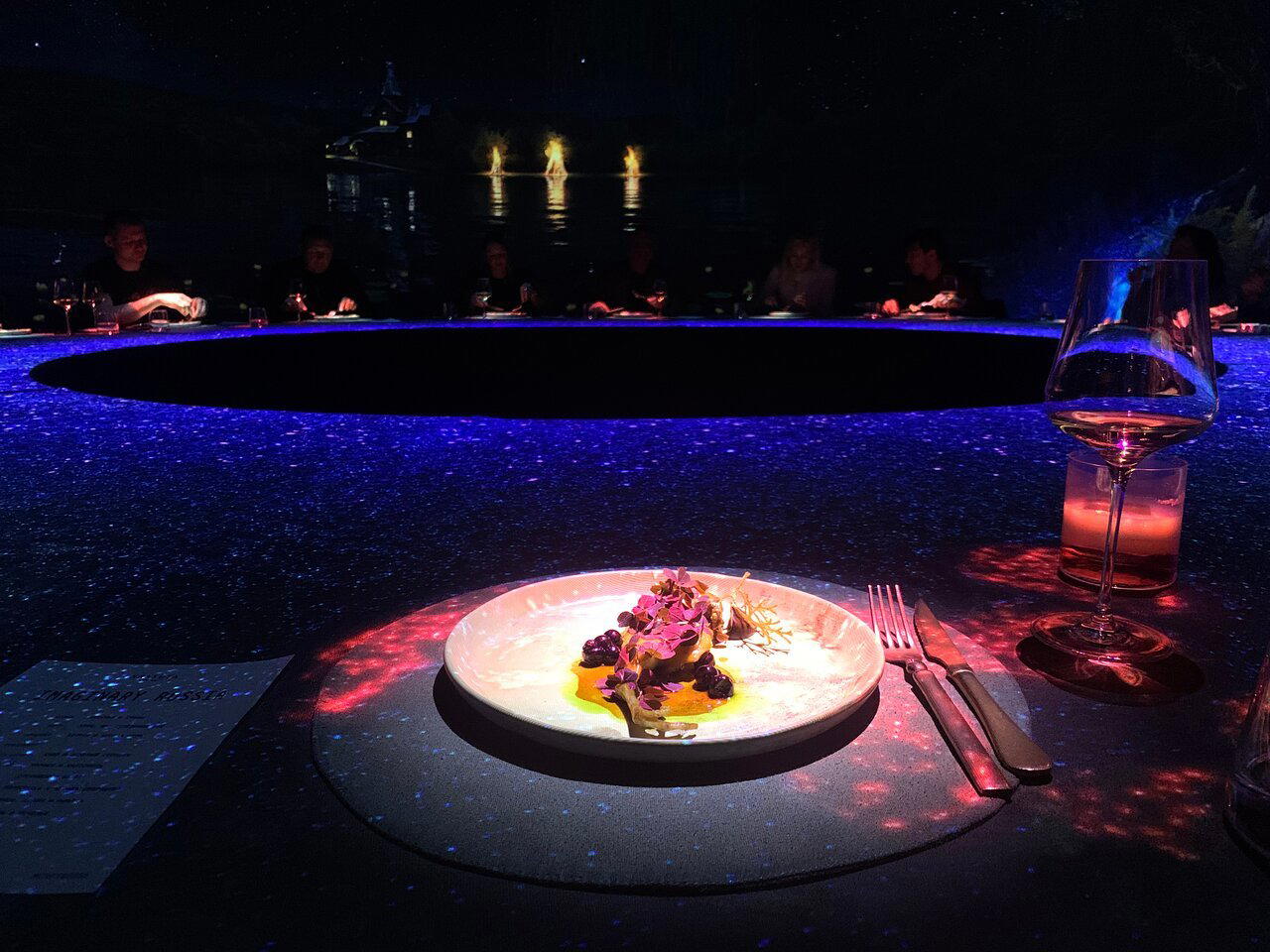
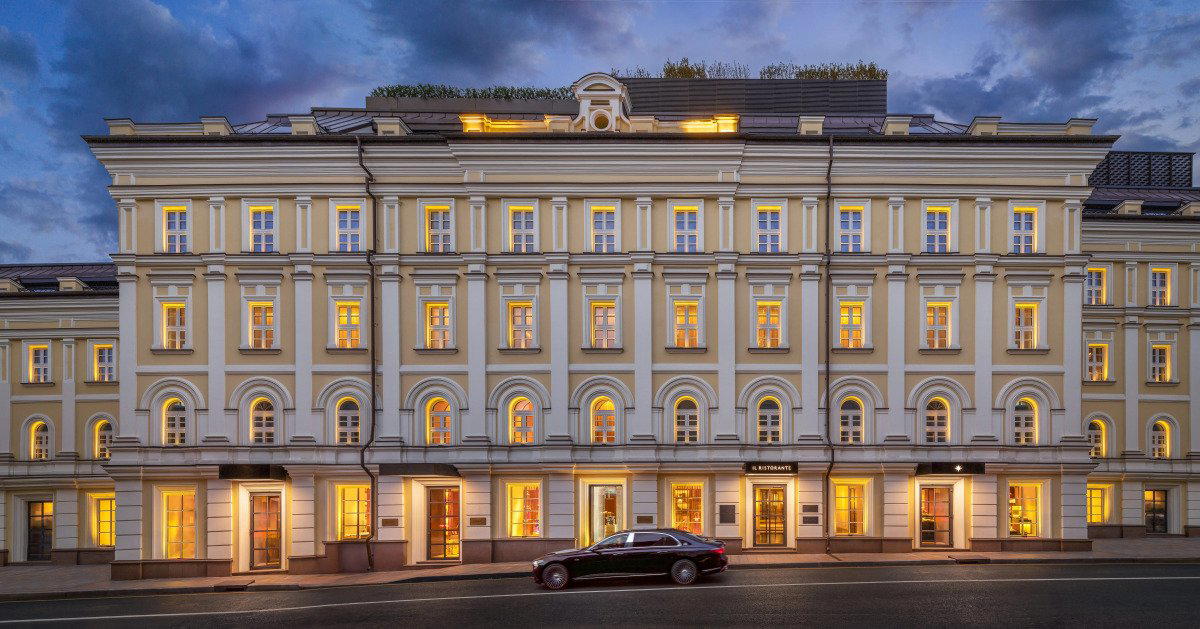
Romanov Pereulok is a short, quiet lane that runs behind the grander arteries of central Moscow, and restaurants that choose it tend to signal something about their priorities. The address is not about foot traffic or spectacle; it rewards the visitor who has already decided where they are going. Arriving at Krasota in the early evening, when Moscow's winter light has already gone and the lane sits under the glow of period streetlamps, the physical approach sets an expectation of deliberate experience rather than casual drop-in dining. That expectation, it turns out, is exactly the right one to bring.
Russian Fine Dining and the Question of Identity
Moscow's premium restaurant tier spent much of the 2010s in a productive tension between international technique and Russian ingredient identity. Varvary helped establish that Russian seafood and foraged produce could anchor a fine dining menu without apology. Artest pushed further into contemporary Russian expression. What has emerged across Moscow's most considered kitchens is a working methodology: source from Russian regions, apply technique that serves the ingredient rather than overwriting it, and build menus that can be read as a document of the country's larder. Krasota sits inside that tradition. Its La Liste recognition, 75 points in the 2025 edition, places it within a competitive set that includes some of Moscow's most scrutinised tables, and the score reflects sustained quality rather than novelty.
Sourcing as Editorial Statement
The sustainability question in Russian fine dining is less about carbon accounting and more about a deeper commitment to regional food systems that were, for decades, either suppressed or ignored in favour of imports. The shift toward Russian sourcing that defines restaurants like Krasota is partly about flavour and partly about a form of culinary archaeology: recovering fermenting traditions, cold-smoking techniques, and dairy and grain cultures that were never written down in recipe books but existed in village kitchens across Siberia, the Urals, and the Russian north.
Restaurants that take this approach seriously tend to build relationships with small farms and foragers over years, not seasons. The supply chains are shorter, the producers are fewer, and the dependency is mutual. That model contrasts with the import-heavy luxury menus that dominated Moscow's five-star hotel dining through the 2000s, where the prestige signal was French cheese and Italian wine rather than anything that grew within the country's borders. Krasota's position in the Russian Cuisine category is, in that context, a substantive claim rather than a marketing one. See also Ikra, which has similarly committed to native produce as its structural premise.
The Room and the Format
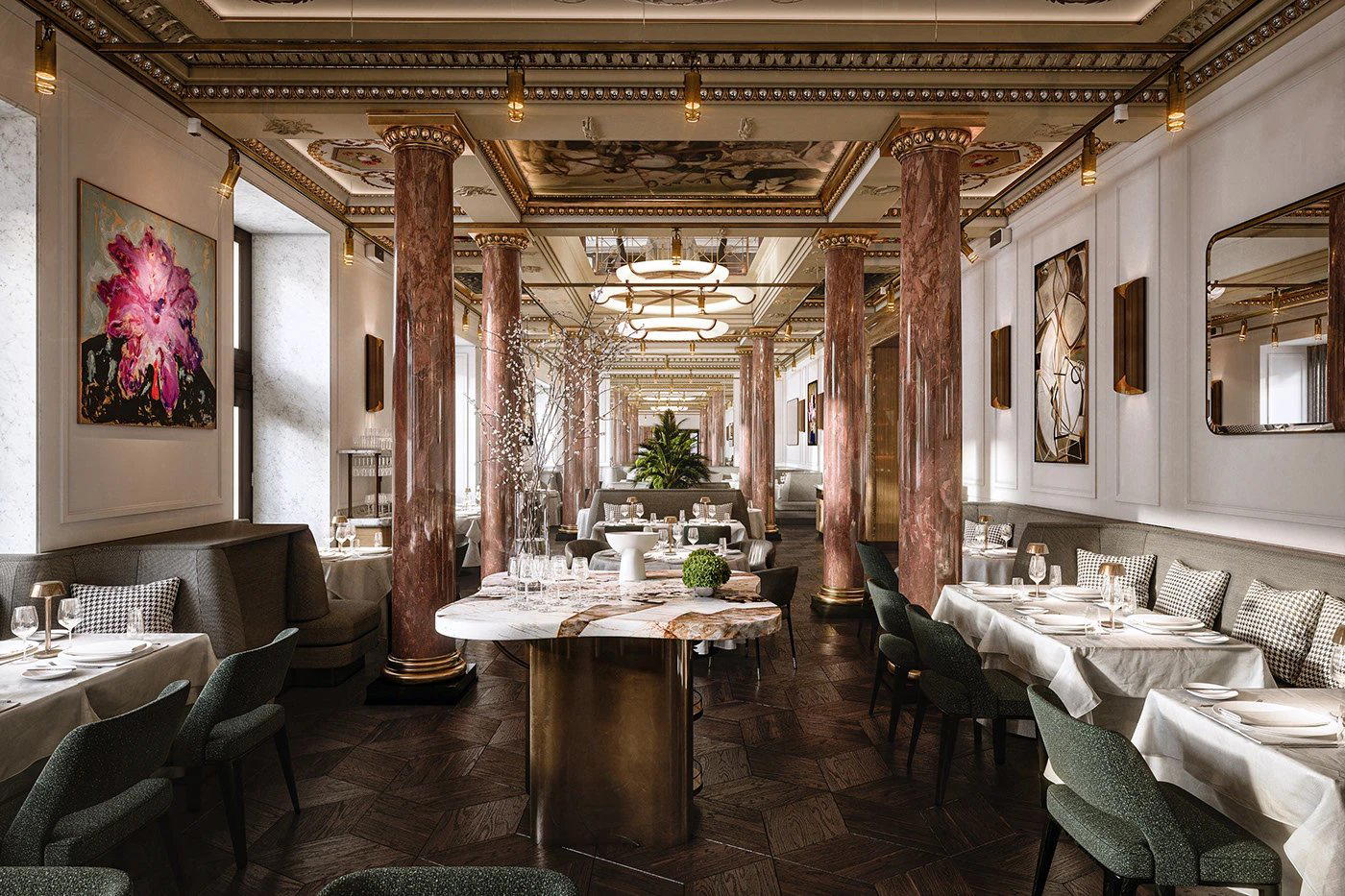
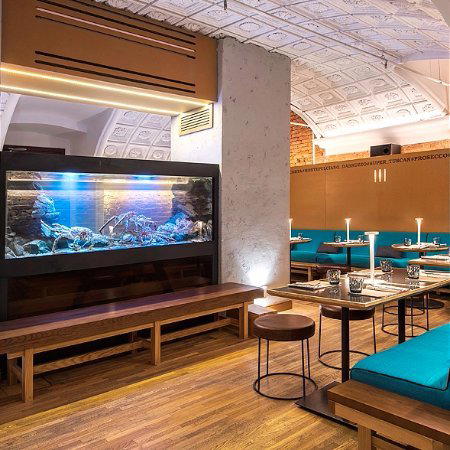
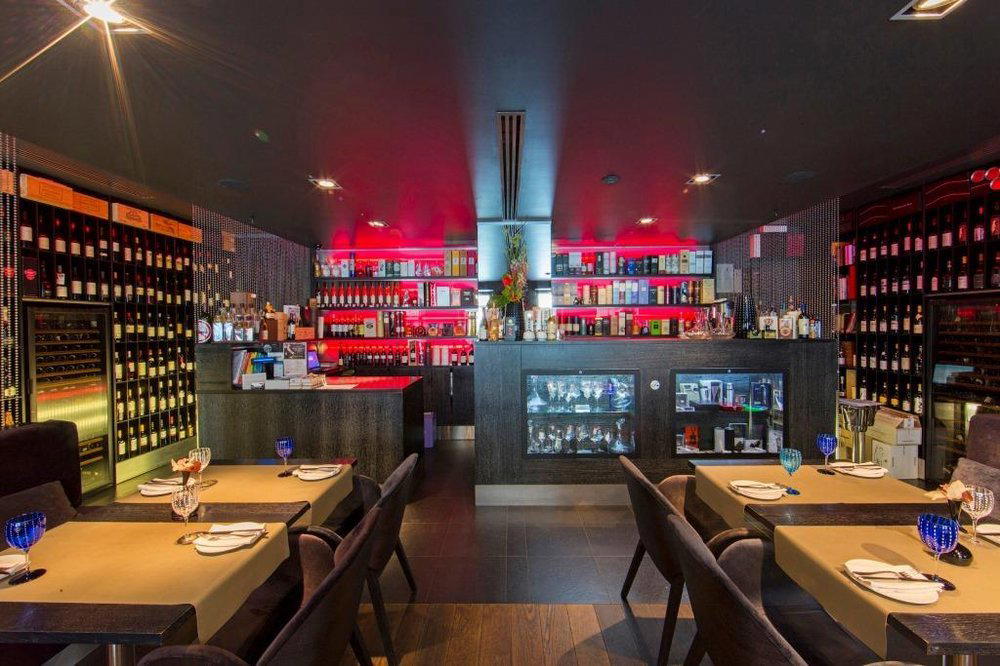
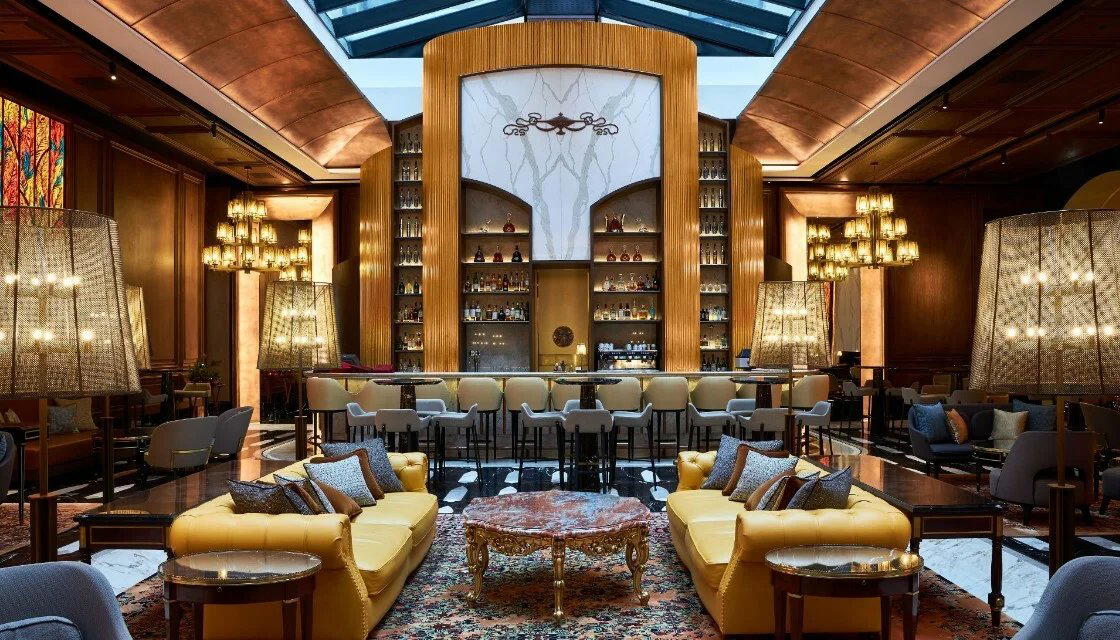
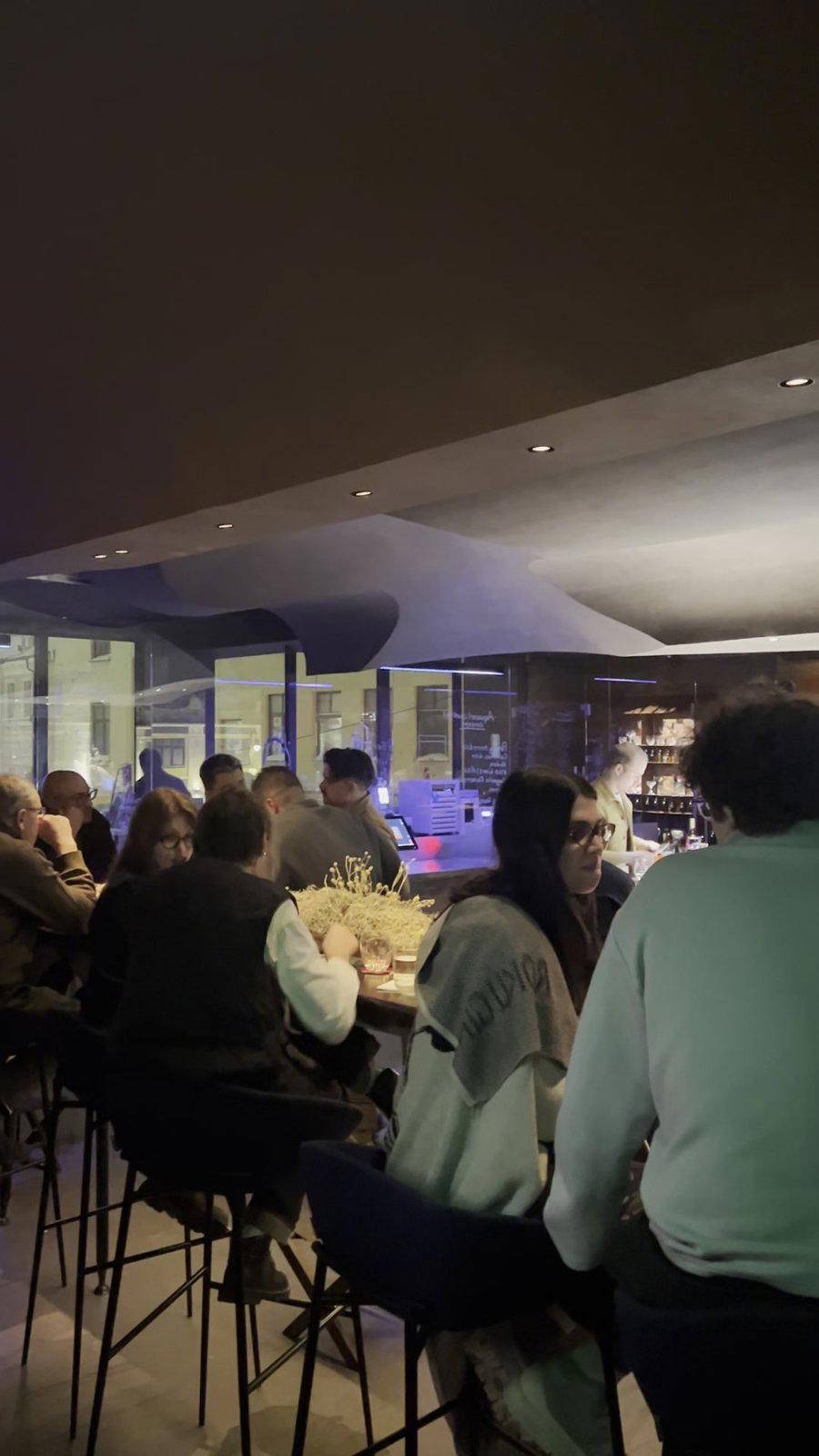
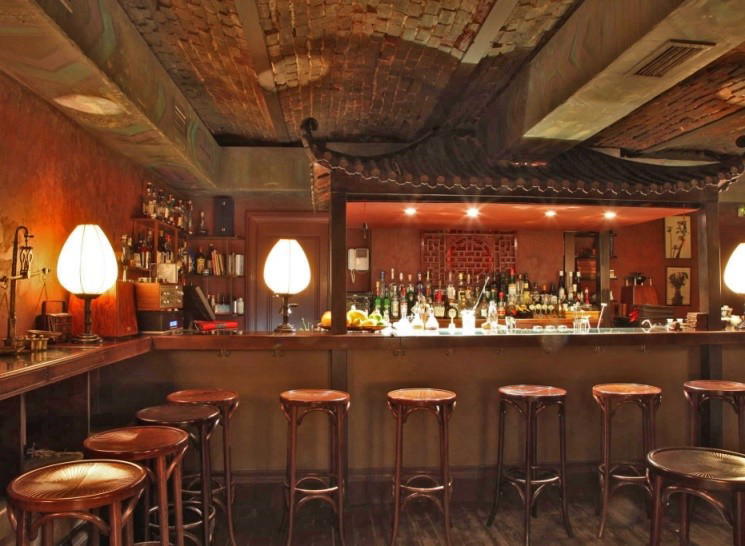
The experience-first format, with atmosphere carrying as much meaning as the menu, places it in a category of Moscow restaurants where the physical environment is considered part of the argument the kitchen is making. The dining room at Romanov Pereulok 2с1 is not a neutral container. Moscow's most ambitious modern Russian restaurants have tended to invest heavily in interior language, using material choices (raw wood, ceramic, linen, Soviet-era reference points reframed) to anchor the menu in a visual and tactile context. When a restaurant earns La Liste recognition and chooses a quiet historic-centre address, the room usually does significant work.
LOONA and Rybtorg represent other points in Moscow's premium dining spectrum, the former more European in its reference points, the latter anchored in Russian seafood culture. Krasota sits in a different register, one where the total experience, from the approach through the final course, is intended to feel cohesive rather than modular.
Moscow in a Wider Russian Context
It is worth placing Krasota within the broader geography of ambitious Russian dining, because Moscow no longer holds a monopoly on the category. Birch in St. Petersburg and Bourgeois Bohemians in Sankt-Peterburg have both established that the second city has its own credible fine dining tier. SEASONS in Kaliningrad operates at the western edge of Russia with its own regional sourcing logic, and Leo Wine and Kitchen in Rostov draws on southern Russian and Caucasian produce traditions. La Colline in Bolshoye Sareyevo and Tsarskaya Okhota in Zhukovka serve the dacha belt outside Moscow with their own distinct formats. The Russian fine dining scene, in other words, is geographically dispersed in a way it was not fifteen years ago.
Within Moscow itself, Krasota sits in a tier above neighbourhood-level dining and broadly level with the upper bracket of restaurants where a reservation requires planning. For Russian Cuisine specifically, as distinct from the Modern European register occupied by Selfie or Twins Garden, the competitive set is smaller, which makes the recognition more pointed. Frantsuza Bistrot in Sankt-Peterburg and Probka in Sankt-Peterburg represent how the Russian Cuisine designation plays out in a different city register entirely.
Planning Your Visit
Krasota is located at Romanov Pereulok 2с1 in central Moscow. A reservation is required, and the.
Credentials Lens
Comparable venues nearby, for context on price, style, and recognition.
| Venue | Cuisine | Price | Notes |
|---|---|---|---|
| Красота - KrasotaThis venue — the venue you are viewing | Modern Russian Gastro-Theater | $$$$ | Not listed |
| Ikra | Modern Russian Gastrotheatre | $$$ | Moscow City |
| Twins | Modern Russian Fine Dining | $$$$ | Тверской |
| Turandot | Pan-Asian Fine Dining | $$$$ | Boulevard Ring |
| САВВА - Savva - Hotel Metropol | Modern Russian Fine Dining | $$$$ | Tverskoy District |
| Butcher | Premium Steakhouse | $$$$ | Boulevard Ring |
Recognition history
Dated appearances from independent guides and award organizations, with the underlying list record or original source where available.
La Liste Top Restaurants
La Liste
At a Glance
- Elegant
- Sophisticated
- Intimate
- Special Occasion
- Date Night
- Celebration
- Chefs Counter
- Open Kitchen
- Craft Cocktails
Current opening hours
- Monday
- 1 PM–12 AM
- Tuesday
- 1 PM–12 AM
- Wednesday
- 1 PM–12 AM
- Thursday
- 1 PM–12 AM
- Friday
- 1 PM–12 AM
- Saturday
- 1 PM–12 AM
- Sunday
- 1 PM–12 AM
Hours can change for holidays and private events. Last verified .
Stylish with thoughtful lighting, immersive 3D projections on round tables, and a mesmerizing theatrical atmosphere.