On Campo Santo Stefano, one of Venice's few open squares with room to breathe, Busa alla Torre occupies the kind of address that rewards visitors who have moved past the obvious. A neighbourhood trattoria operating in the Venetian seafood tradition, it draws a local current alongside the tourist tide, with a lunch service that sits in a different register from the quieter evening mood.
Pearl is the En Primeur Club membership app — saves, bookings, and concierge access live there. Same editors, same standards.
- Address
- Campo Santo Stefano, 3, 30141 Venezia VE, Italy
- Phone
- +393941739662
- Website
- busadalele.it
- Directions
- Get directions
 Saves & bookings on Pearl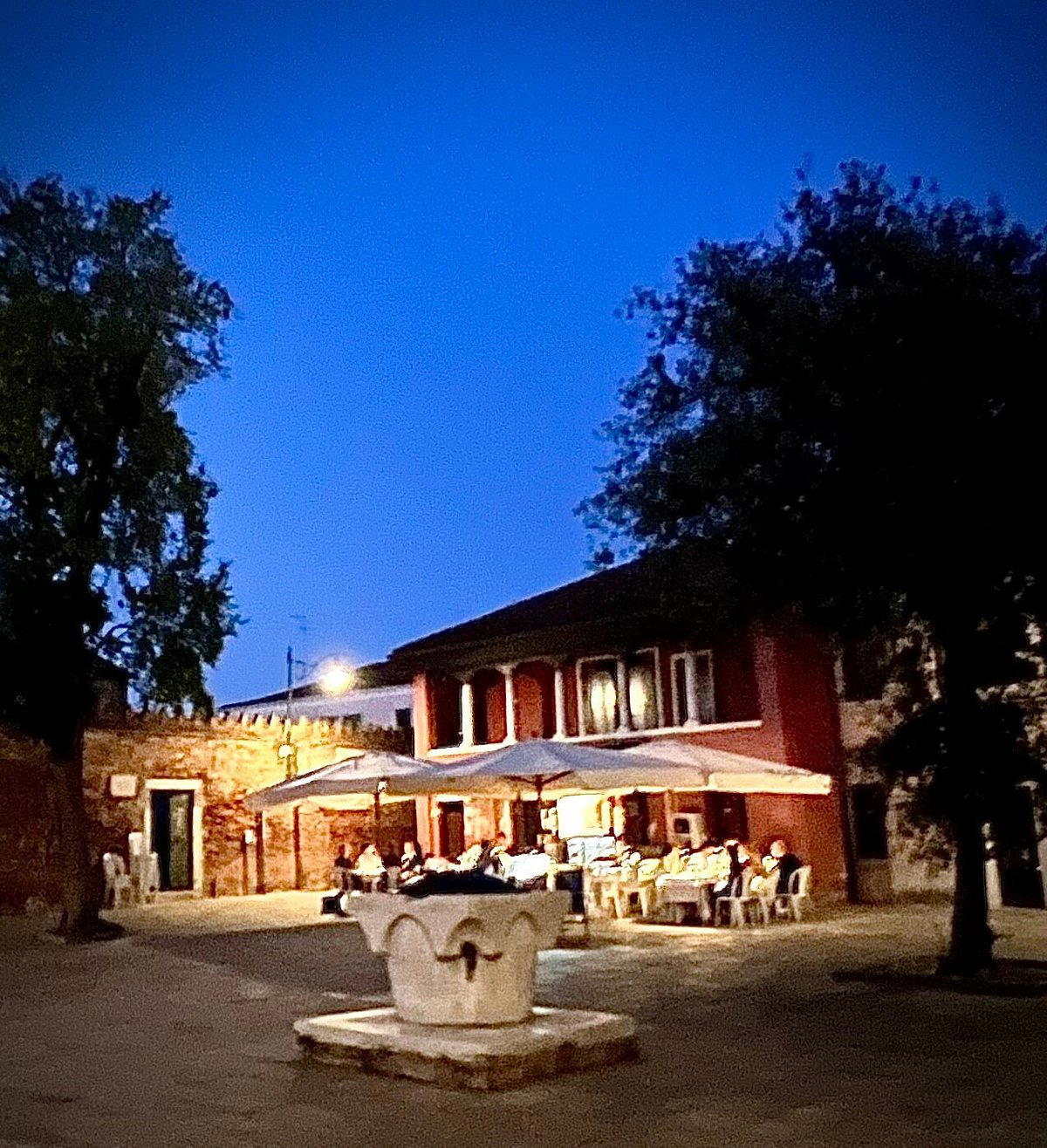
Campo Santo Stefano and the Logic of the Square
Venice compresses most of its dining life into narrow calli and darkened sottoporteghi, which makes Campo Santo Stefano an anomaly worth understanding. One of the few proper piazzas in the city with enough open air to slow a visitor's pace, it functions as a neighbourhood anchor for the Dorsoduro-San Marco border zone, drawing residents from surrounding sestieri alongside the more predictable foot traffic moving between the Accademia and the Rialto. The square's character shapes the dining tempo around it: lunch here carries an unhurried civic energy that evening service in more tourist-pressed parts of the city rarely achieves.
Busa alla Torre sits within this geography. The address on Campo Santo Stefano places it in a competitive position relative to the broader Venice trattoria circuit, where the better-known Local and Wistèria operate in a more contemporary Italian register, and Michelin-weighted rooms like Ristorante Quadri and Glam Restaurant by Enrico Bartolini sit in a different price tier entirely. Busa alla Torre works closer to the Venetian trattoria tradition, a format with its own internal hierarchy and one that the city has historically done better than almost anywhere else in the country when it adheres to its own logic.
The Lunch-Dinner Divide: Why the Midday Service Is the One That Matters Here
In Venice, the split between lunch and dinner service is more pronounced than in most Italian cities, and it runs in a direction that surprises first-time visitors. The assumption is that evening delivers the premium experience. In practice, for trattorias operating in the seafood tradition, the inverse often holds. Morning market runs to the Rialto fish market set the day's agenda. What arrives at the counter before nine o'clock shapes what lands on the table at noon. By dinner, the catch is older, the kitchen's leading decisions already made.
This is the operating logic for a significant tier of Venice's most credible seafood houses, from the well-regarded Osteria alle Testiere and Al Covo to Corte Sconta, all of which operate in the €€€ trattoria register and orient their kitchen work around the morning's procurement rather than the evening's atmosphere. Busa alla Torre belongs to this tradition. Lunch service, in this context, is not a lesser version of dinner but a direct expression of the kitchen's relationship with the market. The midday table captures that relationship at its most immediate.
Evening here shifts toward a quieter, more settled rhythm. The square empties at a different rate than the city's more trafficked areas, and the atmosphere that results is less about theatrical Venice tourism and more about the kind of settled neighbourhood dining that the sestiere around Santo Stefano has historically supported. Neither service is wrong; they serve different intentions.
Venetian Seafood Tradition and What It Demands of a Kitchen
The Venetian approach to seafood is disciplined in a way that resists the intervention-heavy tendencies visible in more ambitious Italian dining. The tradition running from sarde in saor through the raw and lightly cooked crudi to a risotto built on bisque from the day's shells is one where the kitchen's value is measured in restraint and sourcing quality rather than technique for its own sake. Italy's most formally ambitious seafood cooking, found at places like Uliassi in Senigallia or Quattro Passi in Marina del Cantone, operates at a different register and with a different set of ambitions. The trattoria seafood format asks something simpler and, in its own way, harder: make the material the point.
When that standard is met, the results are specific to place in a way that no amount of technical sophistication can replicate. Soft-shell moleche in season, the lagoon's small crabs fried whole, or bigoli in salsa made with aged onions and anchovies from the Adriatic: these are dishes that make culinary sense only in this geography. For visitors building a broader picture of Italian regional cooking across houses like Dal Pescatore in Runate, Piazza Duomo in Alba, or Osteria Francescana in Modena, a well-executed Venetian trattoria meal fills a gap that no amount of formal dining elsewhere can address.
Positioning Within the Venice Dining Tier
Venice's restaurant market operates under significant structural pressure. High overhead, logistical complexity around deliveries, and a tourist-majority customer base create conditions that push many kitchens toward safe, low-variance menus. The trattorias that resist this tend to do so through market discipline and a narrow focus on local product rather than through menu ambition or kitchen theatrics. The latter approach belongs to venues like Oro Restaurant, which operates within a hotel context with the resources that implies.
Busa alla Torre's position on Campo Santo Stefano gives it a logistical advantage that most Venice restaurants lack: outdoor table service on a square with genuine space, a rarity in a city where outdoor seating usually means folding chairs in a narrow passage. That spatial asset matters most at lunch, when the light and the square's civic character combine to produce the kind of unhurried midday table that is harder to find in Venice than the city's reputation would suggest. For the evening traveller, it offers a quieter alternative to the Piazza San Marco proximity, which sits within walking distance and brings its own pressures on nearby kitchens.
Planning Your Visit
Campo Santo Stefano is reachable on foot from the Accademia vaporetto stop, a short walk across the bridge and through the immediate neighbourhood. The square's open format means the approach is direct even for first arrivals in Venice. As with most trattorias operating in this register, lunch reservation or an early arrival is the more reliable strategy, particularly during the spring and autumn shoulder seasons when the neighbourhood draws a mix of local and visiting traffic. Specific hours, booking policy, and current pricing are best confirmed directly, as operating details at this tier of Venice dining shift seasonally.
Visitors building a longer Italy itinerary around serious eating might also consider the fuller arc available through the country: Le Calandre in Rubano is a short drive from Venice and represents a different scale of kitchen ambition, while Enoteca Pinchiorri in Florence, Enrico Bartolini in Milan, and Reale in Castel di Sangro anchor a national circuit worth structuring a trip around. For international reference points in the seafood-forward category, Le Bernardin in New York City remains the obvious benchmark for what formal seafood cooking can achieve, while Lazy Bear in San Francisco and Atelier Moessmer Norbert Niederkofler in Brunico illustrate how regional product and local identity can anchor high-ambition cooking across different formats.
Cost Snapshot
Comparable venues nearby, for context on price, style, and recognition.
| Venue | Cuisine | Price | Notes |
|---|---|---|---|
| Busa alla TorreThis venue — the venue you are viewing | Not listed | $$ | Not listed |
| La Zucca | Not listed | $$ | Santa Croce, Venetian Vegetable-Focused Osteria |
| Osteria Al Portego | Not listed | $$ | Castello, Traditional Venetian Cicchetti Osteria |
| Hosteria Al Vecio Bragosso | Santa Croce, Venetian Seafood Osteria | $$ | Not listed |
| Cà D'oro alla Vedova | Not listed | $$ | Santa Croce, Traditional Venetian Osteria |
| Enoteca Al Volto | Not listed | $$ | San Marco, Traditional Venetian Cicchetti and Wine Bar |
Continue exploring
More in Venice
Restaurants in Venice
Browse all →
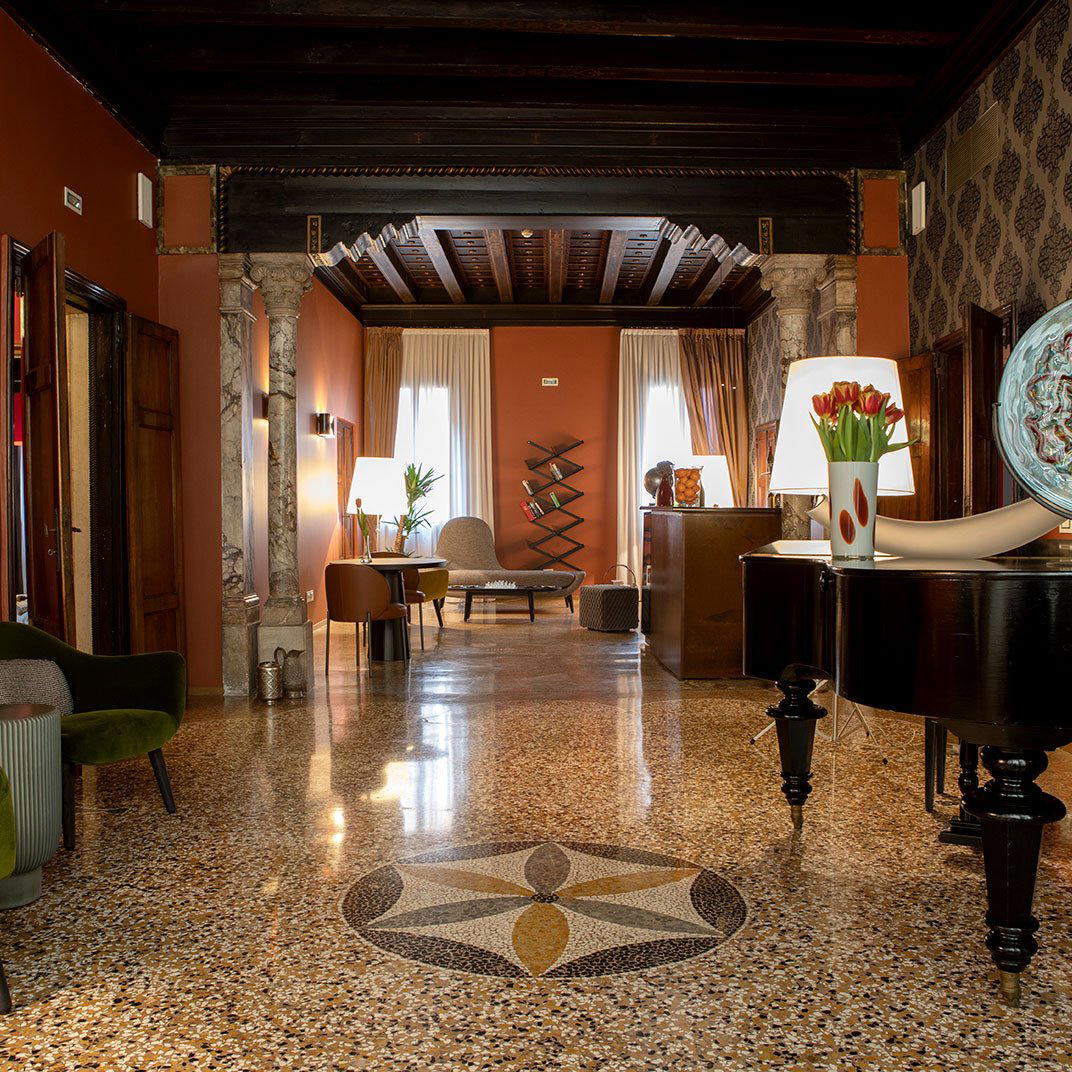
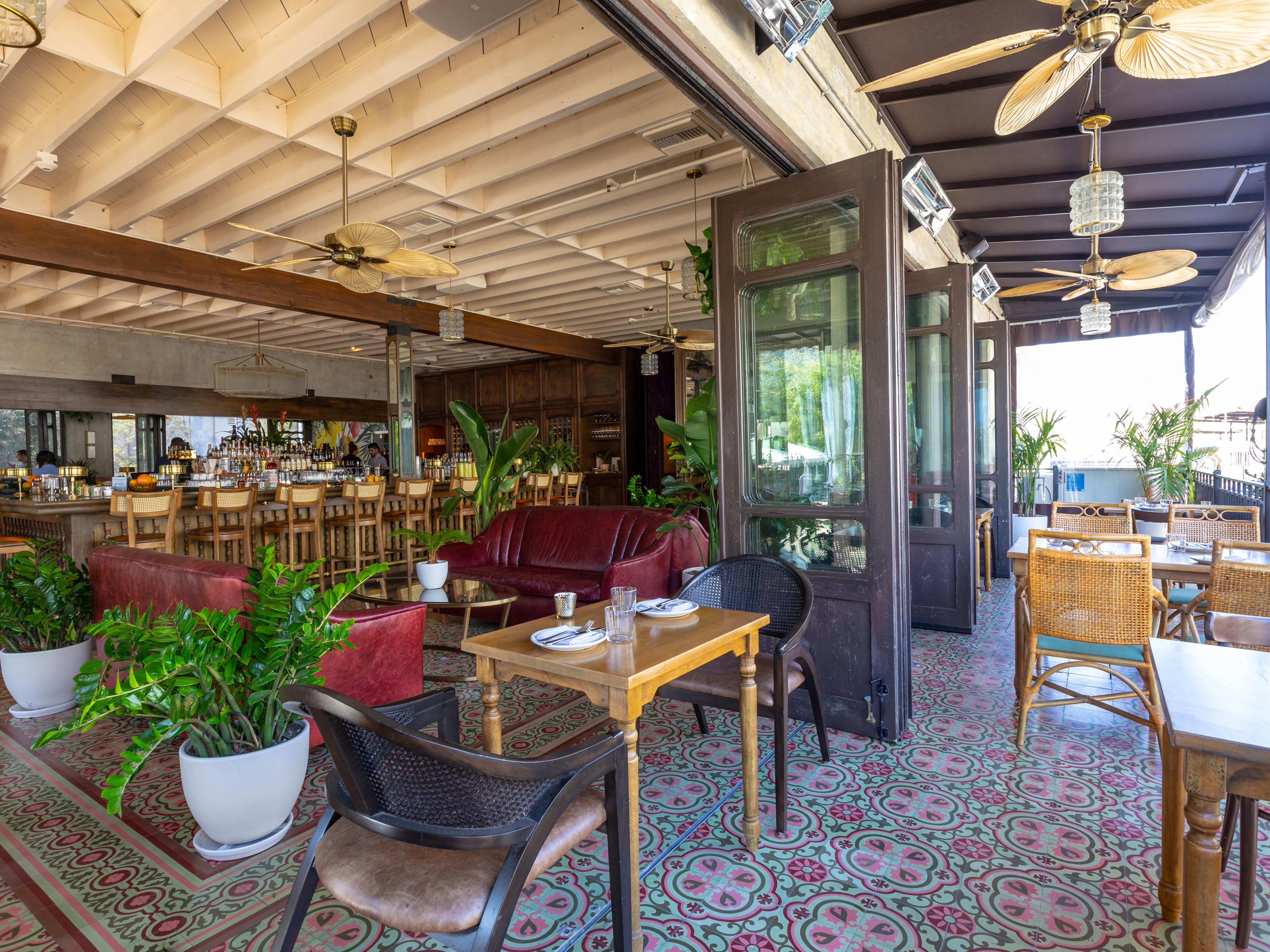
Bars in Venice
Browse all →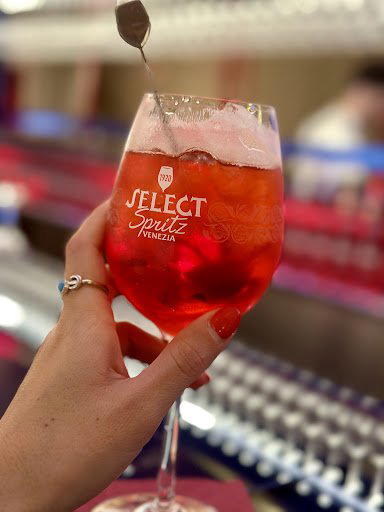
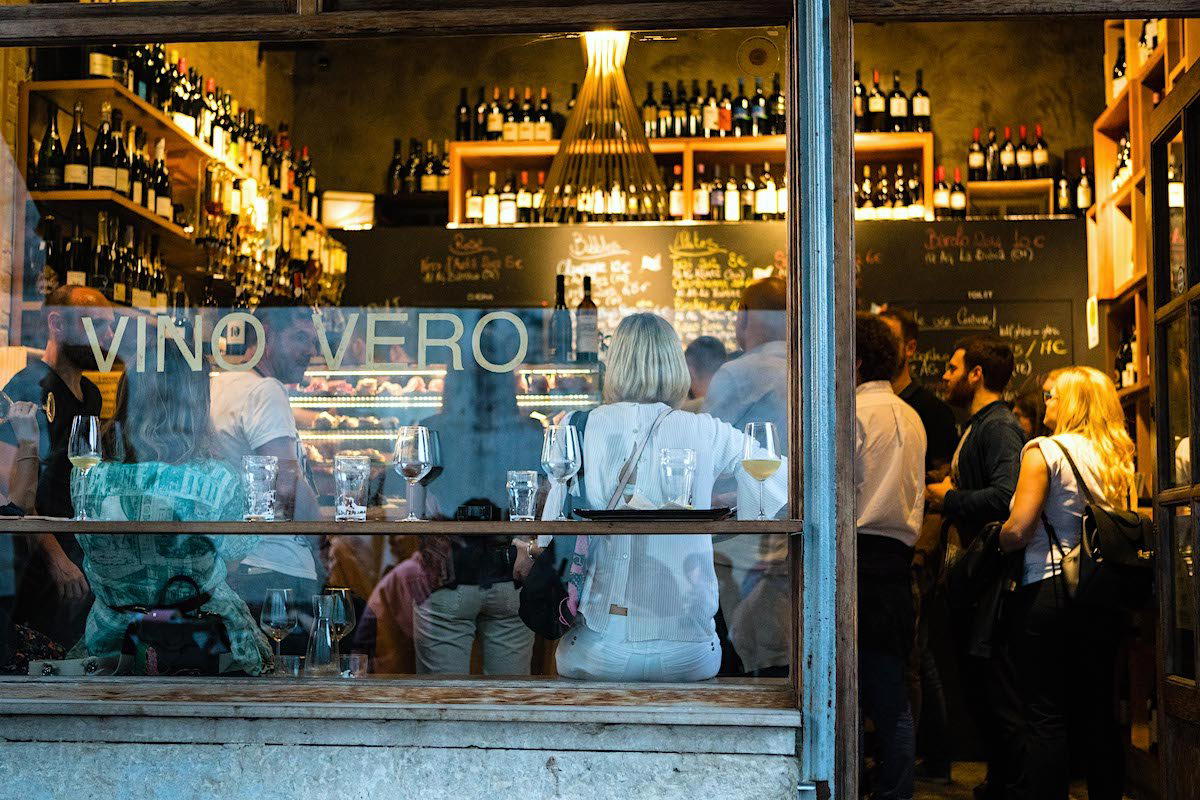
Hotels in Venice
Browse all →
At a Glance
- Rustic
- Cozy
- Classic
- Casual Hangout
- Family
- Historic Building
- Local Sourcing
- Street Scene
Current opening hours
- Monday
- 11:30 AM–5 PM
- Tuesday
- 11:30 AM–5 PM
- Wednesday
- 11:30 AM–5 PM
- Thursday
- 11:30 AM–5 PM
- Friday
- 11:30 AM–10 PM
- Saturday
- 11:30 AM–10 PM
- Sunday
- 11:30 AM–5 PM
Hours can change for holidays and private events. Last verified .
Simple rustic ambience with yellow tablecloths and a modest neighborhood feel.