On the Strada Nova in Cannaregio, Hosteria Al Vecio Bragosso occupies the kind of address that Venetian seafood culture has long favoured: close to the Rialto fish market's supply lines, away from the tourist circuit's loudest pressure points. The kitchen works within the cicchetti and osteria tradition that has defined lagoon-side eating for centuries, making it a reference point for visitors and locals tracing Venice's working food culture.
Pearl is the En Primeur Club membership app — saves, bookings, and concierge access live there. Same editors, same standards.
- Address
- Strada Nova, 4386, 30131 Venezia VE, Italy
- Phone
- +39415237277
- Website
- alveciobragosso.com
- Directions
- Get directions
 Saves & bookings on Pearl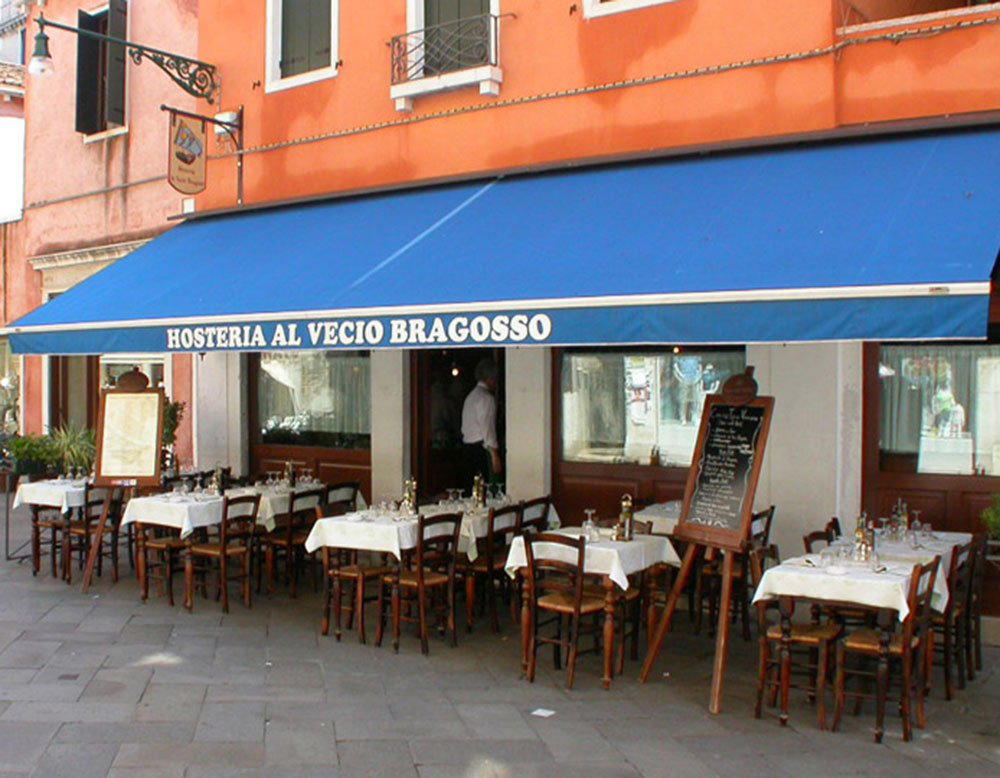
Where the Lagoon Comes to the Table
Strand yourself long enough on the Strada Nova, the broad pedestrian artery cutting through Cannaregio, and the city's eating culture begins to reveal itself in layers. The vaporetto stops and souvenir stalls give way to bacari serving ombre of local white wine before noon, and tucked among them sits Hosteria Al Vecio Bragosso, its name referencing the bragosso, the flat-bottomed wooden fishing vessels that historically worked the northern Adriatic and supplied Venice's markets. That etymology is not decorative. It signals where this kind of osteria positions itself: inside a tradition of lagoon-sourced, tide-timed cooking that predates the modern restaurant by several centuries.
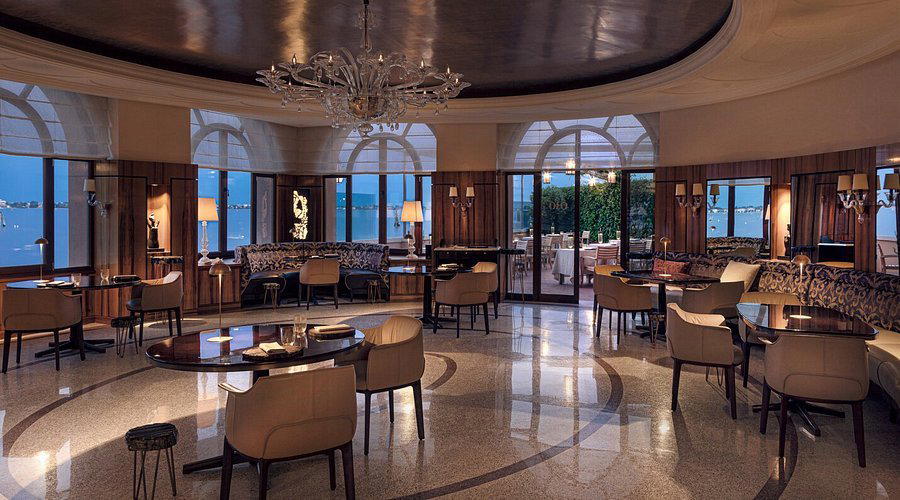
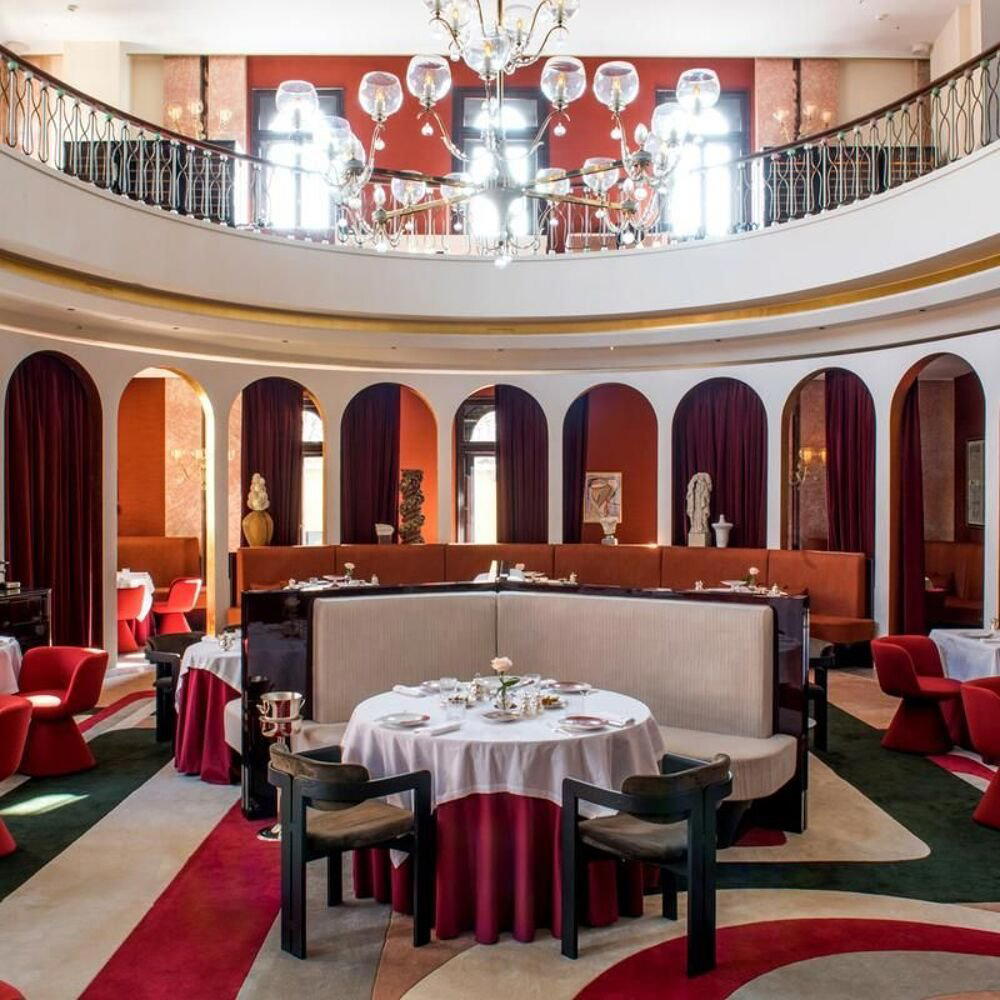
Venice's dining culture has always split along a fault line that other Italian cities don't quite replicate. On one side sits the formal, frequently Michelin-decorated end, represented by addresses like Glam Restaurant by Enrico Bartolini, Oro Restaurant, and Ristorante Quadri, where modern Italian technique overlays the lagoon's produce with tasting menus and architectural plating. On the other sits the osteria and bacaro tier, where the fish is also serious but arrives without ceremony, and where the measure of quality is sourcing and timing rather than presentation. Al Vecio Bragosso occupies the latter camp, and in a city where that tradition is under pressure from mass-market imitation, its Cannaregio address gives it a working-neighbourhood credibility that the tourist-dense sestieri around San Marco make harder to sustain.
The Osteria Tradition and What It Actually Means
The word osteria has been diluted across Italy to the point of near-meaninglessness, applied to everything from motorway diners to rooms with starched tablecloths and six-course menus. In Venice, the designation retains more precision. A functioning Venetian osteria operates around the rhythms of the Rialto market, sourcing fish that changes with the season and the catch, building a daily menu around what arrived that morning rather than a fixed card that runs year to year. The bragosso reference in Al Vecio Bragosso's name is a direct invocation of that supply-chain heritage: the lagoon's flat-water boats bringing sole, cuttlefish, small crabs, and spider crab (granseola) from the northern Adriatic shallows.
The cuisine that emerges from this tradition is emphatically local. Venetian seafood cooking is not the grilled-fish-with-lemon format that dominates coastal Italy further south. It operates on different techniques: sarde in saor (sardines marinated with onions, pine nuts, and sultanas in a sweet-sour agrodolce that dates to medieval Venetian trade routes), baccalà mantecato (salt cod whipped with olive oil into a thick, savoury cream served on grilled polenta), and risotto nero (black from cuttlefish ink, the rice absorbing a cooking liquor that concentrates the sea). These are not simple dishes executed quickly; each involves processes measured in hours, and their quality depends on ingredient sourcing as much as technique. This is the culinary tradition in which Al Vecio Bragosso operates, and it connects the osteria to a regional cooking culture with genuine historical depth, one also expressed at a different register by seafood-focused kitchens across northern Italy, from Uliassi in Senigallia to Quattro Passi in Marina del Cantone.
Cannaregio, Strada Nova, and the Mechanics of Getting There
Strada Nova address matters for practical as well as atmospheric reasons. Cannaregio is where a significant portion of Venice's resident population lives, which means the neighbourhood's restaurants face a different accountability than those on the San Marco tourist circuit: they have to satisfy people who will return the following week. For visitors, this is useful intelligence. Reaching Al Vecio Bragosso from the main train station at Santa Lucia takes roughly ten minutes on foot, following the Strada Nova east, which makes it viable as an arrival or departure meal without the vaporetto detour that more remote sestieri require. The Ca' d'Oro vaporetto stop on Line 1 deposits you within two minutes of the address if you're arriving by water from the Grand Canal direction.
Strada Nova runs through what remains one of Venice's most lived-in corridors, lined with alimentari, wine shops, and the kind of bacari where Venetians take their morning cicchetti standing at the bar. The neighbourhood sits in sharper contrast to the experience at the city's highest-end dining addresses, which tend to cluster in more dramatically set locations: the Local and Wistèria, for instance, occupy positions closer to the Rialto's more theatrical zones. The Cannaregio setting gives Al Vecio Bragosso a different urban register, quieter and more residential, which shapes the experience of eating there.
Seasonal Timing and What to Expect at the Table
Autumn and winter are the periods when Venetian seafood cooking is at its most compelling argument. The granseola (spider crab) season peaks in late autumn; moleche, the soft-shell crabs that are a Venetian delicacy of considerable fame, appear during the spring and autumn moulting periods; and the broader fish market at Rialto operates with its greatest species variety during the cooler months when summer tourist pressure has eased and fishing conditions in the Adriatic are more productive. An osteria working within the bragosso tradition would logically reflect these patterns in its daily menu. Visitors planning specifically around Venetian seafood culture will find the October-to-March window one instructive season, both for what appears on the plate and for the reduced competition for tables in a neighbourhood like Cannaregio.
For broader context on how this kind of osteria sits within Italy's wider fine-dining conversation, the distance between Al Vecio Bragosso's osteria format and the country's celebrated formal dining rooms is considerable. Osteria Francescana in Modena, Le Calandre in Rubano, and Enoteca Pinchiorri in Florence represent a different register of Italian dining, where the ingredients are similarly sourced but transformed through contemporary technique into something architecturally removed from the source material. The osteria tradition represented by Al Vecio Bragosso runs a parallel track: fidelity to ingredient and process over transformation and spectacle. Both are legitimate expressions of Italian food culture; they answer different questions.
Planning Your Visit
Hosteria Al Vecio Bragosso sits at Strada Nova 4386 in Cannaregio. One reliable approach in Venice for neighbourhood osterie of this type is to present yourself at the door during service hours. The Cannaregio location means the surrounding neighbourhood rewards time spent before or after eating: the Ghetto, the oldest in Europe, is a short walk west, and the waterfront Fondamenta Nuove, with its views toward the cemetery island of San Michele, is a few minutes north.
Comparable Venues
Comparable venues nearby, for context on price, style, and recognition.
| Venue | Cuisine | Price | Notes |
|---|---|---|---|
| Hosteria Al Vecio BragossoThis venue — the venue you are viewing | Venetian Seafood Osteria | $$ | Not listed |
| Trattoria alla Rampa | Traditional Venetian Trattoria | $$ | Castello |
| Rossopomodoro | Neapolitan Pizza | $$ | San Marco |
| Pier Dickens | Italian Pizza & Pasta | $$ | Dorsoduro |
| Trattoria da'a Marisa | Traditional Venetian Trattoria | $$ | Cannaregio |
| Da Ignazio | Traditional Venetian Trattoria | $$ | Santa Croce |
Continue exploring
More in Venice
Restaurants in Venice
Browse all →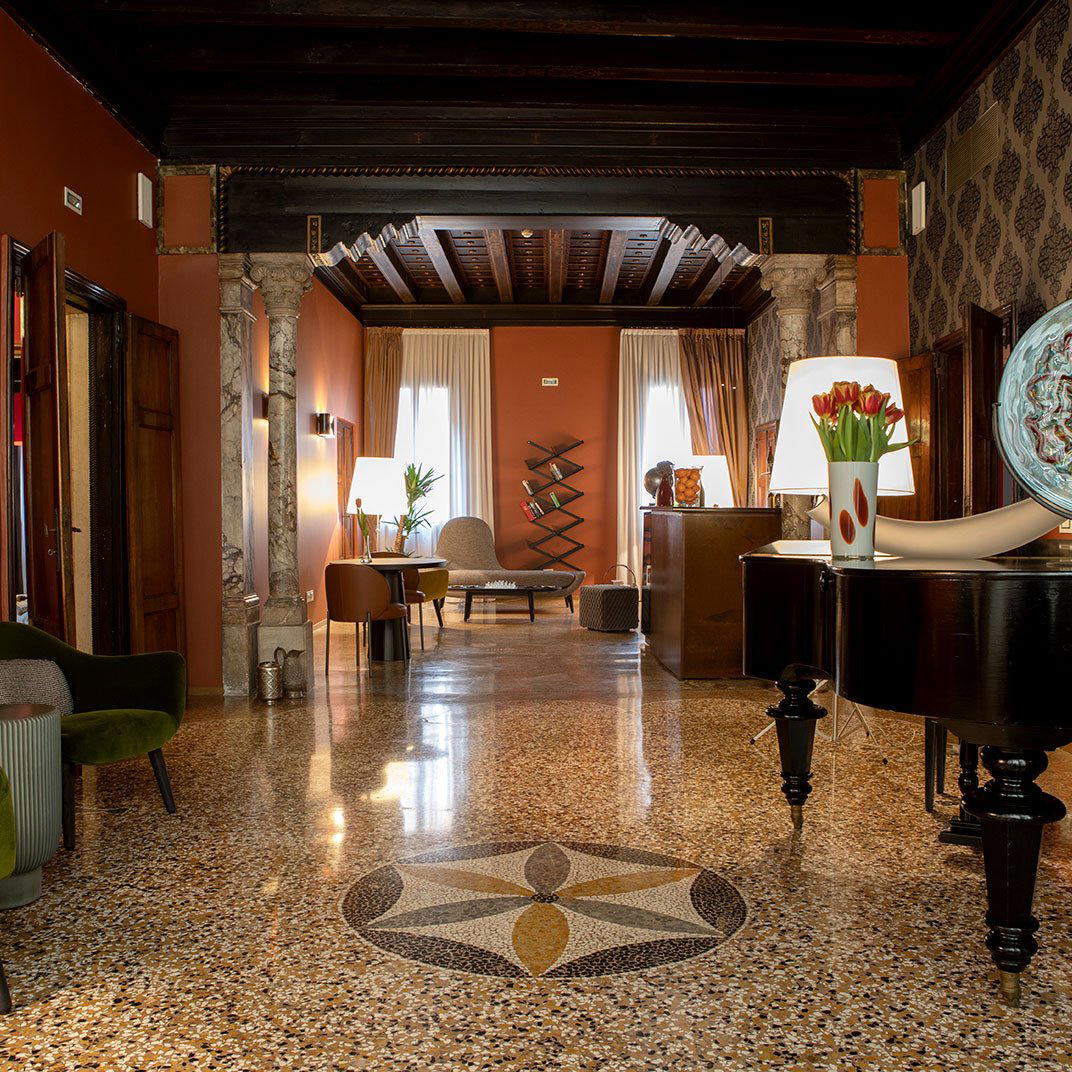
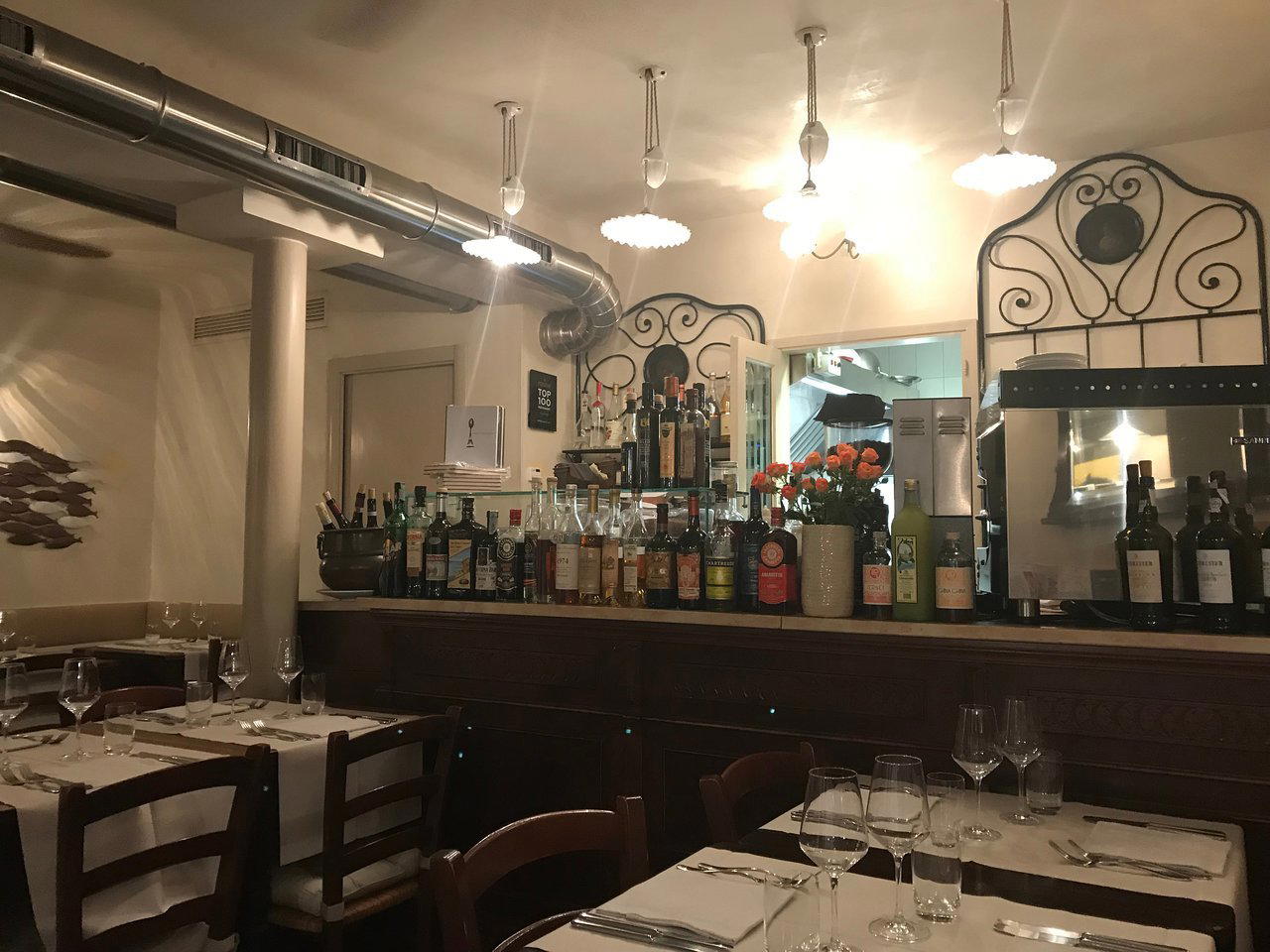
Bars in Venice
Browse all →

Hotels in Venice
Browse all →
At a Glance
- Rustic
- Cozy
- Date Night
- Special Occasion
- Terrace
- Historic Building
Current opening hours
- Monday
- 12–3 PM, 6–10 PM
- Tuesday
- 12–3 PM, 6–10 PM
- Wednesday
- 12–3 PM, 6–10 PM
- Thursday
- 12–3 PM, 6–10 PM
- Friday
- 12–3 PM, 6–10 PM
- Saturday
- 12–3 PM, 6–10 PM
- Sunday
- 12–3 PM, 6–10 PM
Hours can change for holidays and private events. Last verified .
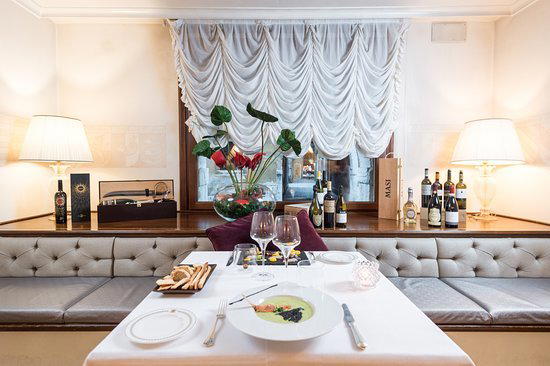
Rustic interior with cozy indoor rooms and a terrace, offering a classic, welcoming atmosphere for seafood lovers.