A neighbourhood trattoria on the Fondamenta Trapolin in Cannaregio, Trattoria Della Maddalena sits outside Venice's tourist circuit in a sestiere where locals still eat by habit rather than occasion. The address alone signals its position: no canal-side theatre, no laminated tourist menus, just the kind of modest, consistent cooking that sustains a Venetian neighbourhood across decades.

Pearl is the En Primeur Club membership app — saves, bookings, and concierge access live there. Same editors, same standards.
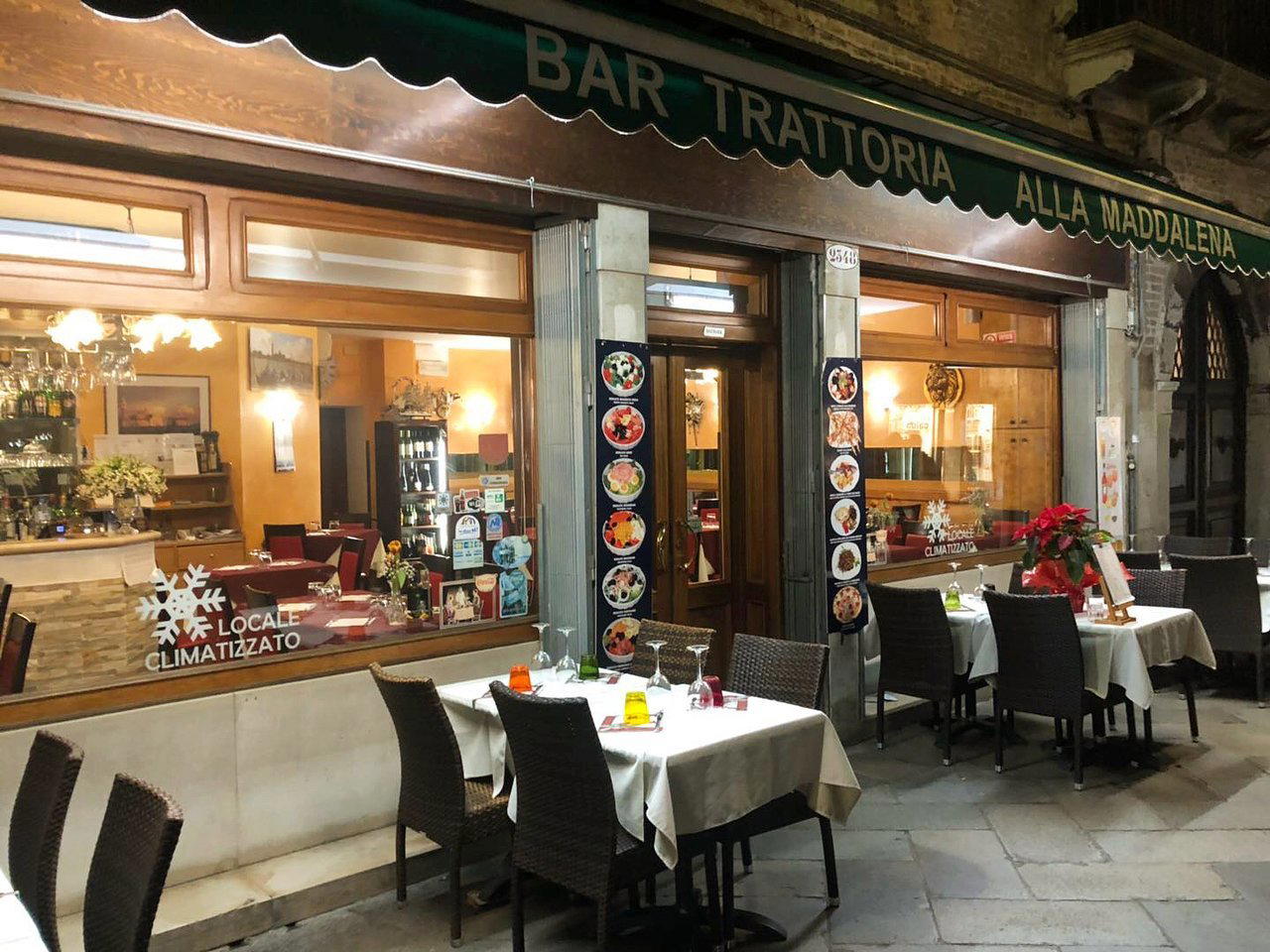
A Fondamenta Without the Footfall
Venice's restaurant geography has always divided along a simple fault line: the sestieri that tourists map (San Marco, Dorsoduro's gallery strip, the Rialto perimeter) and the ones they pass through without stopping. Cannaregio belongs to the second category for most visitors, which is precisely why its trattorias operate differently. Without a captive audience of arrivals dragging wheeled luggage from the train station, the places that survive on streets like Fondamenta Trapolin do so because residents return. That is not a small distinction. The economics of local repeat custom produce a different kind of room, a different menu logic, and a different relationship between kitchen and table than anywhere priced for single-visit tourists.
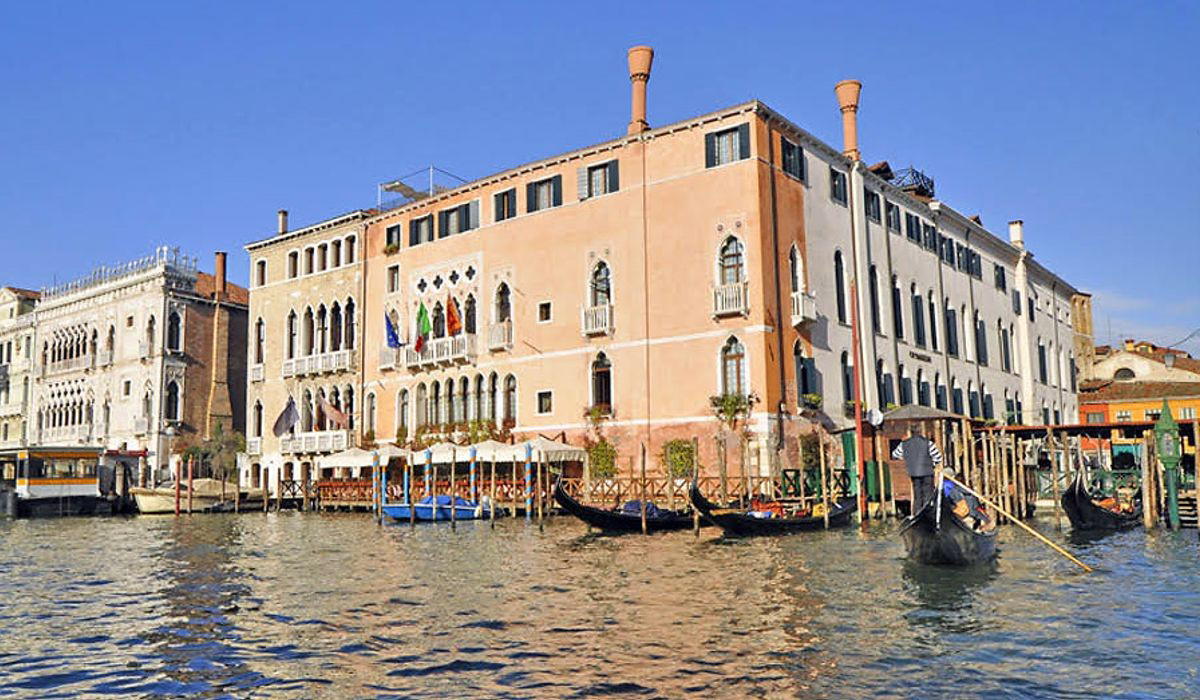
Trattoria Della Maddalena sits on that fondamenta as part of this quieter Cannaregio fabric. The physical approach matters here: no sign legible from twenty metres, no laminated photographs of dishes mounted outside, no host stationed at the threshold to intercept passing foot traffic. The canal-side setting reads as workaday rather than scenic in the way that Venetian tourism photography tends to frame things. Weathered stone, modest frontage, the sound of water against the fondamenta edge. For anyone arriving from the San Marco orbit, the contrast in register is immediate.
What the Room Communicates
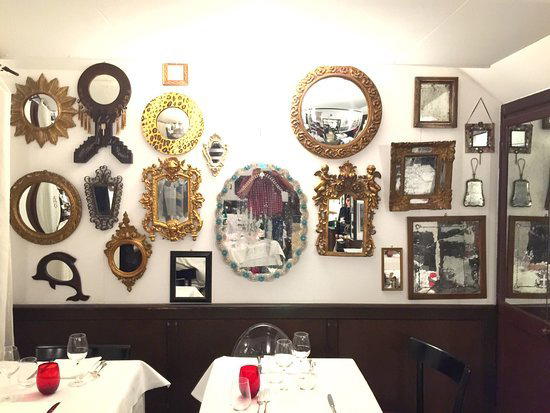
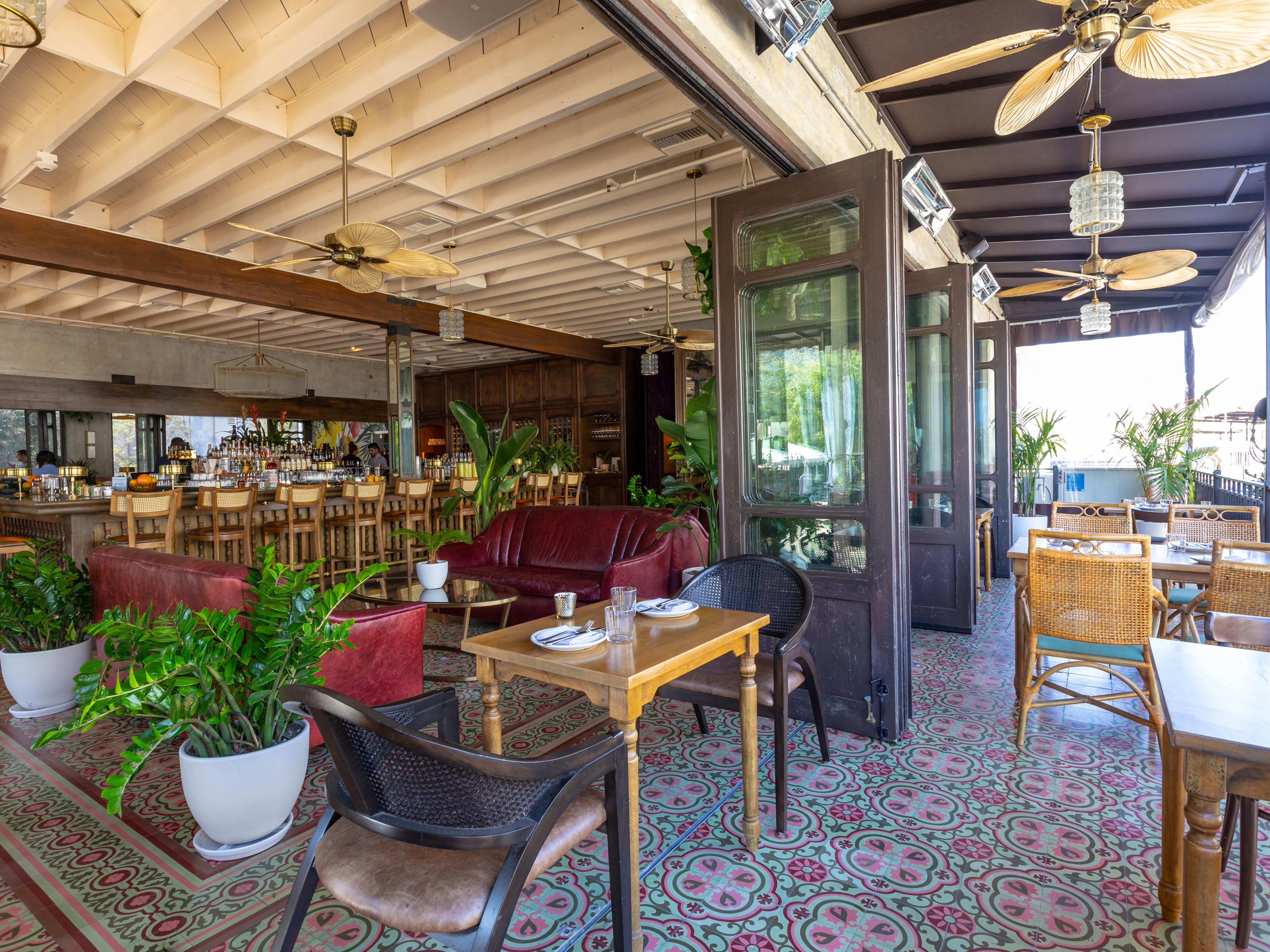
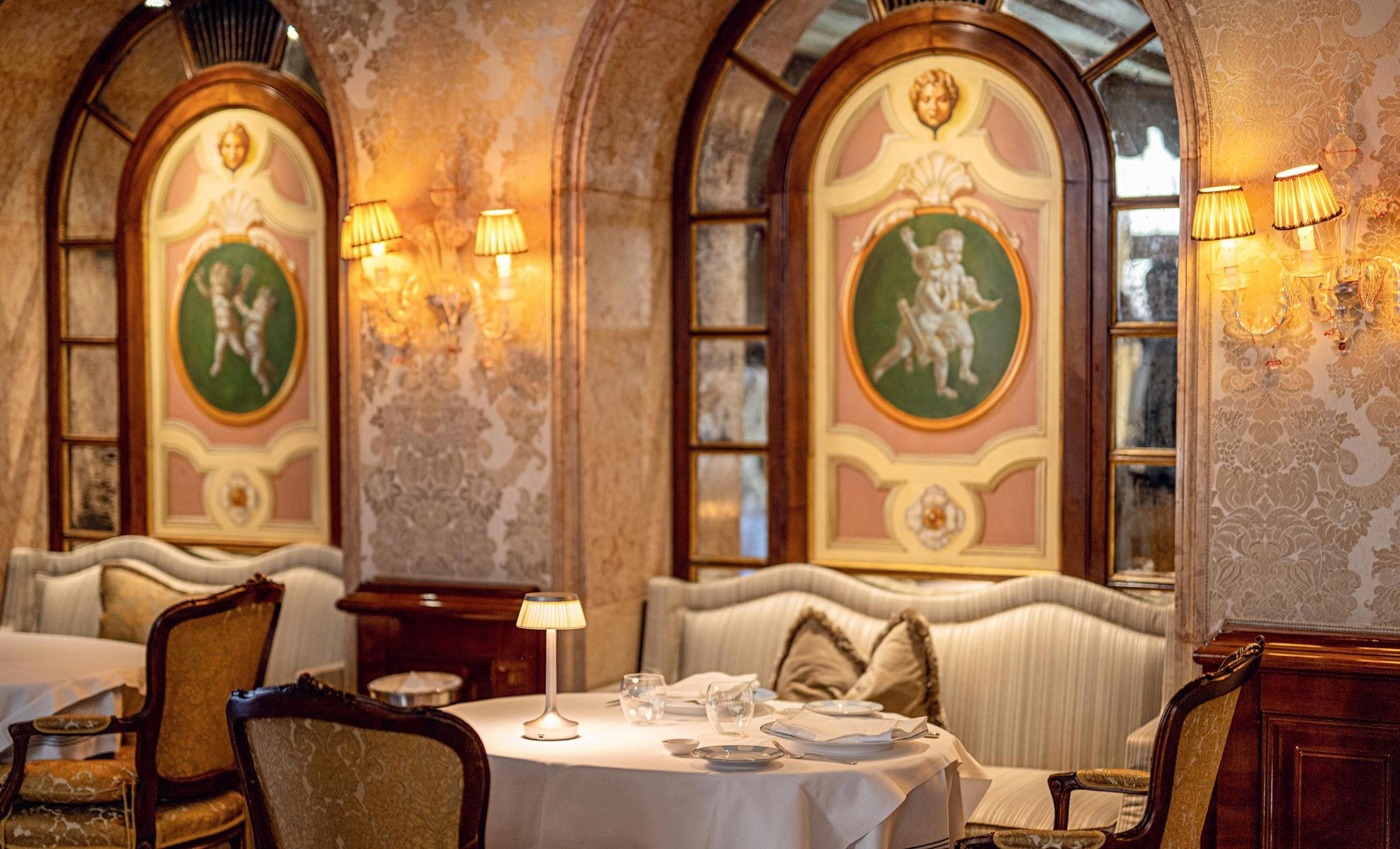
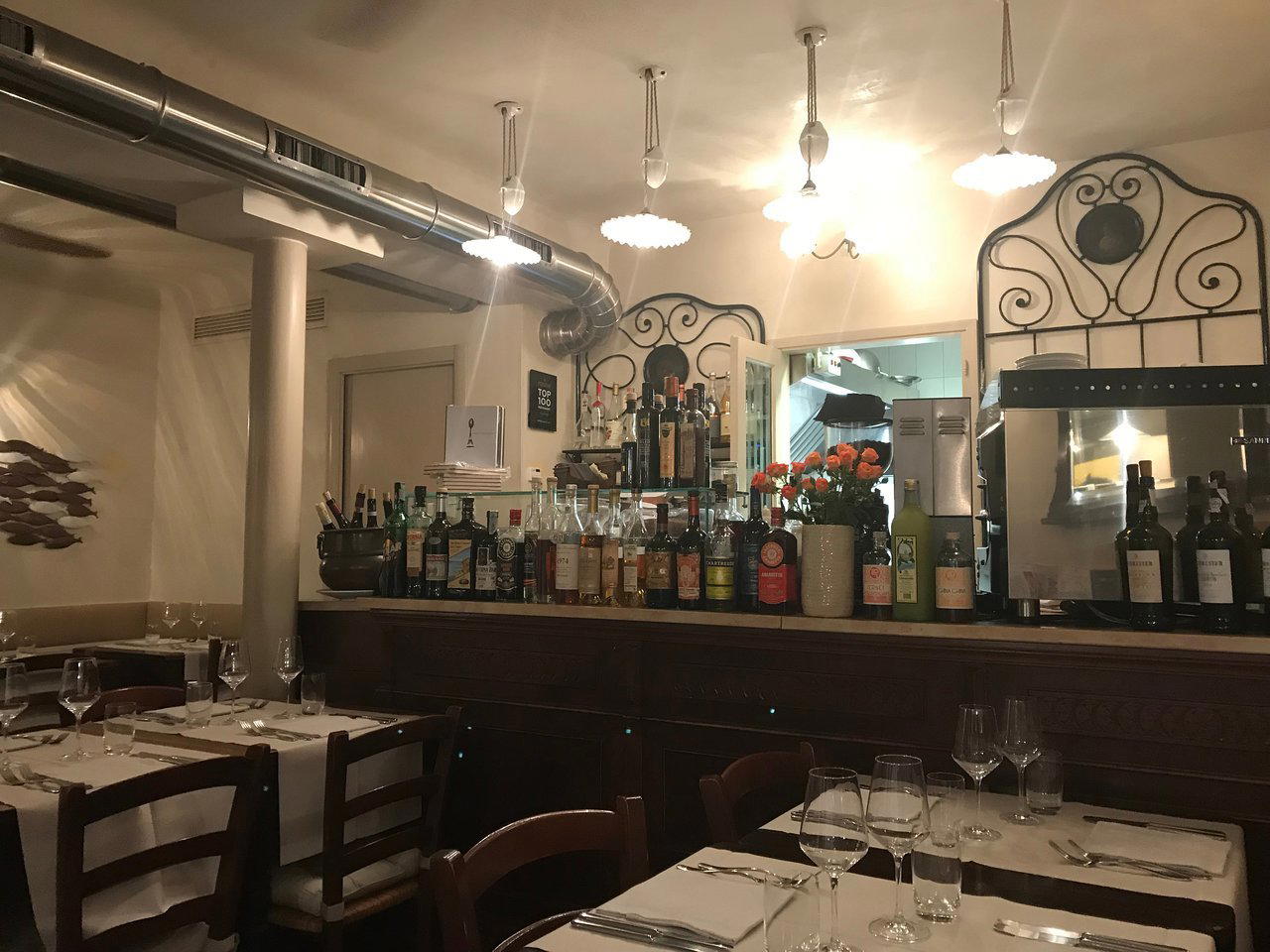
Venetian trattorias in this tier tend to share certain design principles that are more default than deliberate: tables close enough that conversations overlap, lighting calibrated for function rather than mood, walls that accumulate the evidence of years in operation rather than a decorator's brief. The effect is less designed atmosphere than sedimentary one, built up through consistent use. This matters because it sets the terms of the experience before the menu arrives. The room is telling you this is not a performance space; it is a room where food is served and eaten.
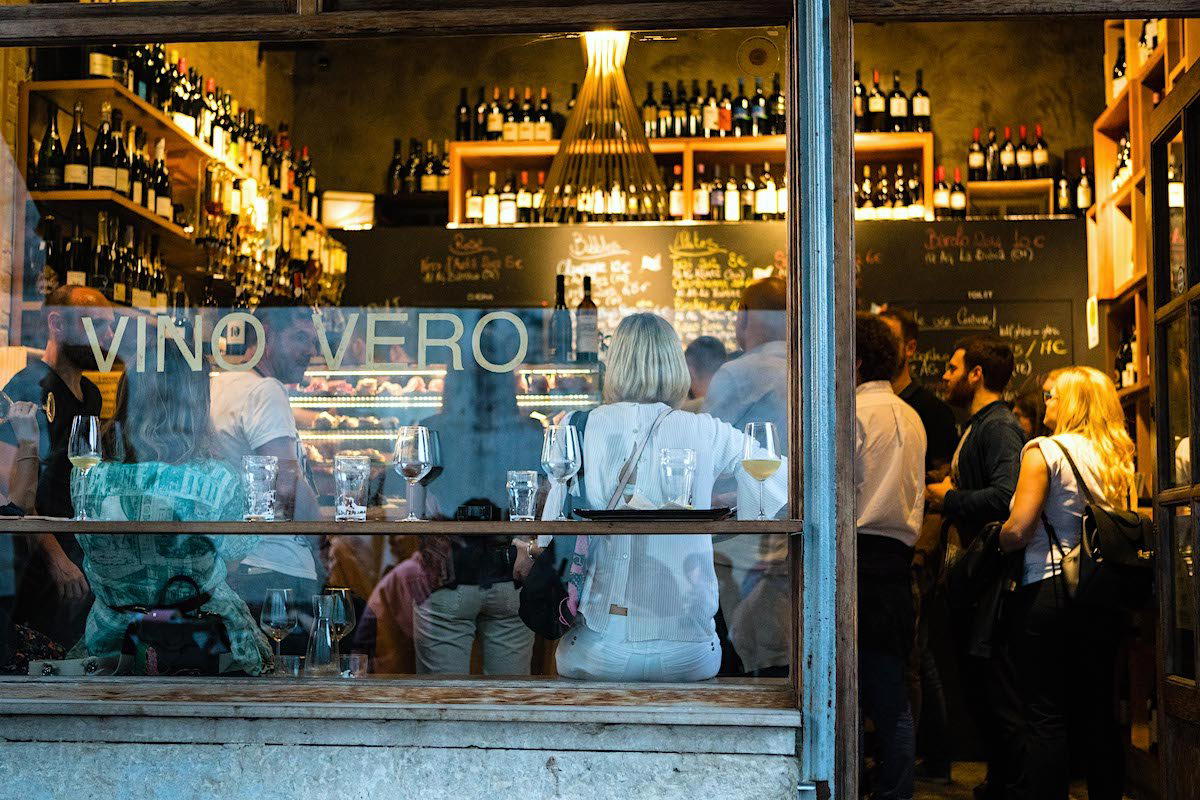
That framing shapes expectation appropriately. Venice's dining scene has two persistent pressures working against this kind of place: the economic pull toward tourist pricing (which inflates margins but degrades cooking discipline over time) and the opposite pull toward the self-consciously artisanal, which has produced a wave of cicchetti bars and natural wine spots in Cannaregio and Dorsoduro that perform a different kind of authenticity. The neighbourhood trattoria sits between those poles, committed to neither spectacle. Vino Vero represents the natural wine wave well; the more theatrical end of the spectrum has its own address book. The trattoria format is something older and less curated than either.
Venice's Trattoria Tradition and Where It Stands Now
The trattoria as a category has contracted across northern Italy over the past two decades. In cities with strong tourism economies, the format either pivots toward the tourist trade (longer hours, simplified menus, English descriptions) or calcifies into a local institution sustained by regulars old enough to have eaten there for thirty years. A third path, less common, involves a younger generation taking the format seriously as a culinary vehicle, which has produced interesting results in Bologna and parts of Rome. Venice's version of this story is complicated by the city's particular demographic pressures: population decline among permanent residents means the base of local repeat customers is smaller than it was a generation ago, which puts structural pressure on every neighbourhood food business that isn't capturing tourist spend.
In this context, addresses on streets like Fondamenta Trapolin are worth tracking for anyone assembling a considered Venice itinerary. They occupy a tier of the city's food culture that is increasingly under pressure from both ends of the market. The broader Venice dining picture is covered in our full Venice restaurants guide, which maps the city's eating options across neighbourhoods and price points.
Drinking in Cannaregio's Bar Circuit
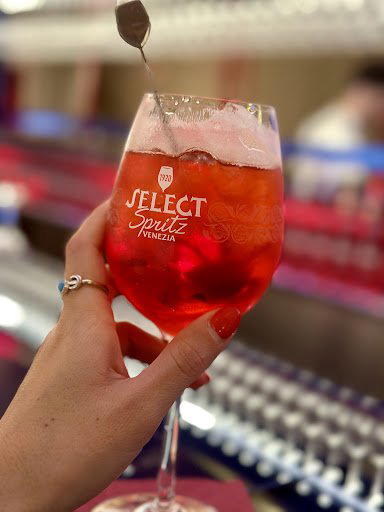
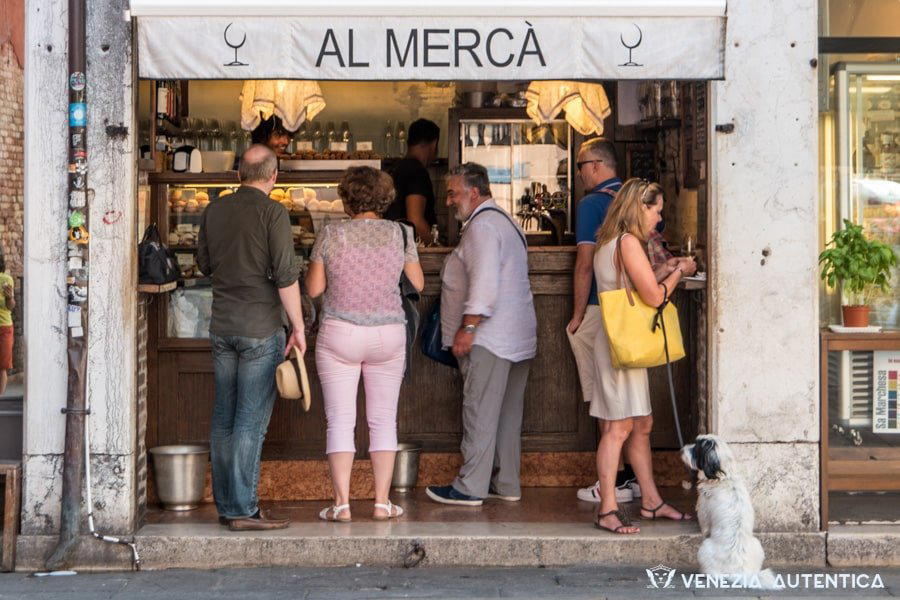
The neighbourhood around Maddalena connects to a wider Venetian drinking culture worth understanding in sequence. Venice's bar scene has its own geography of seriousness. Al Covino operates as one of the city's more focused wine-and-cicchetti addresses. Al Mercà near the Rialto market runs a fast-moving cicchetti and spritz operation tied to the morning market trade. Al Covo anchors the Castello sestiere with a different register entirely. At the hotel end, Aman Bar represents Venice's top-tier hotel drinking, priced and staged accordingly.
For travellers building an Italian drinking itinerary beyond Venice, the range extends considerably. 1930 in Milan operates as one of Italy's most technically precise cocktail addresses. Drink Kong in Rome has established a different kind of credibility in the capital. Gucci Giardino in Florence sits at the intersection of fashion and hospitality in a way that is distinctly Florentine. L'Antiquario in Naples belongs to a southern Italian cocktail tradition with its own logic. Further afield, Lost and Found in Nicosia and Bar Leather Apron in Honolulu represent the same seriousness about the craft applied in entirely different contexts. Enoteca Storica Faccioli in Bologna anchors the natural wine end of the Italian enoteca tradition.
Planning a Visit
Fondamenta Trapolin is in Cannaregio, reachable on foot from the train station in under fifteen minutes or from the Rialto area in approximately twenty. The address at 2348 puts it in the quieter western section of the sestiere rather than the heavily trafficked Lista di Spagna corridor. Visiting in the evening during shoulder season, spring and autumn, gives the neighbourhood its leading version: residents present, tourist volume lower, the rhythm of the canal-side streets closer to what the city's daily life actually looks like.
Price Lens
| Venue | Price | Awards |
|---|---|---|
| Trattoria Della MaddalenaThis venue — the venue you are viewing | Not listed | Not listed |
| Aman Bar | Not listed | Top 500 Bars Best Bars #315 |
| Arts Bar | Not listed | Pinnacle Guide 1 Pin · Top 500 Bars Best Bars #204 |
| Il Mercante | Not listed | Top 500 Bars Best Bars #407 |
| Vino Vero | $20–30 | Star Wine List · Falstaff Wine Bar - Listed |
| Al Covino | $30–50 | Not listed |
Continue exploring
More in Venice
Bars in Venice
All bars in Venice →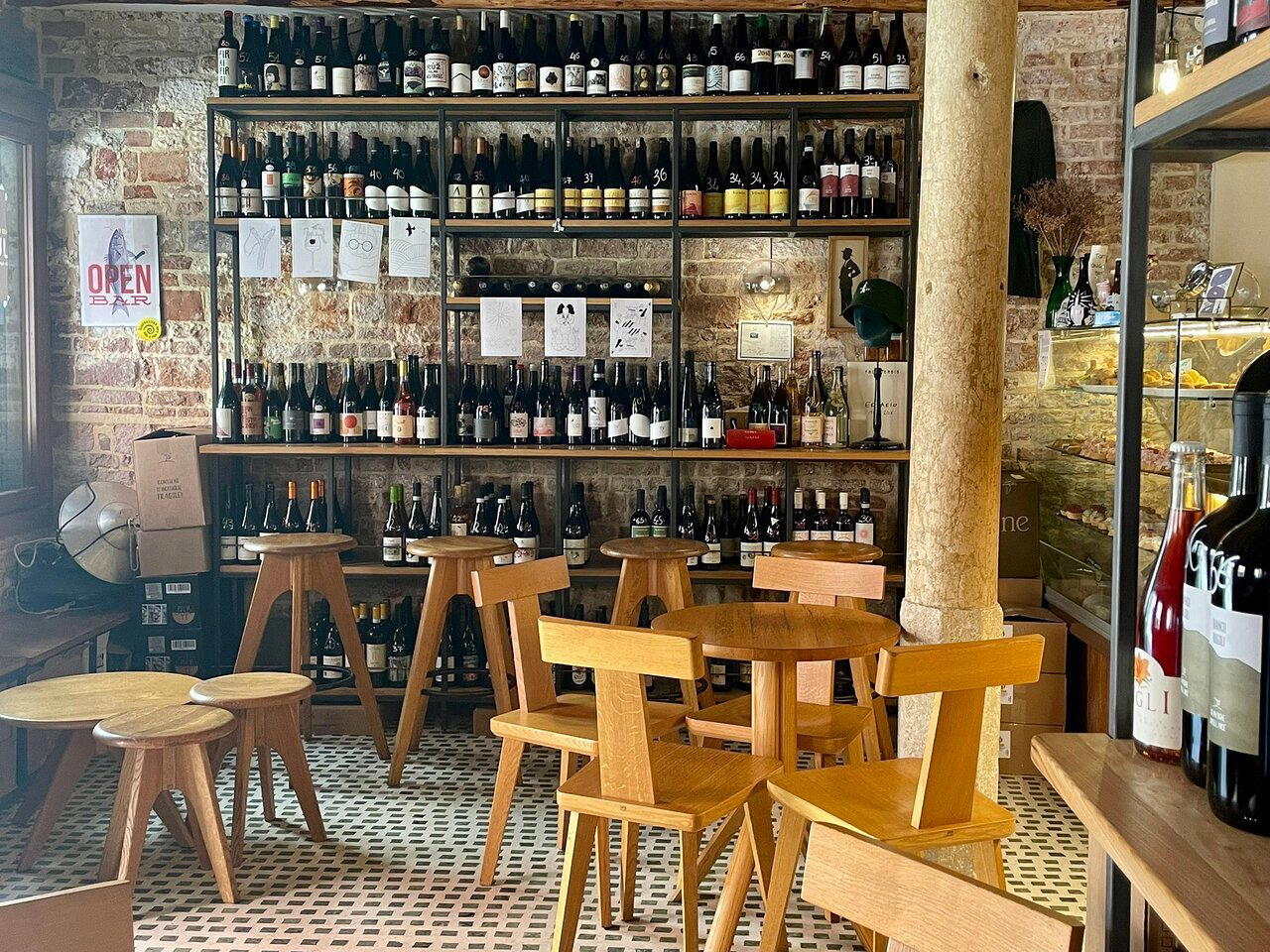
Restaurants in Venice
All restaurants in Venice →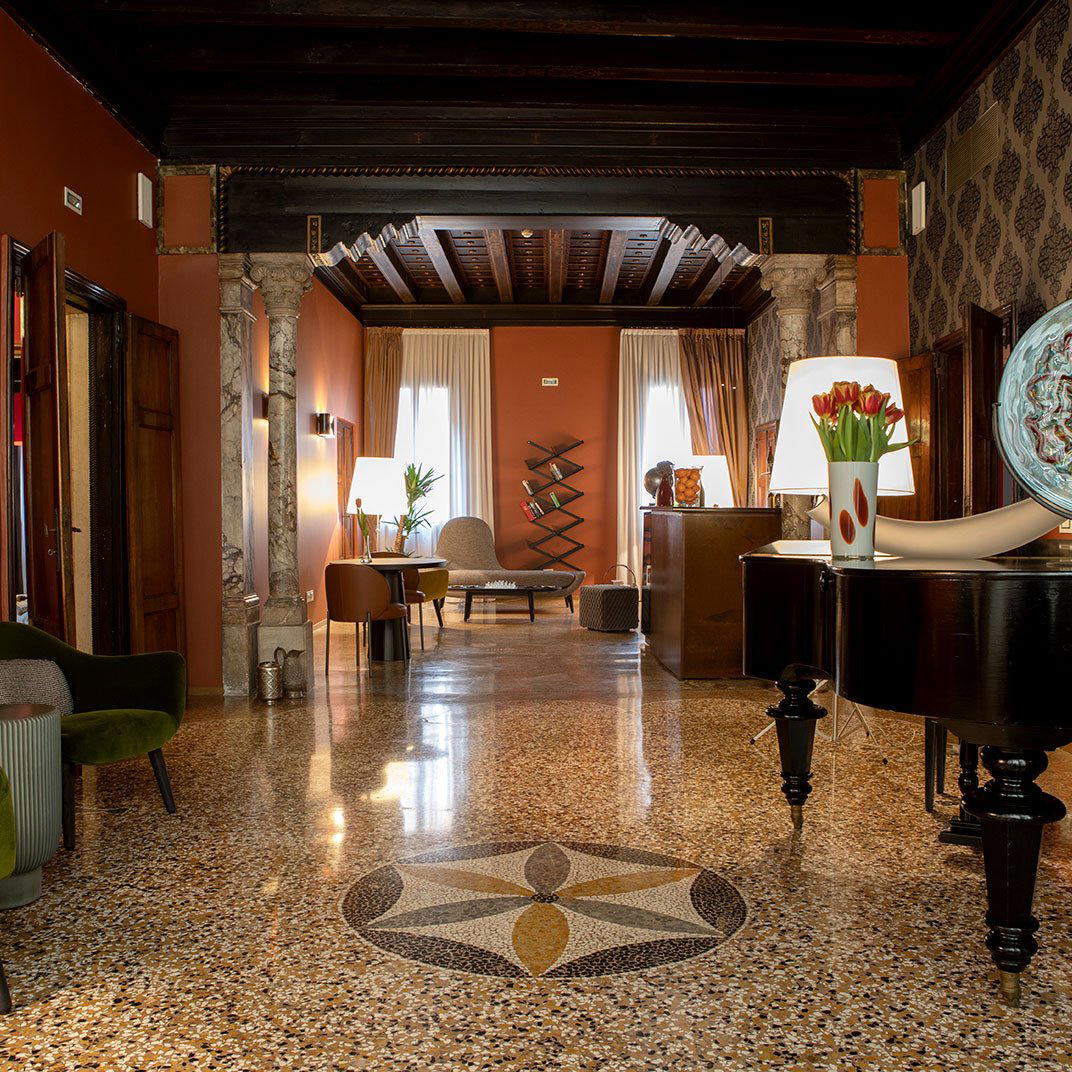
Details
- Classic
- Rustic
- Cozy
- Date Night
- Special Occasion
- Waterfront
- Historic Building
- Outdoor Terrace
- Seated Bar
- Waterfront
Current opening hours
- Monday
- 11 AM–11:30 PM
- Tuesday
- 11 AM–11:30 PM
- Wednesday
- 11 AM–11:30 PM
- Thursday
- 11 AM–11:30 PM
- Friday
- 11 AM–11:30 PM
- Saturday
- 11 AM–11:30 PM
- Sunday
- 11 AM–11:30 PM
Hours can change for holidays and private events. Last verified .
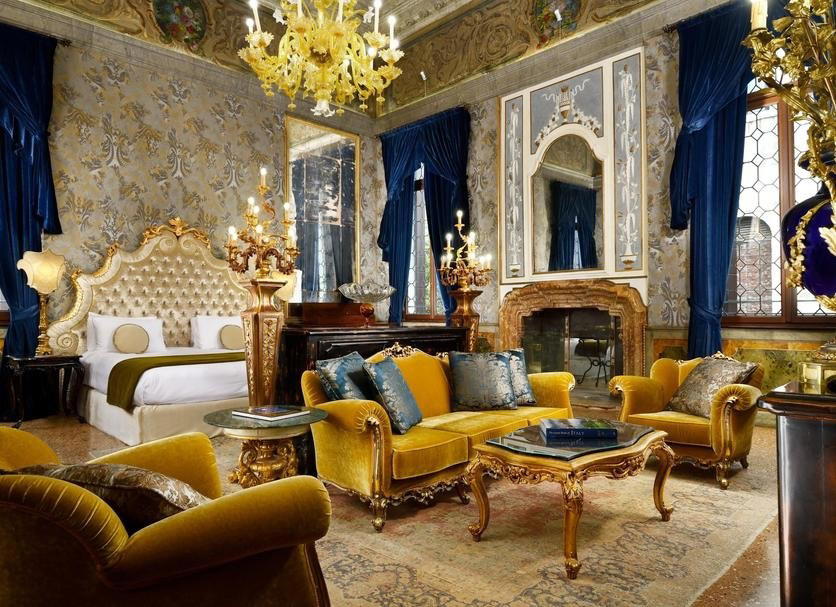
Cozy Venetian-style rooms with modern accents, warm lighting, and a welcoming family atmosphere.