A long-standing fixture in Venice's Santa Croce sestiere, La Zucca occupies a narrow canal-side address at Calle del Tentor and has built its reputation on vegetable-forward cooking in a city that defaults to seafood. The room is compact and unhurried, the menu seasonally grounded, and the approach sits closer to the neighbourhood trattoria end of Venice's dining spectrum than to the formal ristorante tier.
Pearl is the En Primeur Club membership app — saves, bookings, and concierge access live there. Same editors, same standards.
- Address
- C. del Tentor, 1762, 30135 Venezia VE, Italy
- Phone
- +39 041 524 1570
- Website
- lazucca.it
- Directions
- Get directions
 Saves & bookings on Pearl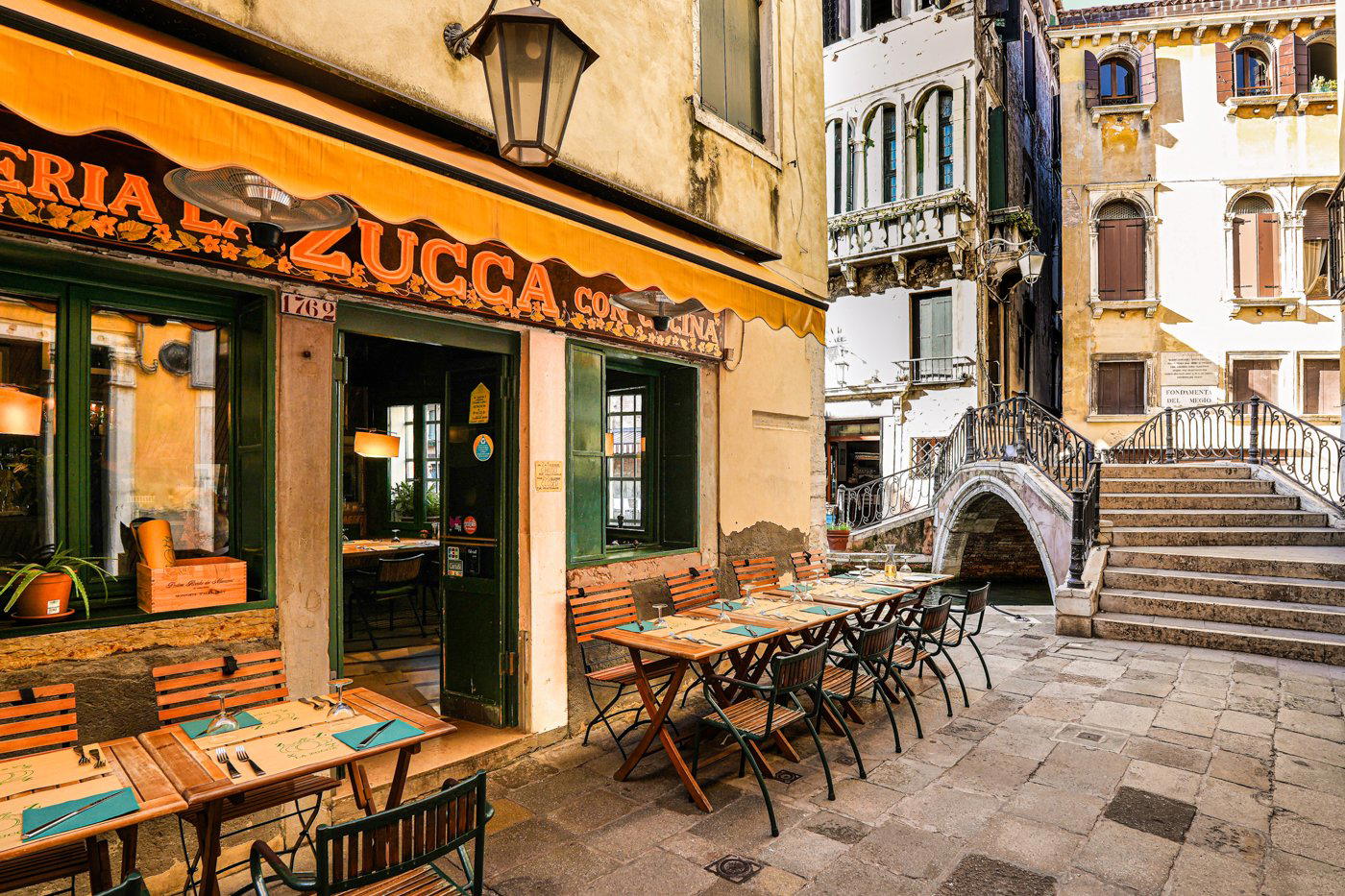
Vegetables in a Seafood City
Venice's restaurant identity is shaped almost entirely by the lagoon. Sarde in saor, bigoli in salsa, fritto misto di mare: the city's culinary grammar defaults to the water, and most visitors follow that logic without question. That makes the handful of kitchens working seriously with vegetables and land-grown produce a distinct counterpoint, occupying a niche that exists in most Italian cities but feels more pointed here. La Zucca, on Calle del Tentor in the Santa Croce sestiere, is a Venetian vegetable-focused osteria. Its name, the pumpkin, signals the premise before you arrive.
For context, this is a seasonal vegetable-led osteria rather than a strict vegetarian restaurant. La Zucca's approach belongs to an older Italian tradition: cooking what the market offers, with an emphasis on seasonal produce and a kitchen that treats vegetables as the structural core of a dish rather than as accompaniment. That places it in a different frame from, say, the ingredient-driven modernism at Glam Restaurant by Enrico Bartolini, or the precise contemporary Italian of Local. La Zucca sits further down the formality register, closer to the working trattoria end of the spectrum, which is part of its appeal and part of what distinguishes it from Venice's more publicised dining rooms.
The Room and the Approach
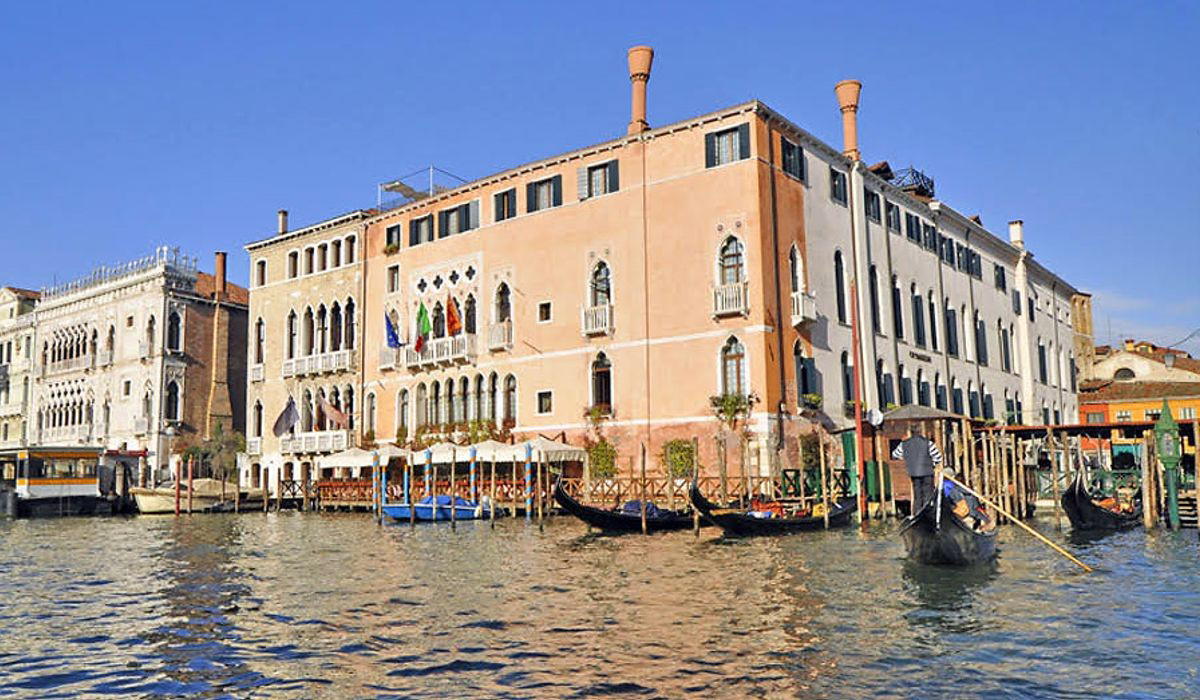
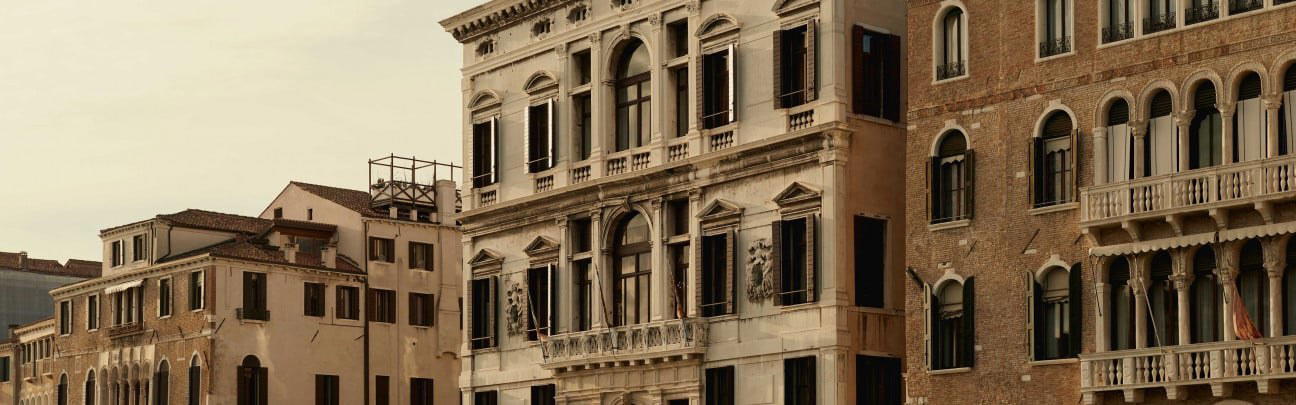
Santa Croce is one of Venice's quieter sestieri for tourists, which shapes the character of the places that survive there. The address at Calle del Tentor 1762 places the restaurant on a small canal, and the room itself is compact: tight tables, low ceilings, a sense of enclosure that many visitors find hospitable rather than cramped. This physical format is common in Venice's older restaurant stock, where space constraints have always pushed kitchens and dining rooms into close proximity, and where the interaction between the two becomes part of the experience rather than a logistical problem to be solved.
What defines the restaurant's floor, in the accounts that circulate among regulars, is the coordination between kitchen and service. In a small room with limited staff, the front-of-house role carries more interpretive weight than it does at larger, more formally staffed restaurants. The team dynamic here operates as it does in many of Venice's better neighbourhood rooms: the person explaining the menu is often close enough to the kitchen to know what arrived at the market that morning, and that proximity translates into more specific and reliable guidance on what to order. This is a different model from the sommelier-led, multi-course structures you find at Oro Restaurant or the formal service architecture of Ristorante Quadri. It rewards engagement with the staff rather than navigation of a fixed tasting format.
Where La Zucca Sits in Venice's Mid-Range
Venice's restaurant market is broadly split between two tiers that don't communicate well with each other. At the leading end, a cluster of formally structured restaurants competes on chef credentials, wine programs, and international recognition. Below that, a large volume of tourist-facing operations fill the gap with mediocre execution and premium pricing by default. The interesting dining exists in a middle band that requires some knowledge to access: places like Osteria alle Testiere, Al Covo, and Corte Sconta, which operate in the €€€ range with serious cooking and a neighbourhood customer base alongside visiting diners who know where to look.
The restaurant occupies a position within that band, differentiated by its produce focus in a city where that emphasis is genuinely unusual. For comparison, if you are working through the broader Italian restaurant landscape at the formal end, the cooking tradition that informs the restaurant's approach has distant cousins at places like Dal Pescatore in Runate or the regional ingredient focus of Atelier Moessmer Norbert Niederkofler in Brunico, though the scale and ambition are different. Closer to Venice, Wistèria represents the contemporary end of thoughtful cooking in the city. The restaurant's register is more casual than any of these, but the underlying seriousness about seasonal produce is shared.
For readers building a broader Italian itinerary, the EP Club guide covers the full spectrum from the creative ambition of Osteria Francescana in Modena and Piazza Duomo in Alba to the seafood mastery of Uliassi in Senigallia and Quattro Passi in Marina del Cantone. For technique-driven formal dining, Le Calandre in Rubano and Reale in Castel di Sangro represent the high end of the Italian contemporary kitchen. At stronger examples from the formal register, Enoteca Pinchiorri in Florence and Enrico Bartolini in Milan operate with different structural DNA entirely. The restaurant is none of those things, and that is the point.
Planning Your Visit
Santa Croce sits west of the Rialto, accessible on foot from the train station at Santa Lucia in roughly ten to fifteen minutes depending on your route through the calli. The address at Calle del Tentor 1762 is in a quiet stretch of the sestiere that sees less foot traffic than the areas around the Frari or the campo of San Giacomo dell'Orio. For a fuller orientation to Venice's restaurant options across price tiers, EP Club's Venice restaurants guide maps the city's dining by neighbourhood and style. For comparable international dining in terms of the chef-team-guest dynamic at intimate scale, Lazy Bear in San Francisco and Le Bernardin in New York City illustrate how differently that dynamic plays out at higher formality levels. The restaurant's version is lower-key by design. Reservations are recommended.
Budget and Context
Comparable venues nearby, for context on price, style, and recognition.
| Venue | Cuisine | Price | Notes |
|---|---|---|---|
| La ZuccaThis venue — the venue you are viewing | Not listed | $$ | Not listed |
| La Calcina | Dorsoduro, Traditional Venetian Seafood | $$ | Not listed |
| Ostaria da Mariano | Not listed | $$ | Mestre, Traditional Venetian Seafood & Regional Italian |
| Rossopomodoro | San Marco, Neapolitan Pizza | $$ | Not listed |
| Cantina Do Spade | Not listed | $$ | Santa Croce, Traditional Venetian Osteria |
| Pier Dickens | Dorsoduro, Italian Pizza & Pasta | $$ | Not listed |
Continue exploring
More in Venice
Restaurants in Venice
Browse all →
Bars in Venice
Browse all →
Hotels in Venice
Browse all →
At a Glance
- Cozy
- Rustic
- Intimate
- Date Night
- Special Occasion
- Standalone
- Local Sourcing
- Street Scene
Current opening hours
- Monday
- 12:30–2:30 PM, 7–10:30 PM
- Tuesday
- 12:30–2:30 PM, 7–10:30 PM
- Wednesday
- 12:30–2:30 PM, 7–10:30 PM
- Thursday
- 12:30–2:30 PM, 7–10:30 PM
- Friday
- 12:30–2:30 PM, 7–10:30 PM
- Saturday
- 12:30–2:30 PM, 7–10:30 PM
- Sunday
- Closed
Hours can change for holidays and private events. Last verified .
Adorable interior with oak wood and green tones, cozy and low-key like an old-fashioned diner.