On the quieter fondamenta of Cannaregio, Torrefazione Cannaregio occupies a different register from Venice's bar scene closer to the Rialto. The address alone — away from the tourist circuits — signals a place oriented toward the neighbourhood rather than passing trade. For visitors willing to cross into the northern sestiere, it offers a window into how locals actually drink in this city.

Pearl is the En Primeur Club membership app — saves, bookings, and concierge access live there. Same editors, same standards.
- Address
- Fondamenta dei Ormesini, 2804, 30121 Venezia VE, Italy
- Phone
- +39 041 716371
- Website
- torrefazionecannaregio.it
- Directions
- Get directions
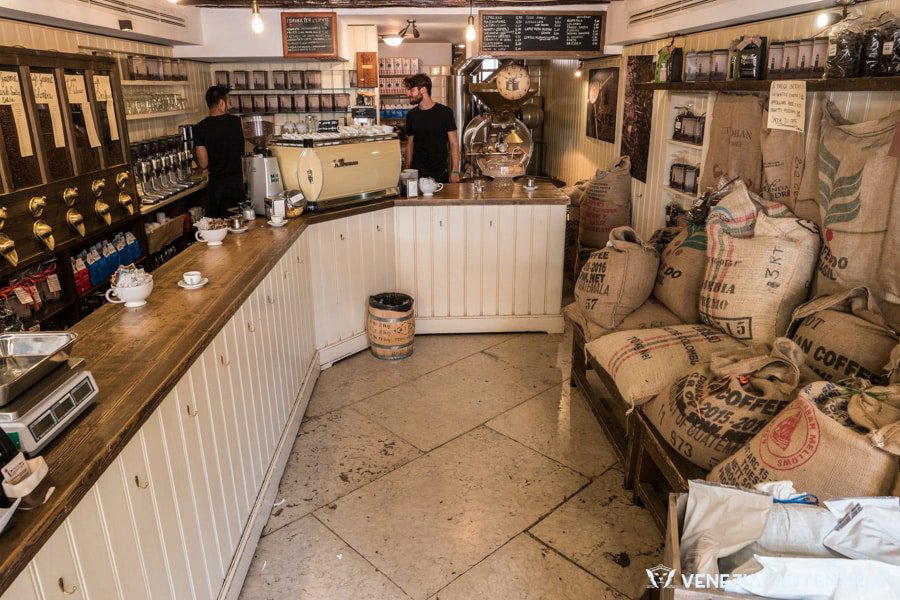
Cannaregio's Drinking Culture and Where This Address Fits
Venice's bar scene divides sharply along geographic lines. The stretch from San Marco to the Rialto runs hot with bacaro culture: short pours of house wine, cicchetti balanced on narrow counters, turnover measured in minutes. Cross into Cannaregio — particularly along Fondamenta dei Ormesini — and the tempo changes. The canal-side fondamenta here has developed into one of the few areas where Venetians drink at their own pace, at tables that spill along the water's edge, with a crowd that skews local rather than touristic. Torrefazione Cannaregio sits within this geography, and that placement is the first thing to understand about it.
The name signals a coffee-roasting tradition, torrefazione refers to the Italian roasting houses that once anchored neighbourhood commerce, and Cannaregio has historically held more of that workaday commercial character than the more preserved or heavily visited sestieri to the south. The address on Fondamenta dei Ormesini, 2804, places the venue in a stretch that has become a reference point for evening drinking in the northern part of the city, drawing residents from the surrounding calli rather than visitors navigating from a hotel concierge's list.
The Back Bar as Editorial Statement
In Venice's more ambitious drinking establishments, the back bar has become a point of differentiation. Where bacari typically pour from a short, rotating list of Veneto house wines and standard aperitivi, the bars that have attracted a more considered clientele in recent years tend to signal their intentions through what sits behind the counter. The curation of spirits, the range of amari, the presence of aged rum or whisky outside the mainstream blends, the commitment to Italian distillates alongside international categories, communicates something about the depth of the program before a single drink is ordered.
This is the lens through which Torrefazione Cannaregio is worth assessing. In a city where the dominant format is the quick cicchetti-and-ombre stop, venues that invest in a curated back bar are making a deliberate departure from the prevailing model. The Ormesini fondamenta has enough of a local drinking culture to support that kind of specificity: the clientele who settle in along the canal in the early evening are not moving fast, and a more considered drinks selection reads differently here than it would in the rushed geography closer to the train station or the Rialto market.
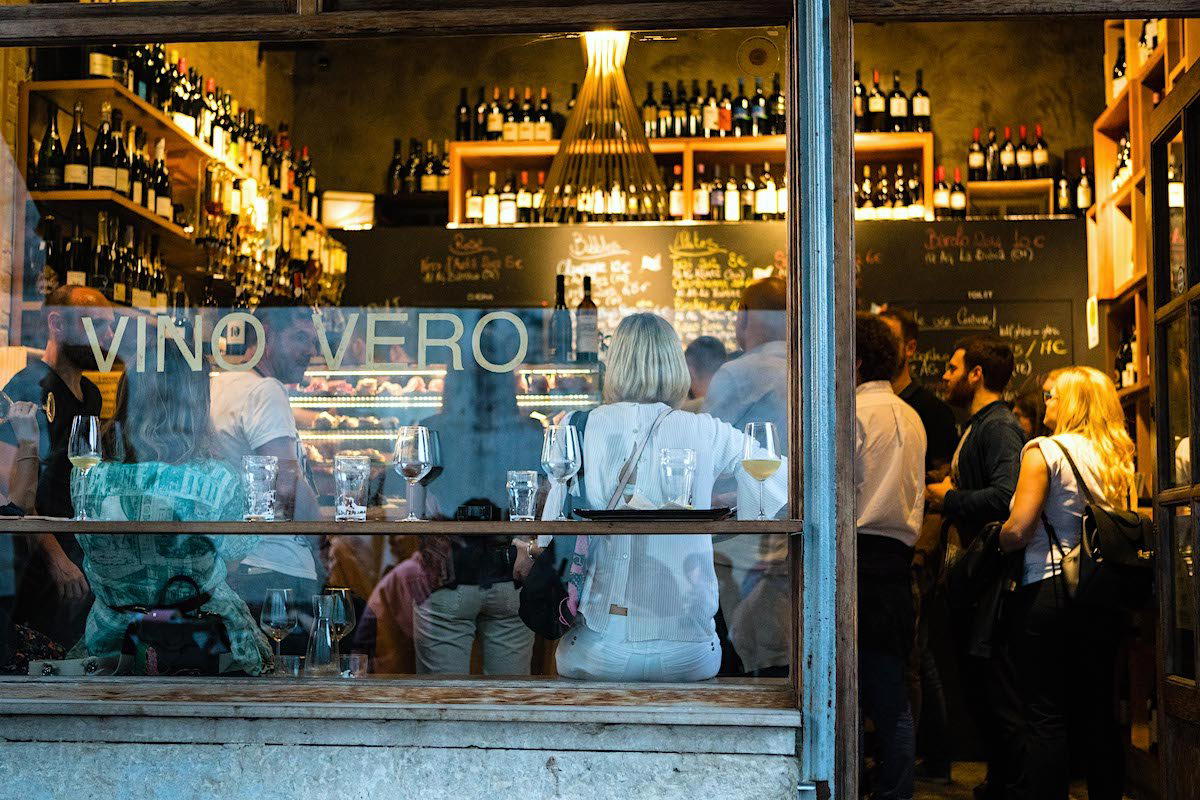
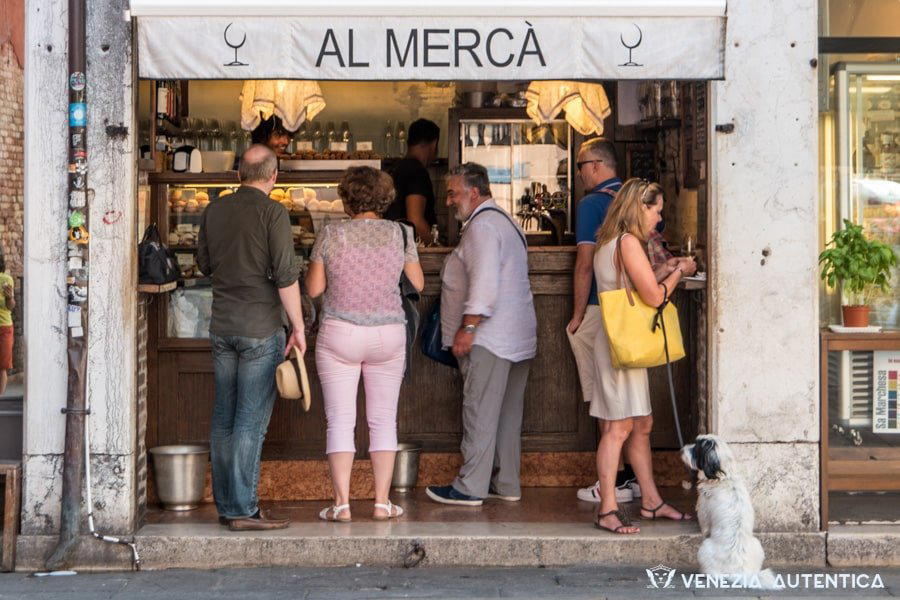
For comparison within Venice, Al Covino and Al Covo represent the city's more wine-focused end, where depth of cellar rather than spirits range defines the program. Al Mercà, by contrast, anchors the fast-bacaro format near the Rialto. Aman Bar occupies a different tier altogether, with the pricing and setting of a five-star property. Torrefazione Cannaregio operates outside all of these reference points, which is part of what makes its position in the neighbourhood worth noting.
Placing Cannaregio in the Wider Italian Bar Context
Italy's serious bar programs have concentrated in Milan and Rome, where the infrastructure for cocktail culture, trained bartenders, specialist importers, a critical mass of engaged drinkers, has built up over the past decade. 1930 in Milan and Drink Kong in Rome represent that tier: technically ambitious, internationally recognised, operating with the depth of program you'd associate with major drinking cities. Florence has Gucci Giardino in the design-led bracket; Naples has L'Antiquario anchoring a more historically minded approach. Even outside Italy, venues like Lost and Found in Nicosia and Bar Leather Apron in Honolulu demonstrate how the appetite for curated, technically serious bar programs has spread beyond the obvious capitals.
Venice has not typically figured in that conversation. The city's appeal to visitors is architectural and historical; its food and drink culture, while genuinely deep in its own register, has not produced the kind of cocktail or spirits program that generates international critical attention. What Cannaregio offers is something different from that ambition: a neighbourhood drinking culture that operates on its own terms, with quality measured against local standards rather than global ones. For visitors coming from the Bologna wine bar tradition, such as Enoteca Storica Faccioli, the Venetian register will feel distinctly less formal, more improvised, and more tightly connected to the immediate neighbourhood.
What the Address Tells You About Timing and Approach
Fondamenta dei Ormesini is most animated from late afternoon through the early evening, when the aperitivo hour draws locals out along the canal. This is not a late-night destination in the way that a cocktail bar in Milan's Navigli district might be; the rhythm here is earlier, more compressed, and tied to the walking culture of the neighbourhood. Arriving in the window between 6pm and 8pm puts you within the peak of that local pattern. The canal-side tables, when weather permits, are the obvious draw: sitting at the water with a drink in hand, watching foot traffic on the fondamenta, is as close as Venice gets to the kind of casual outdoor drinking culture you find in other Italian cities.
Getting to Ormesini from central Venice is a walk of roughly 15 to 20 minutes from the Rialto, or a shorter walk from the Guglie vaporetto stop on the Cannaregio canal. The fondamenta is not on most visitor itineraries, which means the crowd here genuinely reflects the neighbourhood. That quality, a bar functioning as a local asset rather than a tourist convenience, is increasingly difficult to find in Venice, and worth factoring into any serious assessment of what the address offers.
For a broader orientation to where this fits in Venice's drinking and dining scene, the EP Club Venice guide maps the full range of categories and price points across the city's sestieri.
Practical Notes for Visitors
Website and phone contact details are not listed. The practical approach is to arrive during peak aperitivo hours and take your chances on seating, with the understanding that the canal-side setting is the draw and the format is casual rather than structured. Visitors planning a full evening in Cannaregio can combine this with the broader stretch of bars along Ormesini, which sustains enough variety to justify the walk from the more visited parts of the city.
At-a-Glance Comparison
| Venue | Price | Awards |
|---|---|---|
| Torrefazione CannaregioThis venue — the venue you are viewing | $1–10 | Not listed |
| Aman Bar | Not listed | Top 500 Bars Best Bars #315 |
| Arts Bar | Not listed | Pinnacle Guide 1 Pin · Top 500 Bars Best Bars #204 |
| Il Mercante | Not listed | Top 500 Bars Best Bars #407 |
| Vino Vero | $20–30 | Star Wine List · Falstaff Wine Bar - Listed |
| Al Covino | $30–50 | Not listed |
Continue exploring
More in Venice
Bars in Venice
Browse all →
Restaurants in Venice
Browse all →
Hotels in Venice
Browse all →
Details
- Cozy
- Classic
- Intimate
- Casual Hangout
- Historic Building
- Seated Bar
- Counter Only
- Street Scene
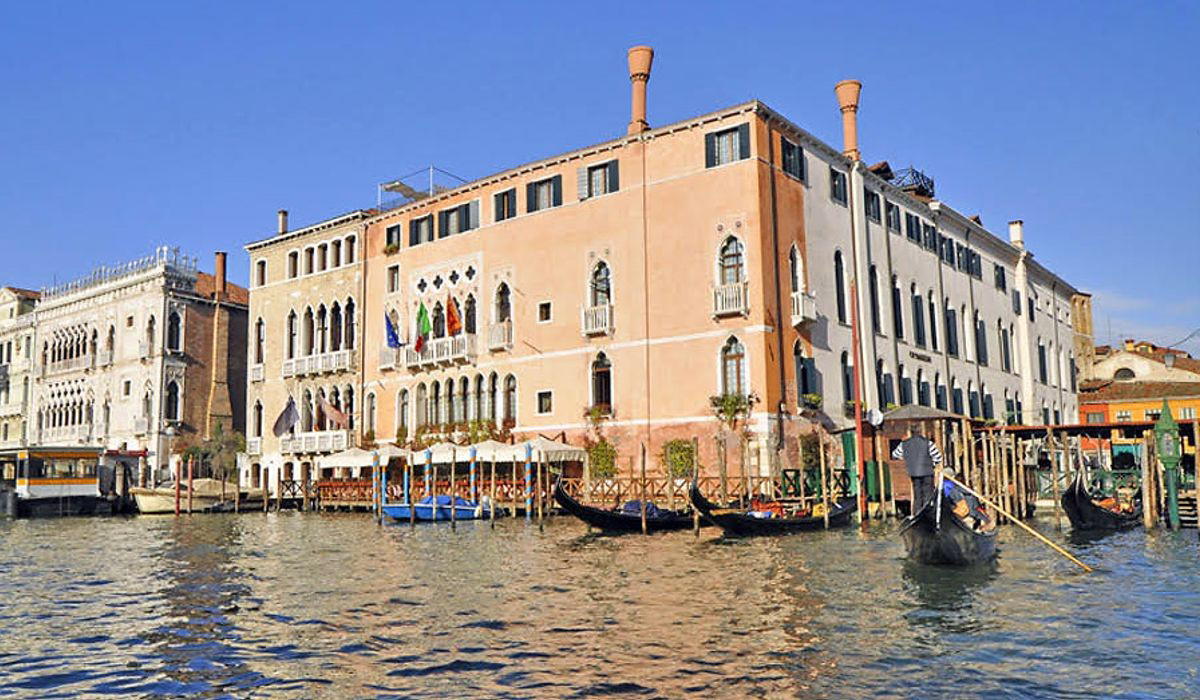
Rustic-chic with exposed bricks, wooden beams, and the intense aroma of roasting coffee, evoking old Venetian cafes with canal-side seating.