Bonaventura Maschio operates from Gaiarine in the Treviso province of Veneto, a region whose alluvial plains and cool Adriatic-influenced climate have shaped distilling and winemaking traditions for generations. For visitors to northeastern Italy, it represents a serious point of reference in the regional spirits and wine scene.
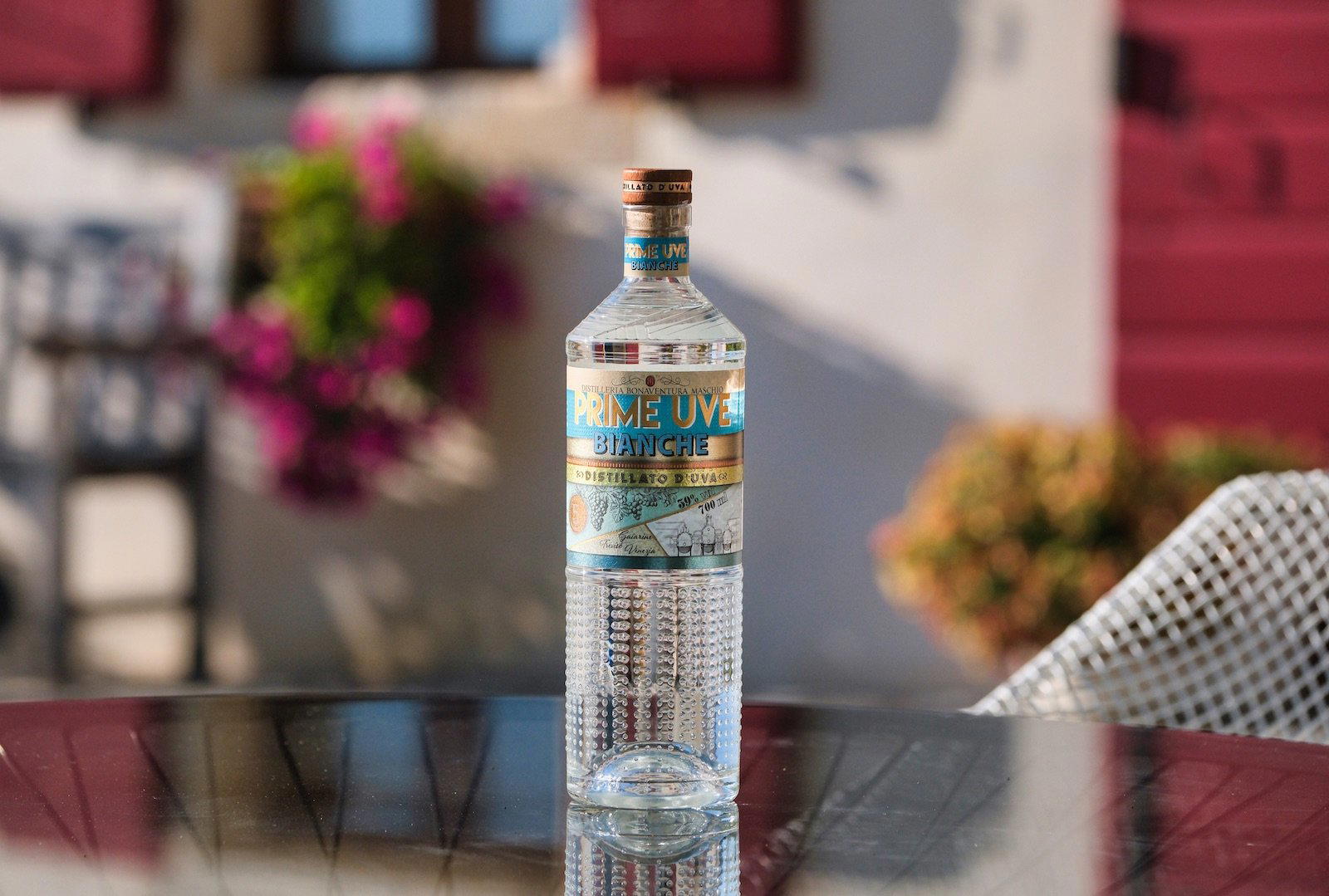
Where the Treviso Plain Finds Its Proof
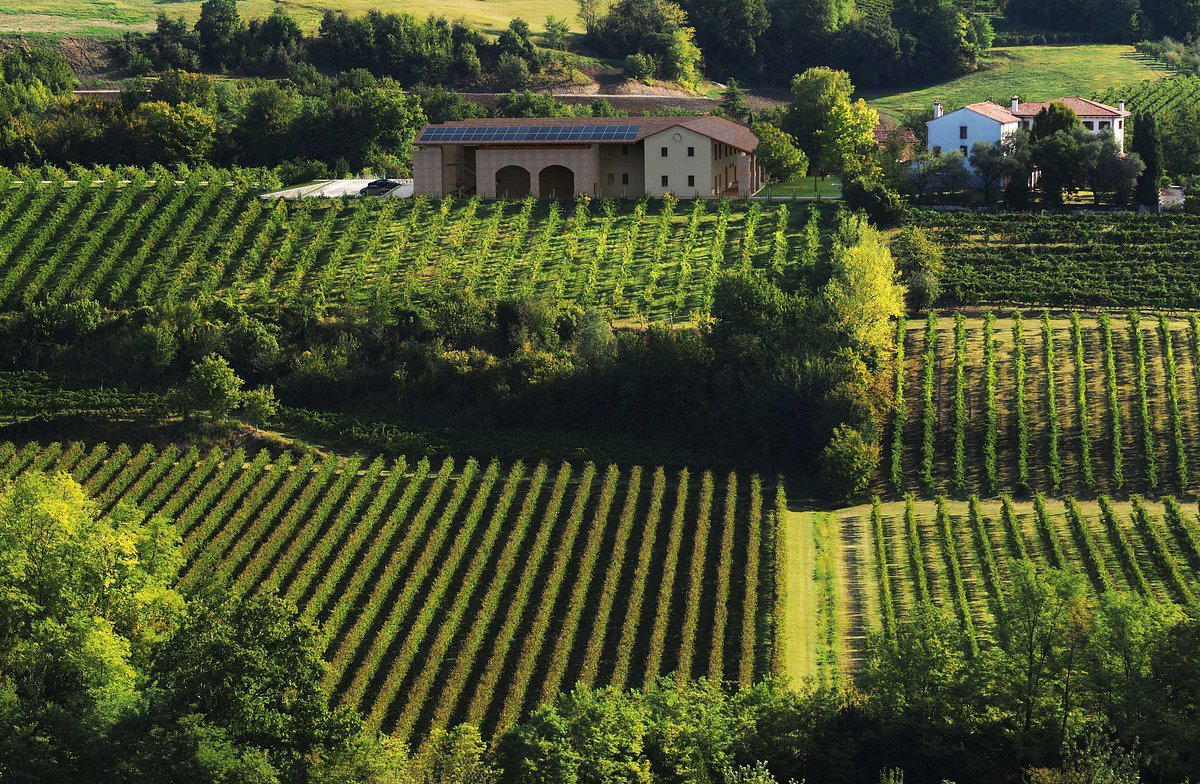
The road into Gaiarine runs flat and purposeful through the Treviso countryside, flanked by rows of vines and the kind of quiet agricultural order that characterises the Marca Trevigiana. This is not the showroom Italy of hilltop villages and Tuscan cypress lines. It is working land, and the producers who have built reputations here have done so through consistency rather than scenery. Bonaventura Maschio, addressed at Strada delle Pere in the municipality of Gaiarine, belongs squarely to this tradition.
The Veneto's northeastern quadrant sits at a convergence of influences: the Dolomites moderate temperatures from the north, the Adriatic extends humidity from the east, and the alluvial soils deposited by the Piave and Livenza rivers provide a complex, well-drained base that rewards patience. These are not conditions that produce the opulent concentration of, say, Aldo Conterno in Monforte d'Alba, nor the volcanic intensity that defines Planeta in Menfi. What the Treviso plain tends to produce, at its finest, is precision and aromatic definition, qualities that translate directly into grappa and distillate production.
In the tiered world of Italian producer recognition, this places the house in a bracket associated with demonstrable craft and product consistency across a portfolio rather than a single standout release. Producers at this level are assessed not only on technical execution but on the coherence of their expression year over year.
For context, this is the kind of recognition that separates producers serious about their terroir from those primarily focused on volume. The Treviso area has no shortage of large-scale production, particularly in Prosecco DOC, where scale and efficiency dominate commercial output. A Prestige-tier recognition in spirits or distillate production within this region signals a deliberate choice to operate on different terms. Compare that positioning to Distilleria Marzadro in Nogaredo or Nonino Distillery in Pavia di Udine, both of which have built international profiles from northeastern Italian distilling traditions. Bonaventura Maschio occupies a comparable regional niche, drawing on the same raw material culture while maintaining a base in Gaiarine's quieter agricultural context.
Terroir as Method: How the Land Shapes the Bottle
The argument for terroir in distillate production is more contested than in wine, but in the Marca Trevigiana it is harder to dismiss. The grape pomace that forms the basis of grappa production in this area comes predominantly from Glera, the grape behind Prosecco, along with local varieties that thrive in the cool, mineral-leaning conditions of the Treviso sub-zones. The character of the base material, its acidity, its aromatic lift, its relatively low sugar concentration compared to southern varietals, feeds directly into the distillate that emerges.
Producers in this corridor have historically made a virtue of that restraint. The leading northeastern Italian grappa does not try to be Cognac or compete with the heavy oak-driven spirits that Aberlour in Aberlour or Campari in Milan represent in entirely different categories. It works within a narrower aromatic register: floral, sometimes herbal, occasionally with the flinty edge that Piave-basin soils seem to impart. Poli Distillerie in Schiavon, just south in Vicenza province, has made that argument most vocally over the past two decades, and producers like Bonaventura Maschio work within the same regional logic.
The contrast with producers from further afield is useful for calibration. Castello di Volpaia in Radda in Chianti or Lungarotti in Torgiano operate from landscapes defined by limestone, clay, and warm central Italian summers. Their pomace, where they distil, carries entirely different raw material characteristics. The northeastern Italian school, by contrast, is cooler-climate production with all that implies for freshness and aromatic precision.
The Broader Northeastern Italian Distilling Context
Italian grappa and spirits production has undergone a sustained reputation shift over the past thirty years. Through the 1980s and into the 1990s, the category was associated largely with firewater served in small ceramic cups at the end of a meal, a digestif category defined more by strength than craft. The arrival of producers willing to slow down the process, invest in copper pot stills, and treat raw material sourcing as seriously as any winery changed that perception.
The Veneto and Friuli produced the most visible part of that revolution. Distilleria Romano Levi in Neive brought artisanal credibility from the Langhe side; producers in the northeast built on proximity to high-quality Glera and Raboso pomace. The category has since split between large industrial operations and smaller prestige producers.
That positioning matters when planning a visit. Northeastern Italy's distilling circuit is not organised with the same tourist infrastructure as, say, Ca' del Bosco in Erbusco in Franciacorta or L'Enoteca Banfi in Montalcino. Visits tend to be more direct, more production-oriented, and less configured for leisure browsing. Visitors coming from Treviso, roughly 30 kilometres to the southeast, should treat this as a purposeful detour rather than a scenic wander.
Planning a Visit to Gaiarine
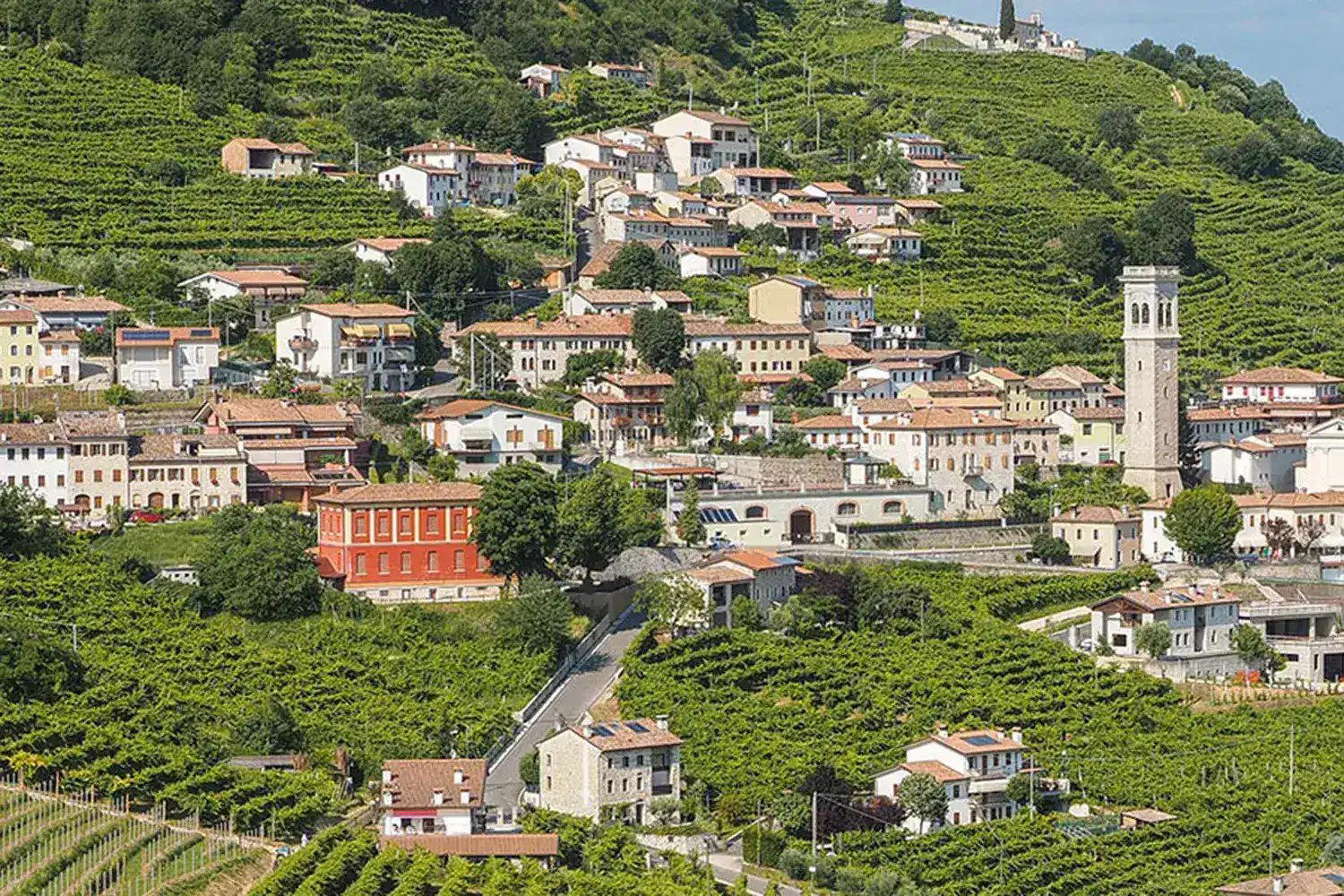
Gaiarine sits in Treviso province, accessible by car from the A28 motorway that connects the Adriatic coast to the foothills. Treviso itself is the logical base, with direct rail connections to Venice (approximately 30 minutes) and Padua. The drive from Treviso to Gaiarine takes under 40 minutes on a clear day. Those building a wider northeastern Italy itinerary might combine Bonaventura Maschio with Prosecco Superiore DOCG territory to the west around Conegliano and Valdobbiadene, where the steep hillside vineyards present a visual and stylistic contrast to the flat agricultural strip around Gaiarine. Our full Gaiarine restaurants and producers guide maps additional stops in the area.
Given the production-led character of this type of operation, advance contact is advisable before making the journey. Producers at this recognition level often conduct visits by appointment rather than open-door policy, and arriving without prior arrangement risks finding the facility closed to visitors.
Frequently asked questions
What's the atmosphere like at Bonaventura Maschio?
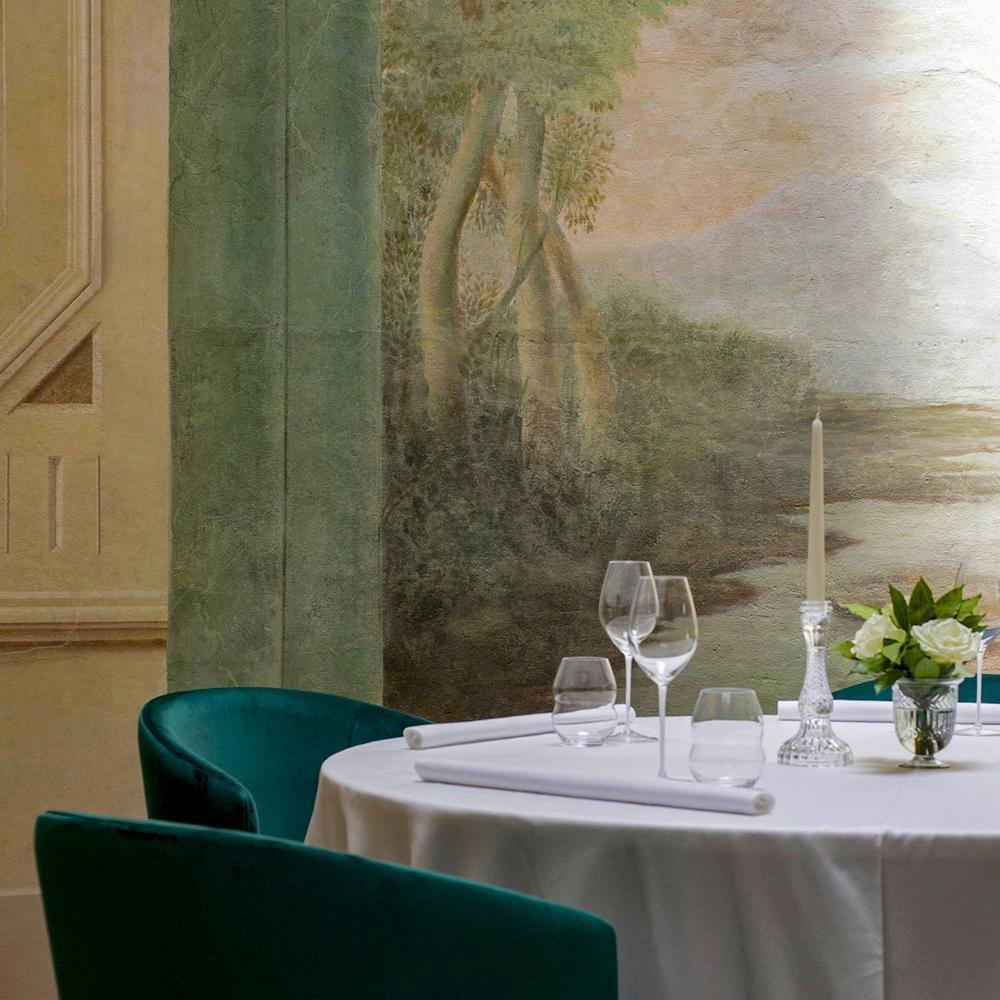
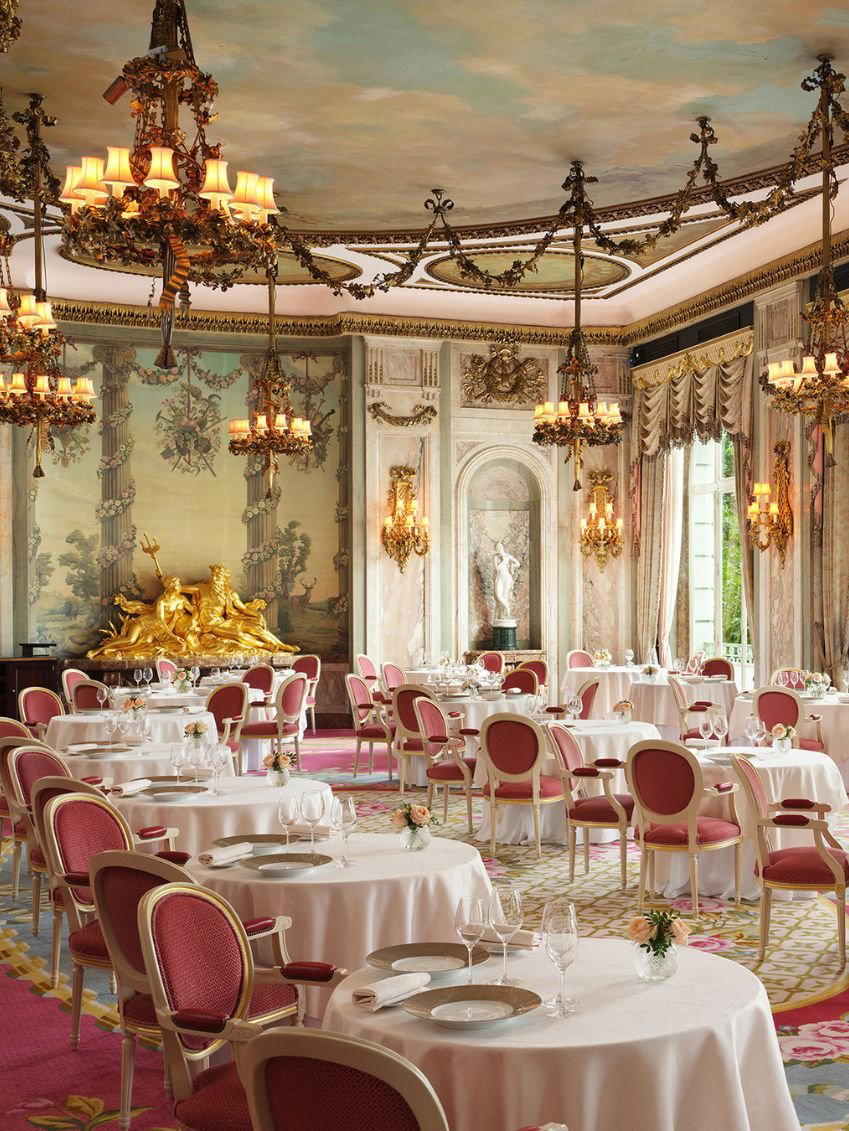
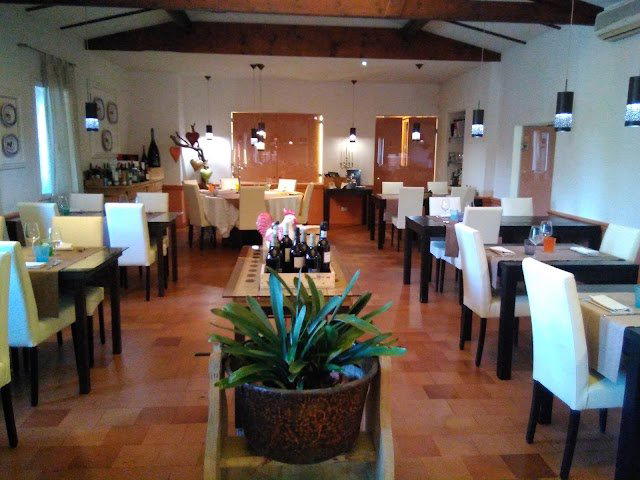
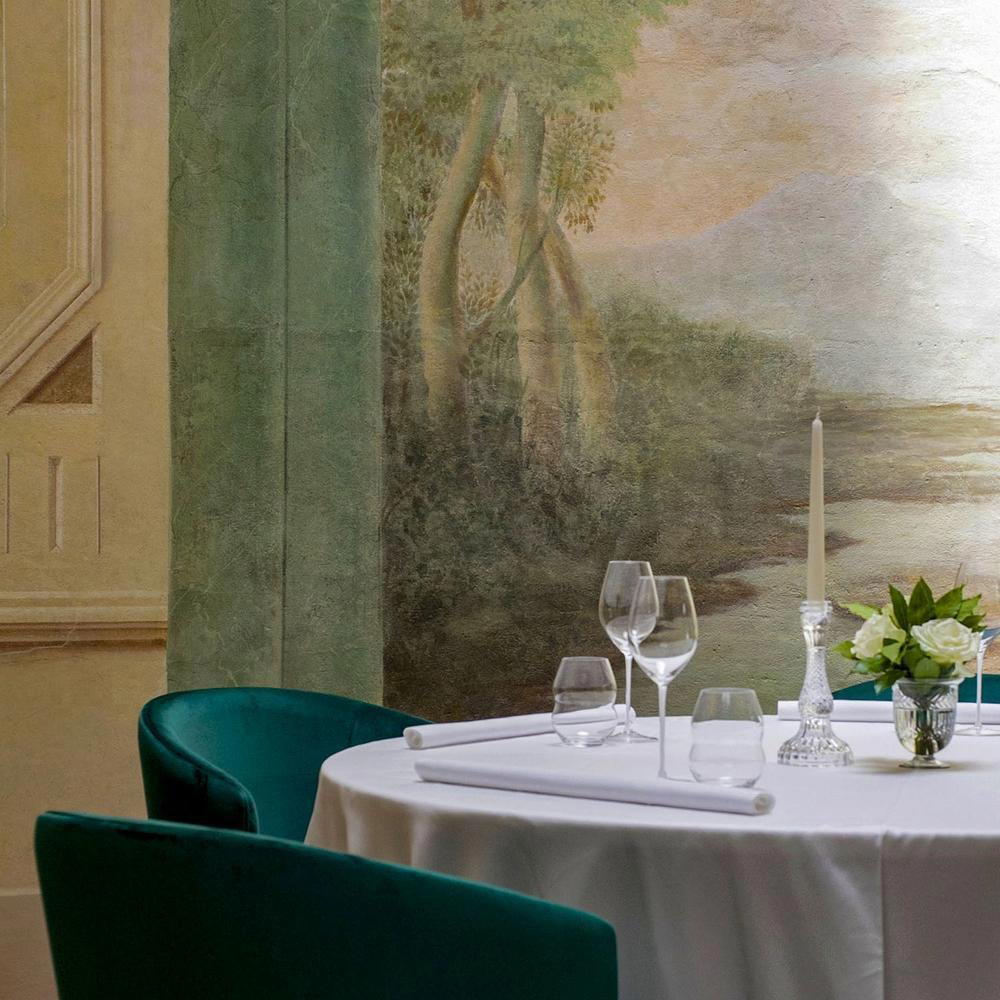
Bonaventura Maschio sits on the flat agricultural plain outside Gaiarine, in Treviso province, surrounded by the vine-threaded order of the Marca Trevigiana countryside. The setting is working-producer rather than showroom: the emphasis is on distillation and craft rather than hospitality theatre. Visitors arrive in a landscape shaped by centuries of viticulture, which frames the context for everything produced here.
What part of town is Bonaventura Maschio in?
Bonaventura Maschio is located at Str. delle Pere, 1, 31018 Gaiarine TV, Gaiarine.
What's the must-try wine at Bonaventura Maschio?
Bonaventura Maschio is a spirits and grappa producer, not a winery, so the focus falls on distillates made from grape pomace rather than bottled wine. Specific expressions are best confirmed directly with the producer when planning a visit to Gaiarine.
What makes Bonaventura Maschio worth visiting?
The location in Gaiarine, within the broader Treviso agricultural corridor, connects the production directly to the grape-growing terroir of the Marca Trevigiana. For anyone tracing northeastern Italy's distilling tradition from source to bottle, this is a legitimate reference point.
Do they take walk-ins at Bonaventura Maschio?
Visit and booking details for Bonaventura Maschio at Strada delle Pere 1, Gaiarine are not publicly listed.
Quick Comparison
Comparable venues nearby, for context on price, style, and recognition.
| Venue | Cuisine | Price | Awards | Notes |
|---|---|---|---|---|
| Bonaventura MaschioThis venue (the venue you are viewing) | Glera, Incrocio Manzoni | Not listed | Not listed | Not listed |
| Distilleria Castagner | Glera, Corvina | Not listed | Not listed | Visnà di Vazzola |
| San Leonardo | Cabernet Sauvignon, Carmenère | Not listed | Falstaff Winery - 5 Stars | Vallagarina |
| Livio Felluga | Friulano, Pinot Bianco | Not listed | Falstaff Winery - 4 Stars | Brazzano |
| Marchesi de’ Frescobaldi | Sangiovese, Merlot | $50–100 | Falstaff Winery - 5 Stars | Chianti Rufina |
| Domenis 1898 | Refosco, Ribolla Gialla | $20–30 | Not listed | Cividale del Friuli |
Request a visit to Bonaventura Maschio
Tell us when you would like to go and how many people, and we put the request to the estate and reply to you by email.
Continue exploring
More in Gaiarine
Wineries in Gaiarine
All wineries in Gaiarine →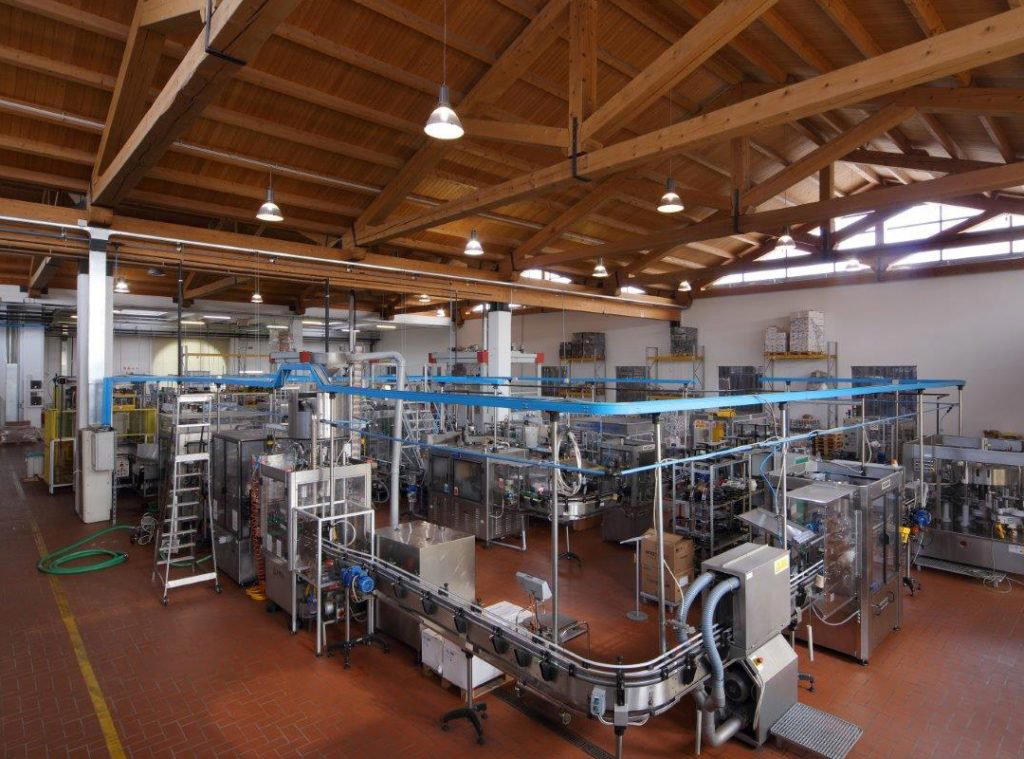
Bars in Gaiarine
Browse all →
Details
- Classic
- Rustic
- Elegant
- Sophisticated
- Wine Education
- Special Occasion
- Group Outing
- Estate Grounds
- Historic Building
- Barrel Room
- Sustainable
- Vineyard
- Glera
- Incrocio Manzoni
- Raboso
- Sparkling
- Still White
- Still Red
- Distillery Tasting
- Spirit Tasting
Heritage-focused atmosphere reflecting five generations of distilling tradition, blending artisanal craftsmanship with modern production techniques in the heart of Veneto's wine country.