

Forbes Recommended · Small Luxury Hotels of the World Member
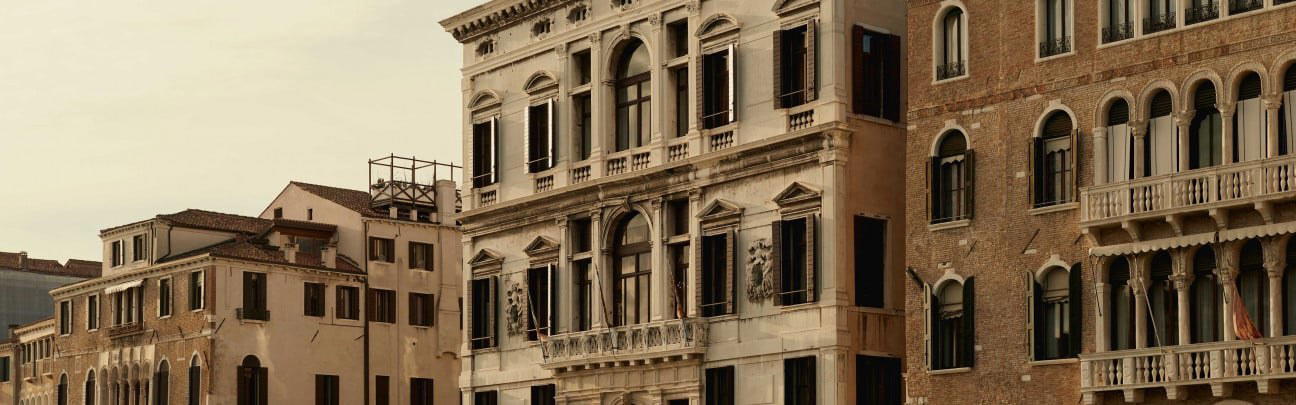
A 37-room palazzo hotel occupying the 17th-century Corner family residence near the Rialto Bridge, Ai Reali di Venezia sits in the smaller, more intimate tier of Venetian luxury. Authentic antiques, original Venetian terrazzo flooring, and a stone wellhead carved with the family's coat of arms give the property a sense of lived history that larger canal-front hotels rarely replicate.

Pearl is the En Primeur Club membership app, where members save venues, book tables and use the concierge.
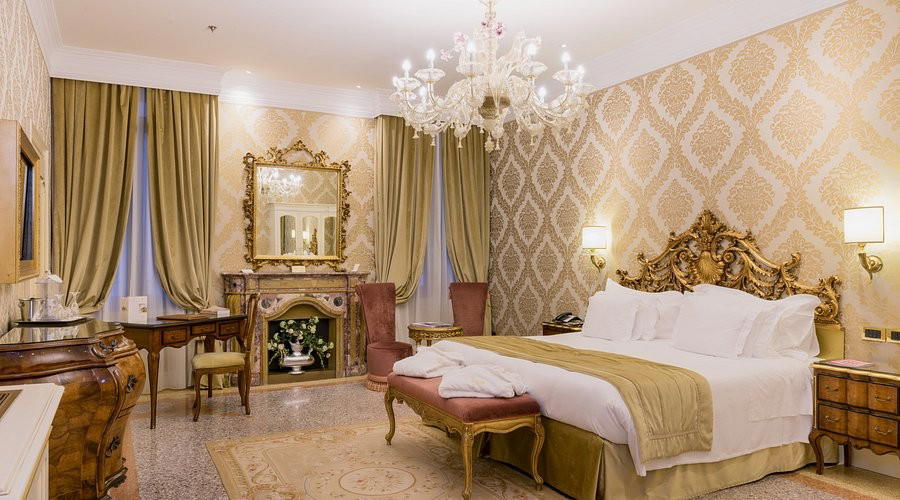
A Palazzo That Reads Like a Private House
Venice has converted more aristocratic palaces into hotels than perhaps any other city in Europe, and the field is genuinely crowded. The larger names Aman Venice, Cipriani, A Belmond Hotel, Venice, and Hotel Gritti Palace, occupy a tier defined by international brand weight and grand-canal ceremony. Ai Reali di Venezia operates differently. The 17th-century Corner family residence on Calle Seconda de la Fava has been restored to something closer to what a palazzo actually felt like when a family still lived in it: 37 rooms, a walled garden with two listed palm trees, original stone floors, and a wellhead still bearing the Corner coat of arms just inside the entrance.
The hotel sits on a campo with a church on one side and a picturesque bridge on the other, a few minutes' walk from the Rialto Bridge. Arriving by water is possible: there is a canal entrance directly accessible by boat, which in Venice counts as both a practical convenience and a quietly theatrical one.
What the Rooms Actually Deliver
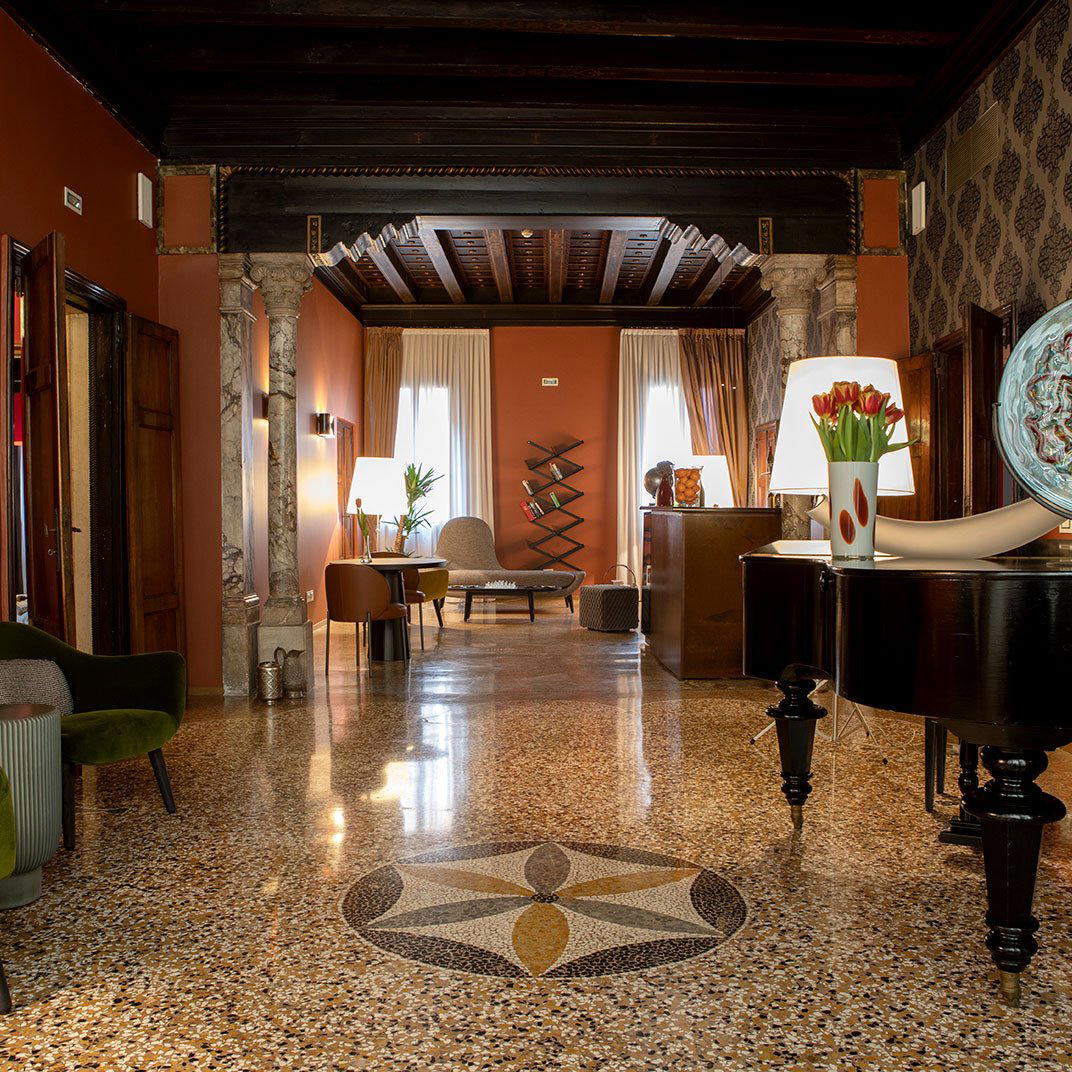
In Venice's converted-palazzo category, the room experience tends to split between properties that have applied a contemporary interior over historic bones and those that have left the bones largely visible. Ai Reali belongs firmly to the second group. Flooring throughout is either original parquet or Venetian terrazzo stone, softened in places by Aubusson-style carpets. Hallways and rooms are furnished with authentic antiques, lacquered 18th- and 19th-century bureaus, inlaid tables, rather than reproductions placed for period effect. The flat-screen televisions are mounted within gold picture frames so they sit within the ornate classical context rather than cutting against it. It is a small detail, but it signals the level of care taken to preserve coherence between the historic fabric and contemporary function.
Most rooms are decorated in pale palettes of ivory and ecru; two rooms depart from this with red as the dominant note, and the distinction is worth flagging at booking if colour matters to the sleep environment. Bathrooms vary: some have walk-in showers, some have tubs and shower combinations. Again, this is worth specifying when reserving, as room-by-room configuration differs more than in standardised hotel products. The safes are large enough to hold laptops, a practical note for guests travelling with equipment.
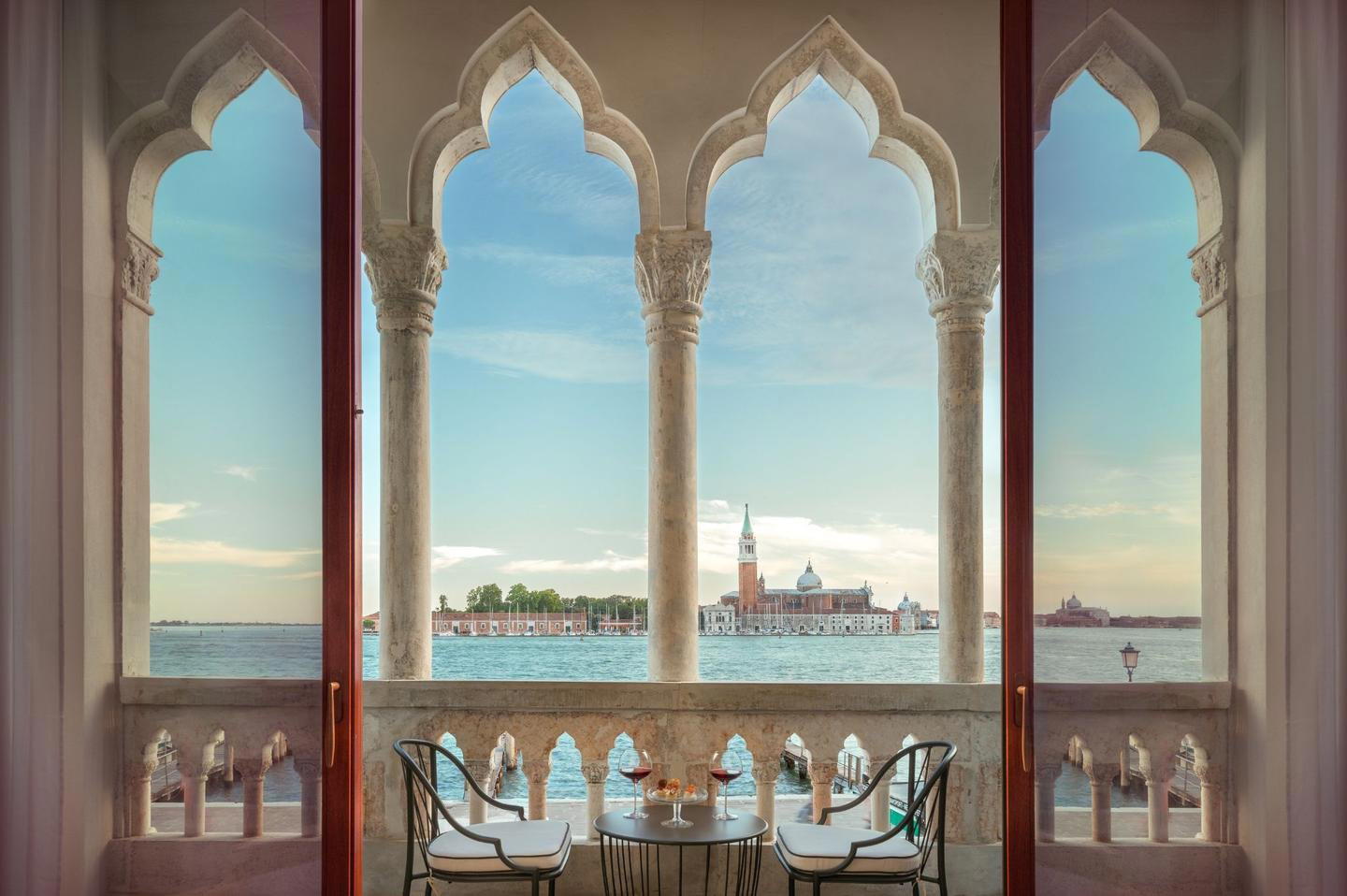
The Luxury Suite Canal View holds the property's most architecturally significant detail: a pair of 16th-century Veneto-Byzantine stone window frames, rediscovered during restoration and returned to the wall they originally occupied. These frames once looked down on the internal courtyard; they now frame a canal view. That kind of stratigraphic discovery, multiple centuries of Venetian history layered in a single wall, is not something that can be designed after the fact. It is the argument for this tier of hotel over a purpose-built luxury property, and Ai Reali makes it more convincingly than most.
A note for guests with mobility considerations: as a former private residence with levels built across different eras, the property has steps in several locations. A number of rooms have one step at the main door and a step into the bathroom. Two rooms are designed for full accessibility. The two-flight white marble staircase that connects floors is reportedly easier to climb than its scale suggests, but the building is not lift-accessible in the way a purpose-built hotel would be.
The Piano Nobile and the Texture of the Stay
The second-floor hallway, the piano nobile, or noble floor, is the social and ceremonial centre of the property. It can be arranged for group functions, from business meetings to small weddings, with two large reproduction paintings by Venetian artist Giovanni Bellini adding scale and weight. Below this level, the lounge-bar hosts live piano music four times a week, which gives the evenings a particular quality that is harder to find in larger hotels, where entertainment tends toward the performative rather than the intimate.
Guests can order tea and coffee served in the library or at any point in the property where they choose to pause. The walled garden, with its two listed palm trees and flower-decorated walls, functions as a private outdoor space of a kind that is genuinely scarce in central Venice. The palm trees themselves have been registered with the Venetian Superintendency of Architectural Heritage and Landscape, which reflects both their age and the degree to which the property is embedded in the city's conservation framework.
The on-site restaurant serves homemade Italian cuisine. Specific menu details are outside the scope of confirmed data, but the format is consistent with a hotel at this scale: resident dining rather than a destination restaurant competing for covers with the city's independent addresses. For the broader Venetian dining scene, see our full Venice restaurants guide.
Where Ai Reali Sits in Venice's Accommodation Market
Venice's palazzo hotel market has stratified sharply in recent years. At one end, large international flagships with grand-canal frontage and full-service amenities command the market's ceiling prices and attract a globally mobile clientele. At the other, a cohort of smaller, conversion-led properties competes on authenticity, scale, and the sense of being inside the city rather than observing it from a luxury perch above it.
Properties such as Il Palazzo Experimental, Londra Palace Venezia, and Nolinski Venezia occupy adjacent positions in this mid-to-upper tier, each with its own balance of design ambition and historic fabric. Ai Reali's differentiator is the depth of its conservation approach: original floors, authentic antiques, a registered wellhead, and listed garden trees point to a property that has prioritised preservation over renovation. For travellers choosing between Venice and Italy's other major hotel destinations, the comparison set extends further: Four Seasons Hotel Firenze in Florence represents the palazzo-conversion model at a larger international scale, while Passalacqua in Moltrasio and Castello di Reschio in Lisciano Niccone show how historic Italian properties perform when the emphasis is on intimacy and material authenticity. Borgo Santandrea on the Amalfi Coast, Il San Pietro di Positano, and JK Place Capri are relevant reference points for travellers extending a trip southward. Further afield, Casa Maria Luigia in Modena, Portrait Milano, and Bulgari Hotel Roma represent Italy's broader luxury hospitality range. For international comparison, Aman New York and The Fifth Avenue Hotel occupy a similar position in the converted-historic-building segment of their own market. Amangiri in Canyon Point, Borgo Egnazia, Rosewood Castiglion Del Bosco, Il Pellicano in Porto Ercole, and Corte della Maestà in Civita di Bagnoregio round out the broader reference set for travellers comparing historic small-property stays across Italy and beyond.
Planning Your Stay
Ai Reali di Venezia is located at Calle Seconda de la Fava, 5527, in Castello, a short walk from the Rialto Bridge and the Rialto vaporetto stop. Guests arriving by water taxi can use the canal entrance directly. The gym is equipped with Technogym equipment but is a compact space; guests with intensive fitness requirements should factor this in. The library and lounge-bar are available throughout the day for informal service. Booking should be made directly or through a travel specialist, as room-specific details, bathroom configuration, colour palette, accessibility requirements, require confirmation at the point of reservation.
Comparison Snapshot
Comparable venues nearby, for context on price, style, and recognition.
| Venue | Cuisine | Price | Awards | Notes |
|---|---|---|---|---|
| Ai Reali di VeneziaThis venue (the venue you are viewing) | Renovated aristocratic Venetian palace with refined elegance. | Not listed | Forbes Recommended · Small Luxury Hotels of the World Member | Not listed |
| Ca' Bonfadini | Historic 18th-century Venetian palazzo with neoclassical opulence. | $200–300 | Michelin Selected | Cannaregio |
| Hotel Gabrielli Venezia | Refined five-star Venetian palazzo hotel combining historic architecture with contemporary Starhotels Collezione luxury in a prime lagoonfront location. | $500–750 | Leading Hotels of World Member | Castello / Riva degli Schiavoni (near St. Mark’s Square) |
| H10 Palazzo Canova | Historic palazzo with preserved original facade and modern restoration | Not listed | Michelin Selected | San Polo |
| Hotel Danieli | Historic Venetian palace with three interconnected buildings offering timeless luxury. | Not listed | La Liste Top Hotels · Virtuoso Luxury Hotel Partner | Castello |
| Orient Express Venezia | Historic Venetian palazzo blending Renaissance heritage with contemporary luxury | Not listed | 1 Michelin Key · Michelin Guide New Hotels New Hotel | Santa Croce |
Recognition history
Dated appearances from independent guides and award organizations, with the underlying list record or original source where available.
Forbes Recommended
Forbes
Small Luxury Hotels of the World Member
Small Luxury Hotels of the World
Full recognition history (3 entries)
Forbes Recommended
Forbes
Continue exploring
More in Venice
Hotels in Venice
All hotels in Venice →
Bars in Venice
All bars in Venice →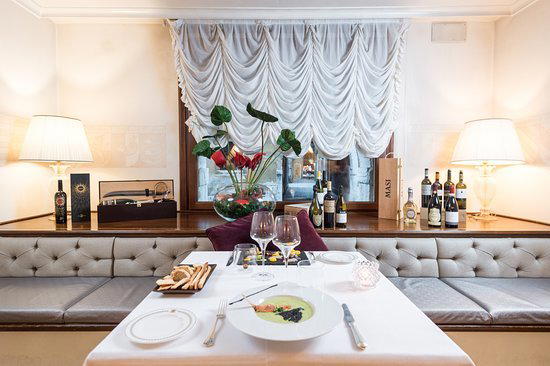

Details
- Romantic
- Elegant
- Classic
- Intimate
- Sophisticated
- Ornate
- Honeymoon
- Romantic Getaway
- Anniversary
- Weekend Escape
- Historic Building
- Waterfront
- Terrace
- Spa
- Fitness Center
- Room Service
- Concierge
- Wi Fi
- Restaurant
- Waterfront
- Wheelchair Accessible
- Step Free Entrance
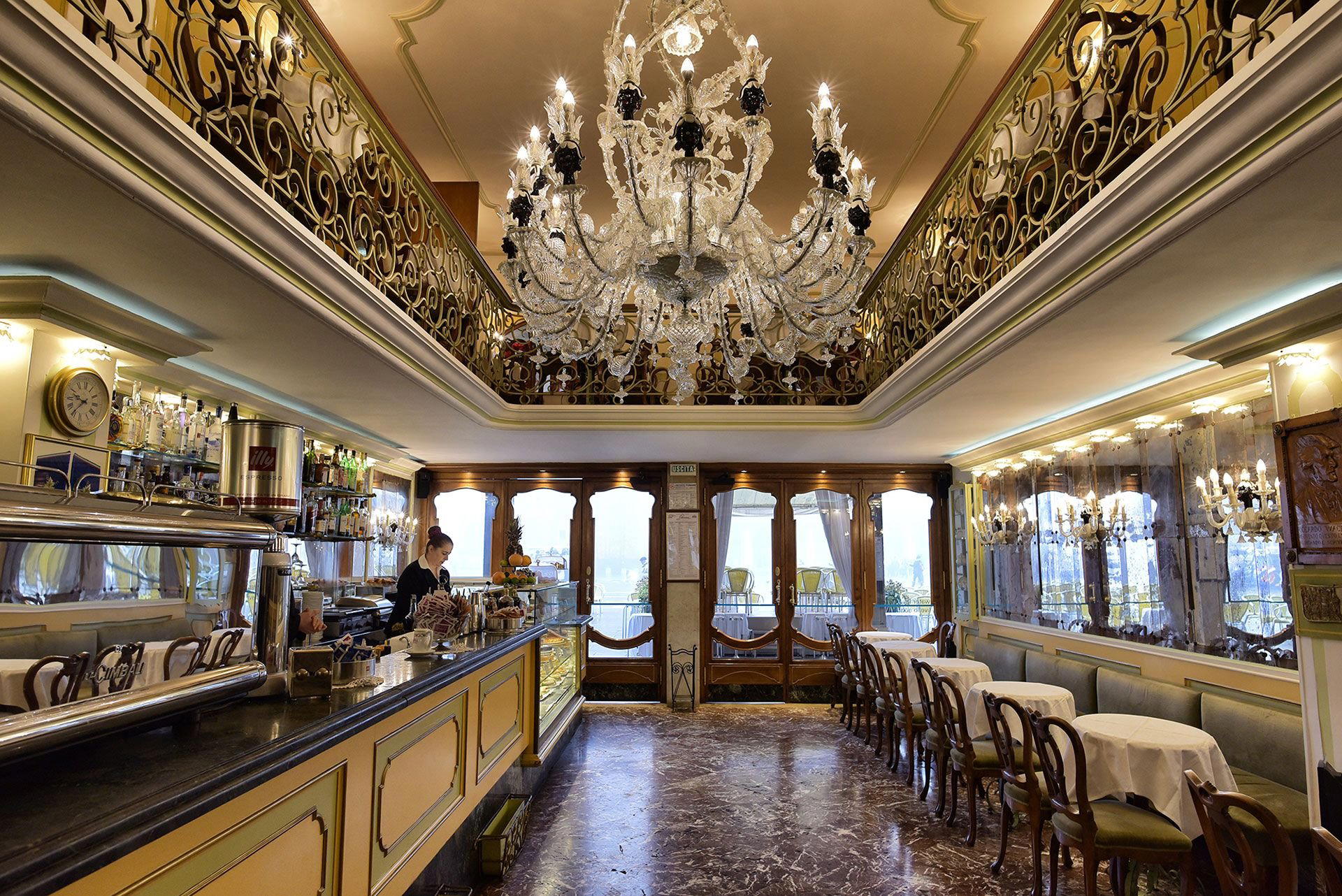
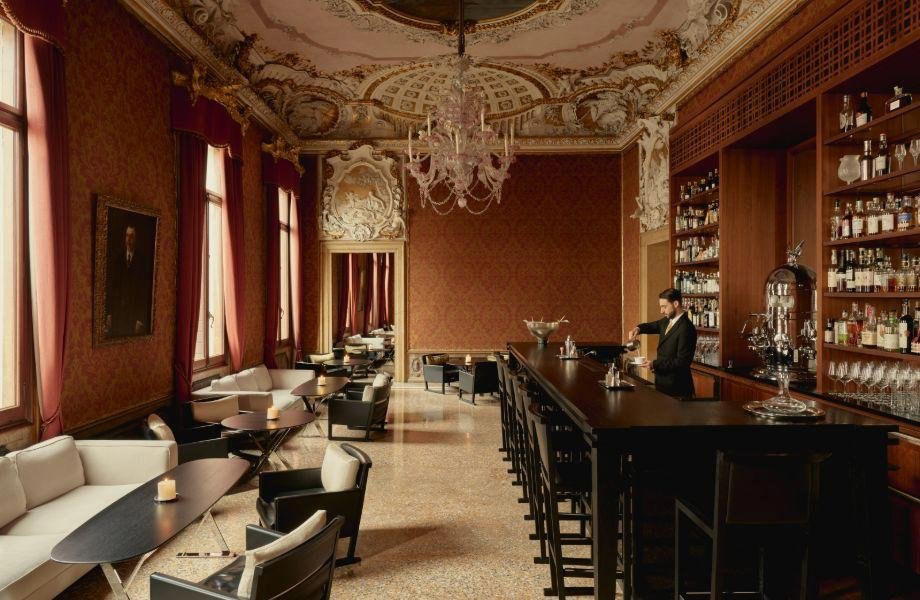
Ornately painted ceilings, glistening chandeliers, and antique furnishings create a warm, historical Venetian atmosphere with contemporary marble bathrooms.