Cà D'oro alla Vedova is one of Venice's most enduring traditional bacari, occupying a narrow calle just steps from the Ca' d'Oro vaporetto stop along the Grand Canal. It draws a regular crowd of locals and informed visitors for cicchetti and ombra in the unpretentious tradition that defined Venetian eating long before the city became a dining destination. Few addresses in Venice maintain this level of neighbourhood credibility.
Pearl is the En Primeur Club membership app — saves, bookings, and concierge access live there. Same editors, same standards.
- Address
- Ramo Ca' d'Oro, 3912, 30121 Venezia VE, Italy
- Phone
- +39 041 528 5324
- Website
- facebook.com
- Directions
- Get directions
 Saves & bookings on Pearl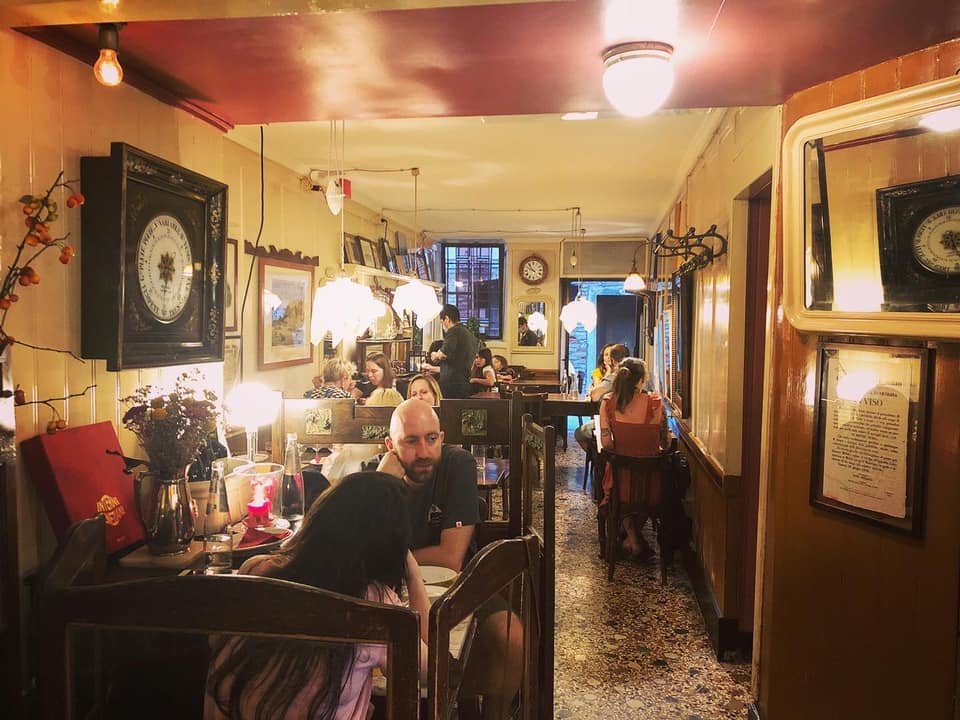
Where the Grand Canal Stops Being a Backdrop
The approach along Ramo Ca' d'Oro narrows as you leave the tourist current that runs along the Strada Nova. The calle contracts, the signage is minimal, and the bar itself announces nothing louder than its reputation. This is the register of the classic Venetian bacaro: a place that does not need to explain itself because the locals already know it, and the visitors who find it are usually the ones who looked before they arrived. Cà D'oro alla Vedova is a Traditional Venetian Osteria in Venice, with an average price of about $25 per person.
Cà D'oro alla Vedova sits inside a tradition that shaped how Venice ate for centuries before tasting menus and canal-view terraces became the city's dominant export. The bacaro format, built around small plates of cicchetti and short pours of house wine known as ombra, was never designed for occasion dining. It was designed for the rhythm of a working city: a quick stop between the market and the boat, a glass at noon, a few bites before dinner. That tradition has contracted sharply in central Venice as rents and tourism economics push out neighbourhood formats. Addresses that maintain it with any seriousness are fewer than they were a generation ago.
The Sourcing Logic Behind Cicchetti
The ingredient story at a Venetian bacaro is, by definition, a story about proximity. Venice sits at the intersection of lagoonal fishing grounds, the market gardens of Sant'Erasmo and the mainland, and one of Italy's most consequential historic spice and trade routes. The Rialto market, a short walk from the Ca' d'Oro stop, has supplied the city's kitchens since the twelfth century and continues to function as the primary sourcing point for serious Venetian cooks. For a bacaro operating in this tradition, the menu is not designed months in advance; it reflects what the market offered that morning.
This sourcing logic produces cicchetti that shift with the season and the catch. Molluscs from the lagoon, salt cod preparations rooted in the baccalà mantecato tradition, seasonal vegetables from the islands: these are not selling points but structural features of how the food is made. The gap between a cicchetti counter sourcing locally and one restocking from a cash-and-carry is legible in texture and salinity within a single bite, and it is what separates addresses with neighbourhood credibility from those occupying the same format without the same commitment.
For context on how sourcing discipline operates at the upper end of Italian restaurant cooking, the comparison with places like Uliassi in Senigallia or Quattro Passi in Marina del Cantone is instructive: both treat Adriatic and Tyrrhenian sourcing as the structural argument for their menus rather than a marketing footnote. Alla Vedova operates in a different format, but the underlying logic of seasonal, proximate sourcing connects the bacaro tradition to those higher-register kitchens in a way that the tourist-trap osterie of the Rialto bridge do not.
How Alla Vedova Sits in Venice's Current Dining Map
Venice's restaurant scene has fractured into distinct tiers with limited overlap. At the leading end, places like Glam Restaurant by Enrico Bartolini and Oro Restaurant compete on Michelin recognition and contemporary Italian technique.A tier below, Local and Ristorante Quadri occupy the formal end of Venetian fine dining with price points that reflect the city's overhead and international demand. Wistèria operates in the contemporary middle register.
Alla Vedova occupies a position that none of these addresses can easily replicate: the traditional bacaro format, maintained with enough seriousness that it draws a regular Venetian clientele rather than subsisting entirely on passing tourism. That positioning is rarer than it appears on a map. Venice has many establishments describing themselves as bacari; the ones that function as genuine neighbourhood infrastructure, where regulars arrive at predictable hours and the bar is calibrated to their habits rather than to a tourist reading cycle, are a much smaller number.
The comparison with addresses like Osteria alle Testiere and Al Covo is useful here. Both maintain serious Venetian sourcing and a local following, but they operate as full-service restaurants with booking requirements and structured menus. Alla Vedova's bacaro format is less mediated: you stand at the bar, you order what is in front of you, you pay in cash. The absence of that mediation is precisely the point.
Planning Your Visit
The Ca' d'Oro vaporetto stop on the Grand Canal places you within a short walk of the address; from the stop, the route runs north into the Cannaregio sestiere. The bacaro operates on hours typical of the format, meaning morning openings for the first ombra crowd, a midday service, and an aperitivo peak in the early evening. Arriving outside the peak window, particularly at mid-morning or mid-afternoon, gives you space at the bar and a better read of what has come in from the market that day.
This is a cash-first address in a cash-first format. Reservations are not the applicable framework here: the bacaro operates on a walk-in basis, and the experience is calibrated to that spontaneity. If your Venice itinerary is structured around Michelin-level booking windows, the contrast is worth noting. For a broader orientation to what the city's restaurant scene offers across price points and formats, our full Venice restaurants guide maps the range.
For seafood-forward comparisons outside Italy, Le Bernardin in New York City and Lazy Bear in San Francisco represent how different culinary cultures approach the same sourcing-first argument.
A Quick Peer Check
Comparable venues nearby, for context on price, style, and recognition.
| Venue | Cuisine | Price | Notes |
|---|---|---|---|
| Cà D'oro alla VedovaThis venue — the venue you are viewing | Traditional Venetian Osteria | $$ | Not listed |
| Pier Dickens | Italian Pizza & Pasta | $$ | Dorsoduro |
| Trattoria alla Rampa | Traditional Venetian Trattoria | $$ | Castello |
| Alla Madonna | Traditional Venetian Seafood | $$ | San Polo |
| Antico Calice | Traditional Venetian Seafood | $$ | San Marco |
| Trattoria da Romano | Traditional Venetian Seafood Trattoria | $$ | Burano |
Continue exploring
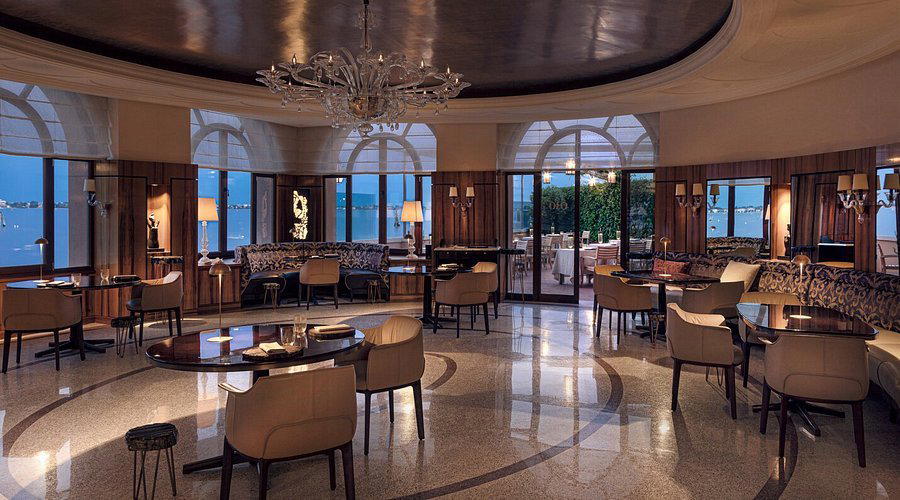
More in Venice
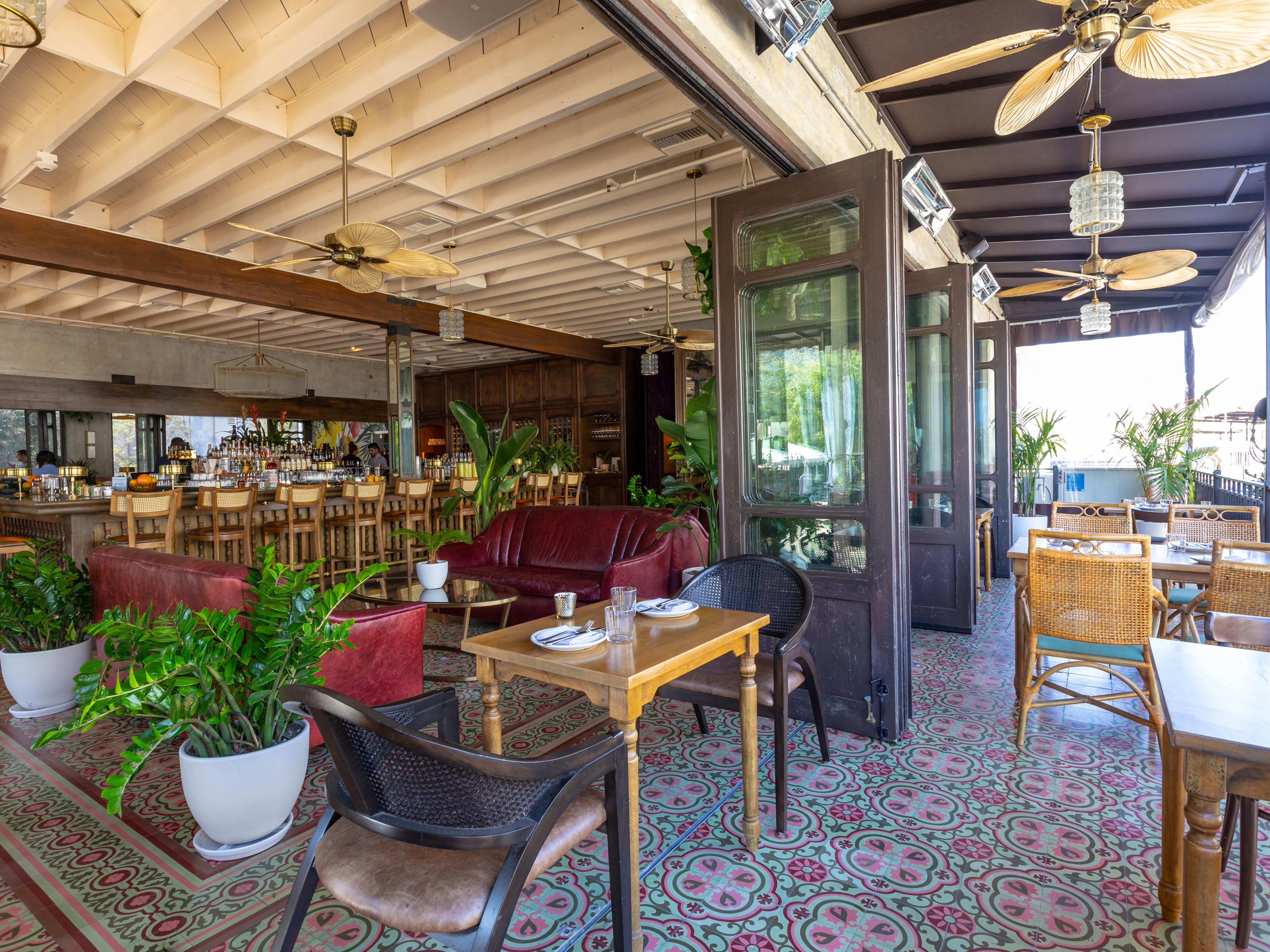
Restaurants in Venice
Browse all →
Bars in Venice
Browse all →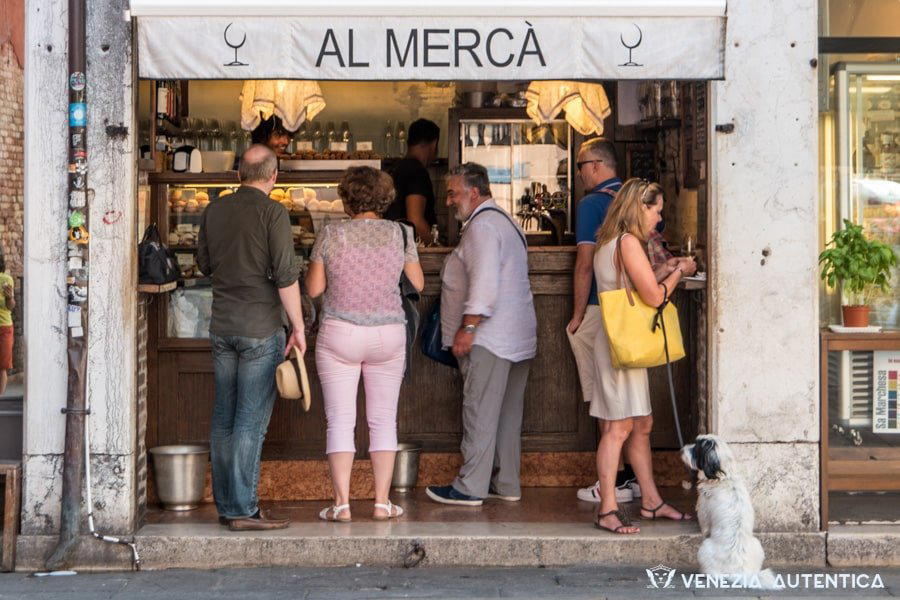
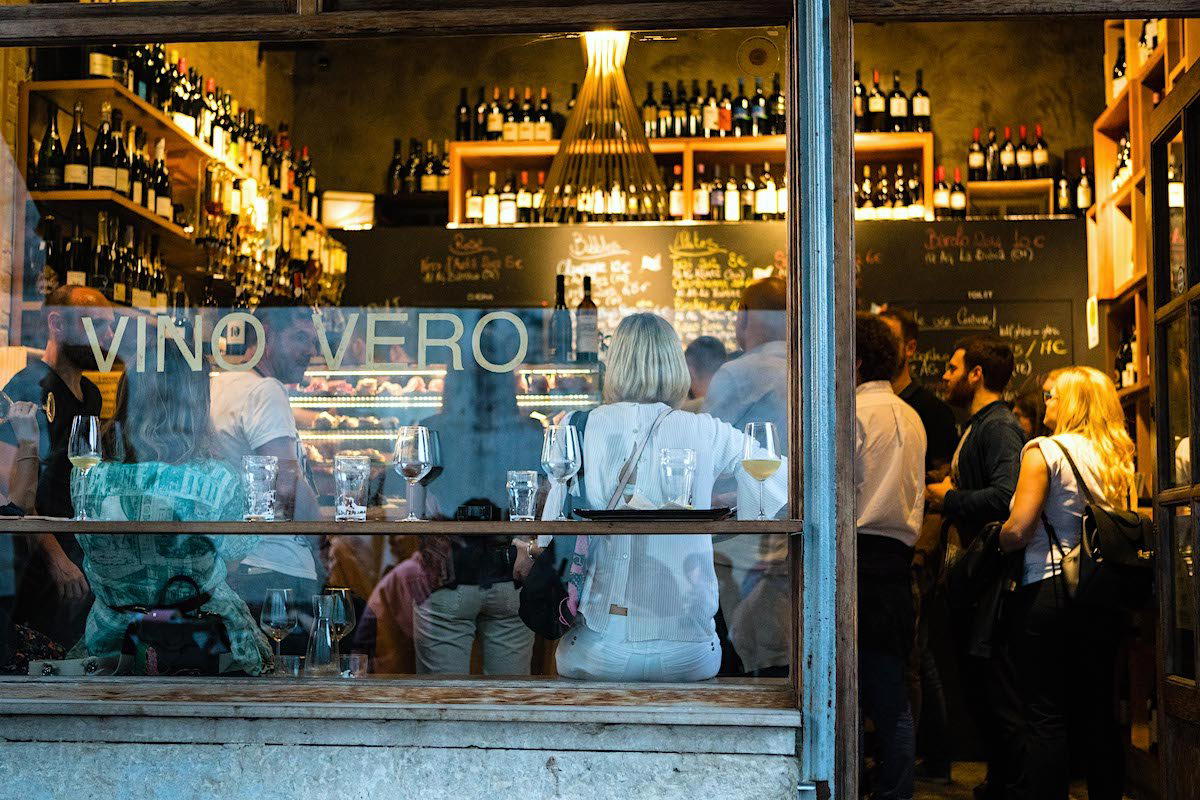
Hotels in Venice
Browse all →
At a Glance
- Cozy
- Classic
- Intimate
- Well Known
- Casual Hangout
- Special Occasion
- Historic Building
- Extensive Wine List
Current opening hours
- Monday
- 11:30 AM–2:30 PM, 6:30–10:30 PM
- Tuesday
- 11:30 AM–2:30 PM, 6:30–10:30 PM
- Wednesday
- 11:30 AM–2:30 PM
- Thursday
- Closed
- Friday
- 11:30 AM–2:30 PM, 6:30–10:30 PM
- Saturday
- 11:30 AM–2:30 PM, 6:30–10:30 PM
- Sunday
- 12–2:30 PM, 6:30–10:30 PM
Hours can change for holidays and private events. Last verified .
Cozy atmosphere with lace-covered light fixtures, copper pots hanging from the ceiling, and brass pans on walls creating a charming, traditional Venetian feel.