


1 Michelin Star · Falstaff Restaurant - 93 Falstaff Points
Our verdict
A Michelin-starred address on Salizada dei Greci, Local places lagoon-sourced ingredients inside a modern Italian framework that stays grounded in Venetian tradition. Ranked #352 among Europe's top restaurants by Opinionated About Dining in 2025, it operates a deliberately constrained schedule, closed Tuesday and Wednesday, that signals intent as much as capacity. The format rewards advance planning and attention to the city's tidal rhythms.

Pearl is the En Primeur Club membership app, where members save venues, book tables and use the concierge.
The menu
What to order
- Cuttlefish in black ink
- Creamed codfish
- Gnocchi with neapolitan meat sauce
- Bigoli in spritz sauce
Where the Lagoon Meets the Kitchen
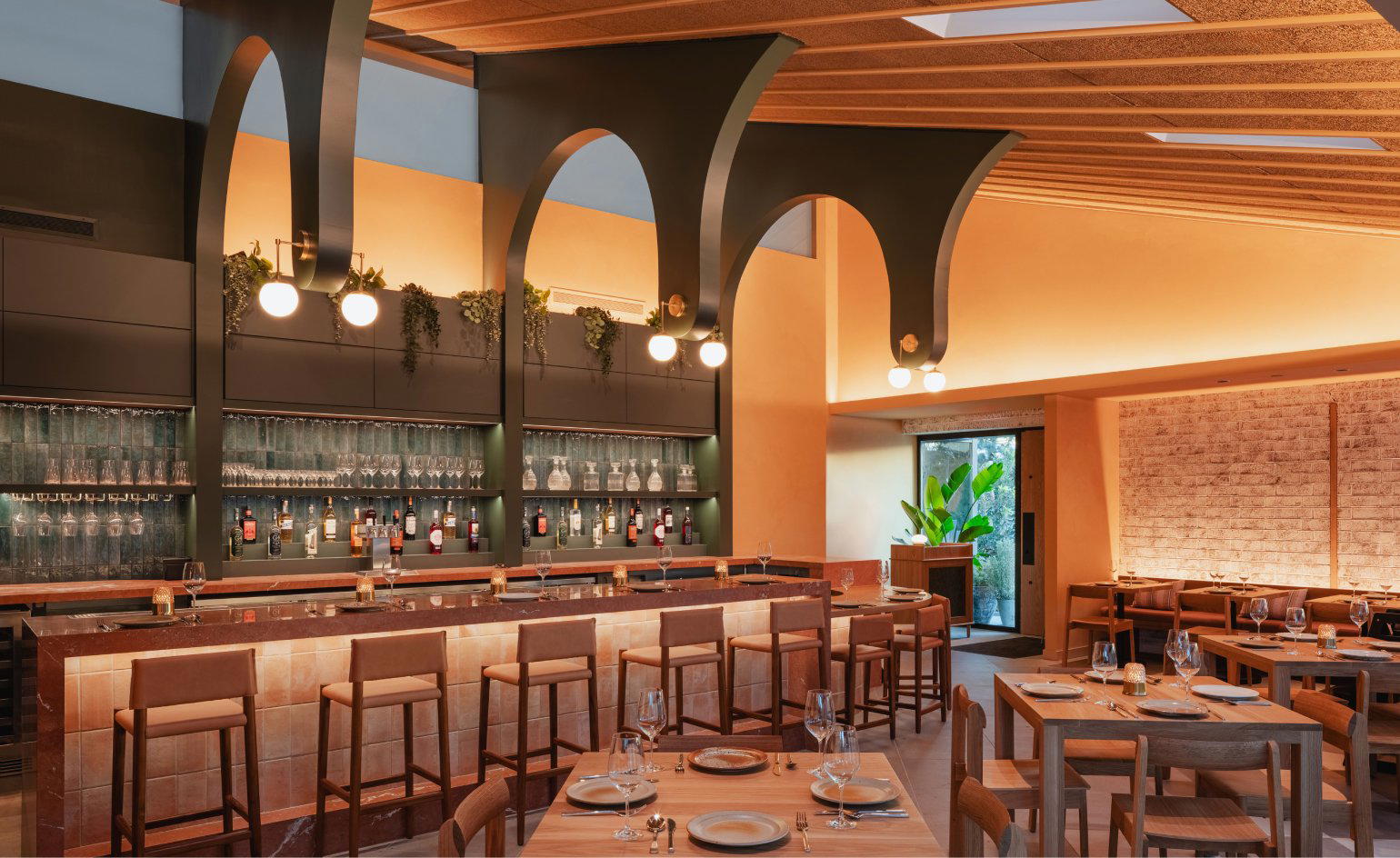
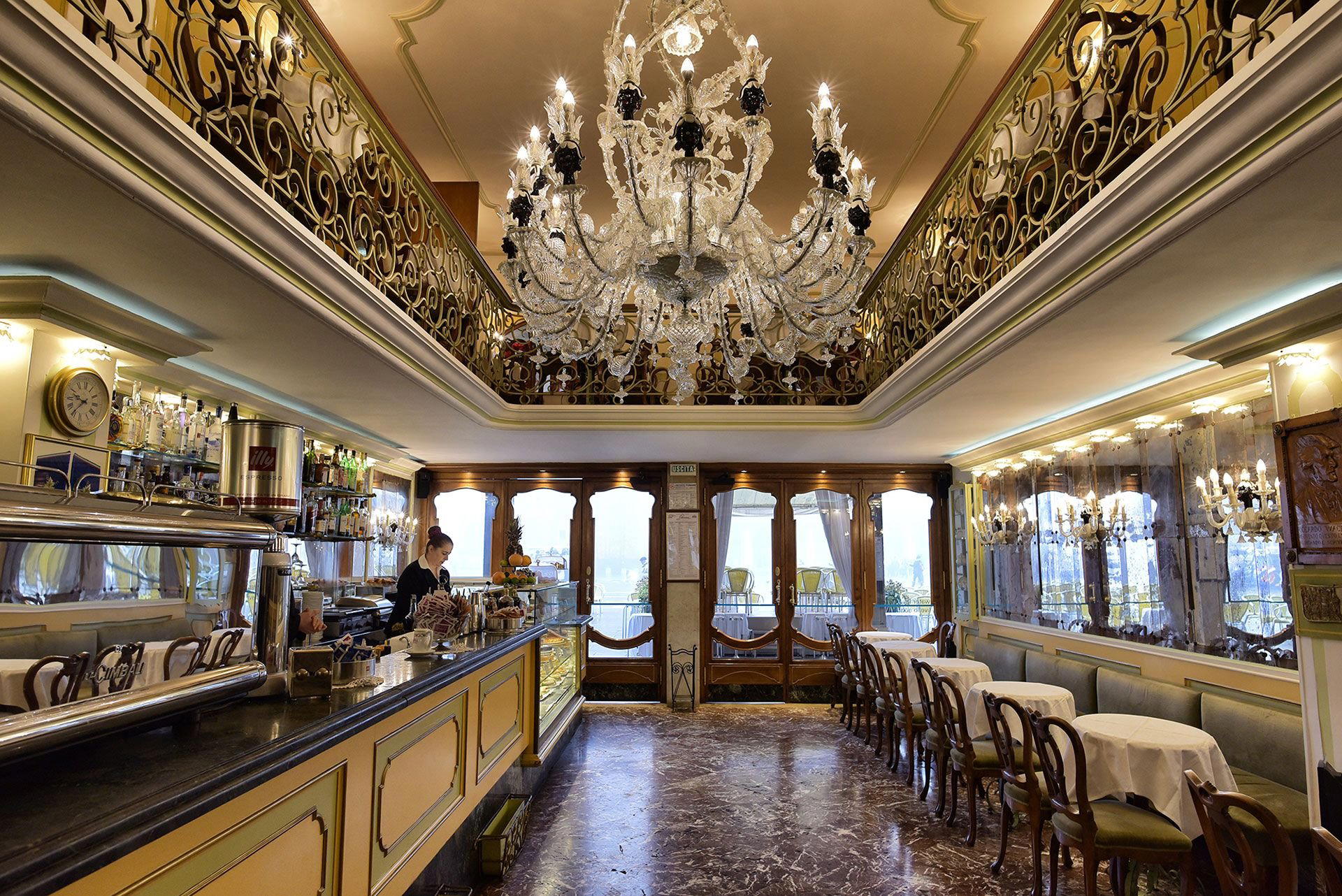
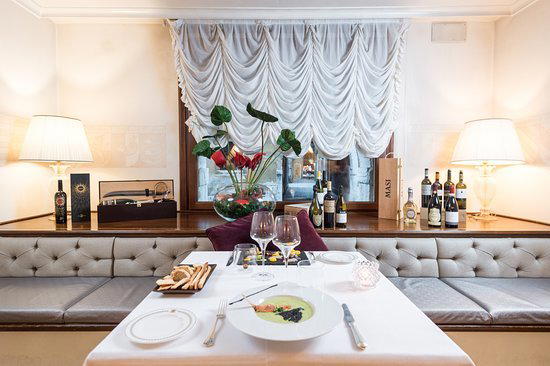
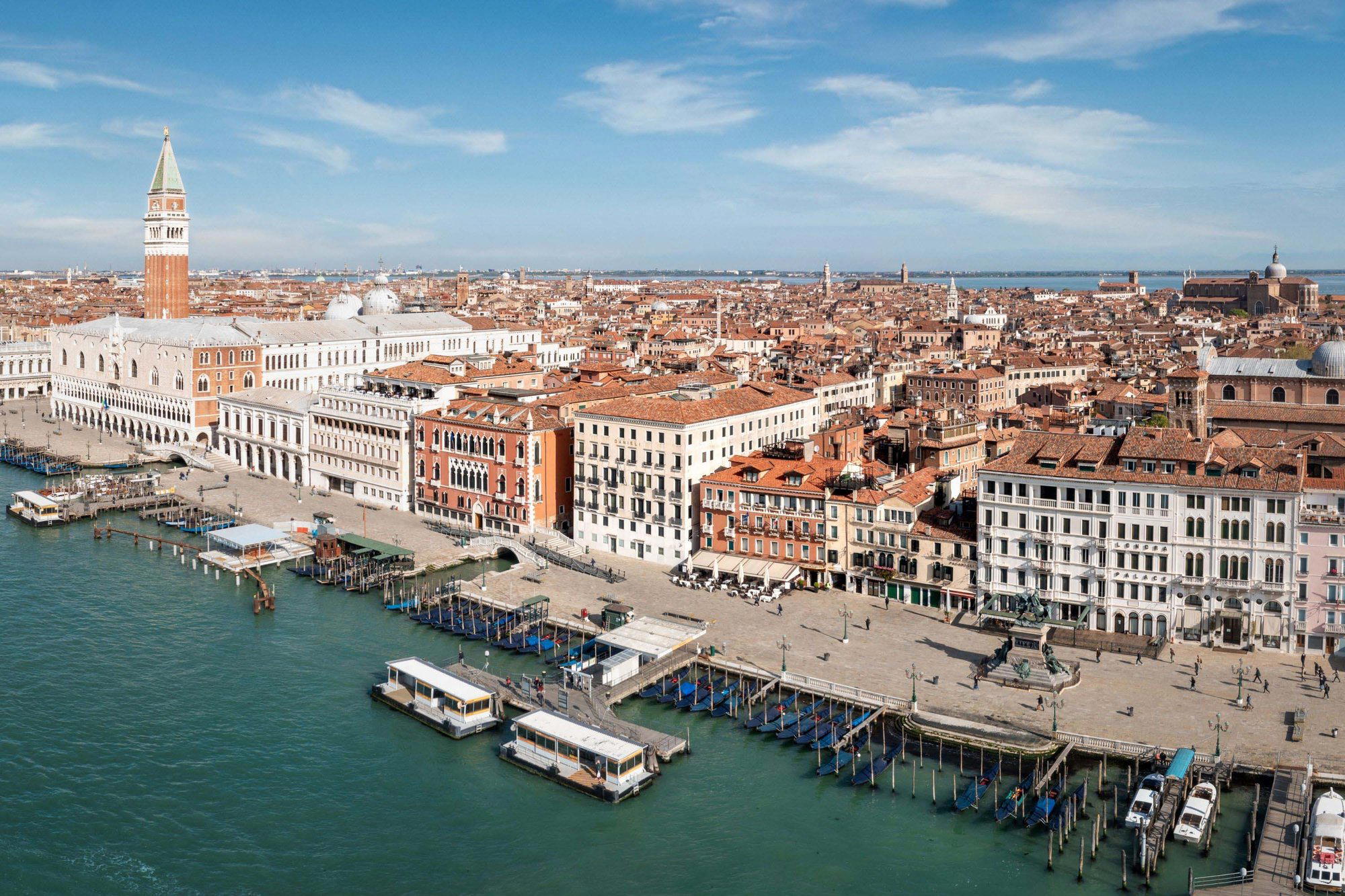
Salizada dei Greci sits in Castello, one of the few sestieri in Venice that still moves at a pace set by residents rather than tourist foot traffic. The street runs east of San Marco, threading past the Greek Orthodox church and into a neighbourhood where the dining scene skews local by default rather than design. Arriving at Local, the physical cues match that register: the room reads as rustic and considered at once, with the kind of atmosphere that comes from restraint applied deliberately rather than from budget limitation. This is not a canal-facing showcase. The setting asks you to pay attention to what is on the plate.
Lagoon Sourcing as a Structural Commitment
The broader argument for ingredient provenance in Italian fine dining has played out across the country for two decades, but in Venice the conversation has a specific character. The lagoon is not simply a backdrop; it is an active agricultural and fishing system that produces ingredients, soft-shell crabs, clams, seasonal molluscs, lagoon-raised fish, with properties that change week to week depending on tidal conditions, season, and the health of the ecosystem itself. Restaurants that take this seriously operate differently from those that treat "local" as a marketing category. The sourcing decisions shape the menu calendar, create hard limits on volume, and tie the kitchen to environmental rhythms that no supply chain can override.
At Local, chef Matteo Tagliapietra works within that framework, preparing lagoon ingredients through modern technique while keeping the connection to Venetian tradition legible on the plate. The Michelin Guide's own language about the restaurant describes dishes that are "carefully balanced and yet full of contrasting flavours", a formulation that points to technical ambition held in check by respect for the source material. That balance is the defining challenge for any kitchen working seriously with wild or minimally farmed local produce: the ingredient imposes its own terms, and the cook's job is to work with that rather than against it. Among Venice restaurants operating at the €€€€ price tier, this orientation toward the lagoon as a living system rather than a larder puts Local in a distinct position relative to peers like Ristorante Quadri, whose modern cuisine sits within a grand-hotel format, or Glam Restaurant by Enrico Bartolini, where the creative frame is wider and less tied to lagoon identity.
The Italian Fine Dining Context
Italy's Michelin-starred restaurant map has grown more geographically diverse over the past decade, with recognition extending well beyond the traditional strongholds of Milan, the Emilian corridor, and the Amalfi Coast. Venice occupies an interesting position in that map: its tourism volume is enormous, but the restaurants that attract serious critical attention tend to operate in deliberate contrast to the city's mass-market hospitality. Oro Restaurant and Wistèria represent adjacent approaches within the city's contemporary tier. Nationally, the conversation about place-rooted modern Italian cooking has been defined by addresses like Osteria Francescana in Modena and Enoteca Pinchiorri in Florence, where the argument for Italian terroir and technique was made at the highest level and over many years. In the seafood-forward register specifically, Quattro Passi in Marina del Cantone and Atelier Moessmer Norbert Niederkofler in Brunico each represent a version of the environmental-sourcing argument applied to specific Italian ecosystems. Local sits within that broader Italian tradition while making the Venetian lagoon its specific subject.
Opinionated About Dining, which tracks serious restaurants across Europe through diner scores rather than critic visits, placed Local at #349 in Europe for 2024 and #352 in 2025. The movement is minor and the ranking places it inside a competitive European tier that includes restaurants from Paris, Copenhagen, and San Sebastián. For context, OAD's methodology weights frequency and recency of visits from a verified diner pool, which means sustained placement reflects a consistent experience rather than a one-time critical moment. The restaurant also received an OAD Leading New Restaurants in Europe recommendation in 2023, its first year in the guide. Michelin recognition followed in 2024. That sequence, new restaurant recommendation, then star, is a relatively fast critical trajectory.
For readers comparing European seafood-focused fine dining across a wider lens, the gap between Local's lagoon-specific approach and the classical French seafood tradition represented by Le Bernardin in New York is instructive. Where Le Bernardin operates at the intersection of French technique and global sourcing, Local's frame is explicitly local and place-constrained. Atomix in New York offers another useful counterpoint: both kitchens work within a modern tasting framework that takes cultural specificity seriously, but the materials and traditions are entirely different. Dal Pescatore in Runate and Enrico Bartolini in Milan complete the reference set for readers building a broader Italian itinerary.
The Venetian Neighbourhood Tier
Within Venice's own restaurant scene, Local occupies the narrower end of the contemporary spectrum. Osteria alle Testiere operates at €€€ and sits closer to the traditional trattoria format, with a tight menu of lagoon seafood in a room that seats very few covers. Local's €€€€ pricing and Michelin positioning place it in a different tier, but the underlying commitment to Venetian sourcing is a shared characteristic. The distinction is one of ambition and technical register rather than ingredient philosophy. Both restaurants reflect a Venetian tradition that has historically valued freshness and simplicity over elaboration, what Local adds is a modern technique layer that creates contrast and surprise without abandoning that foundation.
Service and the Room
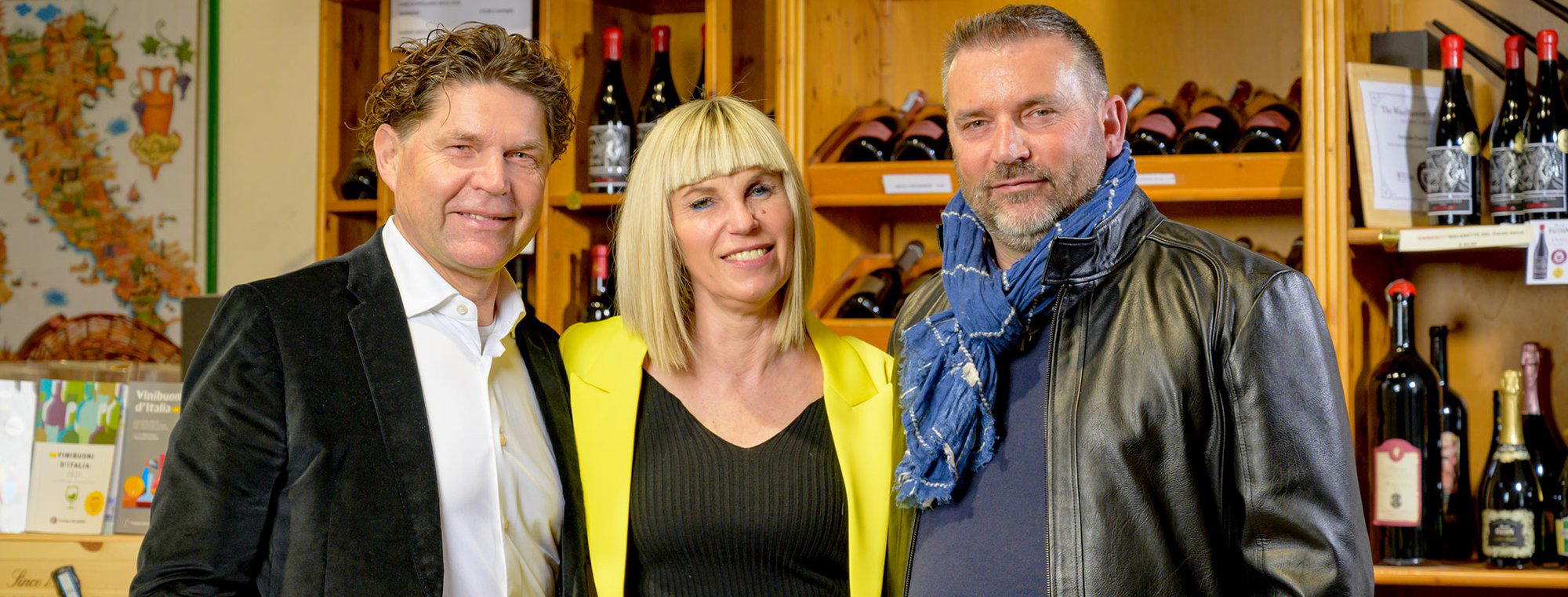
The Michelin Guide's description of the service at Local is specific enough to be useful: the female owner and sommelier is described as friendly, energetic, and attentive. In a city where service at the higher end can sometimes prioritise formality over warmth, that characterisation points to a room where the experience is engaged rather than ceremonial. The wine program, handled by a trained sommelier, matters at this price tier; the Veneto and northeastern Italy produce a wide range of wines that pair specifically with lagoon seafood, from Soave and Lugana to the Prosecco of Valdobbiadene and the more structured reds of Valpolicella. A committed sommelier in this context has real regional material to work with.
Planning a Visit
Local operates a schedule that reflects kitchen capacity and sourcing rhythms rather than maximising covers. The restaurant is closed on Tuesdays and Wednesdays, open for lunch on Mondays, Fridays, and Saturdays from noon to 2 PM, and for dinner on Mondays, Thursdays, Fridays, Saturdays, and Sundays from 7 PM to 10 PM. That adds up to a limited weekly service window, which at a Michelin-starred address in a high-demand city means booking well in advance is not optional. The address, Salizada dei Greci 3303, in Castello, is accessible on foot from the San Zaccaria vaporetto stop in a few minutes. Castello is the eastern arc of the historic centre, quieter than San Marco and more practical for navigation by foot. For a full picture of what else the city offers in food, accommodation, and drink, see our full Venice restaurants guide, our full Venice hotels guide, our full Venice bars guide, our full Venice wineries guide, and our full Venice experiences guide.
Frequently asked questions
What are the operating hours at Local?
Hours at Local: Monday 12 PM-2 PM 7 PM-10 PM Tuesday closed Wednesday closed Thursday 7 PM-10 PM Friday 12 PM-2 PM 7 PM-10 PM Saturday 12 PM-2 PM 7 PM-10 PM Sunday 7 PM-10 PM.
Does Local have a Michelin star or similar recognition?
Local has received recognition including: An elegant restaurant with a rustic yet chic atmosphere, where the cuisine manages to surprise without losing its connection to local traditions. Here, ingredients from the lagoon are prepared using modern ideas and techniques, resulting in….
What's the must-try dish at Local?
Local's verified public record does not include a fixed signature dish, and the menu changes with lagoon sourcing and season. The Michelin Guide characterises the kitchen's output as dishes that are carefully balanced with contrasting flavours, built on lagoon ingredients treated through modern technique. The most reliable approach is to follow the chef's current direction on the night, which at €€€€ pricing is precisely what the format is designed for.
Where It Fits
Comparable options at a glance, pulled from our tracked venues.
| Venue | Cuisine | Price | Awards | Notes |
|---|---|---|---|---|
| LocalThis venue (the venue you are viewing) | Modern Italian Fine Dining | $50–100 | 1 Michelin Star · Falstaff Restaurant - 93 Falstaff Points | Not listed |
| Ristorante Quadri | Modern Venetian Fine Dining | $200–300 | 1 Michelin Star · La Liste Top Restaurants | Modern Cuisine |
| Osteria alle Testiere | Traditional Venetian Seafood | $50–100 | Michelin Plate · World's 50 Best #24 | Venetian |
| Al Covo | Authentic Venetian Seafood | $100–150 | Michelin Plate | Trattoria, Venetian |
| Corte Sconta | Traditional Venetian Seafood | $100–150 | Michelin Plate · Star Wine List | Trattoria, Seafood |
| Dama Restaurant | Modern Italian Fine Dining | $50–100 | Michelin Plate | Modern Italian, Creative |
Recognition history
Dated appearances from independent guides and award organizations, with the underlying list record or original source where available.
Michelin 1 Star
Michelin
Falstaff Restaurant - 93 Falstaff Points
Falstaff
Opinionated About Dining Top Restaurants in Europe Recommended
Opinionated About Dining
Full recognition history (8 entries)
Michelin 1 Star
Michelin
Opinionated About Dining Top Restaurants in Europe Ranked #352
Opinionated About Dining
Michelin 1 Star
Michelin
Opinionated About Dining Top Restaurants in Europe Ranked #349
Opinionated About Dining
Opinionated About Dining Top New Restaurants in Europe Recommended
Opinionated About Dining
Continue exploring
More in Venice
Restaurants in Venice
All restaurants in Venice →
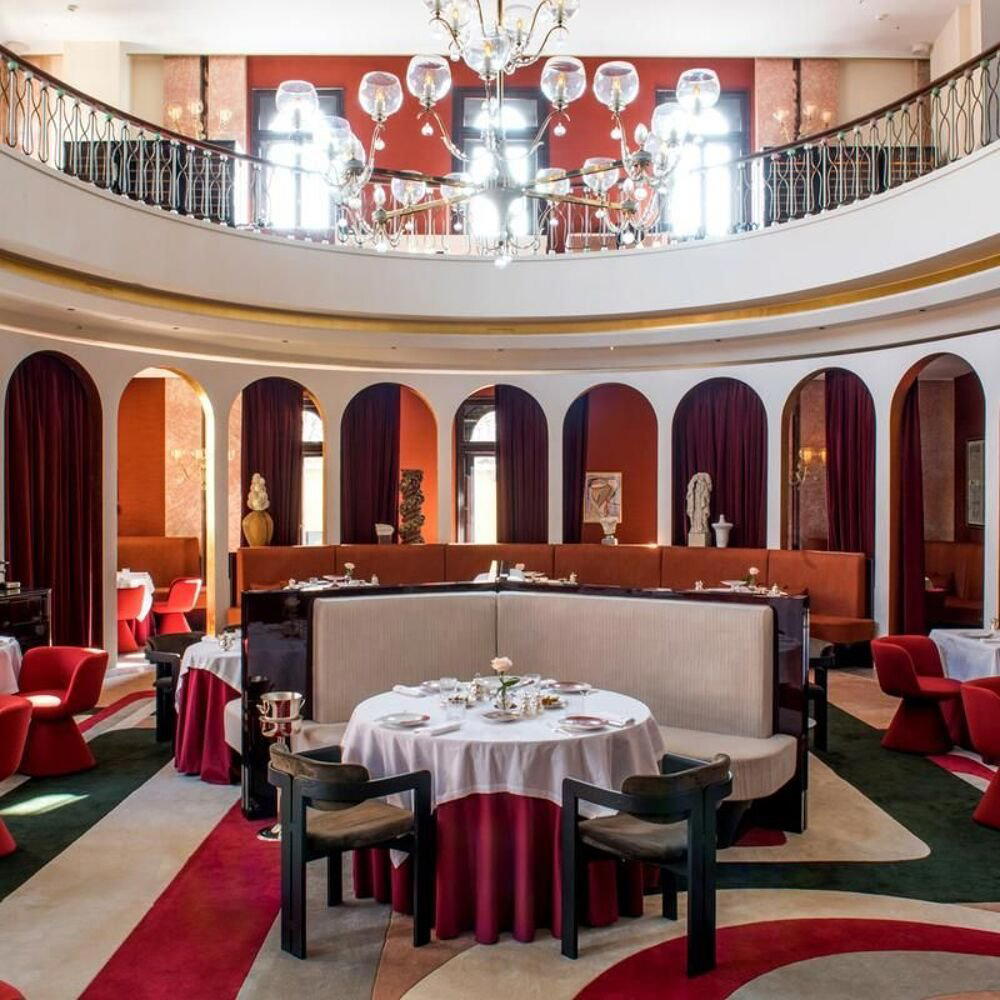
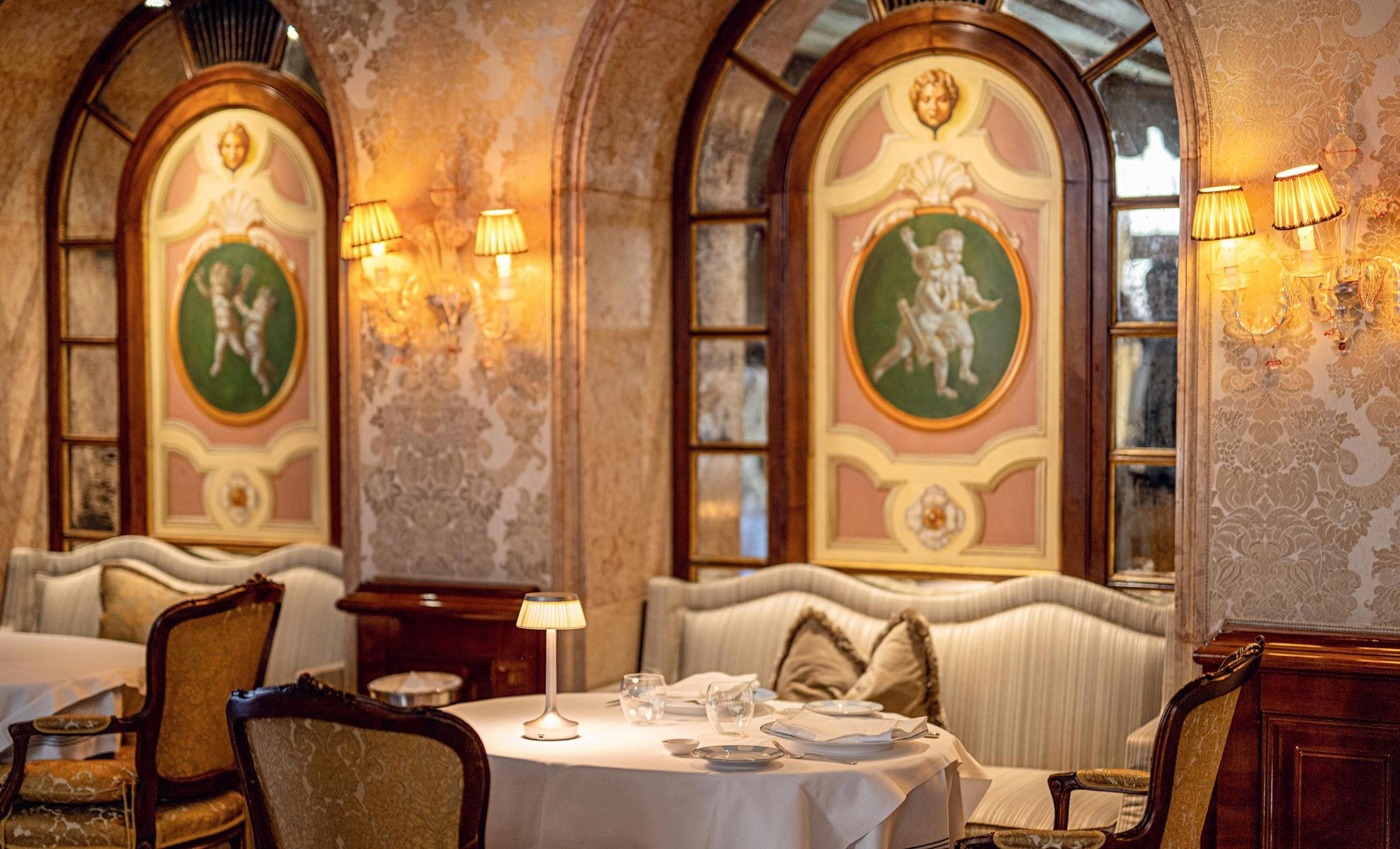
Bars in Venice
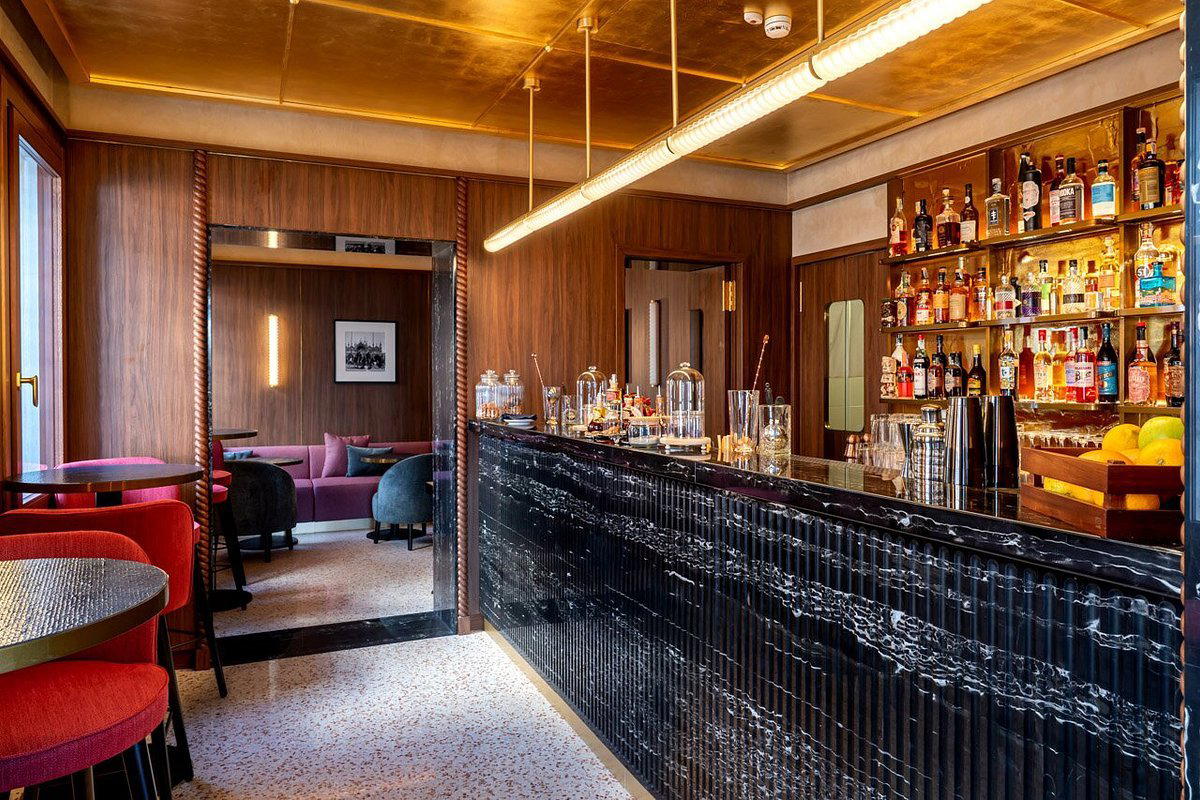
All bars in Venice →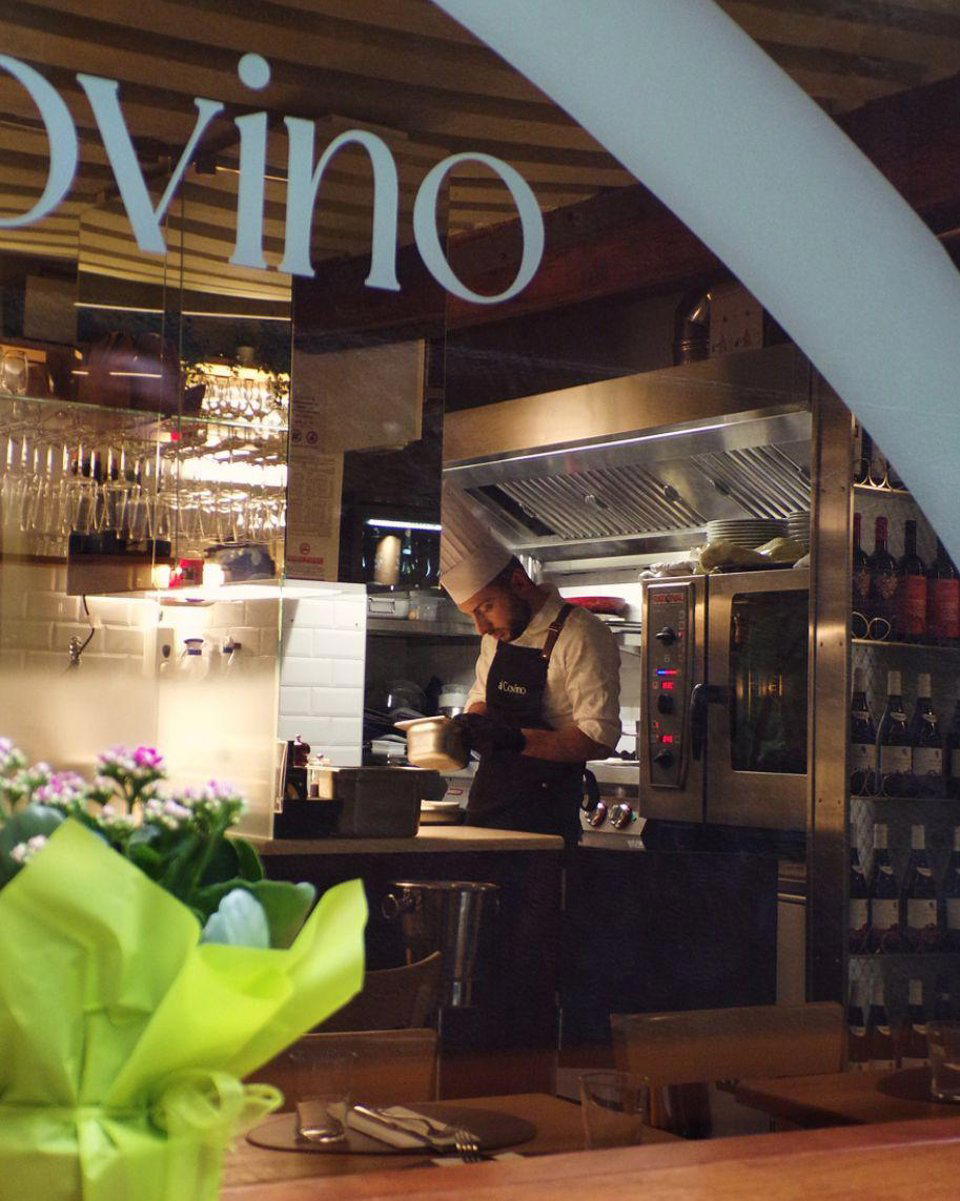
Details
- Modern
- Minimalist
- Special Occasion
- Date Night
- Open Kitchen
- Extensive Wine List
- Local Sourcing
- A La Carte
Current opening hours
- Monday
- 12–2 PM, 7–10 PM
- Tuesday
- Closed
- Wednesday
- Closed
- Thursday
- 7–10 PM
- Friday
- 12–2 PM, 7–10 PM
- Saturday
- 12–2 PM, 7–10 PM
- Sunday
- 7–10 PM
Hours can change for holidays and private events. Hours as of .
Contemporary and sleek atmosphere with an emphasis on the culinary action from the open kitchen.