"Cozy Dinner Spot Filled with Locals The front section of this small spot was crowded with locals having a quick drink and a plate of cicchetti. We had reserved one of the six tables in the back. The menu, written on a blackboard, was all almost all unknown to me. Thankfully my Milanese traveling partners were there to translate. We ordered plates of baccala manecato and polenta, a Venetian style fish lasagna, and a seafood pasta. All washed down with jugs of a cold local white."
Pearl is the En Primeur Club membership app — saves, bookings, and concierge access live there. Same editors, same standards.
- Address
- Calle de la Malvasia, 6014, 30122 Venezia VE, Italy
- Phone
- +39 041 522 9038
- Website
- osteria-al-portego.cfd
- Directions
- Get directions
 Saves & bookings on Pearl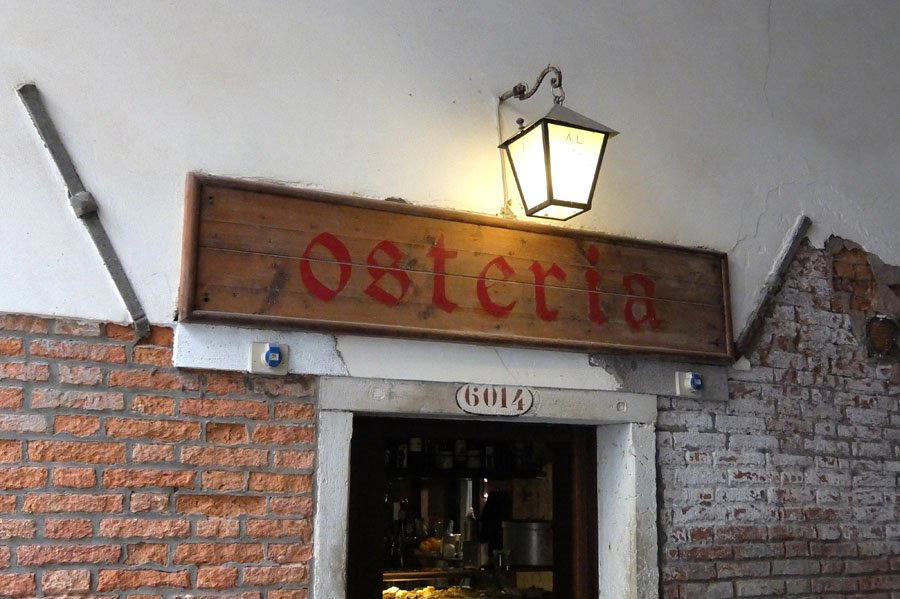
The Calle de la Malvasia and What It Tells You About Venice's Bacaro Tradition
Osteria Al Portego is a casual Traditional Venetian Cicchetti Osteria in Venice's Castello district, at Calle de la Malvasia, 6014, 30122 Venezia VE, Italy. Approach Osteria Al Portego along the narrow Calle de la Malvasia in Castello and the city has already done most of the framing for you. The lane is tight enough that two people pass sideways, the stone beneath your feet worn smooth by centuries of foot traffic, and the ambient noise is the particular low register of a Venetian neighbourhood that hasn't entirely converted itself into a stage set for tourism. This is the working, residential eastern half of Venice, and the osteria fits into it without announcement. There is no sandwich board on the pavement advertising a prix-fixe tourist menu. The physical fact of the place, its position in a district where locals still do their shopping, is itself an editorial statement about where it sits in the city's dining hierarchy.
Venice has two parallel dining cultures that rarely overlap. The first is the grand-room, white-tablecloth register: places like Ristorante Quadri on the Piazza San Marco and Oro Restaurant, where architecture, formality, and elaborate tasting menus are the point. The second is the bacaro tradition, the small, standing-room-friendly wine bars and osterias where cicheti, the Venetian answer to tapas, are passed across a counter alongside small pours of local wine. Osteria Al Portego belongs firmly to the second register, which makes it an entirely different kind of proposition from Glam Restaurant by Enrico Bartolini or Wistèria. Neither tradition is more serious than the other; they are answers to different questions about what a meal is for.
The Room: Counter Culture in a City Built on Water
The interior of a traditional Venetian osteria operates on a logic that European restaurant design often abandons in favour of maximising seated covers. The counter is the architectural spine. In the bacaro format, it displays cicheti, the small preparations that change through the day: polpette (fried meatballs), baccalà mantecato on white bread, folpeti (small boiled octopus), sardine in saor with its sweet-sour onion base and pine nuts. The customer stands, reads what is in front of them, points, eats. The transaction is tactile and immediate in a way that a printed menu is not.
Al Portego occupies a compact space in which this counter logic plays out at close quarters. The room is not designed to impress; it is designed to function. Wooden surfaces, bottles within arm's reach, the kind of lighting that doesn't make a statement. For diners accustomed to the deliberately crafted interiors of, say, Local in Venice, or the grand rooms of Enoteca Pinchiorri in Florence, the absence of design ambition here is itself the design ambition. The room communicates that the food and wine are the point, not the container. This is common in the bacaro tradition but rare in the parts of Venice that have been most thoroughly remade for visitors.
The spatial compression matters in another way: it enforces conviviality. You are close to the people next to you. The Venetian practice of the ombra, a small glass of wine traditionally consumed standing at the bar, emerged partly from this architecture. The bar is a place to pause briefly, not to colonise a table for two hours. In a city where real estate is waterlogged and cramped, the osteria format represents an efficient social technology.
Cicheti, Wine, and the Venetian Meal Structure
The cicheti-led format at a traditional osteria like Al Portego sits in a different competitive tier from the elaborate seafood preparations at Quattro Passi in Marina del Cantone or the tasting menus at Reale in Castel di Sangro. That comparison is not a criticism; it is a clarification of what the format asks of the diner. Here, restraint in preparation tends to be a feature rather than a gap. Venetian cicheti at their leading are exercises in precise technique applied to inexpensive ingredients: the baccalà mantecato requires extended whipping to achieve its mousse-like consistency; the saor preparation for sardines demands exact calibration of vinegar, sugar, and resting time.
Wine program at a traditional osteria is typically organised around the Veneto and Friuli, the two regions that define everyday drinking in Venice. Soave, Verduzzo, Refosco, and house prosecco served in the small tulip glasses called ombra glasses cover most of the territory. This is not the cellar depth of a place like Piazza Duomo in Alba or Le Calandre in Rubano. It is not meant to be. The wine exists to accompany the counter food and to make a twenty-minute stop in a Venetian back-street feel like the right use of an afternoon.
Positioning in Venice's Mid-Range Eating Scene
Venice's mid-register dining, the tier occupied by osterias, trattorie, and bacari, is more competitive on quality than it once was and more resistant to tourist pricing than its reputation sometimes suggests. Comparable Venetian addresses in the traditional format include Osteria alle Testiere in Castello and Al Covo near the Arsenale, both of which operate at the €€€ tier with a similar emphasis on local seafood and Venetian technique. Al Portego reads as part of this pattern: a Castello address, a format anchored in cicheti and local wine, a room that signals neighbourhood use rather than destination dining.
For visitors who have already scheduled a formal dinner at one of Venice's higher-register rooms, the bacaro circuit is a separate programme that runs alongside it. The Italian dining day, structured around an aperitivo hour in the late afternoon, a seated dinner in the evening, and occasional mid-morning coffee stops, has space for both registers. Al Portego sits in the aperitivo and light-lunch slots rather than the formal evening tier.
Italy's most scrutinised fine-dining rooms, from Osteria Francescana in Modena to Atelier Moessmer Norbert Niederkofler in Brunico, occupy a different conversation entirely. So do internationally significant tables like Le Bernardin in New York or Lazy Bear in San Francisco. The bacaro is a Venetian-specific institution that these places do not attempt to replicate, and the comparison illustrates why: the bacaro exists as a civic institution as much as a commercial one, tied to a city whose particular geography makes standing at a canal-side counter feel architecturally inevitable. For a broader orientation to Venice's dining scene across price points and formats, see our full Venice restaurants guide.
Planning a Visit
Osteria Al Portego is at Calle de la Malvasia 6014 in the Castello district, a neighbourhood that requires either a water-taxi drop at the Riva degli Schiavoni or a walk east from the San Zaccaria vaporetto stop. The Castello location puts it outside the densest tourist corridors, which affects both the atmosphere and the clientele. Bacari in this format typically fill earliest in the late afternoon, between roughly 17:00 and 19:00, when the standing counter is at its most animated and the cicheti selection is freshest. Arriving later in the evening, after the aperitivo rush has passed, tends to mean a quieter room. Advance planning is recommended, and checking ahead for current arrangements is advisable. Dress code expectations at a traditional bacaro are casual; the room does not ask anything of you in that regard.
The Minimal Set
Comparable venues nearby, for context on price, style, and recognition.
| Venue | Cuisine | Price | Notes |
|---|---|---|---|
| Osteria Al PortegoThis venue — the venue you are viewing | Not listed | $$ | Not listed |
| Trattoria da'a Marisa | Not listed | $$ | Cannaregio, Traditional Venetian Trattoria |
| Al Chianti | Not listed | $$ | San Marco, Traditional Venetian Italian with Pizza and Seafood |
| Taverna Dei Dogi | Castello, Traditional Venetian Trattoria | $$ | Not listed |
| All'Arco | San Polo, Venetian Cicchetti | $$ | Not listed |
| Da Rioba | Cannaregio, Creative Venetian Seafood | $$$ | Not listed |
Continue exploring
More in Venice
Restaurants in Venice
Browse all →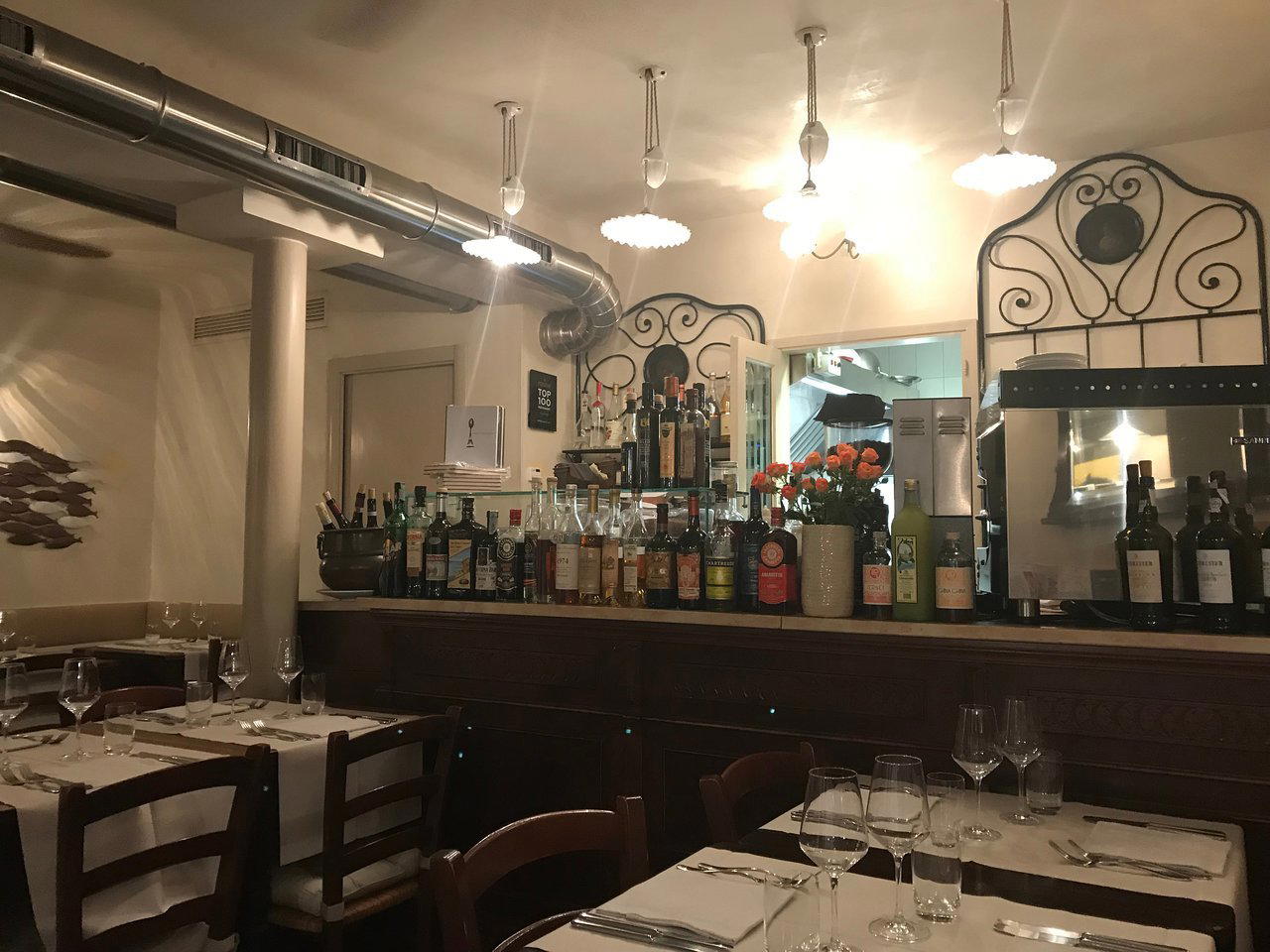
Bars in Venice
Browse all →
Hotels in Venice
Browse all →
At a Glance
- Rustic
- Cozy
- Classic
- Casual Hangout
- Historic Building
Current opening hours
- Monday
- 11:30 AM–10 PM
- Tuesday
- 11:30 AM–10 PM
- Wednesday
- 11:30 AM–10 PM
- Thursday
- 11:30 AM–10 PM
- Friday
- 11:30 AM–10 PM
- Saturday
- 11:30 AM–10 PM
- Sunday
- 11:30 AM–10 PM
Hours can change for holidays and private events. Last verified .
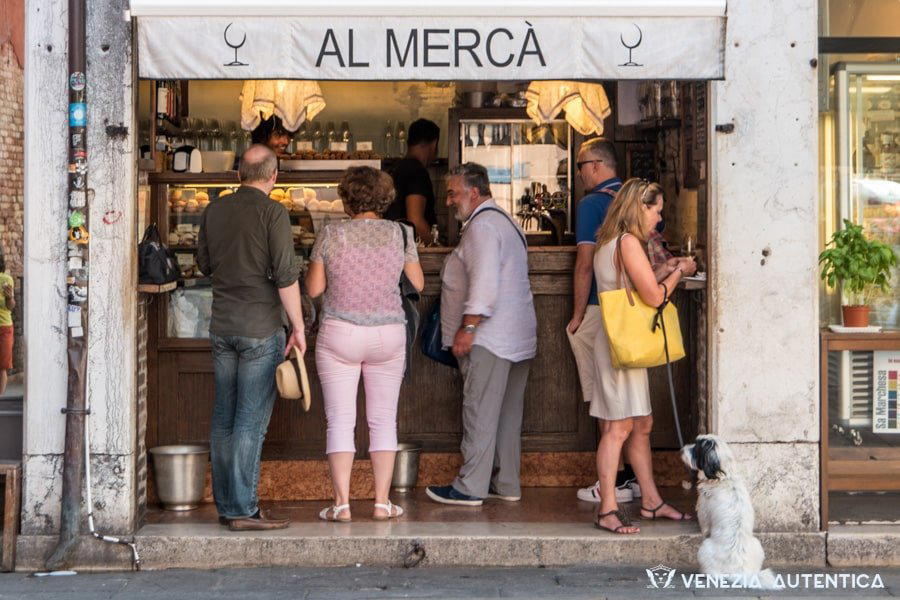
Rustic wooden decor with a lively bar atmosphere, happy drinkers outside, and cozy small tables in the dining area.