Bar Vera belongs to Pererenan’s quieter side of Bali drinking: hotel-adjacent, address-specific, and better understood as part of the island’s shift from beach-club volume toward smaller cocktail rooms. Pantai Pererenan, useful for travellers comparing Canggu-area nightlife with Bali’s broader bar circuit.

Pearl is the En Primeur Club membership app — saves, bookings, and concierge access live there. Same editors, same standards.
- Address
- Jl. Pantai Pererenan No.84, Pererenan, Kec. Mengwi, Kabupaten Badung, Bali 80351, Indonesia (heart of the hotel)
- Hours
- Daily 12 PM–12 AM
- Directions
- Get directions
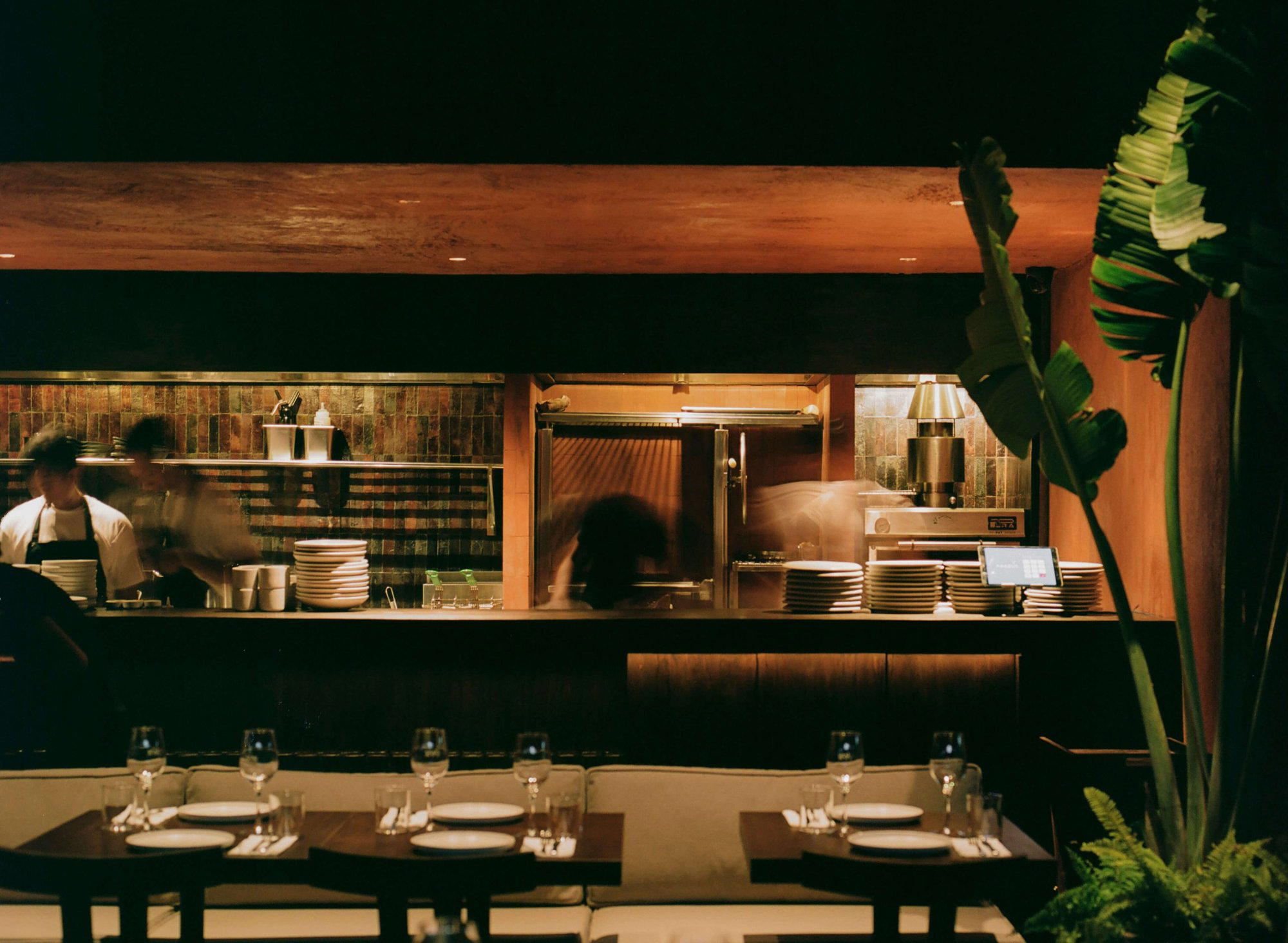
Pererenan's Quieter Drinking Register
Approaching Jl. Pantai Pererenan, the mood is different from the high-volume Bali that travellers meet first through daybeds, guest lists, and sunset sound systems. Pererenan has become the softer counterpoint to the Canggu sprawl: close enough to the surf-and-café current, but less defined by the constant churn of beach-club traffic. Bar Vera sits in the heart of its hotel at Jl. Pantai Pererenan No.84, which matters. In Bali, a bar’s address can tell the reader almost as much as a menu: beachfront venues trade on scale and view, roadside cocktail rooms rely on neighbourhood rhythm, and hotel bars tend to ask for a longer, slower visit.
The island’s bar culture now splits across several formats. There are beach clubs built for daylight drinking and bottle-service theatre; restaurant bars where the cocktail list shadows a dining room; and small-format rooms that compete on technique, mood, and the confidence to stay compact. The Pererenan address places this room closer to the last two categories than to the large coastal model. That distinction is useful for travellers planning a night around drinks rather than a full-scale party, especially in an area where the line between bar, restaurant, hotel lounge, and late-night room can blur quickly.
For a wider read on how this category fits into the island, compare it with Our full Bali bars guide. The contrast is instructive: Bali drinking is not a single scene, but a map of competing moods. Seminyak leans polished and international, Ubud has a more narrative-led cocktail culture, Nusa Dua is shaped by resort service, and Pererenan is increasingly where travellers look for a less declarative night out.
The Cocktail Question in a Hotel Setting
A hotel bar has to solve a different problem from a destination cocktail counter. It needs to work for guests coming down before dinner, travellers arriving late, and locals who would not normally cross a lobby unless the drink program has its own point of view. In Bali, that challenge is sharpened by the island’s abundance of open-air drinking spaces. A bar inside a hotel cannot rely on beach proximity alone. It has to create an interior rhythm, a reason to stay, and enough discipline behind the glass to avoid becoming a waiting room with a drinks list.
The useful editorial reading is structural: the address and format suggest a bar that belongs to Bali’s more composed cocktail tier rather than the island’s high-capacity beach-club economy. That does not mean formal or stiff. It means the reader should judge it by the standards of pacing, balance, and atmosphere, not by poolside spectacle or a dance-floor brief.
This is where Bali has become more interesting over the past decade. The island is no longer just importing global cocktail language into resort spaces; it is building separate drinking identities across districts. Ubud’s The Night Rooster in Ubud has helped define the craft-cocktail conversation away from the coast, while Seminyak venues draw from restaurant, club, and beach cultures at once. Pererenan’s appeal is subtler: it catches travellers who want the Canggu orbit without committing to Canggu’s full volume.
How to Read the Room Before Ordering
If the bar is quiet when arriving, that is not automatically a weakness. Low-capacity hotel bars often build their night in waves: early aperitif traffic, dinner-hour softness, then a later return from guests and neighbourhood drinkers. If the energy is higher, it will likely come from hotel circulation and Pererenan’s growing after-dinner crowd rather than from the mass-audience model associated with larger coastal venues.
For cocktail-focused travellers, the right question is not whether a bar is “serious” in abstract terms. The better test is whether the program shows choices: house drinks rather than only global classics, clear categories rather than a long unfocused list, proper non-alcoholic options, and staff who can explain sweetness, acidity, spirit base, and strength without turning the exchange into theatre. Those markers separate a considered cocktail room from a decorative hotel bar. They also give a reader a way to assess the experience without relying on hype, awards, or borrowed reputation.
Bali’s premium cocktail range varies sharply by district and format, especially between resort enclaves, independent bars, and beach clubs. A traveller comparing the Pererenan address with Seminyak or Nusa Dua should expect the bill to reflect location, hotel setting, and production level, then confirm current pricing directly before planning a large group night. That is not caution for its own sake; it is how Bali works now, with pricing tiers shifting quickly as neighbourhoods develop.
Pererenan Versus the Island's Louder Formats
The useful comparison is with beach-club Bali. A venue such as Potato Head Beack Club in Seminyak operates in a different register: scale, architecture, music programming, and the long sunset arc are part of the proposition. A Pererenan hotel bar asks for another kind of attention. The evening is measured in conversation, pacing, and drink construction rather than arrival photos and a full-day itinerary.
Nusa Dua’s resort bars sit in another category again. Azure Bar & Kiosk in Nusa Dua belongs to a resort-heavy geography where service expectations and guest convenience shape the experience. Lombok’s Amavi Beach Club in Lombok shows how the beach-club format travels beyond Bali while keeping its dependence on daylight, coastline, and leisure infrastructure. Pererenan is less about resort enclosure and less about destination spectacle. Its value lies in proximity to Bali’s current creative corridor while retaining some neighbourhood looseness.
Restaurant bars also complicate the map. Mamasan Bali in Banjar Badung sits in the dining-led end of the spectrum, where cocktails often function beside food and the room carries restaurant momentum. That is a different decision for the traveller. If dinner is the anchor, a restaurant bar makes sense. If the evening is built around drinks before or after eating nearby, a hotel-based Pererenan room can be the more flexible choice.
The Wider Indonesian Cocktail Context
Bali’s bar scene should not be read in isolation from Indonesia’s broader urban drinking culture. Jakarta has developed a sharper cocktail identity through independent rooms, hotel bars, and design-forward drinking spaces that speak to a metropolitan audience. Carrots Bar in Jakarta sits in that national comparison, reminding travellers that Indonesian cocktail culture is not only a resort-island story. Bali receives a heavy share of international attention because of travel volume, but Jakarta often supplies a more urban benchmark for service pace, bar technique, and late-night discipline.
The international comparison matters too. A bar such as Café La Trova in Miami shows how a city can turn cocktail identity into cultural theatre through music, heritage, and a strong house style. Bali’s strongest rooms usually work differently. They tend to absorb local ingredients, tropical pacing, hotel architecture, and expatriate drinking habits into formats that can feel informal on the surface and technically ambitious underneath. The risk is dilution, with too many venues borrowing the language of craft without the structure behind it. The opportunity is a bar culture that does not need to mimic London, Singapore, or New York to be taken seriously.
The stronger claim is contextual: its Pererenan hotel setting places it in a part of Bali where the next phase of island drinking is being negotiated at smaller scale. That is a more useful reading than pretending every venue arrives fully formed with a public mythology.
Food, Hotels, and the Neighbourhood Circuit
Pererenan’s appeal is partly logistical. Travellers staying near Canggu, Echo Beach, or Mengwi can build an evening without crossing the island’s heavier traffic corridors, while those based in Seminyak or Ubud need to think more carefully about timing. That is especially relevant in Bali, where rain, traffic, and last-minute private events can change the shape of a night.
The bar also sits inside a wider travel decision. Visitors pairing drinks with dinner should consult Our full Bali restaurants guide to avoid treating Pererenan as a single-stop neighbourhood. The area works better as a sequence: early drink, nearby dinner, late drink, or the reverse depending on transport and energy. For those comparing places to stay, Our full Bali hotels guide gives the bigger context, since a hotel bar is always partly shaped by its property’s guest profile and location strategy.
The same applies beyond restaurants and hotels. Bali’s premium itinerary now includes drinks, beach clubs, cooking formats, wellness programming, galleries, and coastal excursions in one compressed geography. Our full Bali experiences guide helps frame where a cocktail stop fits into a broader day, while Our full Bali wineries guide is useful for readers tracking how wine, spirits, and hospitality intersect across the island, even where local wine culture remains a smaller part of the conversation than cocktails, beer, and imported bottles.
Planning Notes for a Pererenan Night
Cleanest way to use this address is as part of a Pererenan or greater Canggu evening rather than a standalone cross-island mission. Arrive with flexibility on timing, especially if coming from Nusa Dua, Ubud, or central Seminyak during peak traffic periods. In Bali, that step is not administrative fuss; it can determine whether the night feels fluid or fragmented.
Dress expectations should be read through the hotel setting and neighbourhood rather than guessed from a formal code. Pererenan is relaxed by nature, but hotel bars generally reward a cleaner version of island casual. Couples or solo travellers have more room to adapt, particularly if using the bar before dinner rather than as the final stop of the night.
The editorial recommendation is conditional. If the aim is a beach-club day, this is not the obvious first choice; Bali has dedicated venues for that. If the aim is a lower-volume cocktail stop in Pererenan, the hotel setting gives the address a useful role. Its promise is not scale. It is the chance to place a drink inside a neighbourhood that has become one of Bali’s more interesting alternatives to the island’s louder hospitality circuits.
Continue exploring
More in Bali
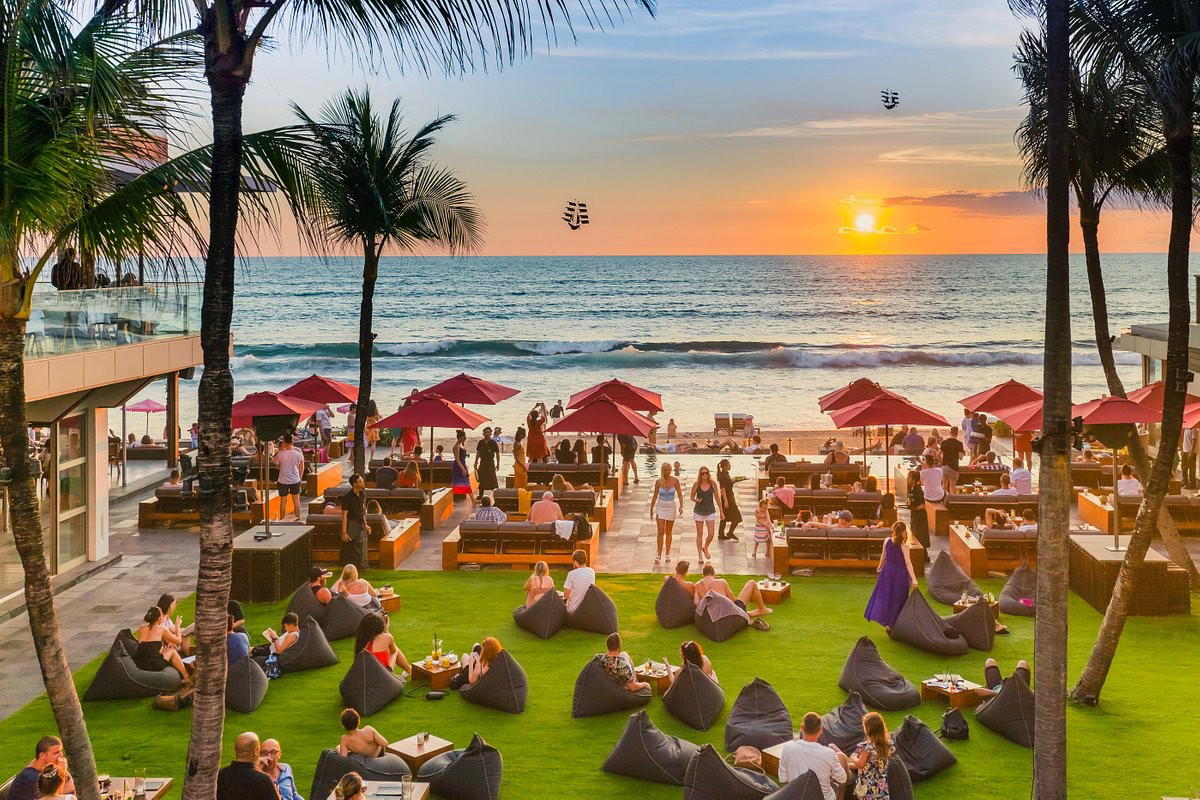
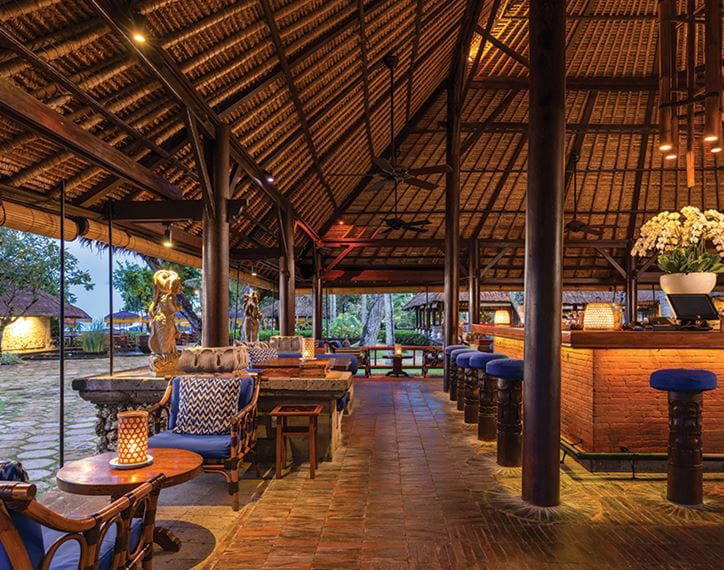
Restaurants in Bali
Browse all →
Bar Vera
The wine
- Wine program
- Exceptional wine program
- Natural wine
- Craft cocktails
- Classic cocktails
Signature drinks: Tiki Lima.
Details
- Trendy
- Elegant
- Sophisticated
- Lively
- Cozy
- Date Night
- Casual Hangout
- Celebration
- After Work
- Group Outing
- Special Occasion
- Design Destination
- Hotel Bar
- Standalone
- Seated Bar
- Lounge Seating
- Communal Tables
- Booth Seating
- Classic Cocktails
- Craft Cocktails
- Natural Wine
- Conventional Wine
- Low Abv
Current opening hours
- Monday
- 12 PM–12 AM
- Tuesday
- 12 PM–12 AM
- Wednesday
- 12 PM–12 AM
- Thursday
- 12 PM–12 AM
- Friday
- 12 PM–12 AM
- Saturday
- 12 PM–12 AM
- Sunday
- 12 PM–12 AM
Hours can change for holidays and private events. Last verified .
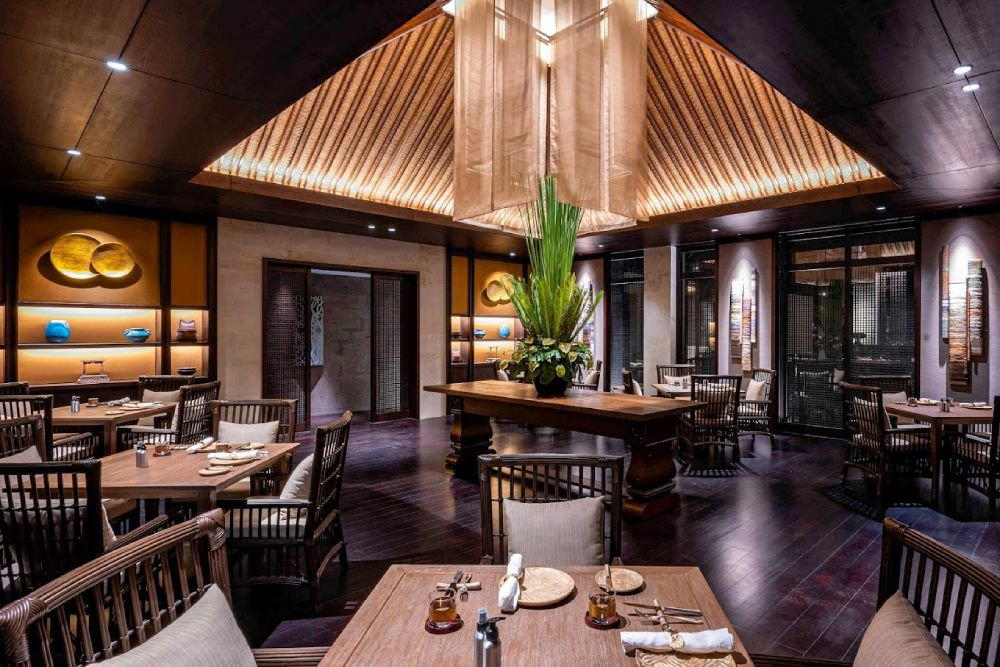
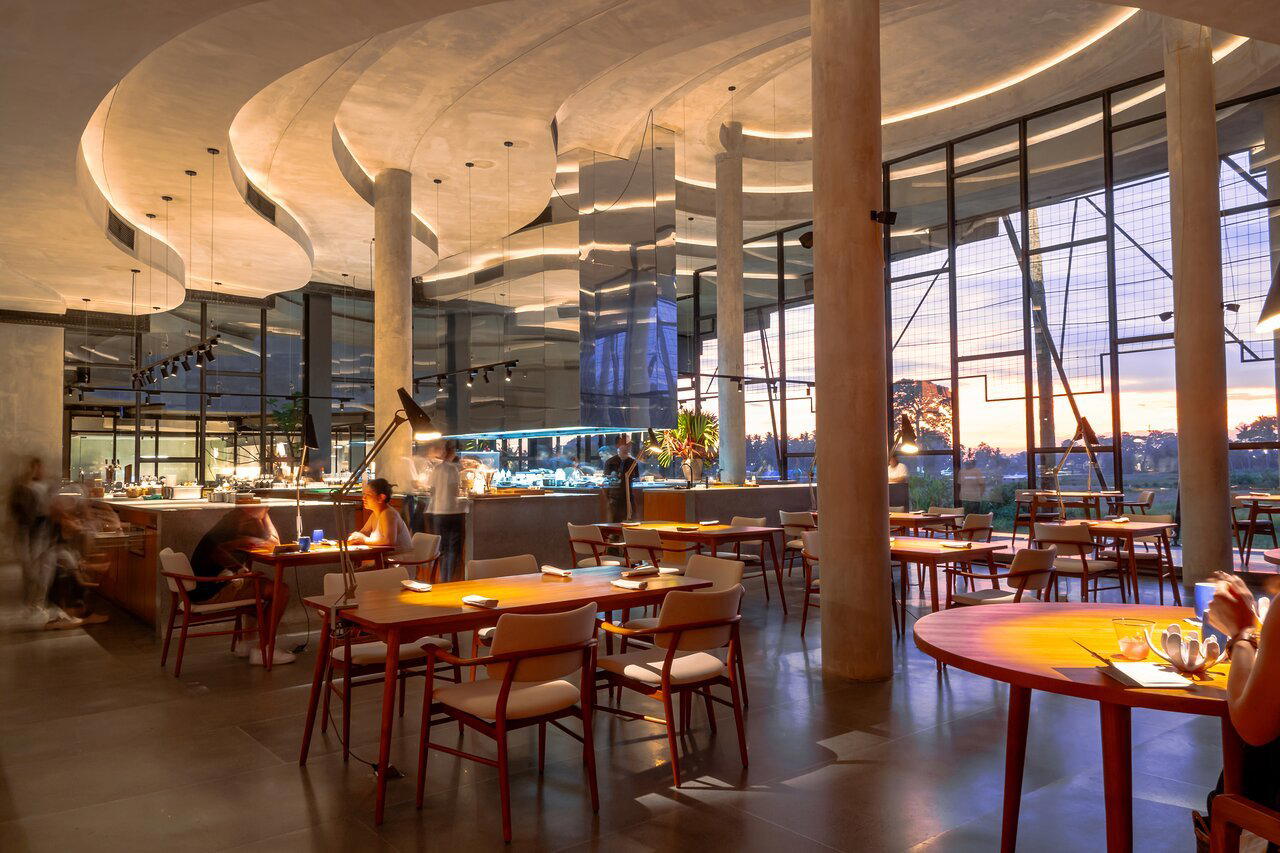
Warm, social, and softly lit with earthy natural tones, terracotta, wood, stone, and concrete, creating a chic Parisian neighborhood bistro feel that is lively yet relaxed.