Our verdict
Sushidokoro Suzu occupies a quietly positioned address in Akasaka, Minato, placing it within one of Tokyo's most competitive sushi corridors. The format follows the intimate counter tradition that defines serious Tokyo omakase: a small room, a single sitting, and a kitchen that operates without distraction. Planning ahead is essential, counters at this tier of the Akasaka scene rarely hold open seats.

Pearl is the En Primeur Club membership app, where members save venues, book tables and use the concierge.
Akasaka's Sushi Counter Tradition
The Akasaka district of Minato sits at a particular intersection in Tokyo's dining hierarchy. It is close enough to the political and corporate core of the city that it has always supported serious restaurants, but far enough from the tourist circuits of Ginza or Shinjuku that its better counters operate largely on word-of-mouth and return clientele. The neighbourhood's sushi scene is not concentrated in a single block the way parts of Ginza are, instead, counters like Sushidokoro Suzu are distributed quietly across second-floor addresses and unmarked building entrances, which is itself a signal. In Tokyo, the restaurants most worth pursuing tend not to advertise their presence at street level.
The broader pattern in Tokyo sushi right now is one of compression at the leading. The pool of genuinely elite omakase counters has not grown significantly, but competition for seats has intensified, partly from domestic demand recovering post-2020 and partly from international visitors whose Tokyo itineraries now frequently centre on a sushi reservation as the anchor experience. Counters in Akasaka sit in a middle tier of this attention economy, less globally profiled than the Ginza flagships, but drawing a clientele that often prefers that. For comparison, Harutaka in Ginza operates at the upper bracket of the city's omakase pricing and recognition structure, with a booking difficulty that reflects that position. Akasaka counters tend to operate with slightly less advance-booking pressure, though the gap has narrowed.
The Physical Setting as Context
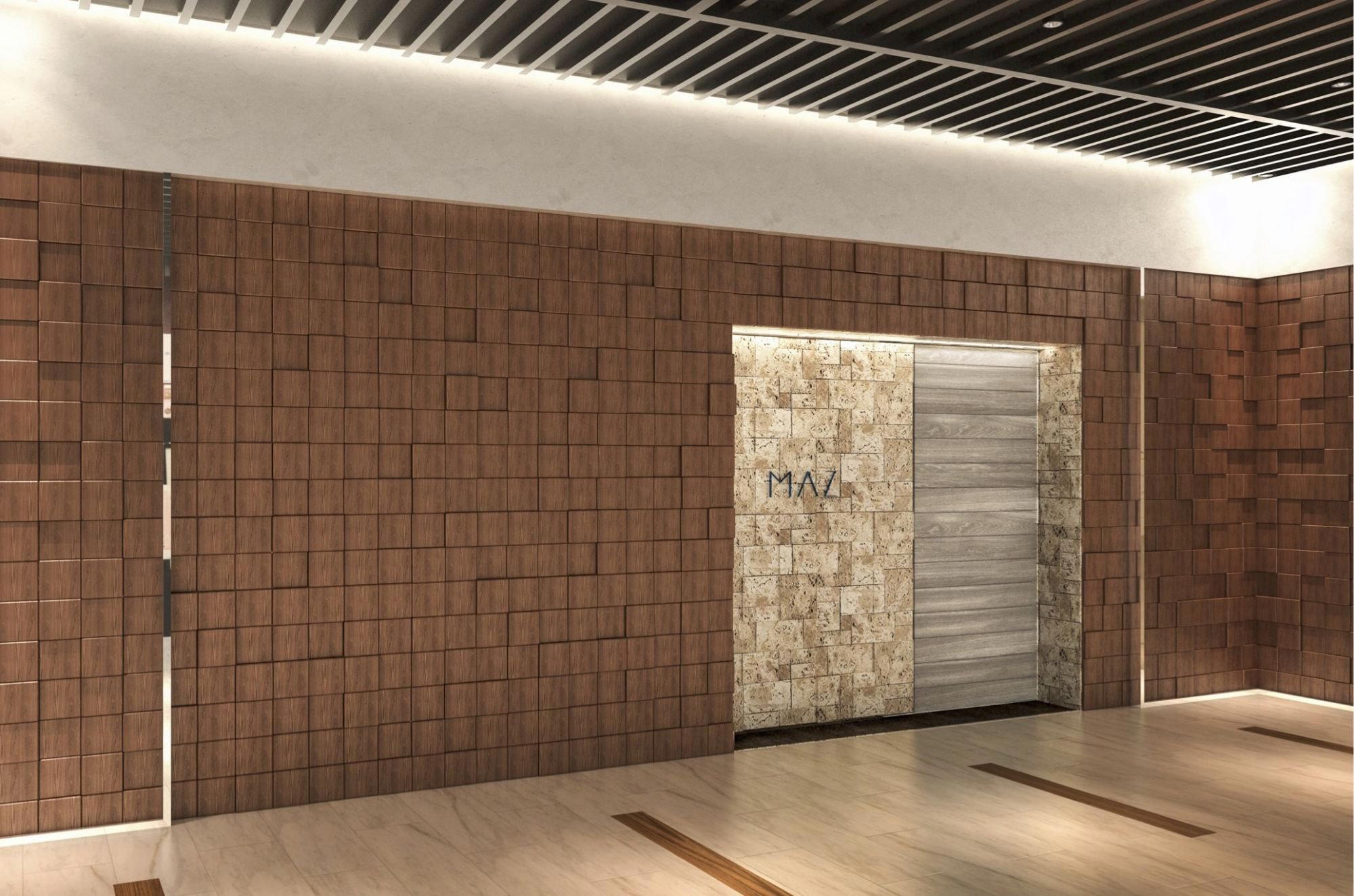
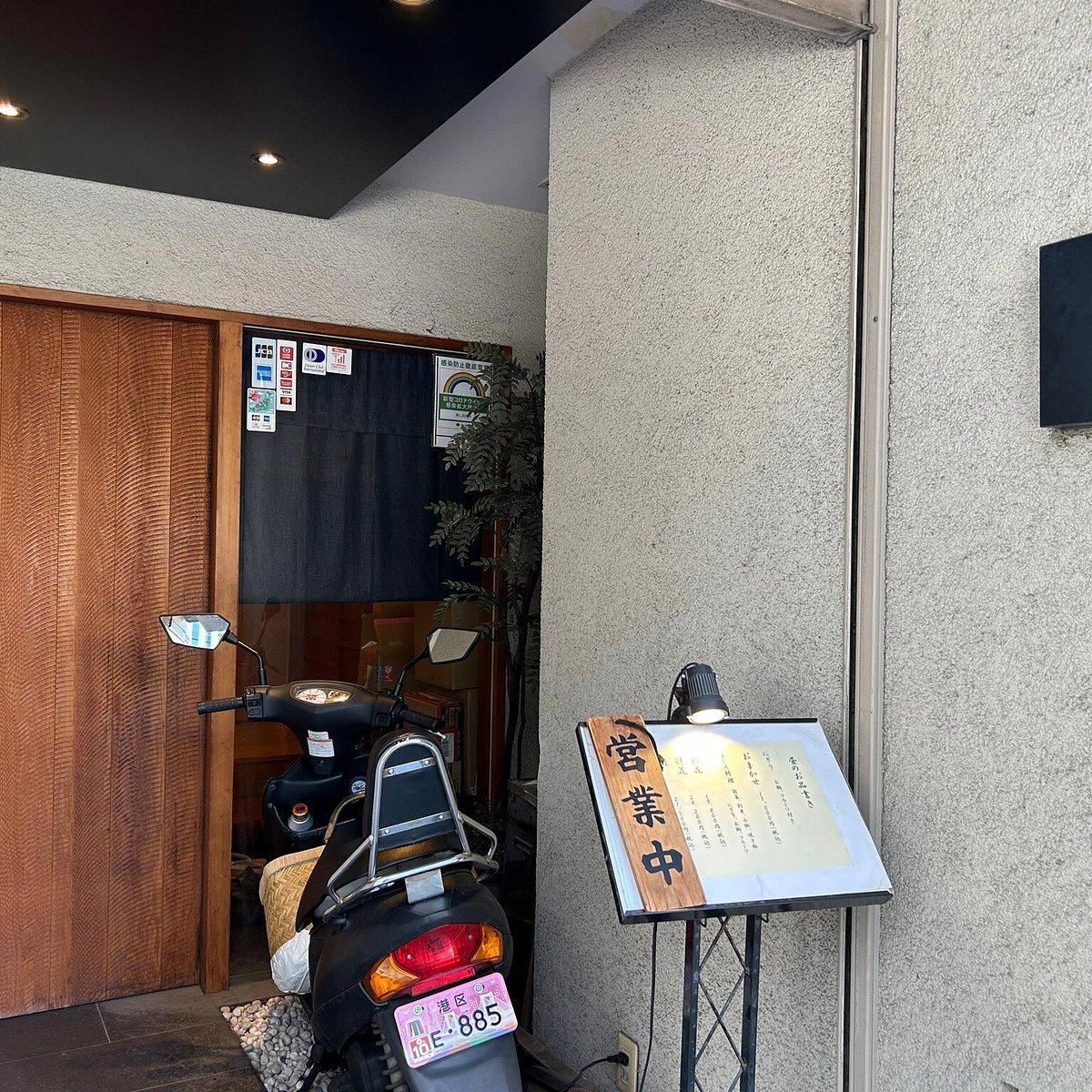
Arriving at Sushidokoro Suzu requires the kind of attention to address detail that defines counter sushi in Tokyo. The venue sits at 2-9-4 Akasaka in Minato City, a specific building, a specific floor, and the sort of entrance that first-time visitors routinely walk past. This is not accidental. The physical discretion of Tokyo's serious sushi counters is a long-standing convention: it filters for guests who have done the work to find the reservation and the address, and it creates a room defined by focus rather than footfall.
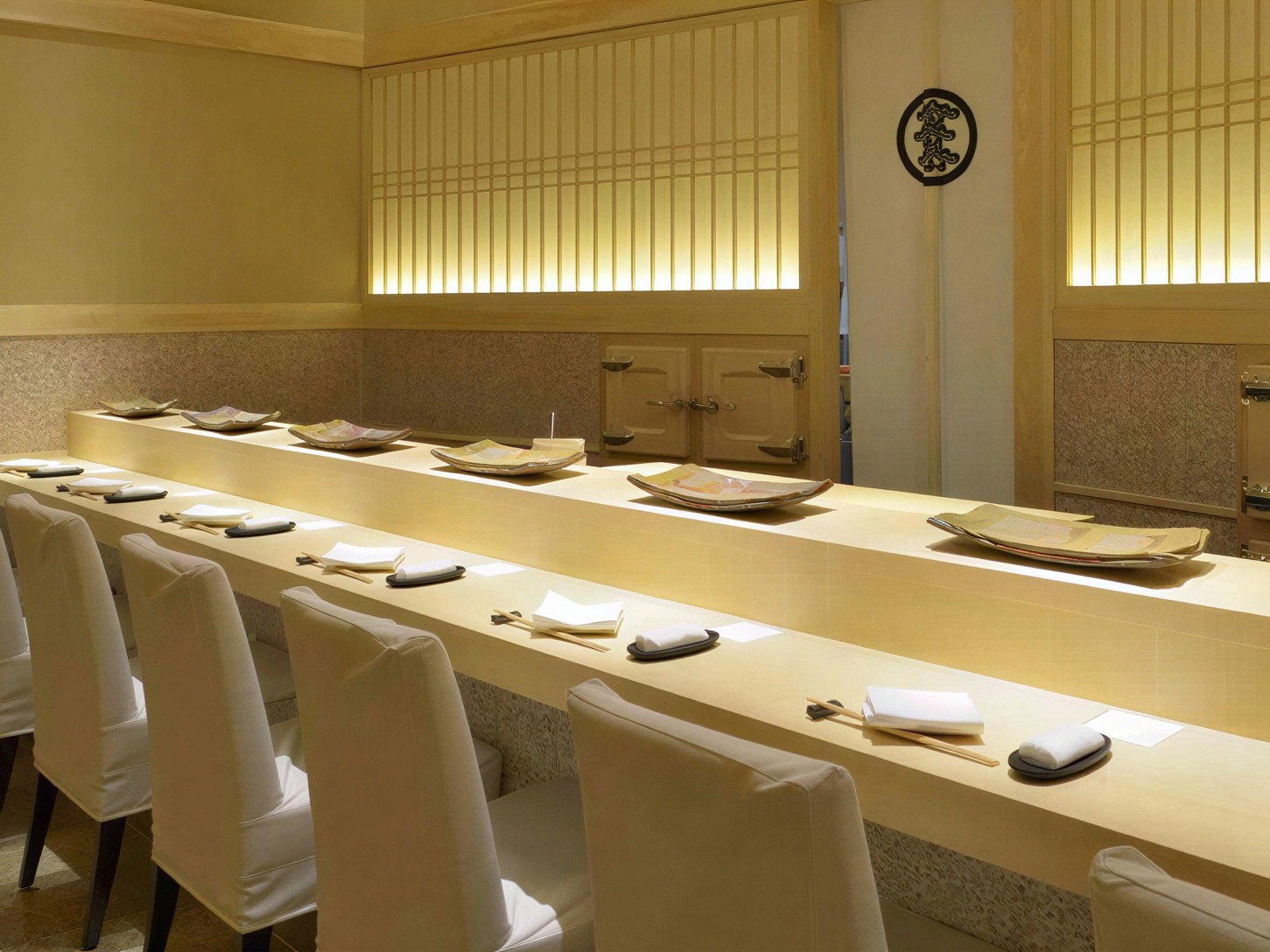
Counter sushi at this level is designed around a particular kind of silence. Not the silence of an empty room, but the working silence of a kitchen that has stripped away everything that does not serve the rice and the fish. The counter itself, the plank of wood between guest and itamae, is the entire architecture of the experience. There are no supplementary dining rooms, no cocktail bar to open the evening, no separate dessert space. The format demands that the food carry the full weight of the occasion, which is precisely what makes this style of dining different from the broader high-end restaurant circuit. Venues like RyuGin and L'Effervescence operate in entirely different structural registers, with multi-course progression, kitchen teams, and service hierarchies. A sushi counter collapses all of that into a single figure working in front of you.
Planning the Reservation: What to Know Before You Go
The editorial angle on Sushidokoro Suzu is, at this point, substantially a booking story. The venue's data footprint is small, no website, no listed phone number in widely circulated directories, no public booking platform in the standard channels. That profile is consistent with a counter that books through introduction, repeat visits, or local intermediaries rather than through direct online access. It is a pattern common enough in Tokyo's serious dining tier that travellers encountering it for the first time sometimes mistake scarcity of information for closure or irrelevance. Neither is accurate.
The practical implication is that first-time access to counters operating on this model typically requires either a hotel concierge with established relationships, the concierge desks at Tokyo's better properties maintain direct lines to a range of counters that do not accept foreign-language cold calls, or a local contact who can make an introduction in Japanese. For visitors building a Tokyo itinerary around high-end dining, this is worth factoring into planning time. A Ginza counter with an English-language booking site can be secured in a single afternoon of research. A counter like Suzu may require two to three weeks of lead time at minimum, and that assumes a working contact. Seasonally, the autumn months of October and November represent the heaviest booking pressure across Tokyo's fine dining tier, as visitors align with both the culinary season and the period before year-end corporate entertaining crowds the schedule.
Comparison set matters here. Travellers who have used platforms like TableAll or Tablecheck to book Sézanne or Crony, both of which operate with more transparent booking infrastructure, will find this a different process. Those venues have invested in international accessibility as part of their positioning. Counters like Suzu have not, and that distinction is a feature rather than a flaw: it shapes the room you walk into.
Situating Suzu in Japan's Broader Counter Landscape
Tokyo's concentration of serious sushi is unmatched domestically, but the counter tradition it represents has strong regional expressions across Japan. Goh in Fukuoka operates in an entirely different culinary register but shares the small-room, itamae-forward logic. Further north, this Sapporo counter works within Hokkaido's seafood proximity, while this venue in Nanao draws on Noto Peninsula sourcing in ways that Tokyo counters, operating at greater distance from their fish, cannot replicate without logistics. The Akasaka counter exists in a city that can source from anywhere and pays for that privilege. What distinguishes a Tokyo counter at this level is not proximity to the sea but the depth of supplier relationships and the precision of the rice work, two elements that do not change regardless of where the fish originates.
For visitors whose itinerary extends beyond Tokyo, the comparison with Gion Sasaki in Kyoto and HAJIME in Osaka is worth holding in mind, though both operate in quite different formats. The kaiseki and tasting-menu traditions of the Kansai region approach the same level of sourcing rigour through a different structural grammar. See our full Tokyo restaurants guide for a broader map of the city's dining tiers.
For travellers tracking the same counter tradition in international contexts, the closest structural analogue, small counter, single sitting, itamae-led, is largely absent from Western cities. The tasting-menu format at places like Le Bernardin in New York or Atomix shares the price tier but not the physical architecture. The sushi counter remains a specifically Japanese form.
Practical Reference
Sushidokoro Suzu is located at 2-9-4 Akasaka, Minato City, Tokyo. No public website or booking platform is available through standard channels; access is most reliably secured through a hotel concierge with Tokyo dining relationships or a local Japanese-speaking contact. For autumn visits, begin booking outreach six to eight weeks in advance. Additional regional recommendations across Japan, from akordu in Nara to this Takashima restaurant, as well as options further afield including Bistro Ange in Toyohashi, Birdland in Sakai, and this Nishikawa Machi address, are covered in the EP Club Japan series.
Frequently asked questions
What's Sushidokoro Suzu's location?
Sushidokoro Suzu is located at Japan, 〒107-0052 Tokyo, Minato City, Akasaka, 2 Chome−9−4 千代田ビル 1階, Tokyo.
Is Sushidokoro Suzu suitable for first-time visitors to Tokyo's counter sushi scene?
The venue's location in Akasaka, Minato City and its lack of any public website or phone listing suggest it operates primarily for an established, returning guest base. Counter sushi at this level of discretion typically assumes familiarity with omakase etiquette, including pacing, dietary communication, and the absence of à la carte options. First-time visitors to Tokyo's counter circuit would benefit from building experience at more accessible counters before pursuing an introduction to Sushidokoro Suzu.
What do regulars order at Sushidokoro Suzu?
No menu is publicly documented for Sushidokoro Suzu, and the venue maintains no website or listed booking platform. Counter sushi addresses of this type in Akasaka, Minato City typically operate on an omakase basis, meaning the chef sets the sequence entirely. Arriving with preferences or dietary restrictions communicated in advance is standard practice at counters in this category.
How far ahead should I plan for Sushidokoro Suzu?
Sushidokoro Suzu has no public website and no listed phone number, which means access runs through personal introductions or established local contacts rather than open reservation systems. That booking structure alone suggests planning weeks to months ahead, depending on the strength of your referral channel. For visitors coming from outside Japan, securing a connection before arriving in Tokyo is advisable.
What is Sushidokoro Suzu known for?
Sushidokoro Suzu occupies the quietly serious tier of Akasaka's counter dining scene, a district where corporate and political proximity has historically supported small, formal sushi rooms with little public presence. The address at 2-9-4 Akasaka in Minato City places it within walking distance of that institutional core. Its near-absence from public data channels is itself a signal of the venue's orientation toward repeat, referred clientele rather than destination traffic.
Similar Picks
Comparable venues nearby, for context on price, style, and recognition.
| Venue | Cuisine | Price | Awards | Notes |
|---|---|---|---|---|
| Sushidokoro SuzuThis venue (the venue you are viewing) | Traditional Edomae Omakase | $50–100 | Not listed | Not listed |
| 日本料理 明寂 | Modern Minimalist Kaiseki | $300–500 | 3 Michelin Stars · World's 50 Best #33 | Nishi-Azabu |
| 鮨処やまと | Edomae Sushi Omakase | $200–300 | Not listed | Tsukiji |
| 茜坂大沼 赤坂店 | Traditional Seasonal Kaiseki | $200–300 | Michelin Plate · Tabelog Bronze #339 | Minato |
| Unagi Akasaka Sekine | Michelin-Starred Unagi Omakase | $300–500 | Not listed | Minato |
| Sushi Tanji | Traditional Edo-style Omakase Sushi | $150–200 | Not listed | Minato |