Bo Shanghai occupies the sixth floor of a Guangdong Road address in Huangpu, positioning itself within Shanghai's competitive tier of modern Chinese dining. The kitchen operates at the intersection of sourcing discipline and contemporary technique, drawing on a broader regional pantry at a moment when ingredient provenance has become a defining marker of credibility in the city's high-end restaurant conversation.
Pearl is the En Primeur Club membership app — saves, bookings, and concierge access live there. Same editors, same standards.
- Address
- China, Shanghai, Huangpu, 20, Guangdong Rd, 20å·6楼 é®æ¿ç¼ç
- Phone
- +862153833656
- Directions
- Get directions
 Saves & bookings on Pearl
Guangdong Road and the Question of Where Food Comes From
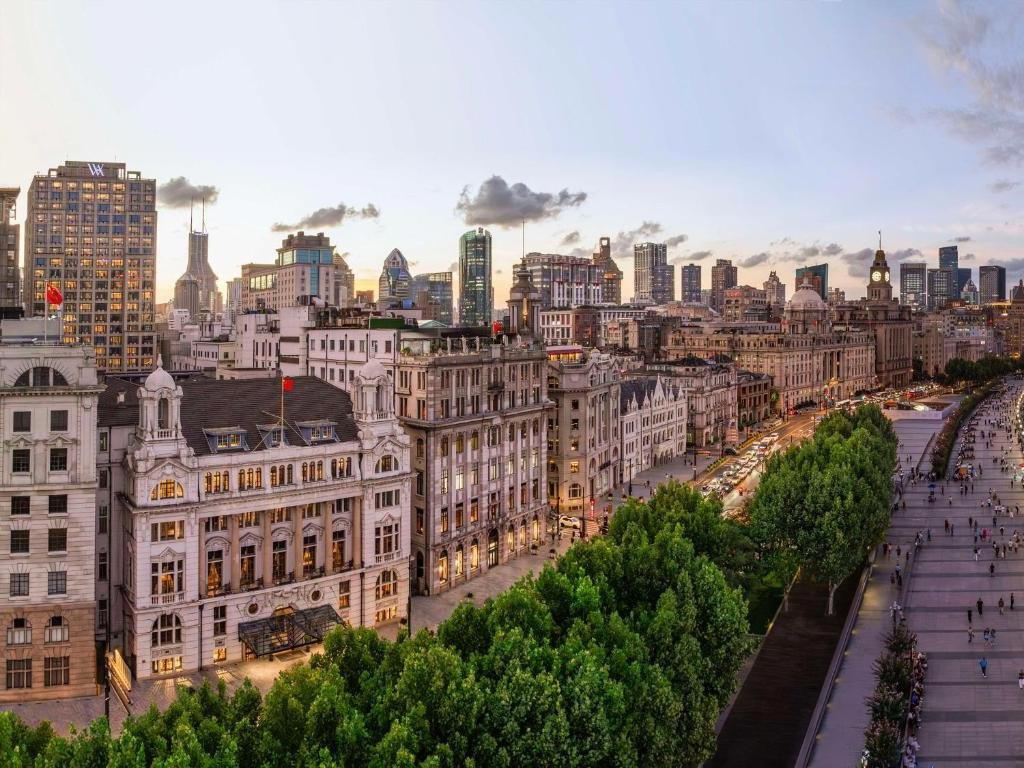
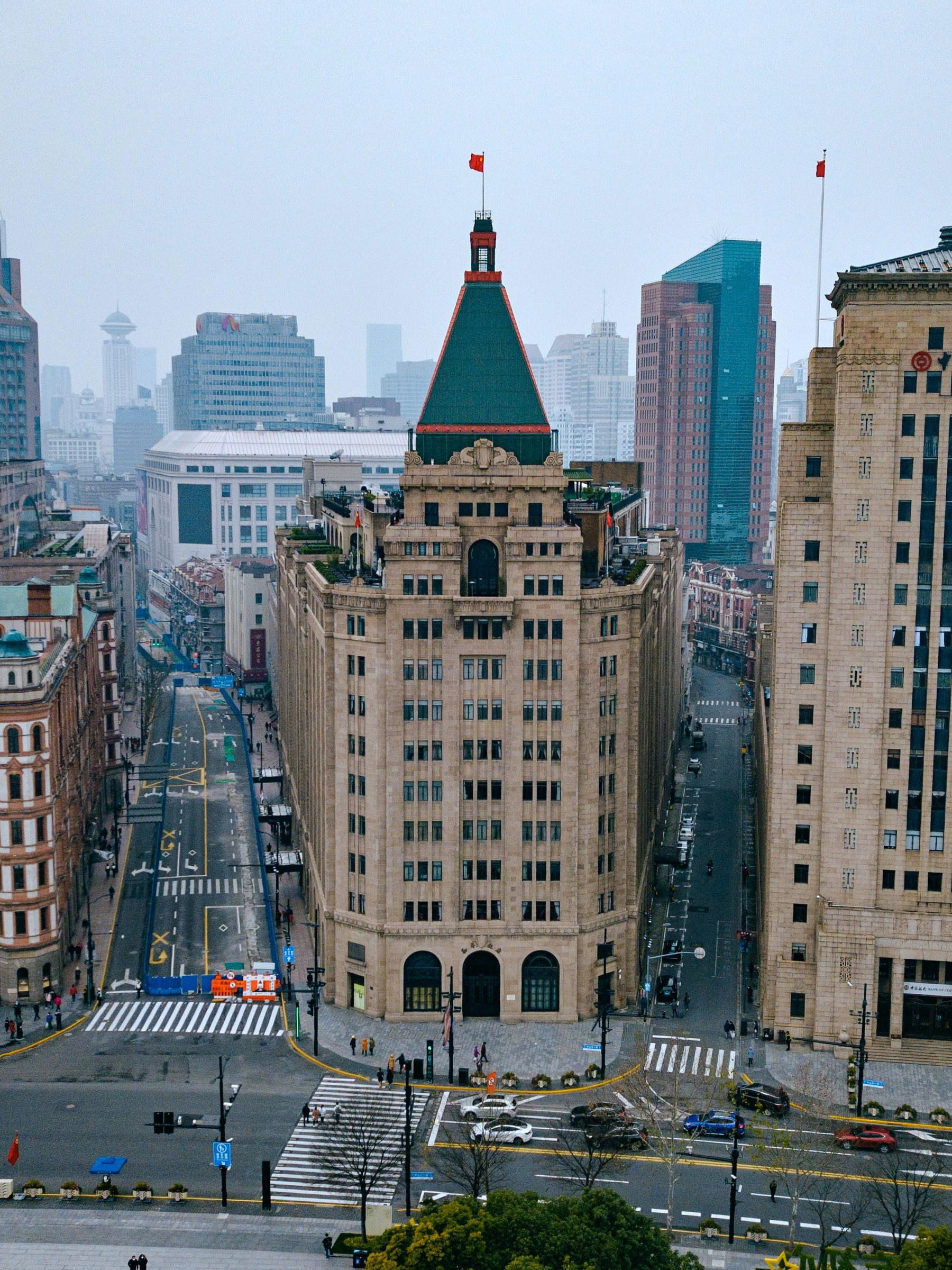
Huangpu's Guangdong Road sits a few blocks from the Bund, close enough to benefit from the district's international foot traffic but removed enough to feel like a local address rather than a tourist corridor. This location matters more than it might first appear: the restaurants that have taken root in this part of Shanghai's old commercial core tend to operate with a specific kind of seriousness, directing their energy toward the kitchen rather than the view. Bo Shanghai, on the sixth floor of the building at No. 20, fits that pattern. It is a restaurant in Shanghai's Huangpu district, with a price tier of about US$150 per person.
Shanghai's premium dining tier has reorganised significantly over the past decade, and the shift has not been primarily about technique or format. The more consequential change has been in how kitchens source their raw materials. That context shapes what Bo Shanghai is doing, and why it matters in the broader conversation about what Chinese fine dining means in 2024 and beyond.
A City That Has Learned to Ask Where Ingredients Come From
Shanghai's position as China's most internationally connected food city has produced a specific kind of scrutiny. Diners here have access to comparable experiences across Asian capitals, and a growing number have eaten at the reference-point restaurants in Tokyo, Hong Kong, and Seoul. That exposure has raised the baseline expectation around sourcing transparency, particularly at restaurants operating in the higher price brackets. The question of whether a kitchen sources from dedicated farms, specific regional producers, or heritage-breed suppliers has moved from niche concern to mainstream criterion.
This shift has pushed Shanghai's serious Chinese restaurants into sharper differentiation. Some have leaned into Jiangnan tradition, emphasising the agriculture of the Yangtze Delta. Others have drawn on the broader Chinese interior, sourcing ingredients from Yunnan, Sichuan, or the northern plains to add range and depth to their pantries. The restaurants that do this convincingly, where the sourcing discipline is visible on the plate, not just described on a menu preamble, occupy a distinct tier from those that treat fine ingredients as decoration rather than foundation. Bo Shanghai's position within Huangpu places it in a district where that tier is well represented, and where the competition for the sourcing-serious diner is real.
For useful comparison within the same city, Fu He Hui has built its reputation on vegetarian cuisine that treats plant sourcing as the entire point of the exercise, while Taian Table has established a different model, using a modern European framework with a rigorous seasonal and regional sourcing ethos. 102 House and Xin Rong Ji (West Nanjing Road) represent the Cantonese and Taizhou traditions respectively, each with their own sourcing logic rooted in specific regional produce. Bo Shanghai sits within this competitive field, operating at the intersection where Chinese culinary heritage and contemporary ingredient discipline overlap.
The Format and Physical Experience
The sixth-floor address at 20 Guangdong Road signals a certain intention. Street-level restaurants in Huangpu face relentless competition from casual operators; a restaurant that asks diners to take a lift suggests it is confident enough in its offer not to rely on passing footfall. The architecture of access, the deliberate arrival, shapes how a meal begins before anyone has touched a chopstick.
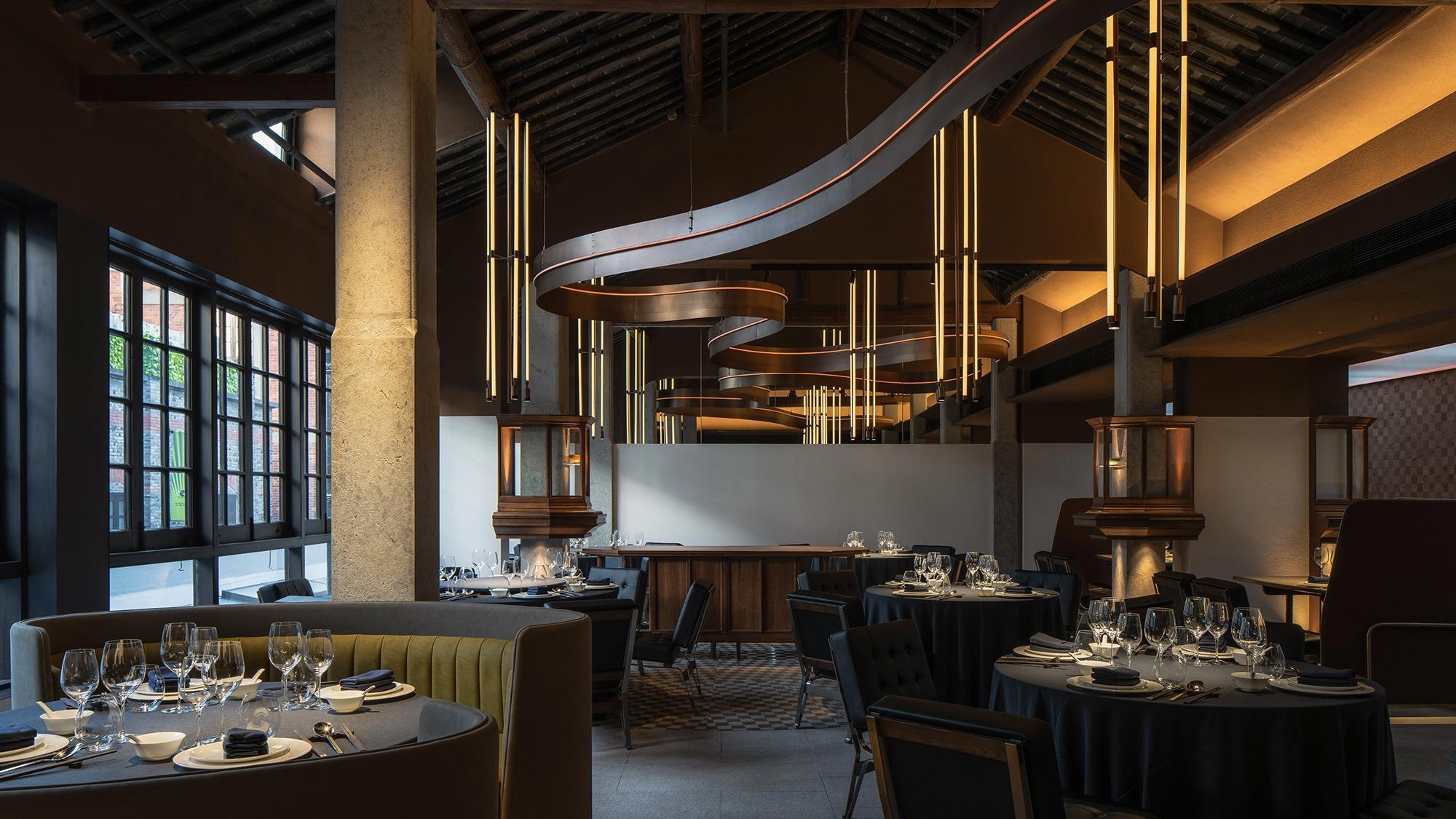
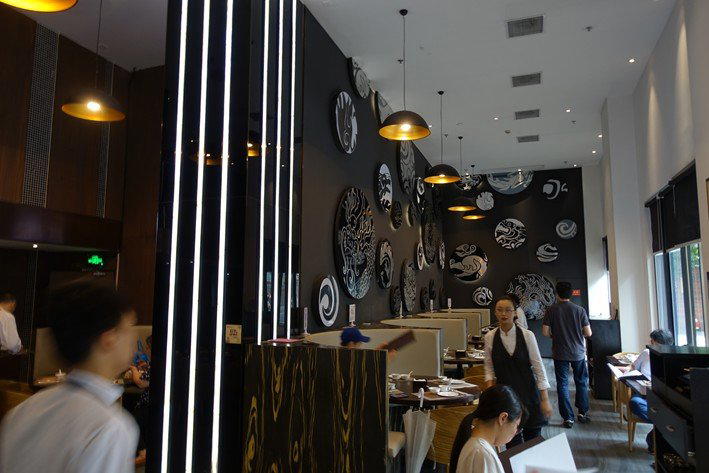
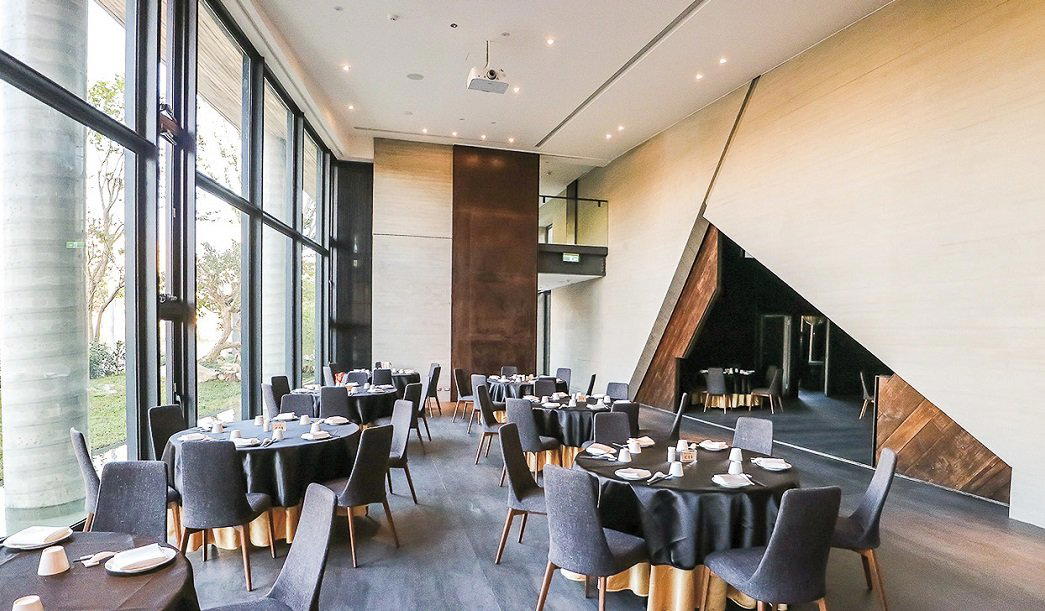
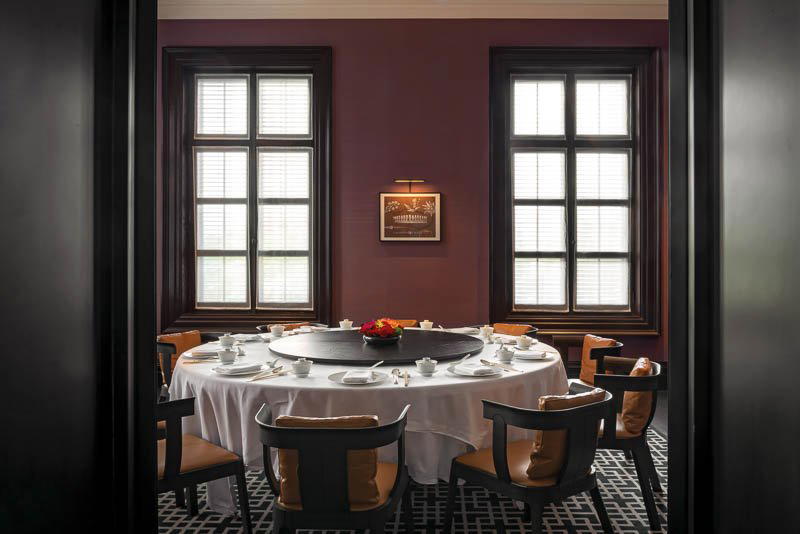
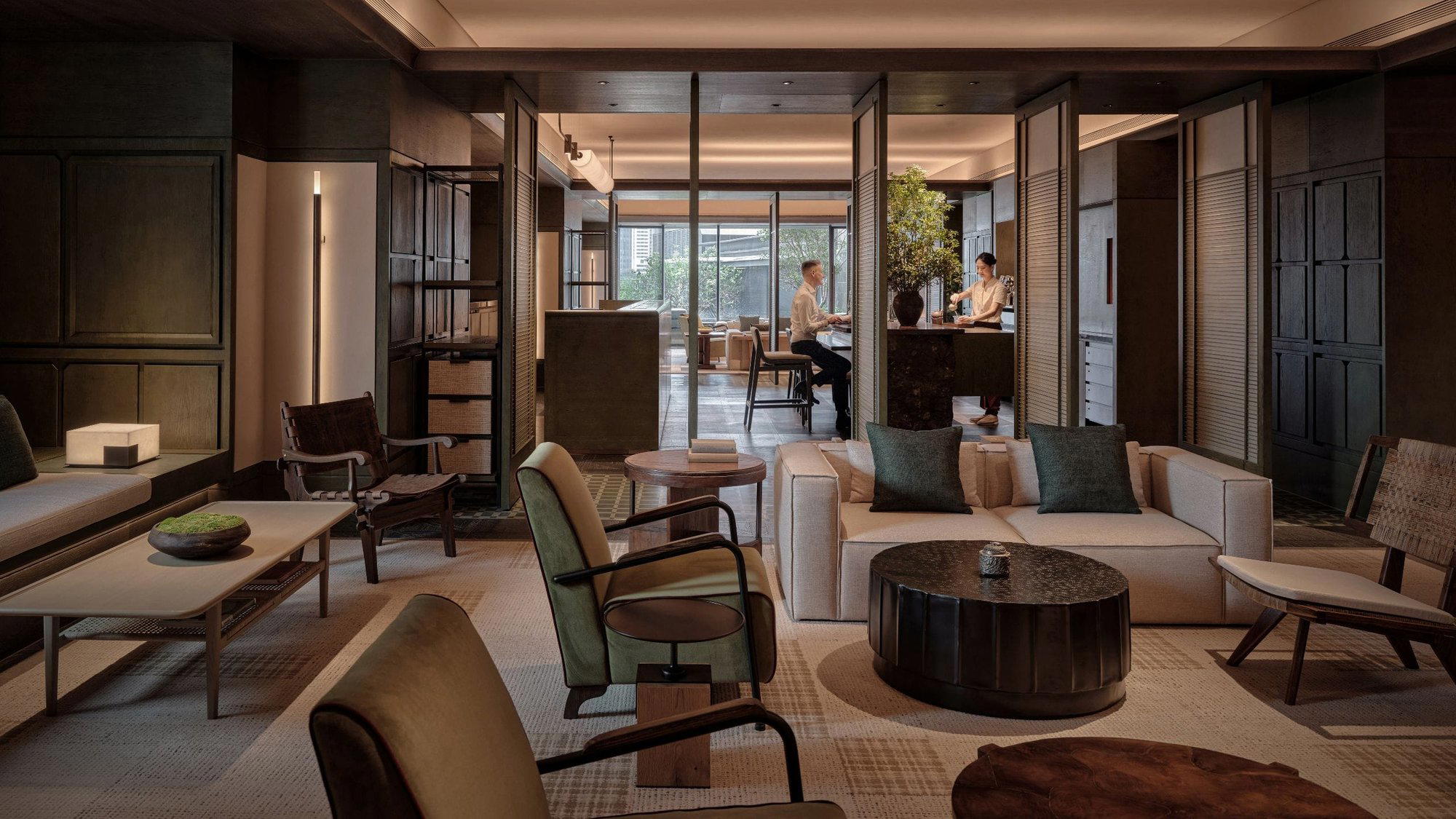
Shanghai's dining rooms at this level of the market tend to favour considered interiors: materials that reference Chinese craft traditions without tipping into theme-restaurant literalism, lighting calibrated for the food rather than the Instagram grid. What matters is whether the physical environment supports the kitchen's intentions, and in Huangpu's upper tier, that alignment between room and plate has become a basic expectation rather than a differentiator.
Advance reservation is essential.
Placing Bo Shanghai in a Regional Conversation
The sourcing-led approach visible in Shanghai's premium tier is not distinctive to the city. Across the region, a cluster of Chinese restaurants has been making similar moves, each calibrated to local agricultural geography. Xin Rong Ji in Chengdu and its Beijing counterpart on Xinyuan South Road demonstrate how a Taizhou sourcing identity can translate across China's major cities. Ru Yuan in Hangzhou, just over an hour from Shanghai by high-speed rail, works within the Jiangnan tradition that shares a cultural root with much of what Shanghai's high-end Chinese kitchens are drawing on. Further afield, Chef Tam's Seasons in Macau and Imperial Treasure Fine Chinese Cuisine in Guangzhou represent different but related orientations toward sourcing and Chinese culinary tradition.
Within the Yangtze Delta, the conversation extends to Pingjiangsong in Suzhou and Dai Yuet Heen in Nanjing, both of which draw on regional agricultural networks that overlap with Shanghai's supply chains. Shang Palace in Yangzhou and Wenru No.9 in Fuzhou extend the map further, showing how the sourcing-serious Chinese restaurant has become a regional phenomenon rather than a Shanghai-specific development.
For readers approaching this from a global fine-dining frame of reference, the parallel is not exact but is instructive: the way Le Bernardin in New York City has built a reputation on the quality and provenance of its seafood, or the seasonal sourcing discipline at Lazy Bear in San Francisco, reflects a similar prioritisation of ingredient integrity as the foundation on which technique rests. That framework travels across culinary traditions.
International visitors to Shanghai's modern Chinese fine-dining tier might also find 8 1/2 Otto e Mezzo Bombana useful as a cross-reference for how European fine-dining standards have taken hold in the city, and Fleurs Et Festin in Xiamen as a comparison for how the sourcing-led approach plays out in a smaller southern Chinese city context.
For a broader orientation to what Shanghai's restaurant scene currently offers across price points, formats, and traditions, the EP Club Shanghai restaurant guide covers the full range.
What to Know Before You Go
The restaurant sits at 20 Guangdong Road, sixth floor, in Huangpu district. The address is walkable from the Bund and accessible from Nanjing East Road metro station on Lines 2 and 10. Advance reservation is essential.
Peers You’d Cross-Shop
Comparable venues nearby, for context on price, style, and recognition.
| Venue | Cuisine | Price | Notes |
|---|---|---|---|
| Bo ShanghaiThis venue — the venue you are viewing | X-Treme Chinese Fusion Fine Dining | $$$$ | Not listed |
| SHANGHAI TANG CAFE | Modern Shanghainese | $$$$ | Quyang R.a. |
| Jin Xuan Chinese Restaurant | Modern Cantonese | $$$$ | Lan Ni Du |
| Rong Ji 95 | Modern Seafood Bistro | $$$ | Hongkou |
| Loushang Hotpot | Cantonese-Style Hotpot | $$$ | Jing’an District |
| Wujie | Modern Vegetarian Asian Fusion | $$$ | Xujiahui |
At a Glance
- Sophisticated
- Modern
- Elegant
- Special Occasion
- Date Night
- Business Dinner
- Open Kitchen
- Skyline
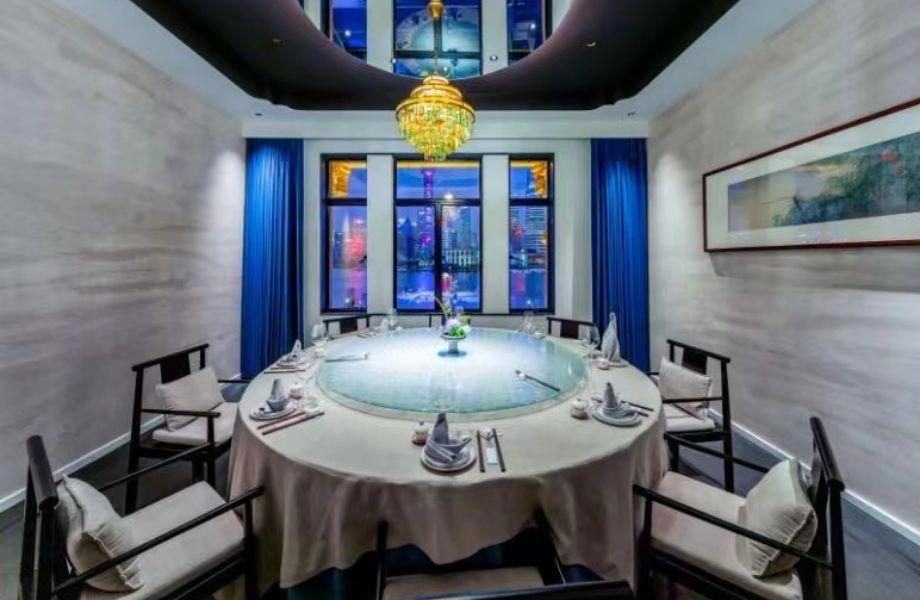
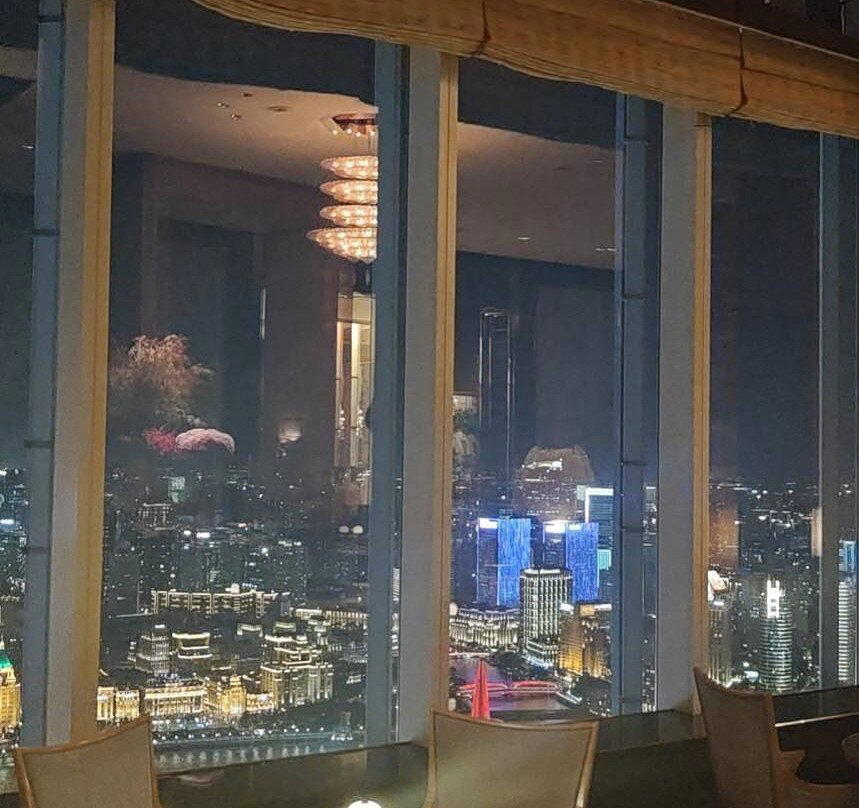
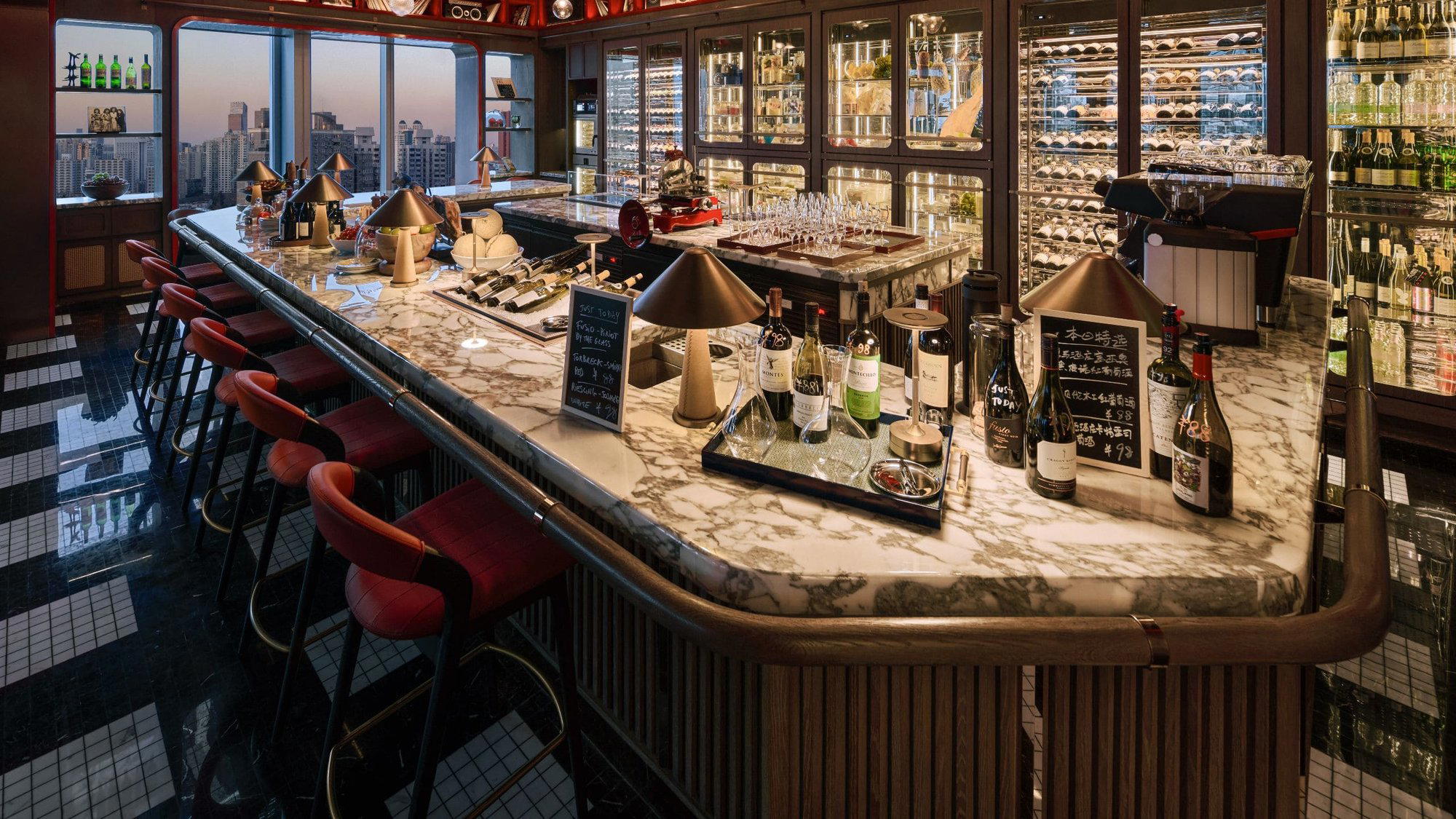
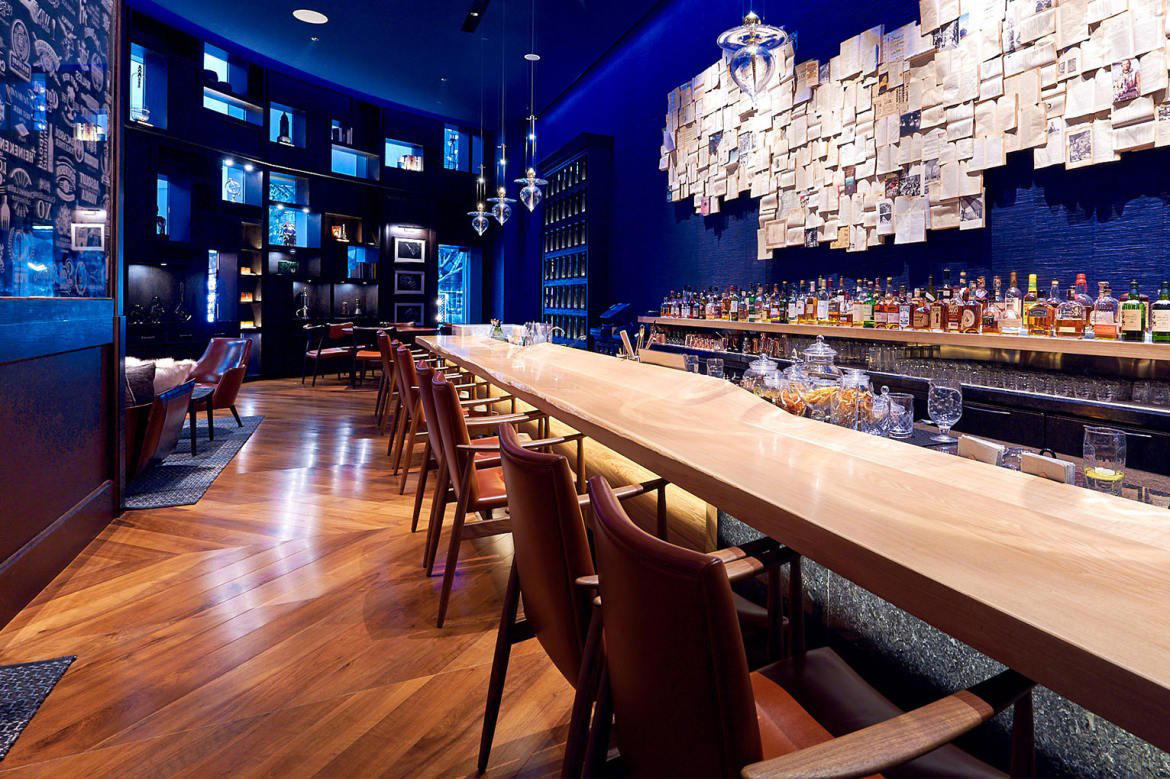
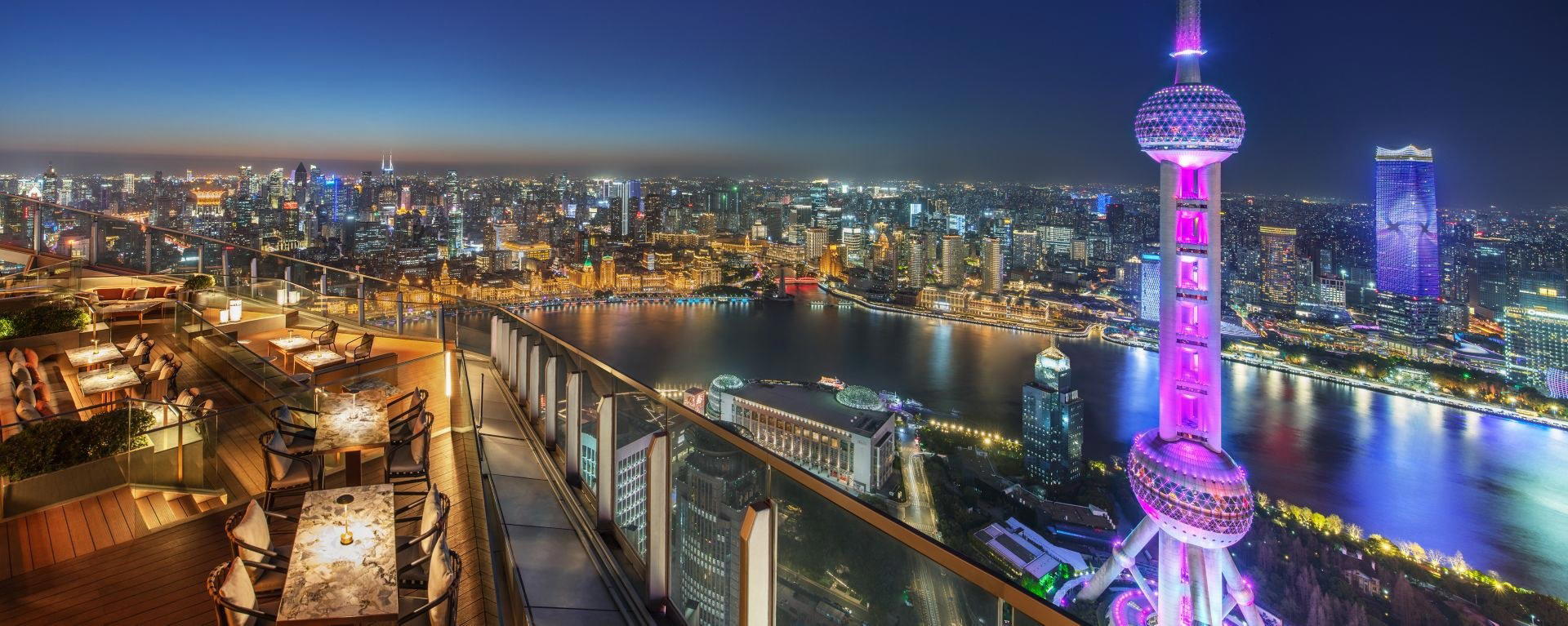
Sophisticated fine dining atmosphere on the Bund's 6th floor with Bund views, subtle lighting, and refined service.