Wujie occupies a converted heritage property on Tianping Road in Xuhui, positioning itself within Shanghai's serious vegetarian fine-dining tier alongside peers like Fu He Hui. The kitchen draws on Buddhist culinary tradition while the broader offering speaks to the city's growing appetite for plant-based cooking at premium price points. Booking ahead is advisable for this Xujiahui address.
Pearl is the En Primeur Club membership app — saves, bookings, and concierge access live there. Same editors, same standards.
- Address
- 392 Tianping Rd, Xujiahui, Xuhui District, Shanghai, China, 200030
- Phone
- +862134692857
- Directions
- Get directions
 Saves & bookings on Pearl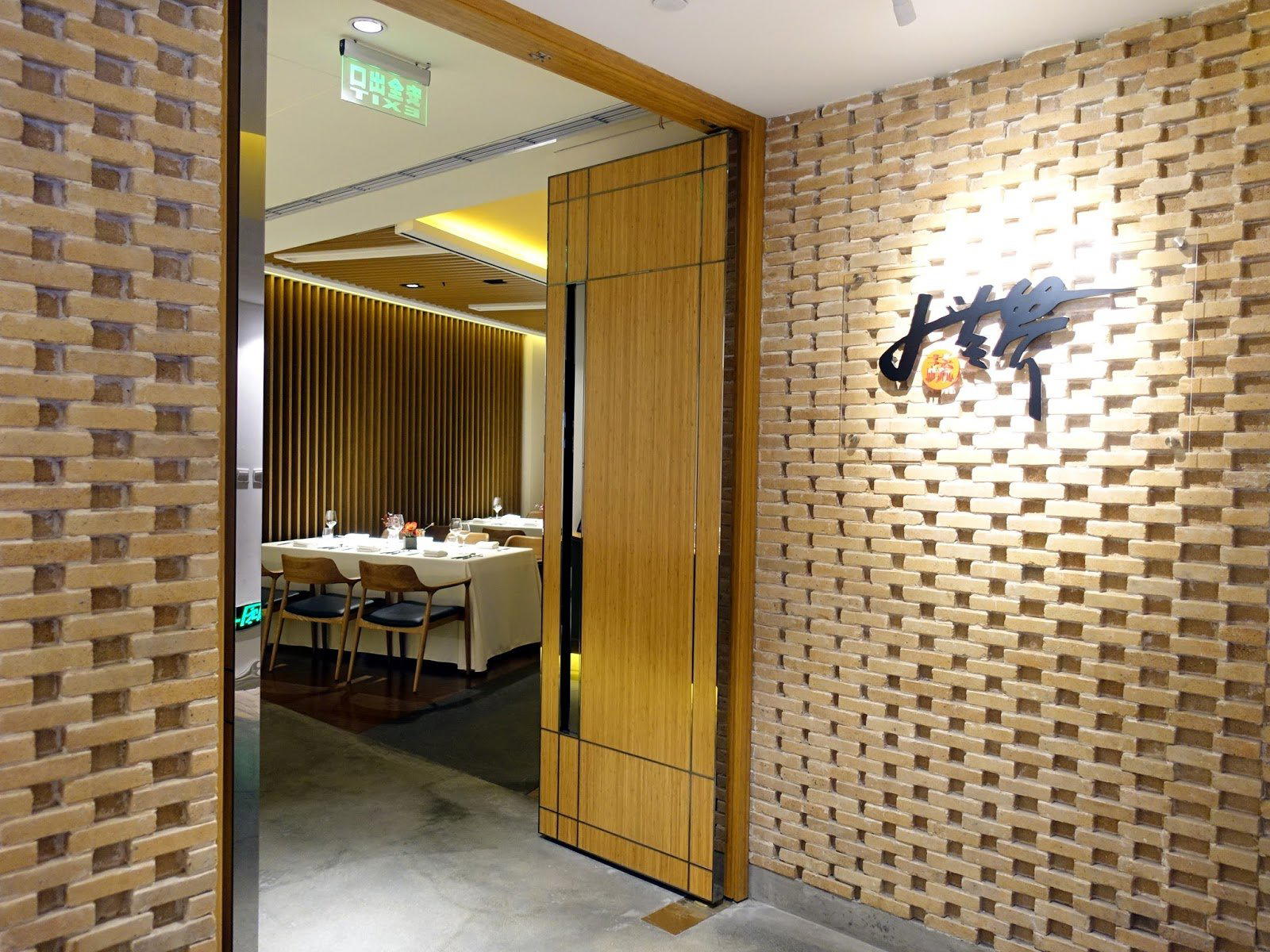
Tianping Road and the Architecture of Stillness
Xuhui District's French Concession-era streets have long attracted restaurants that want a certain kind of backdrop: plane trees, low-rise buildings, a residential tempo that slows the visitor down before they've ordered a thing. Tianping Road, where Wujie sits at number 392, carries that character. The neighbourhood's dining scene has shifted noticeably over the past decade, moving from casual neighbourhood staples toward considered, often design-conscious spaces where the room itself is part of the proposition. Wujie belongs to that second category, serving modern vegetarian Asian fusion at a price point of about USD 36 per person.
That kind of environmental framing matters more for vegetarian fine dining than for almost any other category. When there is no roast duck or aged beef to anchor expectation, the room does early argumentative work. Shanghai has developed a small but serious tier of plant-based restaurants operating at ¥¥¥¥ price points, where the ask is not merely that you eat without meat but that you engage with a different set of culinary values entirely. Fu He Hui, on Xinhua Road, established much of that grammar in this city. Wujie operates in the same general register: Buddhist culinary tradition translated through a fine-dining frame in Xuhui.
The Vegetarian Fine-Dining Tier in Shanghai
It is worth understanding what distinguishes this category from the broader vegetarian restaurant market before assessing any individual address within it. At the premium end, Shanghai's plant-based fine-dining venues are not primarily making a nutritional or ethical argument, at least not explicitly at the table. They are making an aesthetic one. The reference points are Chinese Buddhist temple cuisine, classical Jiangnan ingredient traditions, and increasingly, the kind of controlled seasonal sourcing that Michelin-aligned kitchens across Asia have normalised over the past fifteen years.
That places venues like Wujie in an interesting comparative position relative to the wider Shanghai fine-dining scene. A reservation at Taian Table, which operates a Modern European tasting menu at the city's most demanding price tier, or at 8½ Otto e Mezzo Bombana, involves a different set of expectations around protein and classical technique. Wujie asks for a recalibration. The competitive comparable set is smaller: Fu He Hui is one cited reference point, though the two differ in tone, with Fu He Hui carrying stronger Zen aesthetic and design-gallery sensibility. 102 House operates in a different mode, anchored in Cantonese craft rather than vegetarian philosophy.
Wine at a Vegetarian Table: A Different Calculus
The question of what to drink at premium vegetarian restaurants in China is one that the country's more sophisticated dining addresses have only recently begun to answer with real conviction. The traditional assumption, that Buddhist-inflected menus call for tea pairings rather than wine, has loosened considerably as Shanghai's sommelier culture has matured. The city now has enough wine-fluent diners and enough supply-side depth that a serious vegetarian fine-dining address is expected to make a credible wine offer, not merely a perfunctory one.
For menus built around mushrooms, fermented vegetables, tofu preparations, aged grains, and seasonal produce, the pairing logic shifts away from the protein-centric framework that dominates most sommelier training. Mineral-driven whites, lighter reds with genuine acidity, and natural or low-intervention wines with textural complexity tend to serve these dishes better than the prestige-Bordeaux model that still anchors many Shanghai wine lists. Burgundy-trained sommeliers and those with natural wine backgrounds have particular fluency here, and the leading vegetarian fine-dining addresses globally, from Eleven Madison Park's earlier plant-based iteration in New York to temple-cuisine specialists in Kyoto, have used the format as an opportunity to build cellar programs that would be impossible to justify on a conventional meat-forward menu.
Shanghai's premium vegetarian tier is still developing its wine identity. The expectation for any address in this category operating at a serious price point is that the list shows evidence of curatorial intent: depth in categories that actually complement plant-based cooking, rather than a generic prestige selection transplanted from a Cantonese fine-dining context. For diners for whom the wine program matters as much as the food, the list's philosophy and pairing options are worth confirming when booking. Venues in this tier across Greater China, including Chef Tam's Seasons in Macau and Ru Yuan in Hangzhou, have each taken distinct approaches to this question.
Chinese Fine Dining Beyond Shanghai: The Broader Circuit
For visitors using a Wujie reservation as part of a wider regional dining itinerary, it helps to map the broader scene. Shanghai's fine-dining addresses are well-documented, but comparable quality exists across the circuit. Xin Rong Ji on West Nanjing Road anchors Taizhou cuisine in the city at a premium level. Beyond Shanghai, Xin Rong Ji in Beijing, Xin Rong Ji in Chengdu, Imperial Treasure in Guangzhou, Dai Yuet Heen in Nanjing, Dingshan·Jiangyan in Suzhou, Fleurs Et Festin in Xiamen, Jiangnan Wok·Rong in Fuzhou, and Shang Palace in Yangzhou each represent serious addresses worth positioning alongside a Shanghai visit. Internationally, the approach Wujie takes to vegetarian fine dining is most usefully compared to the precision-focused tasting format model at Atomix in New York, which similarly treats ingredient restraint as a form of culinary argument rather than limitation.
Planning a Visit
Wujie is located at 392 Tianping Road in the Xujiahui section of Xuhui District.
At-a-Glance Comparison
Comparable venues nearby, for context on price, style, and recognition.
| Venue | Cuisine | Price | Notes |
|---|---|---|---|
| WujieThis venue — the venue you are viewing | Modern Vegetarian Asian Fusion | $$$ | Not listed |
| Loushang Hotpot | Cantonese-Style Hotpot | $$$ | Jing’an District |
| 大董海参店 Da Dong - Shanghai | Modern Beijing-Shandong Sea Cucumber | $$$ | Jing'an |
| 楼上火锅 | Hong Kong-Style Hotpot | $$$ | Huangpu District |
| Linhu Vegetarian | Modern Vegetarian Chinese | $$ | Xujiahui |
| Xi Kang Lu | Northeastern Chinese Dumplings | $$ | Jing'an |
At a Glance
- Elegant
- Modern
- Serene
- Sophisticated
- Date Night
- Special Occasion
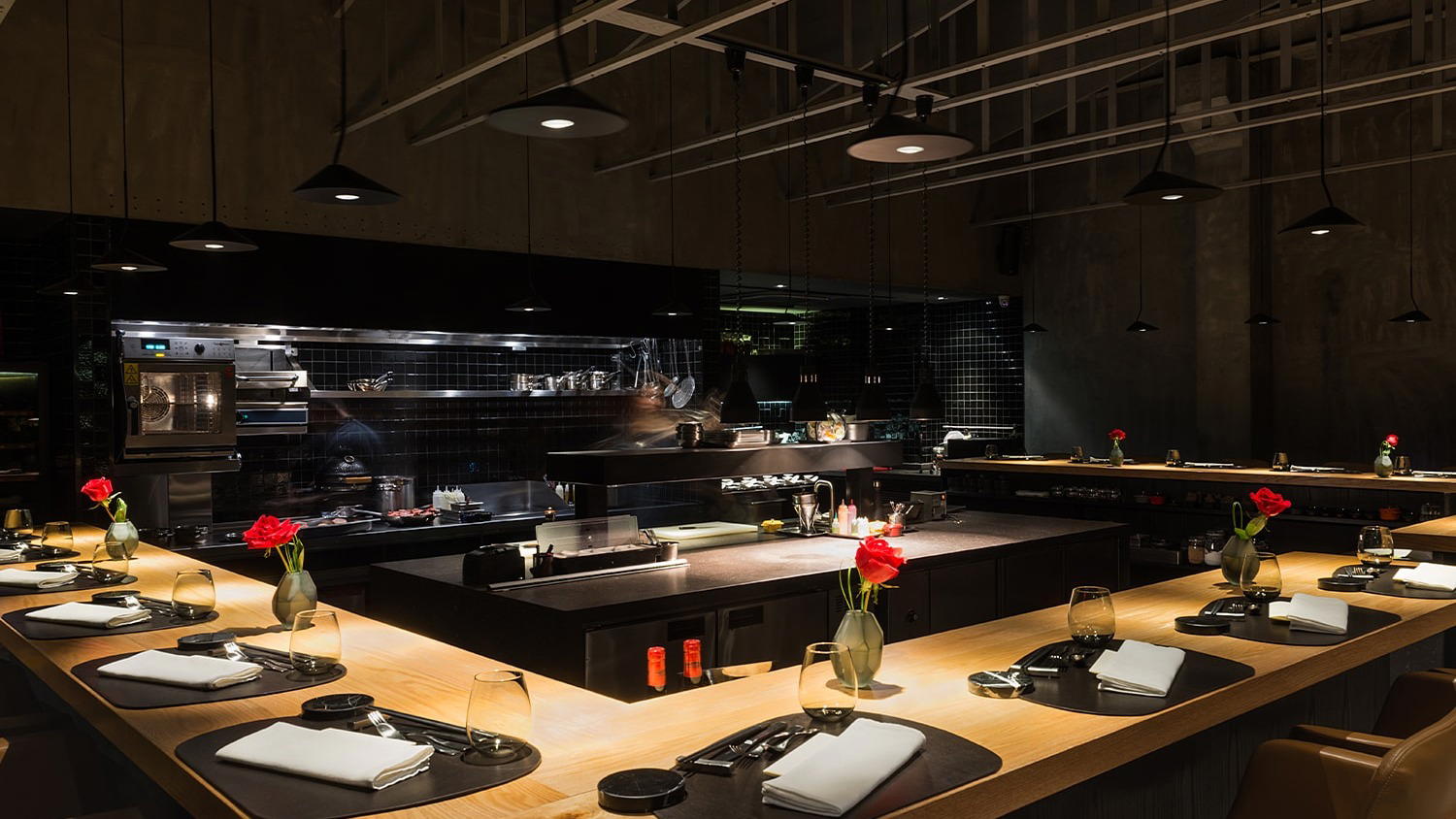
- Open Kitchen
- Skyline
Current opening hours
- Monday
- 10 AM–10 PM
- Tuesday
- 10 AM–10 PM
- Wednesday
- 10 AM–10 PM
- Thursday
- 10 AM–10 PM
- Friday
- 10 AM–10 PM
- Saturday
- 10 AM–10 PM
- Sunday
- 10 AM–10 PM
Hours can change for holidays and private events. Last verified .
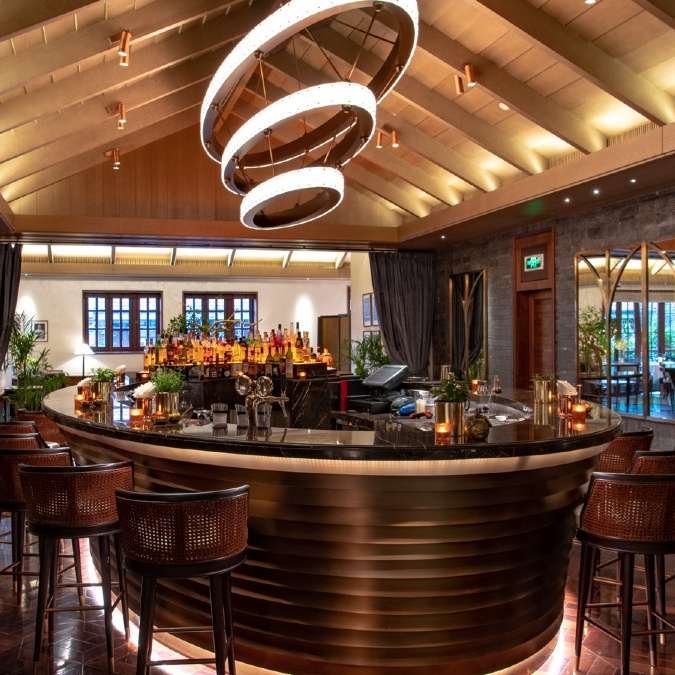
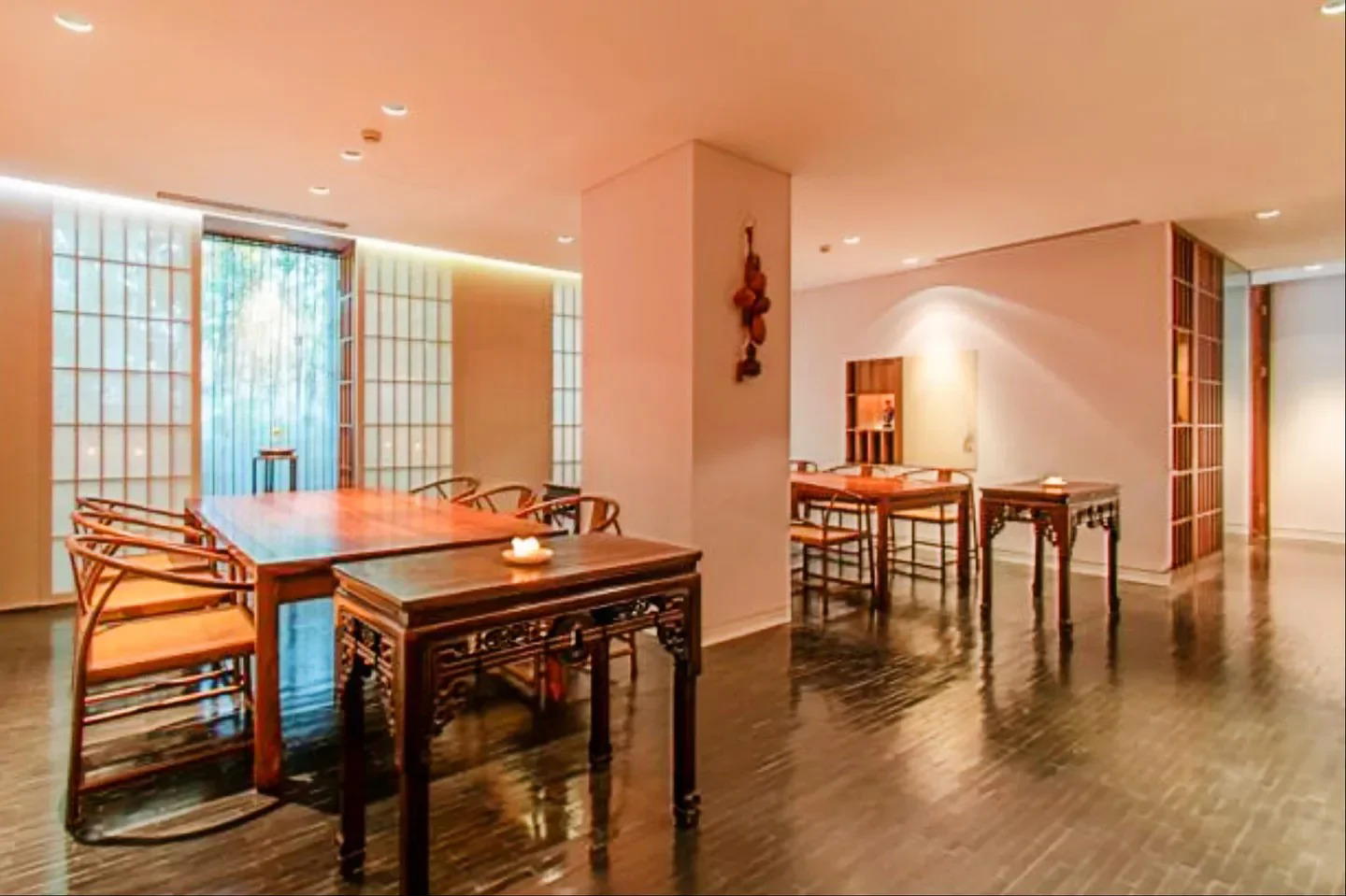
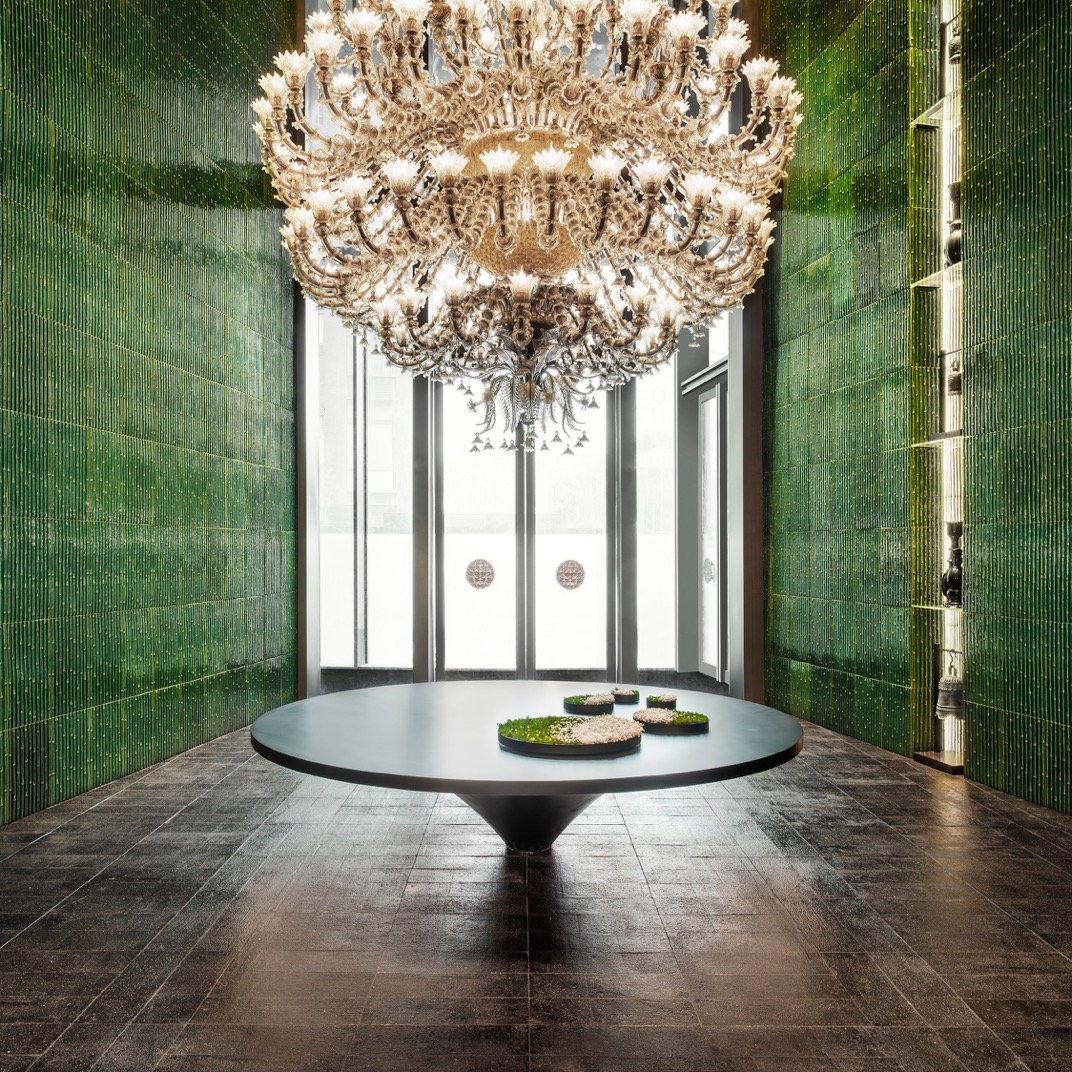
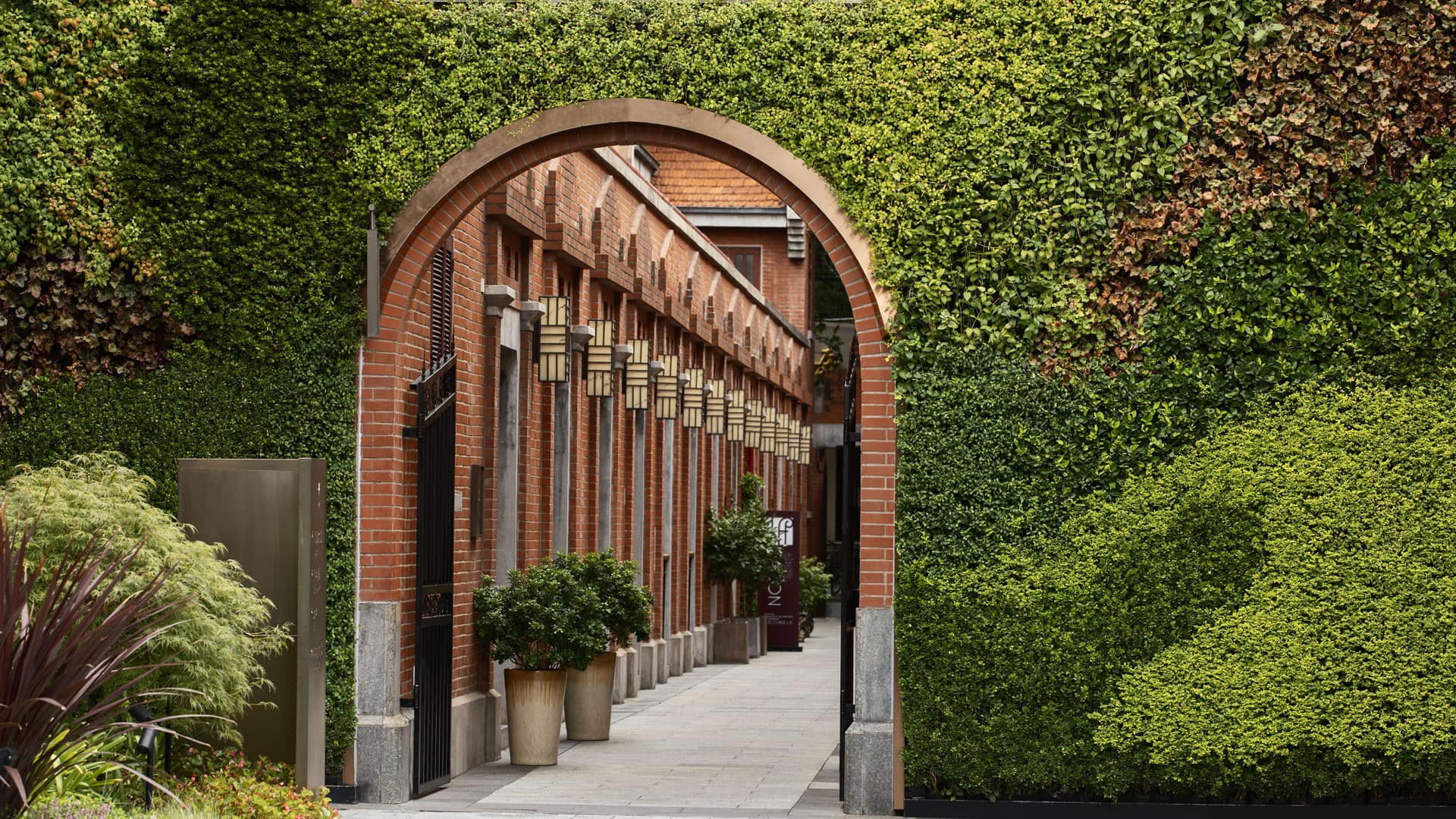
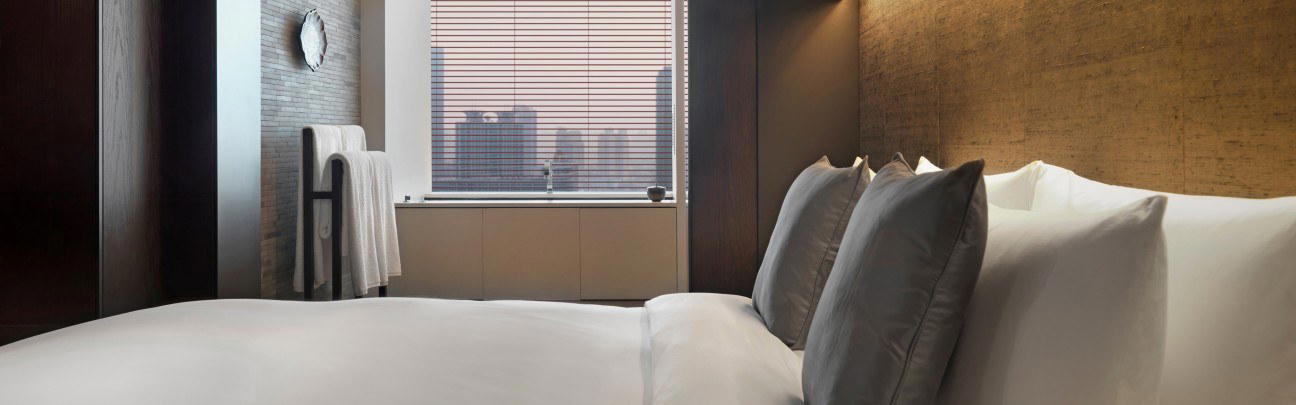
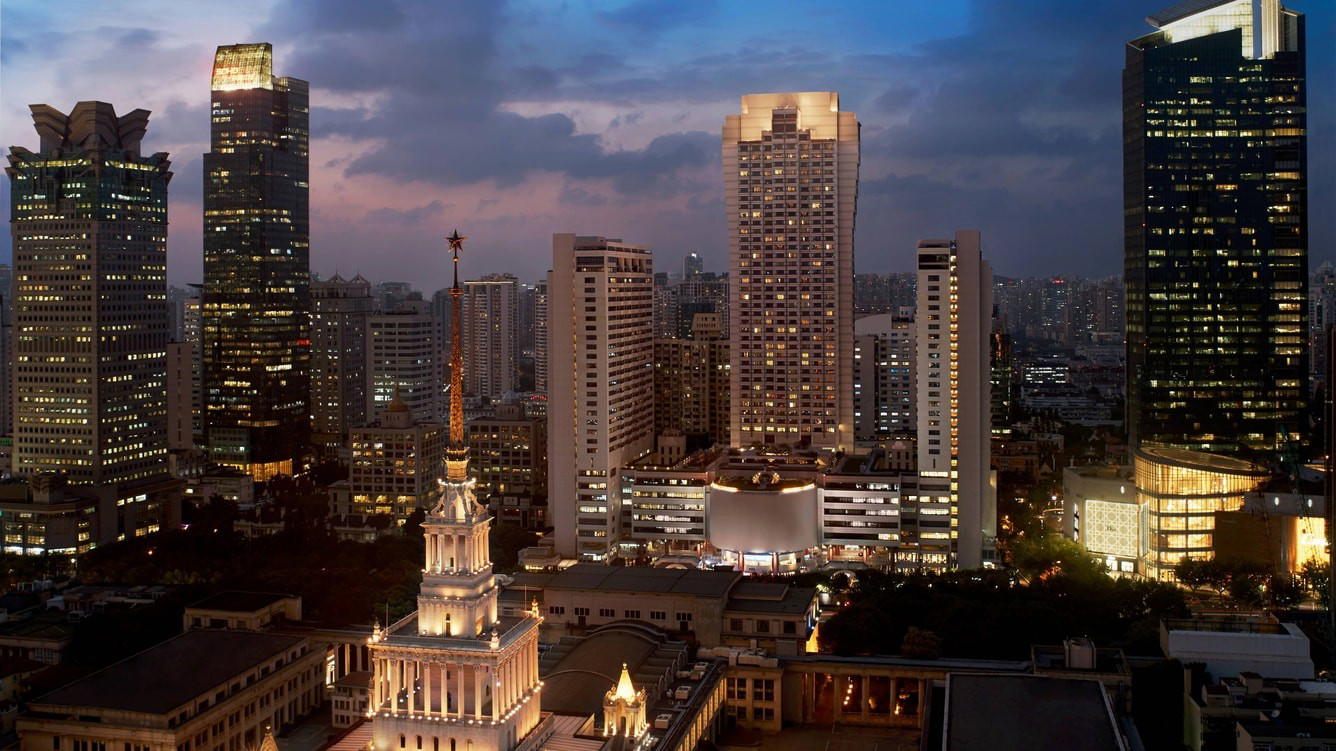
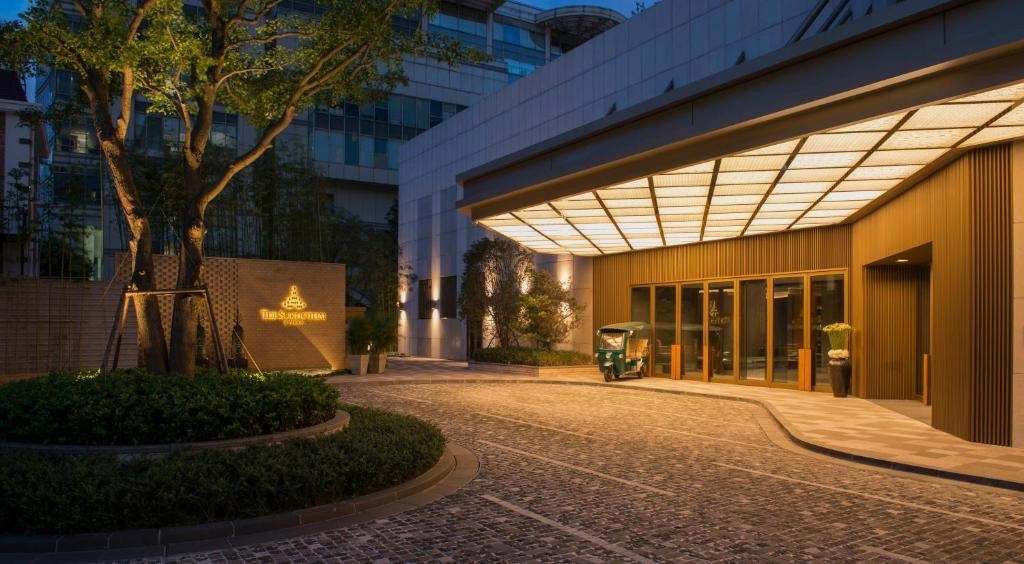
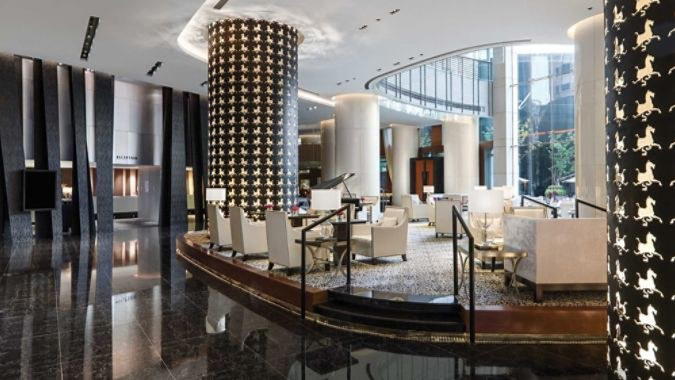
Serene and stylish atmosphere in a century-old European-style building with beautifully presented dishes.