
Rong Ji 95 brings the Taizhou seafood tradition of the Xin Rong Ji group to the Bund district, operating from a Huqiu Road address that places it squarely in Shanghai's most concentrated dining corridor. The restaurant extends a group lineage that began with founder Zhang Yong's open-air food stall and has since grown into one of mainland China's most recognised Chinese fine-dining operations. For visitors focused on coastal Chinese cuisine in a heritage setting, it occupies a specific and well-defined position.
Pearl is the En Primeur Club membership app — saves, bookings, and concierge access live there. Same editors, same standards.
- Address
- No. 28 Huqiu Road, Huangpu District, Shanghai.
- Directions
- Get directions
 Saves & bookings on Pearl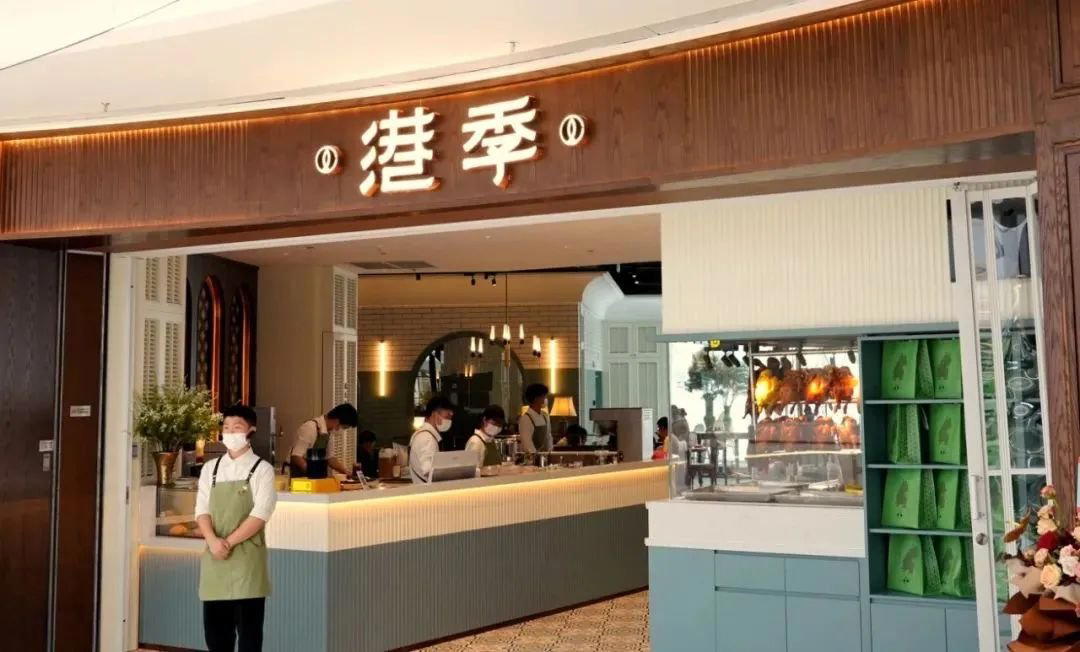
Where the Bund Meets the Taizhou Table
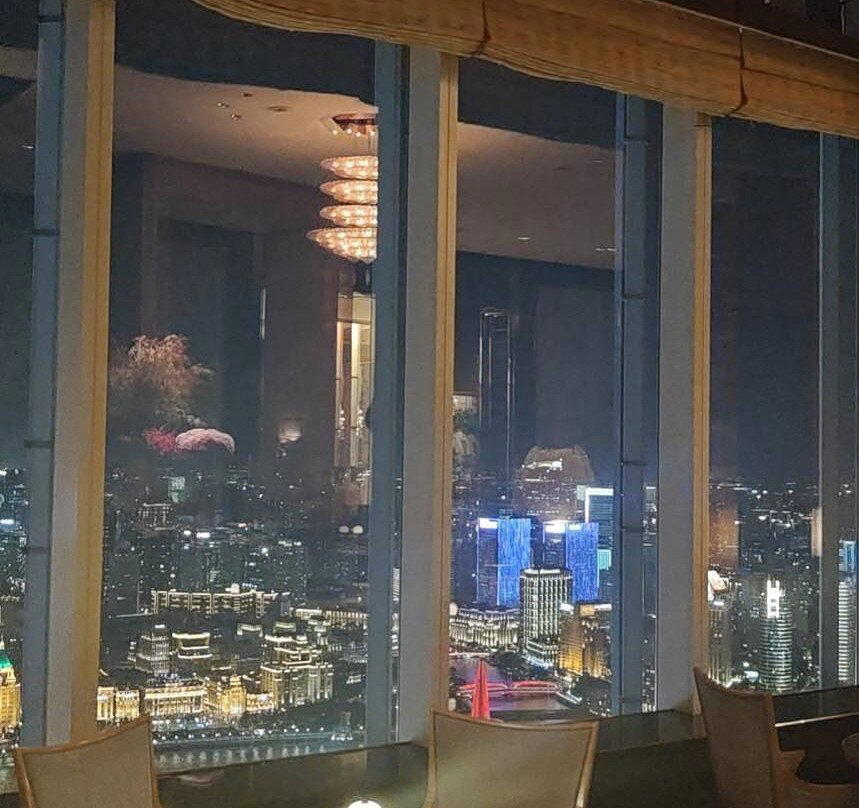
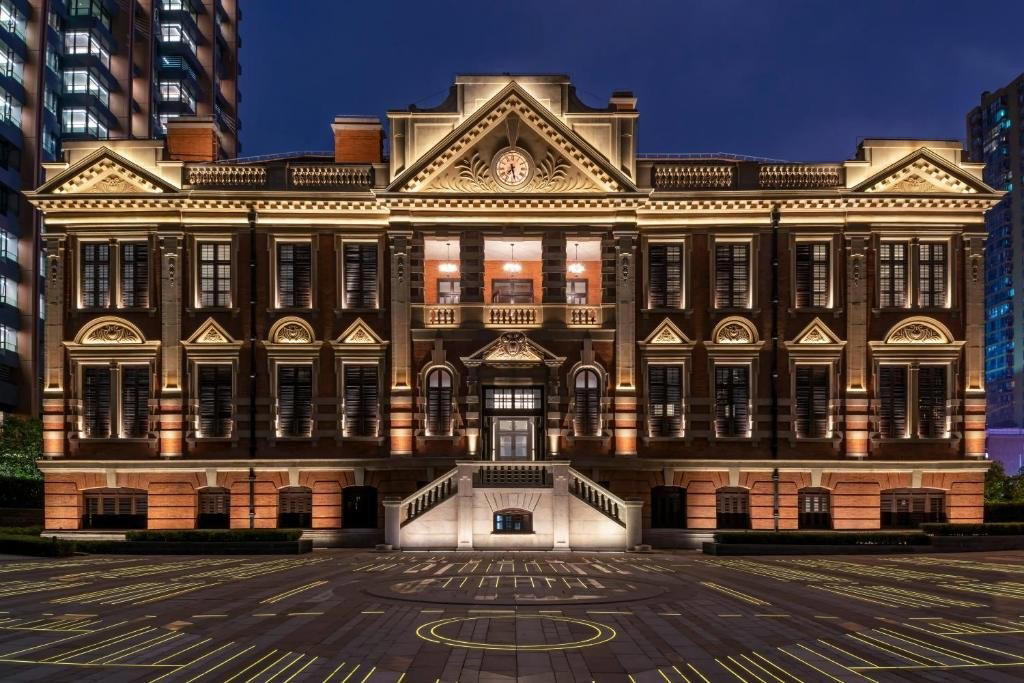
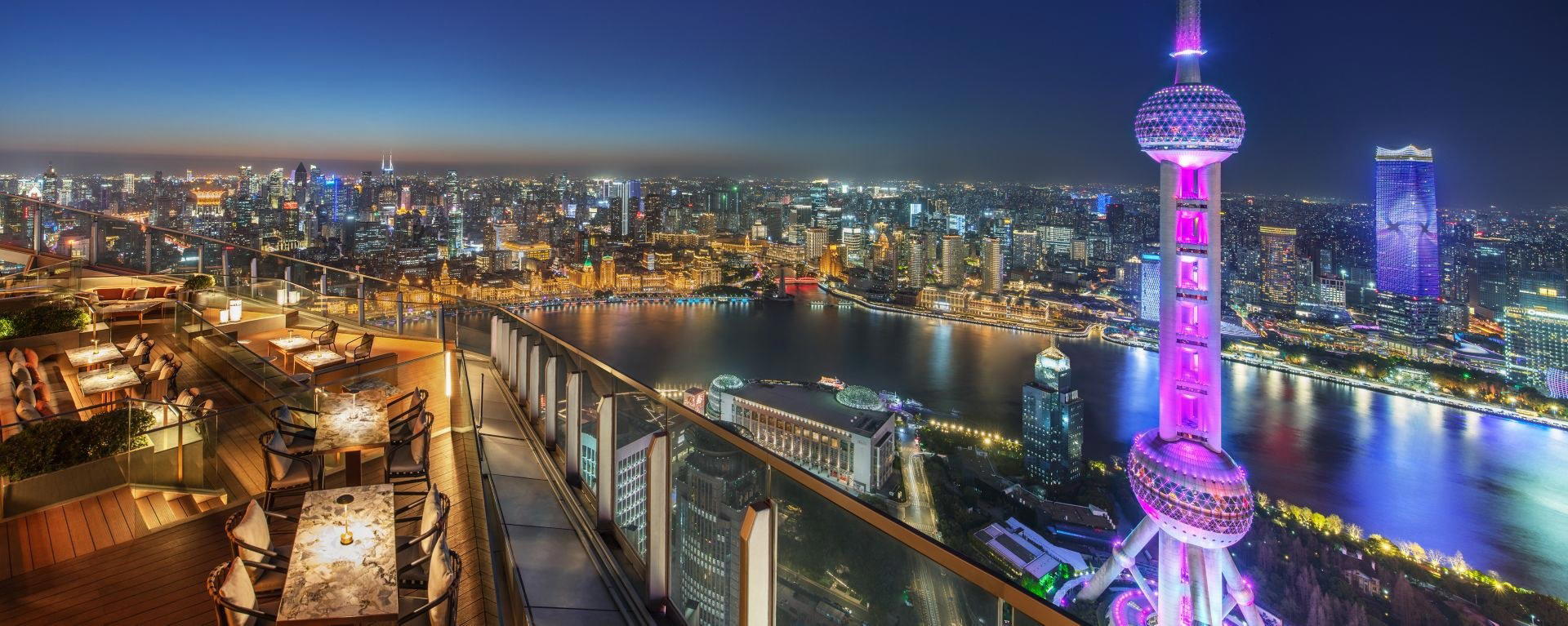
Huqiu Road sits one block back from the Bund promenade, in a part of Huangpu District where the density of serious restaurants per square metre rivals any stretch in urban China. The street has a quieter register than the waterfront itself, the architecture carrying enough pre-war weight to signal that this is not a tourist corridor but a working dining address. Rong Ji 95 occupies No. 28 on that street, and the positioning is not accidental. The Bund area draws both international visitors and the kind of Shanghai resident who treats dinner as a considered occasion, and Xin Rong Ji, the group behind this address, has consistently placed its outlets where that overlap is strongest.
The Group Behind the Address
To understand Rong Ji 95, it helps to understand the Xin Rong Ji operation more broadly. Founder Zhang Yong began with a modest open-air food setup, a starting point that now reads almost paradoxically given the group's current scale and critical standing. Xin Rong Ji has built its reputation around Taizhou cuisine, the coastal cooking tradition from Zhejiang Province that centres on seafood prepared with precision and relative restraint relative to the more aggressively spiced registers of Sichuan or Hunan cooking. The group's restaurants appear in Shanghai, Beijing, Chengdu, and beyond, each positioned within local markets as a serious address for Chinese fine dining rather than as casual regional eating. Xin Rong Ji on West Nanjing Road represents the group's flagship Shanghai presence, while Rong Ji 95 operates as the Bund-district expression of the same philosophy. For a sense of how the group translates its identity to other cities, Xin Rong Ji on Xinyuan South Road in Beijing and Xin Rong Ji in Chengdu offer instructive comparisons.
Taizhou Seafood in the Bund's Competitive Field
Shanghai's Bund-adjacent dining field is unusually compressed at the upper tier. Within a short radius, diners can choose between Italian institutions such as 8½ Otto e Mezzo Bombana, precision-driven modern formats like Taian Table, and Cantonese specialists including 102 House. In that context, a Taizhou seafood bistro occupies a distinct niche: it is neither fusion nor spectacle, but a regional Chinese tradition operating at a level of seriousness that the broader market has come to associate with Xin Rong Ji's name. The bistro framing also matters. While the flagship Xin Rong Ji addresses operate as full-service fine dining, Rong Ji 95 positions itself as a seafood bistro, suggesting a format with a slightly different pace, though still sitting firmly within the group's quality expectations.
Taizhou cooking, for diners less familiar with Zhejiang's coastal repertoire, works from a philosophy of ingredient-led preparation. The seafood is typically fresh to an exacting standard, treated with methods that preserve rather than transform the product. Steaming, light braising, and simple seasoning define the approach, which places Taizhou cuisine in a different register from the more elaborate sauce-driven traditions of Guangdong or the theatrics of contemporary fusion. For comparison points in the broader Chinese fine-dining conversation, Chef Tam's Seasons in Macau and Ru Yuan in Hangzhou illustrate how Zhejiang-adjacent culinary thinking translates across different city contexts.
The Service Architecture of a Group-Backed Bistro
One consistent characteristic of Xin Rong Ji's outlets is that the service model is built to function as a team rather than being carried by a single named chef. The group's kitchen culture is built around consistency across multiple locations, which means the front-of-house and kitchen operate with shared standards rather than individual improvisation. At a bistro-format address like Rong Ji 95, this manifests as attentive floor service oriented around helping guests navigate a menu that may be less familiar to international visitors than, say, Cantonese dim sum or Shanghainese red-braised standards. The sommelier or beverage lead at a Xin Rong Ji address typically works within a pairing framework, even at the bistro tier. This matters in the Bund corridor, where many diners arrive with expectations shaped by international fine dining and appreciate guidance on matching Chinese white spirits or regional wines to a seafood-forward menu.
The team dynamic at this kind of group-backed address differs structurally from independent restaurants. Where a chef-owner operation often centres decision-making on a single creative voice, a group format distributes accountability across kitchen leadership, floor management, and beverage service. The result, when executed well, is a floor that reads as coordinated rather than improvised, with each role reinforcing the others. For diners who have experienced the group's other addresses, this will feel familiar. For first-timers, it can read as a degree of polish that independent bistro formats at a comparable price point do not always achieve.
Shanghai's Broader Dining Context
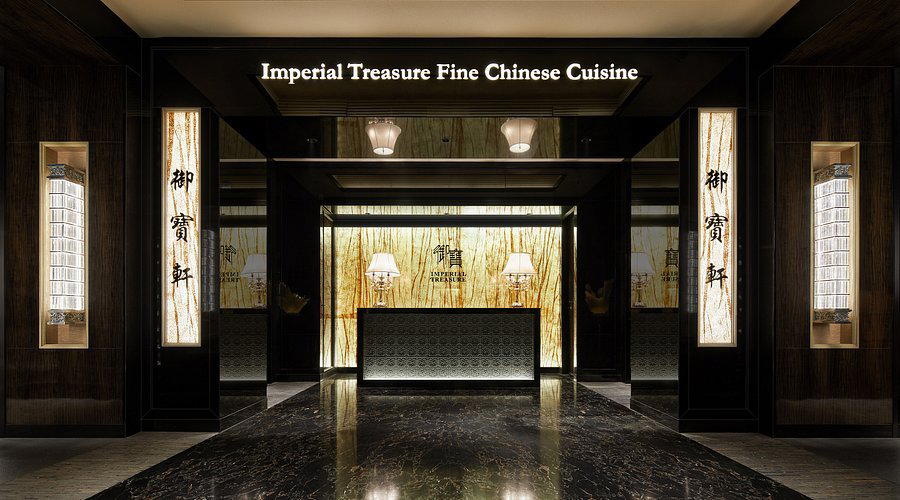
Within Shanghai's wider restaurant map, the restaurant sits in the part of the market that takes Chinese regional cuisine seriously as a fine-dining proposition, rather than treating it as casual or secondary to international formats. This positioning has become more competitive over the past decade as the city's dining culture has matured. Addresses like Fu He Hui, which applies similar rigour to vegetarian Chinese cooking, demonstrate that the premium Chinese dining category in Shanghai now spans multiple regional and philosophical traditions. Internationally, the parallel might be drawn with seafood-specialist addresses that prioritise sourcing and technique over spectacle, in the way that Le Bernardin in New York built its authority around restraint rather than elaboration, or the way group-backed formats like Emeril's in New Orleans and Imperial Treasure Fine Chinese Cuisine in Guangzhou show how brand equity translates across multiple outlets. Dai Yuet Heen in Nanjing provides another data point for how serious Chinese seafood operations are establishing themselves across mainland cities beyond the traditional Guangzhou-Hong Kong axis.
Planning Your Visit
The restaurant is located at No. 28 Huqiu Road in Huangpu District, within walking distance of the Bund waterfront and the key Bund-area metro connections. Given the group's profile and the concentration of demand in this part of the city, advance booking is advisable, particularly for weekend evenings when competition for tables at serious Chinese addresses in the Bund corridor runs high. With a recommended reservation policy and a price tier of about $60 per person, advance booking is advisable.
Where It Fits
Comparable venues nearby, for context on price, style, and recognition.
| Venue | Cuisine | Price | Notes |
|---|---|---|---|
| Rong Ji 95This venue — the venue you are viewing | Modern Seafood Bistro | $$$ | Not listed |
| 甬府 | Traditional Ningbo Cuisine | $$$ | Huangpu |
| Mingge | Modern Cantonese | $$$ | Xintiandi |
| NingBo RestarrantSince2001 | Ningbo Seafood | $$$ | Huangpu |
| ChengLongHang · YiFeng Garden (HongQiao Branch) | Jiangsu-Zhejiang Hairy Crab Specialist | $$$ | Zhoujiaqiaq |
| WANYAN | Refined Hui (Anhui) Cuisine | $$$ | Changning |
Recognition history
Dated appearances from independent guides and award organizations, with the underlying list record or original source where available.
Star Wine List
Star Wine List



At a Glance
- Modern
- Elegant
- Sophisticated
- Casual Hangout
- Group Dining
- Business Dinner
- Standalone
- Extensive Wine List
- Sommelier Led
- Sustainable Seafood
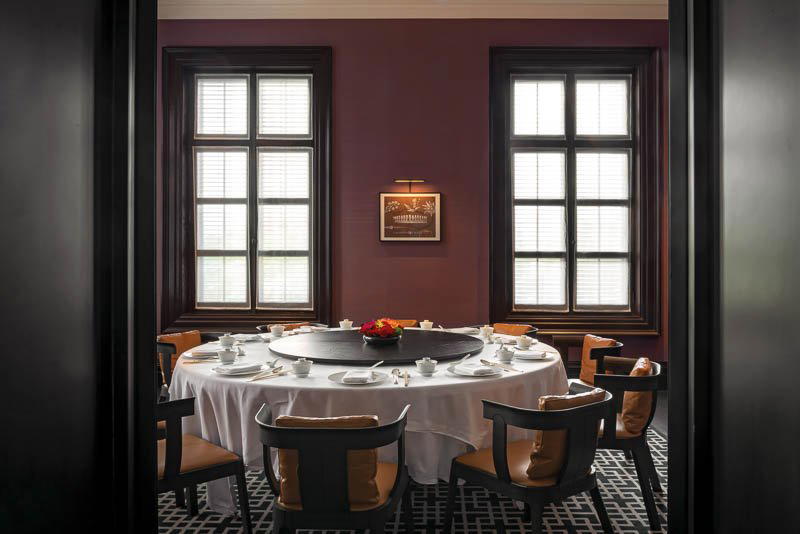
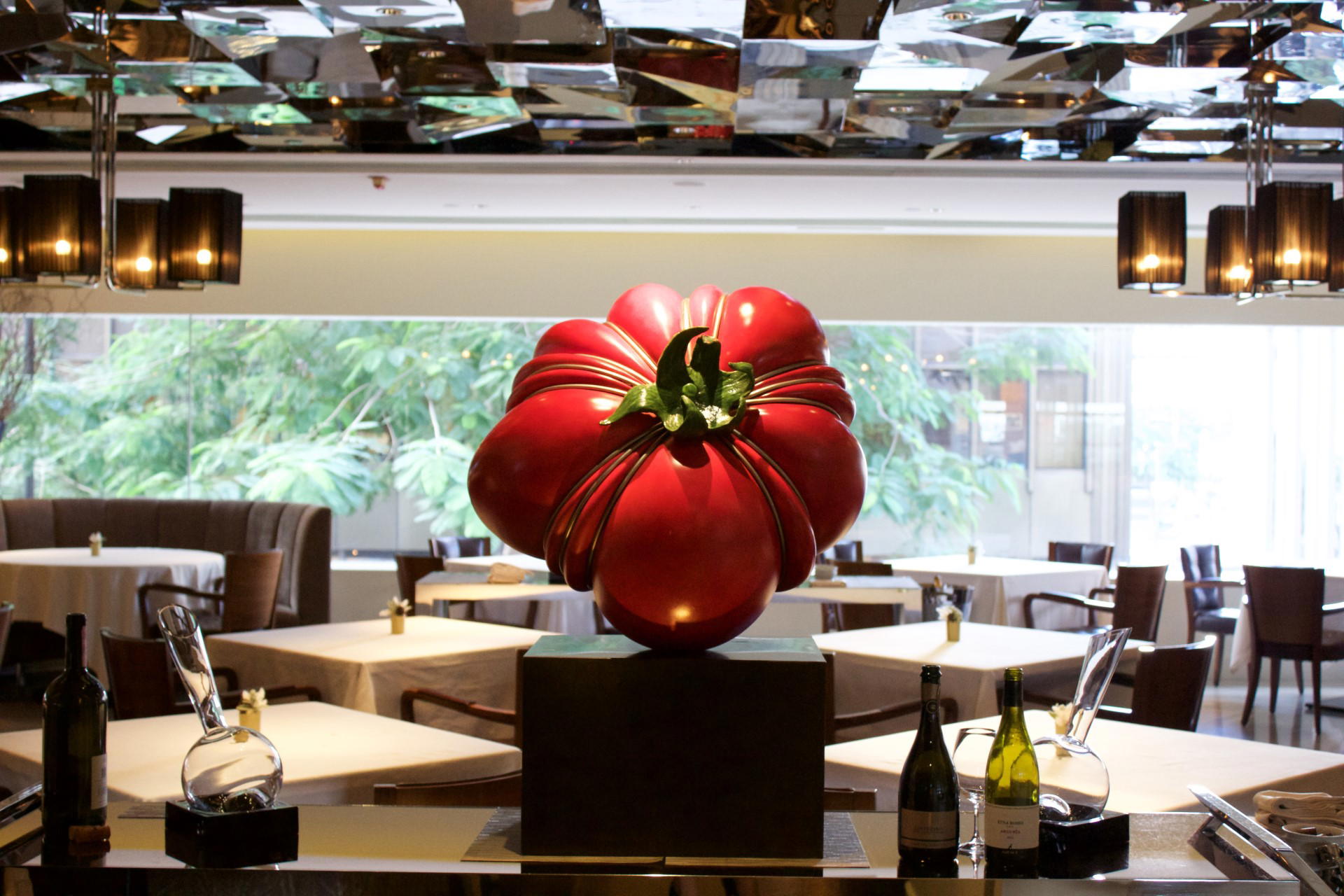
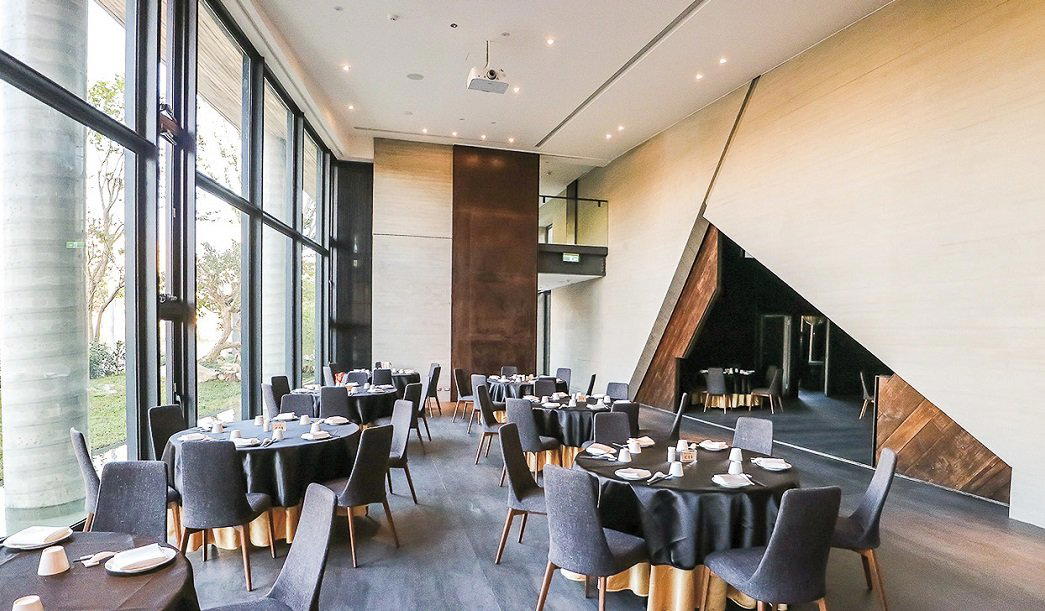
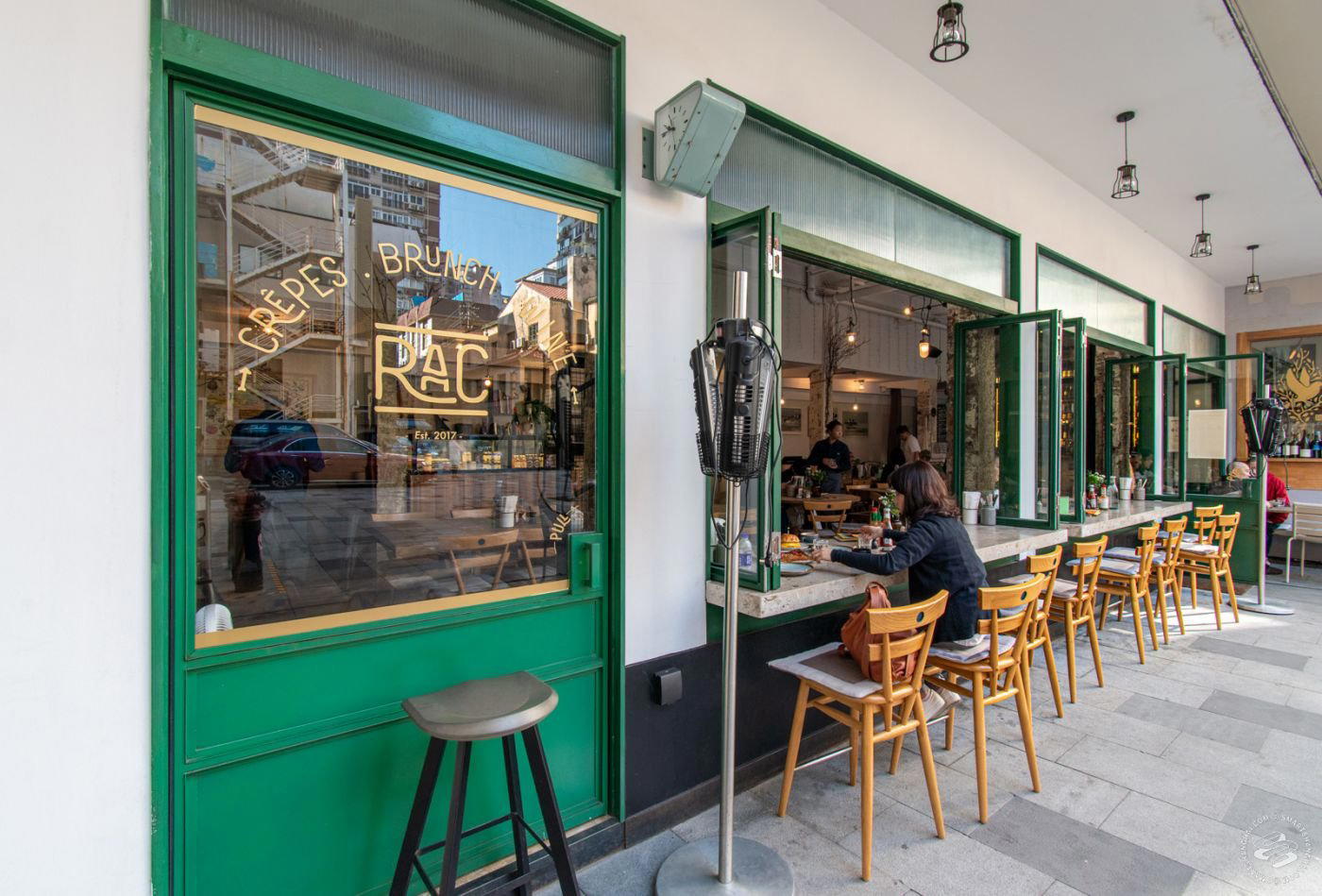
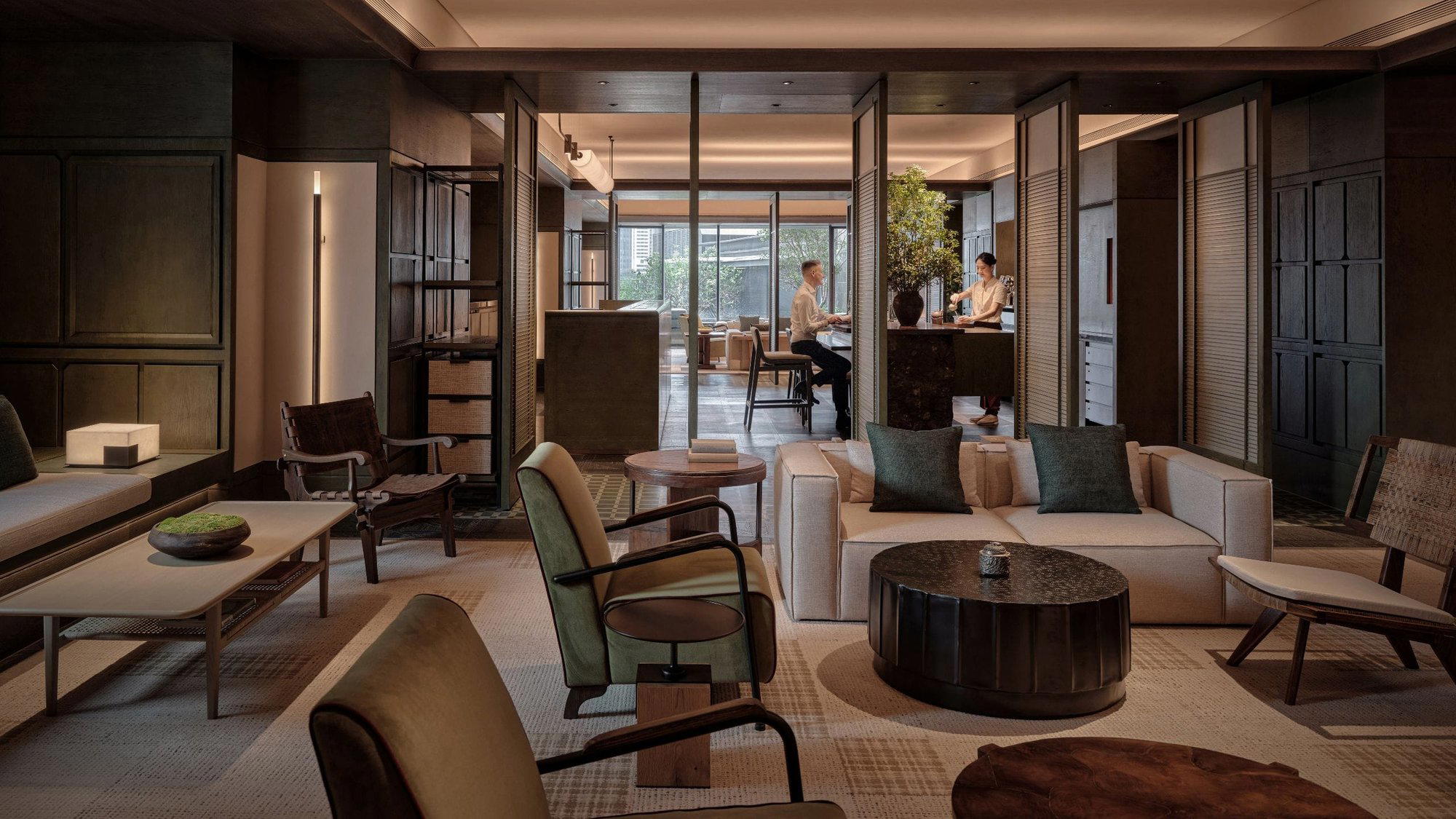
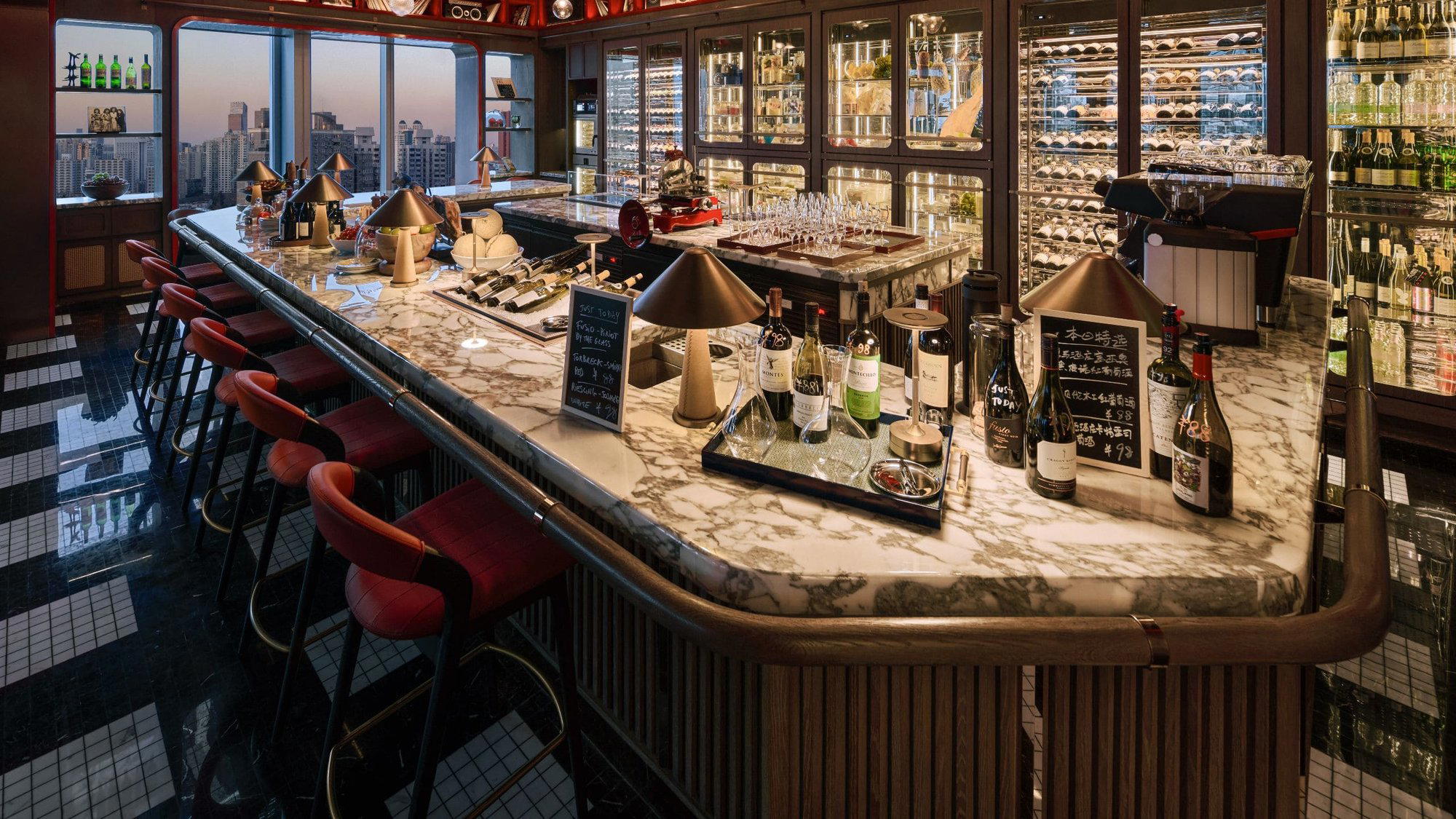
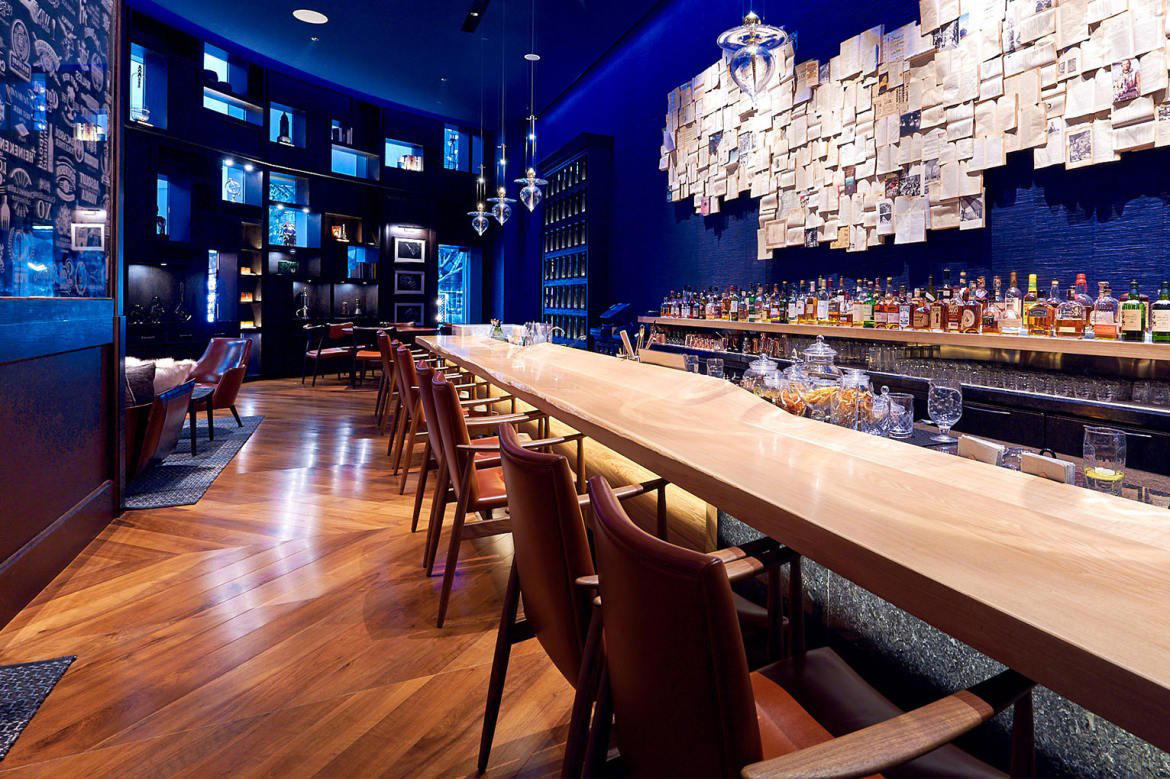
Contemporary Chinese design with modern furnishings; relaxed yet refined atmosphere reflecting the group's casual bistro concept.