Loushang Hotpot brings the communal ritual of Chinese hotpot to Shanghai in a format built around shared tables, layered broths, and the kind of service coordination that keeps a high-tempo dining room running smoothly. It sits within a city where hotpot has moved well beyond casual neighbourhood eating into a more considered, ingredient-focused tier. Confirm current booking and hours directly before visiting.
Pearl is the En Primeur Club membership app — saves, bookings, and concierge access live there. Same editors, same standards.
- Address
- Shanghai, China
- Directions
- Get directions
 Saves & bookings on Pearl
Hotpot in Shanghai: Where the Format Has Gone
Loushang Hotpot is a Cantonese-Style Hotpot restaurant in Shanghai, priced at about US$80 per person. What was once the province of chain dining rooms and Sichuan-heavy menus has fractured into a more varied field: broth-focused independents, premium ingredient purveyors built around wagyu and hand-cut lamb, and a smaller cohort of operator-led rooms where the service model is as deliberate as the sourcing. Loushang Hotpot operates within this more considered tier, where the mechanics of the dining room, who manages the table, how the broths are introduced, how the pace is read, matter as much as what arrives in the pot.
That shift places Shanghai's better hotpot addresses in conversation with how the format has evolved in Chengdu, Chongqing, and Beijing, where regional identity remains a strong organising principle. In Shanghai, the frame is looser, and venues have more room to draw from multiple hotpot traditions. That flexibility can produce something interesting or something diffuse, depending on how much discipline the team brings to it.
The Room and What It Asks of You
Hotpot is a format that rewards attention. Unlike a tasting menu, where the kitchen controls the tempo entirely, the hotpot table distributes agency across everyone sitting at it: you decide the order, the timing, the dipping configuration. A good hotpot room is designed around that dynamic. The induction burners are set at the right height. The ventilation pulls steam without creating noise or chill. The staff know when to intervene on cooking times and when to hold back. These are not incidental details, they are the difference between a meal that unfolds well and one that dissolves into mild confusion by the third round of ingredients.
Shanghai's premium hotpot addresses have largely solved the infrastructure problem. The more interesting variable is whether the front-of-house team has been trained to read the table rather than just service it. The editorial angle at Loushang Hotpot, as at any room in this tier, is the relationship between the kitchen's ingredient selection, the floor team's guidance, and the guest's own choices. When those three elements are coordinated, hotpot produces something genuinely collaborative. It is one of the few dining formats where the team dynamic is quite literally visible from the table.
Broth, Ingredients, and the Logic of the Menu
The architecture of a hotpot menu is different from any other restaurant format. There is no single dish to anchor the experience; instead, the meal is assembled from components, broths, proteins, vegetables, dipping sauces, accompaniments, and the coherence of the whole depends on how those components are curated and how the staff frames the choices for the guest.
Shanghai's more considered hotpot venues have moved toward a tighter selection: fewer items listed, higher sourcing standards per item, and a service approach that steers guests toward combinations rather than leaving them to graze through a long menu. That model asks more of the team. A server who can explain why a particular cut is better suited to a lighter broth, or how long to leave a particular vegetable in without losing texture, is functioning more like a guide than an order-taker. It is a model closer to what you find at a well-run omakase counter, think of how Taian Table manages its modern European tasting format, or how 102 House approaches its Cantonese service, than to conventional casual dining.
For guests with dietary requirements, Shanghai's hotpot sector has become more accommodating than it was five years ago. The vegetarian side of the format is substantial: mushroom varieties, tofu preparations, root vegetables, and plant-based proteins all hold up well in lighter broths. Fu He Hui, operating at the ¥¥¥¥ tier, has made the plant-based case in a more formal register, but hotpot's inherently modular structure makes it one of the more naturally adaptable formats for vegetarians in the city, provided the broths themselves are checked for animal-derived stocks.
Placing Loushang in the Shanghai Dining Map
Shanghai's restaurant scene is broad enough that hotpot competes for attention with Cantonese fine dining at places like Xin Rong Ji (West Nanjing Road), Italian addresses such as 8½ Otto e Mezzo Bombana, and a full tier of tasting-menu-led rooms. Hotpot's position in that landscape is not about competing on those terms: it offers something structurally different, a meal built on participation and table energy rather than on kitchen performance delivered to passive guests.
That distinction matters when planning a Shanghai itinerary. The format is well-suited to groups, to longer evenings, and to guests who want to understand Chinese food culture in a direct, hands-on register rather than through a more mediated dining experience. Across the region, the format anchors memorable meals: Ru Yuan in Hangzhou and Dingshan·Jiangyan in Suzhou each represent how Yangtze Delta dining builds around communal tables, and hotpot fits that same social logic. For reference points further afield, Xin Rong Ji in Beijing and Xin Rong Ji in Chengdu show how the same brand discipline translates across different regional characters, while Chef Tam's Seasons in Macau, Imperial Treasure Fine Chinese Cuisine in Guangzhou, and Dai Yuet Heen in Nanjing each anchor the more formal Cantonese and Chinese fine-dining tier across the broader mainland circuit. Outside China, high-precision service coordination in open-kitchen formats, as practised at Le Bernardin in New York City or Atomix in New York City, offers a useful point of comparison for what it means to run a dining room where the team reads the table rather than simply executes a sequence. In coastal Fujian, Fleurs Et Festin in Xiamen and Jiangnan Wok·Rong in Fuzhou each show different approaches to Chinese ingredients at a considered price point, while Shang Palace in Yangzhou represents the more classical end of the regional Chinese dining spectrum. For the full picture of where Loushang sits among Shanghai's dining options, see our full Shanghai restaurants guide.
Planning Your Visit
Reservations are essential.
Budget Reality Check
Comparable venues nearby, for context on price, style, and recognition.
| Venue | Cuisine | Price | Notes |
|---|---|---|---|
| Loushang HotpotThis venue — the venue you are viewing | Jing’an District, Cantonese-Style Hotpot | $$$ | Not listed |
| Bu Chi Su | Jing'an District, Sichuan Chinese | $$$ | Not listed |
| 楼上火锅 | Huangpu District, Hong Kong-Style Hotpot | $$$ | Not listed |
| Royal China Group | Changning, Refined Cantonese Seafood | $$$ | Not listed |
| VALE RESTAURANT | Yanqiao Xiang, High-end Cantonese | $$$ | Not listed |
| Dadong Roast Duck Restaurant(Shanghai iapm Branch) | Not listed | $$$ | Xuhui, Fine-dining Peking Duck & Classic Chinese Banquet |


At a Glance
- Lively
- Trendy
- Group Dining
- Late Night
- Celebration
- Open Kitchen
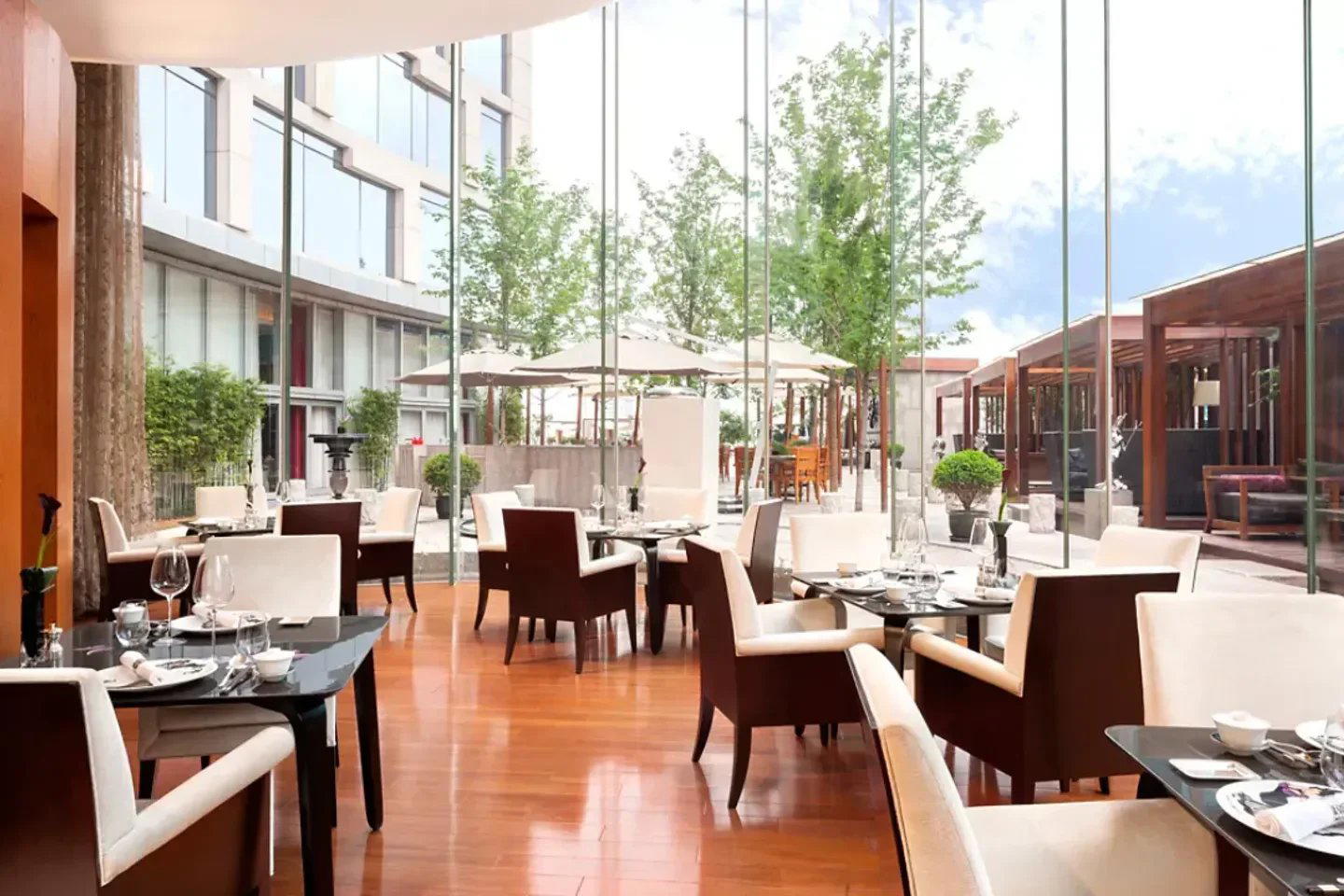
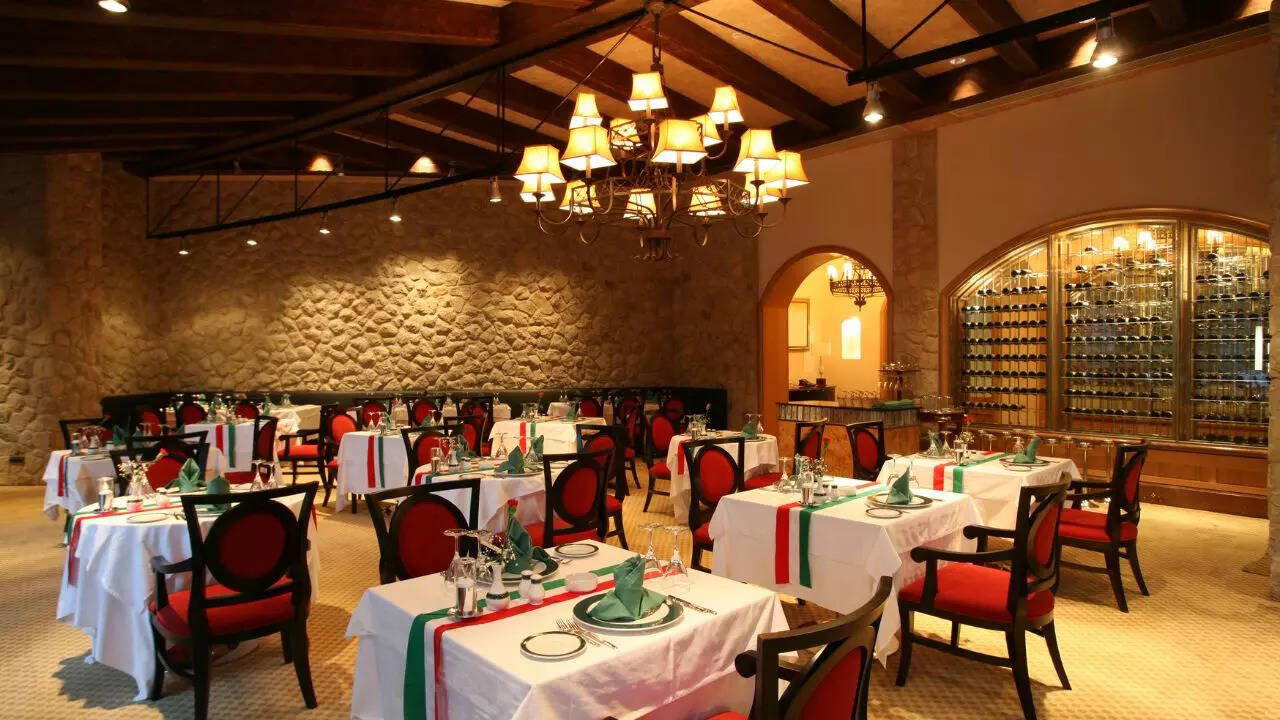
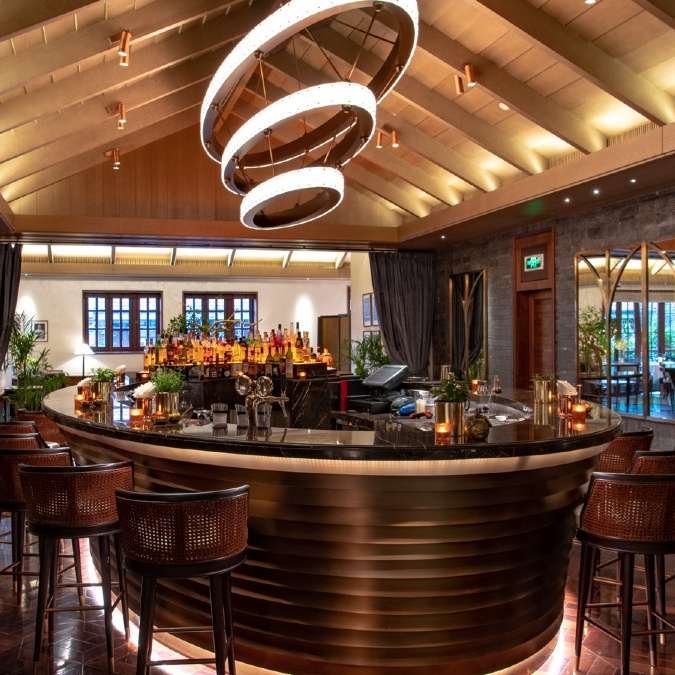
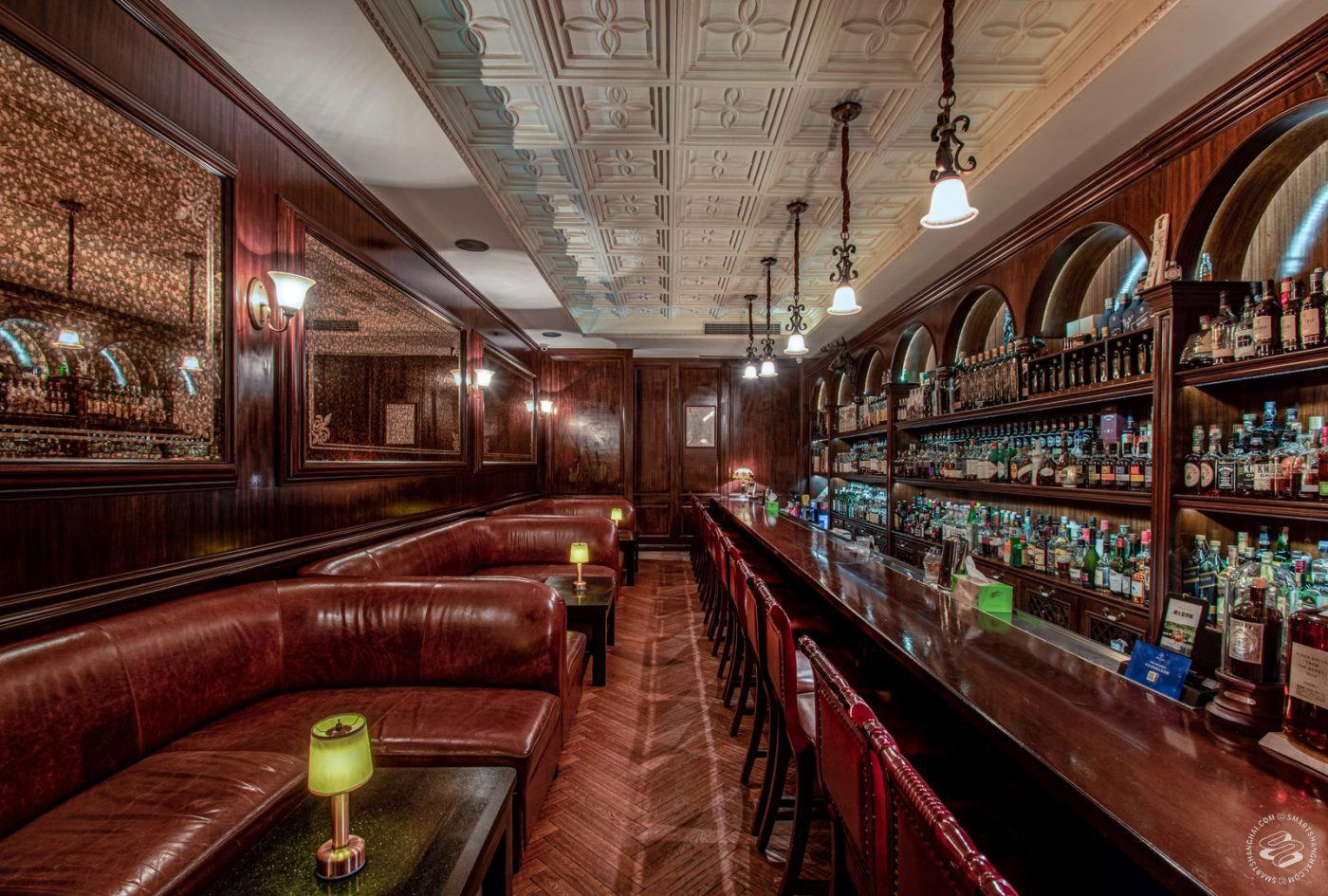
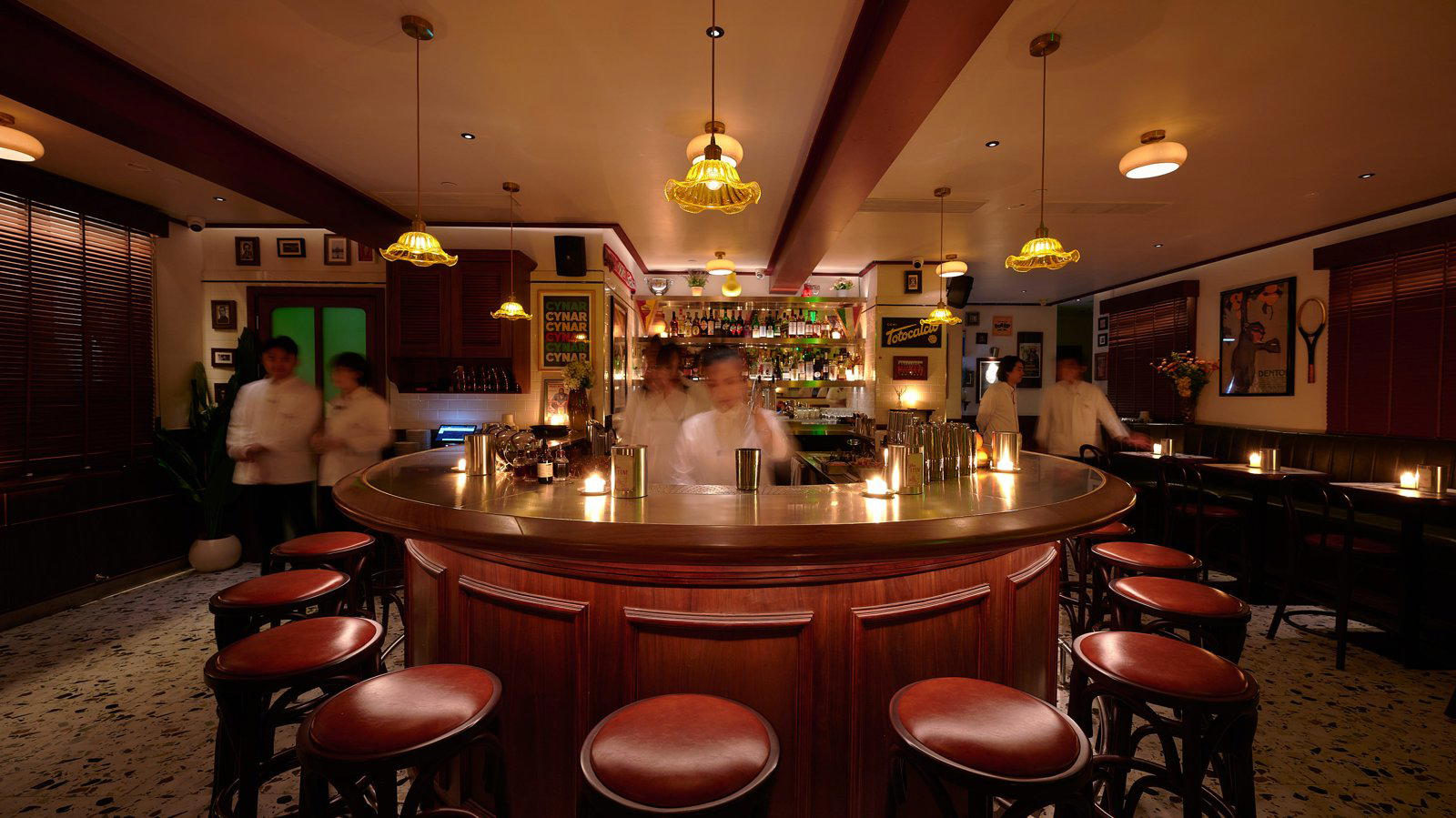
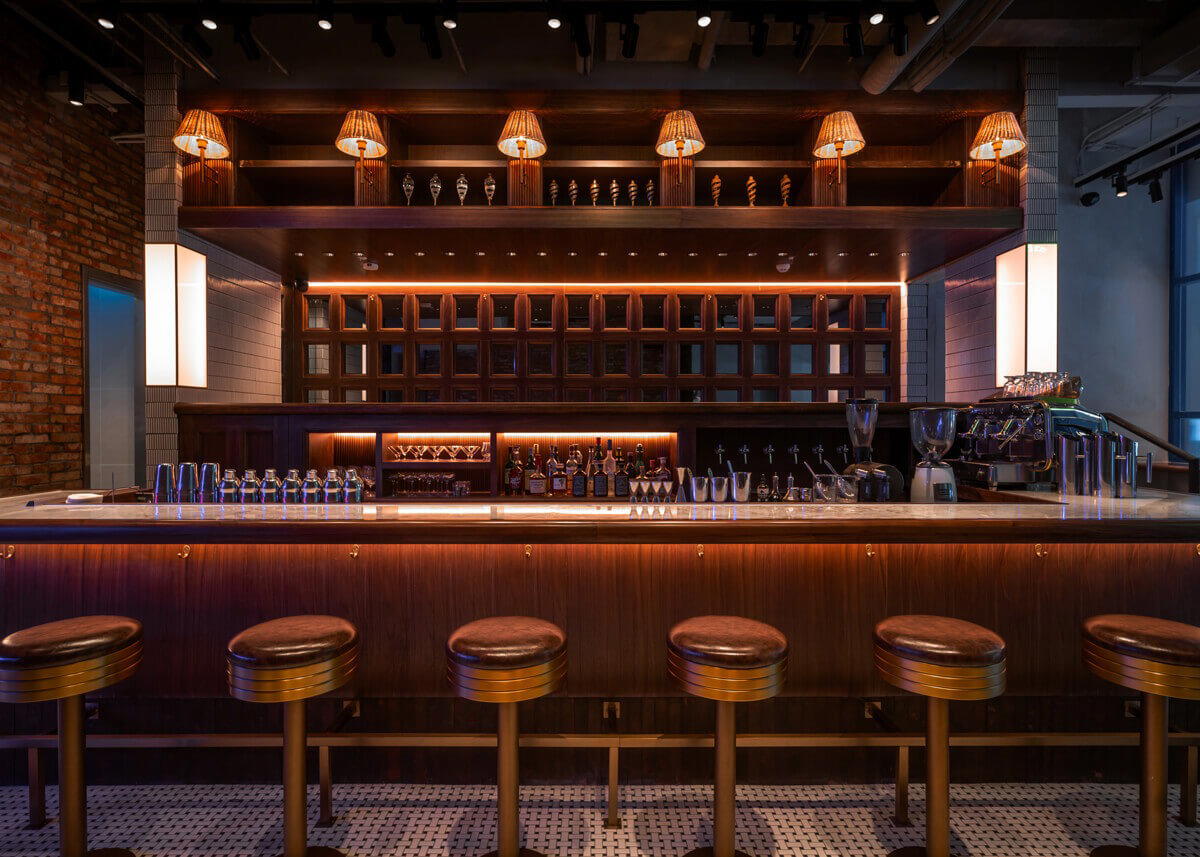
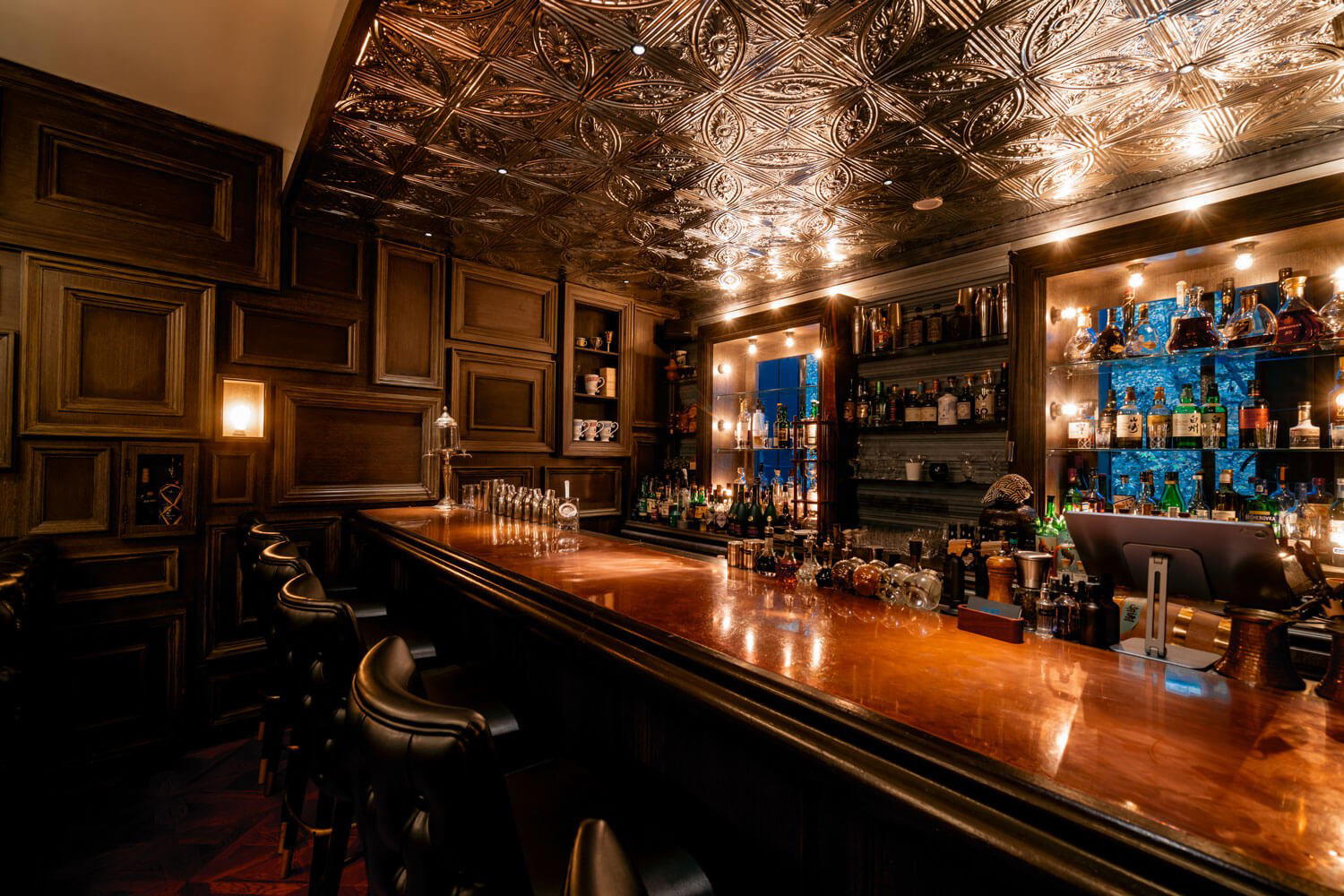
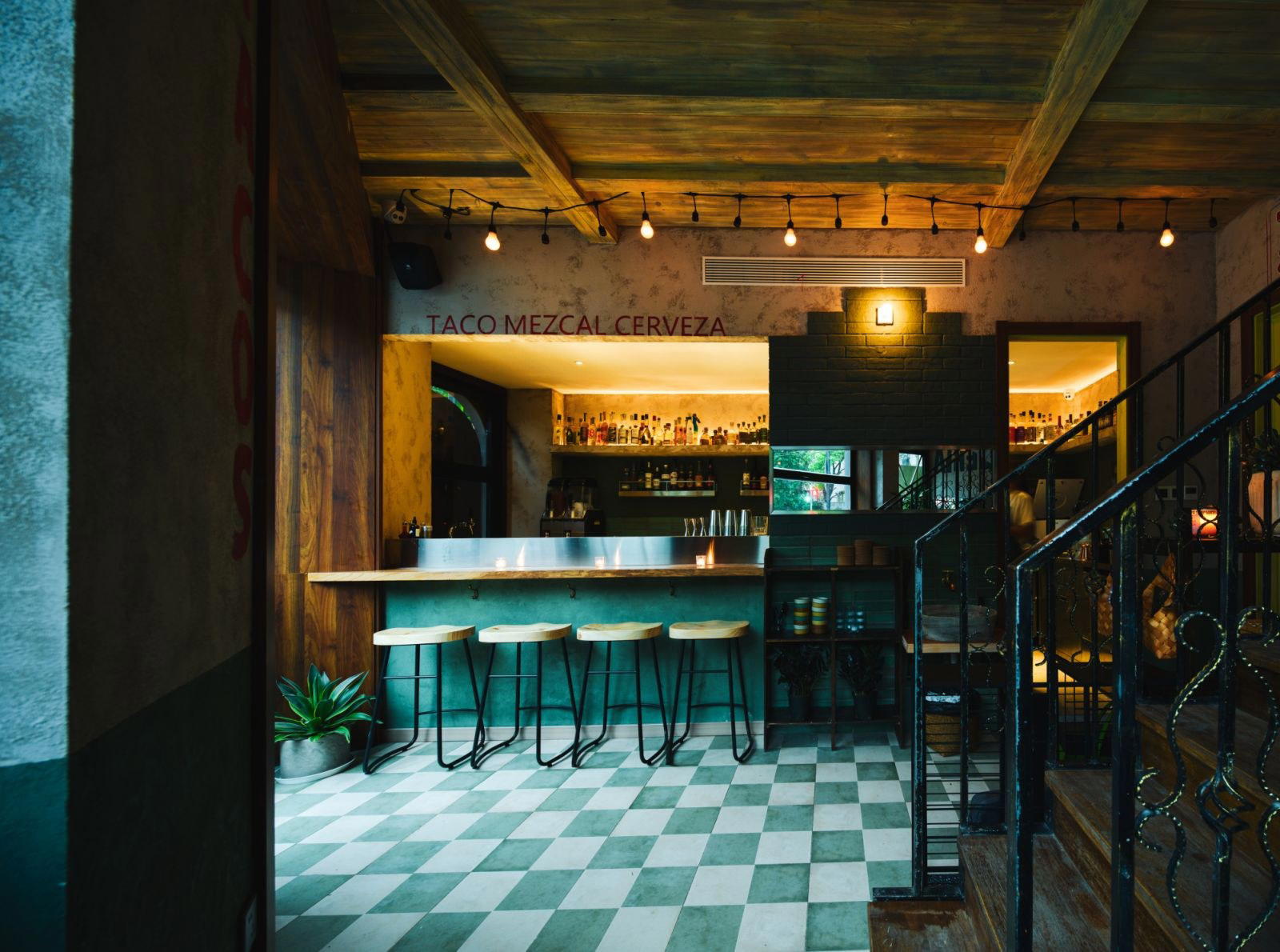
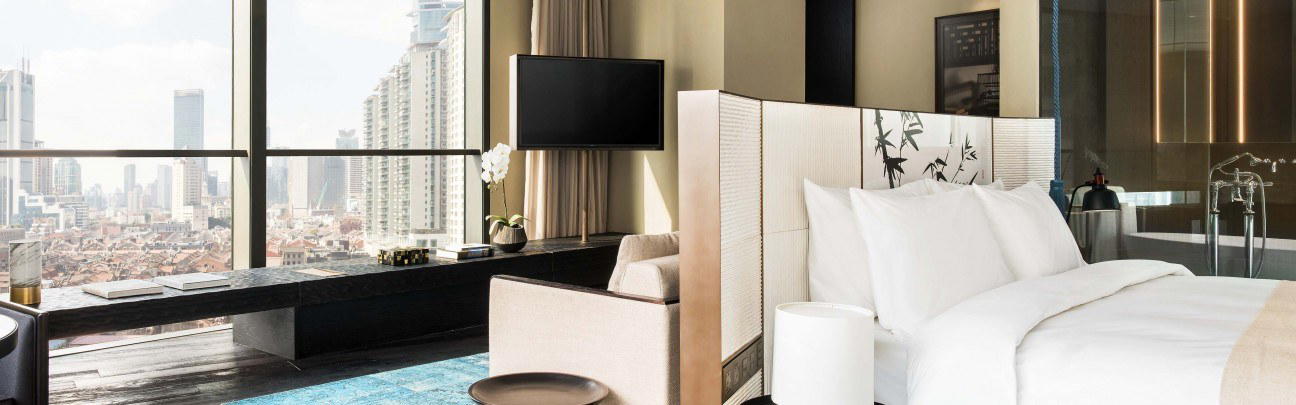
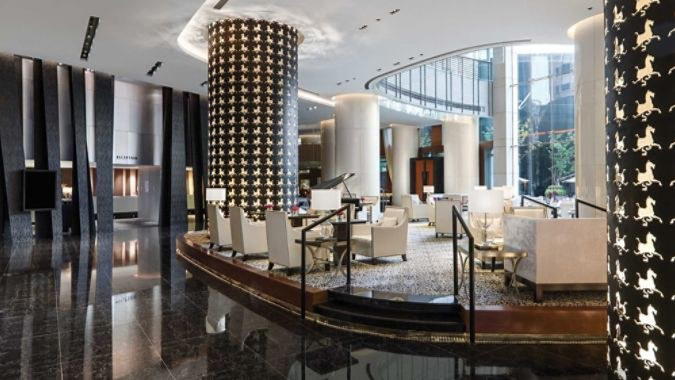
Casual with hot pink tablecloths and cobbled-together decor, featuring lively late-night atmosphere.