Our verdict
Blue Jar sits on Profesora Amanda Labarca in Santiago, occupying a corner of the city where global culinary technique meets Chilean product with quiet confidence. The address places it within reach of several of Santiago's more considered dining destinations, making it a reference point for how the city's kitchens are increasingly treating local ingredients as the story, not the garnish.

Pearl is the En Primeur Club membership app — saves, bookings, and concierge access live there. Same editors, same standards.
- Address
- Profesora, Prof.ª Amanda Labarca 102, Santiago, Región Metropolitana, Chile
- Phone
- +56 9 6155 4650
- Hours
- Mon–Fri 7:30 AM–9:30 PMSat–Sun Closed
- Website
- bluejar.cl
- Directions
- Get directions
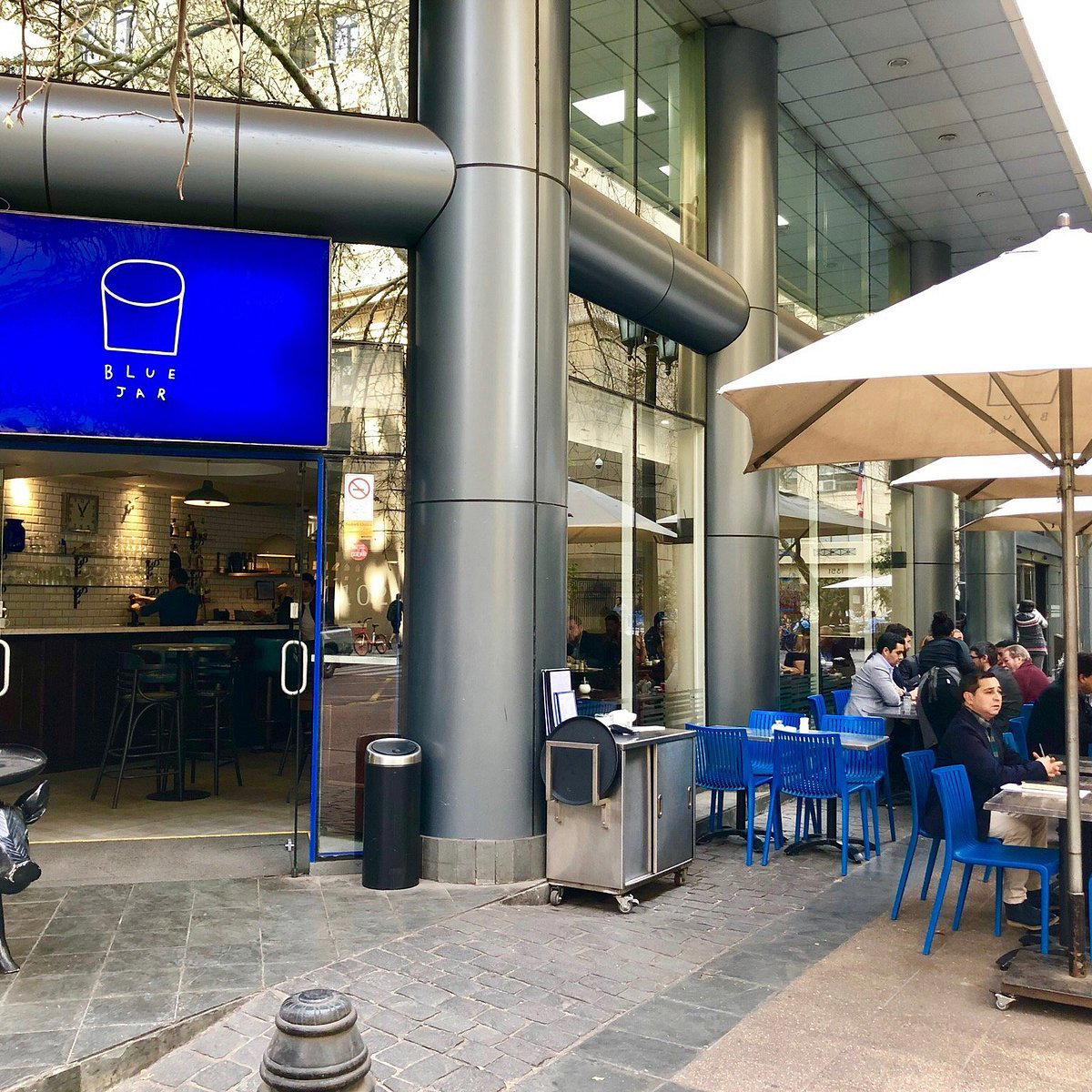
The menu
What to order
- Scrambled eggs
- Blue Pot burger
- British style tea
Where Chilean Produce Meets International Method
Santiago's dining scene has spent the better part of a decade sorting itself into two camps: kitchens that treat Chilean ingredients as a backdrop for imported culinary grammar, and kitchens that treat those same ingredients as the primary argument. The more interesting development is the third group, smaller and harder to categorise, where the technique and the product arrive at the table with equal weight. Blue Jar, addressed at Profesora Amanda Labarca 102 in Santiago's Región Metropolitana, occupies this territory. The street itself, named for a pioneering Chilean academic, sits in a part of the city where the residential and the commercial overlap in ways that tend to produce unpretentious, locally-oriented restaurants rather than the high-gloss venues found in Las Condes or Vitacura.
This editorial positioning matters because it sets expectations accurately. Santiago has produced a handful of restaurants that have drawn international attention for exactly this intersection of imported method and indigenous product. Boragó, widely cited as the reference point for modern Chilean cuisine, built its reputation by foraging from Patagonia to the Atacama and applying rigorous contemporary technique to what it found. Ambrosia has long worked the French-Chilean axis, using classical European structure as a frame for Chilean raw material. Blue Jar enters a category that has real precedent and real competition, which is precisely why the address and the approach both matter.
The Ingredient Argument in Chilean Kitchens
Chile's geography is, by any agricultural measure, extraordinary in its range. The country stretches from the hyper-arid Atacama in the north through temperate Central Valley farmland to the cold-water coastline of Patagonia in the south. That range produces seafood, produce, and livestock that few single-country cuisines can match in sheer variety. The challenge for Santiago's kitchens has always been logistical and cultural: how do you communicate a product grown 1,500 kilometres away in terms that a Santiago diner, often more familiar with Italian or French cuisine than their own national pantry, will receive as premium?
The restaurants that have answered this question most credibly have generally done so through technique. La Calma by Fredes deploys precise modern seafood handling to make the case for Chilean coastal product. 99 Restaurante has used a tightly edited format to ensure that each ingredient on the plate receives the kind of attention that signals intention rather than abundance. These are the contextual peers against which a restaurant working the local-ingredient, global-technique axis should be read.
For diners approaching Blue Jar from outside the city, it is worth noting that Profesora Amanda Labarca sits in the commune of Santiago rather than the wealthier eastern suburbs, which tends to mean the restaurant's value proposition is structured differently from the high-design, high-ticket venues concentrated around Isidora Goyenechea or Nueva Costanera. That is not a limitation; it is frequently where the more honest cooking lives. Peumayen in Providencia demonstrated that serious engagement with pre-Columbian ingredients and indigenous Chilean food traditions does not require a premium postcode to carry weight.
Technique as a Signal, Not a Style
The global-technique, local-ingredient formula can produce cooking that reads as either genuinely exploratory or as marketing positioning dressed in culinary language. The distinction usually shows in the details: whether the technique serves the ingredient or subordinates it, whether the menu changes with actual seasonal availability or runs on a fixed marketing cycle, and whether the sourcing is specific enough to be verified or generic enough to be decorative.
Santiago's most credible kitchens in this category tend to be specific. They name regions, cite producers, and build menus that reflect what the Central Valley and the coastal channels are actually yielding at a given moment. The autumn and winter months, when Chilean citrus, root vegetables, and cold-water shellfish are at their peak, tend to produce menus at this tier that are more internally coherent than the summer offerings, when the temptation to showcase everything the country grows at once can dilute editorial focus.
For international travellers planning around this axis, the May-to-August window in Santiago is often where the produce argument is made most cleanly. Cold-water species from the Chilean coast, including centolla (king crab) from Tierra del Fuego and locos (Chilean abalone) from the northern coast, are typically available and at better quality during this period, and kitchens working the local-ingredient program tend to build around them. Across Chile more broadly, restaurants from Aquí Jaime in Concon on the coast to andBeyond Vira Vira in Araucanía are working similar seasonal logic in their respective regions.
Santiago in a Wider Chilean Dining Context
Blue Jar is one address in a city that has built serious dining infrastructure over the past fifteen years. The country's wine culture, anchored by estates like Viña Concha y Toro in Pirque and the small-production end of things represented by Lapostolle Residence in Santa Cruz, has given Santiago's better restaurants a cellar depth that supports serious tasting menus without importing heavily from abroad. The pairing of Chilean Carménère and Pinot Noir from the coastal Casablanca and San Antonio valleys with local produce has become a coherent identity marker, not just a patriotic gesture.
Beyond the capital, the country's culinary geography is rich enough that a trip structured around food makes sense at a national scale. Pasta e Vino Ristorante in Valparaíso shows how European technique naturalised into Chilean context produces something distinct from either source. Awasi Atacama in San Pedro de Atacama and CasaMolle in El Molle demonstrate that the local-ingredient argument plays out very differently across the country's climatic zones. Santiago is the entry point, and for most international visitors, the concentration of options here, including Demencia and D.O. Restoran in Lo Barnechea, makes it the logical base for a Chile dining itinerary. Our full Santiago restaurants guide maps the city's options by neighbourhood and tier.
For context on how global technique intersects with local product at the highest levels internationally, the approaches at Le Bernardin in New York City and the communal tasting format at Lazy Bear in San Francisco both offer useful reference points for what rigorous technique in service of a defined product philosophy looks like in practice.
Blue Jar is at Profesora Amanda Labarca 102, Santiago. Given the absence of publicly listed booking infrastructure, arriving in person or approaching through the venue directly is the most reliable path to a table. Current hours and reservation policy are best confirmed directly with the restaurant ahead of any visit, particularly during public holidays and the Chilean summer season from December through February, when schedules across the city's independent restaurants tend to shift.
Frequently asked questions
What's Blue Jar's location?
Blue Jar is located at Profesora, Prof.ª Amanda Labarca 102, Santiago, Región Metropolitana, Chile, Santiago.
How does Blue Jar compare to other ingredient-driven restaurants in Santiago?
Blue Jar sits within a city that has built serious independent dining infrastructure over the past fifteen years, with a growing cohort of kitchens treating Chilean geography — from Atacama to Patagonia — as a sourcing argument rather than a backdrop.
What's the must-try dish at Blue Jar?
The kitchen's positioning within Santiago's local-ingredient, global-technique movement suggests a menu built around Chilean produce treated with international method — the kind of cooking where the ingredient sourcing, rather than any single dish, is the editorial argument. Check directly with the restaurant for current menu specifics.
Do they take walk-ins at Blue Jar?
No confirmed walk-in or reservation policy is documented for Blue Jar at this time. Independent kitchens at the Amanda Labarca address profile in Santiago's central commune tend to run tighter covers, where showing up without a booking carries real risk of being turned away. Contacting the restaurant ahead of your visit is the practical call.
Same-City Peers
Comparable venues nearby, for context on price, style, and recognition.
| Venue | Cuisine | Price | Awards | Notes |
|---|---|---|---|---|
| Blue JarThis venue — the venue you are viewing | Modern Fusion with Chilean Influences | $10–20 | Not listed | Not listed |
| Av. Italia | International Fusion with Italian, Peruvian & Venezuelan influences | $10–20 | Not listed | Barrio Italia, Providencia |
| Korean Restaurant Sukine | Authentic Korean | $10–20 | Not listed | Bellavista |
| Liguria | Traditional Chilean Gastropub | $20–30 | Not listed | Providencia |
| La Mesa | Modern Chilean Farm-to-Table | $50–100 | The Best Chef One Knife | Vitacura |
| Divertimento Chileno | Traditional Chilean | $20–30 | Not listed | Providencia |
Continue exploring
More in Santiago
Restaurants in Santiago
Browse all →
Bars in Santiago
Browse all →


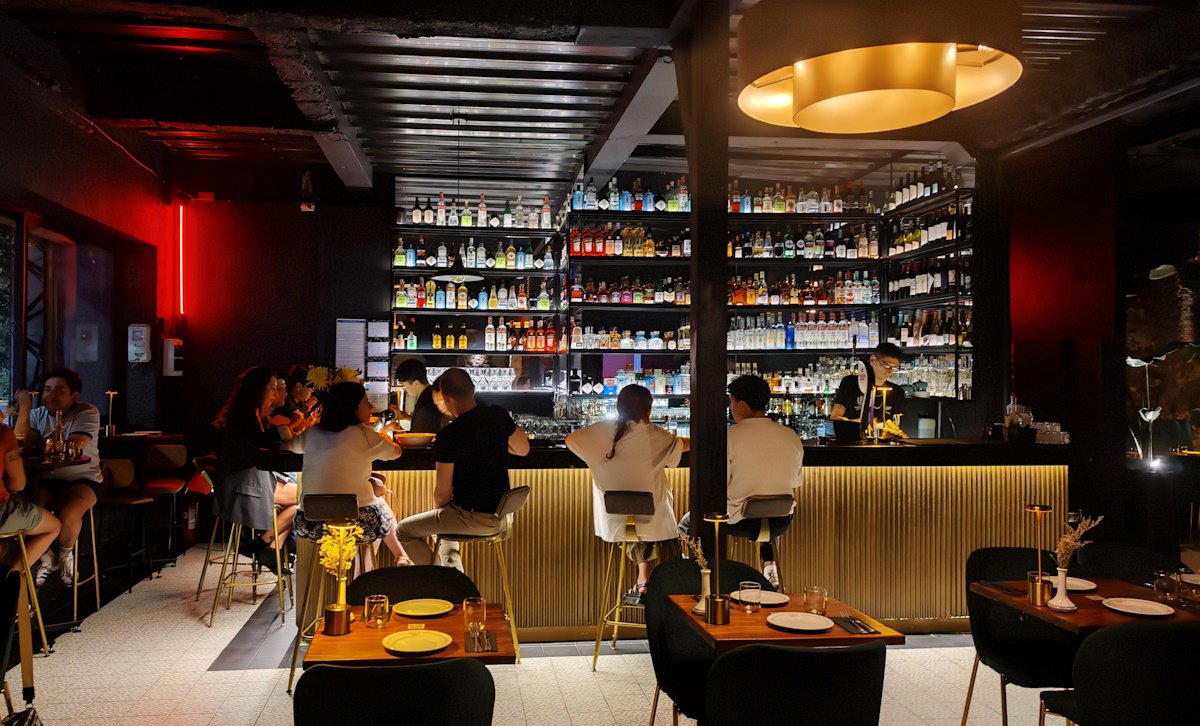
Hotels in Santiago
Browse all →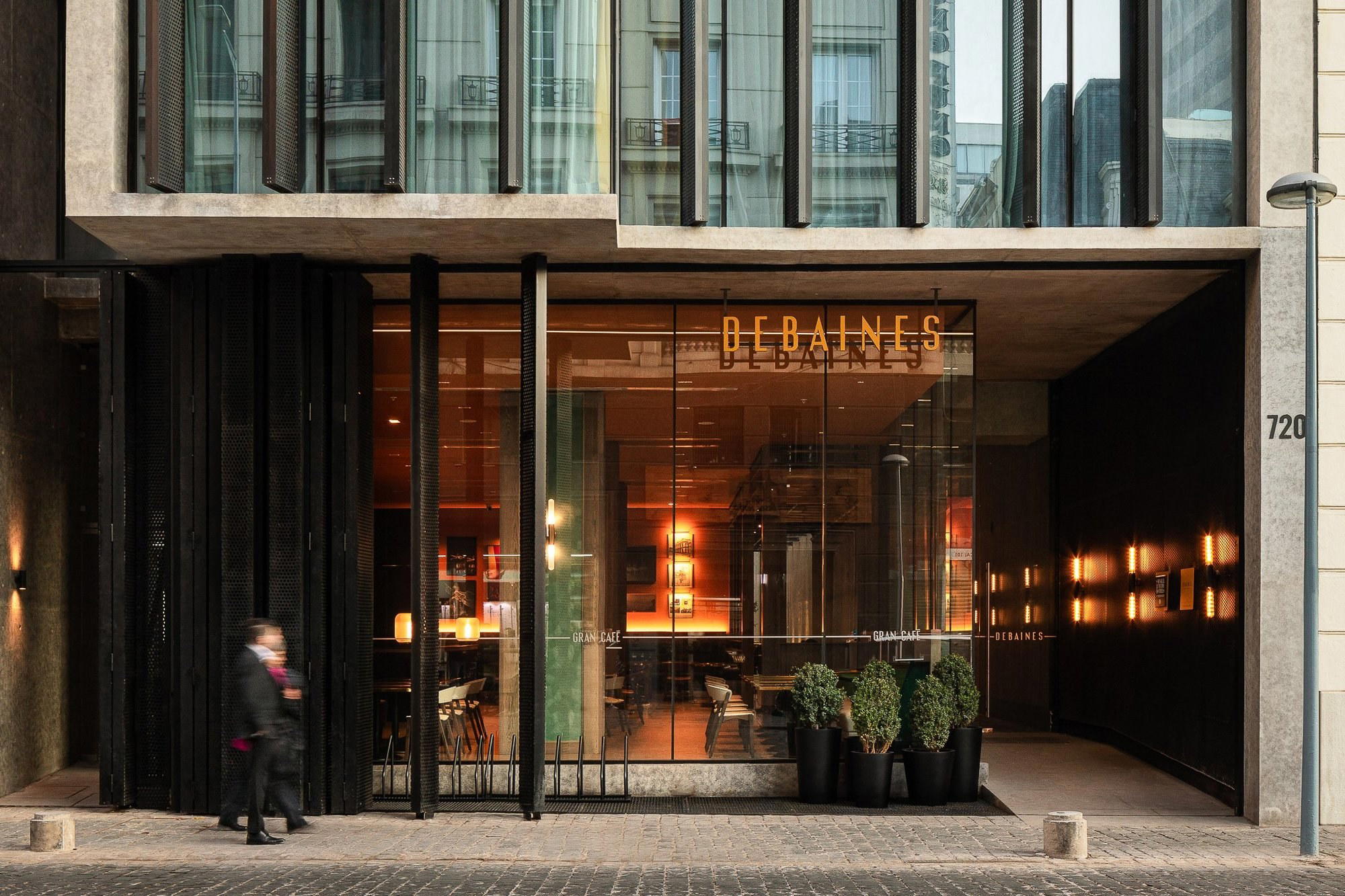

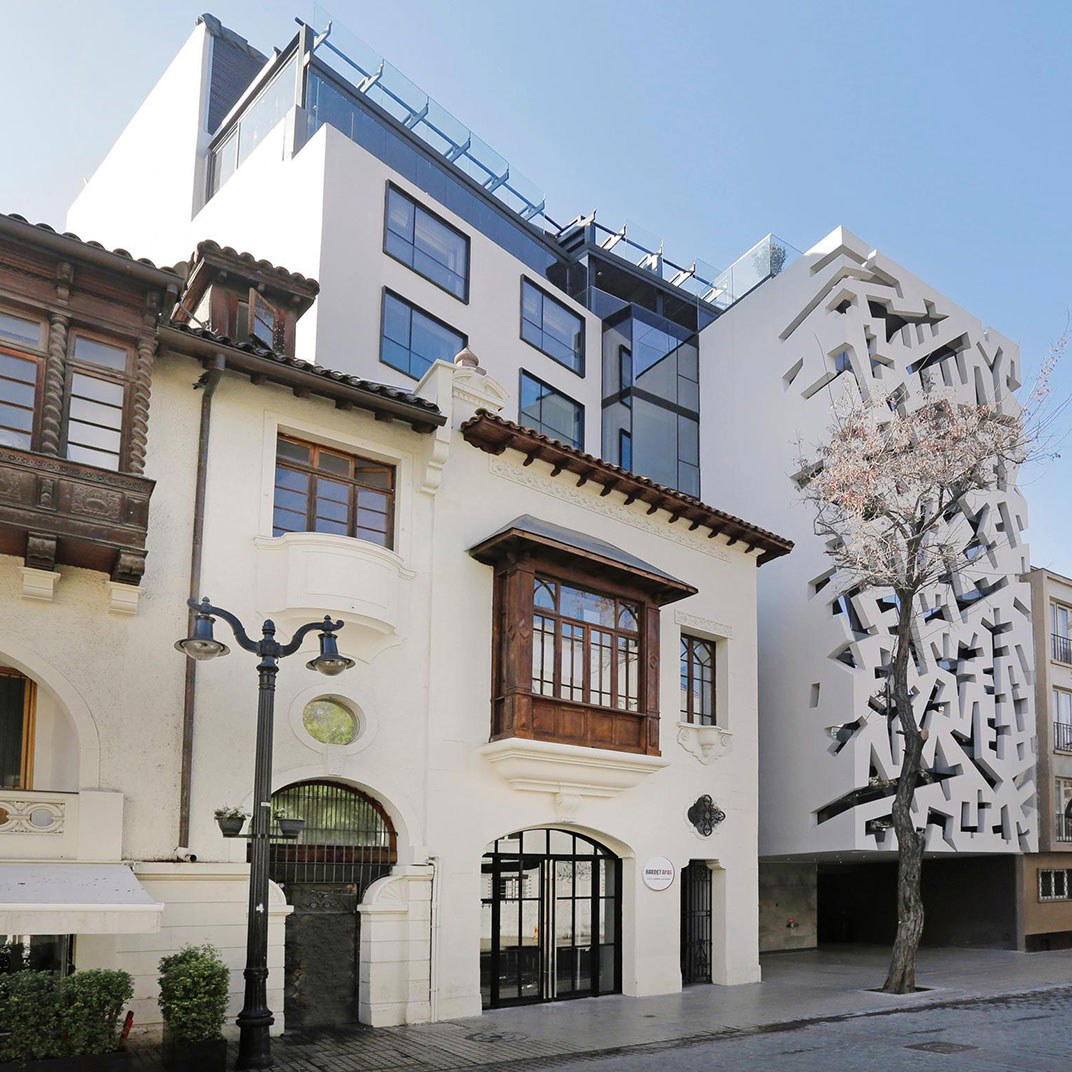
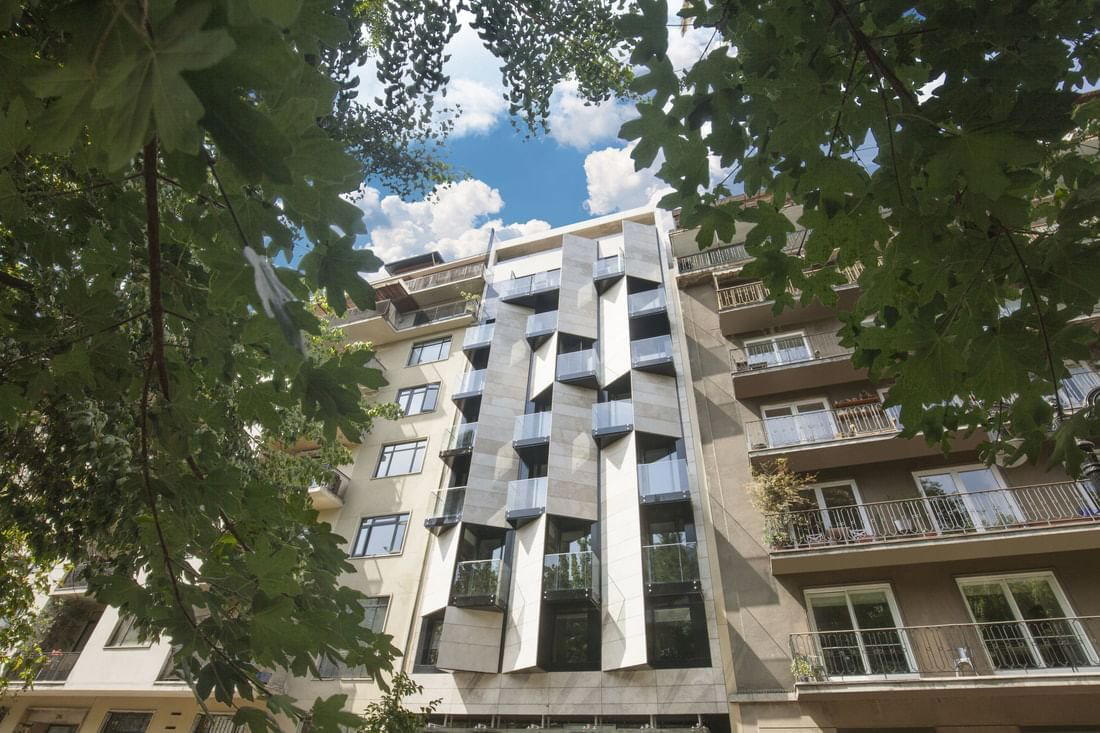



Details
- Cozy
- Modern
- Casual Hangout
- Brunch
- Standalone
- Local Sourcing
- A La Carte
Current opening hours
- Monday
- 7:30 AM–9:30 PM
- Tuesday
- 7:30 AM–9:30 PM
- Wednesday
- 7:30 AM–9:30 PM
- Thursday
- 7:30 AM–9:30 PM
- Friday
- 7:30 AM–9:30 PM
- Saturday
- Closed
- Sunday
- Closed
Hours can change for holidays and private events. Last verified .
Cozy and charming with a welcoming atmosphere ideal for breakfast, lunch, and afternoon tea.