Potkovica on Golsvordijeva 20 occupies a quiet address in Belgrade where the city's appetite for neighbourhood dining plays out without fanfare. Planning a visit requires some groundwork given the limited online presence, which places this address in a tier of Belgrade restaurants that reward local knowledge over search-engine discovery. Readers seeking the fuller Belgrade dining picture will find context in EP Club's city coverage.
Pearl is the En Primeur Club membership app — saves, bookings, and concierge access live there. Same editors, same standards.
- Address
- Golsvordijeva 20, Beograd 11000, Serbia
- Phone
- +381112436363
- Website
- kudaveceras.rs
- Directions
- Get directions
 Saves & bookings on Pearl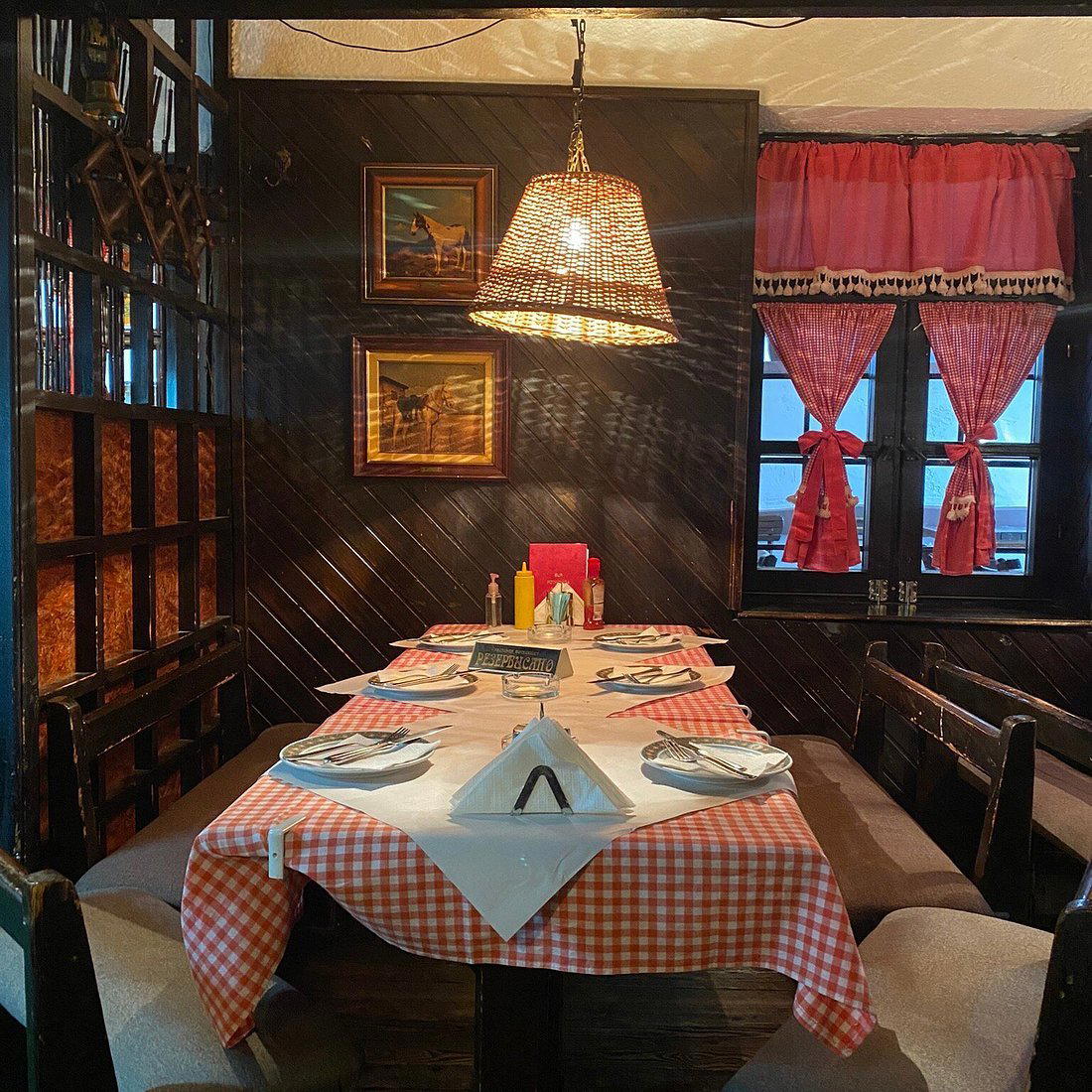
Before You Arrive: What the Address Tells You
Golsvordijeva street sits in one of Belgrade's residential quarters where the restaurant offer is shaped more by neighbourhood loyalty than by international visibility. Properties at addresses like this one operate largely outside the review circuits that funnel tourist traffic toward the riverside or Skadarlija quarter. That obscurity is not accidental: Belgrade has a long tradition of local institutions that depend on word-of-mouth cycles rather than listing platforms, and Potkovica sits within that tradition.
Walking in without prior confirmation is a reasonable strategy for lunch on a weekday, less so on a Friday or Saturday evening when neighbourhood regulars tend to claim the room early.
Belgrade's Neighbourhood Restaurant Tier: Where Potkovica Sits
Belgrade's dining map, when read carefully, separates into at least three distinct operating tiers. The first is the destination-restaurant tier, represented by addresses like Langouste, where tasting menus and modern technique pull a mixed local-international crowd, and The Square, which pitches contemporary French cooking at a price point that signals occasion dining. The second tier covers broad-appeal restaurants with consistent volume and accessible pricing, such as Ambar, which has built a recognisable identity around Balkan sharing plates. The third tier, the one that defines the city's actual daily eating culture, is the neighbourhood restaurant, operating on shorter menus, regular clientele, and a format shaped by the local block rather than by tourism flows.
Potkovica occupies that third tier. The address on Golsvordijeva signals as much: this is not a restaurant positioned to intercept visitors, but one that serves a community. For the traveller willing to look beyond the obvious circuits, these addresses consistently deliver an encounter with the city's food culture that destination restaurants, by design, cannot replicate. Avala and Barrel House represent adjacent entries in Belgrade's wider dining map and offer useful comparison points for understanding how the city's mid-register eating operates across different neighbourhoods.
Serbian Kafana Culture and What It Produces at the Table
The kafana format, Serbia's foundational dining institution, carries centuries of social and culinary weight. At its core, the kafana is a space where food, drink, and extended sitting coexist without the transactional pressure of high-turnover restaurant models. Menus in this tradition anchor to grilled meats, slow-cooked stews, seasonal vegetables prepared simply, and a wine or rakija offer sourced locally rather than internationally. The leading of these addresses run a short daily menu that reflects what was available at market, a practice that imposes a seasonal discipline without ever advertising it as such.
Across Serbia's wider dining culture, this same sensibility appears at different price points and settings. Kod Brana in Cacak and Lovački dom in Valjevo both draw from this tradition in regional contexts, while addresses like Etno Kuća Dinar in Vrsac and KAFANA DUKAT in Pirot carry it into smaller cities where the format remains the dominant social dining model. ČARDA ZLATNA KRUNA in Apatin extends the picture further into riverside Vojvodina. Read alongside these, Potkovica fits a recognisable pattern: a Belgrade address running the established playbook for neighbourhood dining without modification for outside audiences.
This is worth flagging as a positive. Restaurants that have adapted their format to capture tourist attention often do so at a cost to the qualities that made them worth seeking out. The Serbian neighbourhood table at its most unmodified is a specific experience: portions calibrated for appetite rather than aesthetic, a room that operates on local time rather than tourist hours, and a bill that reflects the actual cost of feeding a neighbourhood rather than a premium for the privilege of eating somewhere written about in travel media.
Timing, Seasonality, and the Planning Window
Belgrade's restaurant culture has a pronounced seasonal rhythm. Summer brings outdoor seating to almost every neighbourhood address, and the terrace or courtyard, if Potkovica has one, becomes the preferred configuration from May through September. Arriving in this window increases the likelihood of an al fresco setting that suits the casual, extended format of Serbian neighbourhood dining. Winter eating pulls indoors and leans harder on the menu's slower, heavier preparations: bean soups, braised meats, and the kind of food that makes sense when the temperature outside drops below zero.
For visitors planning around these seasonal conditions, timing a visit to coincide with the early autumn harvest period gives access to the freshest produce cycle in Serbian cooking. September and October see game, fungi, and late-summer vegetables appear across neighbourhood menus in the city, and an address like Potkovica, operating without the logistical constraints of a destination-format kitchen, is better placed to respond to that seasonal availability than a larger, more structured operation.
Readers building a wider Serbian itinerary will find comparable seasonal sensibilities at Windmill in Pancevo, Kafe Restoran Maša in Novi Sad, Kod poštara in Aran Elovac, Aleksandar Gold in Uzice, and Grand in Kopaonik. The pattern of seasonal adjustment is consistent across the country's neighbourhood dining tier, even as formats and specific menus vary by region.
Planning Your Visit
Golsvordijeva 20 is the confirmed address. Weekend evenings at neighbourhood restaurants in this part of Belgrade typically fill from 7pm onward; arriving earlier gives a cleaner choice of table and more relaxed service. For reference points at opposite ends of the formality spectrum, Le Bernardin in New York City and Atomix in New York City represent what the destination-restaurant tier looks like when taken to its furthest development.
Comparable Options
Comparable venues nearby, for context on price, style, and recognition.
| Venue | Cuisine | Price | Notes |
|---|---|---|---|
| PotkovicaThis venue — the venue you are viewing | Traditional Serbian Horse Meat Barbecue | $$ | Not listed |
| Restaurant Djerdan | Authentic Serbian Barbecue | $$ | Zvezdara |
| Pretop | Traditional Serbian Roast Pork | $$ | Zemun |
| Znak pitanja (?) | Traditional Serbian Kafana | $$ | Stari Grad |
| RESTORAN GRAFIČAR | Traditional Serbian Barbecue | $$ | Dedinje |
| KAFE POSLASTIČARNICA FINI | Serbian Pastry Cafe | $$ | city center |
At a Glance
- Cozy
- Rustic
- Group Dining
- Casual Hangout
- Historic Building
- Beer Program
Current opening hours
- Monday
- 10 AM–11 PM
- Tuesday
- 10 AM–11 PM
- Wednesday
- 10 AM–11 PM
- Thursday
- 10 AM–11 PM
- Friday
- 10 AM–11 PM
- Saturday
- 10 AM–11 PM
- Sunday
- Closed
Hours can change for holidays and private events. Last verified .
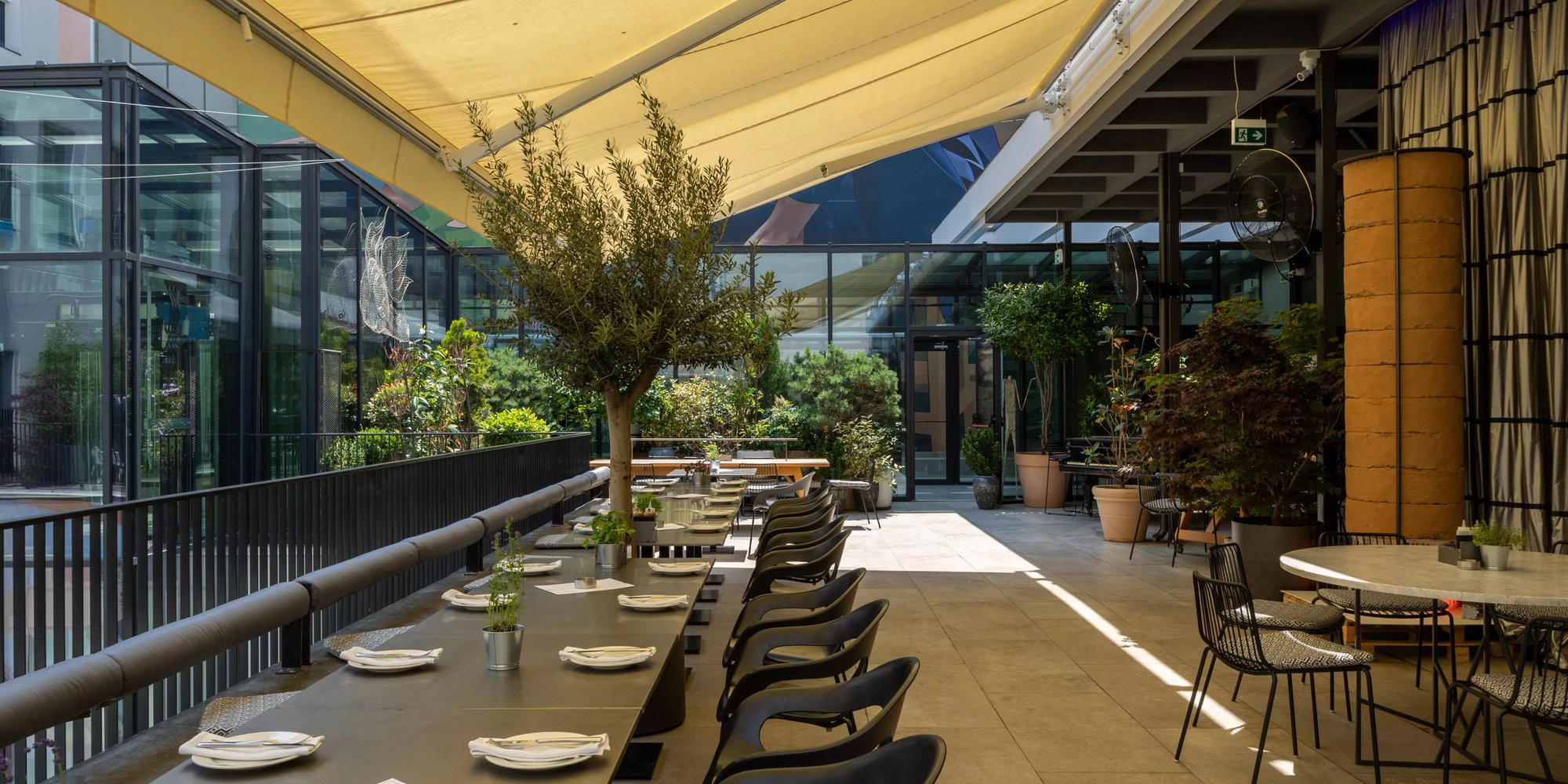
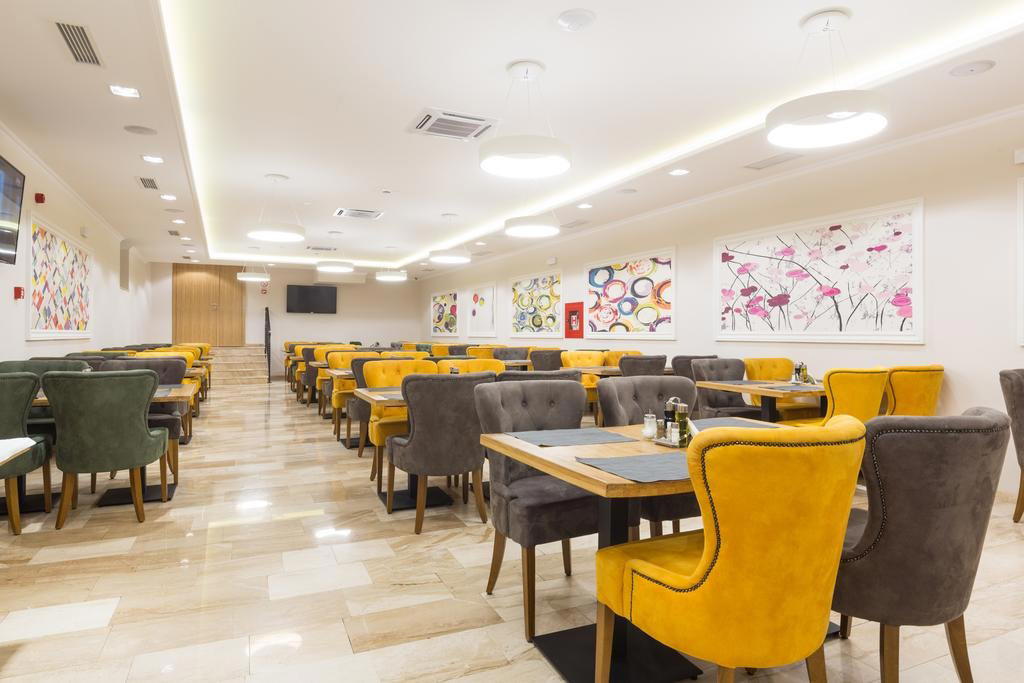
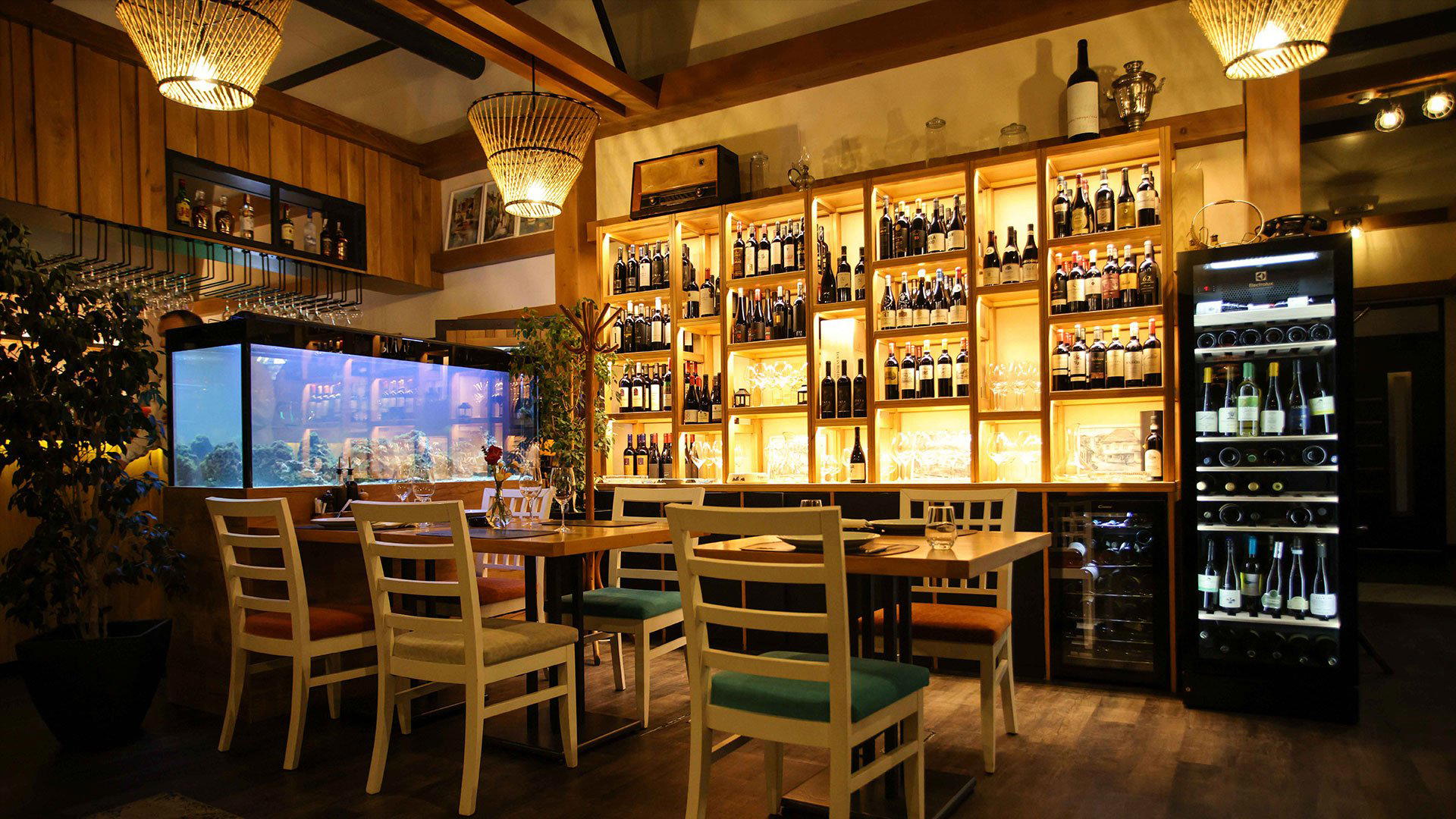
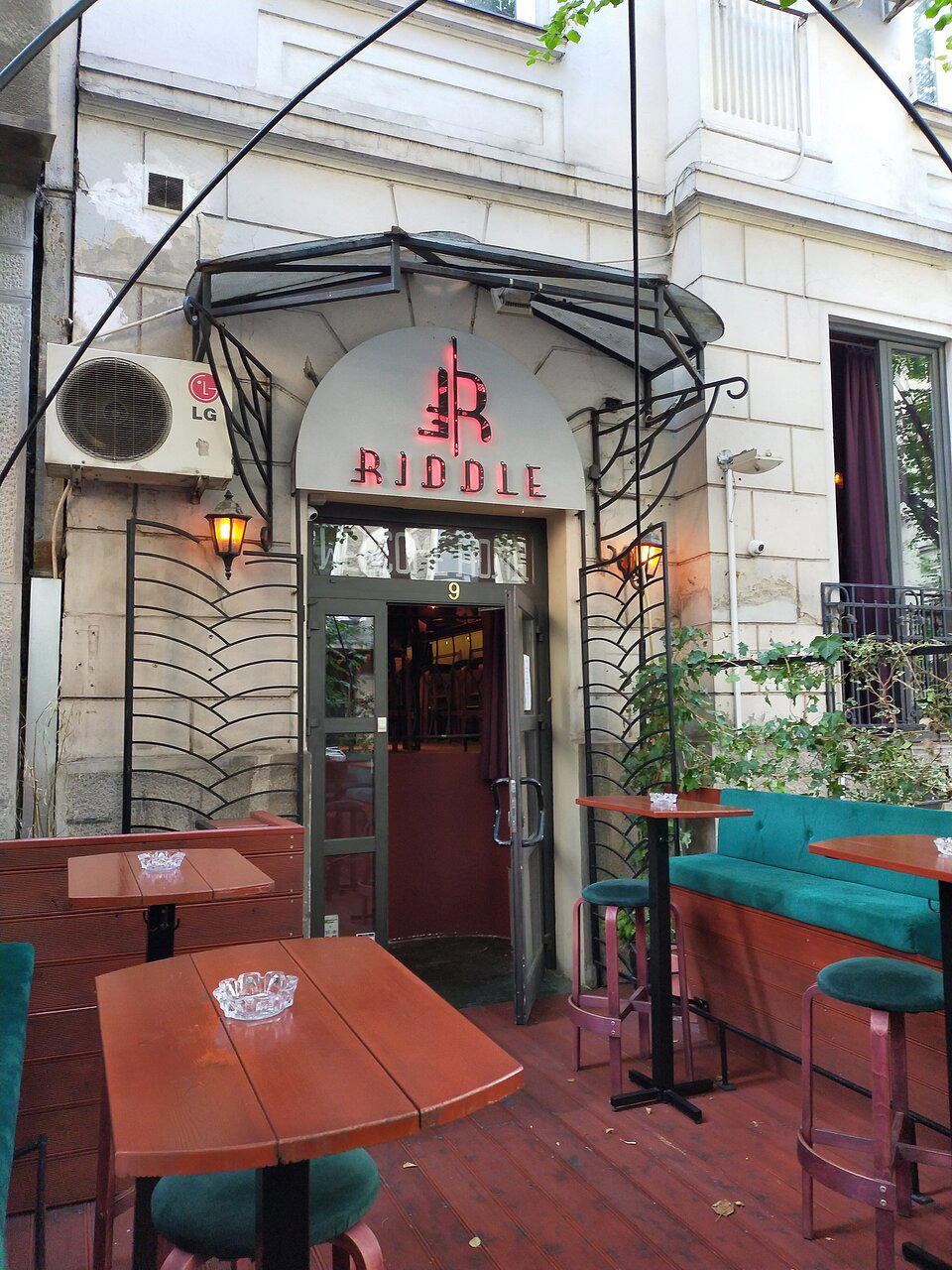
Cozy, homely, and unpretentious with a traditional, slightly rustic atmosphere and friendly local vibe.