Located on Rue Talaa Kebira inside Fes el-Bali, Nachō Mama Restaurant occupies one of the medina's most-trafficked thoroughfares at 30 Kantarat Borrouss. The restaurant trades in a format that sits apart from the riad dining rooms that dominate the Fes premium scene, offering a more informal point of entry into the medina's eating culture. Contact and booking details are best confirmed locally on arrival.
Pearl is the En Primeur Club membership app — saves, bookings, and concierge access live there. Same editors, same standards.
- Address
- 30 Kantarat Borrouss, Rue Talaa Kebira, Fes 30000, Morocco
- Phone
- +212 694 277849
- Directions
- Get directions
 Saves & bookings on Pearl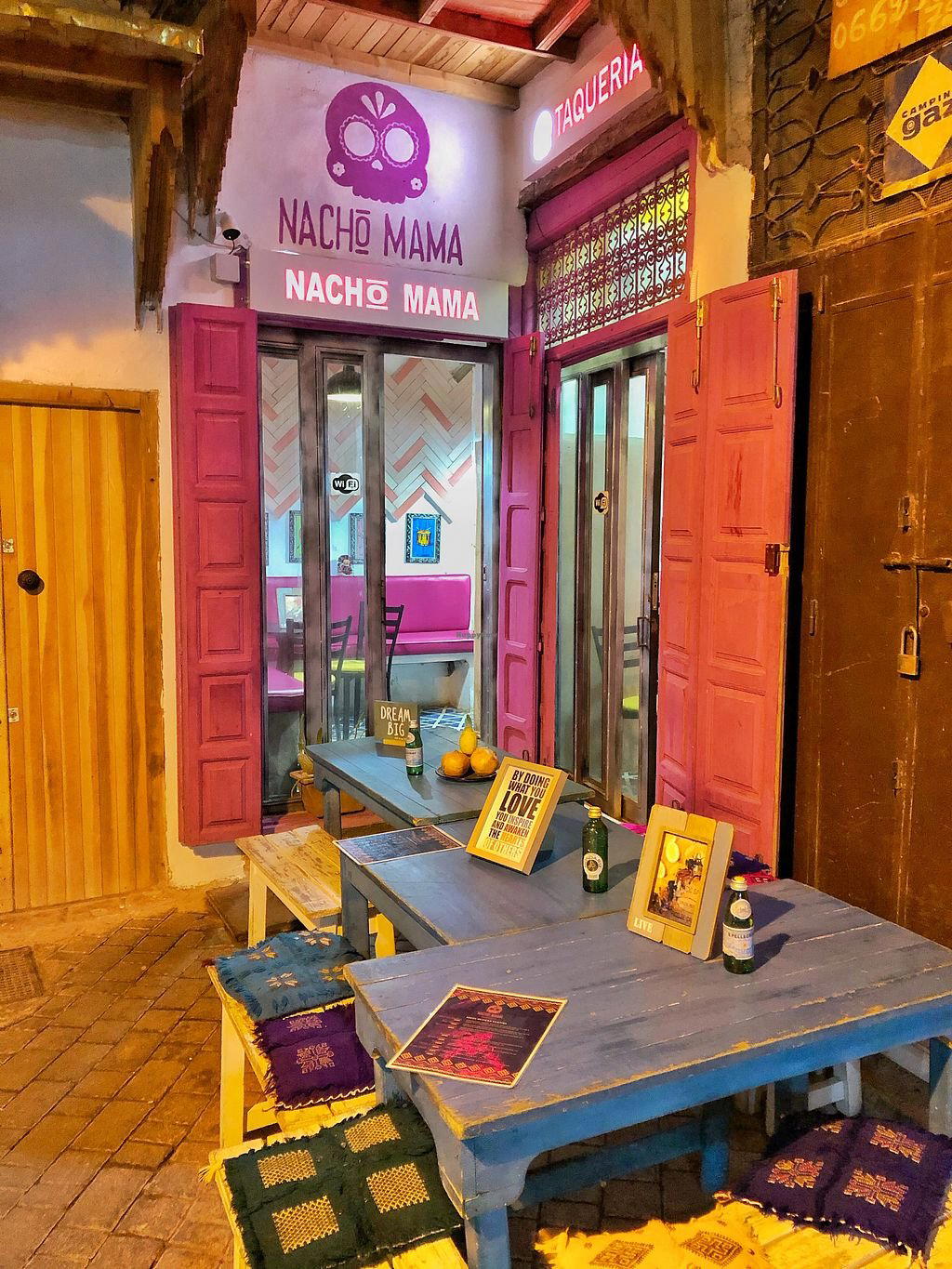
Rue Talaa Kebira and the Medina Dining Split
The main artery of Fes el-Bali divides into two distinct dining cultures. At the upper end, riad restaurants such as Dar Roumana and Dar Tagine operate behind carved wooden doors, with set menus, courtyard seating, and price points aimed at visitors who have pre-planned their evenings. Below that tier, Talaa Kebira's ground-floor spots serve a faster, more improvisational crowd: students from the nearby Qarawiyyin quarter, traders on midday breaks, and travellers who arrive in the medina without a reservation and want something immediate. Nachō Mama Restaurant, at 30 Kantarat Borrouss on this same street, is a Mexican restaurant.
That scarcity matters as a locating device. Fes has developed a recognisable dining grammar over the past decade: bastilla, harira, slow-braised lamb, preserved lemon, and the tagine as the default frame for almost every mid-range meal. Restaurants that step outside that grammar, as Cafe Clock has done with its camel burger and international programming, tend to attract a different kind of attention. They become reference points for visitors who are spending multiple days in the medina and want variety, as well as for the city's younger Moroccan residents who track global food trends. A venue with a Mexican-adjacent name on Talaa Kebira operates in exactly that gap.
What the Address Tells You
The Kantarat Borrouss section of Rue Talaa Kebira sits in the upper medina, within walking distance of Bab Bou Jeloud, the blue-tiled gate that most visitors use as their entry point into Fes el-Bali. That proximity is logistically useful: the neighbourhood is well-served by petit taxis to the gate, and the walk from there to number 30 is manageable even without a detailed map, provided you follow Talaa Kebira downhill and stay alert to the address numbering, which in this part of the medina can require patience. The street itself is one of the few in the medina wide enough to allow some natural light at midday, which changes the character of eating there compared to the narrower derbs where riad restaurants tend to hide.
For visitors using Fes as a base to reach other Moroccan destinations, the medina's dining tier connects to a broader national picture. The formal end of Moroccan fine dining is concentrated in Marrakesh, where venues like La Grande Table Marocaine at Royal Mansour and Amal Gueliz Center set a different standard entirely. Fes operates at a remove from that circuit, which is part of what makes its street-level and informal dining sector interesting: the pressure to perform for an international luxury audience is lower, and the food that results can be more direct. Coastal cities add another comparison: Andalus in Tangier brings a northern Moroccan seafood tradition that has no real equivalent in landlocked Fes.
The Format Question: Casual International in a Traditional City
In most Moroccan medina cities, the dining options for visitors split into three broad formats: the street-food circuit (msemen, harira, grilled kefta), the mid-range restaurant aimed squarely at tour groups, and the premium riad experience. Venues that attempt something outside those three categories occupy an unusual position, often drawing comparisons to Berrada or Darori simply because the alternatives are limited. What defines a casual international venue in this context is less about the food itself and more about the social proposition: a place where the format is familiar enough to provide relief from the sometimes intense sensory pressure of navigating a medieval medina, without requiring the advance planning of a riad dinner.
That dynamic plays out differently depending on the time of year. Fes sees its heaviest visitor traffic in spring (March to May) and autumn (September to November), when the medina's streets become genuinely crowded by mid-morning. During those windows, a restaurant on Talaa Kebira with walk-in capacity becomes a practical asset in a way that a reservation-only riad is not. In summer, the medina empties of international visitors but fills with Moroccan families on domestic holidays, creating a different kind of clientele with different expectations. A kitchen that operates outside traditional Moroccan formats navigates both seasons differently.
Service Structure in Medina Restaurants
Across the medina's dining tier, the collaboration between front-of-house staff and kitchen tends to be tighter than in larger Moroccan cities, partly because the venues are smaller and partly because the physical constraints of medina buildings, narrow staircases, cramped kitchens, no loading bays, demand a higher degree of coordination. At riad restaurants, this is managed through the set-menu format: a single progression allows front-of-house to pace service without real-time communication with the kitchen. At more informal spots on Talaa Kebira, the equivalent discipline comes from a limited menu and experienced servers who know exactly what the kitchen can produce quickly under pressure. Whether Nachō Mama's team operates along similar lines is something a visit would confirm; the address and format suggest a small operation where that kind of internal coordination would be necessary. For other takes on how Fes kitchens handle this, Gayza in the medina offers a useful comparison point.
Morocco's broader restaurant sector has been developing its service culture steadily, partly through exposure to international visitors and partly through Moroccan hospitality professionals returning from training abroad. Cities like Casablanca, where La Grande Table Marocaine at Royal Mansour Casablanca sets a formal benchmark, have absorbed those influences most visibly. In Fes, the change is slower but present, particularly in venues on the main medina routes that handle high daily footfall. Destinations elsewhere in Morocco, from Le Salon Oriental in Essaouira to Hyatt Place Taghazout Bay in Agadir, show how service standards adapt to different visitor profiles.
Planning a Visit
Nachō Mama Restaurant is open daily from 12 to 10:30 PM. One reliable approach is to check availability on arrival in Fes, either by walking the address on Talaa Kebira directly or asking at your riad, where staff typically maintain current knowledge of which nearby venues are open. The address, 30 Kantarat Borrouss, Rue Talaa Kebira, Fes 30000, Morocco, is specific enough to locate with the help of a local. Given the concentration of restaurants in this part of the medina, it is worth planning alternatives: Cafe Clock a short distance away has reliable hours and a well-documented menu, and Dar Roumana takes advance bookings for evenings when a more structured meal is the priority.
Cost and Credentials
Comparable venues nearby, for context on price, style, and recognition.
| Venue | Cuisine | Price | Notes |
|---|---|---|---|
| Nachō Mama RestaurantThis venue — the venue you are viewing | Fes Medina, Mexican | $$ | Not listed |
| Berrada | Not listed | $$ | Fes Medina, Traditional Moroccan Home Cooking |
| Darori | Medina, Traditional Moroccan Fassi | $$$ | Not listed |
| Cafe Clock | Medina, Moroccan Fusion Cafe | $$ | Not listed |
| Roof Top Bar | Other | Not listed | Not listed |
| Gayza | Medina, Refined Moroccan Fine Dining | $$$ | Not listed |
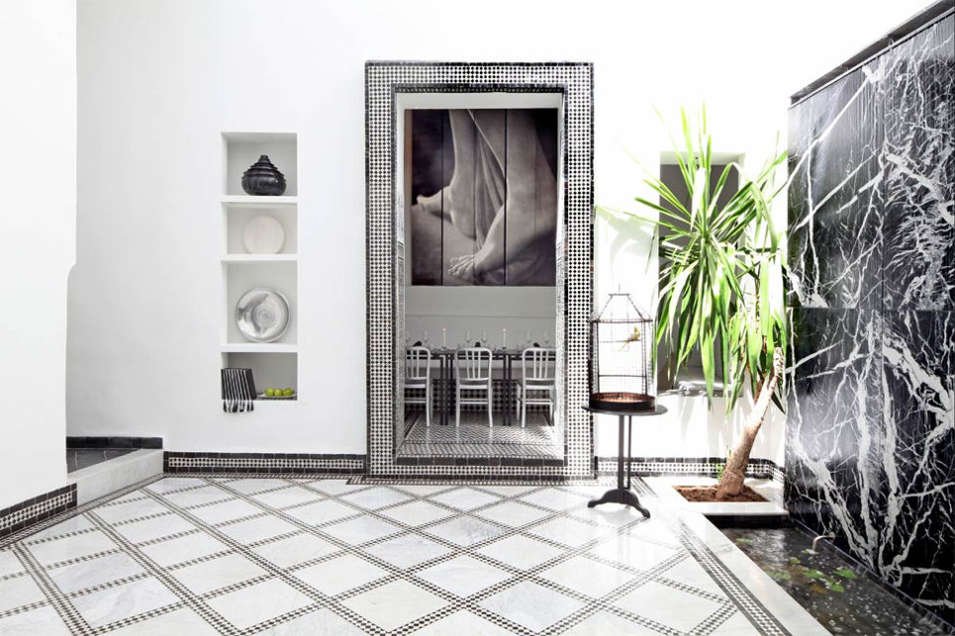
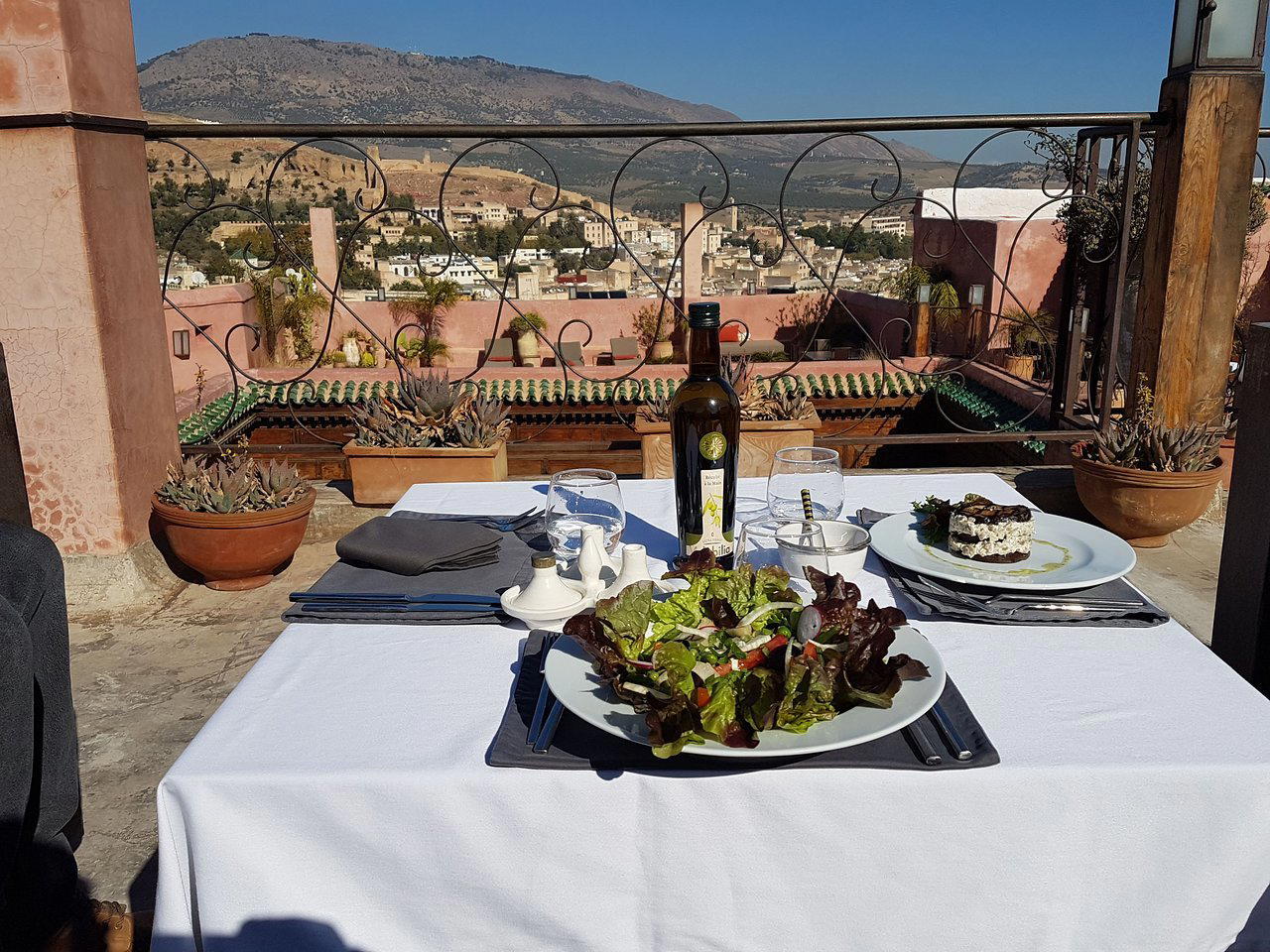
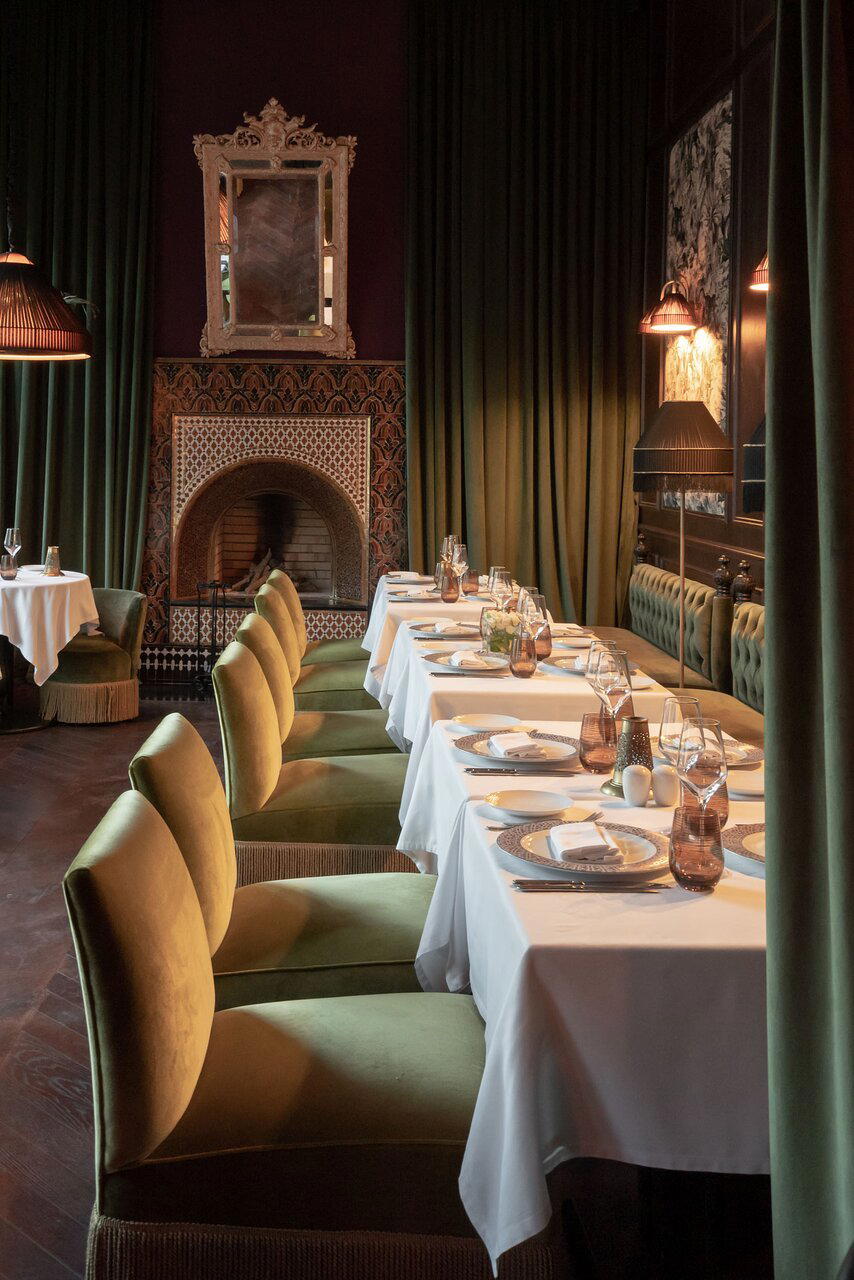
At a Glance
- Cozy
- Trendy
- Casual Hangout
- Street Scene
Current opening hours
- Monday
- 12–10:30 PM
- Tuesday
- 12–10:30 PM
- Wednesday
- 12–10:30 PM
- Thursday
- 12–10:30 PM
- Friday
- 12–10:30 PM
- Saturday
- 12–10:30 PM
- Sunday
- 12–10:30 PM
Hours can change for holidays and private events. Last verified .
Festive pink decor with a cozy, funky vibe and airy outdoor seating for people-watching in a tiny medina square.