

Oyster Talks 蚝吧 sits in Beijing's Sanlitun district, earning a Black Pearl 1 Diamond and La Liste recognition (75.5 points, 2025) within the Chinese Cuisine category. The venue occupies a tier of credentialed casual-to-mid dining that has grown alongside Beijing's appetite for ingredient-driven seafood formats. Award recognition places it in a defined comparable set within the capital's broader dining circuit.
Pearl is the En Primeur Club membership app — saves, bookings, and concierge access live there. Same editors, same standards.
- Address
- China, Beijing, Dongcheng, 三里屯工体3号 邮政编码: 100020
- Website
- laliste.com
- Directions
- Get directions
 Saves & bookings on Pearl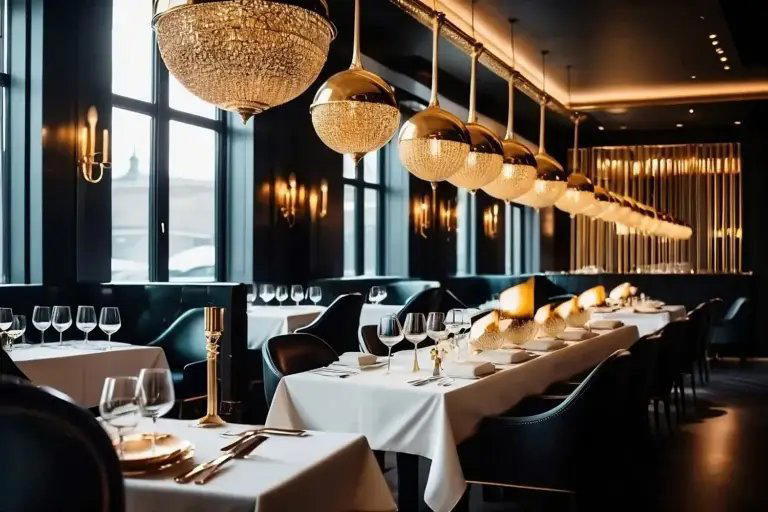
Shellfish, Recognition, and the Beijing Seafood Shift
Beijing's relationship with seafood has always carried a certain inland tension. The capital sits far from the coast, and for decades its fish and shellfish counters operated as outliers in a dining scene defined by roast duck, lamb hotpot, and the deep wheat-flour traditions of northern China. That equation has shifted measurably over the past decade. Refrigerated logistics, rising disposable incomes, and a generation of diners shaped by travel and exposure to coastal Chinese cuisines, Chaozhou, Taizhou, Fujian, have built demand for formats that put shellfish at the centre of the table. Oyster Talks 蚝吧, recognised with a Black Pearl 1 Diamond and a La Liste score of 75.5 points in 2025, is a Beijing restaurant in Dongcheng that sits inside that shift.
The Sanlitun address matters here. Sanlitun, anchored by the Gongti (Workers' Stadium) precinct at its eastern edge, has functioned as Beijing's most international-facing dining and nightlife corridor since the early 2000s. The address, 三里屯工体3号, places the venue in a zone where the competition includes everything from Cantonese banquet houses to European wine bars, and where diners arrive with comparatively broad reference points. A shellfish-led concept lands differently here than it would in a residential hutong neighbourhood: the audience expects product quality, and the awards recognition suggests the kitchen is meeting that expectation.
Where the Ma-La Spectrum Meets the Sea
The ma-la spectrum, the numbing-and-spicy register that Sichuan cuisine has made its signature, now functions as a dominant flavour framework across much of China's casual and mid-range dining. That framing is instructive even for a venue whose classification sits under Chinese Cuisine broadly rather than Sichuan specifically, because the interaction between ma-la technique and shellfish has become one of the more interesting fault lines in contemporary Beijing cooking.
Oysters and clams absorb heat and numbing spice differently from meat. The brininess of a well-sourced oyster creates a counter-register to doubanjiang and Sichuan pepper that chefs in Beijing and Chengdu have spent years calibrating. Spicy preparations that work on pork belly can overwhelm delicate shellfish; the craft lies in deploying chilli oil or dried peppers as accent rather than base note, so the iodine and mineral qualities of the shellfish remain legible. Whether Oyster Talks 蚝吧 operates in this register or leans toward cleaner, less heat-forward preparations is not confirmed, but the broader category pressure from ma-la cooking is real, and any Beijing seafood venue with award recognition is necessarily positioning itself relative to that flavour language, either by engaging it or by offering a deliberate contrast.
The Black Pearl guide has developed into one of China's most-watched domestic restaurant rankings. A 1 Diamond placement indicates a restaurant the guide considers worthy of attention in its city and category, not at the pinnacle of the guide's multi-diamond tier, but inside the circle of venues whose cooking meets a defined quality bar. For a seafood-focused concept in a landlocked capital, that placement carries weight. Comparable Beijing venues at adjacent price points and recognition levels include Chao Shang Chao (Chaoyang), which approaches coastal Chinese cooking from a Chaozhou angle, and 新荣记 (新源南路), whose Taizhou seafood focus has earned it a position at the higher ¥¥¥¥ tier. Oyster Talks occupies a different register, with a price tier that places it in the credentialed mid-range rather than the banquet-hall upper bracket.
Beijing's Credentialed Casual Tier
One of the more interesting developments in Beijing dining over the past five years is the expansion of what might be called the credentialed casual tier: venues with genuine awards recognition that operate without the formality of white-tablecloth service or private room culture. This tier has grown partly because younger Beijing diners are more comfortable in counter or open-kitchen formats, and partly because ingredient-led cooking, particularly seafood, lends itself to a more direct, less ceremonial presentation.
Oyster Talks 蚝吧 reads as a venue in this tier. The name itself is informal, the bar suffix (吧) signalling a casual register that sits some distance from the banquet codes of traditional Chinese fine dining. That positioning is coherent with the Sanlitun location and with the broader direction of Beijing's award-recognised dining. For context, Lamdre in Beijing has built Black Pearl recognition around a vegetarian format that also operates outside traditional banquet conventions, while Jingji approaches Beijing Cuisine through a similarly credentialed but non-ceremonial lens. The pattern suggests the awards guides are paying attention to format innovation, not just cooking technique.
Beyond Beijing, the shellfish-and-spice conversation plays out in different registers across China's major dining cities. Xin Rong Ji in Chengdu demonstrates how coastal Chinese seafood traditions transplant into Sichuan's heat-dominant environment. Ru Yuan in Hangzhou and 102 House in Shanghai each approach ingredient-led Chinese cooking from different regional angles. The comparison set matters because it contextualises what Beijing venues like Oyster Talks are working against: a national scene in which the standard for seafood sourcing and technique has risen sharply, and in which diners in Shanghai, Guangzhou, and Hangzhou provide a reference point that Beijing kitchens are increasingly expected to match. For further regional reference, Imperial Treasure Fine Chinese Cuisine in Guangzhou and Chef Tam's Seasons in Macau represent the upper tier of Chinese fine dining as it operates in more seafood-proximate cities.
Planning Your Visit
Sanlitun is accessible by Metro Line 10 (Tuanjiehu or Sanlitun stations) and by taxi or ride-hailing from most central Beijing locations. The Gongti precinct is one of Beijing's more active dining and nightlife corridors, particularly on weekends, so evening reservations at recognised venues in the area are worth securing in advance. The Black Pearl and La Liste recognitions have raised the profile of Oyster Talks 蚝吧 among both local diners and inbound travellers, which increases the practical case for booking ahead rather than walking in.
For those building an itinerary around award-recognised Chinese cuisine across the region, Dai Yuet Heen in Nanjing, Chaoshan Taste in Shantou, and Su Shien Valley near Qingcheng Mountain offer useful regional breadth, as does Xin Rong Ji (Xinyuan South Road) for Taizhou seafood at the higher end of Beijing's market.
Know Before You Go
- Address: 三里屯工体3号, Dongcheng, Beijing 100020
- Awards: Black Pearl 1 Diamond (2025); La Liste Leading Restaurants 75.5pts (2025)
- Cuisine: Chinese Cuisine, seafood-focused
- Price range: not confirmed
- Booking: Advance reservation recommended, particularly for evenings and weekends
- Getting there: Metro Line 10 (Tuanjiehu or Sanlitun stations); ride-hailing widely available
- Hours: Not confirmed, verify directly before visiting
Reputation First
Comparable venues nearby, for context on price, style, and recognition.
| Venue | Cuisine | Price | Notes |
|---|---|---|---|
| Oyster Talks 蚝吧This venue — the venue you are viewing | Premium Oyster Bar & Seafood | $$$ | Not listed |
| Summer Palace (Beijing) | Classic Cantonese | $$$ | Yiheyuan |
| Sanqingtan | Refined Cantonese Roast Goose | $$$ | Sanlitun |
| FIVE ELEMENTS | American Dry-Aged Steakhouse | $$$ | Gongrentiyuchang |
| Huajia Yiyuan | Traditional Beijing Peking Duck | $$$ | Beixinqiao |
| Huaiyang Fu (Dongcheng) | Huaiyang Cuisine | $$$ | Anwaidajie |
Recognition history
Dated appearances from independent guides and award organizations, with the underlying list record or original source where available.
Black Pearl 1 Diamond
Black Pearl
La Liste Top Restaurants
La Liste



At a Glance
- Elegant
- Modern
- Industrial
- Sophisticated
- Date Night
- Business Dinner
- Group Dining
- Special Occasion
- Private Dining
- Extensive Wine List
- Sustainable Seafood
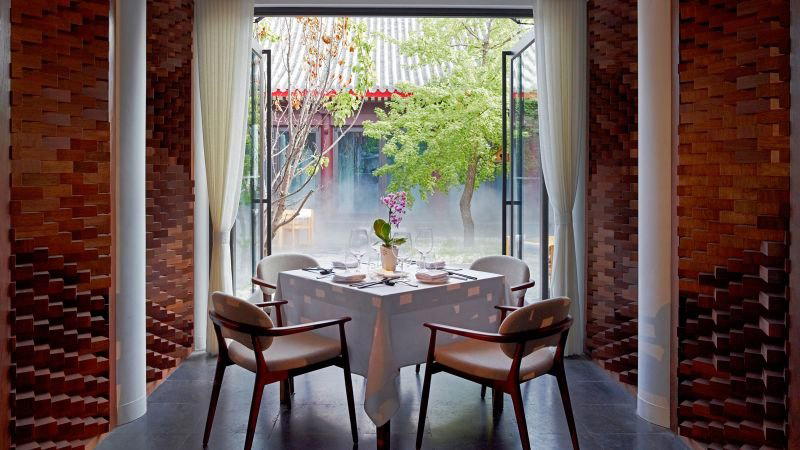
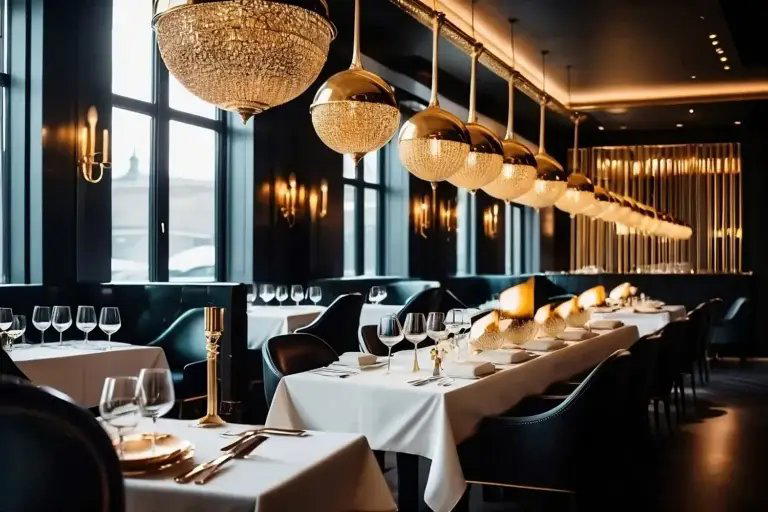
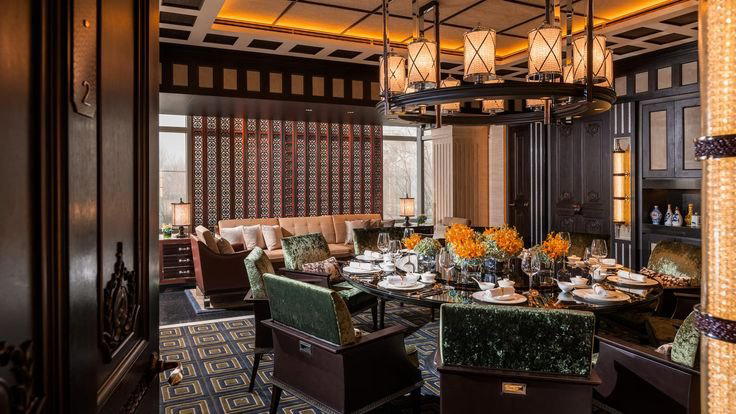
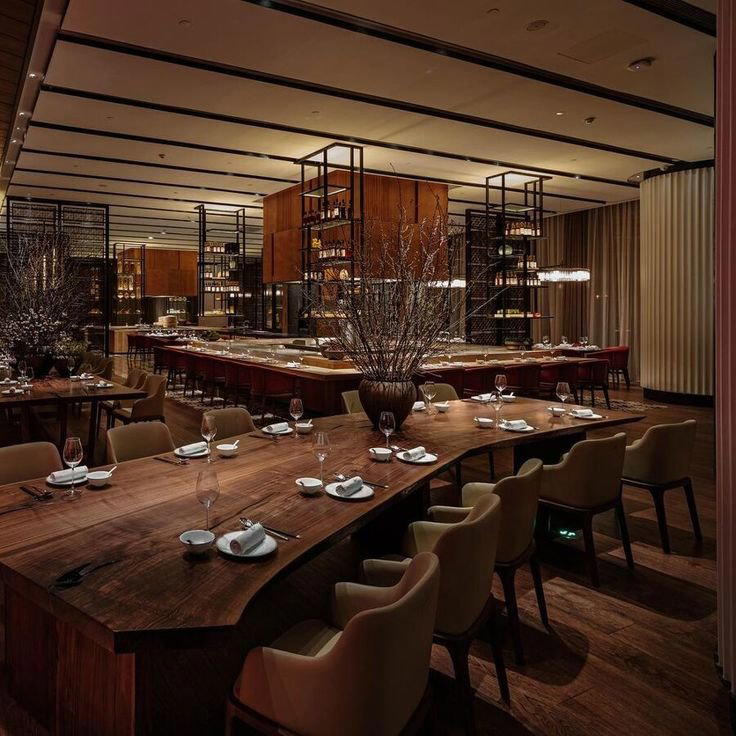
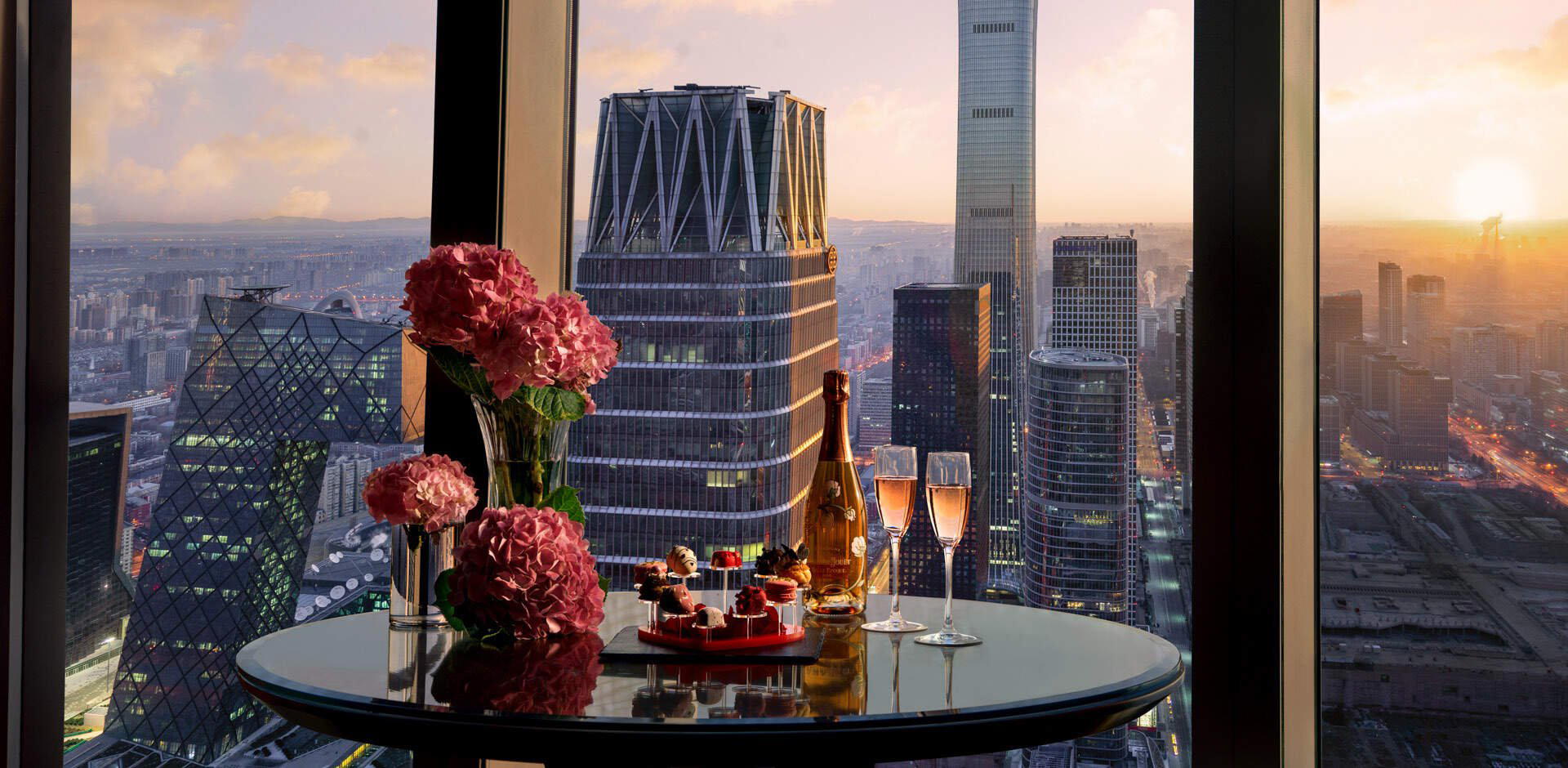
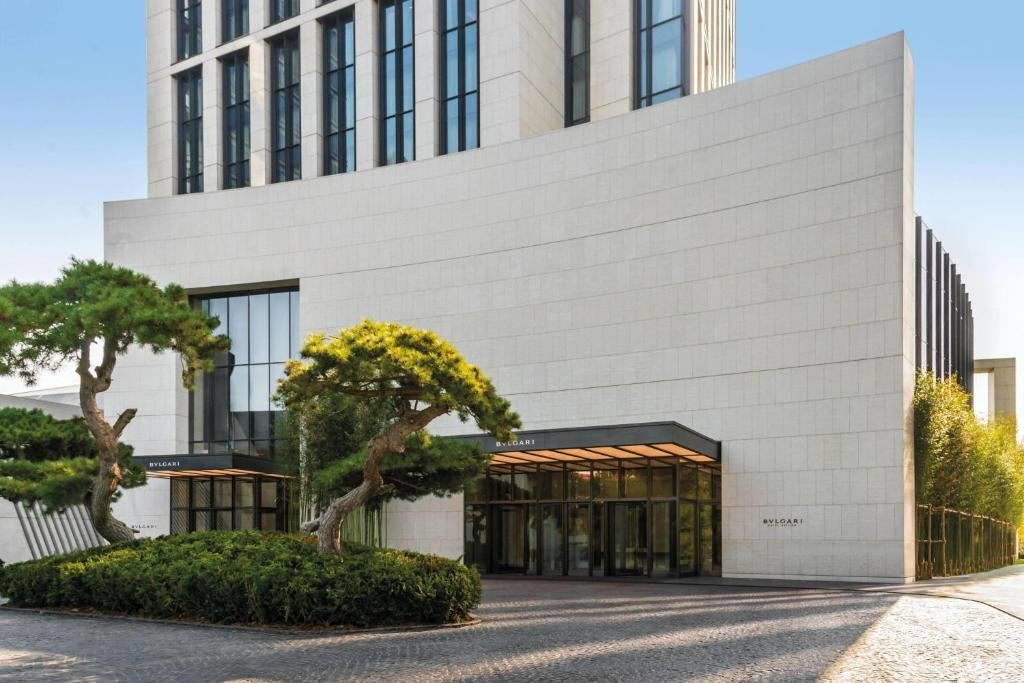
Industrial-chic modern design with dark tones, quiet and refined atmosphere suitable for afternoon tea and intimate dining within a bustling stadium complex.