
Balagan occupies a different lane from Rome's trattorias and white-tablecloth establishments, operating as a hip, plant-forward project in the northern reaches of the city. Recognised by the We're Smart Movement for its pure plant dishes, it sits at an interesting crossroads: not a fully committed vegetable restaurant, but a place signalling where Roman dining may be heading.
Pearl is the En Primeur Club membership app — saves, bookings, and concierge access live there. Same editors, same standards.
- Address
- via Aldo Palazzeschi, 125, 00137 Roma RM, Italy
- Phone
- +39 331 310 2163
- Website
- balaganroma.com
- Directions
- Get directions
 Saves & bookings on Pearl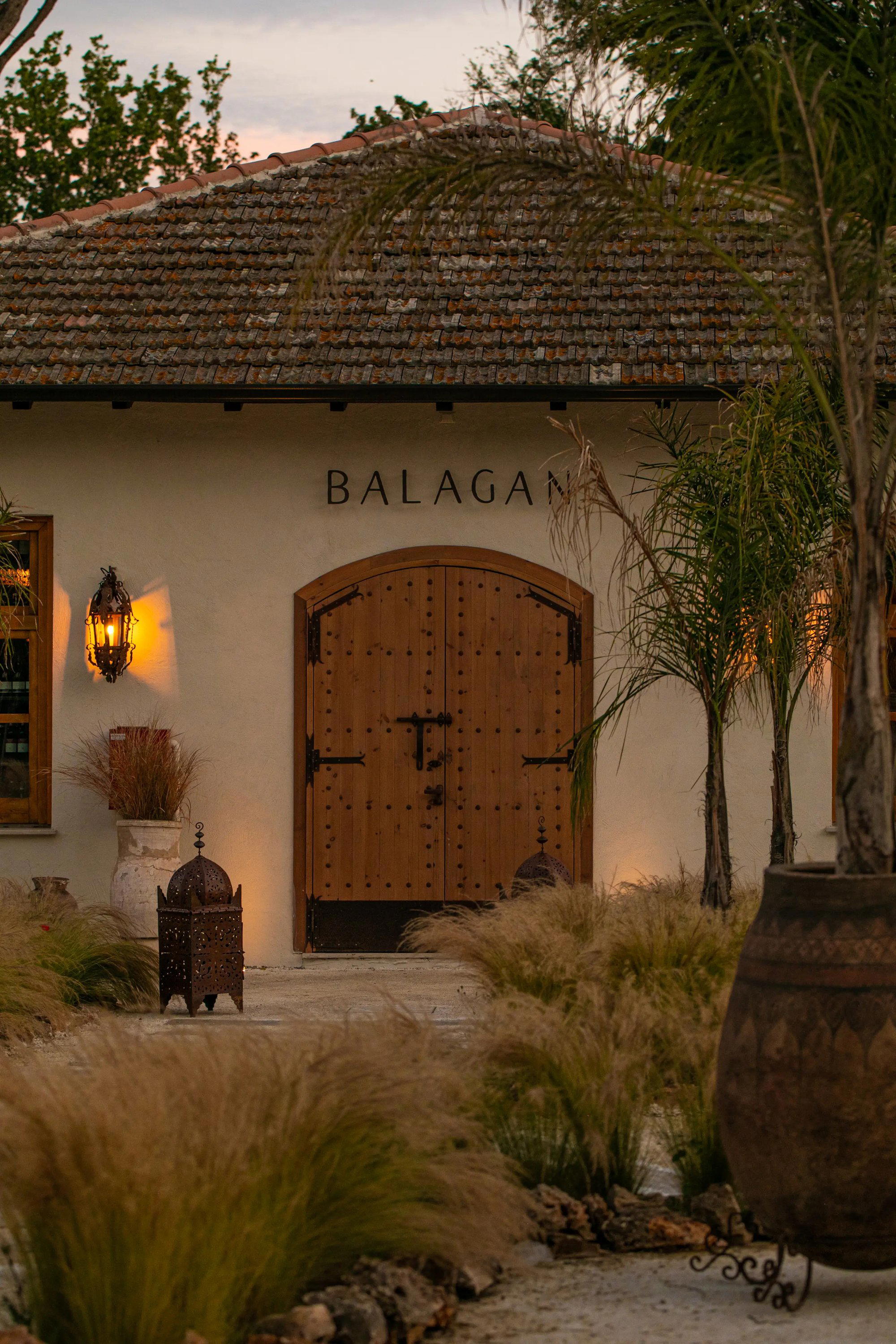
A Different Kind of Energy on Via Aldo Palazzeschi
Rome's northern neighbourhoods rarely generate the dining conversation that Trastevere or the centro storico command. The streets around Via Aldo Palazzeschi, in the 00137 postal district, are residential in character, far from the tourist circuits that keep more central restaurants full regardless of quality. Which makes Balagan worth paying attention to. A project that reads as deliberately hip against a backdrop of everyday Roman life, it draws guests willing to travel for a particular point of view rather than a convenient postcode.
Walking into a place like this in Rome carries a specific kind of charge. The city's dining culture is deeply conservative in the leading sense: technique, tradition, and product quality have been the dominant values for generations. Any restaurant that pushes against that grain, especially outside the central dining districts, is making a statement through its location as much as its menu. Balagan reads as a project that understands this dynamic.
What the We're Smart Recognition Actually Signals
The We're Smart Movement, which recognises restaurants for their commitment to vegetables as a primary ingredient rather than a supporting act, has taken note of Balagan's plant-focused cooking. The organisation's framing is specific: it highlights Balagan's plant-focused cooking and sees room for the concept to go further. That kind of conditional recognition is, in its own way, more interesting than a direct listing. It positions Balagan as a restaurant in motion, one where the trajectory matters as much as the current form.
For context, plant-forward recognition of this kind places Balagan in a different comparable set from the grand Italian tables that define the country's international reputation. Restaurants like Osteria Francescana in Modena, Enoteca Pinchiorri in Florence, or Le Calandre in Rubano operate at the apex of Italian fine dining, with classical or progressive frameworks where vegetables appear as one element among many. Balagan's interest is more focused. It belongs to a smaller, quieter wave of Italian restaurants treating plant-sourcing and plant-led cooking as an organising principle rather than a trend accommodation.
The Sourcing Argument in Rome's Food Culture
Roman food culture has always been grounded in ingredient provenance, even if that conversation has historically centred on specific cuts of meat, particular cured products, or hyper-local varietals of olive oil. The vegetable traditions of Lazio are substantial: carciofi alla romana, vignarola, puntarelle with anchovy dressing. These are dishes built on produce that is specific to season and place. A restaurant that extends that logic into a more deliberate, plant-centred framework is not rejecting Roman food culture; it is pulling on a thread that has always been there.
The We're Smart Movement's recognition of Balagan fits this reading. The organisation identifies restaurants where vegetables are sourced and treated with the same rigour that meat-focused kitchens apply to their primary proteins. That means relationships with growers, attention to variety selection, and cooking techniques that serve the ingredient rather than mask it. But the foundation, as they note, is in place.
This places Balagan in interesting company across Italy. Restaurants like Atelier Moessmer Norbert Niederkofler in Brunico have built entire identities around sourcing from defined alpine territories. Reale in Castel di Sangro has pushed into wild and foraged sourcing in the Abruzzo context. Piazza Duomo in Alba treats Piedmontese produce as the core of a high-precision creative kitchen. Balagan's version of this conversation is less codified, more emergent, but the impulse is shared.
Where Balagan Sits in Rome's Broader Dining Moment
Rome is not traditionally associated with vegetable-forward restaurants at the level of serious dining. The city's most discussed tables have tended toward seafood, offal, and pasta traditions, with vegetables appearing as contorni or seasonal punctuation rather than as menu anchors. That is slowly shifting. A generation of younger Roman cooks and operators has been watching what has happened in Copenhagen, Barcelona, and various Italian cities outside the capital, and some are beginning to apply similar thinking to Roman produce and Roman eating habits.
Balagan operates in that emerging space. It is not attempting to replicate a Nordic model or an Emilian fine-dining framework; the project reads as something more local in its energy, more oriented toward a neighbourhood-aware guest than a destination-dining traveller. That is a meaningful distinction. It suggests a restaurant building a regular audience around a consistent point of view, which is how lasting projects tend to develop.
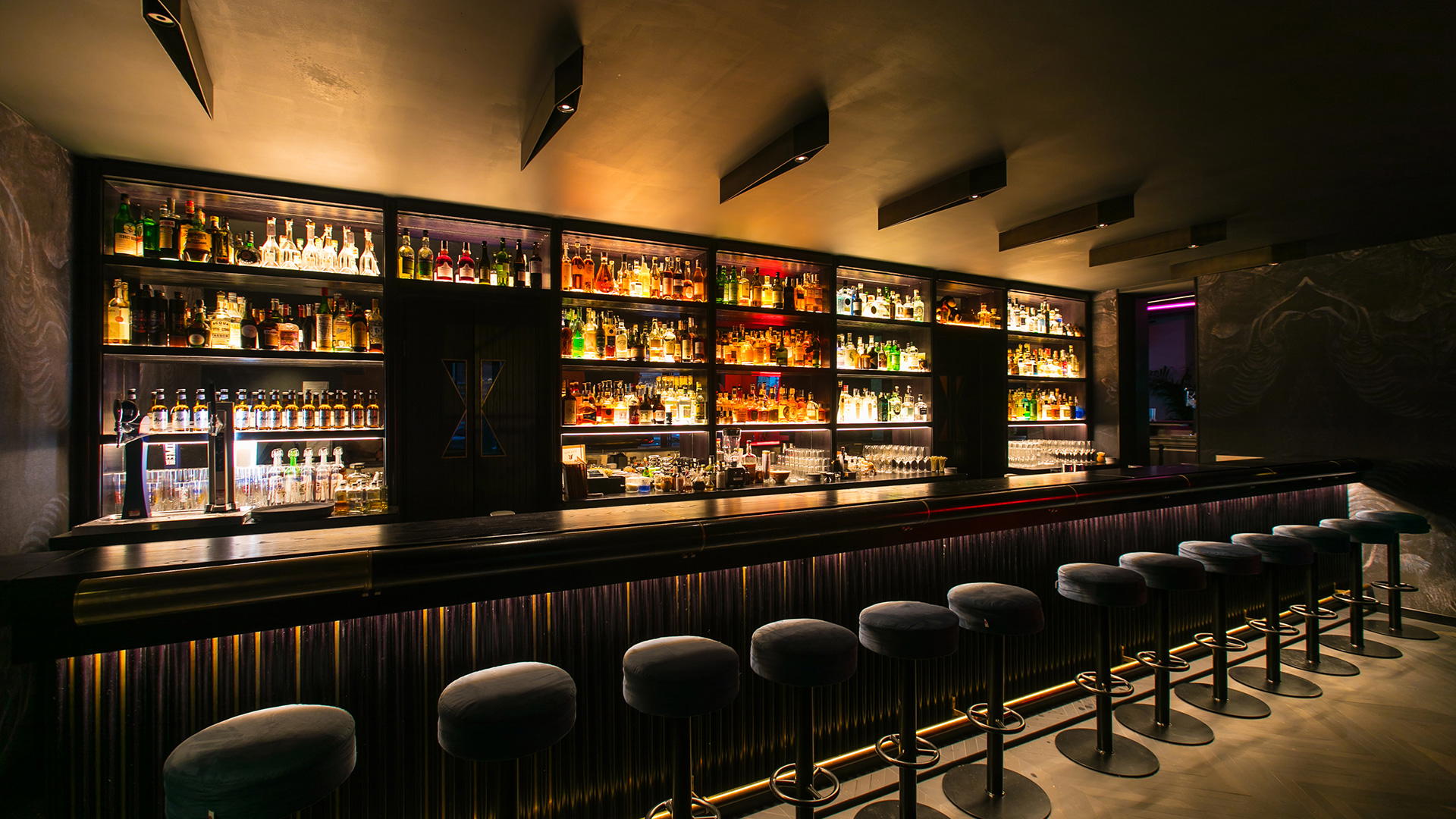
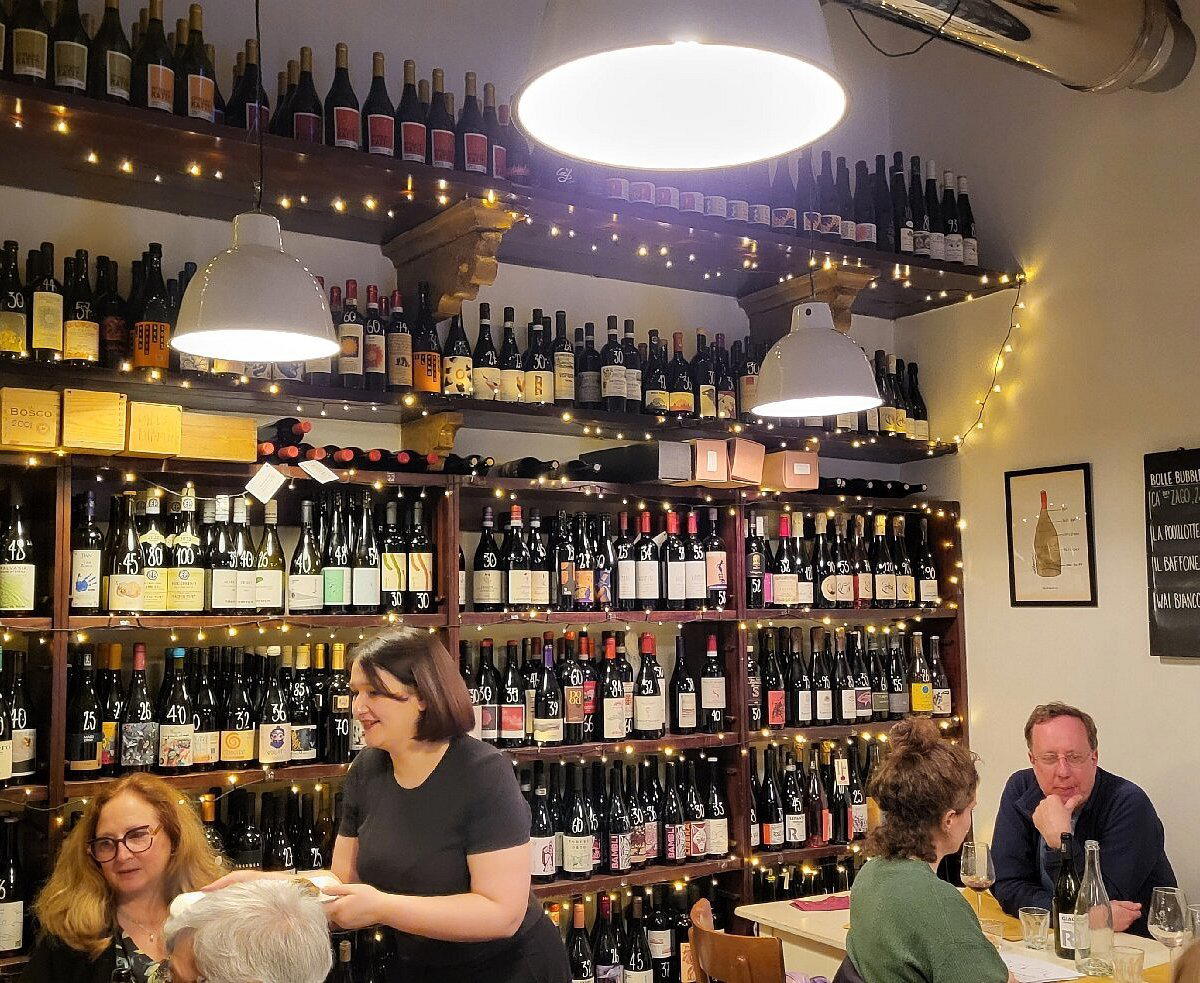
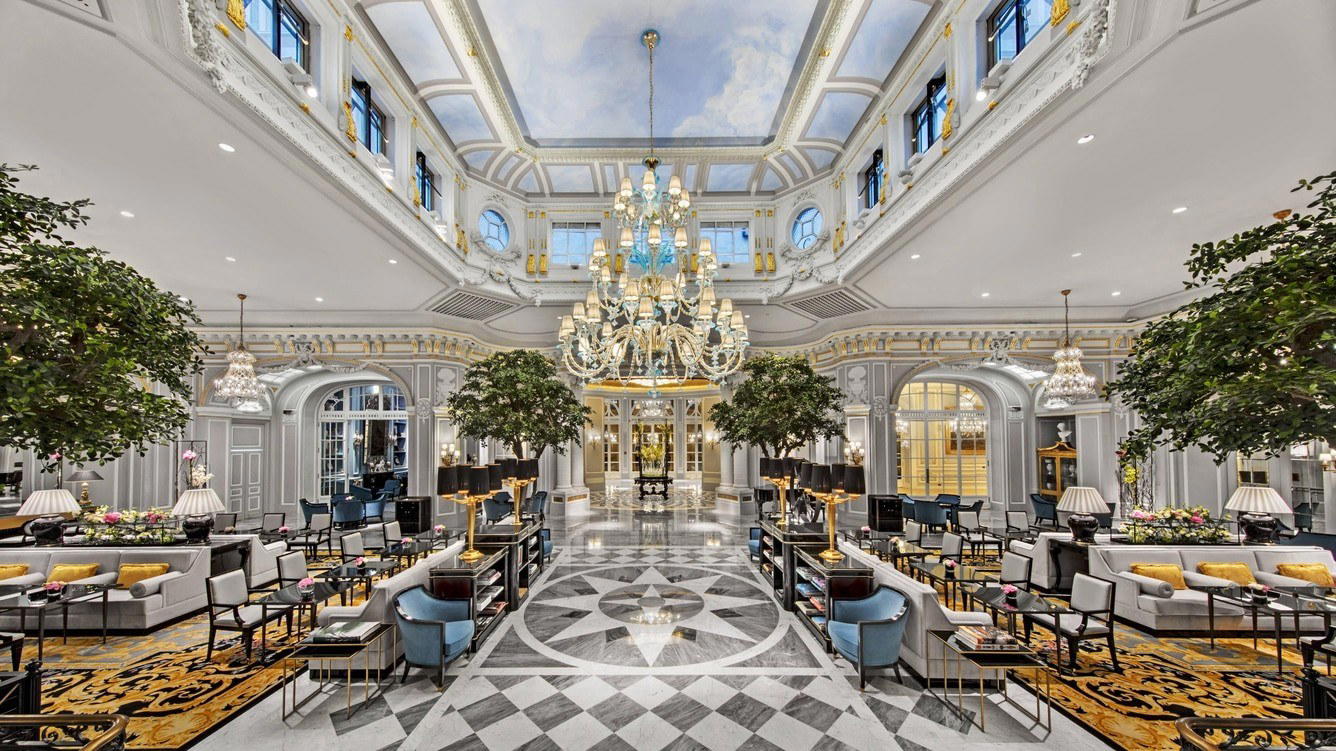
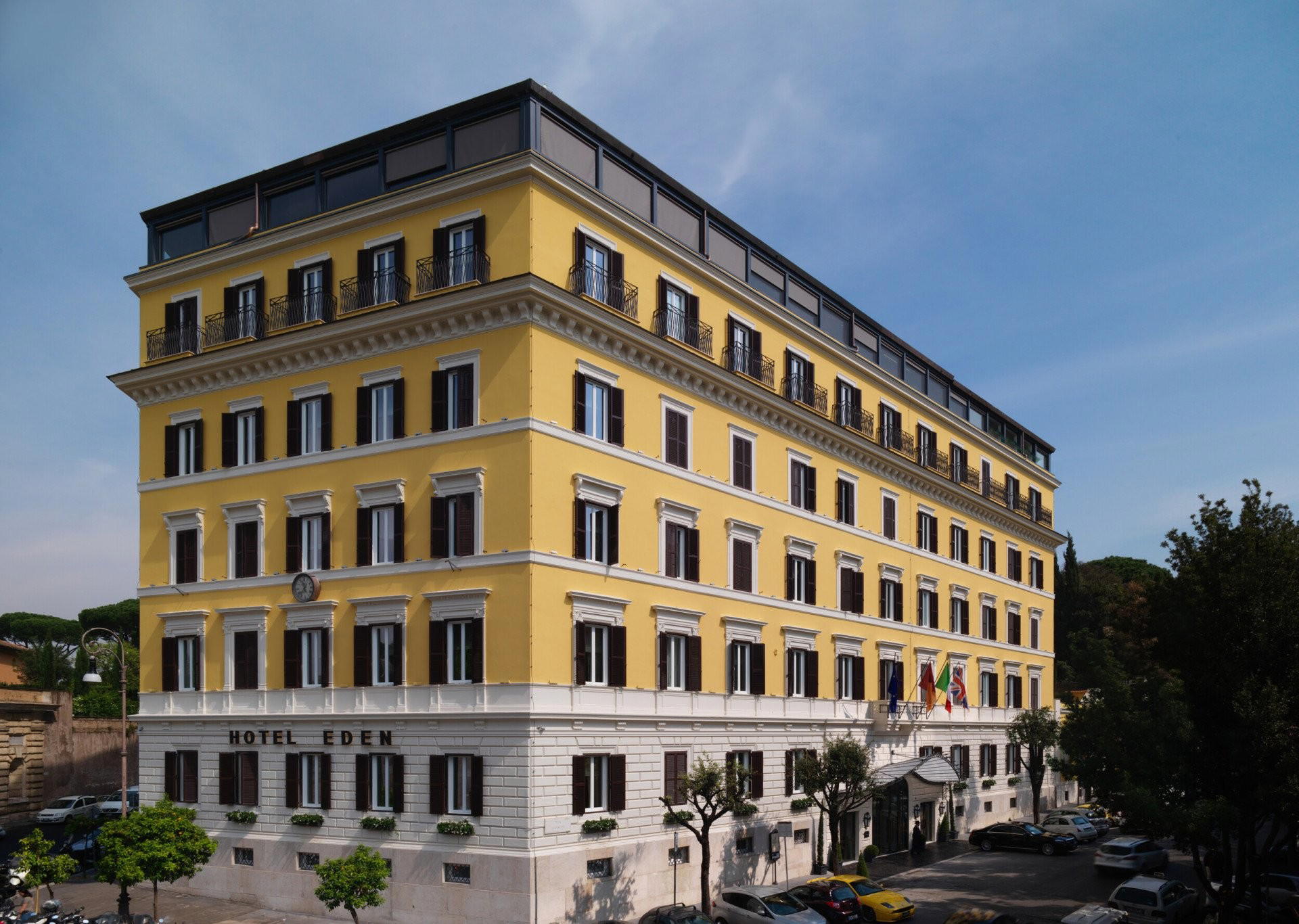
For visitors working through Rome's dining options, the city offers a wide range of restaurants across registers and traditions. Balagan occupies a specific niche within that: informal enough to feel accessible, ambitious enough in its plant-focused cooking to be worth the journey to the northern part of the city. Alongside a meal, Rome's bar scene and local wine producers offer their own points of interest, and the full picture of the city's hospitality is mapped across our hotels guide and experiences guide.
Internationally, the conversation around plant-led dining at serious levels is well established. Restaurants like Le Bernardin in New York City have demonstrated how a tight ingredient focus, in that case seafood, can sustain a restaurant's identity across decades. The same logic applies to vegetable-centred kitchens: the constraint is the discipline, and the discipline is where the cooking becomes interesting.
Planning a Visit
Balagan is located at Via Aldo Palazzeschi 125 in the northern reaches of Rome, which means planning transport in advance is sensible if you are staying centrally. The restaurant's phone and website details are not listed. Reservations are recommended, particularly for weekend visits. Rome's dining scene moves quickly enough that restaurants gaining traction in the plant-forward space are not keeping tables open long.
Fast Comparison
Comparable venues nearby, for context on price, style, and recognition.
| Venue | Cuisine | Price | Notes |
|---|---|---|---|
| BalaganThis venue — the venue you are viewing | Mediterranean Fire-Focused Grill with Tropical-Asian Fusion | $$$$ | Not listed |
| Le Jardin de Russie | Classic Italian Fine Dining | $$$$ | Campo Marzio |
| Viride | Contemporary Italian Fine Dining | $$$$ | Campo Marzio |
| 532 restaurant & grill | Italian Grill | $$$ | Marcigliana |
| Baccano | Traditional Roman Trattoria | $$$ | Trevi |
Recognition history
Dated appearances from independent guides and award organizations, with the underlying list record or original source where available.
We're Smart World 1 Radish
We're Smart World


At a Glance
- Lively
- Scenic
- Bohemian
- Trendy
- Energetic
- Sophisticated
- Group Dining
- Celebration
- After Work
- Special Occasion
- Late Night
- Live Music
- Garden
- Terrace
- Open Kitchen
- Private Dining
- Craft Cocktails
- Local Sourcing
- Garden
Current opening hours
- Monday
- Closed
- Tuesday
- Closed
- Wednesday
- Closed
- Thursday
- 8 PM–12 AM
- Friday
- 8 PM–3:30 AM
- Saturday
- 8 PM–3:30 AM
- Sunday
- 12 PM–12 AM
Hours can change for holidays and private events. Last verified .
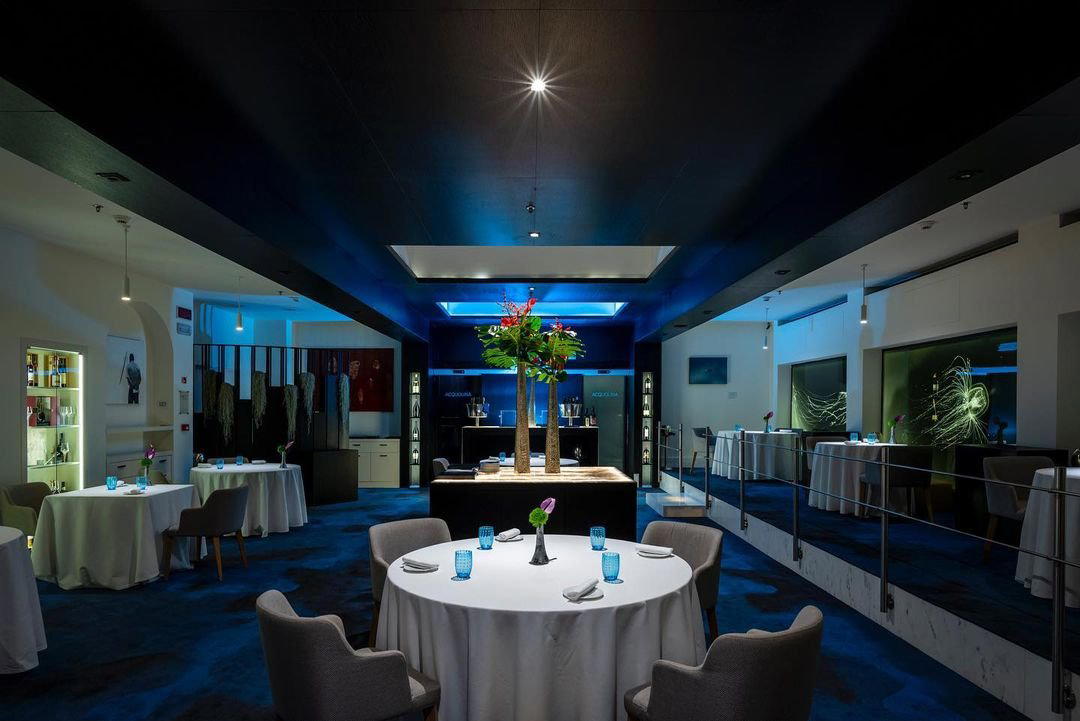
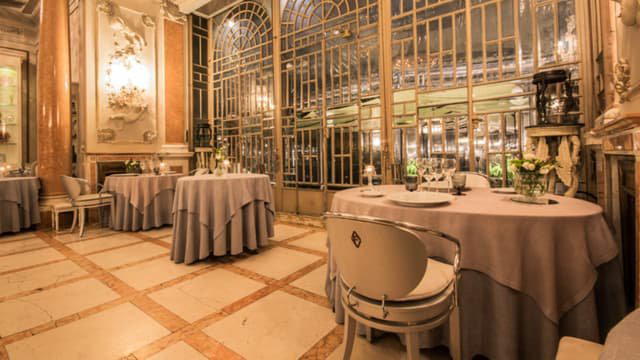
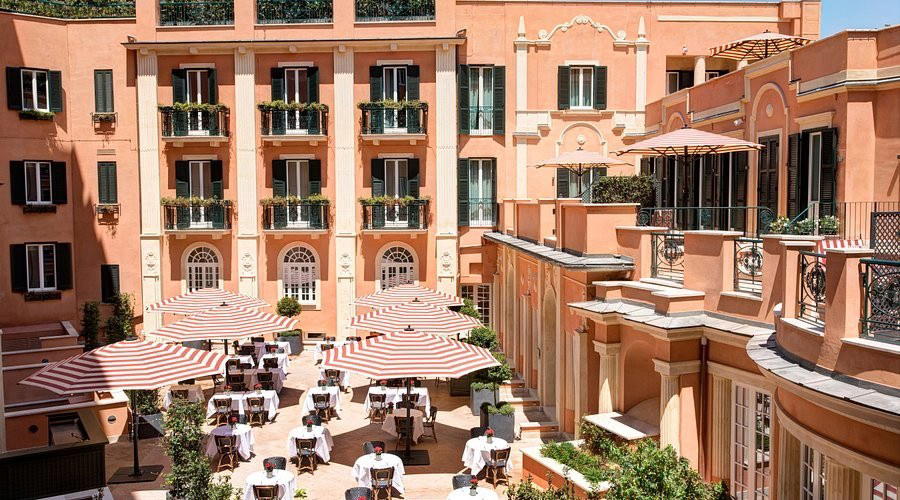
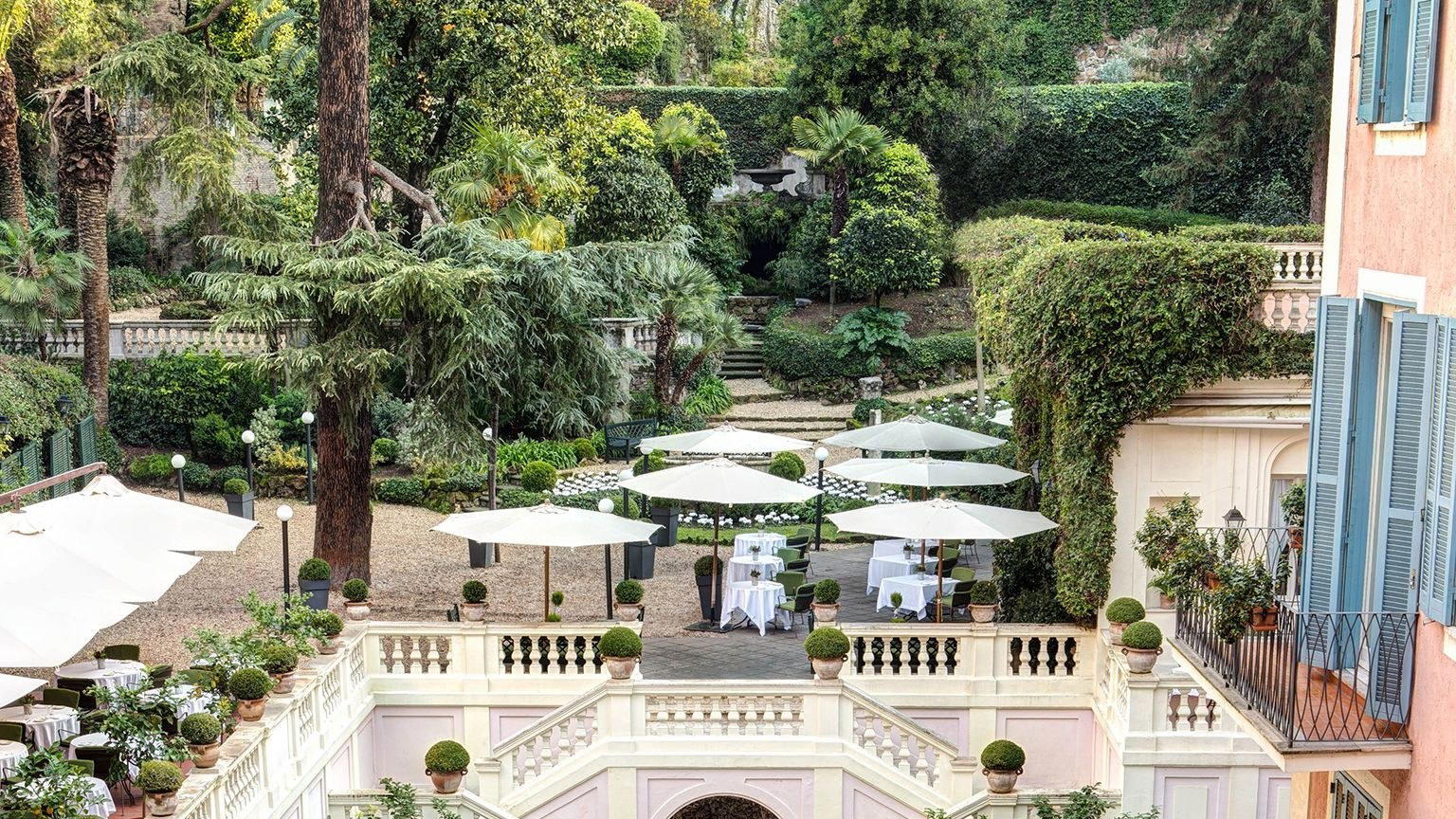
Warm, immersive garden setting with oriental-sounding music, fire lighting shows, and a resort-like atmosphere that transports diners away from Rome; sophisticated yet relaxed with spacious dancing areas.