Punch Room occupies a quieter register than Rome's headline fine-dining circuit, positioning itself as a bar-forward destination on the edge of the Salario quarter. Where the city's creative tasting-menu rooms compete on technical ambition, Punch Room draws on the resurgent international interest in punch as a serious cocktail format, offering a more intimate alternative to the high-volume aperitivo culture that dominates central Rome.
Pearl is the En Primeur Club membership app — saves, bookings, and concierge access live there. Same editors, same standards.
- Address
- Salita di S. Nicola da Tolentino, 00187 Roma RM, Italy
- Phone
- +39645249000
- Website
- editionhotels.com
- Directions
- Get directions
 Saves & bookings on Pearl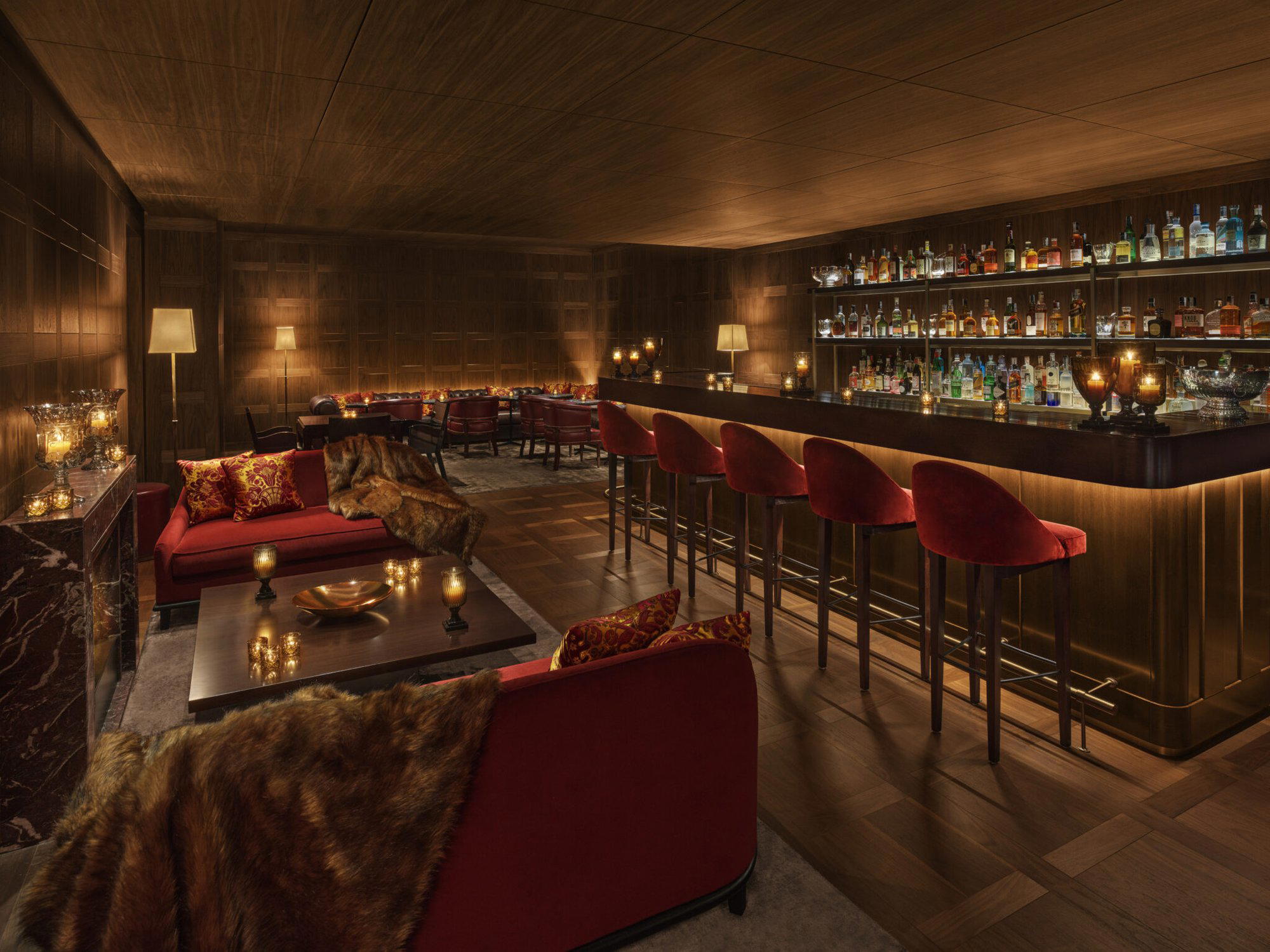
A Different Kind of Roman Evening
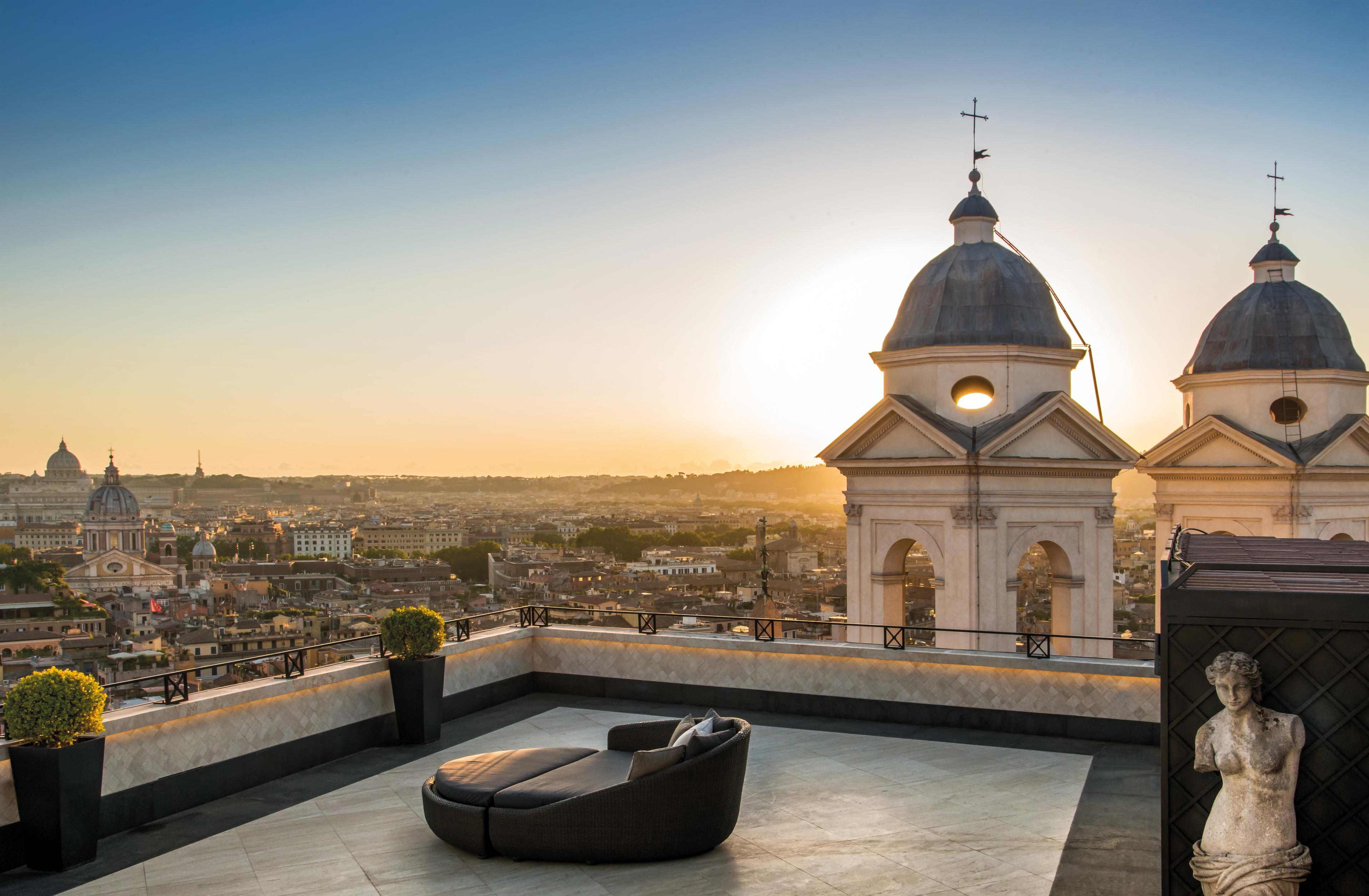
Rome's drinking culture has long been sorted into two broad camps: the sprawling aperitivo hour, where the ritual matters more than what's in the glass, and the formal wine service that accompanies the city's serious restaurant tables. The space between those two modes, the deliberate, craft-forward bar built around a single format or philosophy, has been slower to establish itself here than in London, New York, or even Milan. Punch Room, a punch-focused cocktail lounge in Rome on Salita di S. Nicola da Tolentino, occupies that gap. The address sits away from the tourist press of the centro storico, in a zone where the city feels more residential and the pace drops accordingly. Arriving on foot from the Via Veneto end, the transition is perceptible: fewer tour groups, narrower streets, a quieter quality of light in the late afternoon.
The Format and What It Signals
The punch format itself carries a particular historical weight. Long before the cocktail became the dominant unit of bar culture, punch was the social drink of the European educated classes, a communal preparation served from a bowl, calibrated for a table rather than a single glass. Its revival in premium bar settings across London and New York has been driven partly by bartenders looking for a format that rewards technical precision, and partly by a broader shift away from the performance-heavy, hidden-door theatrics that defined the previous decade of bar culture. Punch programs demand attention to dilution, citrus balance, and spirit layering in a way that individual cocktails can obscure. Rome has been a late entrant to this conversation, and a venue that takes the format seriously places itself in a specific, relatively small international comparable set that includes bars built around similar structural discipline rather than novelty.
For context on how Italy's serious drinking destinations have evolved, the bar programs attached to properties like La Pergola in Rome or Enoteca Pinchiorri in Florence represent the wine-led end of the spectrum. What Punch Room addresses is the space between those formal cellars and the city's more casual street-level drinking, a tier that rewards a reader who wants something considered without requiring a full tasting menu commitment.
Atmosphere as Architecture
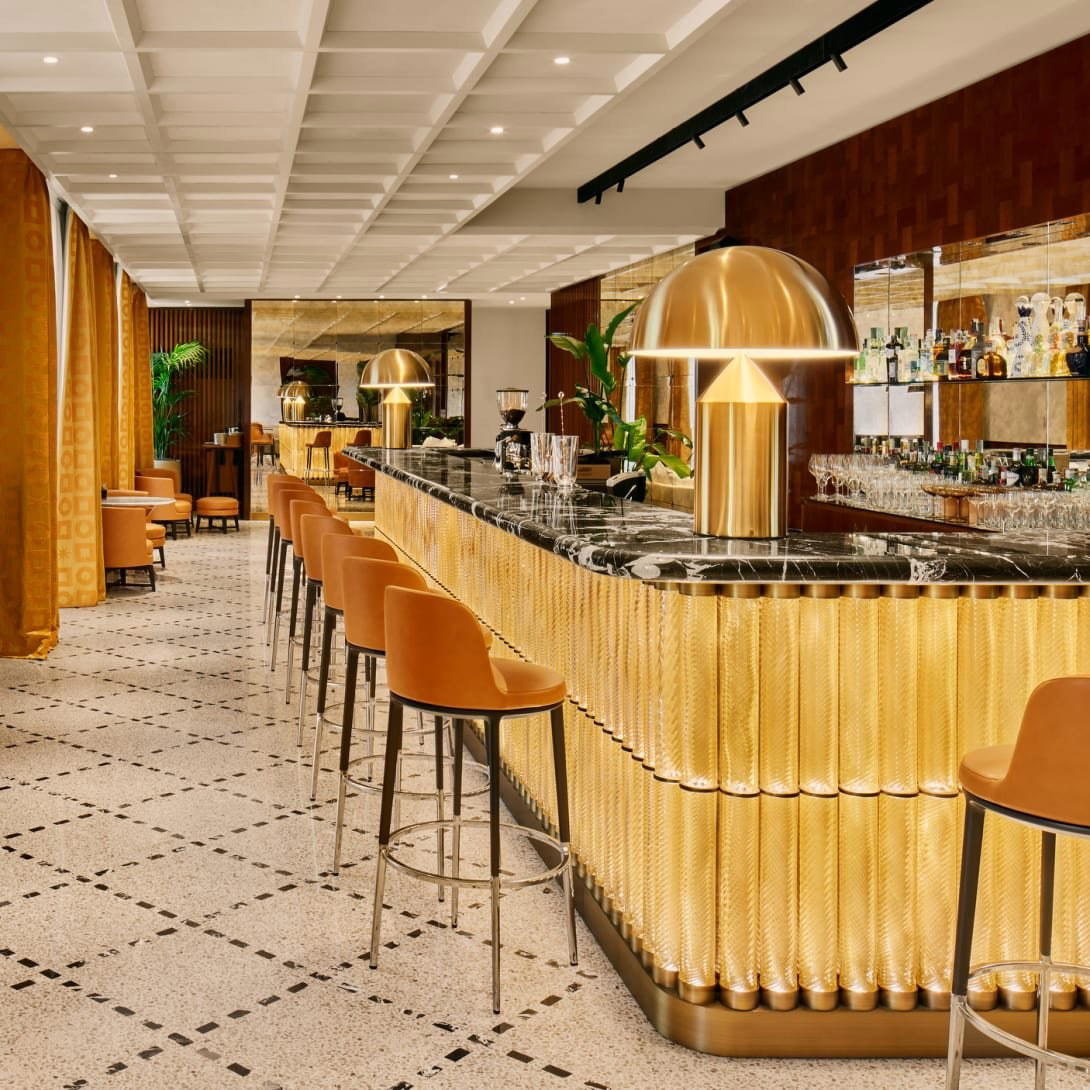
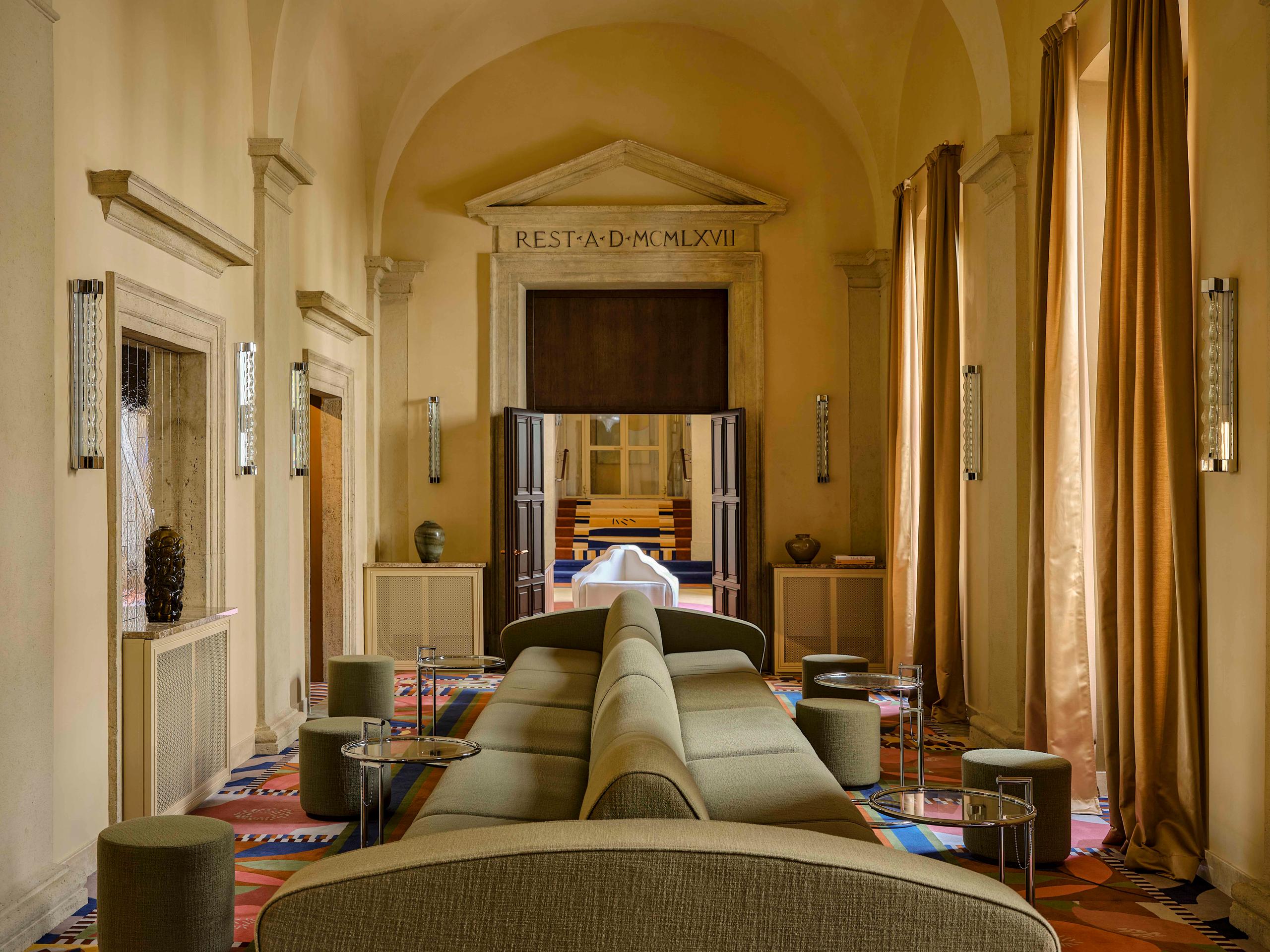
The sensory register of a room built around punch service tends to differ from the open-kitchen energy of a cocktail bar where individual drink preparation is the spectacle. The communal bowl format, when done properly, means the preparation often happens at a lower temperature of theatrical intensity: the work is done before the guest arrives, or at a sideboard rather than across a counter. The result is a room that feels quieter than its ambition. Lighting in spaces like this tends to run warm and low, not because it is designed to obscure but because the format is historically an evening one, calibrated for extended sitting rather than quick turnaround. Sound behaves differently too: without the constant shaking and ice-cracking of a high-volume cocktail bar, conversation carries more easily. For a city as sonically dense as Rome, that quality of quiet purposefulness reads as a considered choice rather than an absence of energy.
Where Punch Room Sits in Rome's Bar Scene
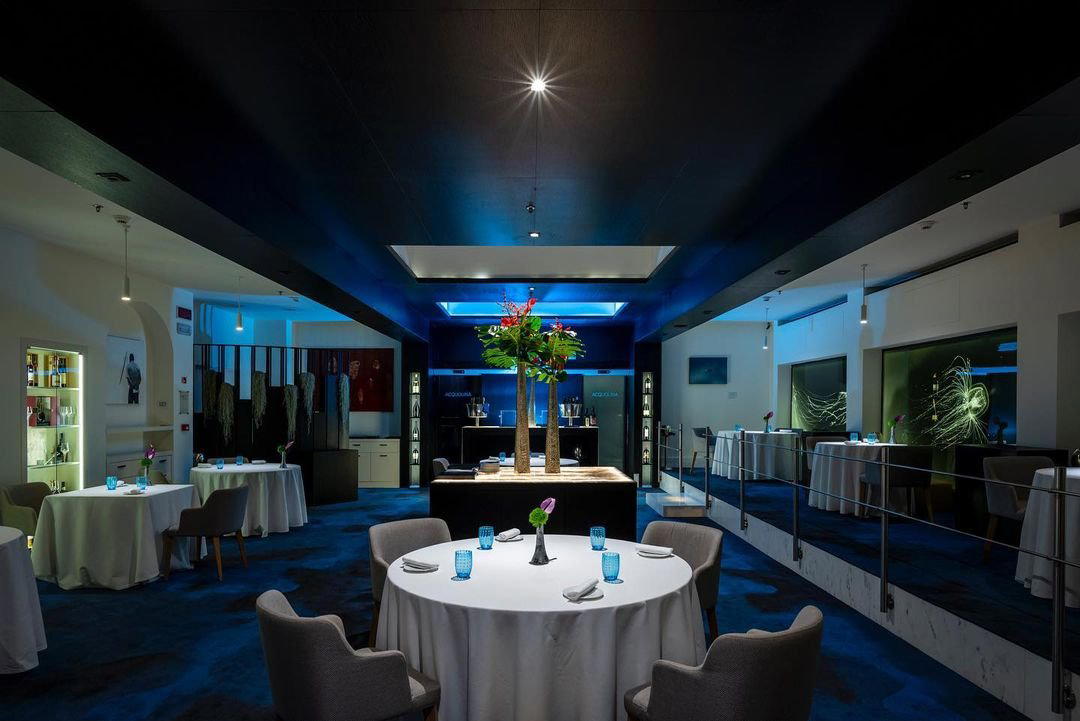
Rome's fine-dining circuit is well-documented. The Michelin-starred tier includes Il Pagliaccio, Acquolina, and Enoteca La Torre, all of which compete on technical cooking and seasonal Italian sourcing. Achilli al Parlamento occupies a slightly different register, anchored more in wine culture. The restaurant does not compete directly with any of them. Its comparable set is defined less by city and more by format: bars in the same bracket as the more technically ambitious drinking destinations in cities where the punch revival has already matured. At the international level, the shift is visible in places like Le Bernardin in New York City, where the bar program functions as a serious operation independent of the dining room, and Atomix in New York City, where the drinking experience is curated with the same editorial precision as the food. The restaurant's Roman location means it operates somewhat outside the city's established critical conversation about bars, which can work to its advantage: expectations arrive less freighted.
Italy's broader drinking culture, shaped by regional wine identity more than spirit-led cocktail tradition, means that bars building around punch as a primary format are rare. The country's serious bar talent tends to cluster in Milan, and even there the format is niche. Within Rome specifically, the restaurant's position on the Salita di S. Nicola da Tolentino address gives it a remove from the noise of Trastevere or the Campo de' Fiori drinking circuits, which skew younger and louder. That geographic positioning is not incidental: the clientele it draws is more likely to include guests from the surrounding hotel district and professionals from the nearby ministries than the bar-hopping tourist current further south.
Planning Your Visit
For travelers already building an itinerary around Rome's serious dining rooms, the restaurant functions well as either a pre- or post-dinner stop rather than a standalone evening, and is open daily from 7 PM to 2 AM. The surrounding area places it within reasonable walking distance of the Via Veneto corridor and the Barberini quarter, making it a natural circuit with the city's northern dining cluster. Given the niche format and the type of clientele the area attracts, arriving without a reservation on a weekend evening carries more risk than midweek. Reservations are recommended, and walk-in availability can vary more than at high-volume aperitivo spots.
Readers planning a wider Italian circuit alongside a Rome stop may find useful reference in the country's other serious dining destinations: Osteria Francescana in Modena, Le Calandre in Rubano, Piazza Duomo in Alba, Uliassi in Senigallia, Reale in Castel di Sangro, Quattro Passi in Marina del Cantone, Dal Pescatore in Runate, Enrico Bartolini in Milan, and Atelier Moessmer Norbert Niederkofler in Brunico. These represent the range of serious Italian tables against which any premium Roman experience is implicitly measured.
The Quick Read
Comparable venues nearby, for context on price, style, and recognition.
| Venue | Cuisine | Price | Notes |
|---|---|---|---|
| Punch RoomThis venue — the venue you are viewing | Not listed | $$$$ | Not listed |
| Viride | Not listed | $$$$ | Campo Marzio, Contemporary Italian Fine Dining |
| Romeow Cat Bistrot | Ostiense, Vegan Cat Bistrot | $$ | Not listed |
| Rinaldi Al Quirinale | Monti, Classic Italian Seafood | $$$$ | Not listed |
| Anima Ristorante Roma | Not listed | $$$ | Sallustiano, Modern Italian - Roman & Neapolitan |
| Micalusi-Real Fish Restaurants | Prati, Authentic Italian Seafood | $$$$ | Not listed |
Continue exploring
More in Rome
Restaurants in Rome
Browse all →
Bars in Rome
Browse all →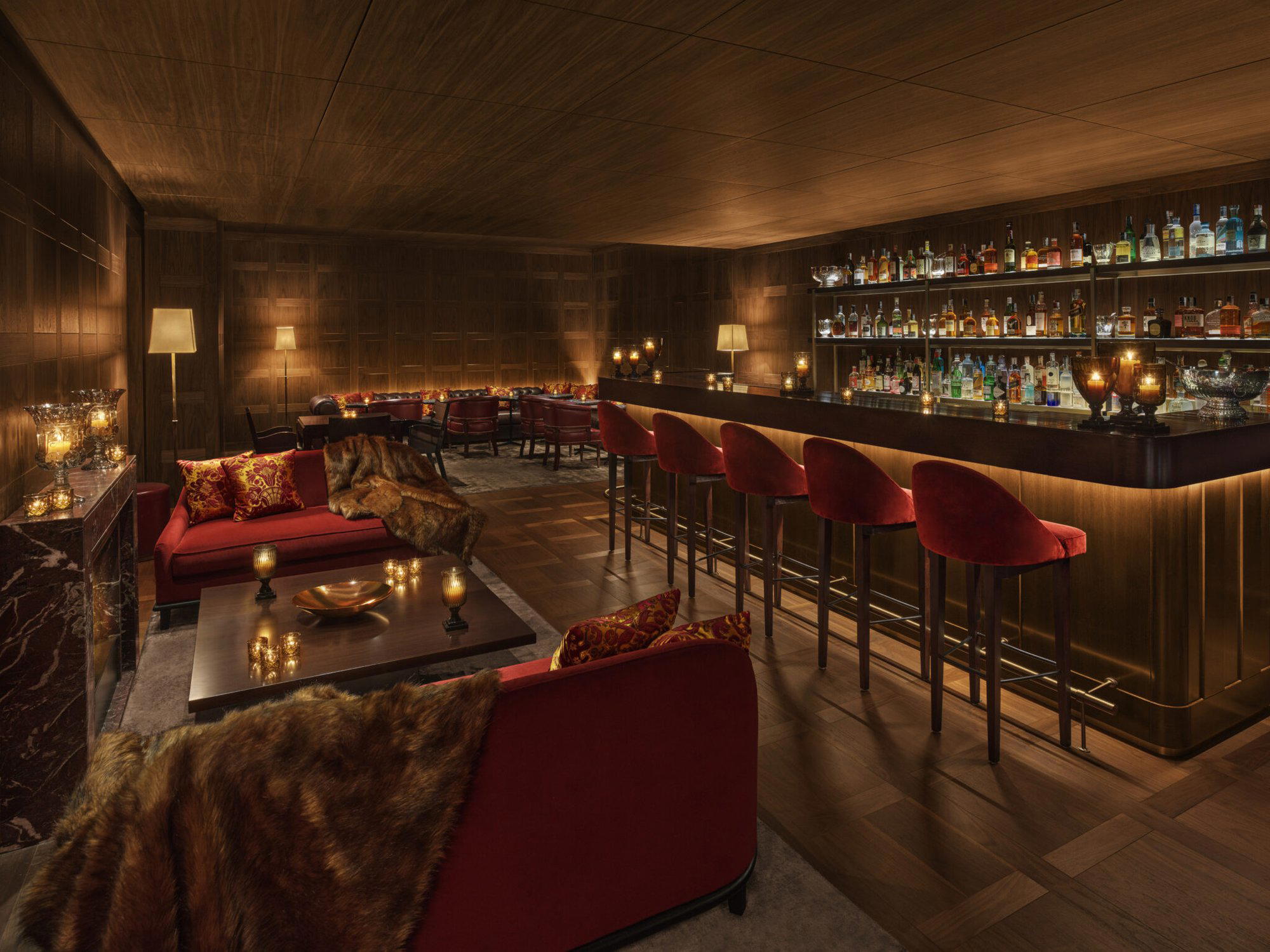
Hotels in Rome
Browse all →
Wineries in Rome
Browse all →
At a Glance
- Intimate
- Elegant
- Sophisticated
- Cozy
- Date Night
- Special Occasion
- Late Night
- Hotel Restaurant
- Design Destination
- Craft Cocktails
Current opening hours
- Monday
- 7 PM–2 AM
- Tuesday
- 7 PM–2 AM
- Wednesday
- 7 PM–2 AM
- Thursday
- 7 PM–2 AM
- Friday
- 7 PM–2 AM
- Saturday
- 7 PM–2 AM
- Sunday
- 7 PM–2 AM
Hours can change for holidays and private events. Last verified .
Intimate and sophisticated with warm lighting, dark wood paneling, red velvet furnishings, and brass details evoking a London club.