Our verdict
天婦羅 たかはし occupies a modest address in Okayama's Kyomachi district, where the discipline of tempura — batter weight, oil temperature, timing — does the talking. The format places it within a quiet tier of specialist counters that Okayama's dining scene has been building steadily, away from the louder recognition circuits of Osaka or Tokyo.

Pearl is the En Primeur Club membership app — saves, bookings, and concierge access live there. Same editors, same standards.
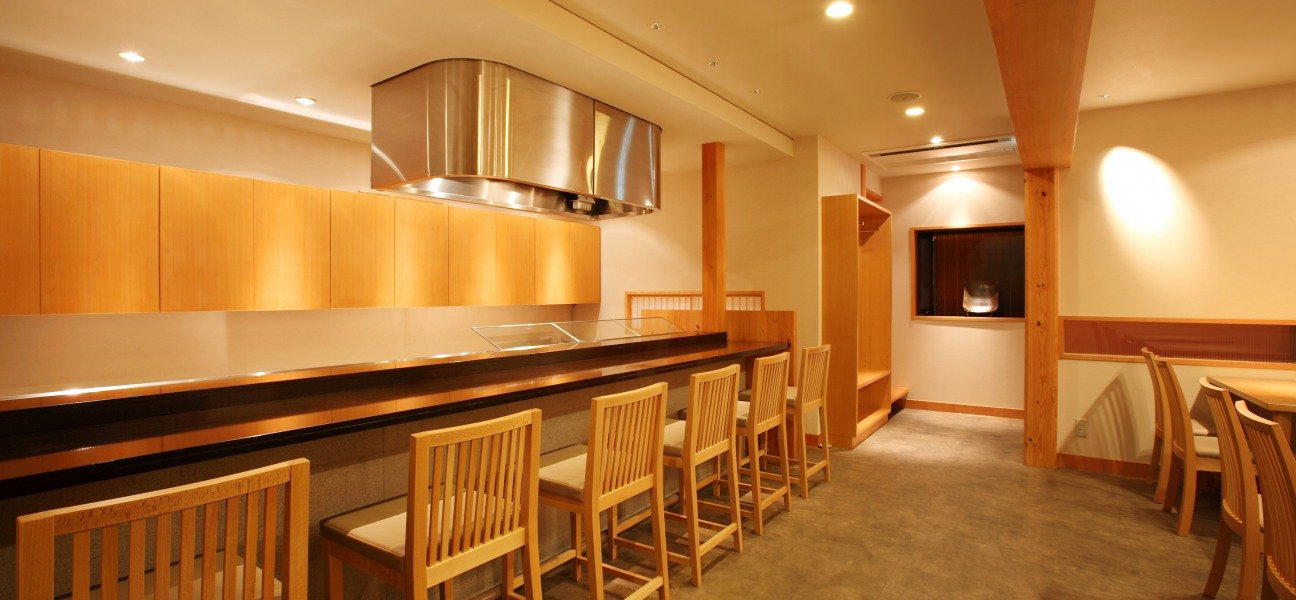
Kyomachi and the Tempura Counter Tradition
Okayama's dining identity has long operated in the shadow of its Kansai and Setouchi neighbours. The city sits at a productive crossroads: Seto Inland Sea seafood to the south, mountain produce pushing in from the north, and a civic culture that tends to reward precision over spectacle. Within that context, tempura counters occupy a specific niche. Unlike kaiseki or sushi, the format demands complete transparency — the cook works in full view, and the gap between a batter that holds and one that doesn't is measured in seconds and degrees. Restaurants that commit to this format are making a statement about discipline before a single prawn hits the oil.
天婦羅 たかはし is located at 8-1 高橋ビル, Kyomachi, in Okayama's Kita Ward — a neighbourhood that carries the functional, mid-city character common to Japanese regional centres without the self-conscious polish of purpose-built dining districts. That kind of address tends to sort visitors quickly: the people who find their way here are usually looking specifically for this kind of cooking, not stumbling in from a tourist circuit.
The Logic of the Tempura Counter
Japan's tempura counter tradition developed as a distinct format from the broader frying culture that arrived via Portuguese traders in the sixteenth century. By the Edo period, tempura had become street food; by the twentieth century, the specialist counter had refined it into something approaching ceremony. The critical variables, oil type, temperature gradient, batter hydration, resting time, are managed through accumulated habit as much as explicit technique. Counter seating exists not just as an aesthetic choice but as a functional one: the diner receives each piece at the moment the cook judges it ready, not a minute before or after.
This is the tradition that specialist tempura counters across Japan's regional cities are working within. In Osaka, venues like HAJIME sit at the high-concept end of Japanese cuisine more broadly; in Tokyo, counters such as Harutaka operate under intense Michelin scrutiny. Okayama's tempura scene is quieter, less documented internationally, and arguably more interesting for it, the pressure of external validation is lower, and the cooking tends to answer to the local market rather than the guidebook cycle.
Where Service and Kitchen Connect
The editorial angle that matters most at a counter format like this one is the relationship between kitchen and floor, what some in the industry call the team dynamic, though the term flattens something more specific. At a tempura counter, the cook is also, in effect, the host. The sequencing of what gets fried and when is a form of hospitality decision-making: light vegetables before richer proteins, delicate seasonal items positioned early while the palate is freshest. Front-of-house in this context is less about theatrical service and more about reading the pace of the counter and filling the intervals without disrupting the rhythm the kitchen is setting.
Okayama's broader dining culture tends toward this quieter model of hospitality, where attentiveness doesn't announce itself. Compared to the more formalized service hierarchies at places like Gion Sasaki in Kyoto or the contemporary choreography at Atomix in New York City, the regional Japanese counter often operates on something closer to trust: the kitchen trusts the room to be paying attention, and the room trusts the kitchen to be making the right calls.
Okayama's Position in the Regional Dining Map
For visitors orienting themselves within Japan's regional dining scene, Okayama deserves more consideration than it typically receives. The Setouchi connection gives the city access to some of Japan's most reliably sourced seafood, the inland sea's controlled tidal conditions produce shellfish and flatfish with a consistency that coastal kitchens in rougher-water regions can't always guarantee. Seasonal mountain produce, particularly in the warmer months, feeds into menus across the city's specialist counters.
Peer restaurants in the city worth considering alongside 天婦羅 たかはし include Hasunomi, Waraku, 松寿し, 祥鶴, and 空浪. Each occupies a different register of the city's specialist dining scene. For context on how Japan's regional specialist counters fit into a wider picture, Goh in Fukuoka, akordu in Nara, 一本木 石川製 in Nanao, 古代今山乃 in Sapporo, 湖邊庵 in Takashima, 庄羽屋 in Nishikawa Machi, and Birdland in Sakai all provide useful reference points for understanding how regional Japan handles specialist single-format cooking. For a broader view of Okayama's dining options, the full Okayama restaurants guide maps the city's range across formats and price points. And for those connecting Okayama's counter culture to global high-end seafood traditions, Le Bernardin in New York City offers an interesting counterpoint in how technical rigour translates across very different culinary frameworks.
Planning a Visit
天婦羅 たかはし's Kyomachi address places it within walking distance of central Okayama, accessible from Okayama Station without significant navigation. Kyomachi is a working neighbourhood rather than a destination district, which means the area is quiet at dinner hours, practical for those who find the pre-meal atmosphere of packed tourist streets more taxing than atmospheric. Booking information, current hours, and pricing are best confirmed directly with the venue, as the available public record on these details is limited. For a counter format of this type, advance reservation is the standard expectation in Japan's regional specialist dining circuit, regardless of capacity size.
Frequently asked questions
Does 天婦羅 たかはし work for a family meal?
The counter format that defines specialist tempura restaurants in Japan tends to suit pairs or small groups who want to engage with the kitchen rather than manage a large table. Families with younger children may find the pacing and counter seating less accommodating than a conventional dining room. The Kyomachi address in central Okayama is accessible, but whether the format fits a family visit depends on the age and appetite of the group.
What is the atmosphere like at 天婦羅 たかはし?
Counter-format tempura restaurants in Japan are built around a specific kind of quiet attention: the rhythm of frying, the placement of each piece, and the minimal distance between cook and guest. At the Kyomachi address in Kita Ward, Okayama, that tradition frames the room. The setting is more focused than festive, oriented toward the craft at the counter rather than ambient dining-room energy.
Is 天婦羅 たかはし in Okayama close to central transport links?
The restaurant is located in Kyomachi, Kita Ward, Okayama — a central district within walking range of Okayama Station, which serves both Shinkansen and local rail connections. That address makes it a practical option for visitors arriving from Hiroshima, Kobe, or Kurashiki without requiring onward transit. Kyomachi itself is one of Okayama's established dining streets, which concentrates restaurants in a compact area.
What's the signature dish at 天婦羅 たかはし?
What the tempura counter format consistently foregrounds, however, is the sequence itself: single pieces fried to order and served immediately, with the cook's selection often reflecting available Setouchi-region produce. Okayama's position on the Seto Inland Sea corridor gives local tempura counters access to seafood and seasonal ingredients that anchor what gets fried on a given day.
Where is 天婦羅 たかはし located?
天婦羅 たかはし is located at Japan, 〒700-0838 Okayama, Kita Ward, Kyomachi, 8−1 高橋ビル, Okayama.
Budget and Context
Comparable venues nearby, for context on price, style, and recognition.
| Venue | Cuisine | Price | Awards | Notes |
|---|---|---|---|---|
| 天婦羅 たかはしThis venue (the venue you are viewing) | Edo-Style Tempura | $50–100 | Not listed | Not listed |
| Kisetsu Ryori Katayama | Seasonal Japanese Izakaya | $30–50 | Tabelog 100 #95 | Heiwacho, Kita Ward, Okayama, Seasonal Japanese Izakaya |
| Shikisai Teppan Kusano | Seasonal Japanese Teppanyaki | $50–100 | Tabelog 100 #28 | Kita-ku, Seasonal Japanese Teppanyaki |
| 楽旬菜 佐とう | Seasonal Japanese Kappo | $100–150 | Not listed | Saidaiji cho, Seasonal Japanese Kappo |
| Ichome | Yakitori (Grilled Chicken Skewers) | $20–30 | Tabelog 100 #69 | Not listed |
| 祥雲 | Traditional Japanese Crab Specialty | $50–100 | Not listed | Kita-ku, Traditional Japanese Crab Specialty |
Continue exploring
More in Okayama
Restaurants in Okayama
All restaurants in Okayama →
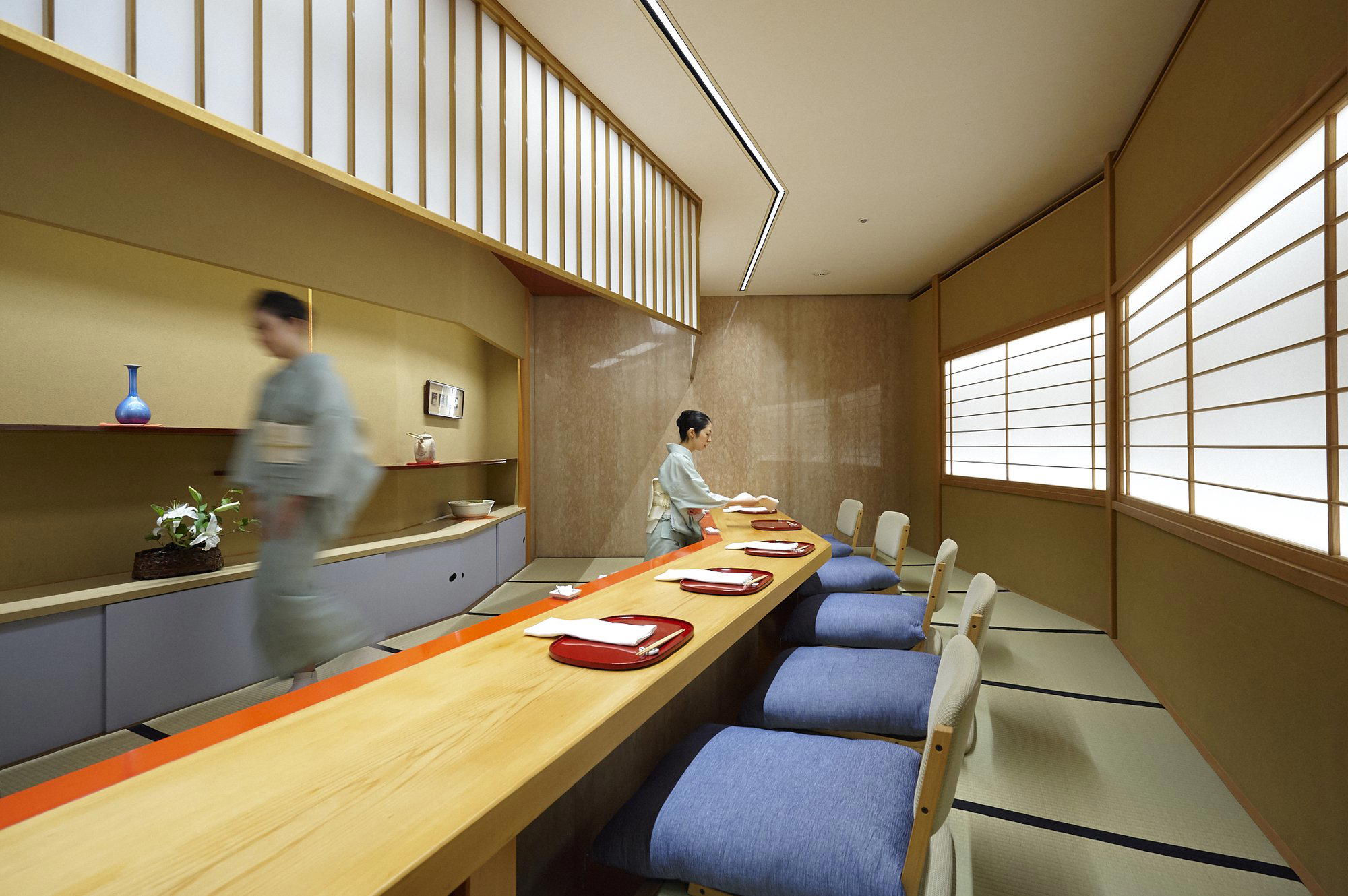
Bars in Okayama
Browse all →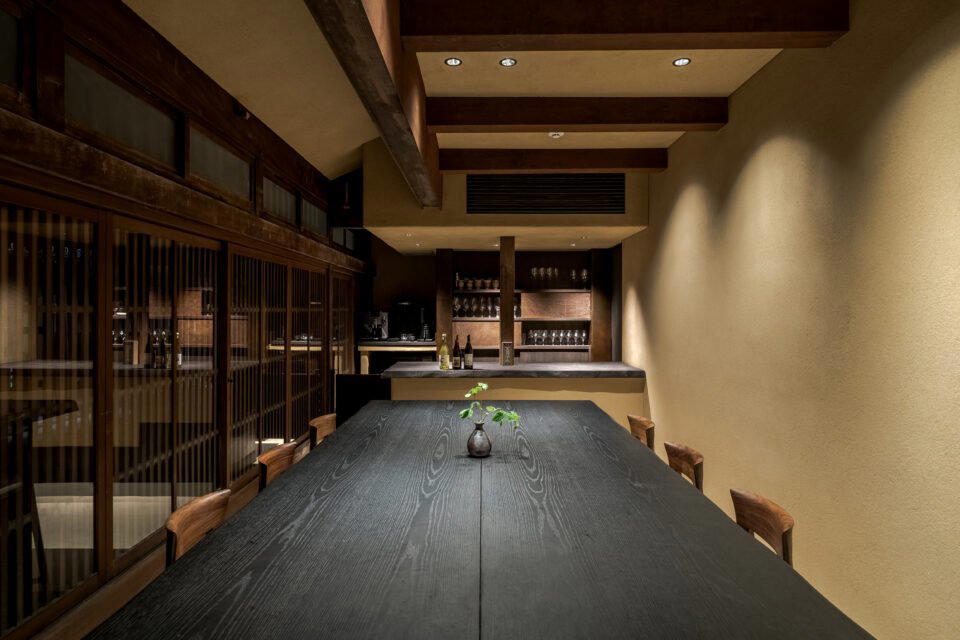
Details
- Elegant
- Sophisticated
- Intimate
- Classic
- Special Occasion
- Business Dinner
- Date Night
- Chefs Counter
- Open Kitchen
- Sake Program
- Local Sourcing
- Counter Dining
- Set Menu
- Sake
- Wine
- Vegetarian Friendly
Current opening hours
- Monday
- 12–1:30 PM, 6–9:30 PM
- Tuesday
- 12–1:30 PM, 6–9:30 PM
- Wednesday
- 12–1:30 PM, 6–9:30 PM
- Thursday
- 12–1:30 PM, 6–9:30 PM
- Friday
- 12–1:30 PM, 6–9:30 PM
- Saturday
- 12–1:30 PM, 6–9:30 PM
- Sunday
- Closed
Hours can change for holidays and private events. Last verified .
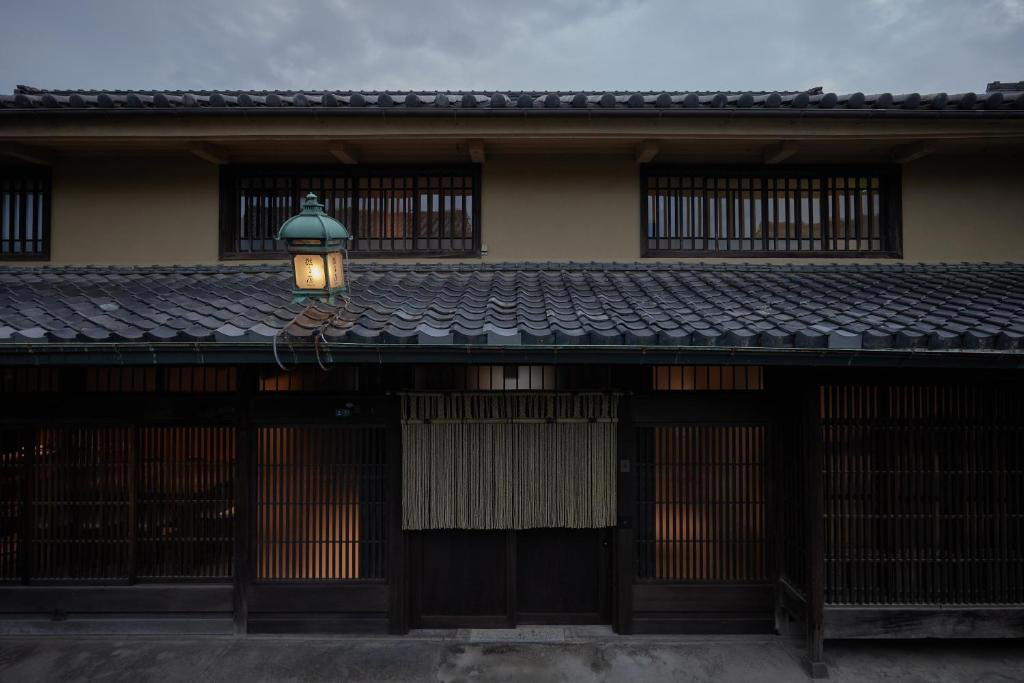
Counter-focused space with warm lighting, high-end atmosphere enhanced by antiques and the chef's live frying performance.