Our verdict
A neighbourhood Japanese restaurant in Okayama's Kita Ward, 楽旬菜 佐とう draws a loyal local following to its address in Kyobashicho. The name itself signals the kitchen's orientation: raku (comfort), shun (seasonal), sai (vegetables and dishes). For those who return repeatedly, this is the kind of place that earns its place through consistency rather than spectacle.

Pearl is the En Primeur Club membership app — saves, bookings, and concierge access live there. Same editors, same standards.
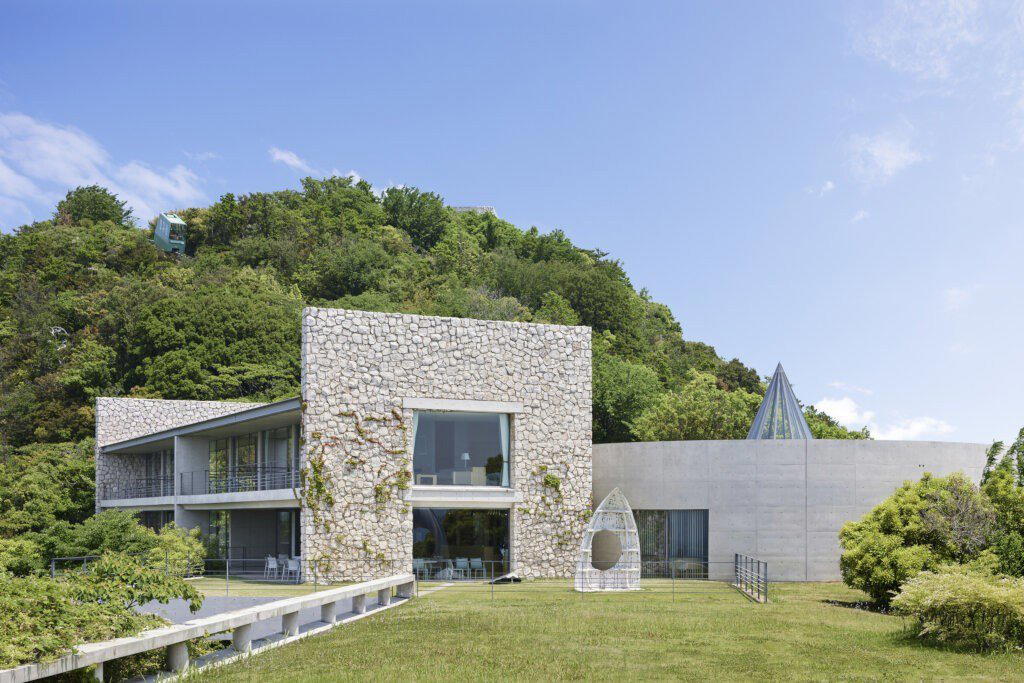
What Keeps Regulars Coming Back to Kyobashicho
In Okayama, as in most Japanese cities of comparable scale, the restaurants that last are rarely the ones chasing attention. They are the ones that cook to a repeating clientele, adjusting imperceptibly with the seasons and building a quiet fluency with the people who walk through the door most often. 楽旬菜 佐とう, located at 2-5 Kyobashicho in Kita Ward, operates in that register. The name is worth parsing: raku (楽) carries connotations of ease and comfort; shun (旬) means seasonal peak; sai (菜) refers to vegetables and prepared dishes. Together they sketch a kitchen philosophy without stating it outright — produce-led, seasonally governed, without pretension.
Kyobashicho sits within the denser commercial fabric of central Okayama, a ward that contains the city's main rail hub and the administrative core but also supports a quieter layer of neighbourhood dining that visitors moving quickly between Hiroshima and Kyoto rarely encounter. That transit pattern matters. It concentrates loyal local custom at places like this, where the regulars are largely Okayama residents rather than tourists calibrating against a national restaurant tier list.
The Logic of Seasonal Cooking in a Mid-Sized Japanese City
Okayama's position along the Seto Inland Sea gives its food culture reliable access to seafood from one of Japan's most productive coastal systems, alongside mountain produce from the surrounding Chugoku region. Seasonal cooking in this context is less a philosophical stance than a practical reality: what's available changes with genuine abruptness, and kitchens attuned to those rhythms operate differently from those that maintain a fixed menu year-round.
The shun principle embedded in 楽旬菜 佐とう's name places it within a broader category of Japanese restaurants that treat the seasonal calendar as a primary editorial constraint. This is the tradition behind kaiseki's monthly rotations, behind the pride a Kyoto restaurant takes in being first to serve spring bamboo shoots, behind the way a counter chef in almost any Japanese city will pause to tell you what the kitchen considers the ingredient of the moment. At this price and neighbourhood tier, the expression is less formal than kaiseki but operates on the same underlying logic.
For context on how Okayama's dining scene positions itself relative to Japan's major food cities, the distance from Osaka's leading end — represented by places like HAJIME in Osaka, or Tokyo's counter culture, exemplified at Harutaka in Tokyo, is significant. Okayama is not competing in that register. What it offers instead is a more embedded, less performative version of Japanese food culture, where the audience is local and the ambition is calibrated accordingly. That calibration is its own credential.
The Regulars' Unwritten Menu
At restaurants governed by seasonal supply and a consistent local clientele, the gap between the written menu and what regulars actually order tends to widen over time. This is characteristic of the neighbourhood Japanese dining format in general: the kitchen learns what its returning guests prefer, dishes drift in and out of availability without being formally listed, and a certain institutional memory develops between staff and customers that a first-time visitor cannot access on arrival.
This is a different category from destination restaurants like Gion Sasaki in Kyoto or the tasting-format ambition of akordu in Nara. The comparison set here is closer to the local Japanese restaurant that a neighbourhood resident visits without consulting a review, because the restaurant has already proved itself through accumulated visits.
Other Okayama addresses that operate in adjacent registers include Hasunomi, Waraku, and 空浪, each carrying its own relationship to the city's dining expectations. For a broader map of where 楽旬菜 佐とう fits within Okayama's full dining range, our full Okayama restaurants guide covers the city's distinct tiers and neighbourhoods in depth. Additional Okayama options in the local Japanese category include 松寿し and 祥鶴.
Seasonal Japanese Cooking Across Japan's Secondary Cities
The neighbourhood seasonal Japanese restaurant is one of Japan's most durable dining formats, present in every city from Sapporo to Fukuoka, and it is often in secondary cities rather than the major ones where the format operates with least self-consciousness. Places like Goh in Fukuoka show how regional ambition can reach a national level, while other addresses in cities like Nanao, represented by 一本木なかやま制, or Takashima, where 湖麺屋ろじうら operates, illustrate the regional diversity of Japanese food culture outside the main city axis.
Within Okayama specifically, the city's relative proximity to the Seto Inland Sea means that even neighbourhood restaurants with no national profile can draw on seafood supply chains that larger metropolitan kitchens would need to specifically source. That geographic advantage operates quietly but consistently in the background of places like 楽旬菜 佐とう.
Planning a Visit
楽旬菜 佐とう is located at 2-5 Kyobashicho, Kita Ward, Okayama, a short distance from Okayama Station, which connects directly to the Shinkansen network. Kita Ward is walkable from the station and contains the central commercial district. Given the neighbourhood restaurant format and local clientele base, walk-in availability is plausible but cannot be guaranteed; arriving during standard Japanese dining hours, lunch from around noon, dinner from around 6pm, and being prepared for a possible wait reflects the practical reality of this type of establishment. For allergy or dietary requirements, direct communication with the kitchen ahead of arrival is the appropriate approach, as menu data is not available to assess in advance.
Frequently asked questions
Where is 楽旬菜 佐とう in Okayama?
楽旬菜 佐とう is located at 2-5 Kyobashicho, Kita Ward, Okayama, 700-0831, Japan, Okayama.
Is 楽旬菜 佐とう a good dinner option close to Okayama Station?
The restaurant is located at 2-5 Kyobashicho in Kita Ward, within walking distance of Okayama Station, which sits on the San'yo Shinkansen line and connects to Hiroshima, Kobe, Osaka, and Tokyo. That proximity makes it a practical option for travellers moving through the region who want a neighbourhood meal rather than a hotel restaurant. The seasonal, vegetable-forward format the name signals is distinct from the more formal kaiseki or destination-dining options that require advance planning.
Do they take walk-ins at 楽旬菜 佐とう?
The restaurant sits at 2-5 Kyobashicho, Kita Ward, a neighbourhood address rather than a high-footfall tourist strip, which means walk-in capacity depends heavily on the evening. Neighbourhood Japanese restaurants at this scale in Okayama often have room earlier in the week, but a reservation placed in advance removes the uncertainty entirely.
What's the signature at 楽旬菜 佐とう?
No specific dish can be confirmed from available data. The restaurant's name points toward seasonal produce as the central organising principle, with 旬菜 (seasonal vegetables) foregrounded in the identity. That framing places vegetable-driven preparations at the core of the kitchen's approach, rather than fish or meat as a lead protein, which is a deliberate positioning for a restaurant in Okayama's neighbourhood dining tier.
Where It Fits
Comparable venues nearby, for context on price, style, and recognition.
| Venue | Cuisine | Price | Awards | Notes |
|---|---|---|---|---|
| 楽旬菜 佐とうThis venue (the venue you are viewing) | Seasonal Japanese Kappo | $100–150 | Not listed | Not listed |
| 祥雲 | Traditional Japanese Crab Specialty | $50–100 | Not listed | Kita-ku |
| Teppan Cuisine Nagao | Modern Teppanyaki & Wine in Okayama | $100–150 | Tabelog 100 #48 | Marunouchi |
| Teppan Kayano | Japanese Teppanyaki | Not listed | Tabelog 100 #54 | Chuocho, Kita-ku, Okayama |
| Shuritsu Ooi | Casual Japanese Teppanyaki & Steak | $50–100 | Tabelog 100 #29 | Kita Ward |
| Kisetsu Ryori Katayama | Seasonal Japanese Izakaya | $30–50 | Tabelog 100 #95 | Heiwacho, Kita Ward, Okayama |
Continue exploring
More in Okayama
Restaurants in Okayama
All restaurants in Okayama →
Bars in Okayama
Browse all →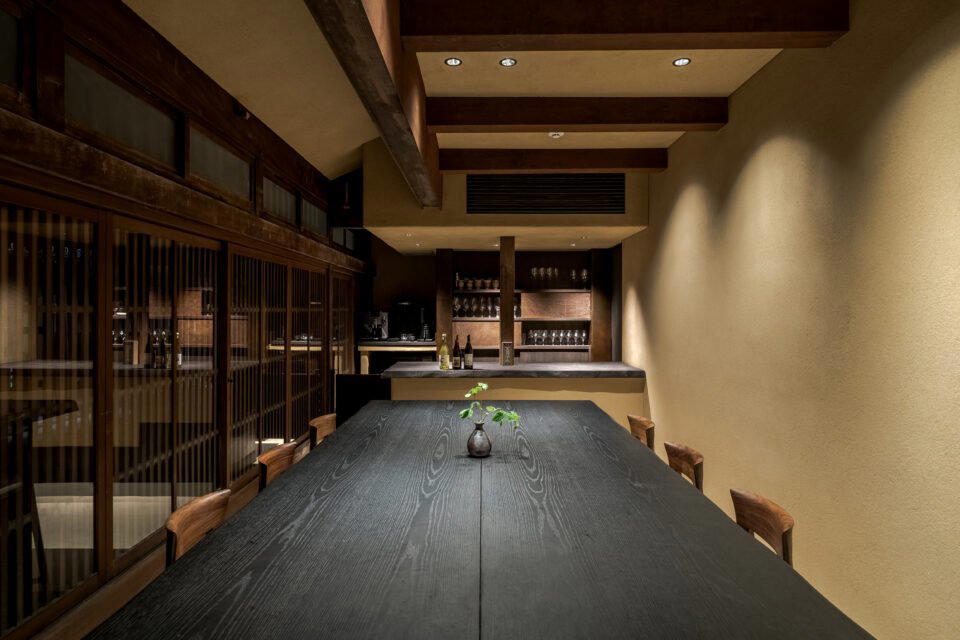

Details
- Quiet
- Elegant
- Intimate
- Sophisticated
- Special Occasion
- Business Dinner
- Private Dining
- Sake Program
- Local Sourcing
- Omakase
Current opening hours
- Monday
- 6–10 PM
- Tuesday
- 6–10 PM
- Wednesday
- 6–10 PM
- Thursday
- 6–10 PM
- Friday
- 6–10 PM
- Saturday
- 6–10 PM
- Sunday
- Closed
Hours can change for holidays and private events. Last verified .
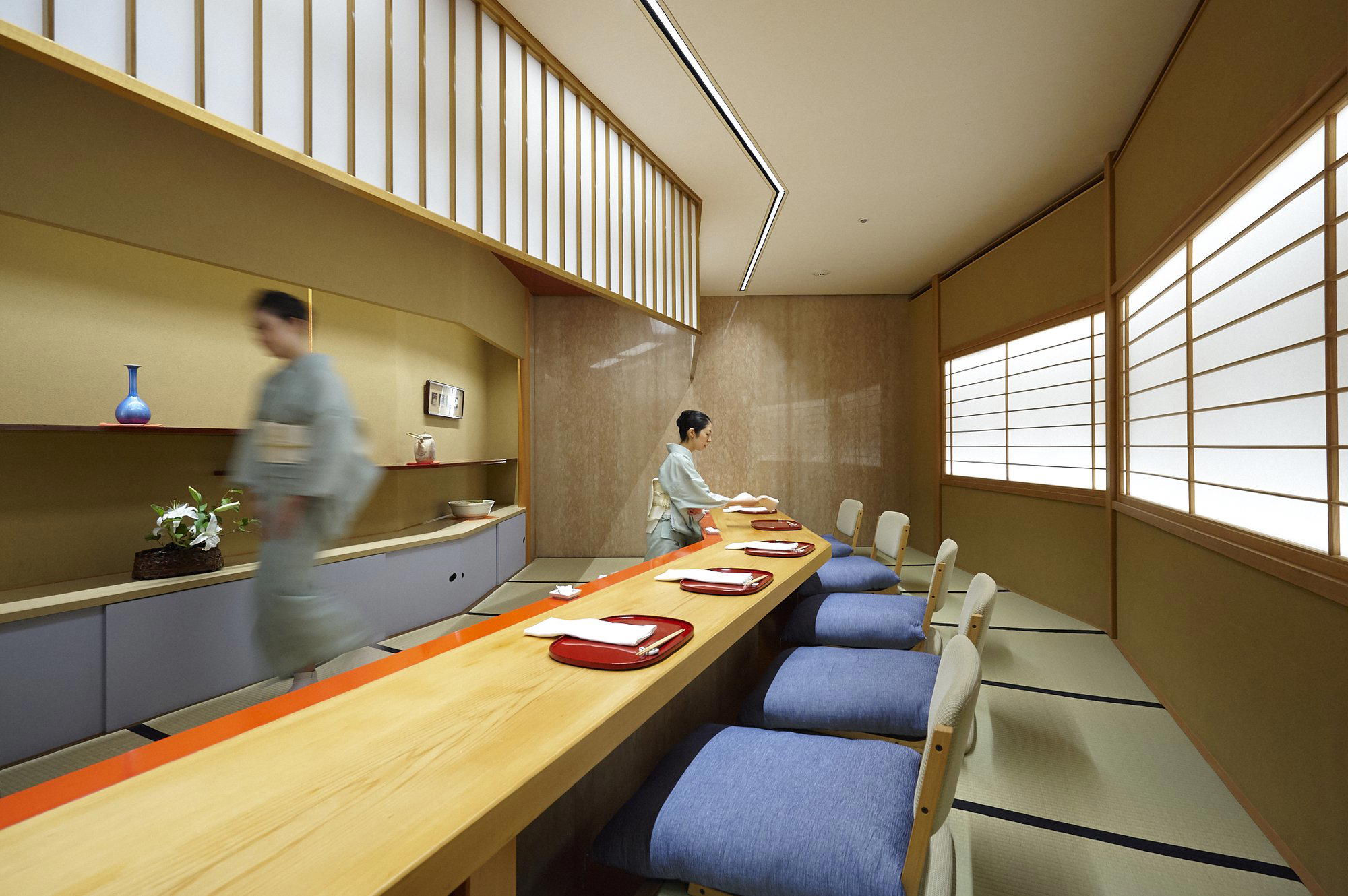
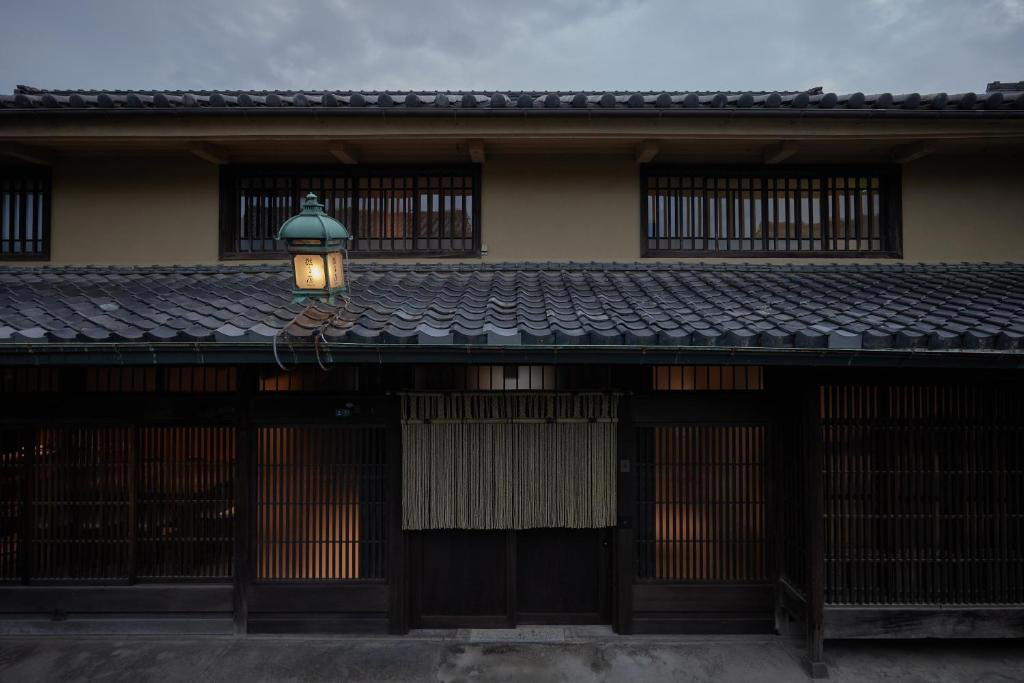
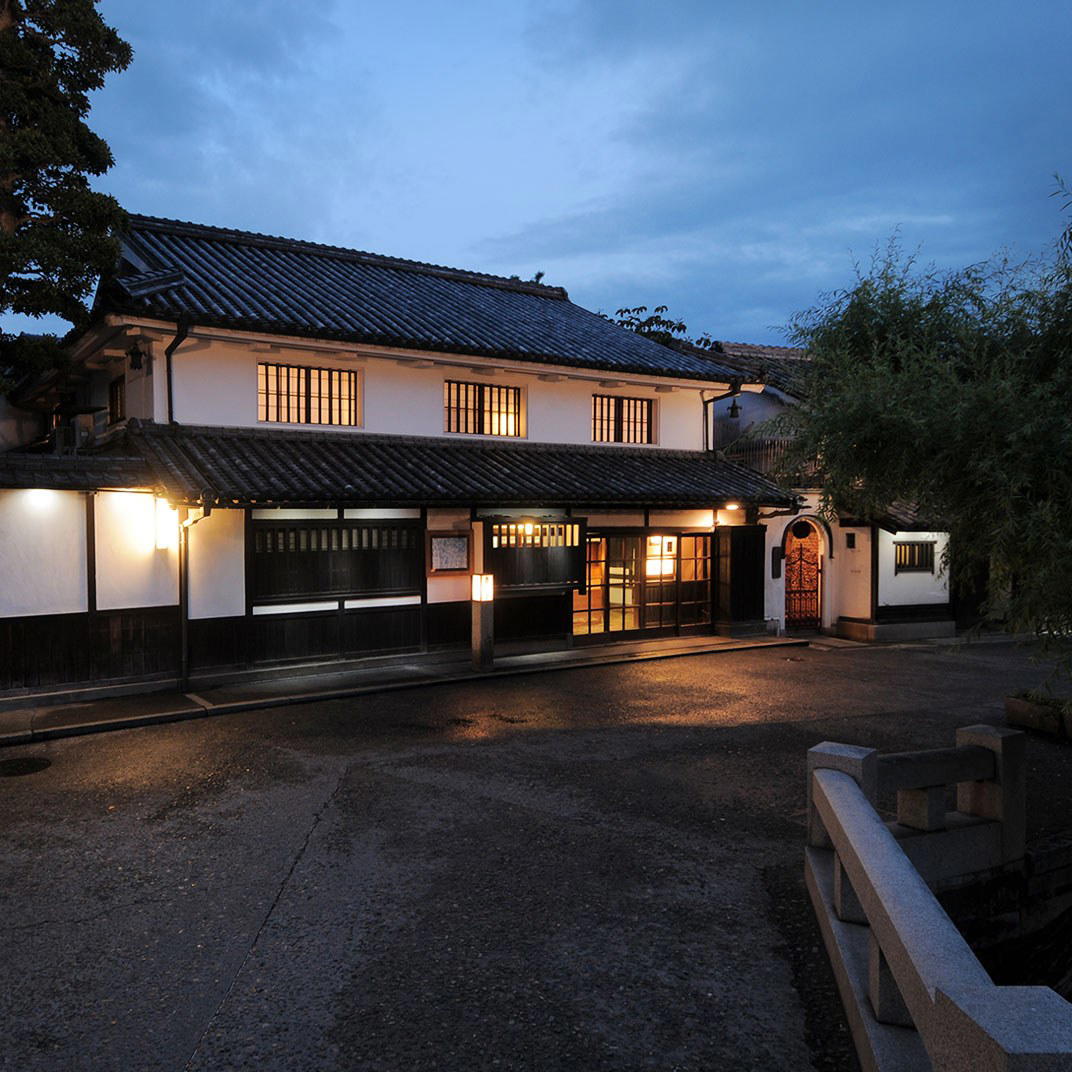
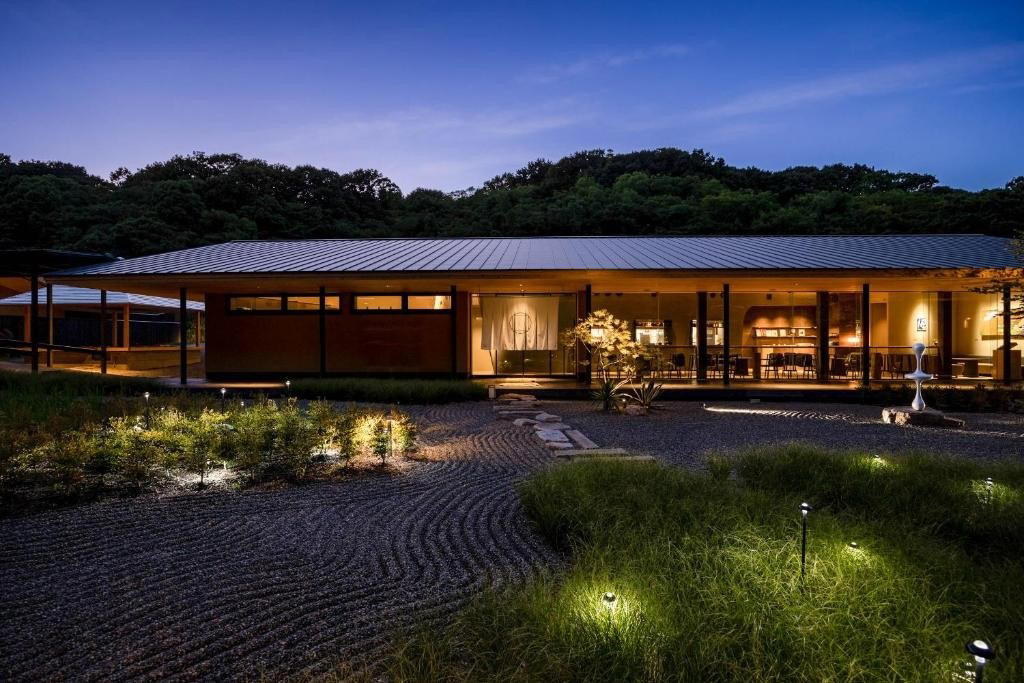
静かで落ち着いた上品な雰囲気 (quiet and refined atmosphere).