Our verdict
オガサワラ レストラン serves Modern Spanish Fine Dining in a historic building with garden views, formal service, and a leisurely pace for lunch or dinner.

Pearl is the En Primeur Club membership app — saves, bookings, and concierge access live there. Same editors, same standards.
- Address
- Japan, 〒160-0007 Tokyo, Shinjuku City, 荒木町6−39 GARDEN TREE B1F
- Phone
- +81333535035
- Hours
- Daily 5–11 PM
- Website
- ogasawara-restaurant.tokyo
- Directions
- Get directions
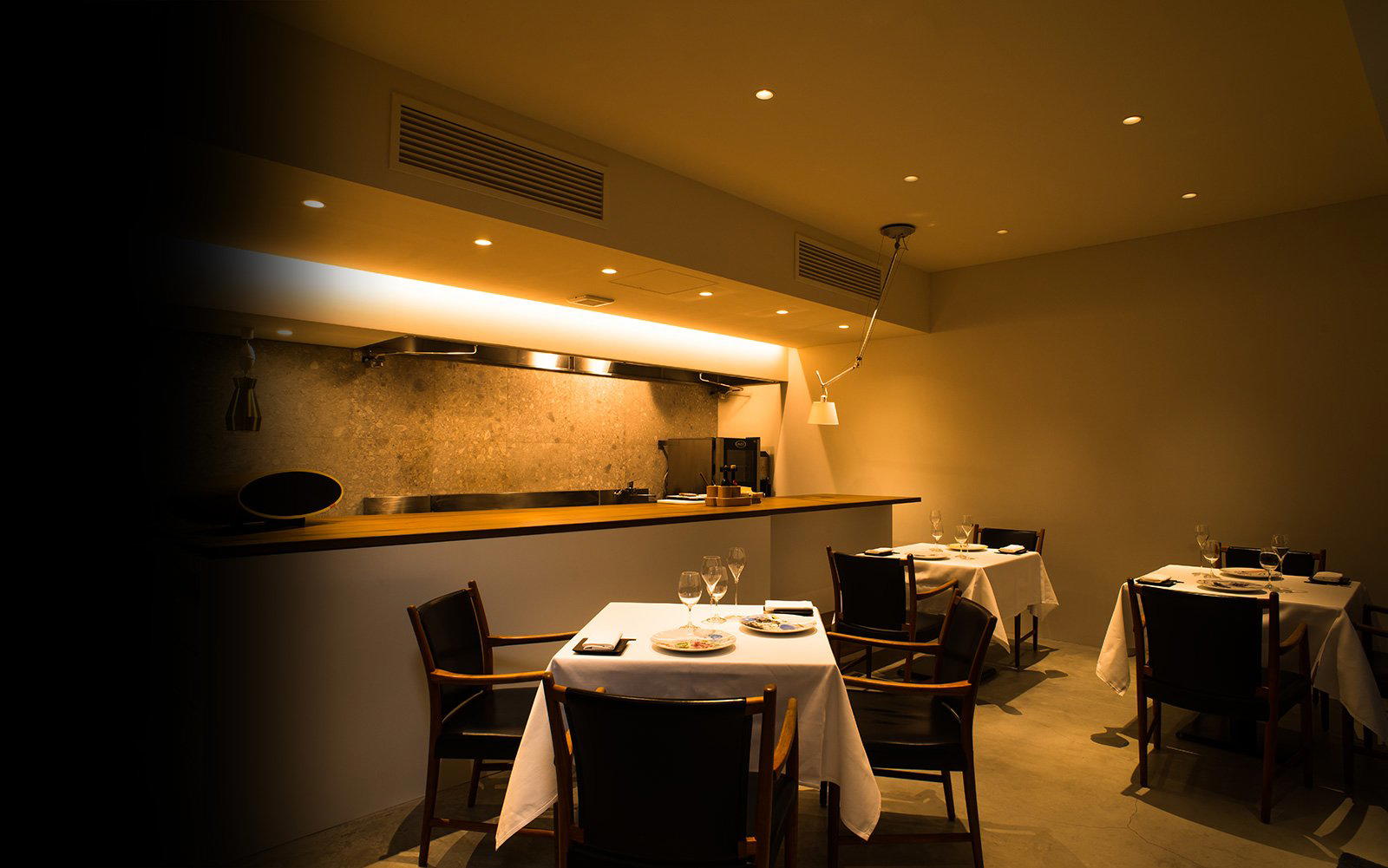
Shinjuku's Basement Dining Circuit and Where Ogasawara Restaurant Fits
Araki-cho, the compact entertainment quarter tucked into Shinjuku City's southern fringe, has a distinct character among Tokyo's dining neighborhoods. Its narrow lanes and below-street-level entrances have historically attracted intimate, owner-operated restaurants that operate at a different register from the flagship counters of Ginza or the chef-destination rooms of Minami-Aoyama. The address of Ogasawara Restaurant — Garden Tree B1F, 6-39 Araki-cho — places it squarely in that basement-dining tradition: a subterranean room that physically removes itself from the street-level noise of Shinjuku, creating a container in which the architecture and the meal can do the work without distraction.
That physical context matters when thinking about what this category of Tokyo restaurant is trying to achieve. Basement rooms in Araki-cho are not making the same argument as the glass-fronted towers of Roppongi Hills or the tatami-screened private rooms of Akasaka. They argue, instead, through enclosure, through the deliberate compression of space that concentrates attention on what is placed in front of the guest.
The Architecture of a Below-Ground Room
In Tokyo's fine-dining circuit, the relationship between physical space and perceived formality is more negotiated than it appears. The city's most discussed counters, including omakase sushi rooms such as Harutaka, operate in constrained footprints where every design choice, from wood grain to lighting temperature, carries weight. French-influenced rooms like L'Effervescence and Sézanne have built international reputations partly on the precision of their physical environments, where the room functions as an argument about culinary philosophy before the first course arrives.
Basement rooms occupy a different position in this hierarchy. The absence of natural light, which might seem a limitation, becomes a design variable in skilled hands: artificial light can be calibrated room by room, table by table, in ways that daylit spaces cannot. The ceiling is lower, the acoustic profile is tighter, and the effect, when the room is designed with intention, is one of genuine seclusion rather than performed exclusivity. For a neighborhood like Araki-cho, where the street culture is itself relatively low-key compared to Ginza or Nishi-Shinjuku, a basement room is a natural extension of the area's existing character.
Ogasawara Restaurant's B1F designation at the Garden Tree building is consistent with this tradition. What can be said with confidence, from the neighborhood context and the building type, is that the room belongs to a category of Tokyo dining space that values containment and quiet over visibility and scale.
Araki-cho as a Dining Destination
The neighborhood itself is worth understanding on its own terms. Araki-cho sits between Yotsuya and Shinjuku-Sanchome stations, close enough to central Shinjuku to be accessible but operating at a slower pace than the commercial core. Its restaurant density is high relative to its footprint, and the mix tends toward independent operators rather than chain or hotel-affiliated rooms. Compared to the structured prestige of Ginza's dining corridor, where restaurants like RyuGin and the kaiseki rooms carry explicit Michelin weight, Araki-cho restaurants often rely on word-of-mouth and repeat local custom rather than international award recognition to sustain their businesses.
That distinction shapes the dining experience in a material way. A room that depends on neighborhood loyalty tends to develop a consistency and a specific character over time, while a room competing for annual award attention may evolve more visibly from season to season. Both models have value; they simply produce different kinds of meals and different kinds of evenings.
Whether that makes it more or less relevant to any given traveler depends entirely on what kind of evening that traveler is looking for.
Placing Ogasawara in Japan's Broader Restaurant Map
Japan's restaurant culture rewards the specialist and the long-established. From Gion Sasaki in Kyoto to HAJIME in Osaka, the rooms that accumulate the deepest reputations tend to operate in clearly defined formats with consistent execution over years. Newer entrants like akordu in Nara or Goh in Fukuoka have carved out recognized positions by establishing their own coherent formats rather than chasing existing templates.
The same principle applies at neighborhood scale in Tokyo. A restaurant operating in a B1F room in Araki-cho is making choices, about visibility, about accessibility, about the kind of guest it is trying to attract, that are as deliberate as the choices made by a three-Michelin-starred room in Ginza. The design of the space is part of that argument. Internationally, the same logic applies at rooms like Le Bernardin in New York City or Atomix, where the physical environment is a direct extension of the culinary position. In Japan, where the relationship between setting and cuisine is taken seriously at every price point, this is an even more deliberate calculation.
For travelers working through our full Tokyo restaurants guide, Ogasawara Restaurant represents a type of venue that is easy to overlook during initial itinerary planning because it does not carry the institutional recognition of the city's award-tracked rooms. That is not a deficiency; it is a different kind of dining proposition. Regional restaurants across Japan, from 一本木 名川製 in Nanao to 古代山乃 in Sapporo and 湖畔荘 in Takashima, demonstrate that the most considered dining experiences in the country are not always the most externally validated ones.
Know Before You Go
- Address: 〒160-0007 Tokyo, Shinjuku City, 荒木町 6-39, Garden Tree B1F
- Nearest stations: Yotsuya-Sanchome (Marunouchi Line) or Shinjuku-Sanchome (multiple lines), both within walking distance of Araki-cho
- Phone / Website: Not publicly listed in available records, contact through the building directory or local reservations platforms
- Price range: Not confirmed in available records, budget conservatively for a specialist Shinjuku City dinner
- Booking: Reservation status not confirmed; given the basement-room format and neighborhood tradition, advance contact is advisable
- Hours: Not confirmed, verify locally before visiting
Frequently asked questions
Where do I go for オガサワラ レストラン?
オガサワラ レストラン is located at Japan, 〒160-0007 Tokyo, Shinjuku City, 荒木町6−39 GARDEN TREE B1F, Tokyo.
What makes オガサワラ レストラン's location in Araki-cho significant for Tokyo diners?
Araki-cho sits between Yotsuya and Shinjuku-Sanchome stations in Shinjuku City, a compact quarter with a long-standing density of independent restaurants that run below the radar of Tokyo's busier tourist circuits. オガサワラ レストラン's basement address at GARDEN TREE B1F, 荒木町6−39, places it inside this circuit rather than on the more visible Shinjuku main drag. For Tokyo diners, that geography tends to signal a locally-oriented room over a tourist-facing one.
What dish is オガサワラ レストラン famous for?
What is established is its setting in Araki-cho, Shinjuku City — a neighborhood where restaurants typically build identity around focused, specialist menus rather than broad offerings. Visiting without a reservation or advance research is not advisable given the area's compact, reservation-driven dining culture.
Is オガサワラ レストラン reservation-only?
However, Araki-cho's dining circuit — the block around 荒木町 where オガサワラ レストラン sits — runs predominantly on bookings rather than walk-ins. Contacting the venue directly before arrival is the practical approach, particularly for an evening visit.
Is オガサワラ レストラン allergy-friendly?
In Japan's specialist restaurant culture, dietary requirements are best communicated at the time of reservation rather than on arrival — especially in smaller rooms where menus are typically fixed in advance.
Is eating at オガサワラ レストラン worth the cost?
The venue's address in Araki-cho, historically one of Shinjuku's more discerning dining pockets, places it in a neighborhood where price-to-quality ratios tend to be taken seriously by locals and regulars alike. Without confirmed pricing or award documentation, a direct inquiry to the restaurant gives the clearest picture before booking.
Compact Comparison
Comparable venues nearby, for context on price, style, and recognition.
| Venue | Cuisine | Price | Awards | Notes |
|---|---|---|---|---|
| オガサワラ レストランThis venue — the venue you are viewing | Modern Spanish Fine Dining | $150–200 | Not listed | Not listed |
| GinaGina | Modern Spanish Fusion | $100–150 | Tabelog 100 #28 | Minato, Modern Spanish Fusion |
| Bar Porteno | Spanish & South American Wine Bar | $50–100 | Tabelog 100 #80 | Sumida, Spanish & South American Wine Bar |
| 重箱 | Traditional Japanese Unagi | $200–300 | Not listed | Akasaka, Traditional Japanese Unagi Fine Dining |
| Inoue (井上) | Modern Yakiniku | $150–200 | Not listed | Ginza, Modern Yakiniku |
| 茶禅華 | Modern Chinese Fine Dining | $300–500 | 3 Michelin Stars · World's 50 Best #21 | Minami-Azabu, Modern Japanese-influenced Chinese fine dining |







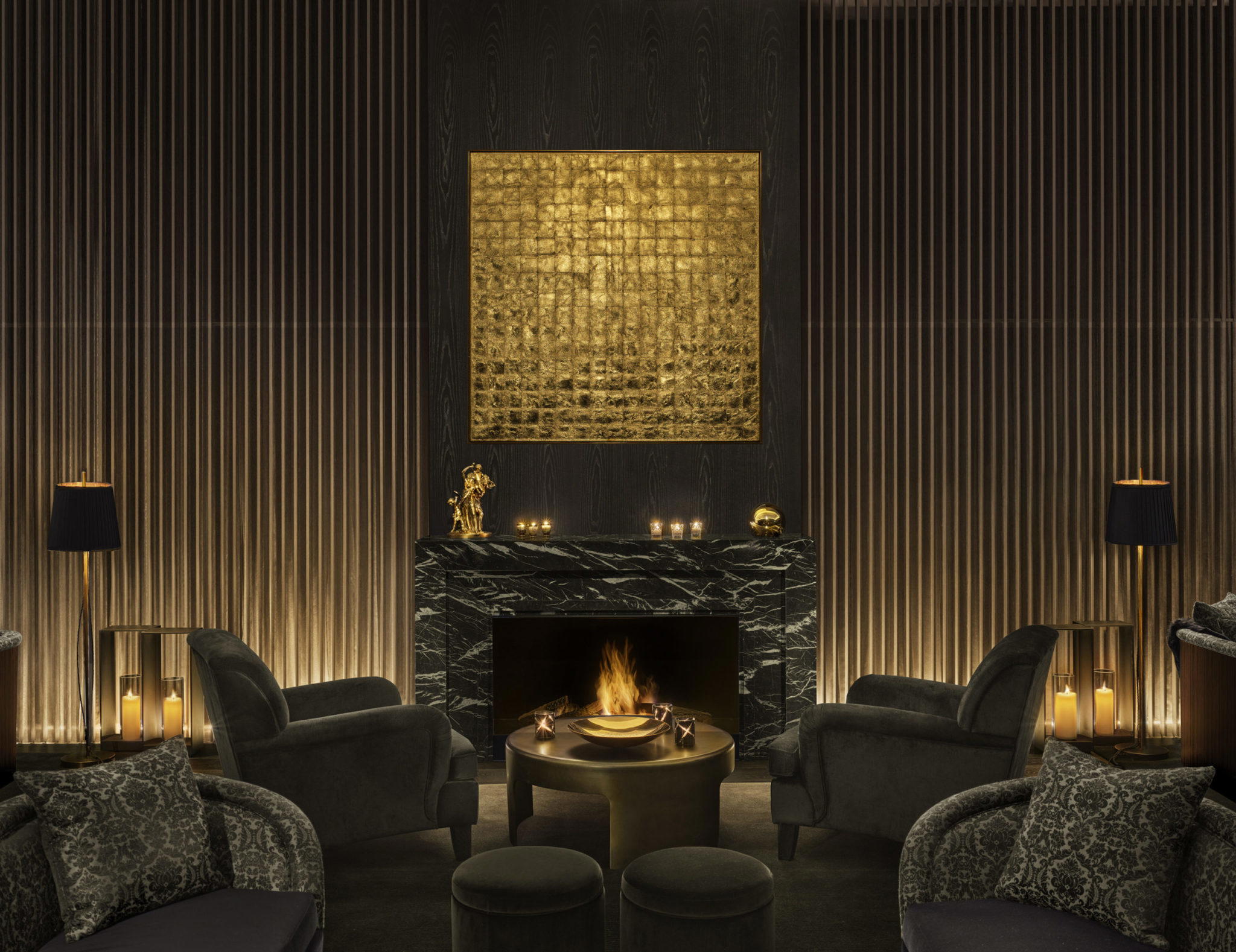





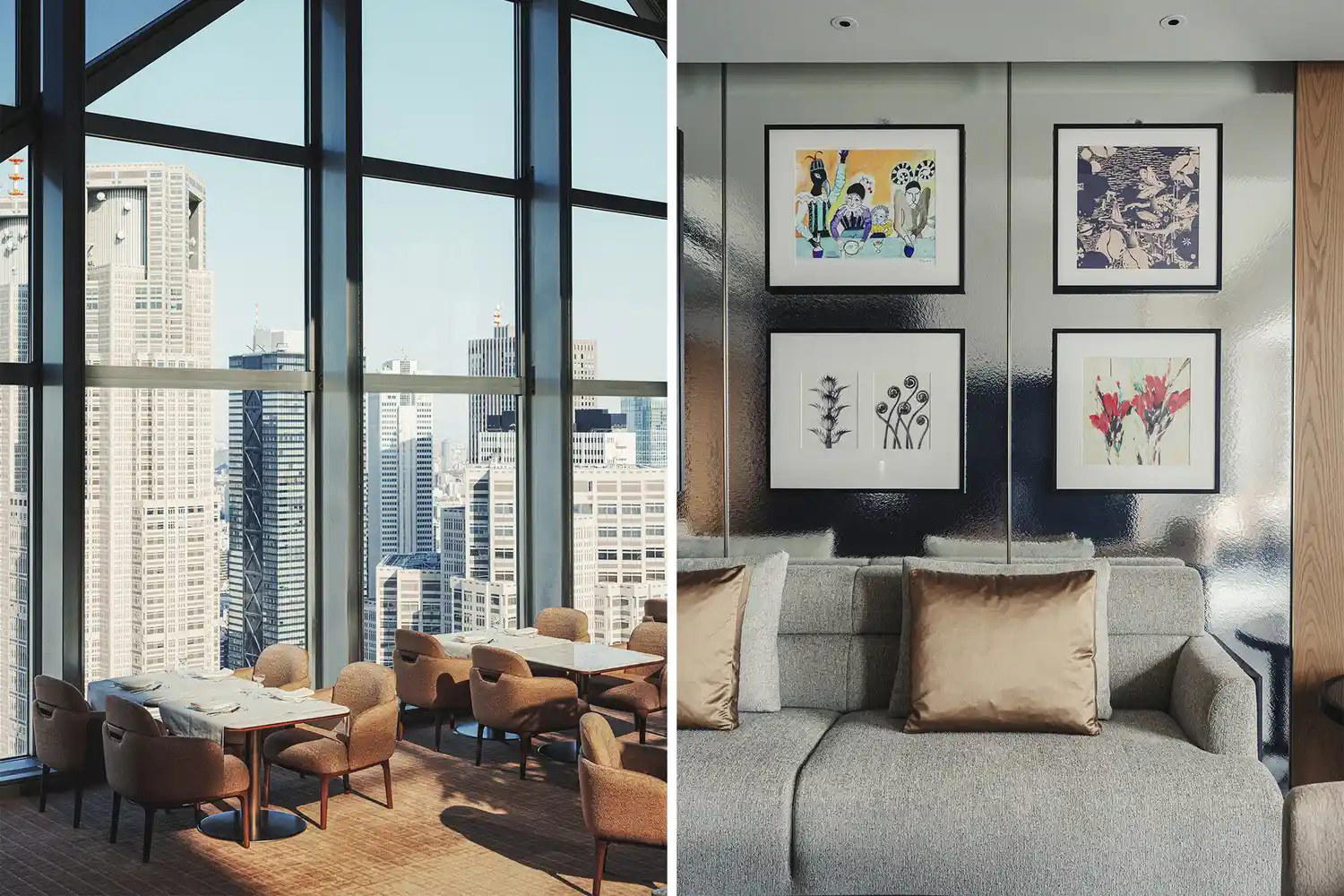
オガサワラ レストラン
The wine
- Wine program
- Exceptional wine program
- Extensive wine list
- Sake program
Details
- Elegant
- Historic
- Sophisticated
- Intimate
- Special Occasion
- Business Dinner
- Date Night
- Historic Building
- Private Dining
- Garden
- Extensive Wine List
- Sake Program
- Garden
- Wine
Current opening hours
- Monday
- 5–11 PM
- Tuesday
- 5–11 PM
- Wednesday
- 5–11 PM
- Thursday
- 5–11 PM
- Friday
- 5–11 PM
- Saturday
- 5–11 PM
- Sunday
- 5–11 PM
Hours can change for holidays and private events. Last verified .
Luxurious banquet-like atmosphere in western-style architecture with soft natural light in terrace seating and elegant historic interiors.