Restaurante Peluquería Francesa - Boulevard Lavaud - Barberia Patrimonial Barrio Yungay
A heritage barbershop and cultural space on Compañía de Jesús in Barrio Yungay, one of Santiago's oldest and most architecturally preserved neighbourhoods. Peluquería Francesa sits within a restored French-influenced building along Boulevard Lavaud, operating at the intersection of neighbourhood memory, craft tradition, and Santiago's growing interest in patrimonial spaces as living venues rather than museum pieces.
Pearl is the En Primeur Club membership app — saves, bookings, and concierge access live there. Same editors, same standards.
- Address
- Compañía de Jesús 2789, 8350425 Santiago, Región Metropolitana, Chile
- Phone
- +56 9 7798 9743
- Website
- peluqueriafrancesa.com
- Directions
- Get directions
 Saves & bookings on Pearl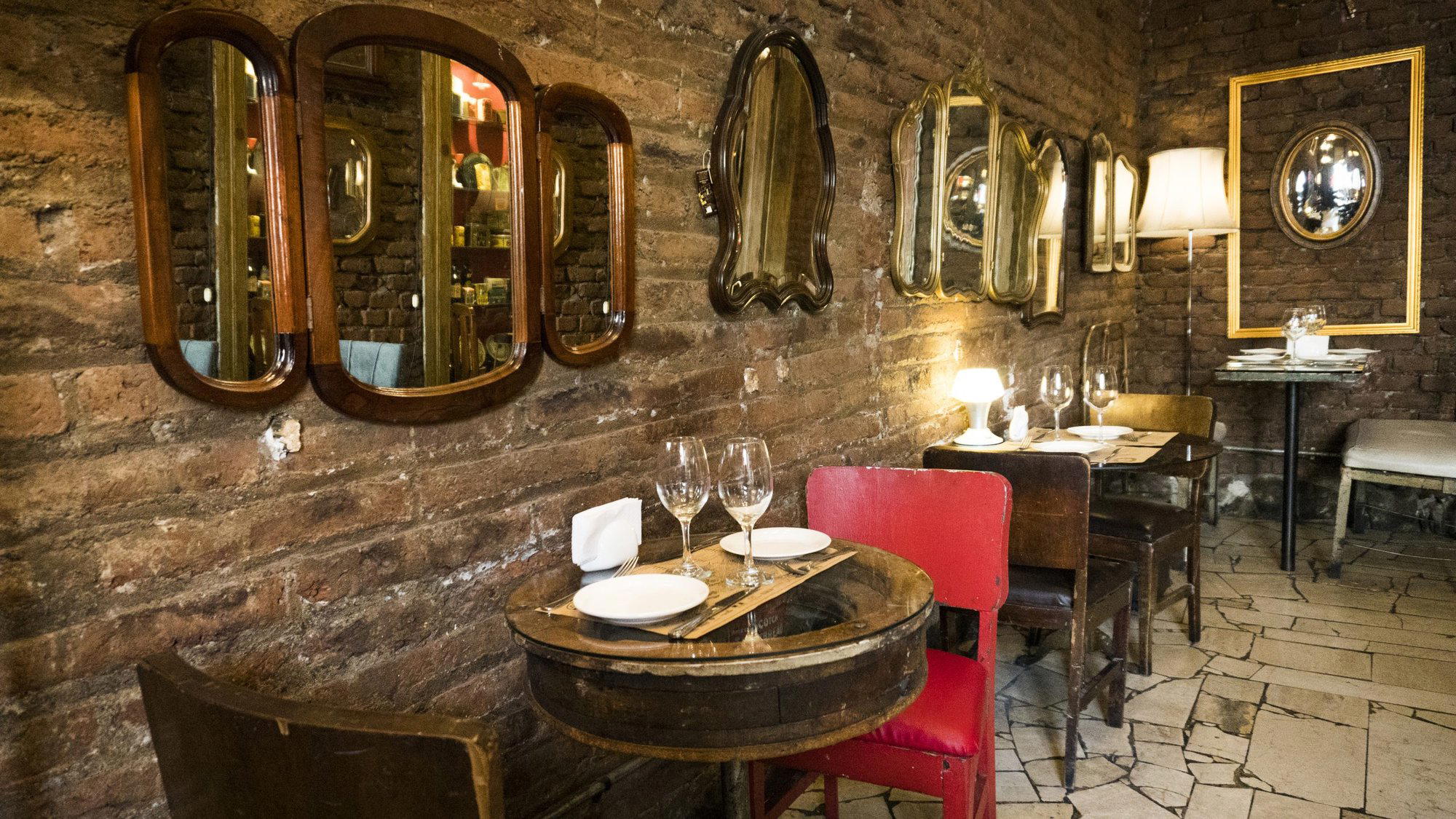
Barrio Yungay and the Architecture of Memory
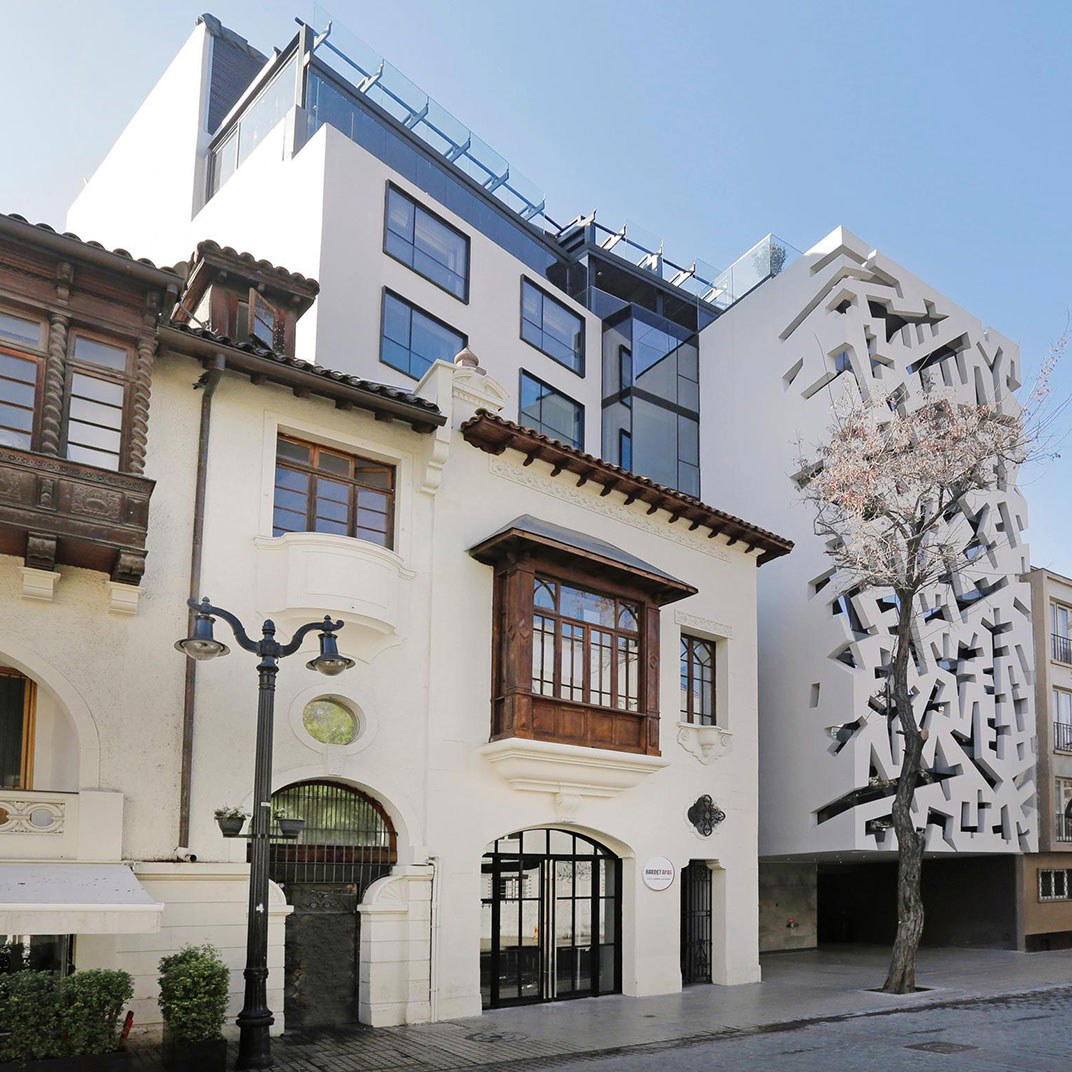
Santiago's historic centre has spent the last decade sorting itself into two distinct categories: the heavily restored corridors optimised for tourism, and the quieter patrimonial streets where the buildings still carry the grain of actual use. Barrio Yungay belongs emphatically to the second category. Stretching west from the Alameda along streets laid out in the mid-nineteenth century, the neighbourhood holds a concentration of republican-era architecture, French-influenced facades, internal courtyards, tiled vestibules, much of it still inhabited and functioning rather than preserved behind glass. Boulevard Lavaud cuts through this fabric as one of the area's defining axes, a pedestrian passage whose name itself indexes the French immigration wave that shaped Santiago's bourgeois architectural identity between roughly 1860 and 1910.
Restaurante Peluquería Francesa at Compañía de Jesús 2789 sits inside this layered context. The building belongs to the heritage typology that Yungay has become associated with among Santiago's architectural and cultural communities, the kind of space that connects a contemporary use to a legible physical history. Understanding what the venue offers means understanding that context first, because the building and the neighbourhood are not backdrop. They are the primary argument.
The French Thread in Santiago's Craft Tradition
The name Peluquería Francesa, French barbershop, is not decorative. It points to a specific historical current in Chilean urban culture, when French commercial and professional models were imported wholesale into Santiago's growing middle class. French-style barbershops, pharmacies, and confiterías became markers of status and modernity across Chilean cities from the 1870s onward, and several of those original spaces survived into the twentieth century as functioning businesses before the category largely dissolved. What remains today, in spaces like this one on Boulevard Lavaud, is both the physical infrastructure and the cultural memory of that era.
This places the venue in a distinct comparable set from Santiago's contemporary restaurant scene, which has largely organised itself around either modern Chilean tasting menus, see Boragó and 99 Restaurante in their respective formats, or internationally inflected bistro cooking as practised at places like Ambrosia. Peluquería Francesa operates in a third register: the patrimonial cultural space, where the venue's identity is inseparable from its physical and historical address. It belongs to the same Santiago impulse that has seen casas patrimoniales and conventillos reactivated as dining, drinking, and cultural venues over the past fifteen years, a movement that is, at its leading, one of the more interesting things happening in Chilean urban hospitality.
Local Ingredients, Historical Technique
The editorial angle that makes this venue legible, local ingredients meeting imported technique, applies here in a more literal and more historically grounded way than it does for a contemporary tasting menu that references indigenous produce. The French barbershop tradition was itself a technique import: professional grooming practices, product knowledge, and a particular spatial choreography of chairs, mirrors, and waiting areas that arrived from Paris and Brussels via Chilean merchant elites. What Yungay did with that import was creolise it over generations, grafting French formalism onto a neighbourhood culture that was working-class, immigrant-mixed, and decidedly un-bourgeois by the time the twentieth century took hold.
That process of absorption and adaptation is the story this venue tells. It connects to a broader pattern visible across Chilean cultural production, where imported frameworks, French culinary training at La Calma by Fredes, European technique applied to Pacific seafood, Burgundy methodology applied to Chilean valley fruit at Lapostolle Residence, get routed through specifically Chilean raw material and end up producing something distinct from both source and destination. Peluquería Francesa makes that argument spatially, through the building itself, rather than through a menu.
Yungay as a Dining and Cultural District
Barrio Yungay has developed a recognisable character among Santiago's food and culture communities over the past decade. It sits west of the Alameda, accessible from Baquedano or República metro stations, and its streets function as a kind of alternative to the more polished Lastarria and Barrio Italia circuits. The venues that have established themselves here tend to prioritise neighbourhood integration over destination dining, they are not trying to pull diners from Las Condes or Vitacura; they are serving a community that lives and works in and around the barrio.
That orientation shapes the experience. Visitors arriving expecting the refined service architecture of Santiago's higher-end rooms, or the tightly choreographed tasting formats of places like Demencia, will find something differently calibrated. The appeal here is place and memory, not technical precision. Expect something different from the contemporary Santiago fine-dining circuit, not inferior to it.
Beyond Yungay, the broader Santiago dining and cultural scene warrants the investment of time. Peumayen in Providencia offers one of the city's most coherent arguments for indigenous ingredient-led cooking. Outside the capital, Aquí Jaime in Concon and Pasta e Vino in Valparaíso each make a case for the coast as a distinct culinary zone. Further afield, Awasi Atacama and andBeyond Vira Vira represent the end of the spectrum where landscape and hospitality converge most completely.
Planning a Visit
Compañía de Jesús 2789 is a walkable address from the Baquedano metro station on Línea 1, or a short ride from the city centre. Barrio Yungay is leading explored on foot, the density of patrimonial buildings means that the walk from any nearby transit point is itself informative. Specific operational details for Peluquería Francesa are best checked in advance.
Reputation Context
Comparable venues nearby, for context on price, style, and recognition.
| Venue | Cuisine | Price | Notes |
|---|---|---|---|
| Restaurante Peluquería Francesa - Boulevard Lavaud - Barberia Patrimonial Barrio YungayThis venue — the venue you are viewing | French-European Bistro | $$$ | Not listed |
| 99 Restaurante | Modern Chilean Bistronomy | $$$ | Providencia |
| Aqui Esta Coco | Chilean Seafood | $$$ | Vitacura |
| Baco | French Bistro | $$ | Providencia |
| Korean Restaurant Sukine | Authentic Korean | $$ | Bellavista |
| Av. Italia | International Fusion with Italian, Peruvian & Venezuelan influences | $$ | Barrio Italia, Providencia |
Continue exploring
More in Santiago
Restaurants in Santiago
Browse all →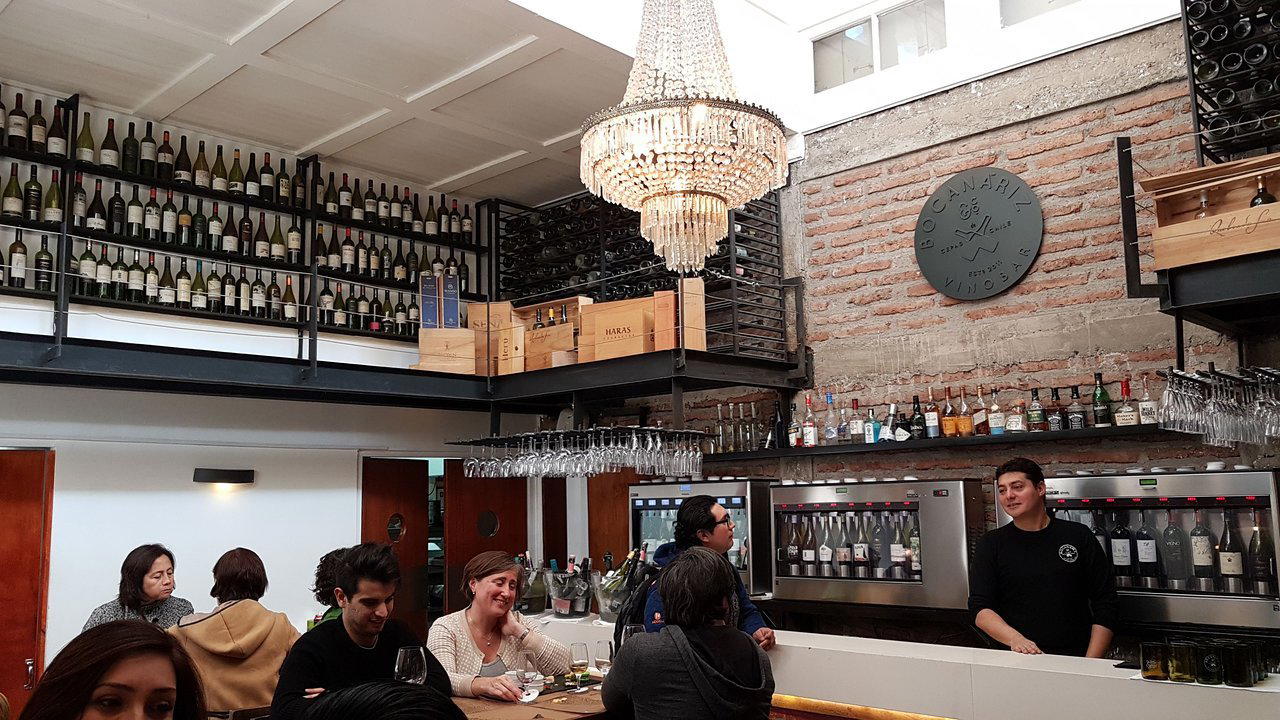
Bars in Santiago
Browse all →
Hotels in Santiago
Browse all →

At a Glance
- Classic
- Well Known
- Elegant
- Historic
- Group Dining
- Special Occasion
- Casual Hangout
- Historic Building
- Private Dining
- Extensive Wine List
Current opening hours
- Monday
- 10:30 AM–11:30 PM
- Tuesday
- 10:30 AM–11:30 PM
- Wednesday
- 10:30 AM–11:30 PM
- Thursday
- 10:30 AM–11:50 PM
- Friday
- 10:30 AM–2 AM
- Saturday
- 10:30 AM–3 AM
- Sunday
- 10:30 AM–6 PM
Hours can change for holidays and private events. Last verified .
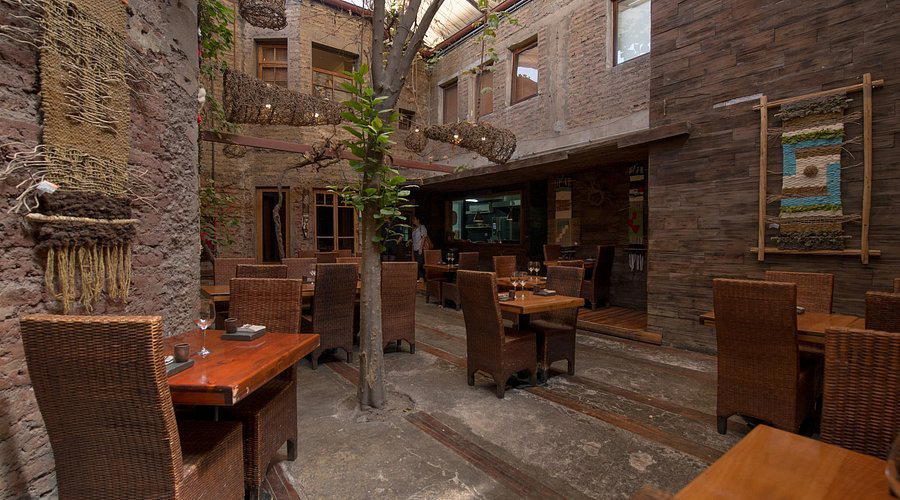
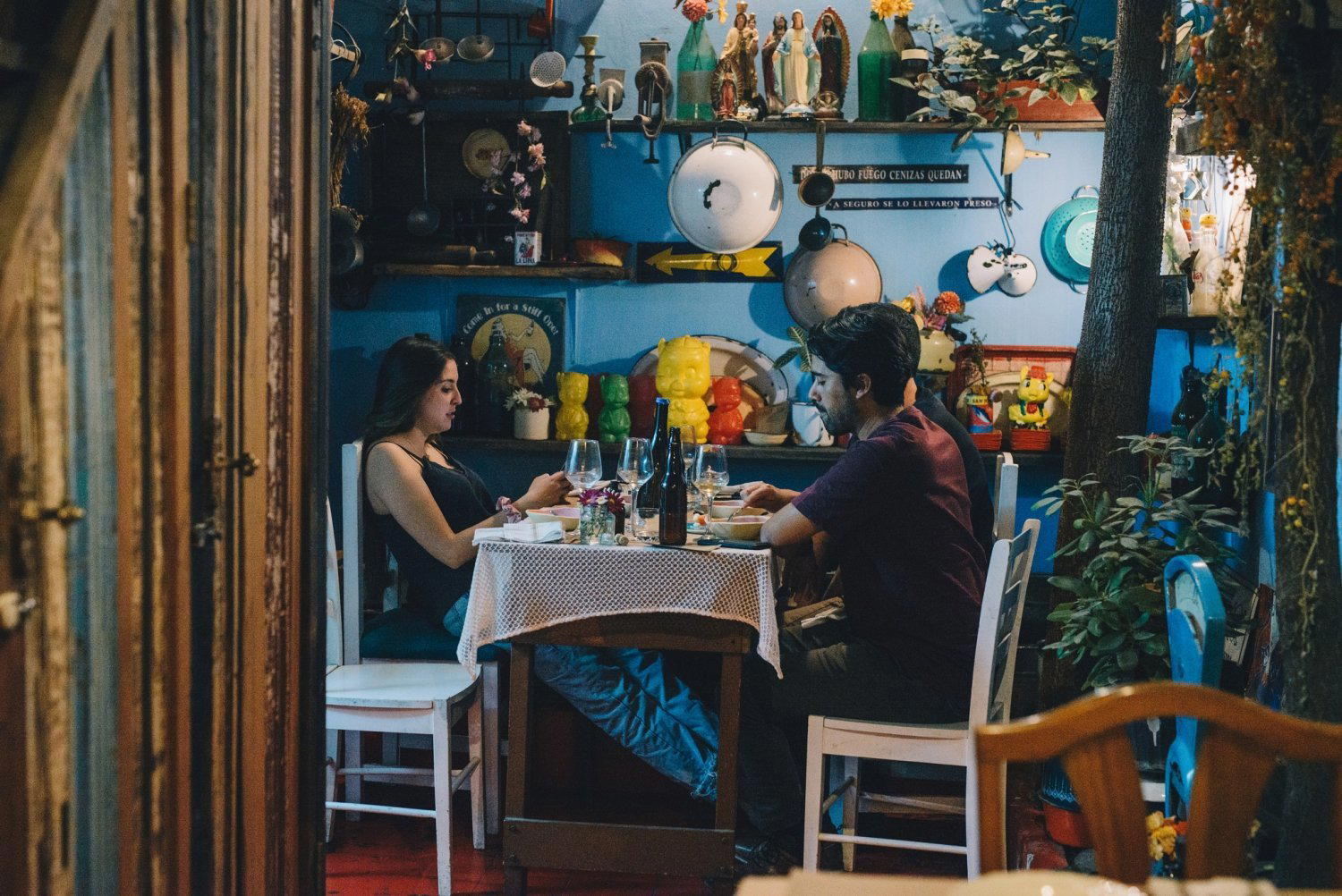
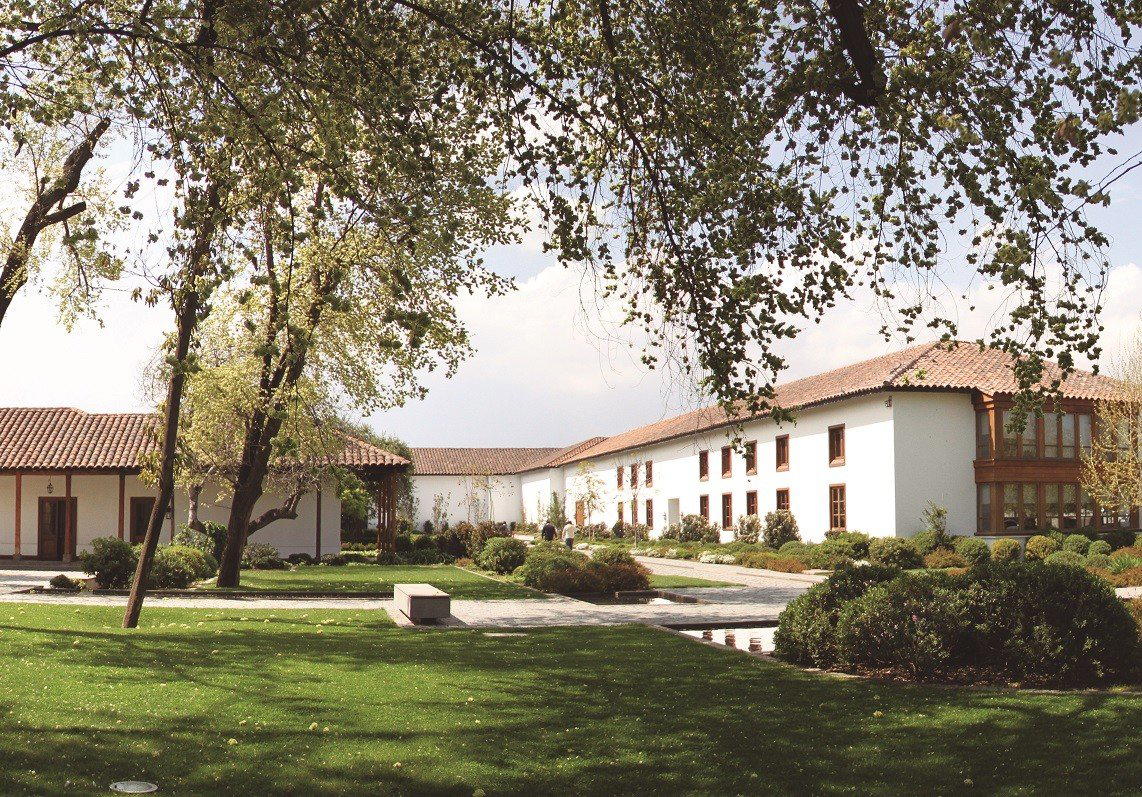
Chic and stylish decor with historic charm; described as beautiful and magical by guests, featuring pieces of Chilean history throughout the space.