
Michelin Plate
Our verdict
A Michelin Plate-recognised Italian restaurant in Osaka's Kita Ward, anu operates at the mid-to-upper price tier where cross-cultural cooking and a deliberately relaxed approach to the dining room define the experience. The name, French for 'as it is', signals the kitchen's refusal of rigid category, ingredients and cuisines are treated without hierarchy, served in an atmosphere of calm, natural hospitality.

Pearl is the En Primeur Club membership app, where members save venues, book tables and use the concierge.
The menu
What to order
- Onion cheesecake
- Onion macaroon
- Burnt onion dishes
Where the Trattoria Spirit Meets the Osaka Dining Room
Osaka has one of the densest concentrations of restaurants per capita of any city in the world, and within that competitive field, Italian cooking has carved out a specific and serious sub-scene. The city's Italian restaurants don't operate as pale imitations of Roman or Milanese originals; they've developed a local character shaped by Japanese attention to ingredient quality, service precision, and, at the more informal end of the spectrum, a warmth that maps surprisingly well onto the trattoria tradition. anu, located in the Doshin area of Kita Ward, sits in this more relaxed bracket. It holds a Michelin Plate in both 2024 and 2025, placing it in Michelin's acknowledged tier of restaurants offering good cooking without the ceremony of starred formats.
The Michelin Plate designation is worth pausing on. In a city where three-star kaiseki counters like Taian and Kashiwaya Osaka Senriyama operate at the top of the formal dining hierarchy, and where the ¥¥¥¥ tier includes places like HAJIME and La Cime, a ¥¥¥ Italian with Michelin recognition represents a different value proposition entirely: considered cooking in a room that doesn't require the same preparation, cost, or occasion-dressing as those starred peers.
The Name as a Philosophy
The restaurant's name is French for "as it is," and that framing carries real weight in understanding the kitchen's approach. Where many restaurants in the mid-to-upper price range signal ambition through complexity, reductions layered on reductions, technique foregrounded over ingredient, anu is described through its own stated philosophy as a place without fences between cuisines. Ingredients are expressed directly. The trattoria tradition in Italy was built on exactly this kind of logic: the cook's job is to not get in the way of what's good. That the same principle lands naturally in Osaka, a city whose food culture has its own deep respect for ingredient integrity, is less surprising than it might seem.
Kitchen also brings humour into its approach. The operating philosophy explicitly references chefs who explain their cooking with lightness, bringing smiles rather than solemnity. This is not a common posture in the upper tier of Japanese restaurant culture, where precision and gravity tend to define the room's atmosphere. At anu, the register is closer to the Italian neighbourhood restaurant, where the host's personality shapes the meal as much as the food does.
Kita Ward and the Doshin Address
Doshin sits within Kita Ward, north of Osaka's central commercial axis around Umeda. The area has a residential and low-rise character relative to the neon-density of Namba or the polished hotel corridors of central Umeda, which makes it consistent territory for the kind of neighbourhood restaurant anu appears to be. Italian restaurants in Japan have historically concentrated in city-centre locations chasing the business-lunch and special-occasion crowd; those that plant themselves in quieter residential pockets tend to be run by operators more interested in regular guests than in foot traffic. The Doshin address signals that orientation.
For visitors using Osaka as a base across the Kansai region, Kita Ward is a logical anchor point. Osaka's hotel stock is heavily concentrated here, and the ward sits within reach of both the JR and subway networks that connect to Kyoto and Nara. Booking anu as part of a multi-day Kansai itinerary fits logistically without requiring a dedicated cross-city journey.
Italian in Osaka: The Broader Picture
Osaka's Italian scene is worth understanding on its own terms before arriving with fixed expectations. The restaurants that have developed the strongest followings tend to share a set of characteristics: they use Japanese-sourced ingredients where they strengthen rather than compromise a dish; they keep rooms small and service personal; and they resist the urge to perform Italian-ness through cliché. il Centrino, La Casa TOM Curiosa, La Lucciola, P greco, and YUNiCO each represent different points on this spectrum. anu, with its philosophy of cross-cuisine fluidity and deliberate informality, occupies a specific niche within this peer group: it is the place where the kitchen's confidence is expressed through restraint rather than display.
For reference points further afield, cenci in Kyoto represents the Italian-Japanese synthesis taken to its most refined expression, while 8½ Otto e Mezzo Bombana in Hong Kong shows what the full-ceremony version of Italian dining looks like in an Asian context. anu is neither of these, it sits closer to the trattoria end of the scale, where the cooking is the point and the room exists to serve it without theatre.
What to Know Before You Go
anu carries a ¥¥¥ price designation, placing it above the casual izakaya tier but below the full multi-course kaiseki or starred tasting menu formats that dominate Osaka's higher price bracket. This positions it as a serious dinner option without the financial or logistical commitment of a starred counter.
The address in Doshin, Kita Ward, places it within the northern Osaka grid; arriving by subway is the standard approach for most visitors staying centrally. For those building a wider Osaka itinerary, the full Osaka restaurants guide covers the scene across price points and cuisine types, alongside the bars guide, experiences guide, and wineries guide for a complete picture of the city.
For those moving across Japan's dining scene more broadly, the comparison points worth knowing are Harutaka in Tokyo, Goh in Fukuoka, 1000 in Yokohama, and 6 in Okinawa, each representing how regional Japanese cities have developed their own distinct approaches to the premium dining tier.
Frequently asked questions
Is anu reservation-only?
At the ¥¥¥ price tier in Kita Ward's lower-density Doshin neighbourhood, walk-in availability is plausible on quieter weeknights, but contacting the restaurant directly before visiting is the safer approach given the Michelin Plate profile.
What has anu built its reputation on?
The stated philosophy, no borders between cuisines, ingredients expressed as they are, positions anu within Osaka's strand of Italian cooking that adapts to local produce and sensibility rather than importing a fixed European template.
Pricing, Compared
| Venue | Cuisine | Price | Awards | Notes |
|---|---|---|---|---|
| anuThis venue (the venue you are viewing) | Italian-Japanese Fusion Omakase | $150–200 | Michelin Plate | Not listed |
| HAJIME | Avant-Garde Japanese Fine Dining | $300–500 | 3 Michelin Stars · World's 50 Best #83 | French, Innovative |
| La Cime | Modern French with Japanese Ingredients | $150–200 | 2 Michelin Stars · World's 50 Best #13 | French |
| Kashiwaya Osaka Senriyama | Seasonal Kaiseki Omakase | $200–300 | 3 Michelin Stars · La Liste Top Restaurants | Japanese |
| Taian | Traditional Japanese Kaiseki Omakase | $150–200 | 3 Michelin Stars · La Liste Top Restaurants | Kaiseki, Japanese |
| Fujiya 1935 | Modern Japanese with European influences | $100–150 | 2 Michelin Stars · La Liste Top Restaurants | Innovative |
Recognition history
Dated appearances from independent guides and award organizations, with the underlying list record or original source where available.
Michelin Plate
Michelin
Full recognition history (3 entries)
Michelin Plate
Michelin
Michelin Plate
Michelin
anu
Featured Guides
Continue exploring
More in Osaka
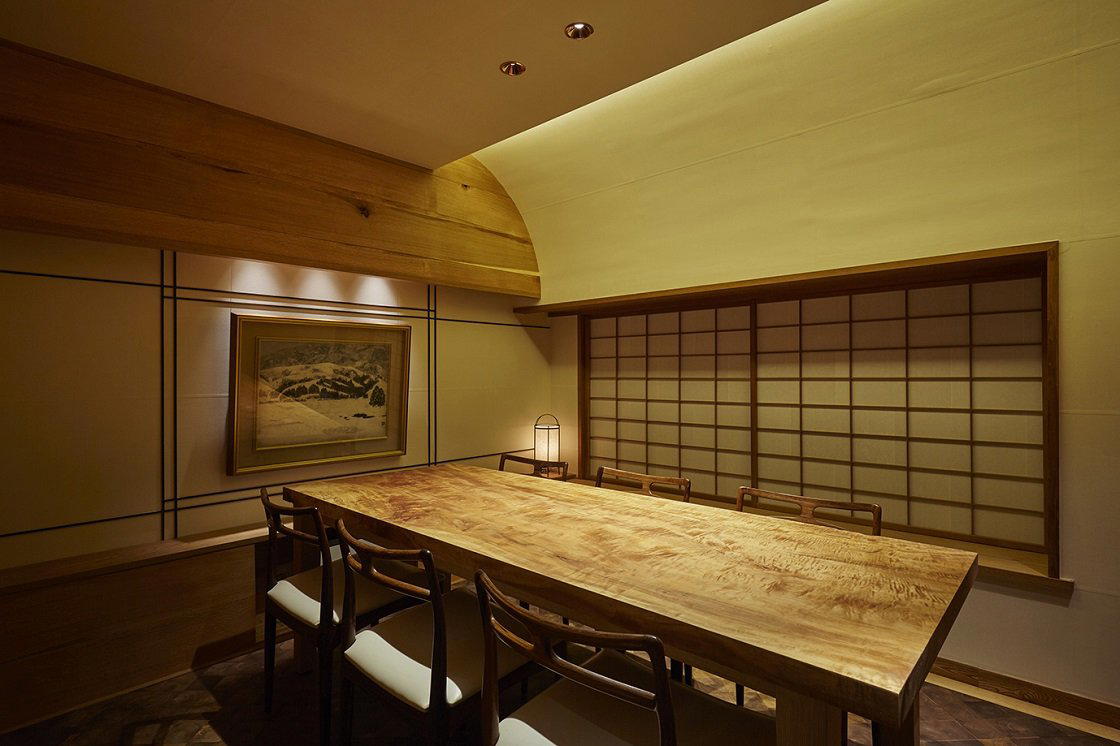
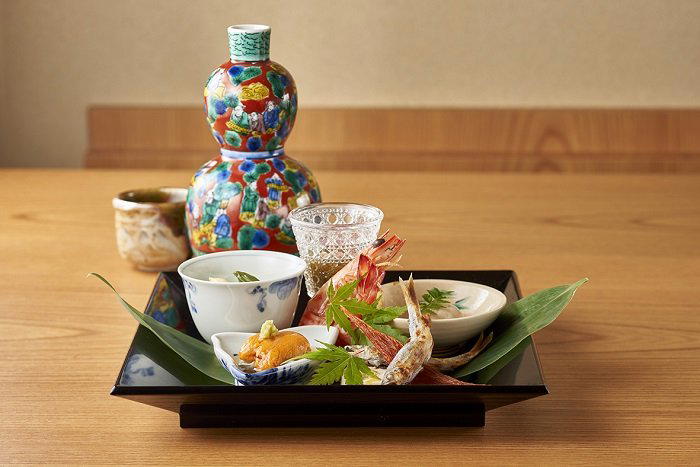
Restaurants in Osaka
All restaurants in Osaka →

Bars in Osaka
All bars in Osaka →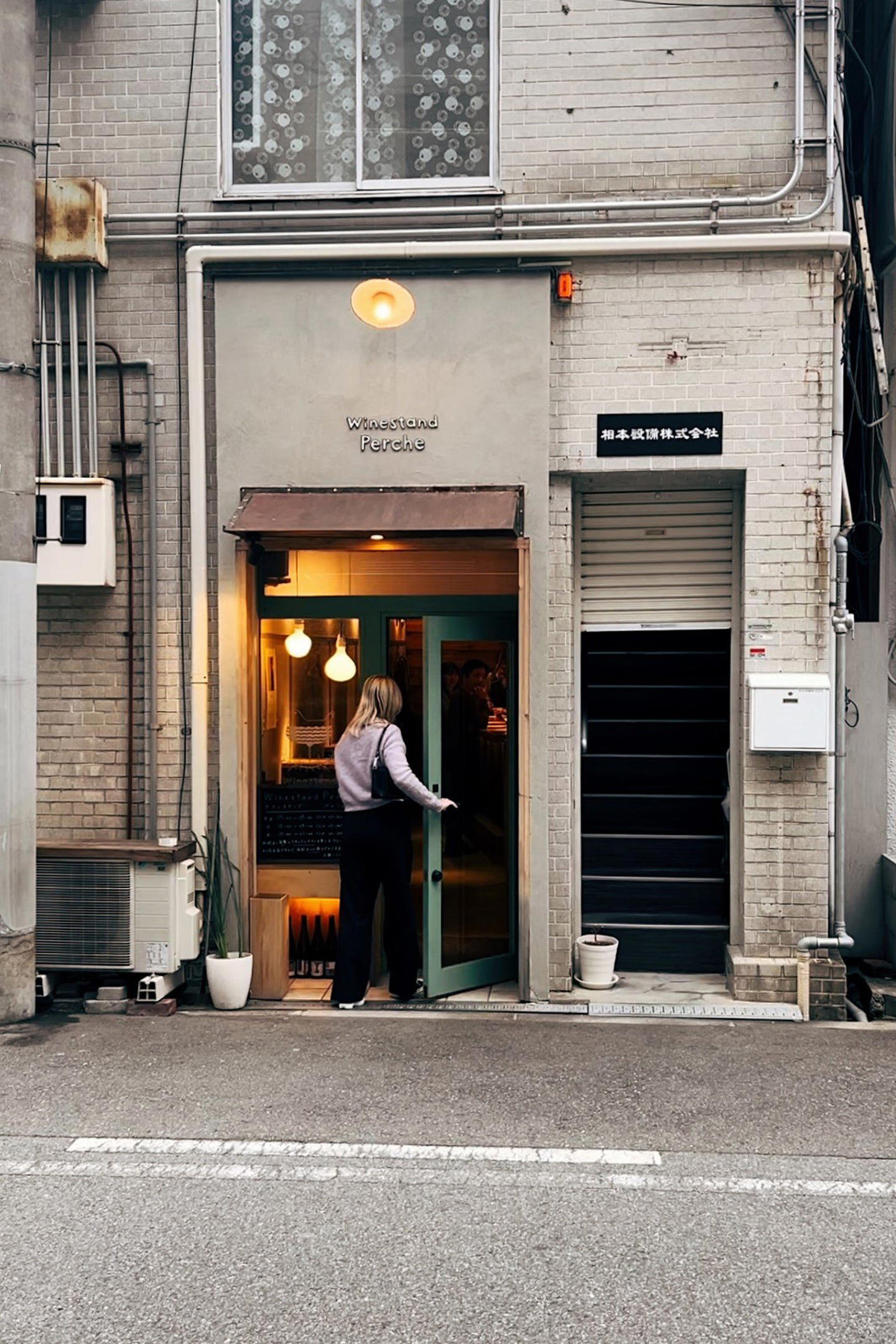




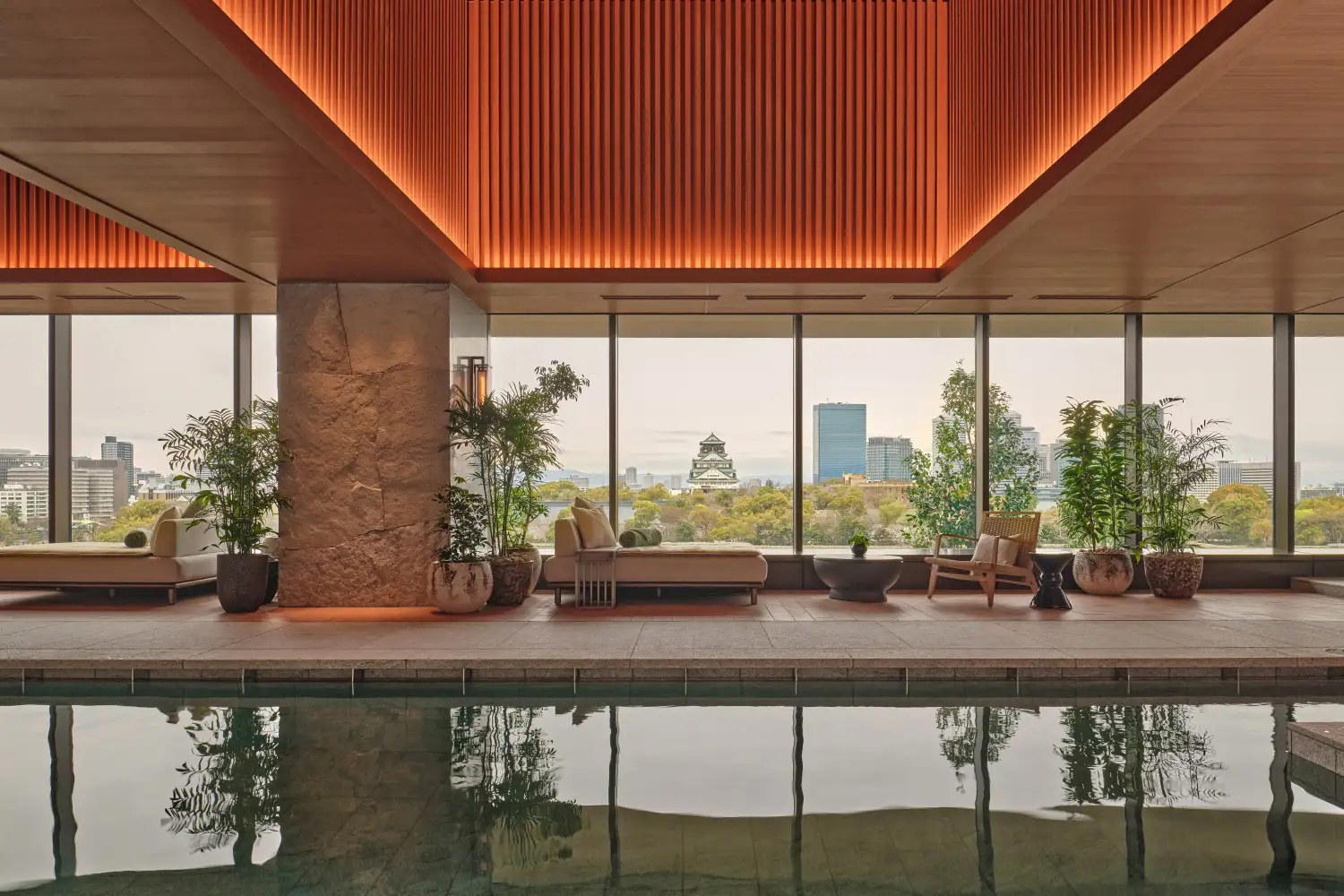
Hotels in Osaka
All hotels in Osaka →



Wineries in Osaka
Browse all →
Details
- Intimate
- Elegant
- Modern
- Sophisticated
- Special Occasion
- Celebration
- Business Dinner
- Date Night
- Open Kitchen
- Chefs Counter
- Private Dining
- Sommelier Led
- Sake Program
- Local Sourcing
- Farm To Table
- Tasting Menu
- Omakase
- Counter Dining
- Wine
- Sake
- Vegetarian Friendly
- Vegan Options
- Allergy Accommodating
Current opening hours
- Monday
- 12–3 PM, 6–10 PM
- Tuesday
- 12–3 PM, 6–10 PM
- Wednesday
- Closed
- Thursday
- 12–3 PM, 6–10 PM
- Friday
- 12–3 PM, 6–10 PM
- Saturday
- 12–3 PM, 6–10 PM
- Sunday
- 12–3 PM, 6–10 PM
Hours can change for holidays and private events. Hours as of .
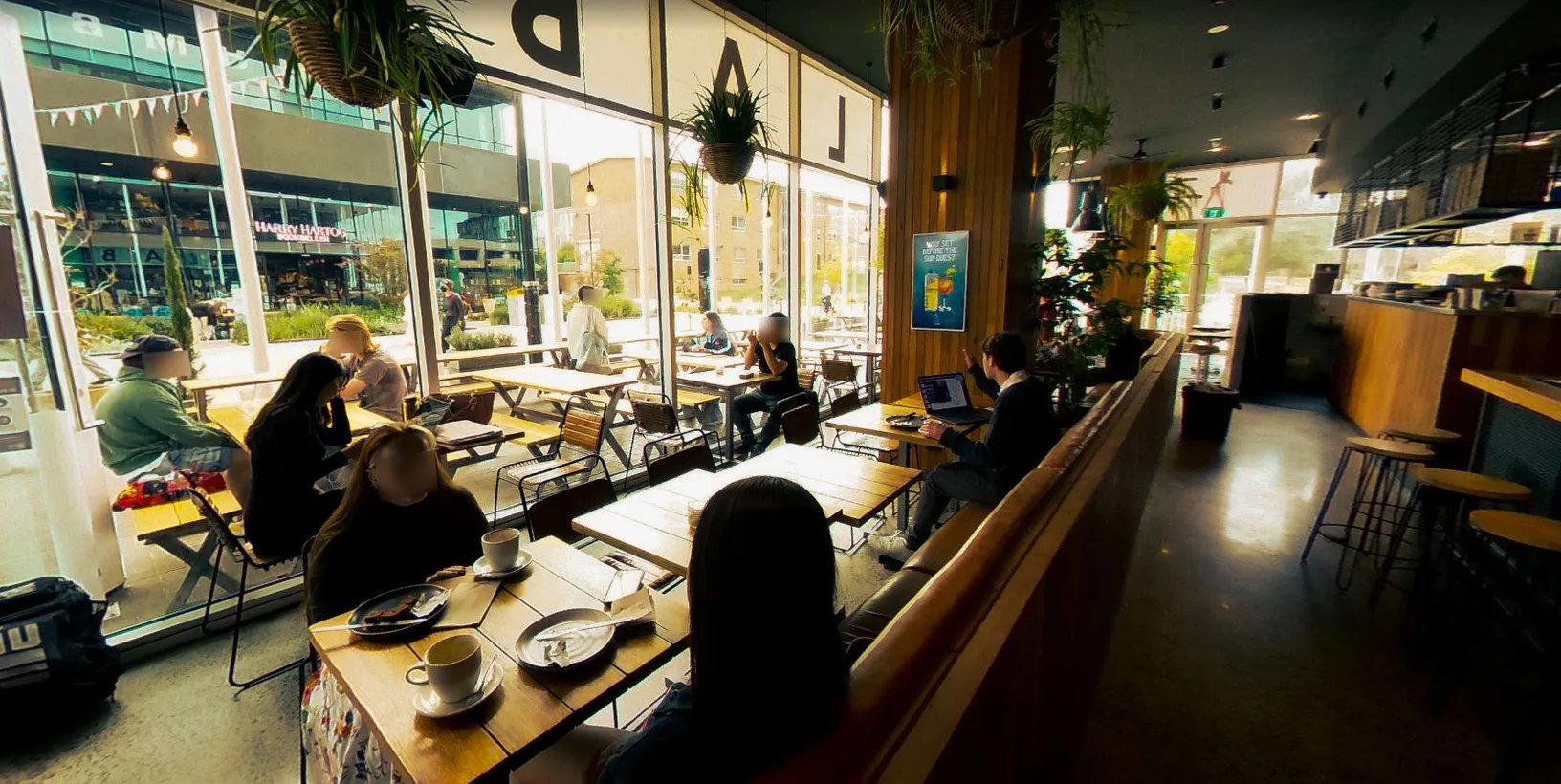
Cozy, harmonized glass interior with soft lighting and curated tableware; calm, natural atmosphere that values connection and harmony with nature.