





1 Michelin Star · World's 50 Best #9 · La Liste Top Restaurants
Our verdict
Ling Long Shanghai brings neo-Chinese cooking to Xujiahui's Raffles City, where Chef Jason Liu frames a season-driven menu in acts, each course merging classical Chinese technique with European finesse. A Michelin star (2024), Black Pearl 1 Diamond (2025), and La Liste recognition underline its position among Shanghai's contemporary Chinese tier. The format rewards patient, attentive dining rather than quick meals.

Pearl is the En Primeur Club membership app — saves, bookings, and concierge access live there. Same editors, same standards.
- Address
- China, Shanghai, Huangpu, Xujiahui Rd, 610号日月光中心 邮政编码: 200031
- Phone
- +86 21 2329 0313
- Hours
- Daily 10 AM–10 PM
- Website
- laliste.com
- Directions
- Get directions
The menu
What to order
- Shandong Wagyu
- Chinese Honey
- Tung Feng Chicken
- Porcini Tart
Where Contemporary Chinese Cooking Meets Theatrical Ceremony
Shanghai's fine dining scene has fractured into distinct camps over the past decade. On one side sit the traditional Chinese houses — Cantonese specialists like 102 House and Taizhou purists like Xin Rong Ji (West Nanjing Road) — where fidelity to regional cooking defines the offer. On the other sit a smaller group of contemporary Chinese kitchens that treat European technique as a tool rather than an identity, deploying it to sharpen or reframe dishes that remain, at their core, legibly Chinese. Ling Long Shanghai occupies this second camp, and within it, sits near the upper end of both ambition and recognition.
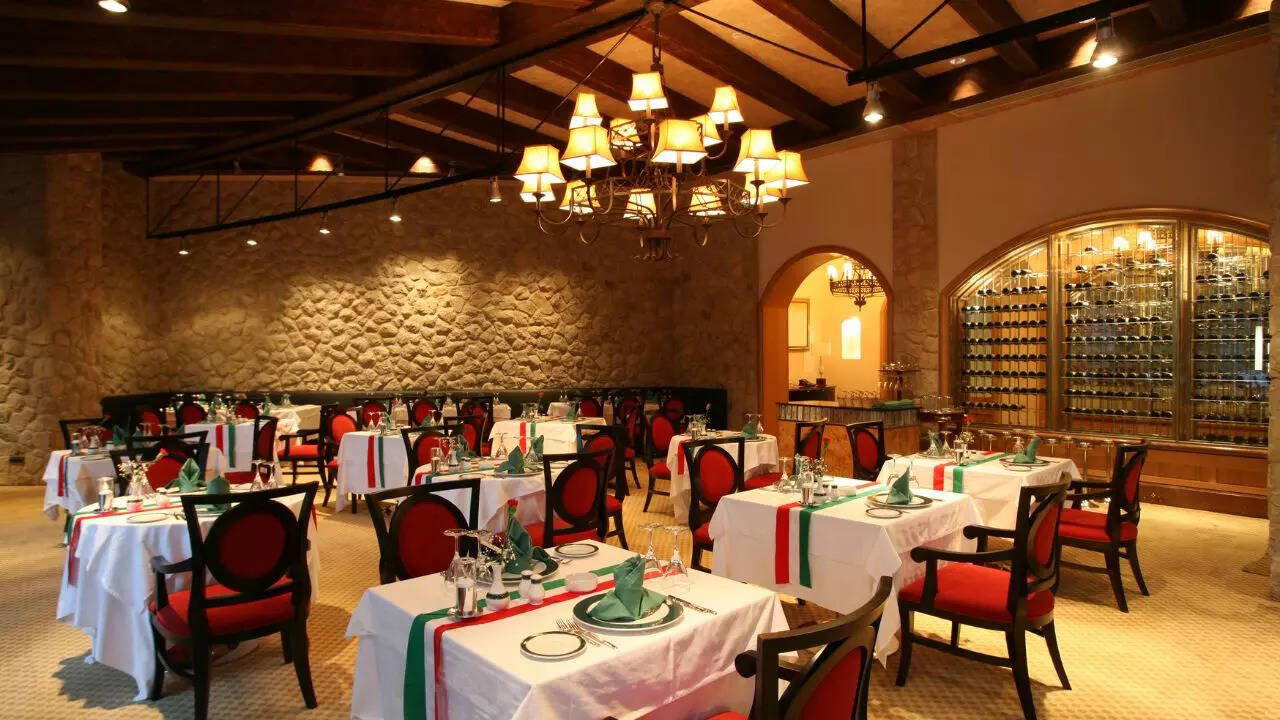
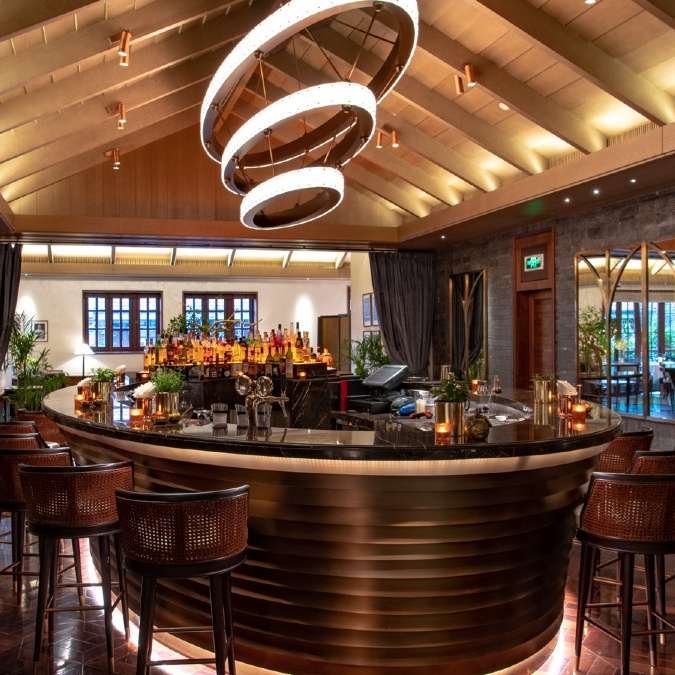
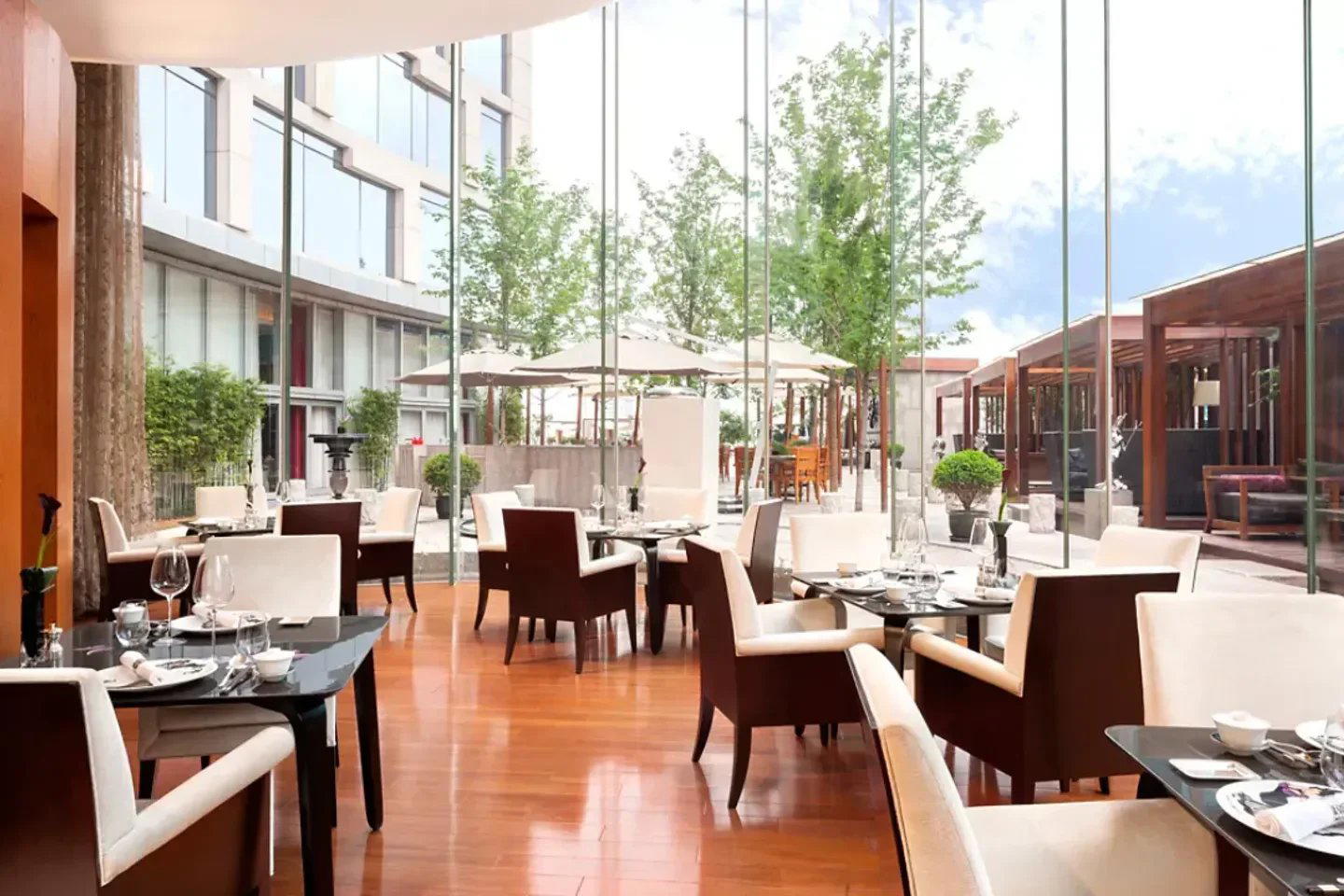
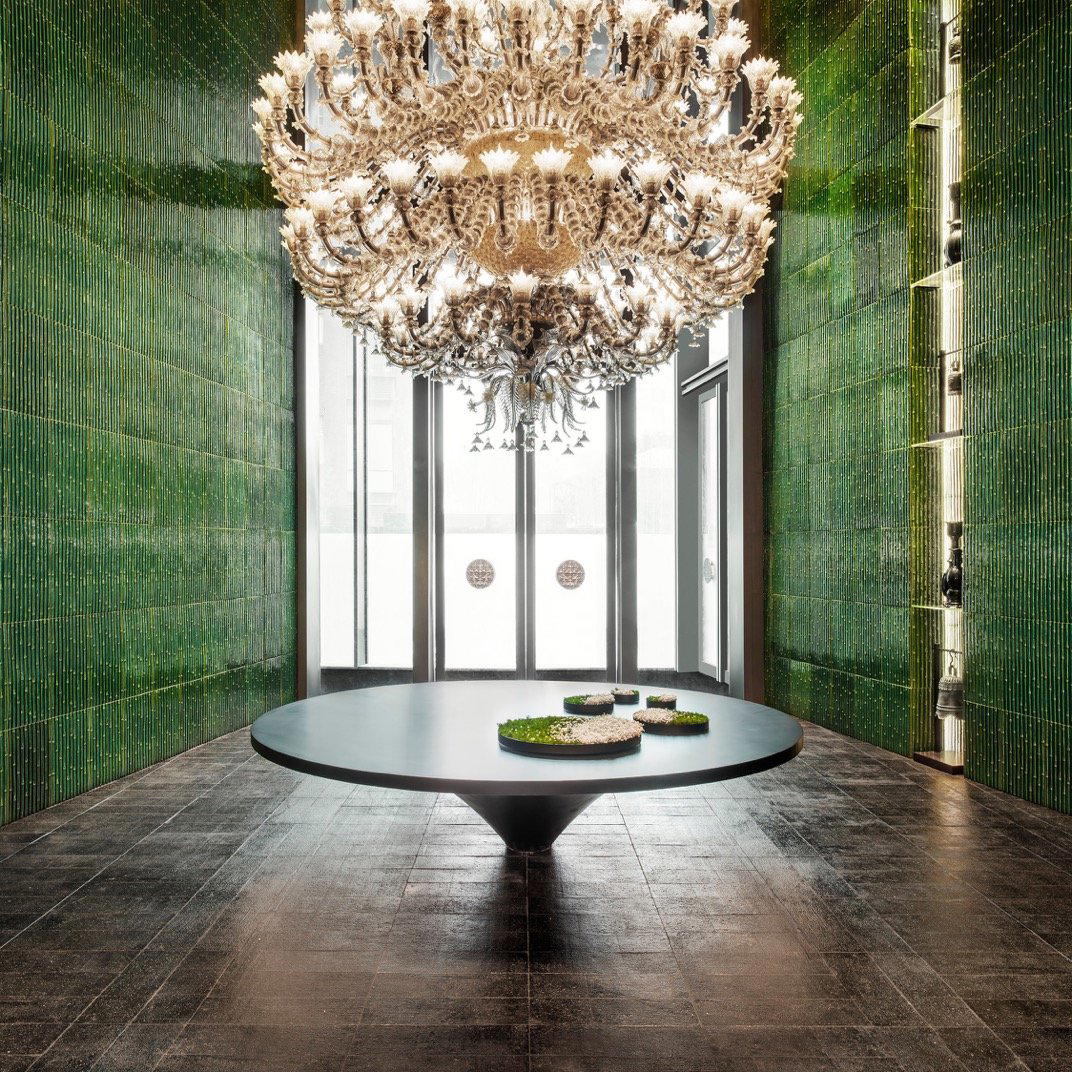
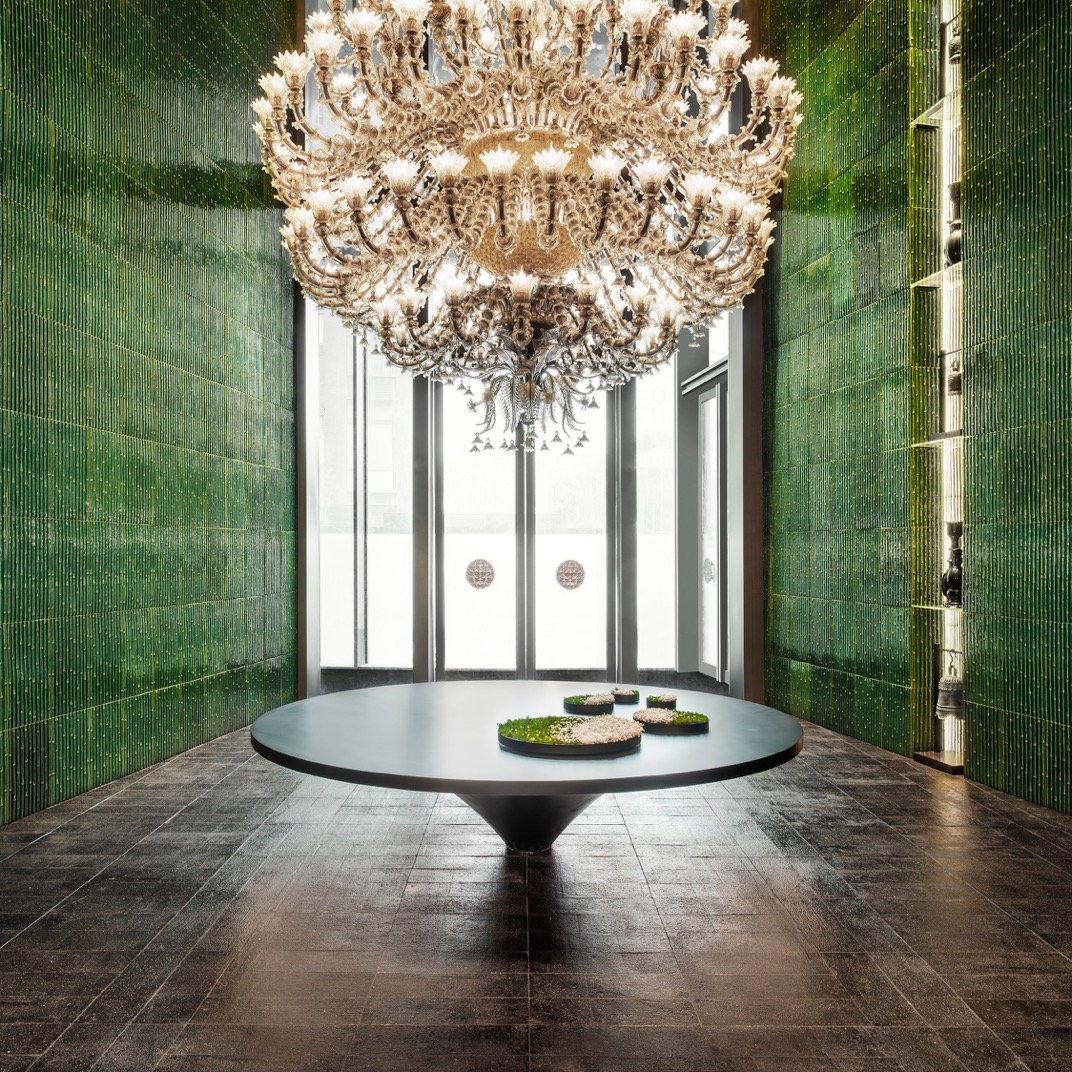
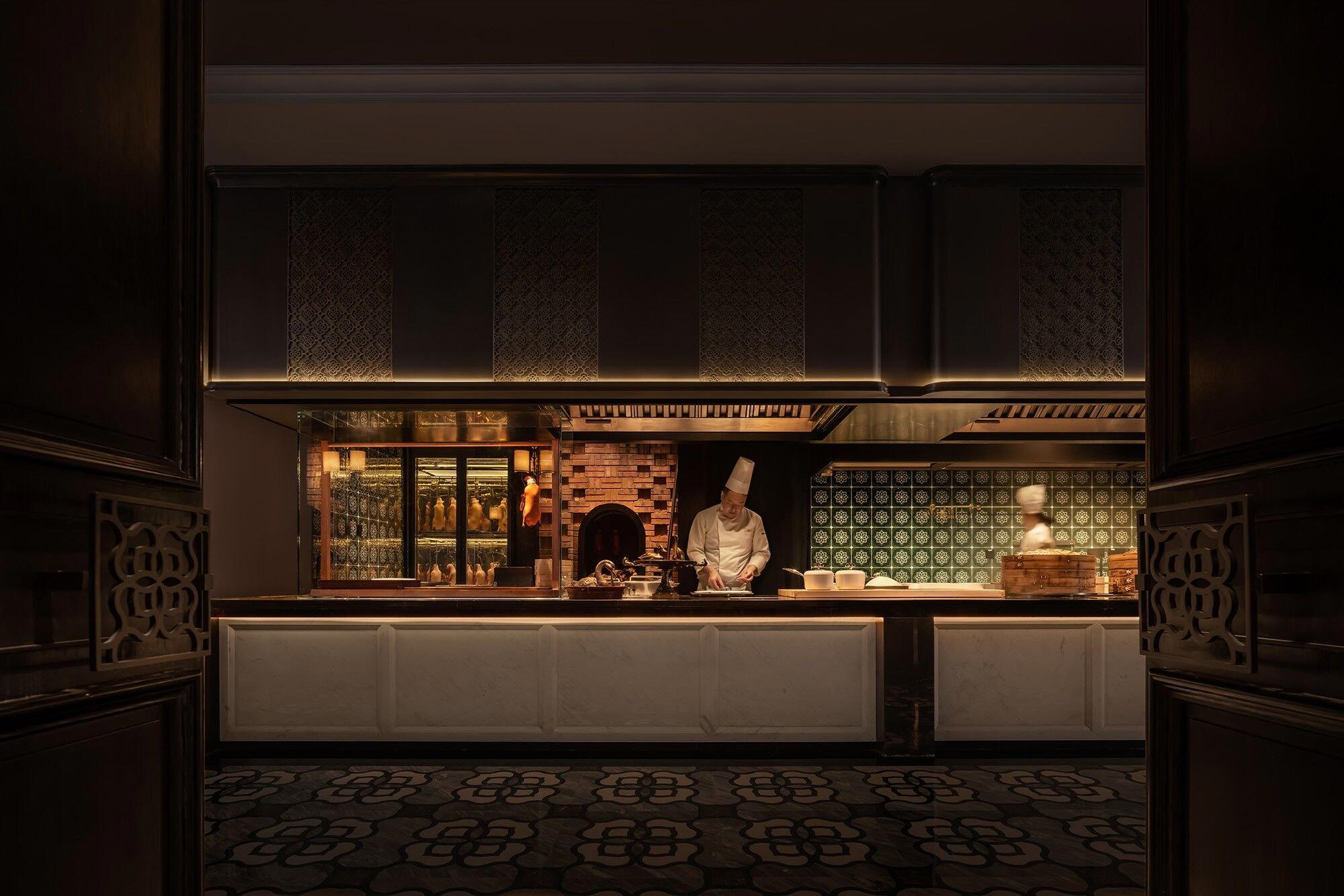
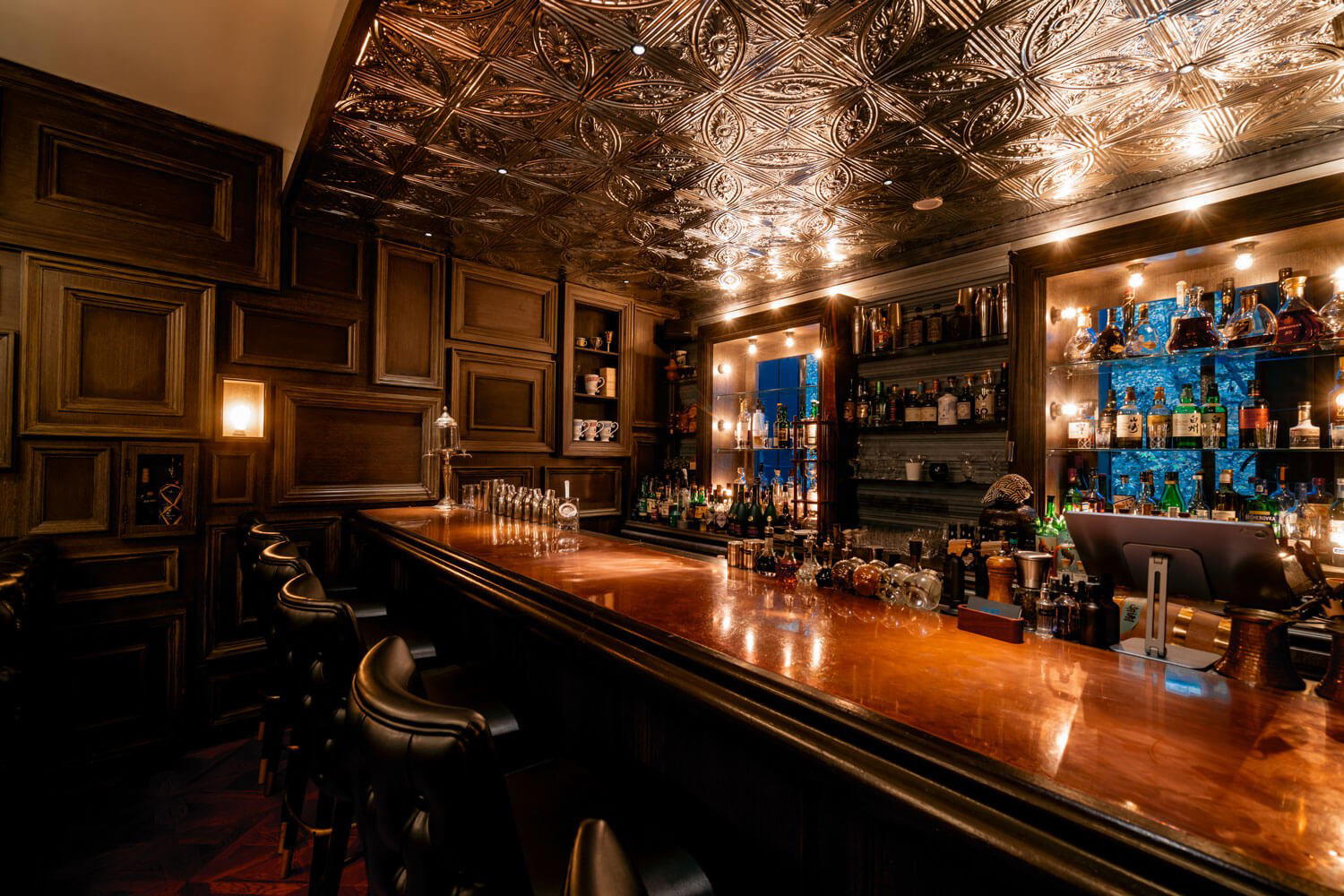
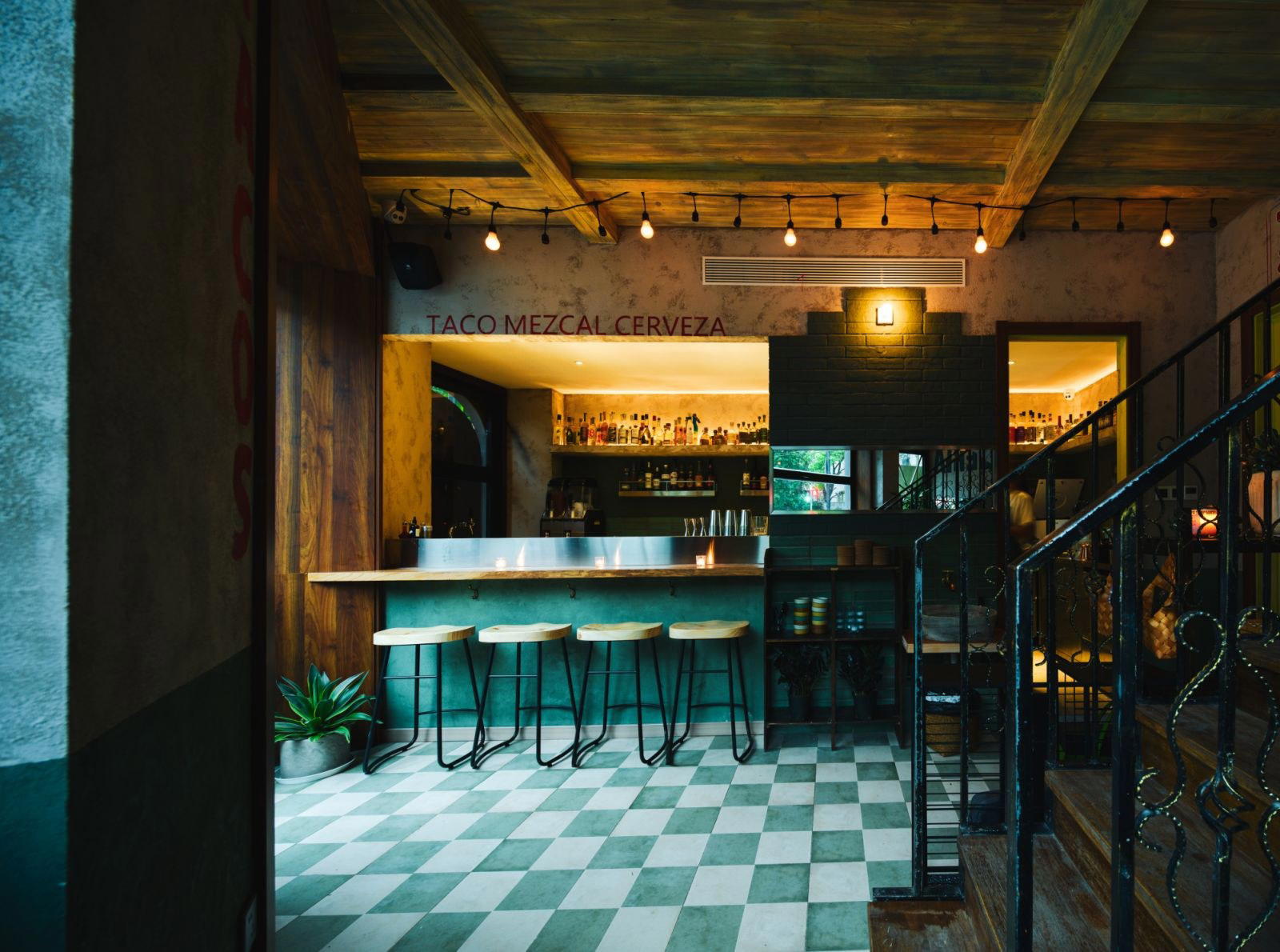
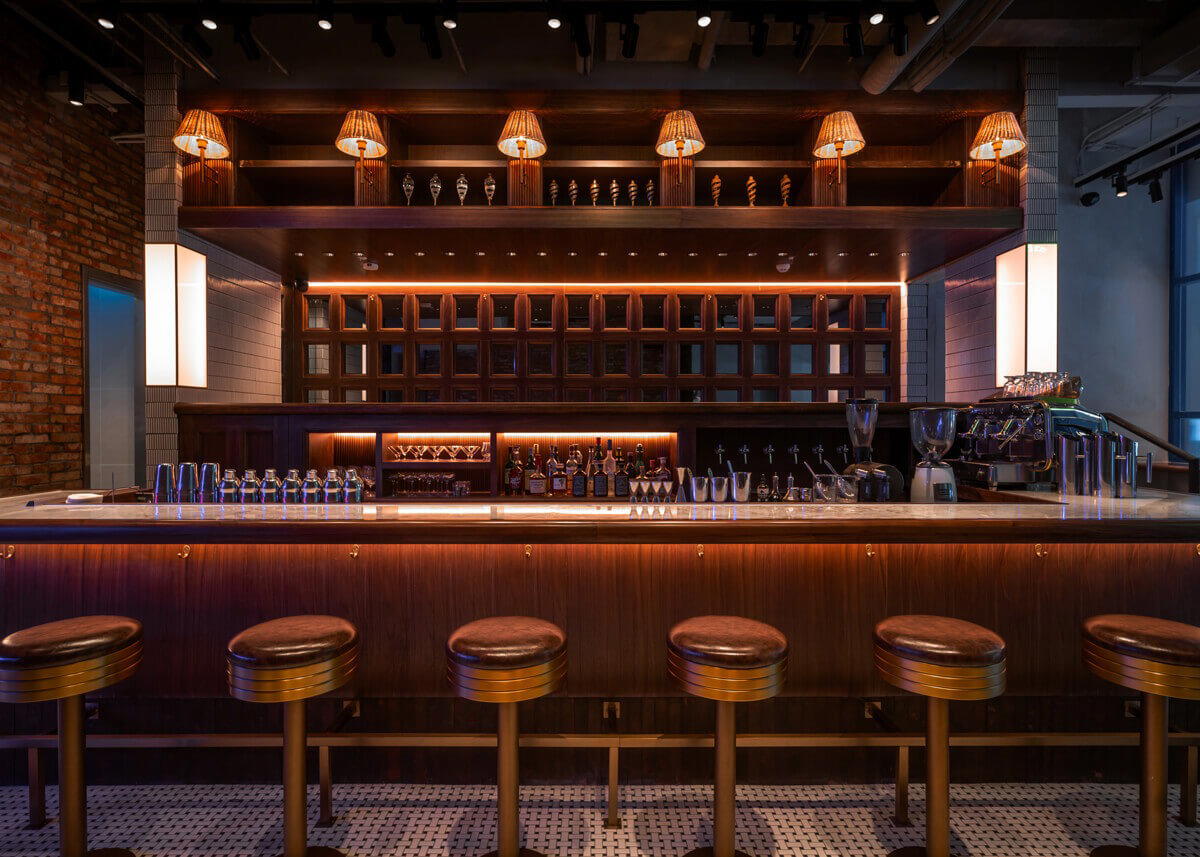
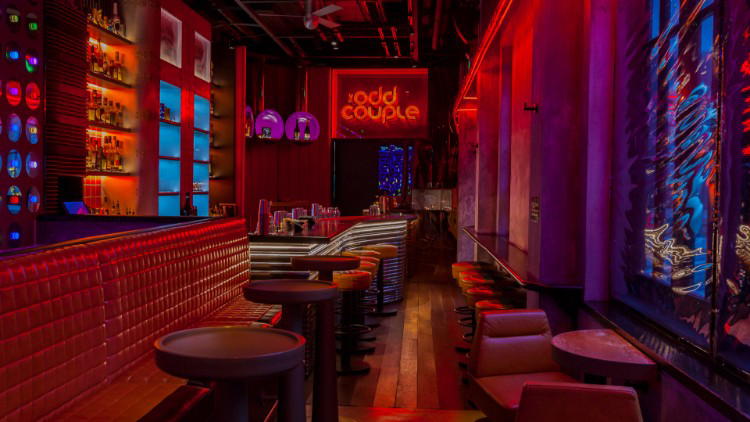
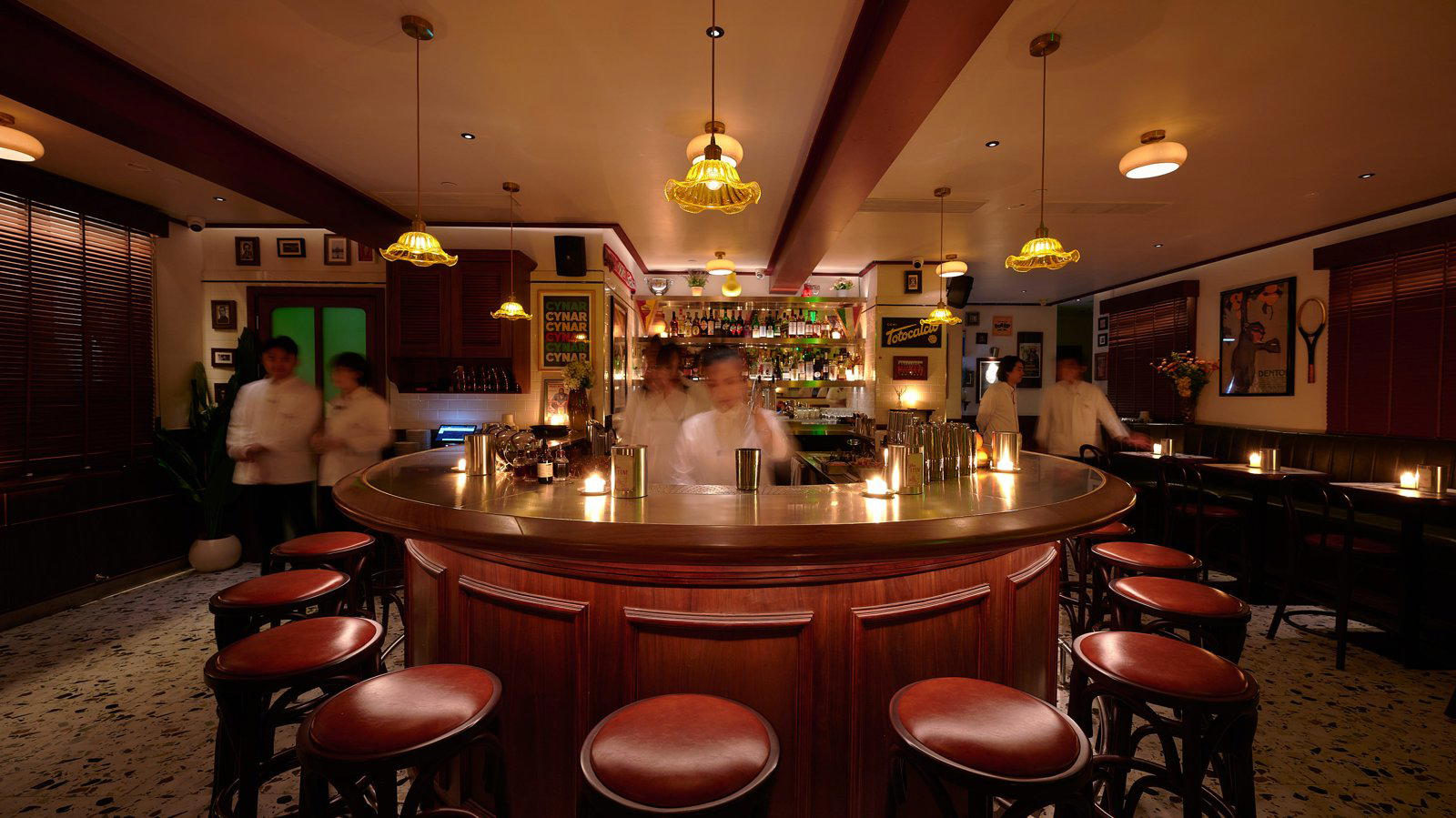
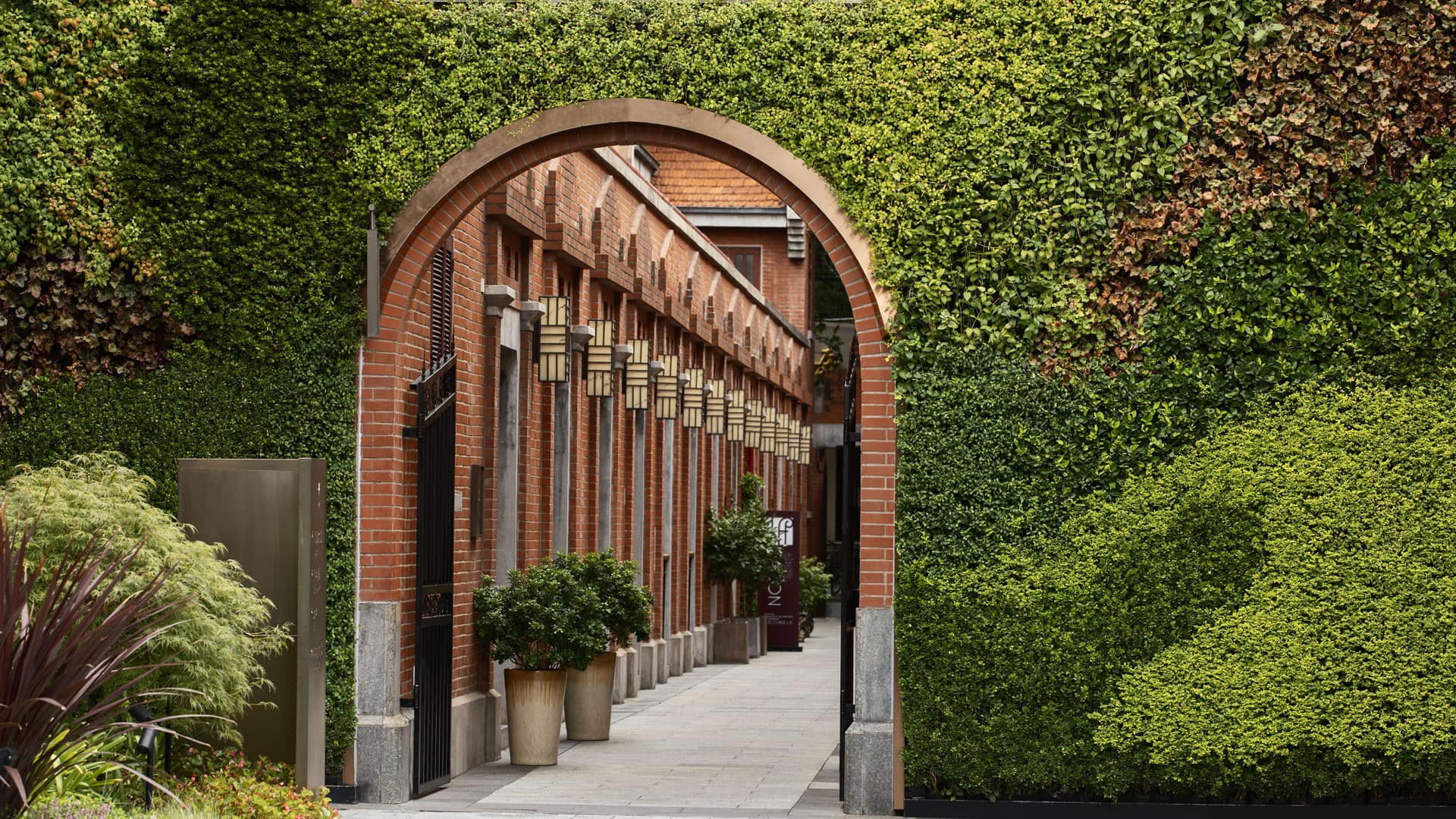
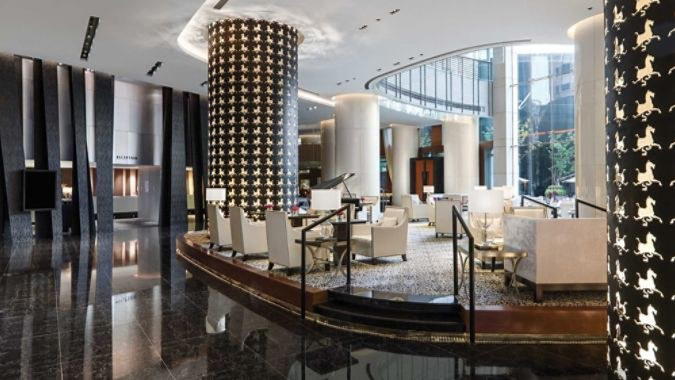
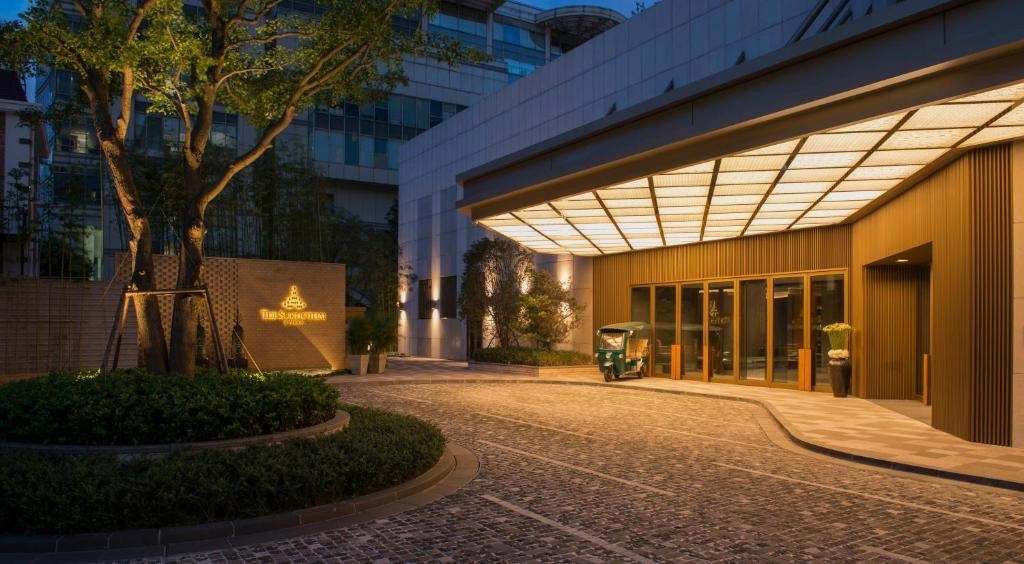
The restaurant's address, the Raffles City development on Xujiahui Road in Huangpu, places it inside a commercial complex rather than a standalone building. That context matters less once inside. The interior draws on theatricality: dim lighting, deliberate staging, and a spatial logic that signals this is closer to a performance than a meal in the ordinary sense. In a city where restaurant design has become a competitive art form, the physical environment at Ling Long establishes expectation before the first dish arrives.
The Menu as Script: Acts, Seasons, and Collaboration
Contemporary Chinese cooking at this level is not a solo exercise. The menu format at Ling Long Shanghai, structured in acts, like a play, reflects a team approach that coordinates kitchen, floor, and wine program into a single coherent evening. That kind of sequencing requires close alignment between chef and sommelier: the pacing of a course that bridges a braised section and a grilled section depends as much on what's in the glass as on what's on the plate. The creative wine pairing options available here are not an afterthought. They are built into the rhythm of the experience.
Chef Jason Liu received the Creativity Award in 2025 from Opinionated About Dining, a signal that the kitchen's output is being assessed against a specific standard: not just technical execution, but the intellectual coherence of combining techniques across culinary traditions. The awards record confirms the direction, Michelin 1 Star (2024), Black Pearl 1 Diamond (2025), La Liste scores of 75 points in 2025 rising to 89 points in 2026, and two separate Opinionated About Dining rankings in Asia (positions 299 and 265 in 2025), but what the awards don't capture is the mechanism. The menu's seasonal architecture means the front-of-house team carries real interpretive weight. Explaining why a dish exists in autumn but not spring, or how a pairing connects to a specific cooking method, requires fluency that most restaurant floors don't develop. At Ling Long, that floor-level knowledge is part of the product.
The beef in oyster sauce offers a useful case study. Oyster sauce beef is a Cantonese canon dish, the kind of preparation that appears in every regional Chinese cookbook and countless home kitchens. Treating it at fine dining pitch means finding an intervention that adds clarity rather than distance. Here, beef from Shandong is marinated, deep-fried, then grilled, a sequence that builds texture through multiple applications of heat before the sauce work begins. The result is a dish that references tradition without reproducing it, which is exactly the territory that contemporary Chinese kitchens at this level are trying to claim. Restaurants working in the same space across the region, including Chef Tam's Seasons in Macau and Imperial Treasure Fine Chinese Cuisine in Guangzhou, approach the same challenge from different angles. Ling Long's answer involves European technique as a structural ingredient rather than a garnish.
Where Ling Long Sits in Shanghai's Fine Dining Tier
At the ¥¥¥¥ price tier, Ling Long Shanghai competes for the same reservation window as Fu He Hui, the vegetarian fine dining house that has built a different kind of case for Chinese ingredients at premium price points, and Taian Table, which approaches modern European cooking with similar structural ambition. The question that tier-level competition poses to any diner is one of intent: do you want the evening to argue for Chinese culinary tradition, or are you comfortable with a menu that uses European technique as scaffolding? Ling Long positions itself clearly in the latter camp, while maintaining a Chinese identity in ingredient sourcing, flavour register, and cultural reference.
The La Liste score trajectory, from 75 points in 2025 to 89 points in 2026, is a meaningful signal. La Liste aggregates critical opinion across multiple sources and geographies, so a 14-point rise in a single year reflects sustained improvement across multiple dimensions: kitchen consistency, service quality, and critical consensus. Compared to 8½ Otto e Mezzo Bombana (Shanghai), which operates at a similar price register with a different culinary identity, Ling Long offers a specifically Chinese frame of reference that a significant portion of Shanghai's dining public finds more relevant to the city's actual character.
The broader contemporary Chinese movement has become a genuine international conversation. Gouqi in London is making a version of this argument in a very different market context, while the technical rigour visible in the approach of kitchens like Le Bernardin in New York City, where European technique and precision service are inseparable, has become a reference point for how that level of technical integration should read in the dining room. The regional conversation extends further: Ru Yuan in Hangzhou and Xin Rong Ji in Chengdu demonstrate how Chinese culinary identity at fine dining level is being argued from multiple regional positions simultaneously. Xin Rong Ji (Xinyuan South Road) in Beijing and Dai Yuet Heen in Nanjing round out the picture of how this tier is developing across China's major dining cities.
Planning Your Visit
Ling Long Shanghai sits inside the Raffles City complex on Xujiahui Road 610, Huangpu District, a location that makes it straightforwardly accessible by metro, with Xujiahui Station a short walk away. For a menu structured in acts at the ¥¥¥¥ tier, allow at least two and a half to three hours. The wine pairing format means the sommelier interaction is a functional part of the experience; arriving without that pairing removes one of the more deliberate layers of the offer. Reservations at this level in Shanghai are worth securing well in advance, particularly for weekend evenings when the city's top-tier tables compress into a narrow booking window.
For broader planning across the city, our full Shanghai restaurants guide maps the dining tier from neighbourhood canteens to Michelin-tracked counters. Our Shanghai hotels guide covers the accommodation options closest to Huangpu and the French Concession. The Shanghai bars guide, wineries guide, and experiences guide cover the rest of a full city stay.
Frequently asked questions
What is the atmosphere like at Ling Long Shanghai?
Is Ling Long Shanghai suitable for children?
What should I order at Ling Long Shanghai?
Cuisine and Recognition
| Venue | Cuisine | Price | Awards | Notes |
|---|---|---|---|---|
| Ling Long ShanghaiThis venue — the venue you are viewing | Modern Chinese Fine Dining | $200–300 | 1 Michelin Star · World's 50 Best #9 | Not listed |
| Fu He Hui | Modern Seasonal Vegetarian Fine Dining | $200–300 | 2 Michelin Stars · World's 50 Best #11 | Vegetarian |
| Ming Court | Cantonese with Shanghainese Influences | $30–50 | 1 Michelin Star · Black Pearl 1 Diamond | Cantonese |
| Polux | French Bistro | $30–50 | Michelin Bib Gourmand | Not listed |
| Royal China Club | Modern Cantonese fine dining | $50–100 | Michelin Plate | Not listed |
| Scarpetta | Refined Italian Pasta & Pizza | $50–100 | Michelin Plate · Wine Spectator Best of Award of Excellence | Not listed |
Recognition history
Dated appearances from independent guides and award organizations, with the underlying list record or original source where available.
Michelin 1 Star
Michelin
World's 50 Best Asia's Best Restaurants #9
World's 50 Best
La Liste Top Restaurants
La Liste
Opinionated About Dining Top Restaurants in Asia Ranked #72
Opinionated About Dining
Black Pearl 1 Diamond
Black Pearl
Full recognition history (10 entries)
La Liste Top Restaurants
La Liste
Opinionated About Dining Top Restaurants in Asia Ranked #299
Opinionated About Dining
Opinionated About Dining Top Restaurants in Asia Ranked #265
Opinionated About Dining
The Best Chef Three Knives
The Best Chef
Michelin 1 Star
Michelin
Details
- Elegant
- Sophisticated
- Whimsical
- Modern
- Date Night
- Special Occasion
- Hotel Restaurant
- Extensive Wine List
- Sake Program
- Local Sourcing
- Skyline
- Tasting Menu
- Prix Fixe
Current opening hours
- Monday
- 10 AM–10 PM
- Tuesday
- 10 AM–10 PM
- Wednesday
- 10 AM–10 PM
- Thursday
- 10 AM–10 PM
- Friday
- 10 AM–10 PM
- Saturday
- 10 AM–10 PM
- Sunday
- 10 AM–10 PM
Hours can change for holidays and private events. Last verified .
Dimly lit, mysterious, and theatrical space in a historic Bund building with crimson and onyx avant-garde art and white tablecloths.