Spicy Moment operates in Xuhui District, one of Shanghai's most architecturally layered neighbourhoods, where casual-format spice-forward dining sits alongside high-end tasting menus and heritage longtang spaces. The venue positions itself within a city where regional Chinese cooking traditions compete sharply for attention, and where the physical container of a restaurant increasingly carries as much weight as the food inside it.
Pearl is the En Primeur Club membership app — saves, bookings, and concierge access live there. Same editors, same standards.
- Address
- Xuhui District, China, 200031
- Directions
- Get directions
 Saves & bookings on Pearl
Xuhui's Dining Register and Where Spice-Forward Formats Sit Within It
Shanghai's Xuhui District contains one of the more compressed and competitive dining corridors in China. Within a few square kilometres, you encounter Michelin-starred tasting counters, heritage Shanghainese canteens, and a growing tier of regional Chinese formats that pitch themselves somewhere between neighbourhood staple and destination restaurant. Spicy Moment operates in this last category, a spice-led restaurant in Xuhui District, Shanghai, with.
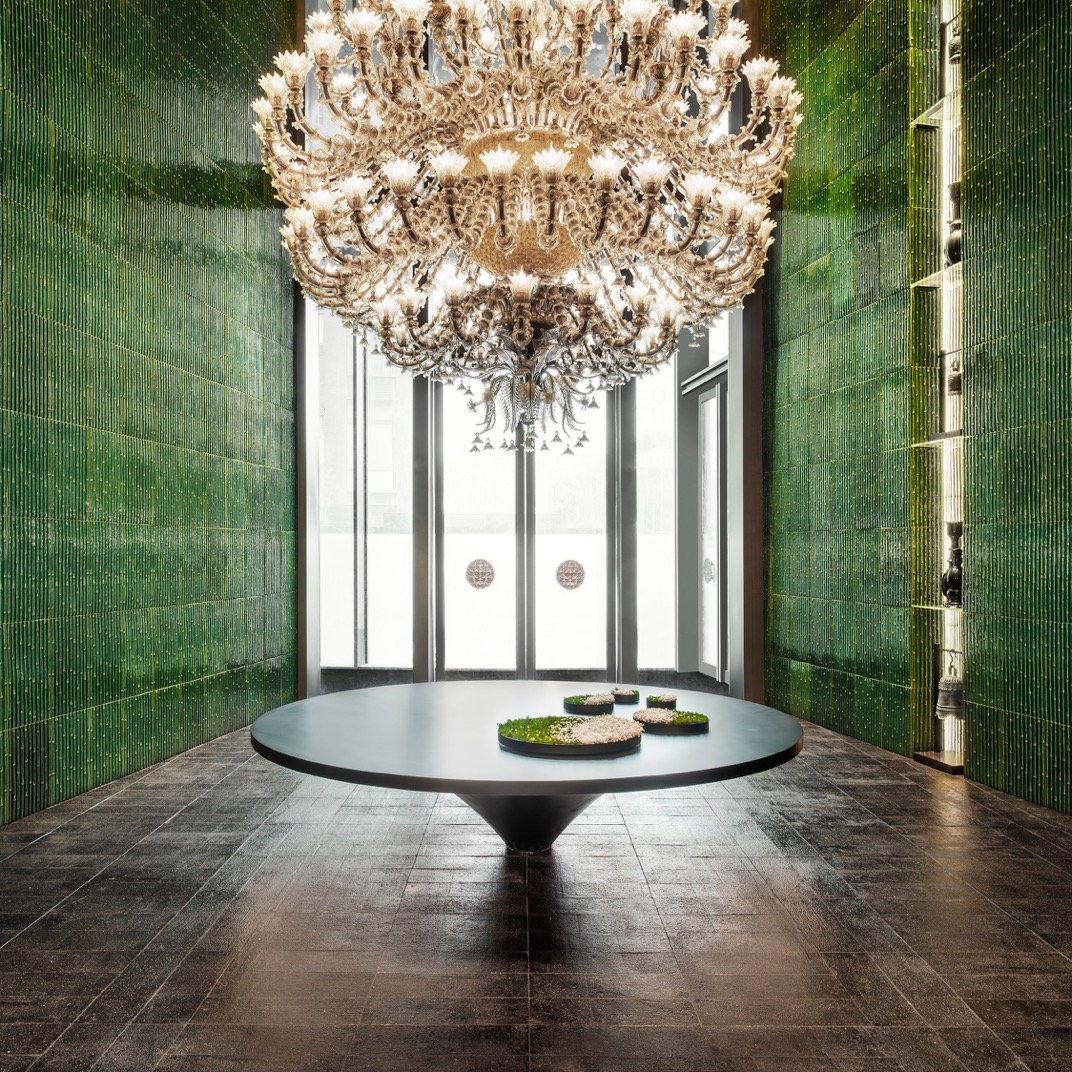
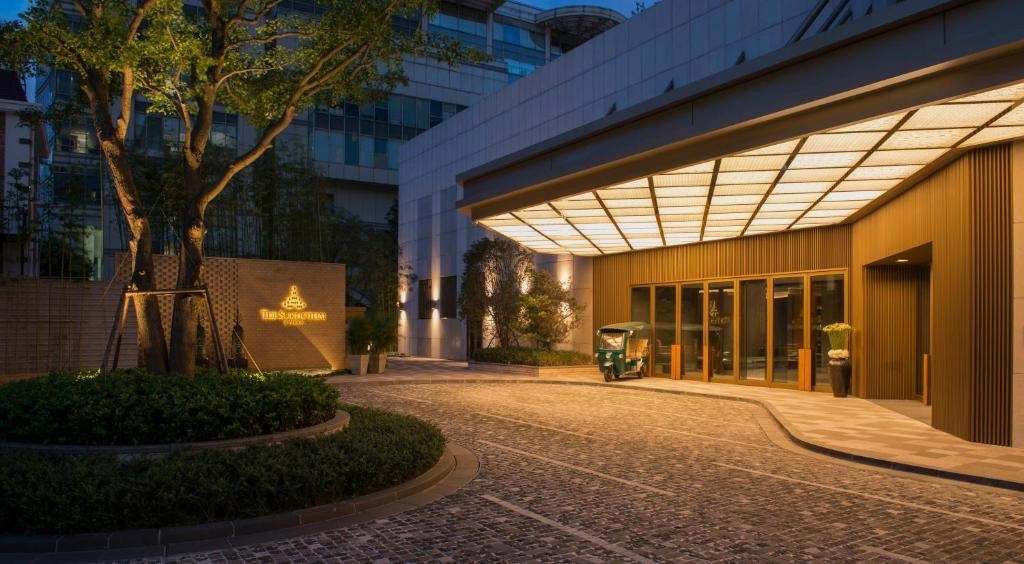
The broader shift is worth understanding. Across Shanghai's mid-to-upper dining tier, the past several years have seen operators invest significantly in interior architecture as a primary differentiator. This is most visible at the high end, Taian Table and Fu He Hui both treat their spatial design as inseparable from the dining proposition, but the logic has filtered down to mid-market formats as well. A spice-forward restaurant in this environment is not simply competing on heat or regional authenticity; it is competing on whether the room itself justifies a deliberate visit.
The Physical Container: How the Space Functions
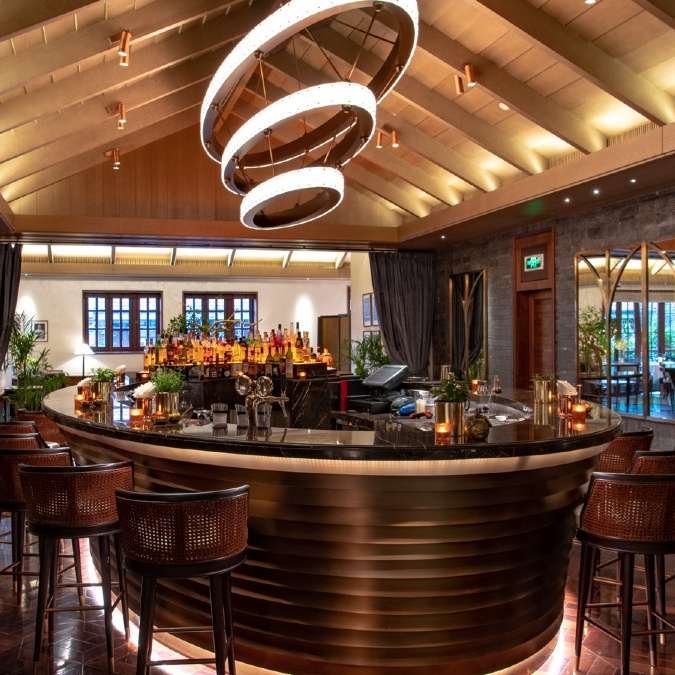
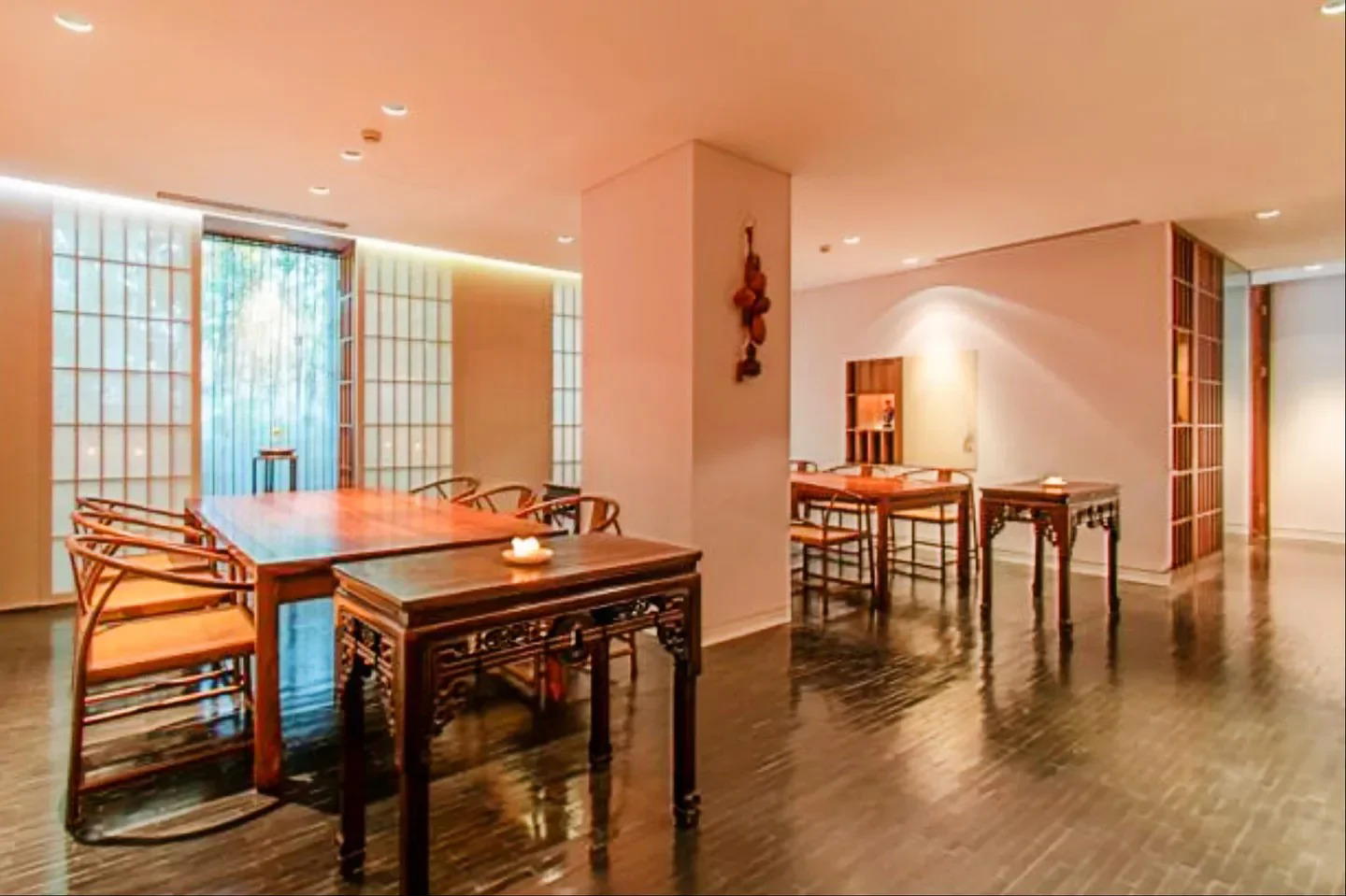
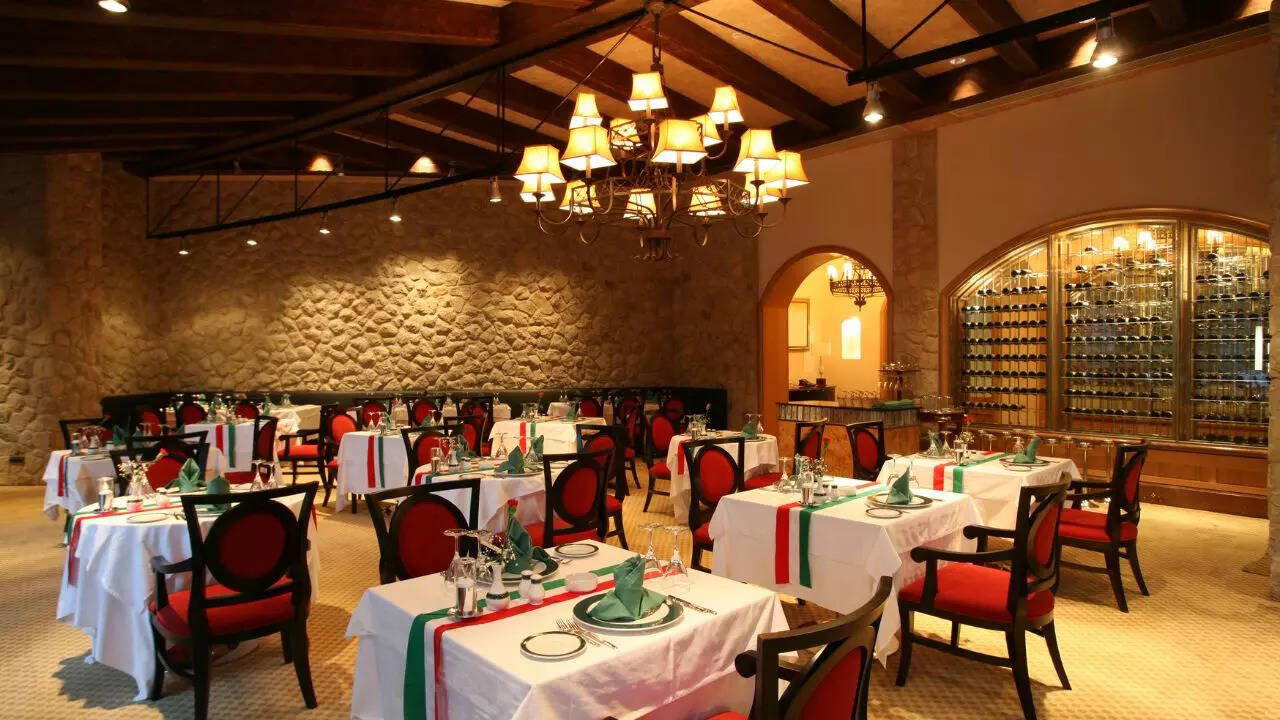
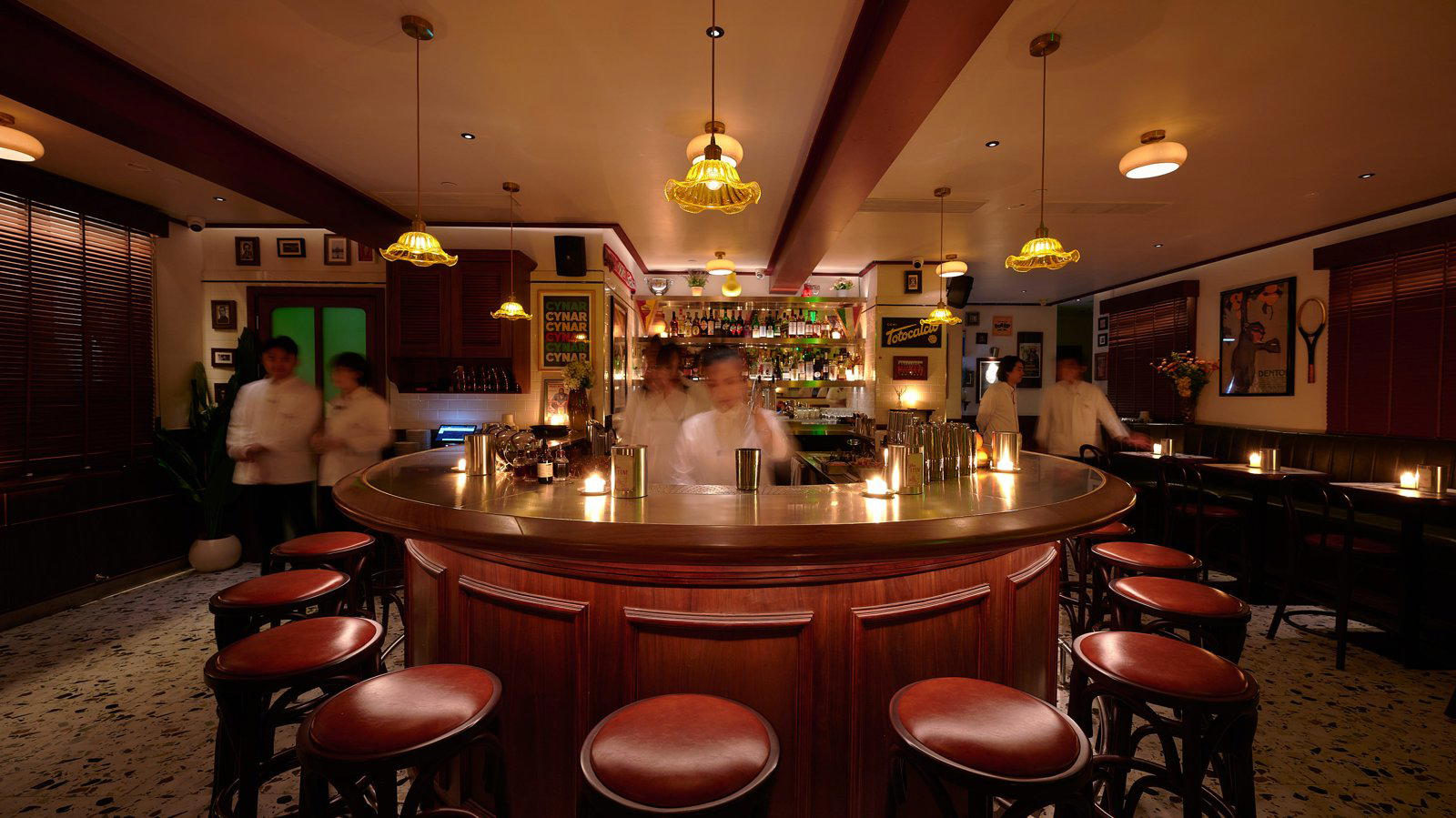
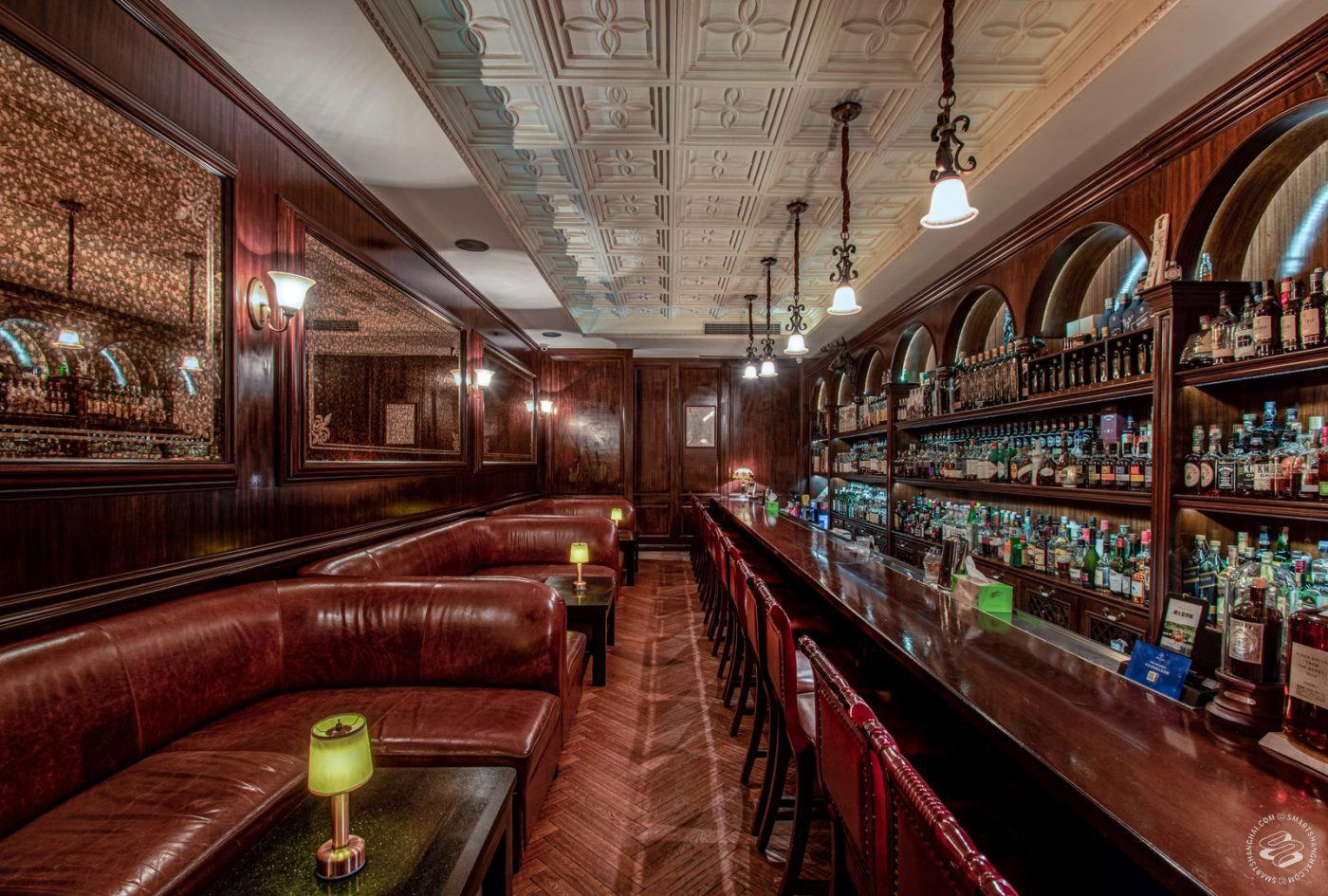
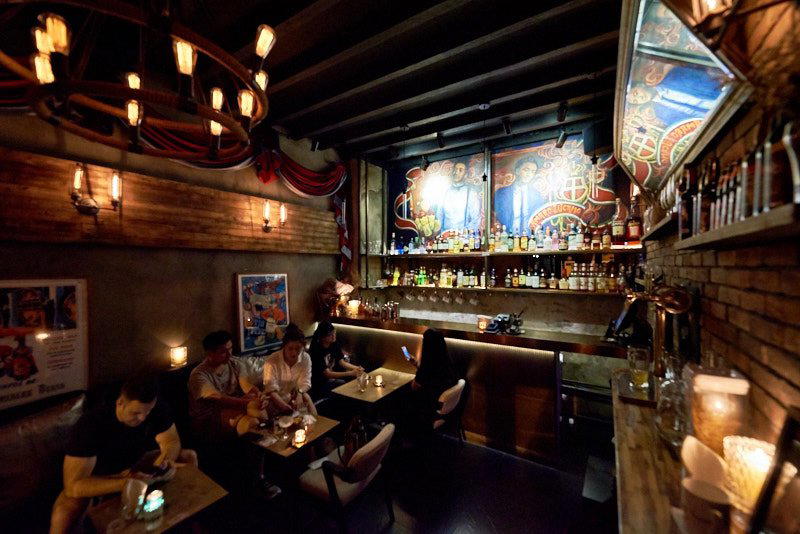
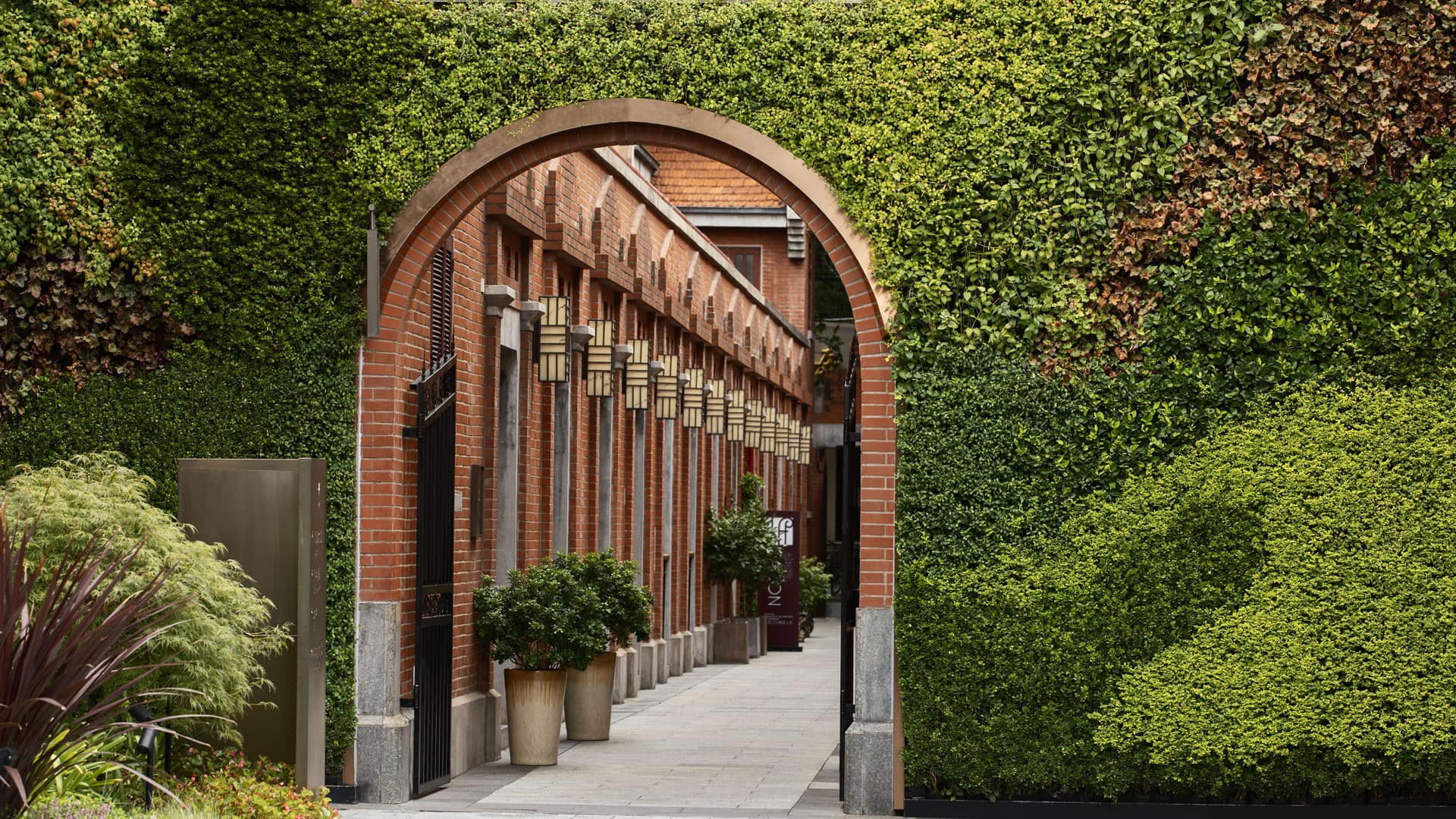
In Chinese dining culture, particularly in cities like Shanghai where consumers have access to a wide range of formats from streamlined fast-casual to architect-designed tasting rooms, the arrangement and atmosphere of a dining room carries direct communicative weight. A high-ceiling room with exposed materiality signals one kind of promise; a low-lit, tightly seated space signals another. Spicy Moment, based in Xuhui, sits in a neighbourhood where longtang architecture and mid-century residential blocks create a specific visual grammar that particularly considered local operators have learned to work with rather than against.
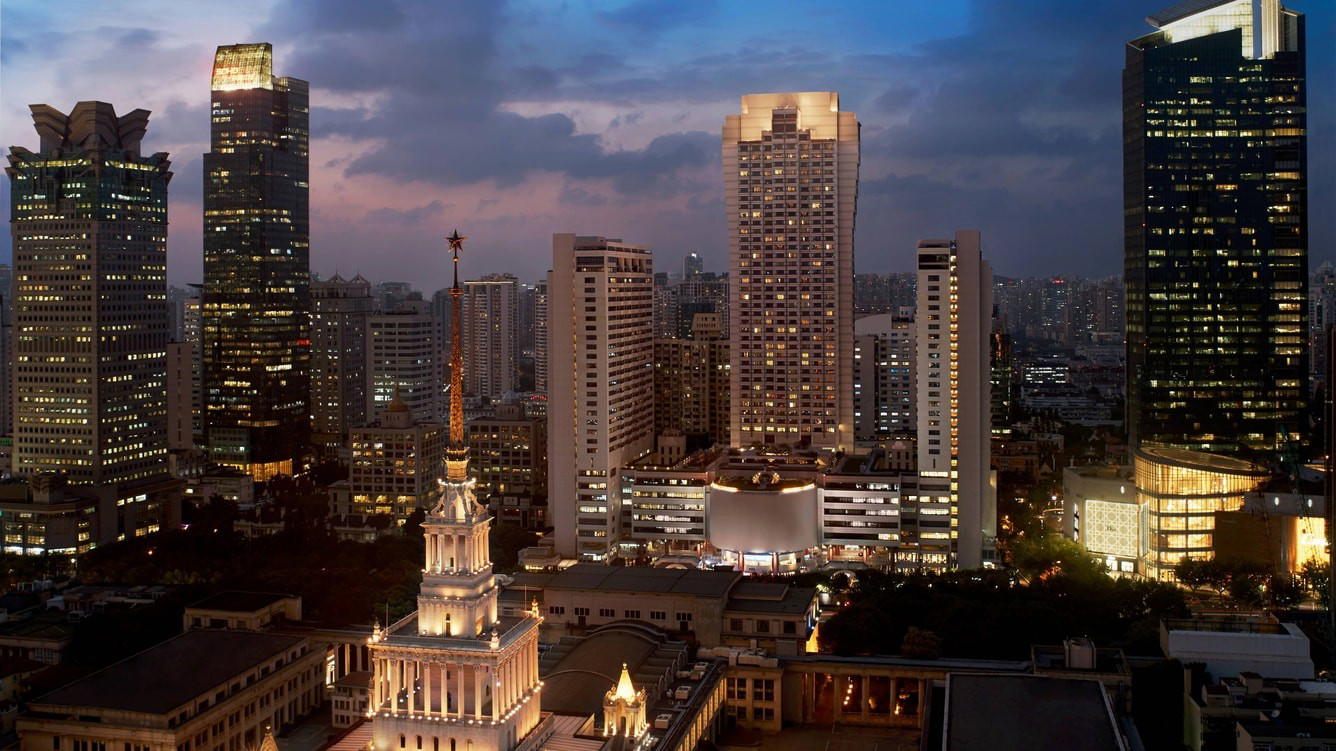
The district's dining character is shaped partly by its resident demographics, Xuhui draws both long-established Shanghai families and a sizeable international population, particularly around the former French Concession boundary, which means restaurants here are read by a more visually literate audience than in some of the city's newer commercial zones. A spice-forward format in this context needs to hold its own aesthetically alongside operations like 102 House, where Cantonese cooking is presented within a carefully curated spatial frame.
Spice Traditions in a City That Prizes Subtlety
Shanghai's native culinary register leans toward sweetness and umami rather than heat. Hongshao braising, crab roe applications, and the restrained seasoning of classic Shanghainese home cooking do not prepare a local palate for the numbing heat of Sichuan peppercorn or the dry chilli intensities of Hunan cooking. This creates an interesting tension for any spice-forward address operating in the city: the food must be legible enough to attract diners who did not grow up eating it, while retaining enough integrity to satisfy those who did.
This challenge is not distinctive to Shanghai. In Chengdu, operators like Xin Rong Ji manage the tension between regional cooking identity and cross-market appeal. In Hangzhou, Ru Yuan navigates a different kind of regional-versus-cosmopolitan calibration. What all of these operations share is the need to make a spatial and presentational case for their food before the first dish arrives. In a city that skews toward refined Taizhou cooking and the kind of technically precise European formats represented by 8 1/2 Otto e Mezzo Bombana, a spice-forward address makes a point of difference, but only if that difference is framed with intention.
Where Spicy Moment Sits in the comparable set
The restaurant sits at a casual, accessible price point and is suited to repeat visits as much as one-off meals. What can be said is that Xuhui supports a wide range of price points, and that the district's competitive density means mid-market operators must work harder on atmosphere and consistency than their counterparts in less saturated neighbourhoods. Compared to the ¥¥¥¥ register occupied by Fu He Hui, or the highly controlled tasting format at Taian Table, a casual spice-forward address occupies a more accessible tier, one where repeat visits and neighbourhood loyalty matter more than destination dining.
This is not a lesser proposition. Across China's major dining cities, particularly durable addresses often operate in exactly this register, accessible enough to sustain a regular clientele, distinctive enough to generate word-of-mouth beyond the immediate neighbourhood. The same dynamic plays out in Macau at Chef Tam's Seasons, in Guangzhou at Imperial Treasure, and in Nanjing at Dai Yuet Heen, venues that do not rely on a single landmark occasion visit to sustain their reputation.
Planning a Visit
The restaurant is located in Xuhui District, Shanghai 200031. The district is well connected by metro, with multiple lines converging near its main commercial and dining corridors, making it reachable from most central Shanghai hotels without a lengthy journey. As with most spice-forward formats in Chinese cities, the peak hours tend to cluster around early evening on weekdays and across both lunch and dinner services on weekends, when tables can move quickly. Visitors travelling from further afield across the region, whether from Suzhou (where Pingjiangsong anchors a different kind of dining experience), Fuzhou (home to Wenru No.9), or Xiamen (where Fleurs Et Festin occupies its own distinct niche), will find Xuhui a natural base for a broader Shanghai dining itinerary.
The Short List
Comparable venues nearby, for context on price, style, and recognition.
| Venue | Cuisine | Price | Notes |
|---|---|---|---|
| Spicy MomentThis venue — the venue you are viewing | Da Pu Qiao, Authentic Hunan Cuisine | $$ | Not listed |
| Hui Ji | Traditional Anhui Cuisine | $$ | Not listed |
| Di Shui Dong | Da Pu Qiao, Authentic Hunan Cuisine | $$ | Not listed |
| Xi Kang Lu | Jing'an, Northeastern Chinese Dumplings | $$ | Not listed |
| èæ£å ´èé¦ | Huangpu, Old Zheng Market Vegetable Hall | Not listed | Not listed |
| MOOSE | Not listed | $$$ | Changning, Michelin-starred Huaiyang & Jiangzhe Banquet Cuisine |
At a Glance
- Trendy
- Modern
- Elegant
- Minimalist
- Casual Hangout
- Date Night
- Business Dinner
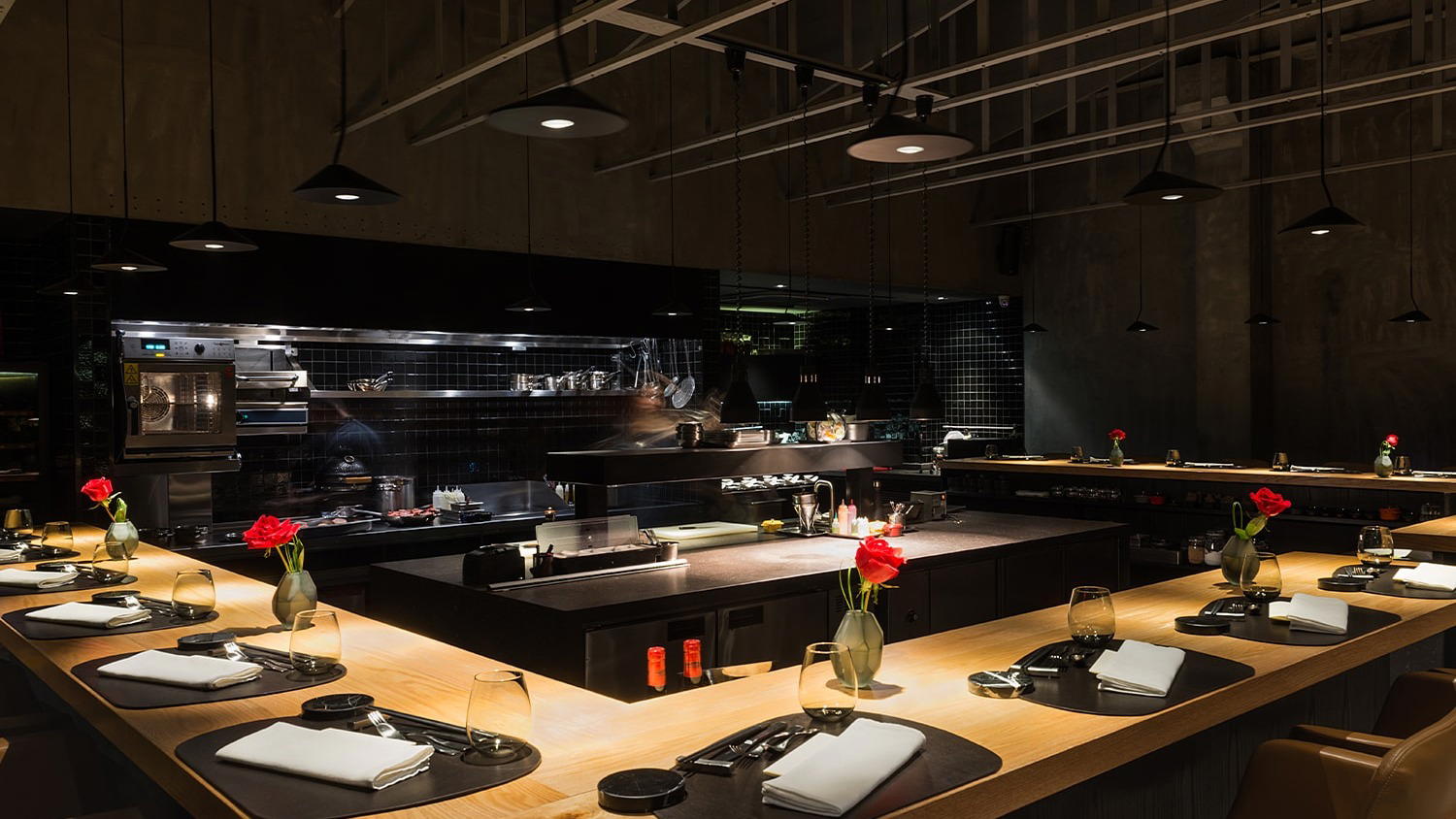
- Open Kitchen
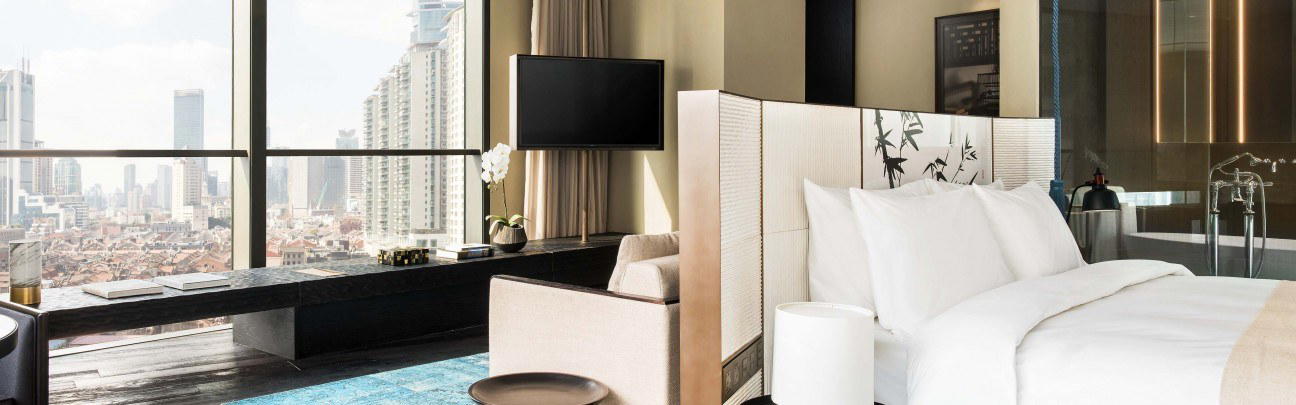
Chic and minimalist atmosphere with modern, laid-back vibes in a design-oriented neighborhood.