
Hui Ji belongs to Shanghai’s award-noted dining tier, with a Black Pearl Restaurant Guide 2026 one-diamond citation placing it inside the city’s closely watched restaurant conversation. The draw is less about spectacle than ritual: pacing, table conduct, and the social grammar of a serious Chinese meal in a city where status dining often reveals itself through restraint.

Pearl is the En Primeur Club membership app — saves, bookings, and concierge access live there. Same editors, same standards.
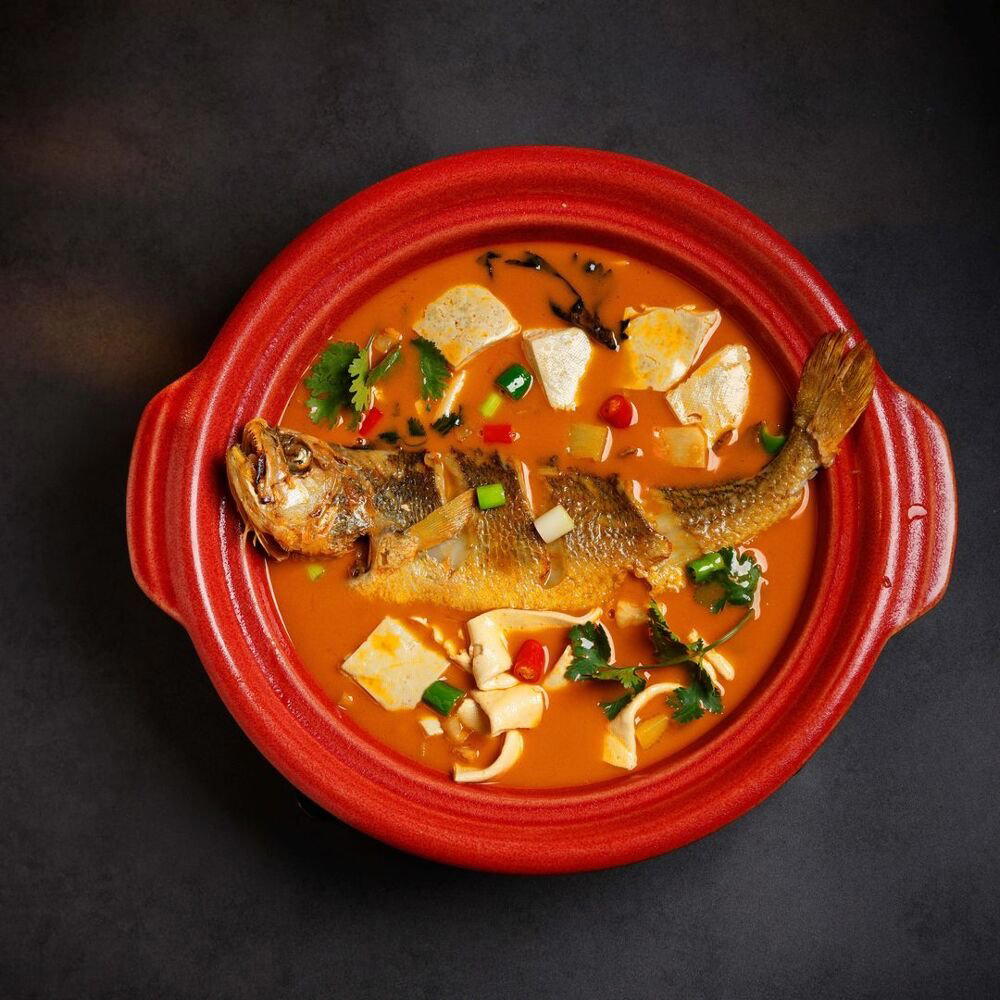
Shanghai dining announces itself before the first plate arrives: the rhythm of the room, the choreography around the table, the measured pause between courses. Hui Ji sits within that culture of composed hospitality, where a meal is read through sequence as much as flavour. In a city fluent in both banquet tradition and contemporary restaurant theatre, the more telling experiences are often the ones that understand when not to over-explain.
The Black Restaurant Guide 2026 lists Hui Ji among its one-diamond restaurants, a useful signal in China’s domestic dining economy. Black matters because it speaks to a local audience that has its own reference points for service, ingredients, and value; it is not merely an imported awards language applied to Chinese restaurants. For Shanghai, where dining status can shift quickly between hotel rooms, private kitchens, and polished neighbourhood addresses, that citation places Hui Ji inside a scrutinised bracket.
Shanghai's dining ritual favours pacing over performance
The city’s serious Chinese restaurants are often misread by visitors expecting a single defining plate to carry the experience. The ritual is broader. Cold starters establish tempo, hot dishes test timing, soups and starches reset the table, and the closing cadence matters because the meal is a social structure, not a procession of isolated courses. Hui Ji should be understood through that lens: the interest lies in how the table is managed, how dishes are sequenced, and how the restaurant fits Shanghai’s preference for dining that can accommodate business formality, family hierarchy, and occasion without turning the room into a stage.
That distinction matters in 2026 because Shanghai’s upper restaurant tier is no longer defined only by imported luxury codes. Domestic guides, local regulars, and inter-city diners now create a parallel measure of credibility. A one-diamond Black listing does not make a restaurant interchangeable with international tasting-menu rooms; it signals recognition within a Chinese-language dining ecosystem where consistency, ingredient sourcing, and service fluency carry weight. For travellers, that makes Hui Ji a more culturally useful booking than a venue built chiefly around visual drama.
Etiquette is part of the value proposition. Chinese restaurant service at this level often assumes the table understands sharing order, host decisions, tea pacing, and the importance of balance across textures and temperatures. The meal works better when the party orders as a table rather than as separate diners. That is especially true in Shanghai, where the line between celebration meal and business meal can be thin, and where the host’s choices shape the entire evening.
What the Black signal says in Shanghai
Black ’s one-diamond category gives Hui Ji a concrete trust marker, but the more useful reading is comparative rather than decorative. Shanghai has a dense field of recognised restaurants, and the guide’s local authority is strongest when judging venues that operate within Chinese dining customs rather than translating them for visitors. The citation suggests a restaurant that has entered a monitored circle of quality, but it does not remove the need for a reader to decide what kind of meal is required: intimate dinner, formal hosting, or a table built around shared dishes.
That decision is the core planning issue. A restaurant like this is not best approached as a casual stop between attractions. It belongs to the city’s occasion-dining register, where the success of the meal depends on party size, appetite, and the confidence to order across categories. If the table includes guests unfamiliar with Chinese banquet rhythm, one person should lead the order and keep the sequence coherent. If the meal is business-facing, allow enough time for a slower cadence; rushing a recognised Chinese restaurant in Shanghai usually flattens the experience.
The absence of a public chef narrative is not a weakness. Shanghai has plenty of restaurants where personality branding dominates the room; Hui Ji reads more clearly as part of a dining culture that prioritises the table over the individual auteur. That can be a strength for travellers who want to understand how local recognition works beyond hotel-lobby polish and imported formats. The restaurant’s name may draw the booking, but the lesson is in the structure of the meal.
Use Hui Ji as a lens on the city, then widen the map
For broader planning, place Hui Ji within a Shanghai itinerary that balances formal Chinese dining with the city’s hotel, bar, and neighbourhood circuits. The city rewards contrast: a serious restaurant meal one night, a high-floor drink another, and a looser local meal elsewhere. EP Club’s full Shanghai restaurants guide is the natural starting point, with adjacent planning in the Shanghai hotels guide, Shanghai bars guide, Shanghai wineries guide, and Shanghai experiences guide.
Readers building a wider China dining route can also look beyond Shanghai’s local orbit: #8 in Chengdu, 167 Shan Hai Li in Fuzhou, 1913 in Hangzhou, 1927 Dong Yuan Si Chu in Xiamen, 1949 - Duck de Chine in Beijing, and 1980烧肉粽 in 厦门市. Within Shanghai’s own restaurant index, related reading includes 100 Century Avenue Cantonese, 100 Century Avenue Steakhouse, 102 House (Cantonese), 102 House Shanghai, and 1515 West Chophouse (Steakhouse). For a North American counterpoint in casual-format Japanese drinking and eating culture, see Jōdo Saké Bar in Los Angeles and Onigiri Time in Pasadena.
Reputation & Price
Comparable venues nearby, for context on price, style, and recognition.
| Venue | Cuisine | Price | Notes |
|---|---|---|---|
| Hui JiThis venue — the venue you are viewing | Traditional Anhui Cuisine | $$ | Not listed |
| 馋三尺蟹粉小笼 | Not listed | $$ | Yang Jia Du, Shanghai Crab Roe Xiaolongbao |
| Gongdelin | Not listed | $$ | Huangpu, Shanghainese Vegetarian Mock Meat |
| 扬州饭店 | Huangpu, Ningbo Cuisine | Not listed | Not listed |
| Zhao Zhou Lu | Not listed | $$ | Lao Ximen, Chinese (Zhejiang, Hangzhou) |
| Linhu Vegetarian | Xujiahui, Modern Vegetarian Chinese | $$ | Not listed |
Recognition history
Dated appearances from independent guides and award organizations, with the underlying list record or original source where available.
Black Pearl 1 Diamond
Black Pearl

At a Glance
- Classic
- Cozy
- Quiet
- Casual Hangout
- Group Dining
- Solo
- Family
- Standalone
- Local Sourcing
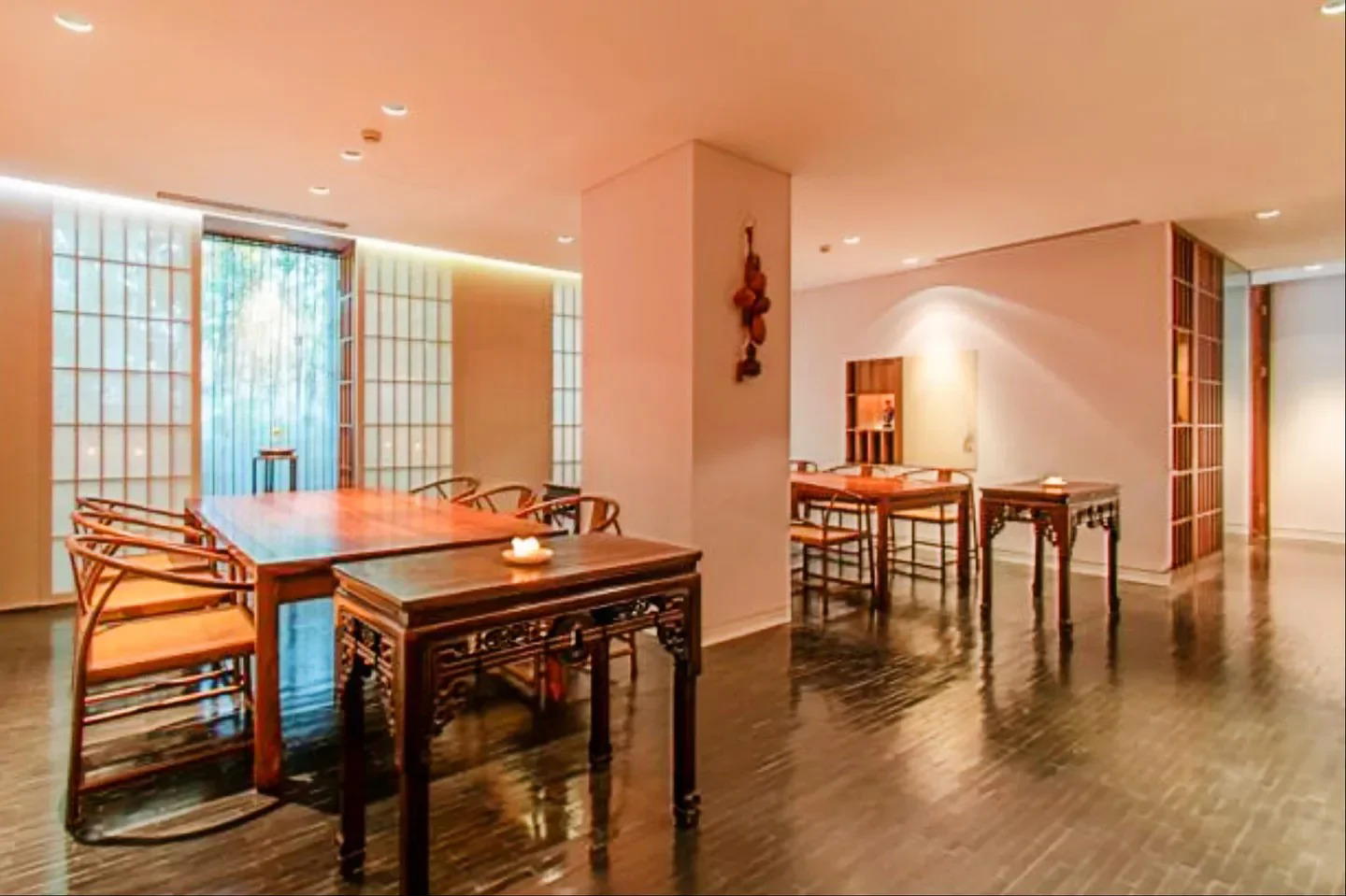
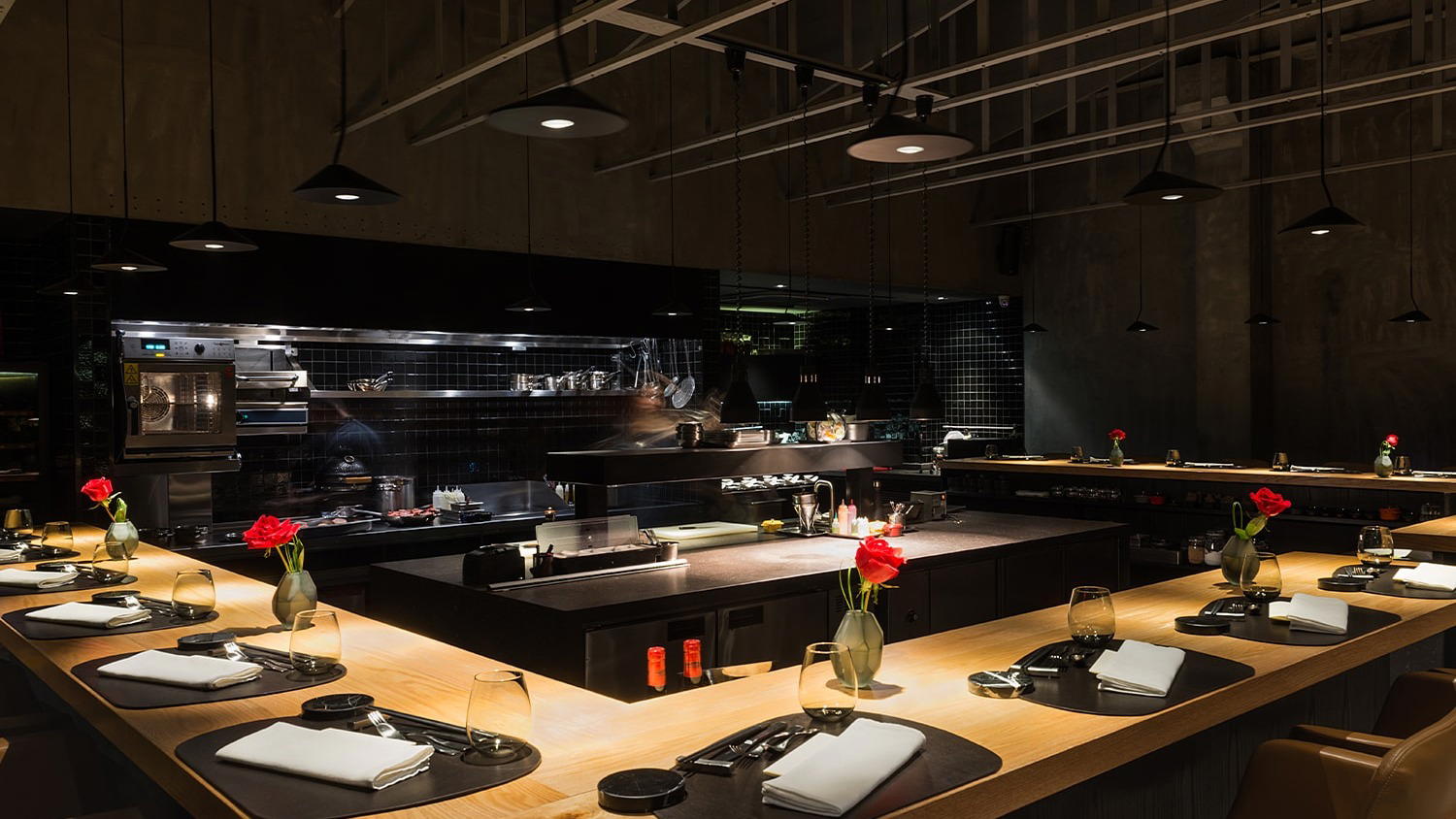
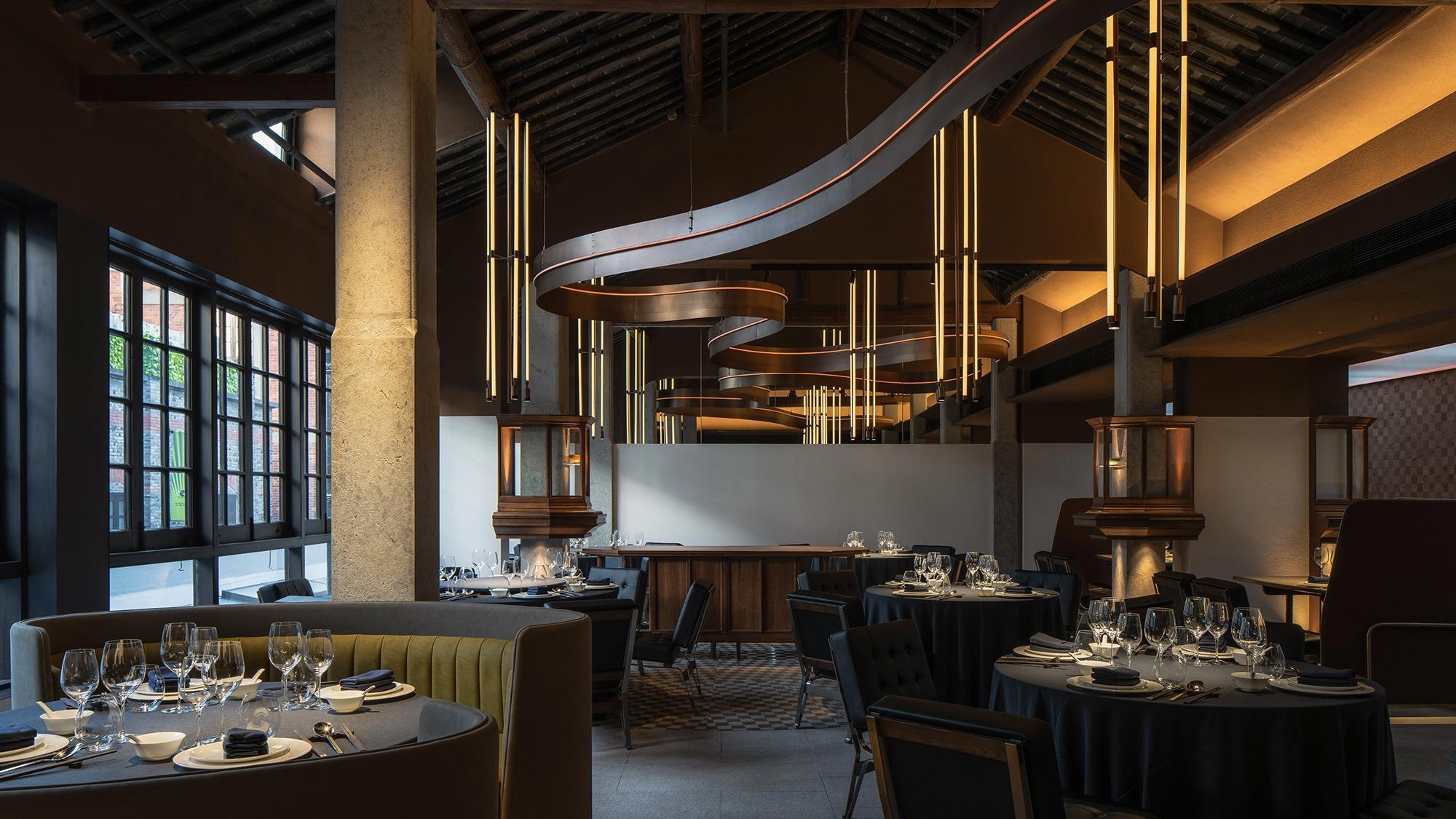
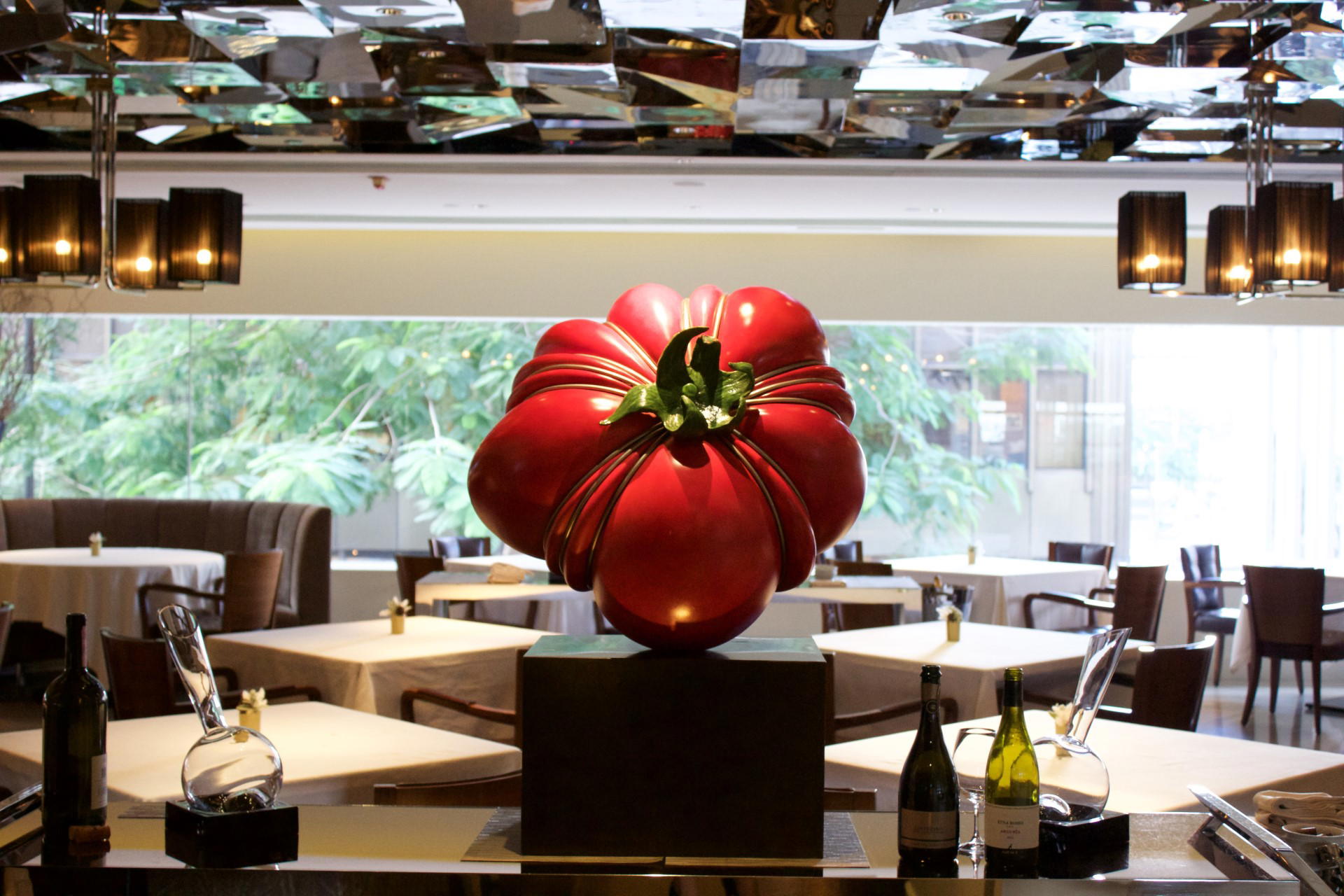
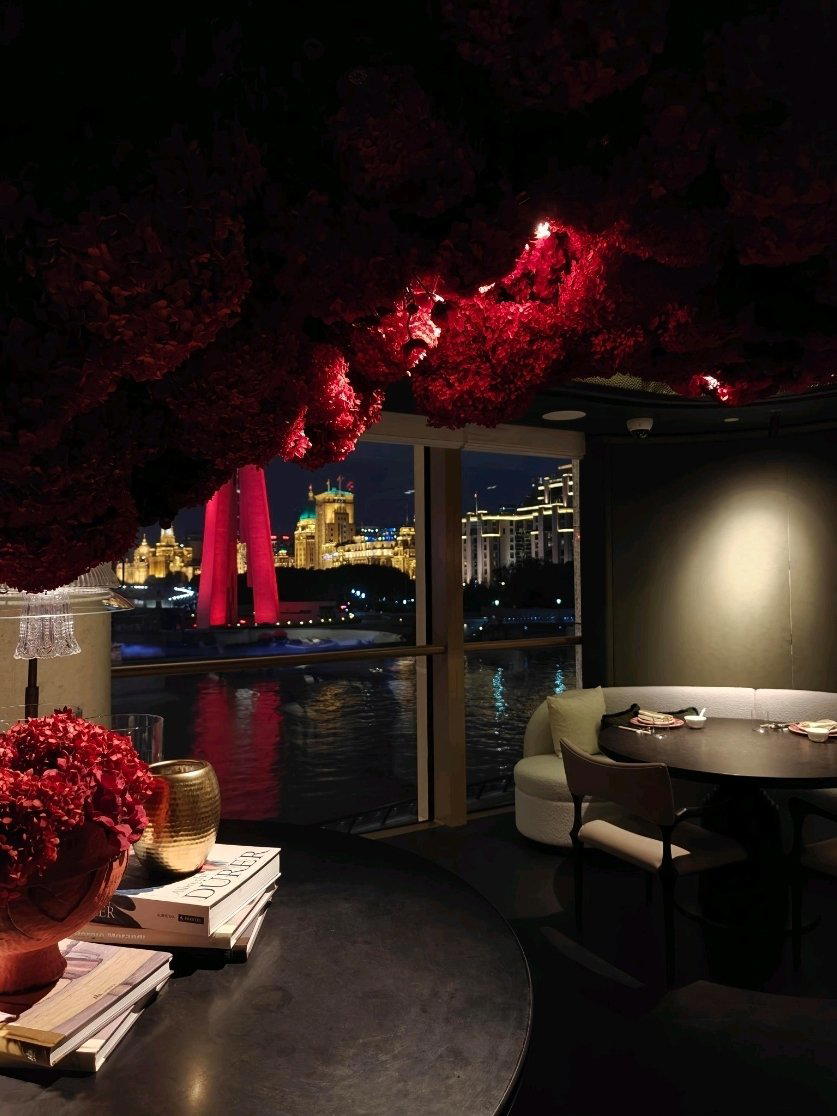
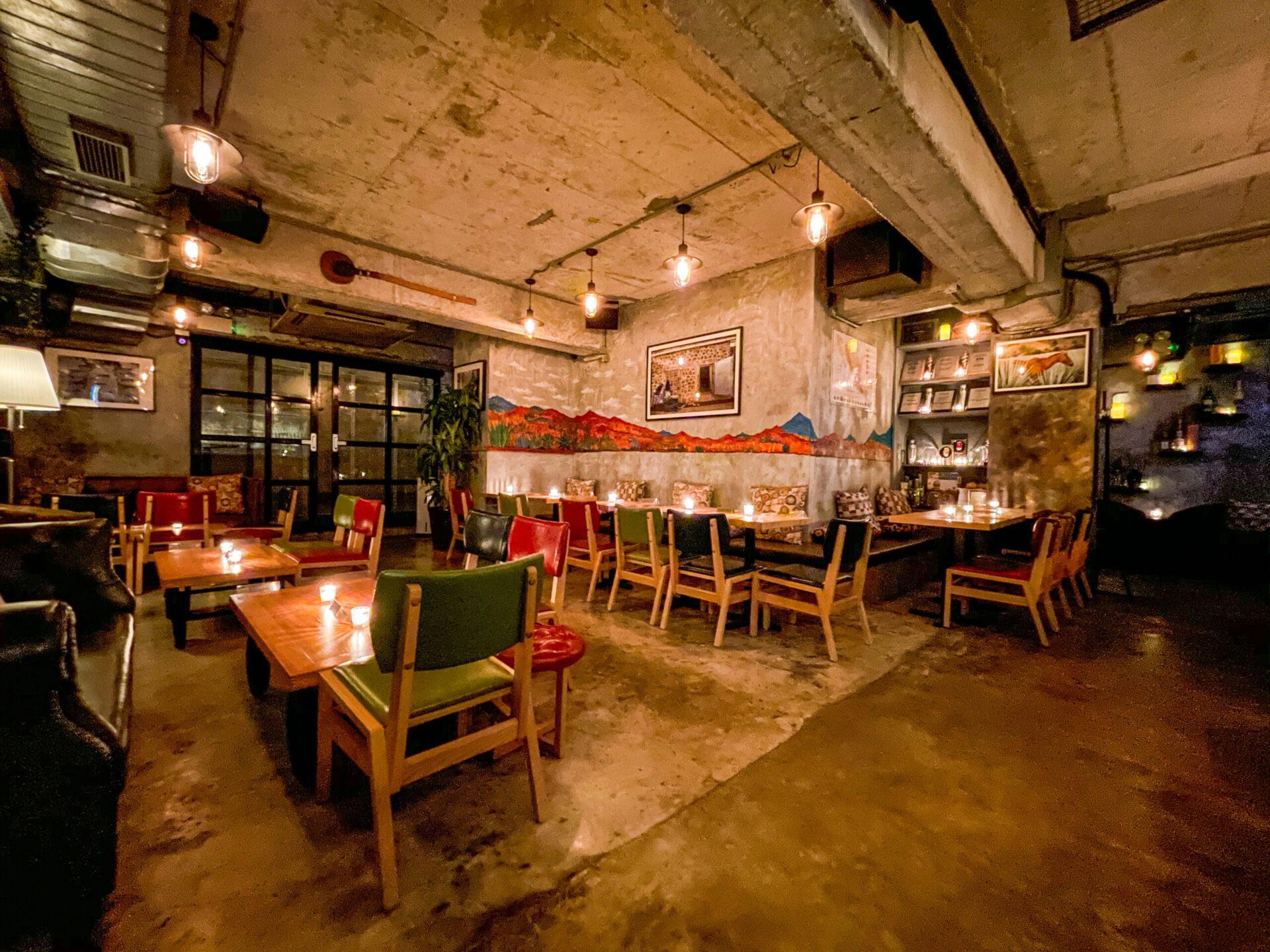
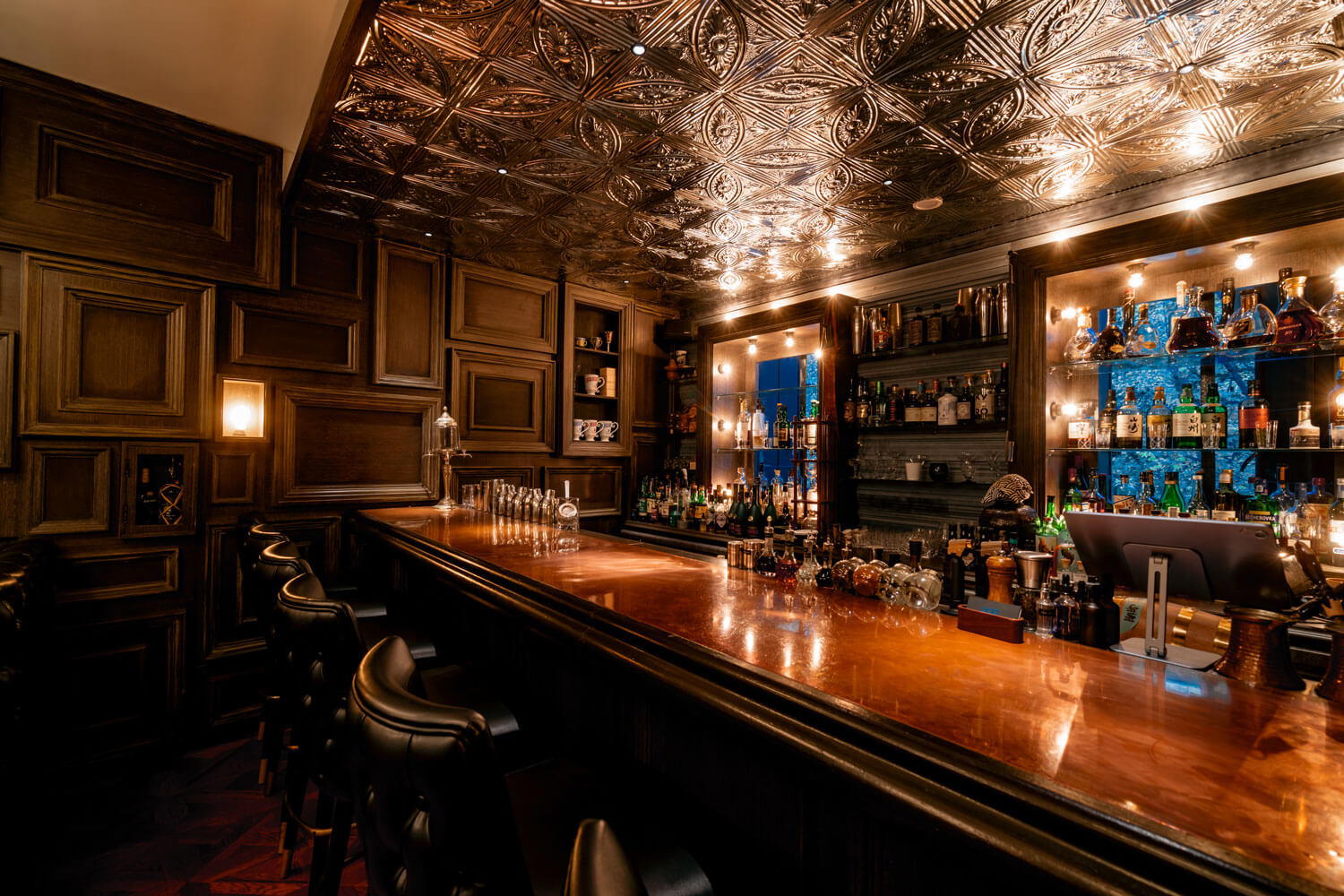
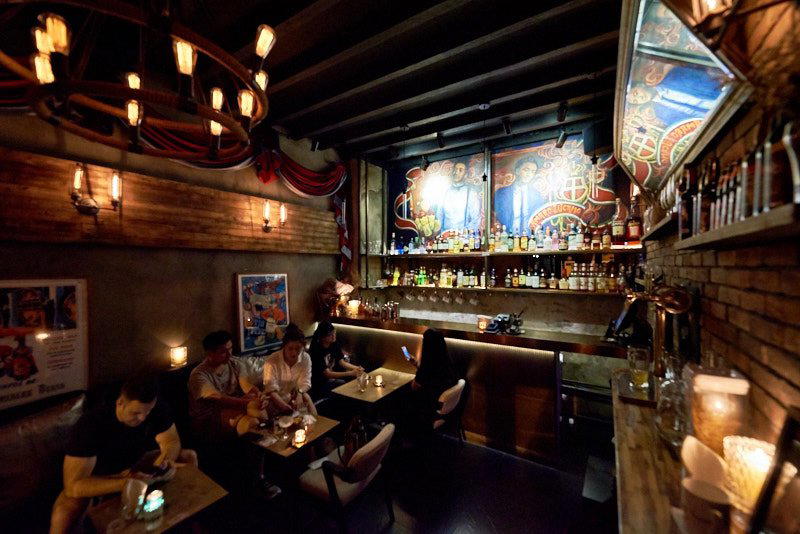
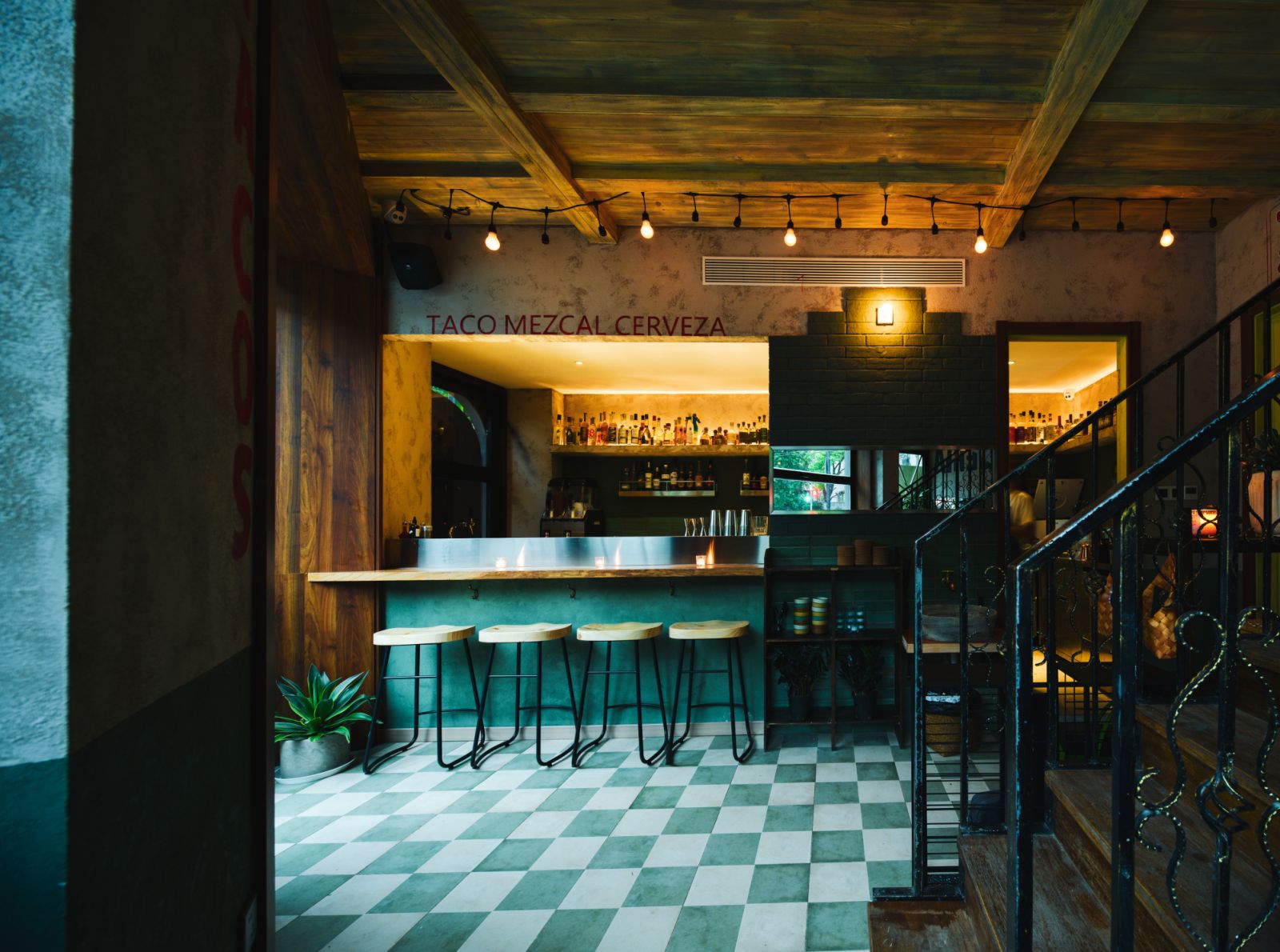
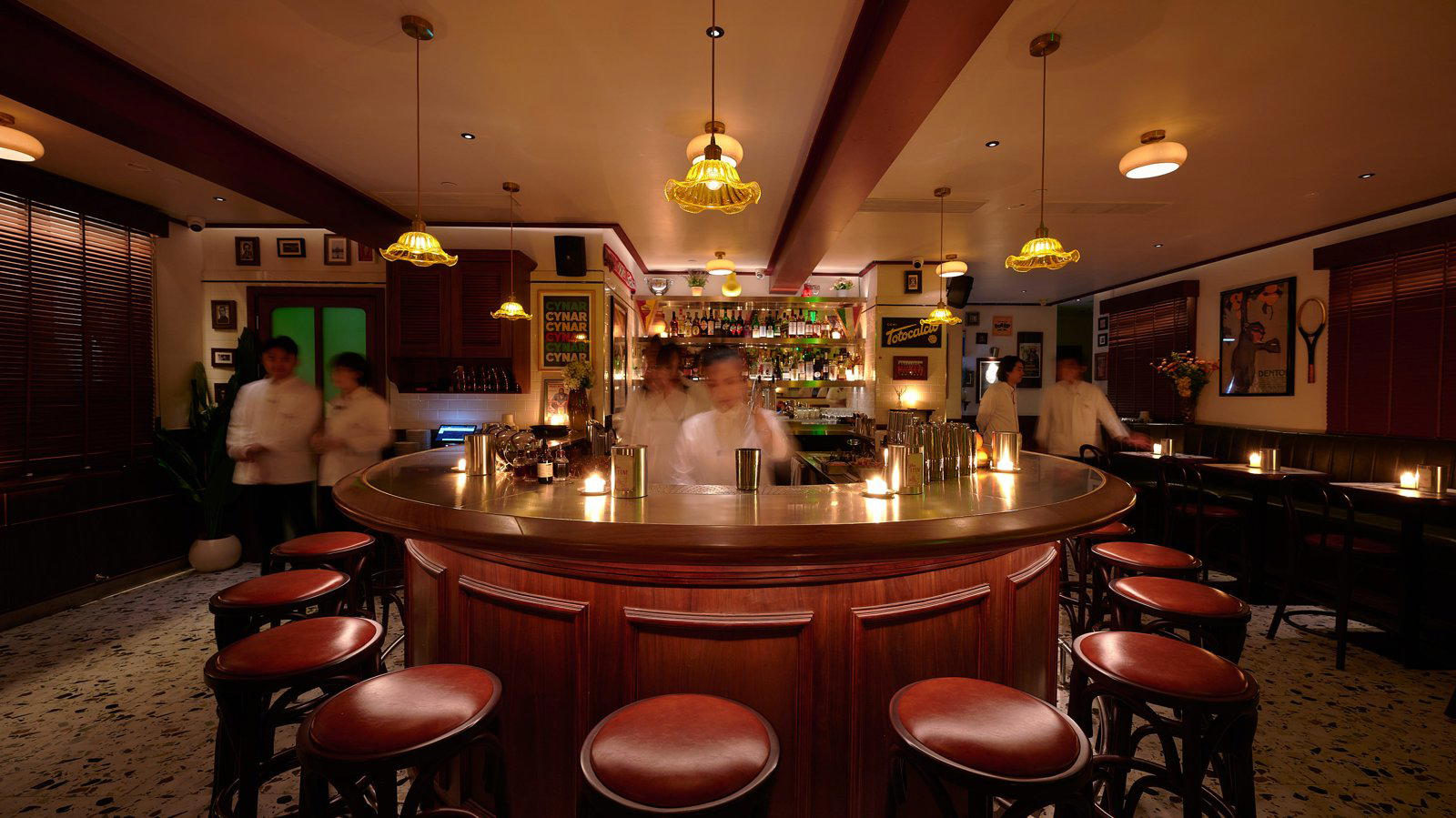
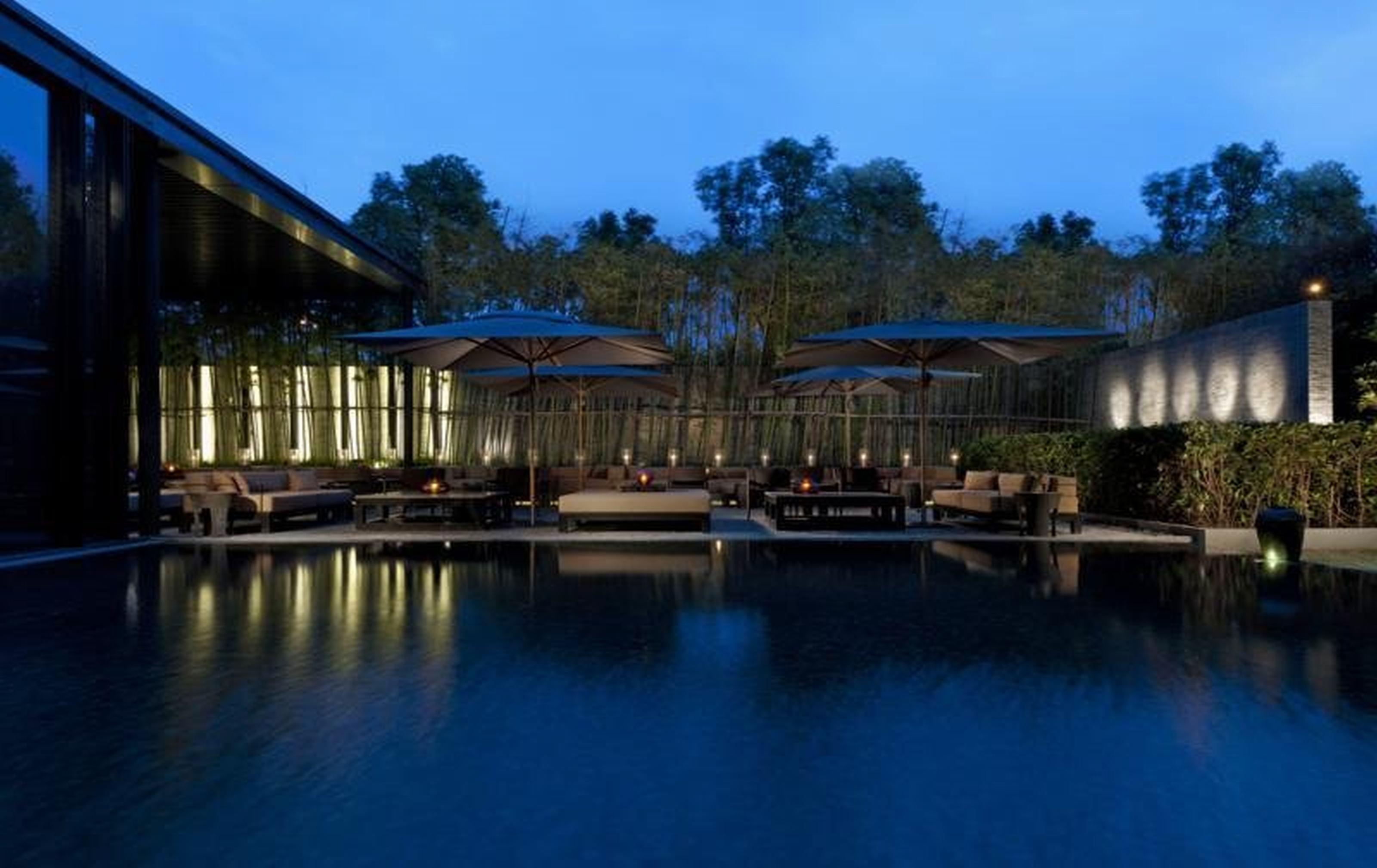
Reviews describe a modest, traditional dining room with tightly spaced tables and a simple, functional setting, focusing attention on the food rather than décor, creating a low‑key but comfortable atmosphere typical of an old‑school neighborhood spot.