One of Shanghai's oldest vegetarian restaurants, Gongdelin on West Nanjing Road has served Buddhist-inspired mock-meat cuisine from the same Huangpu address since the early twentieth century. Regulars return not for novelty but for the continuity of a kitchen tradition that predates modern plant-based dining by decades. The address alone, steps from People's Square, makes it a reference point for anyone mapping Shanghai's culinary history.
Pearl is the En Primeur Club membership app — saves, bookings, and concierge access live there. Same editors, same standards.
- Address
- 445 Nanjing Rd (W), People's Square, Huangpu, China, 200003
- Phone
- +862163270218
- Directions
- Get directions
 Saves & bookings on Pearl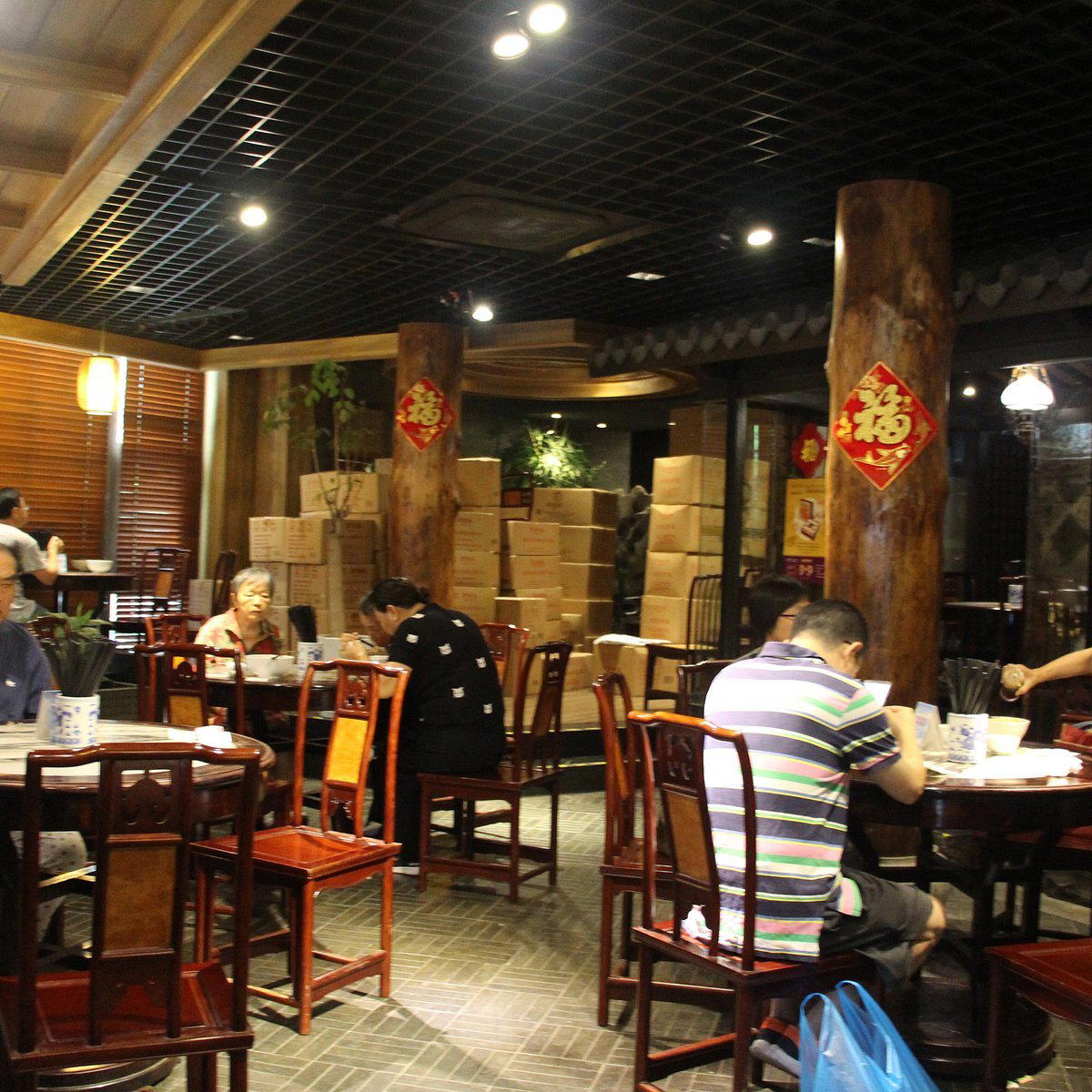
A Century of Meatless Craft on West Nanjing Road
Gongdelin is a Shanghainese vegetarian mock meat restaurant in Shanghai, with a mid-range price point of about $20 per person. There are restaurants that define a moment, and there are restaurants that define a century. Gongdelin, at 445 West Nanjing Road, belongs to the second category. The building sits in the commercial corridor that connects People's Square to the older retail heart of Huangpu, a stretch that has weathered colonial concessions, revolutionary closures, and the relentless cycle of Shanghai redevelopment. Through all of it, Gongdelin's kitchen has continued producing Buddhist vegetarian cuisine in a style that most diners encounter nowhere else: the mock-meat tradition, where tofu, gluten, and root vegetables are shaped, seasoned, and cooked to approximate the textures and presentations of meat dishes without containing any.
That tradition is not a contemporary wellness proposition. It traces to Chan Buddhist monastery kitchens, where cooks developed meat-mimicking techniques centuries ago as a way to make plant-based eating accessible to lay visitors while preserving monastic dietary codes. Gongdelin, founded in Shanghai in 1922, carried that craft into an urban commercial context at a time when the city was absorbing influences from across China and beyond. More than a hundred years later, the restaurant occupies a specific and largely uncrowded niche in Shanghai's dining spectrum: serious Buddhist vegetarian cooking at a mid-range price point, with a menu that reads more like a record of technique than a list of ingredients.
What Keeps the Regulars Coming Back
The clientele that has anchored Gongdelin across generations is not primarily composed of tourists or food adventurers. Older Shanghai residents, Buddhist practitioners, and families observing dietary commitments on auspicious calendar days form the core of its repeat business. For this group, the draw is precisely the restaurant's resistance to reinvention. The mock-meat dishes, braised gluten preparations, tofu in broth constructions, vegetable assemblies that echo Shanghainese red-braised pork in colour and lacquer, are valued because they are consistent, not because they are surprising.
This is a different loyalty structure from what operates at, say, Fu He Hui, where the vegetarian menu is priced at ¥¥¥¥ and positioned as a contemporary fine-dining proposition with design-led presentation. Gongdelin sits at a lower price tier and makes no claim to that aesthetic register. Its authority comes from duration and specificity of craft, not from seasonal menus or a named chef's conceptual framework. The two restaurants together illustrate how broad Shanghai's vegetarian dining range has become: one anchored in tradition and accessibility, the other in premium positioning and creative ambition.
For regulars, there is also something that might be called an unwritten menu, the knowledge of which preparations are leading ordered in which season, which dishes reward a larger group, and how to time an order so that the kitchen's braised items arrive at the table in proper sequence. That kind of navigational knowledge accumulates over visits and is not legible to first-timers from the printed menu alone. It is the texture of a restaurant that has been in continuous operation long enough to develop its own informal protocols.
Situating Gongdelin in Shanghai's Wider Scene
Shanghai's restaurant market in the Huangpu and Jing'an districts is among the more competitive in Asia, with Michelin-starred counters, international imports, and high-concept Chinese kitchens all competing for the same pool of high-frequency diners. Gongdelin does not compete in that pool. Its comparable set is a much smaller category: heritage Chinese restaurants with multi-decade operating histories and identities rooted in a specific regional or culinary tradition rather than in chef celebrity or concept innovation.
Within the vegetarian sub-category specifically, the restaurant occupies a position with almost no direct competition in Shanghai at its price tier. Fu He Hui targets a different income bracket. The Buddhist vegetarian style Gongdelin practices is also distinct from the lighter, produce-forward vegetarian cooking that has emerged from Zhejiang and Jiangsu culinary traditions, where freshness and seasonal greens take precedence over the mock-meat repertoire. For context on how vegetarian cooking develops differently across Chinese regional traditions, the contrast with venues like Ru Yuan in Hangzhou is instructive: Hangzhou's temple cuisine leans toward restrained, ingredient-led plates, while Gongdelin's Shanghai lineage is rooted in technical transformation of humble ingredients into elaborate presentations.
The location on West Nanjing Road also places Gongdelin in a neighbourhood context worth noting. The street is one of Shanghai's primary commercial axes, drawing both local foot traffic and significant tourist volume from the adjacent People's Square metro hub and the Shanghai Museum. That footfall sustains a restaurant that might otherwise occupy a quieter address, and it means Gongdelin functions simultaneously as a neighbourhood institution for repeat visitors and as a point of reference for out-of-town visitors tracing Shanghai's culinary history. For a broader orientation across the city's restaurant categories, our full Shanghai restaurants guide maps the relevant comparable venues across cuisine type and price tier.
Connections Across the Region
The temple vegetarian tradition Gongdelin represents is not confined to Shanghai. Across eastern China, Buddhist-influenced restaurants have maintained versions of this craft in cities with strong monastic histories. Venues like Pingjiangsong in Suzhou and Shang Palace in Yangzhou operate in cities where temple food culture has historically intersected with refined local cooking traditions, producing distinct but related expressions of the same underlying discipline. Further south, the Cantonese approach to refined Chinese dining at venues like Imperial Treasure Fine Chinese Cuisine in Guangzhou and 102 House in Shanghai shows how differently Chinese culinary heritage is interpreted once you move from Buddhist vegetarian roots into the banquet-hall Cantonese tradition.
For those whose Shanghai itinerary includes modern Chinese fine dining alongside heritage institutions, Taian Table and Xin Rong Ji (West Nanjing Road) represent the current high end of the city's contemporary Chinese dining tier, while 8 1/2 Otto e Mezzo Bombana anchors the European fine dining side. Gongdelin occupies none of those tiers. It is part of the city’s long dining history, and its value is inseparable from that temporal position.
Planning a Visit
Gongdelin is located at 445 West Nanjing Road in the Huangpu district, accessible directly from People's Square station on Lines 1, 2, and 8. The restaurant's position on a major pedestrian commercial street means it is walkable from most central Shanghai hotels without requiring additional transport. Given the volume of foot traffic in the area, visiting on weekday lunchtimes generally involves shorter waits than weekend afternoons, when the restaurant draws both leisure diners and practitioners observing the lunar calendar. Groups of four or more are better positioned to order across the menu's range, as many of the braised and mock-meat preparations are portioned for sharing.
Cost Snapshot
Comparable venues nearby, for context on price, style, and recognition.
| Venue | Cuisine | Price | Notes |
|---|---|---|---|
| GongdelinThis venue — the venue you are viewing | Not listed | $$ | Not listed |
| Fuchun Xiaolong | Not listed | $$ | Jing An Si, Traditional Shanghainese Xiao Long Bao |
| Xing Guo Lu | Xujiahui, Shanghainese | $$ | Not listed |
| Nanxiang | Not listed | $$ | Ni Cheng Qiao, Traditional Shanghai Xiaolongbao |
| Canton 8 | Huangpu, Cantonese | $$ | Not listed |
| Spicy Moment | Da Pu Qiao, Authentic Hunan Cuisine | $$ | Not listed |
At a Glance
- Classic
- Well Known
- Casual Hangout
- Family
- Historic Building
Current opening hours
- Monday
- 7–9 AM, 11 AM–2 PM, 5–10 PM
- Tuesday
- 7–9 AM, 11 AM–2 PM, 5–10 PM
- Wednesday
- 7–9 AM, 11 AM–2 PM, 5–10 PM
- Thursday
- 7–9 AM, 11 AM–2 PM, 5–10 PM
- Friday
- 7–9 AM, 11 AM–2 PM, 5–10 PM
- Saturday
- 7–9 AM, 11 AM–2 PM, 5–10 PM
- Sunday
- 7–9 AM, 11 AM–2 PM, 5–10 PM
Hours can change for holidays and private events. Last verified .
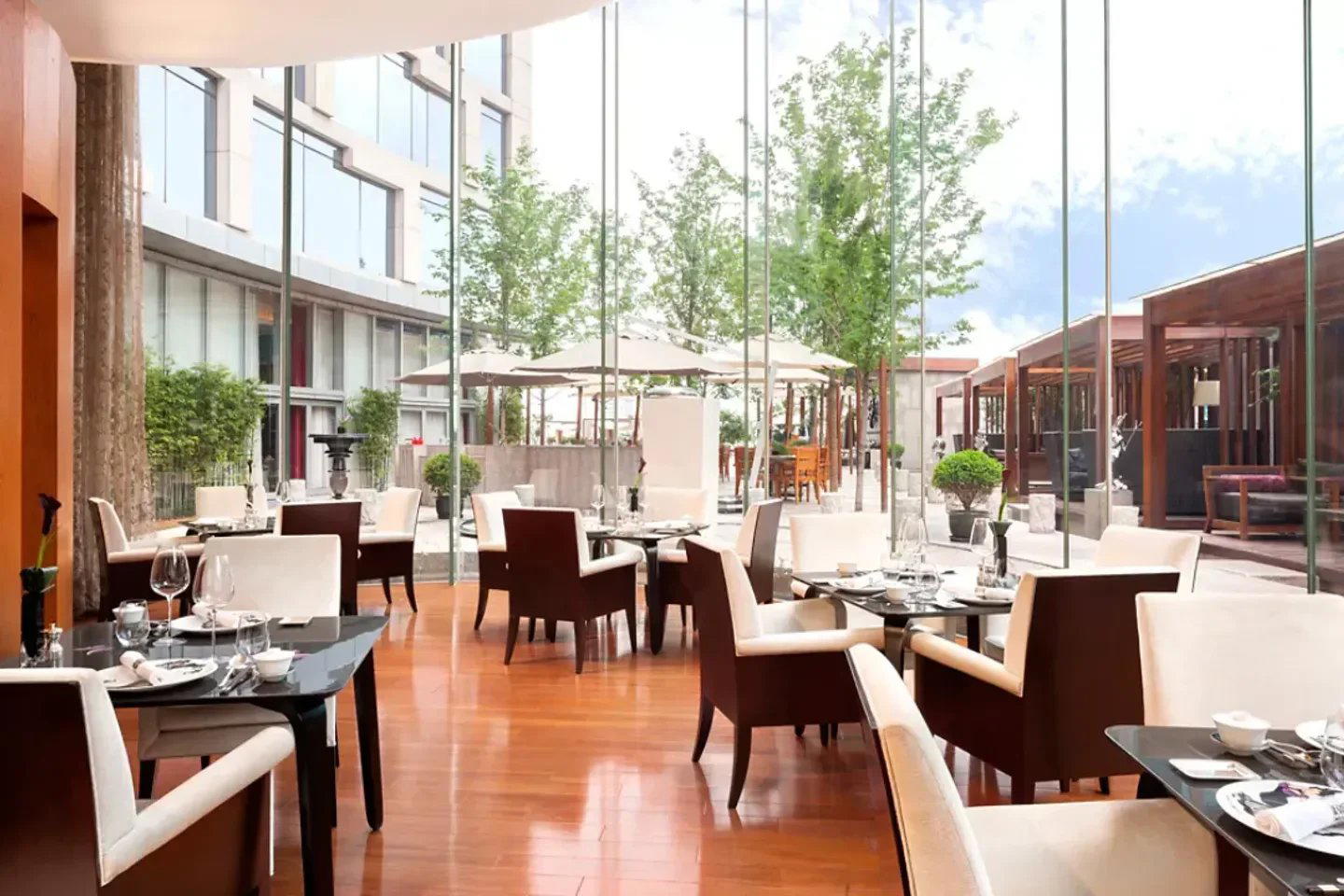
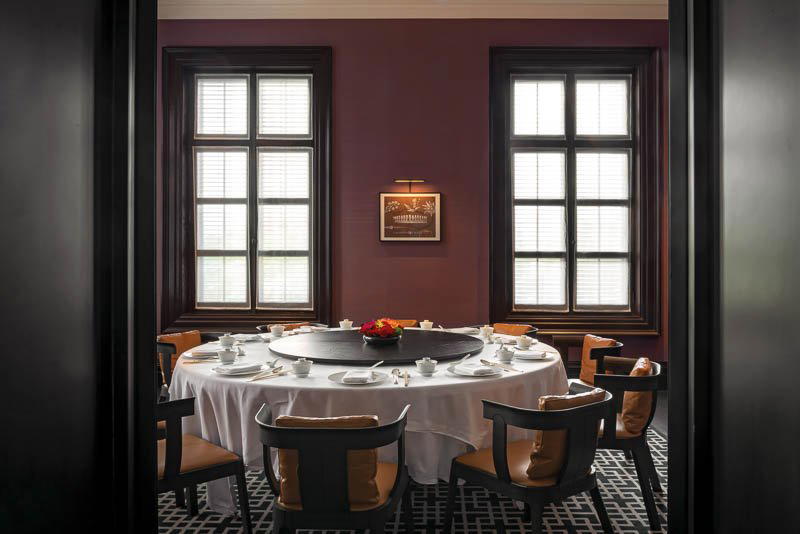
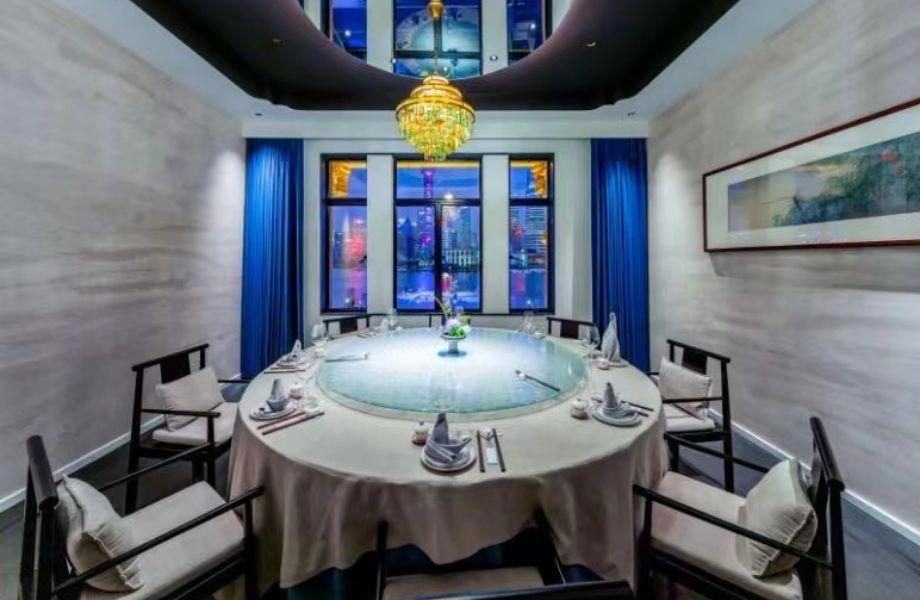
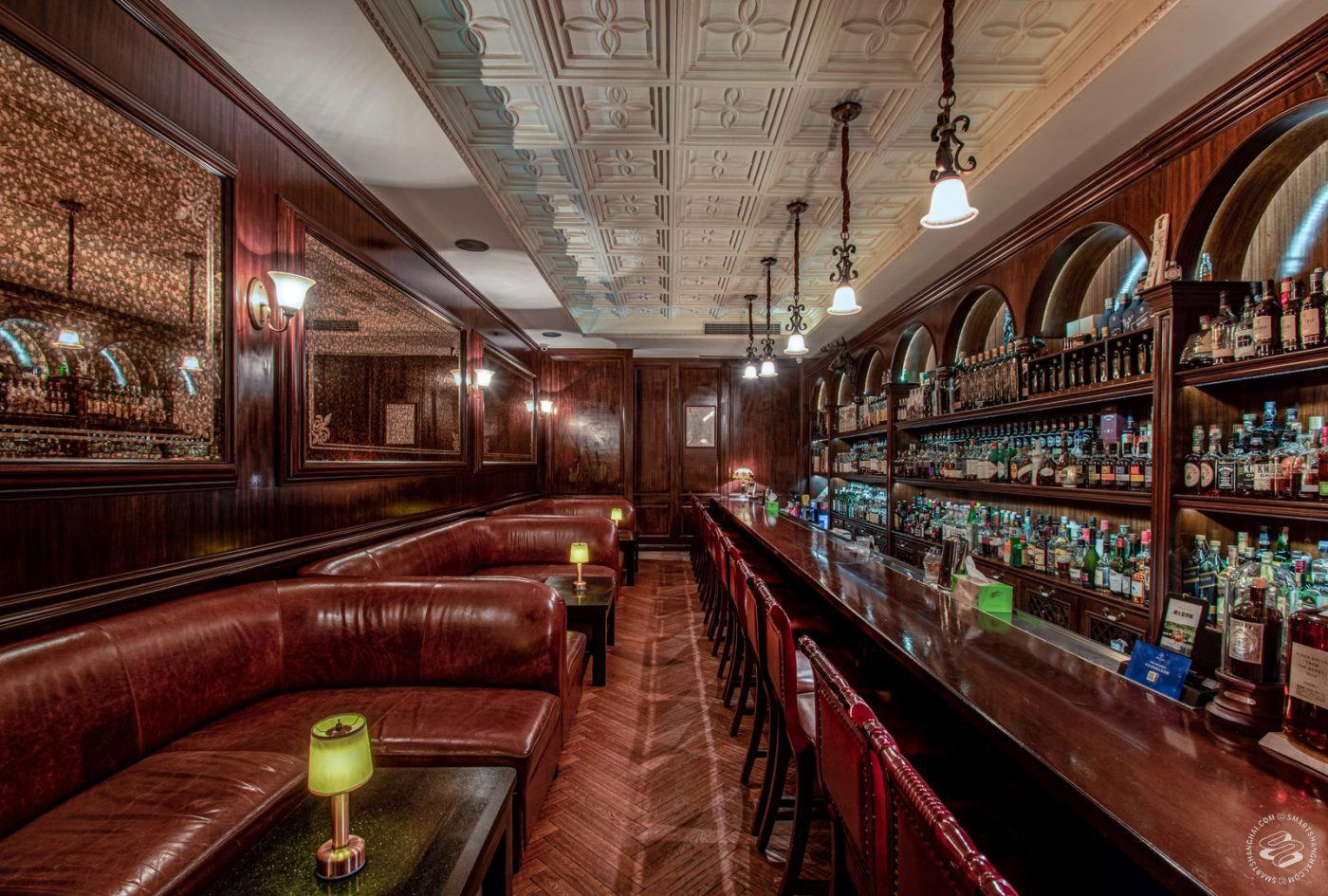
Inviting space with huge glass windows and ornate mahogany furniture, offering a classic and historic atmosphere.