
Star Wine List
On Wukang Road in Shanghai's former French Concession, Pudao occupies a dual role as wine shop and wine bar, with a name that translates from Mandarin as Wine Road. The format places serious bottle selection alongside the kind of atmosphere that invites staying longer than planned. For wine-focused evenings in Xuhui, it operates in a category of its own.

Pearl is the En Primeur Club membership app — saves, bookings, and concierge access live there. Same editors, same standards.
- Address
- 376 Wukang Rd, Xuhui District, Shanghai, China, 200031
- Phone
- +86 21 6090 7075
- Website
- pudaowines.com
- Directions
- Get directions
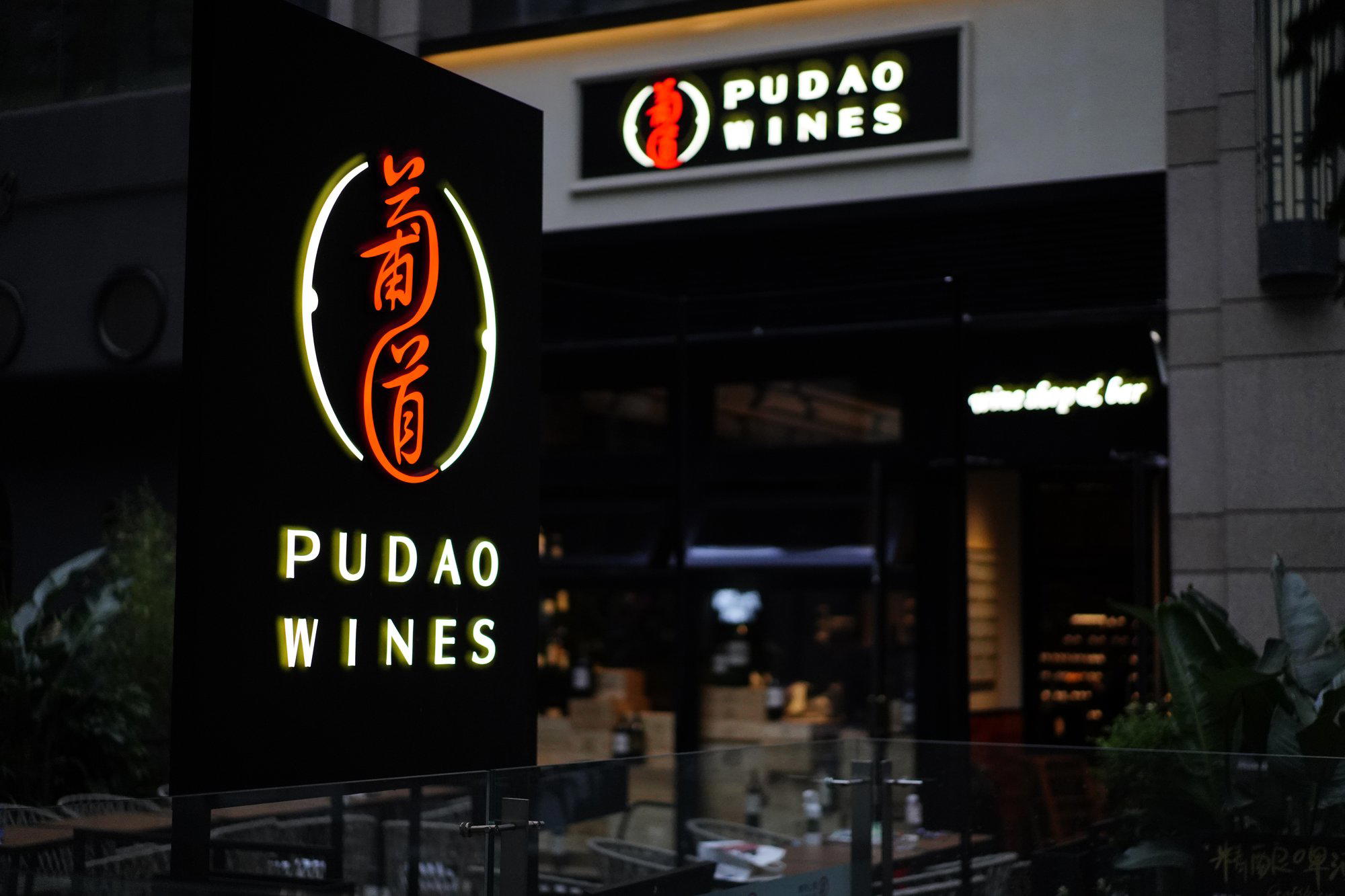
A Street That Sets the Tone
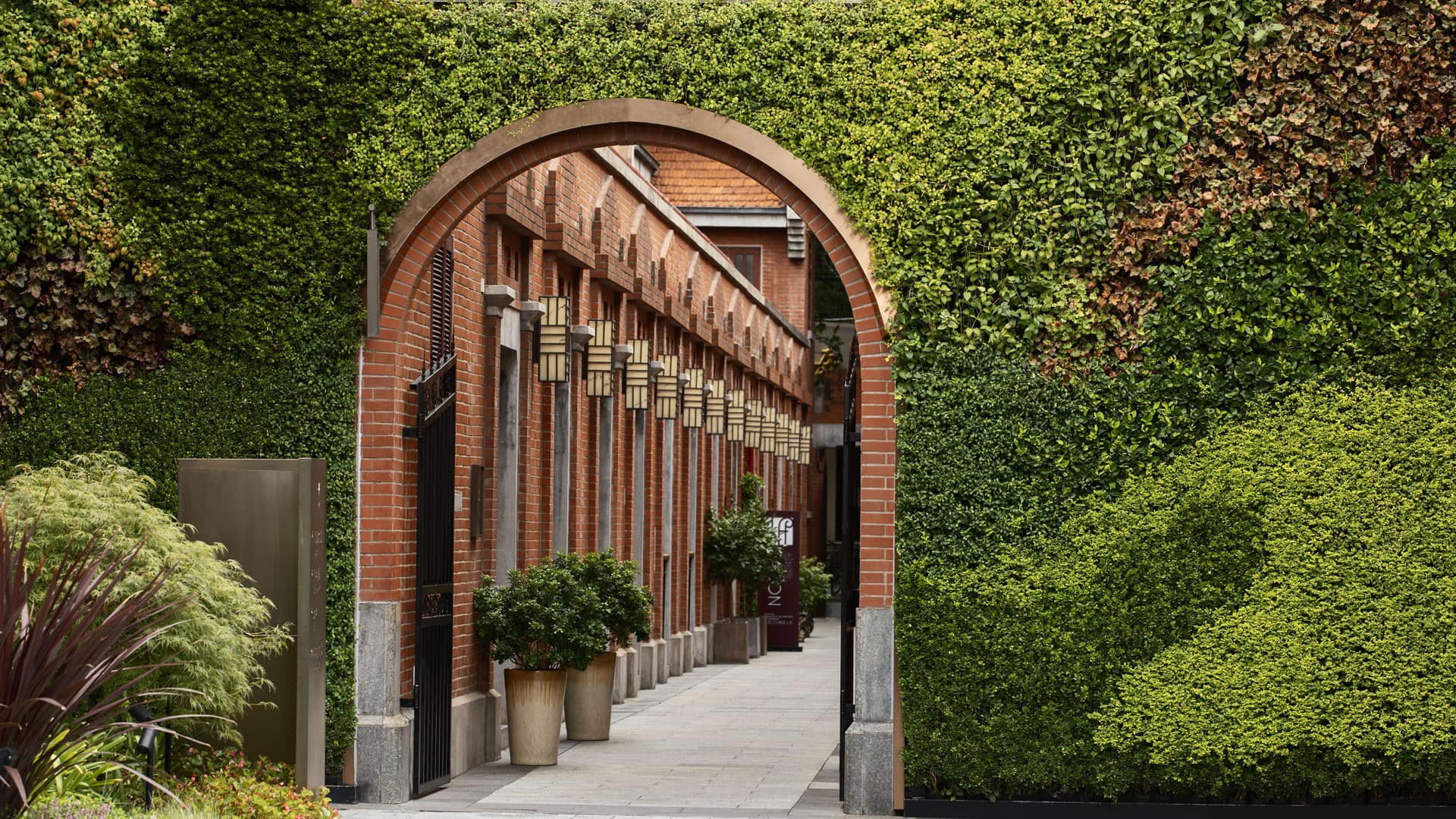
Wukang Road does not need much introduction to anyone who has spent time in Xuhui. The plane trees close overhead along the boulevard, the architecture shifts between Art Deco residential blocks and repurposed Republican-era villas, and the general effect is of a neighbourhood that became fashionable without entirely losing the quality that made it worth noticing in the first place. Within that context, a wine bar and shop combination reads as a natural fit: the street already draws the kind of foot traffic that thinks about where it drinks, not just where it eats.
Pudao sits inside that setting rather than against it. The name translates from Mandarin as Wine Road, a framing that signals something about its ambition from the start. This is not a venue that arrived with a cocktail program and an afterthought wine list. Wine is the architecture here, and the dual format, part retail shop, part bar, makes that structural intention visible before you have ordered anything.
The Format as Editorial Statement
The wine shop and wine bar combination is rarer in Shanghai than it might appear. The city has no shortage of venues where wine is available, but the hybrid retail-hospitality model requires a specific kind of operational commitment. Inventory has to serve two masters simultaneously: bottles displayed for purchase need to be good enough to order by the glass or carafe, and the bar selection needs to be honest enough that a guest might want to buy a case to take home. When the format works, it creates a self-reinforcing loop of credibility. When it does not, the two halves undermine each other.
Pudao was opened by a wine distributor, which goes some way toward explaining why the format holds together. A distributor background means the selection is built from sourcing relationships rather than assembled from a wholesaler catalogue. The practical consequence for a visitor is that the wine list is likely to carry labels that do not appear on standard restaurant lists across the city, and that the staff are positioned to explain why a given bottle is on the shelf rather than just where it comes from.
That kind of specificity matters in Shanghai's current wine culture, which has matured considerably over the past decade. The city's serious wine drinkers have moved past the brand-recognition phase that dominated early Chinese fine wine consumption. They are now asking questions about region, producer philosophy, and vintage variation. A venue built by someone who works upstream in the supply chain is better placed to answer those questions than most.
Where Pudao Sits in Shanghai's Drinking Scene
Shanghai's bar and drinking culture has developed along several parallel tracks. The cocktail-forward tier has its own infrastructure, with venues like Coa Shanghai, Constellation, Epic, and Pony Up each carving out distinct positions in terms of program depth, format, and price. The wine-specialist tier is smaller and quieter, which is not necessarily a disadvantage. It tends to attract a different guest: one who is less interested in the performance of drinking and more interested in what is actually in the glass.
Pudao's Wukang Road address places it in one of the city's most wine-receptive neighbourhoods. Xuhui draws an international residential population alongside Shanghai's domestic creative and professional class, both of which tend to have formed wine habits. The former French Concession, as a broader district, has historically been where the city's more considered food and drink operations concentrate, partly because the architecture supports smaller, more intimate formats, and partly because the pedestrian character of streets like Wukang and Yongkang encourages the kind of exploratory browsing that ends with someone pushing open a door they had not planned to.
For context on how the wider Chinese bar and drinking scene compares across cities, the picture is genuinely varied. Hope & Sesame in Guangzhou, Janes & Hooch in Beijing, Obsidian Bar in Shenzhen, and CMYK in Changsha each represent a local interpretation of serious drinking culture, and none of them look quite like each other. The hotel bar format adds another dimension: The Ritz-Carlton Bar & Lounge in Macau and FLAIR in Wuhan operate in a register that Pudao, as an independent specialist, does not compete with directly. The comparison that lands closest, in terms of format philosophy, might actually be something like Bar Leather Apron in Honolulu, where the focus on program depth over theatrical presentation puts the drink at the centre of the experience.
What the Retail-Bar Model Means for What You Drink
The menu architecture at a hybrid wine shop and bar is determined largely by what the owner believes in enough to stock in volume. At venues with a distributor at the helm, this tends to mean the selection skews toward producers where the relationship exists at the importer level rather than through secondary market acquisition. That has practical implications: the wines are more likely to arrive in good condition, at competitive prices relative to comparable city venues, and with continuity of supply that means a bottle you discover this visit can be found again next time.
The glass pour selection at any serious wine bar also functions as a kind of editorial argument. What gets opened and served by the glass reflects a judgment call about what the current vintage moment requires, which bottles show well without being decanted, and which price points make sense for casual consumption versus bottle orders. A distributor-backed operation has the margin flexibility to make those calls without defaulting entirely to commercial crowd-pleasers.
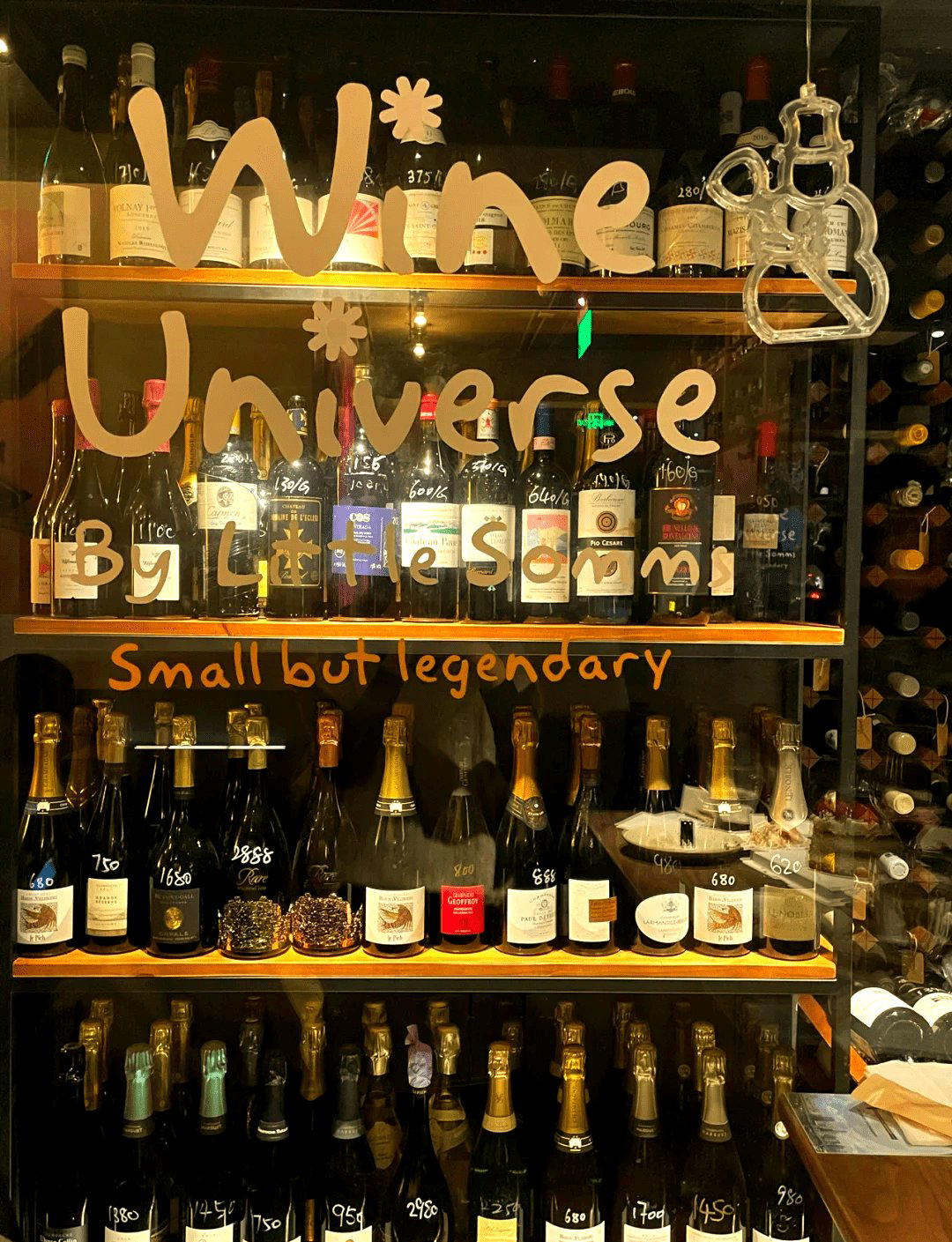
Physical experience of ordering at Pudao is inflected by the shop element. You can point at a shelf. You can ask about a label and receive an answer that comes from someone who placed the order for that case, not someone reading off a tablet script. That directness is a different proposition from the conventional restaurant wine service model, and for guests who find the sommelier theatre of formal restaurants more intimidating than illuminating, it functions as a significant practical advantage.
Planning a Visit
Accolades, Compared
| Venue | Price | Awards |
|---|---|---|
| PudaoThis venue — the venue you are viewing | Not listed | Star Wine List |
| Constellation | Not listed | World's 50 Best #42 |
| Epic | $10–20 | World's 50 Best #74 · Tatler Best Bars Asia-Pacific 2025 |
| Speak Low | $10–20 | World's 50 Best #50 · Top 500 Bars Best Bars #326 |
| Union Trading Company | Not listed | World's 50 Best #45 · Tatler Best Bars Asia-Pacific 2025 |
| The Odd Couple | $10–20 | World's 50 Best #38 |
Recognition history
Dated appearances from independent guides and award organizations, with the underlying list record or original source where available.
Star Wine List
Star Wine List

Details
- Romantic
- Cozy
- Elegant
- Sophisticated
- Date Night
- Casual Hangout
- Terrace
- Lounge Seating
- Outdoor Terrace
- Natural Wine
- Conventional Wine
- Street Scene
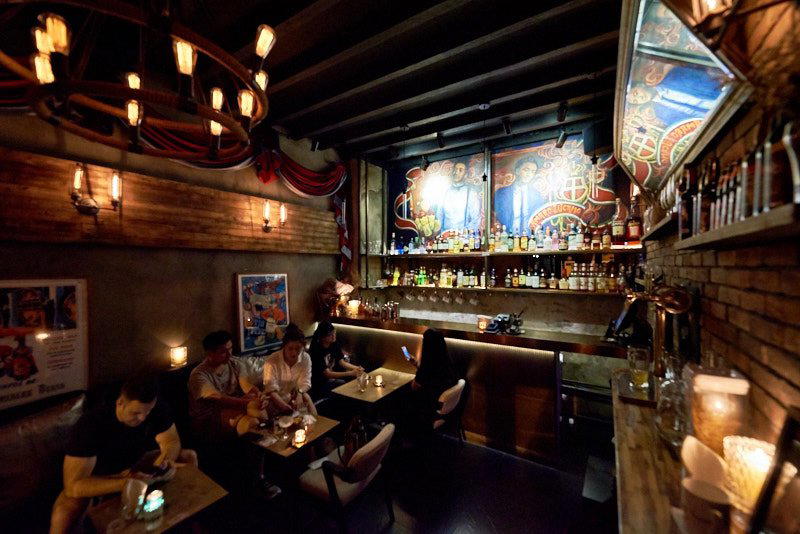
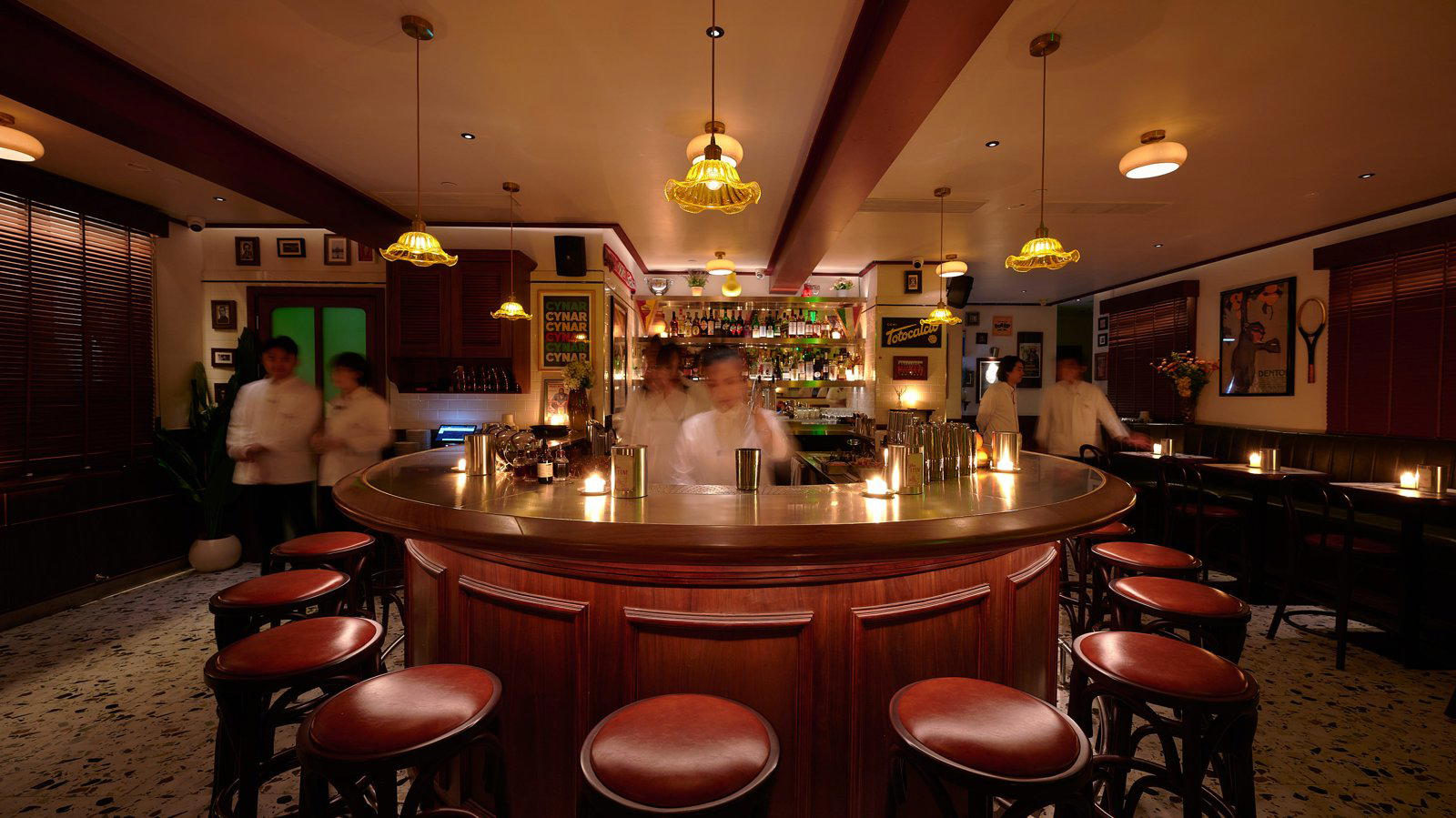
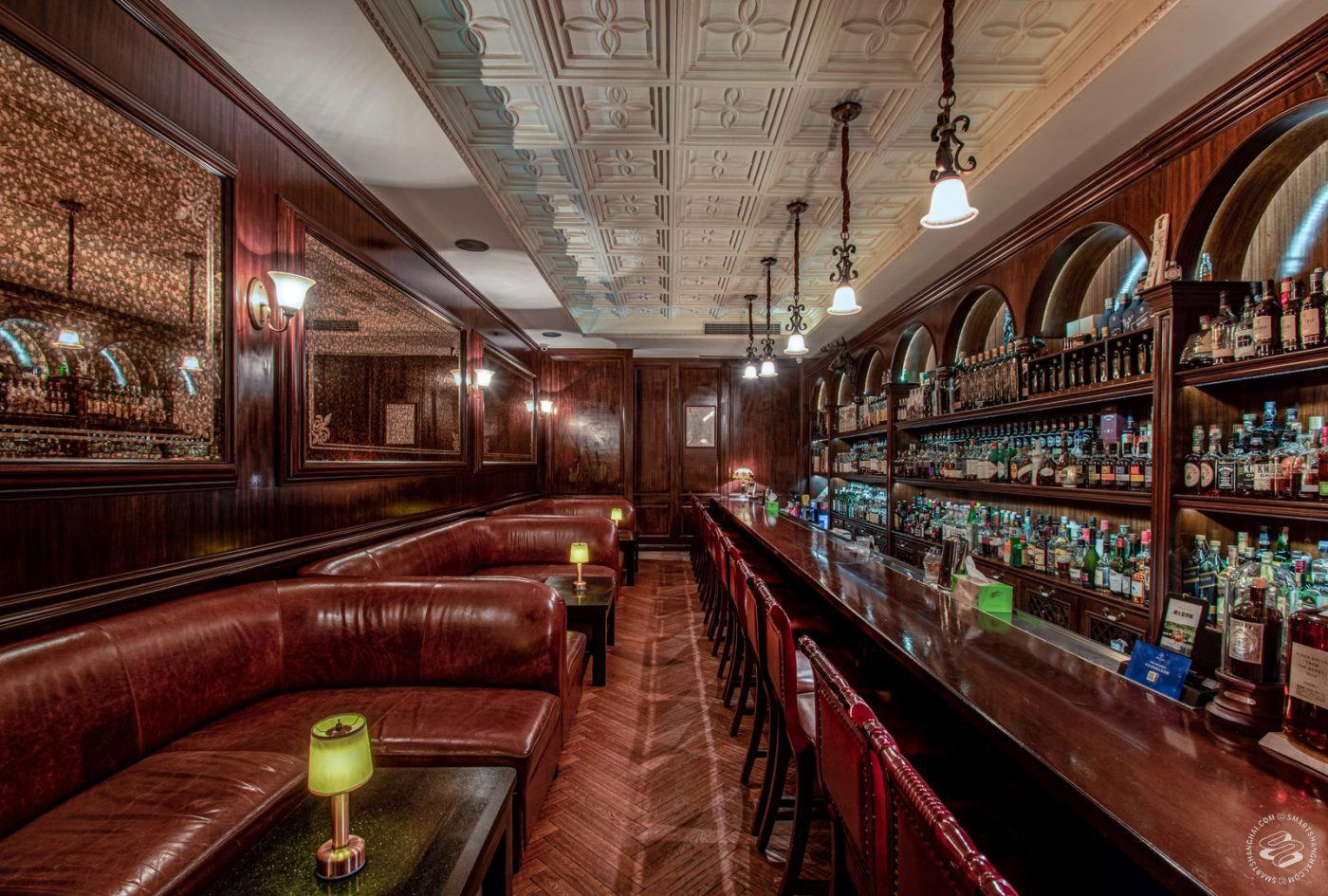
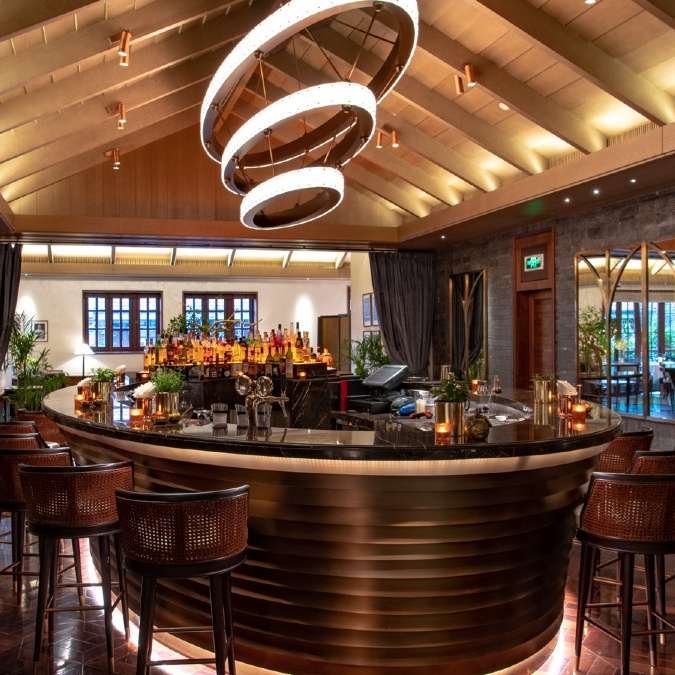
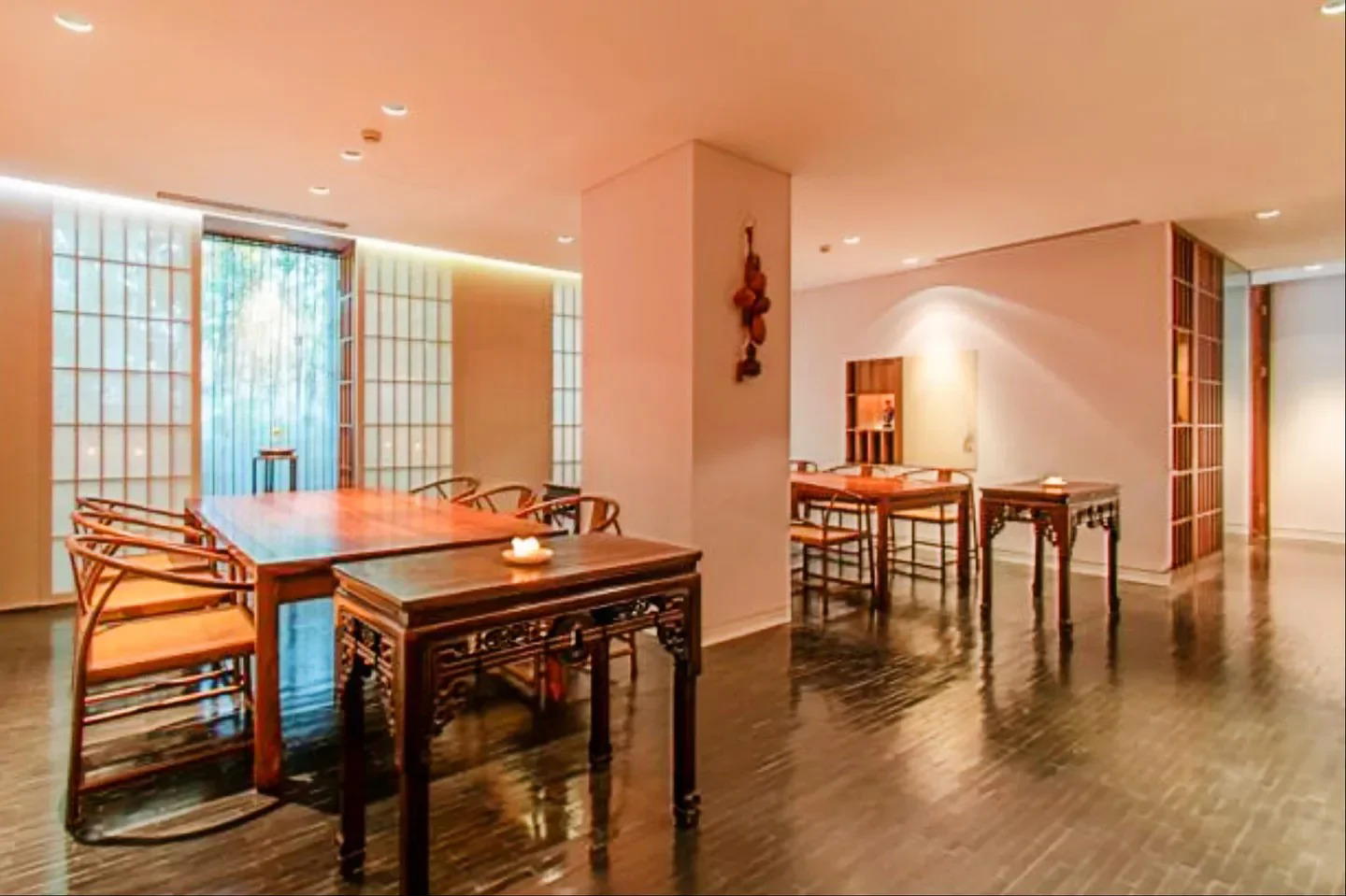
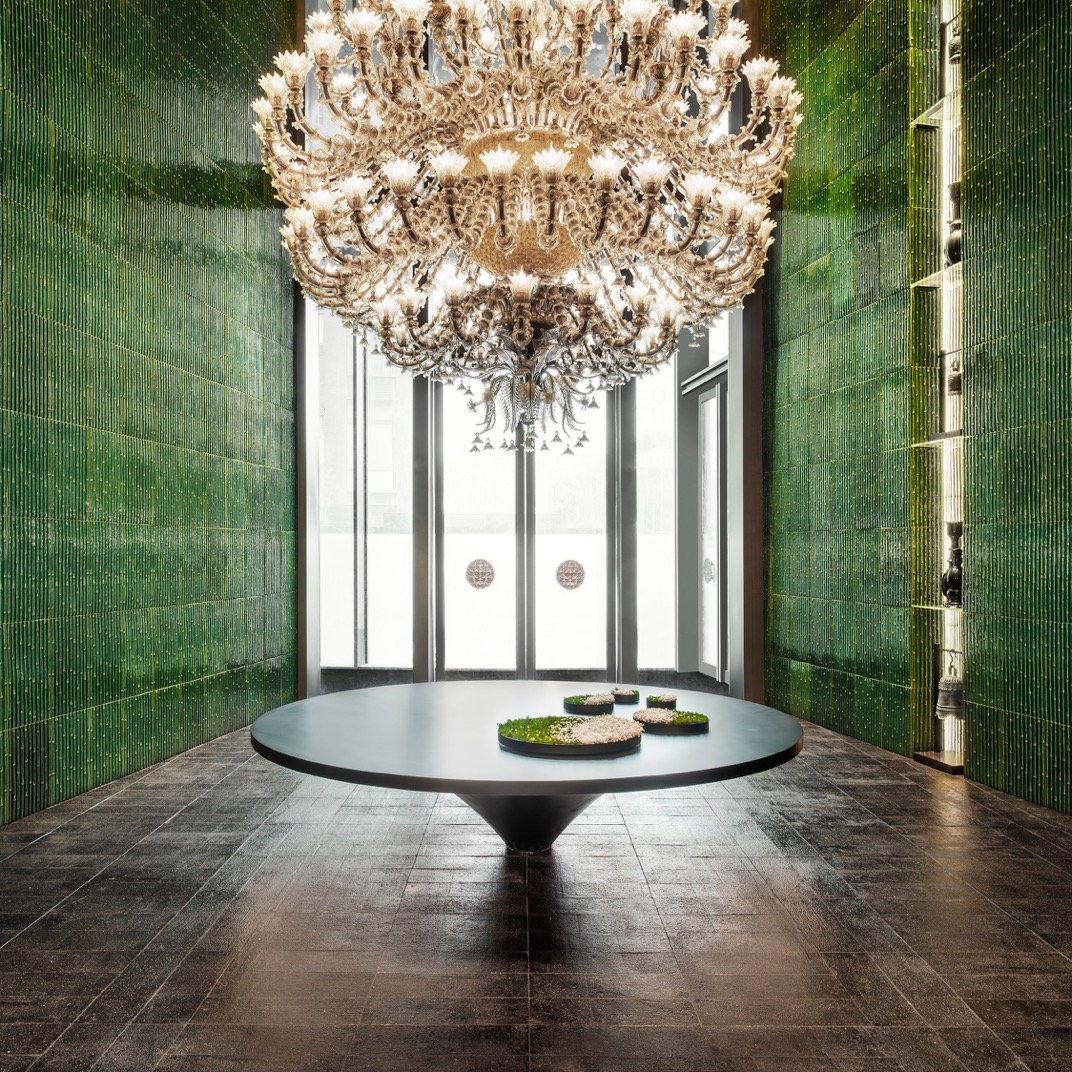
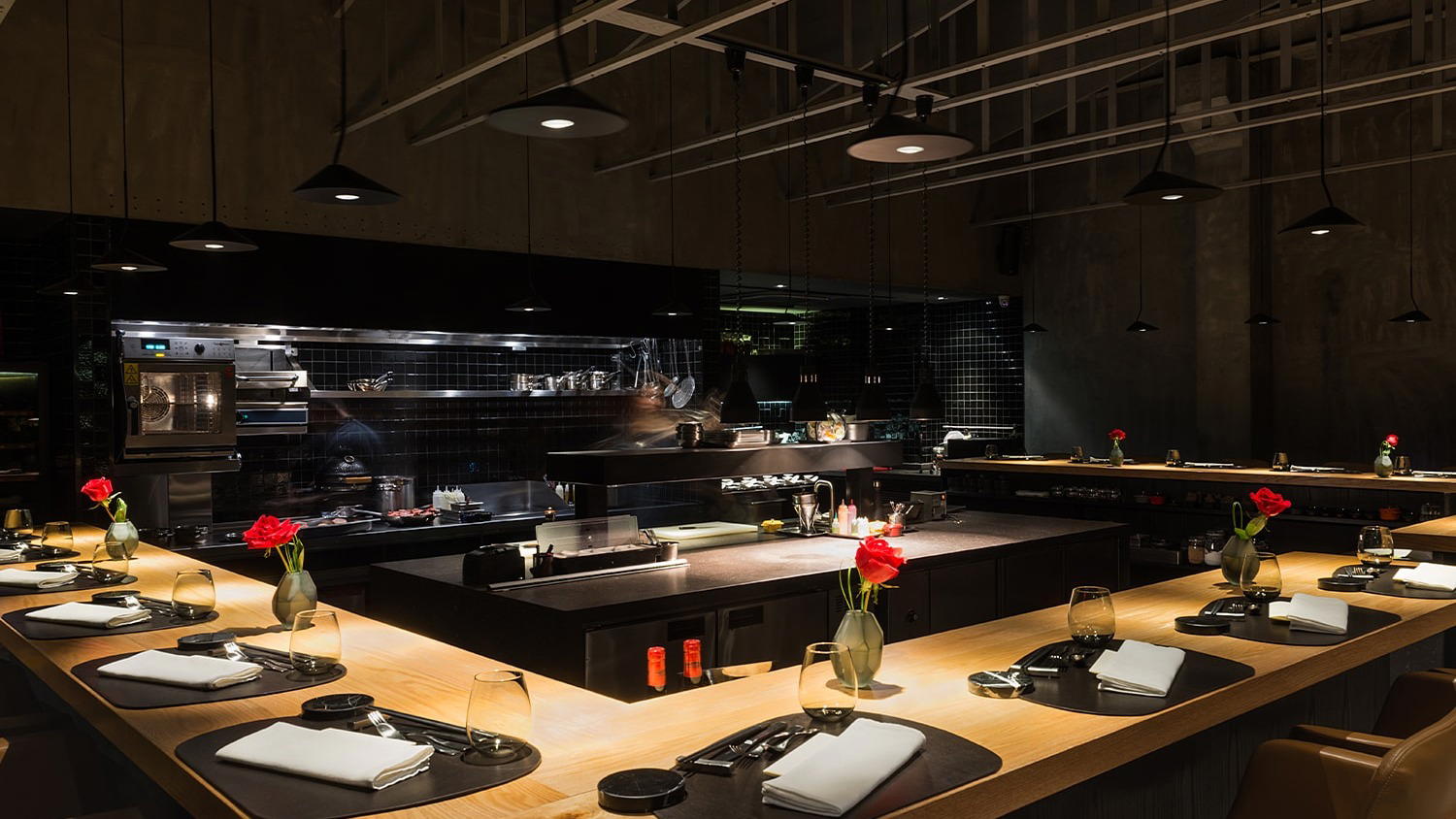
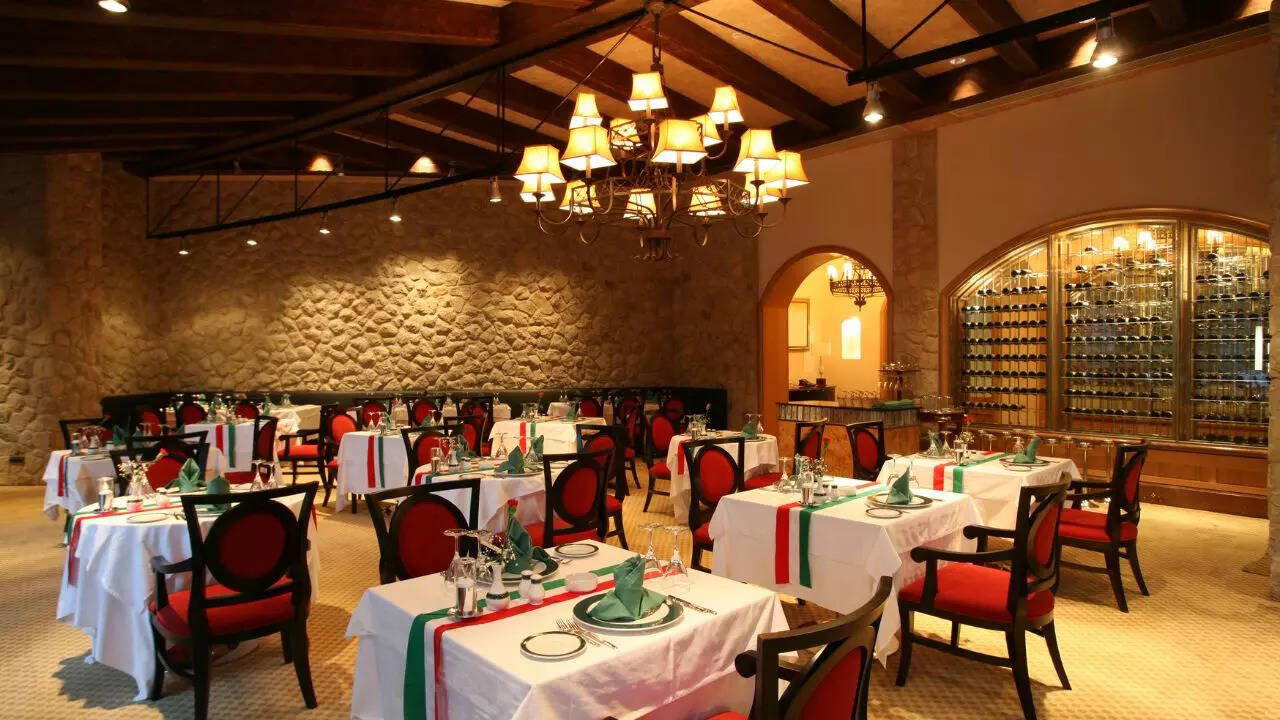
Dimly lit wooden house structure with a romantic, petty bourgeoisie literary atmosphere, enhanced by wine displays and sommelier guidance.