扬州饭店 serves Ningbo Cuisine at 345 Fujian Rd (M), Huangpu, Shanghai, China, 200001; the quiet, casual room fits a dinner plan with standard pacing.
Pearl is the En Primeur Club membership app — saves, bookings, and concierge access live there. Same editors, same standards.
- Address
- 345 Fujian Rd (M), Huangpu, Shanghai, China, 200001
- Phone
- +86 21 6322 5266
- Directions
- Get directions
 Saves & bookings on Pearl
A Fujian Road Address in the Context of Shanghai’s Occasion Dining Scene
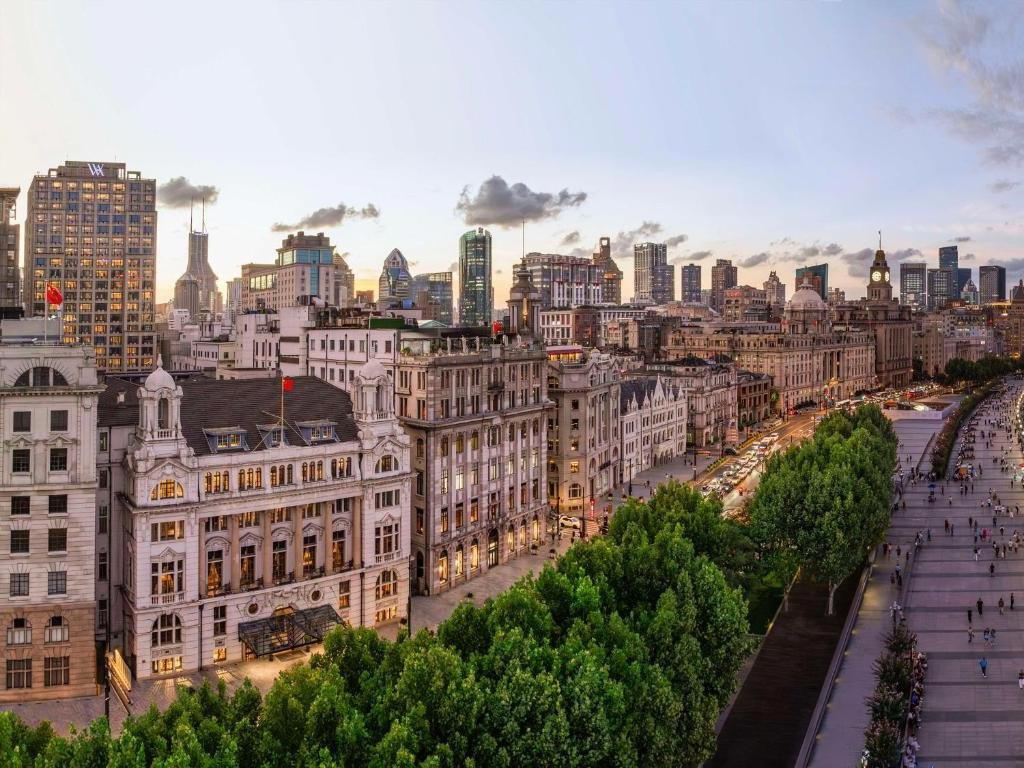
Huangpu sits at the center of Shanghai’s more formal dining geography. The district carries the weight of the Bund, the historic commercial avenues, and a density of restaurants where occasion dining, not casual dropping-in, sets the tempo. On Fujian Road (M), that context is specific: the street runs through a part of central Shanghai where the built environment still holds traces of the Republican-era city, and where the expectation around a meal tends toward ceremony. 扬州饭店 is a restaurant in Shanghai, at 345 Fujian Rd (M), Huangpu, and it serves Ningbo Cuisine.
Shanghai’s premium Chinese dining tier has grown more segmented over the past decade. Cantonese houses such as 102 House compete at the high end of the Cantonese register, while innovation-driven rooms like Taian Table attract diners drawn to modern European technique applied to Chinese ingredients. Vegetarian fine dining, anchored by venues like Fu He Hui, occupies its own niche. 本川饭店 sits within this broader picture as a Huangpu establishment whose Fujian Road presence connects it to the city’s older, more institution-oriented dining tradition rather than to the newer, chef-driven wave emanating from Jing’an or Xuhui.
The Physical Setting and What It Signals
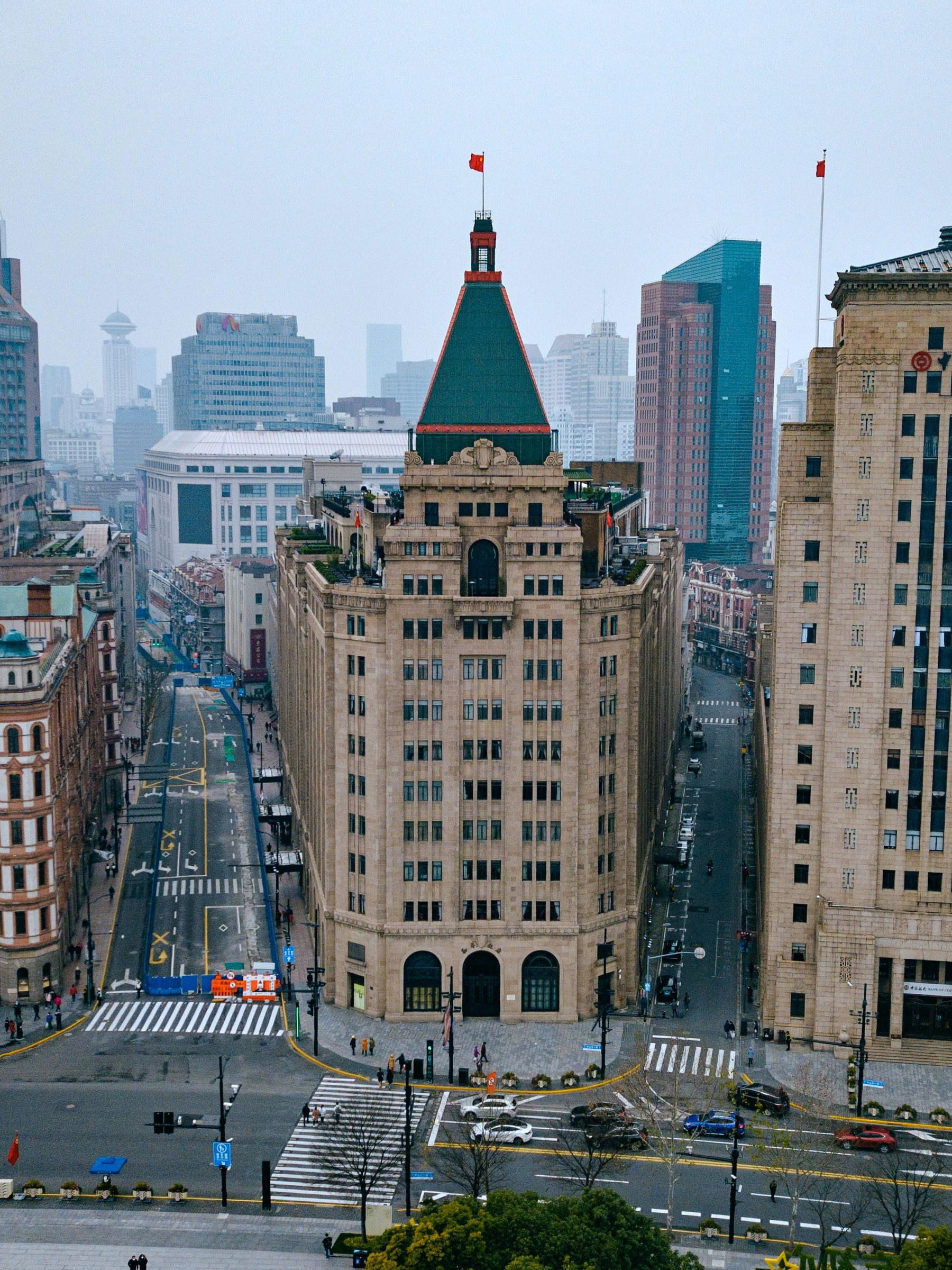
Arriving at a restaurant in central Huangpu carries a particular quality in Shanghai. The streets in this part of the district are narrower than the broad boulevards further west, and the buildings tend toward the low-rise and the functional. Walking toward No. 345, the surrounding blocks set a tone that is urban and unhurried rather than polished and international. For an occasion dinner, that understatement can work in a venue’s favor: the shift from street-level Shanghai into a formal dining room carries more weight when the exterior does not pre-announce itself through spectacle.
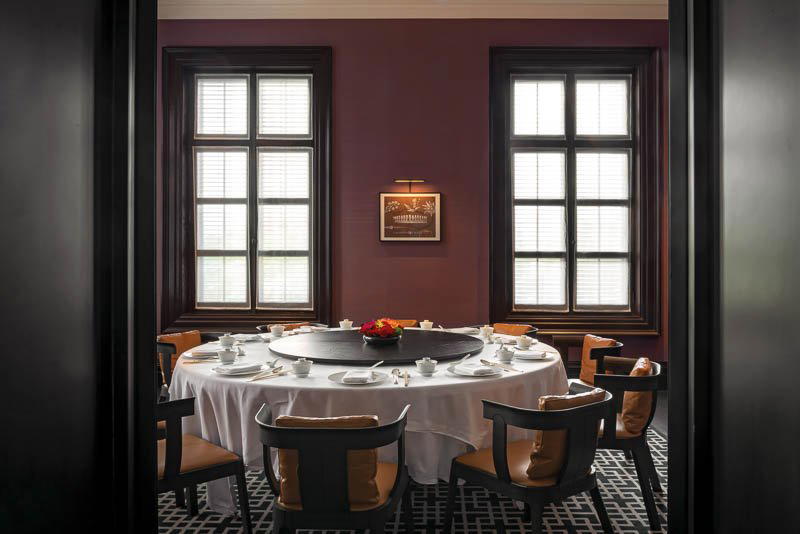
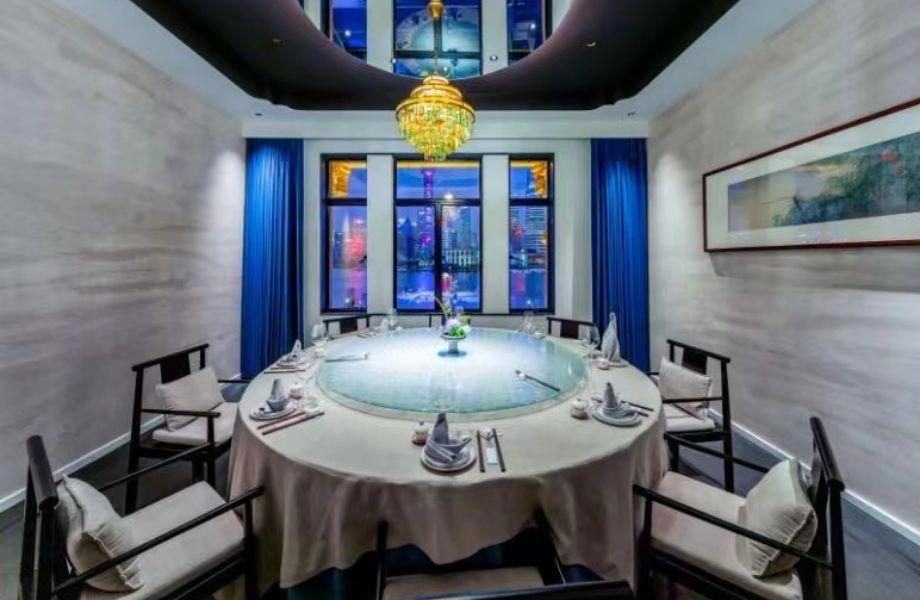
Chinese restaurant design in this tier of Shanghai dining typically prioritizes private rooms over open dining halls. The private room format matters for occasions specifically because it allows conversation to govern the pace of a meal rather than the ambient noise of a busy service floor. Across the regional Chinese fine dining circuit, from Xin Rong Ji on West Nanjing Road in Shanghai to Xin Rong Ji in Beijing and Xin Rong Ji in Chengdu, the private room has remained the structural backbone of how Chinese families and business groups mark significant meals. That tradition shapes what diners should expect at 本川饭店 as well.
Occasion Dining in Shanghai: What the Category Demands
Planning a celebration or milestone meal in Shanghai requires a clearer set of decisions than in many other cities. The distinction between cuisine type, price tier, room format, and booking lead time each carries more consequence here because the range of available options is larger and the differences between them are more pronounced. At the Italian end of the Huangpu spectrum, venues like 8½ Otto e Mezzo Bombana operate with Michelin recognition and international name recognition built over years of consistent service. Chinese dining at a comparable investment level operates on different signals: kitchen lineage, regional specificity, and the depth of the seasonal menu tend to matter more than international press.
For context across the Yangtze Delta dining region, the occasion dining format has produced several strong addresses. Ru Yuan in Hangzhou, Dingshan·Jiangyan in Suzhou, and Dai Yuet Heen in Nanjing each represent how premium Chinese dining has developed distinctive local identities within a few hours of Shanghai. Across that geography, the venues that hold their position in the occasion category tend to share a set of operational qualities: consistent kitchen discipline across multiple seasons, deep wine or baijiu programs matched to formal banqueting formats, and service teams trained to manage the pacing of long, multi-course meals.
Where 本川饭店 Sits Relative to Peers
What the address and district can support is a reasonable inference about positioning. A restaurant operating at 345 Fujian Road (M) in Huangpu is not operating in a neighborhood associated with budget dining or tourist-oriented quick service. The district’s dining addresses in this part of the grid tend to pitch at mid-to-upper tiers of the local market, which for Chinese occasion dining in Shanghai means rooms, service, and kitchen output calibrated to the expectations of corporate banqueting and family milestone meals. That positions 本川饭店 within a competitive set that includes both the older Shanghainese banquet houses and the newer private kitchen formats that have expanded the city’s premium Chinese offering over the past decade.
For readers comparing across the broader China circuit, the occasion dining category is well-represented at venues like Chef Tam’s Seasons in Macau, Imperial Treasure Fine Chinese Cuisine in Guangzhou, and Shang Palace in Yangzhou. Each of these operates in a distinct regional tradition, and the differences between them are instructive for anyone planning a significant dinner and thinking seriously about what a formal Chinese meal in each city actually delivers.
Planning a Visit
The Huangpu address at 345 Fujian Road (M) is accessible by metro via lines that serve the People’s Square interchange, the connected node in the central Shanghai system and within walking distance of this part of Fujian Road. For occasion dining at restaurants in this part of the city, the venue is walk-in friendly. Diners comparing premium room-format Chinese dining across Shanghai and beyond might also note Fleurs Et Festin in Xiamen and Jiangnan Wok·Rong in Fuzhou as data points in the regional comparison.
Pricing, Compared
Comparable venues nearby, for context on price, style, and recognition.
| Venue | Cuisine | Price | Notes |
|---|---|---|---|
| 扬州饭店This venue — the venue you are viewing | Huangpu, Ningbo Cuisine | Not listed | Not listed |
| An Fu Lu | Da Pu Qiao, Cantonese Dim Sum | $$ | Not listed |
| èæ£å ´èé¦ | Huangpu, Old Zheng Market Vegetable Hall | Not listed | Not listed |
| Fuchun Xiaolong | Not listed | $$ | Jing An Si, Traditional Shanghainese Xiao Long Bao |
| Linhu Vegetarian | Xujiahui, Modern Vegetarian Chinese | $$ | Not listed |
| WANYAN | Not listed | $$$ | Changning, Refined Hui (Anhui) Cuisine |
At a Glance
traditional Chinese dining atmosphere