Our verdict
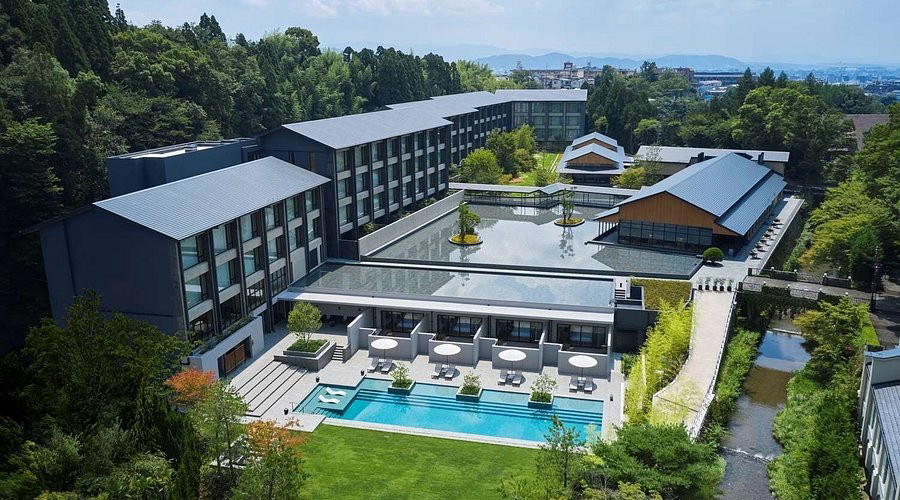
Aman Kyoto sits in a forested valley at the base of Okitayama, where the Aman group's signature restraint meets one of Japan's most demanding hospitality contexts. The property operates in a tier where the cooking tradition, the sourcing philosophy, and the physical setting are inseparable — placing it in direct conversation with Kyoto's established kaiseki houses rather than the international luxury hotel circuit.

Pearl is the En Primeur Club membership app — saves, bookings, and concierge access live there. Same editors, same standards.
- Address
- 1 Okitayama Washimine-cho, Kita Ward, Kyoto, 603-8458, Japan
- Phone
- +81754961333
- Website
- aman.com
- Directions
- Get directions
- Booking
- Book on the venue's website
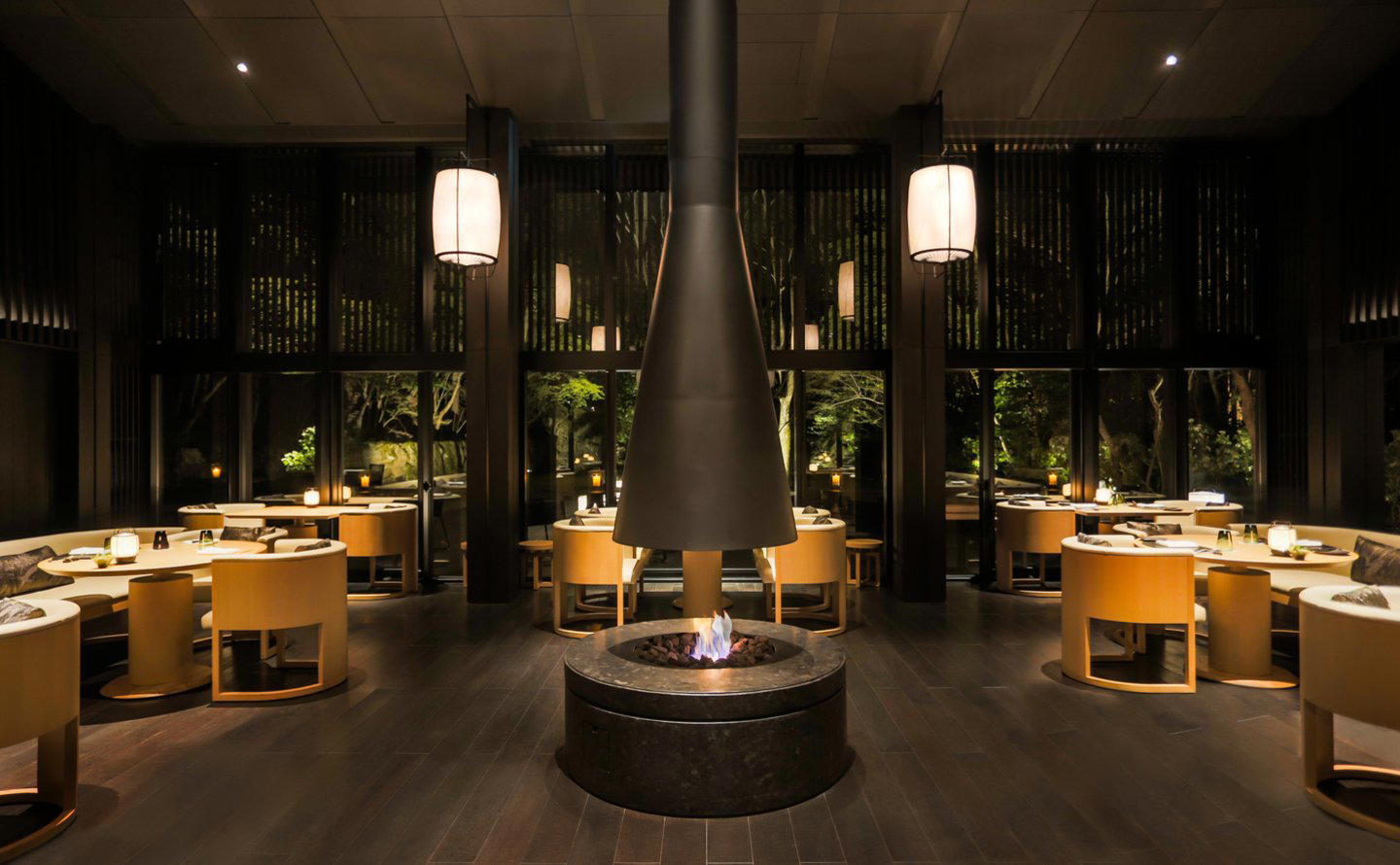
Forest, Stone, and the Weight of Kyoto's Kitchen Tradition
Approaching from Kita Ward, the city's northern edge, the shift is gradual but deliberate. The urban grain thins, the cedar density increases, and by the time the entrance comes into view, the Aman Kyoto has already made its argument: this is not a hotel that competes with Kyoto's street-level dining scene. It operates in a different register entirely, one where the provenance of the ingredients arrives before the food does, carried by the landscape itself.
Kyoto's culinary identity is grounded in shun — the concept of peak-season precision — and in kaiseki, the multi-course format that evolved from tea ceremony culture and now defines how the city's most serious kitchens signal their seriousness. Properties like Gion Sasaki and Kikunoi Honten have built their reputations over decades by treating ingredient sourcing not as a talking point but as the structural logic of their menus. The Aman Kyoto enters that tradition from a different angle: a property whose physical setting in a preserved forest corridor makes the sourcing argument spatially, before a single dish reaches the table.
Where the Ingredients Come From, and Why That Question Shapes Everything
The cooking traditions Kyoto exports to the world, the broths built from kelp harvested in Hokkaido, the yuba from tofu makers in Fushimi, the pickles from Nishiki's centuries-old producers, the mountain vegetables that appear for six weeks and then vanish, are not decorative details. They are load-bearing elements in a culinary logic that prioritises restraint, timing, and the acknowledgment that the ingredient's peak is fleeting.
For a property positioned at the forest's edge, proximity to that agricultural and foraging calendar is a material advantage. Kyoto's northern mountain zone, which the property adjoins, has historically supplied urban kitchens with sansai (mountain vegetables), bamboo shoots, and foraged mushrooms that appear at specific points in the seasonal calendar. The leading kaiseki counters in the city, Hyotei, Mizai, and Isshisoden Nakamura, treat those ingredients as primary sources, not garnishes.
That sourcing logic also connects to a wider Japan-wide pattern. At HAJIME in Osaka, the sourcing structure is built around ecological provenance. At Goh in Fukuoka, hyperlocal Kyushu ingredients anchor the menu against international technique. Even at Harutaka in Tokyo, the premium sushi counter's credibility rests substantially on fish sourcing relationships. Across Japan's highest-tier dining, the question of where the ingredient came from functions as a trust signal, not a marketing claim.
The Aman Format and Its Relationship to Kyoto's Dining Tier
The Aman group has built its global identity around low key counts, high spatial ratios, and a studied avoidance of the amenities-dense luxury hotel model. In Kyoto, that translates to a property that reads less like an international hotel operating in Japan and more like a ryokan at scale, a comparison that carries precise meaning in a city where traditional inn culture remains a living standard.
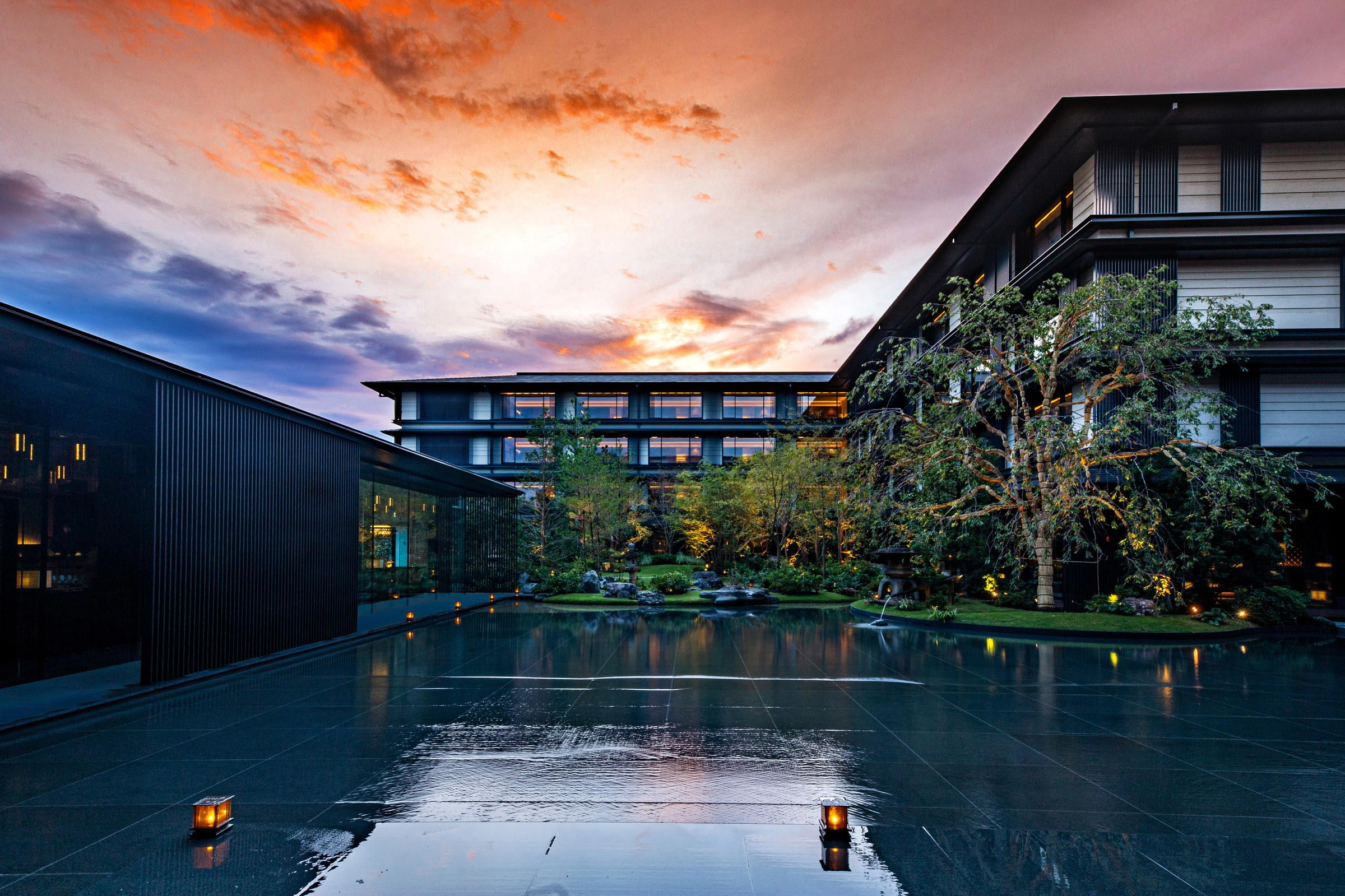
Kyoto's top-tier hospitality now splits between two broad formats: the multi-generational machiya conversion and the purpose-built design property with significant capital behind its materials and landscaping. The Aman Kyoto belongs to the second category, with a site-specific design that places stone, water, and preserved forest at the centre of the spatial experience. That design logic serves the sourcing narrative directly: the environment the guest moves through is continuous with the environment from which the kitchen's seasonal produce originates.
For comparison, properties of similar spatial ambition in the Kansai region include akordu in Nara, which translates a high-design hospitality approach into a different prefectural food tradition. The contrast is useful: Nara's ingredient story runs toward fermented and temple-adjacent food culture, while Kyoto's runs toward the precision of dashi culture and the hierarchy of seasonal sequence.
Kyoto's Kitchen Calendar and How It Structures the Visit
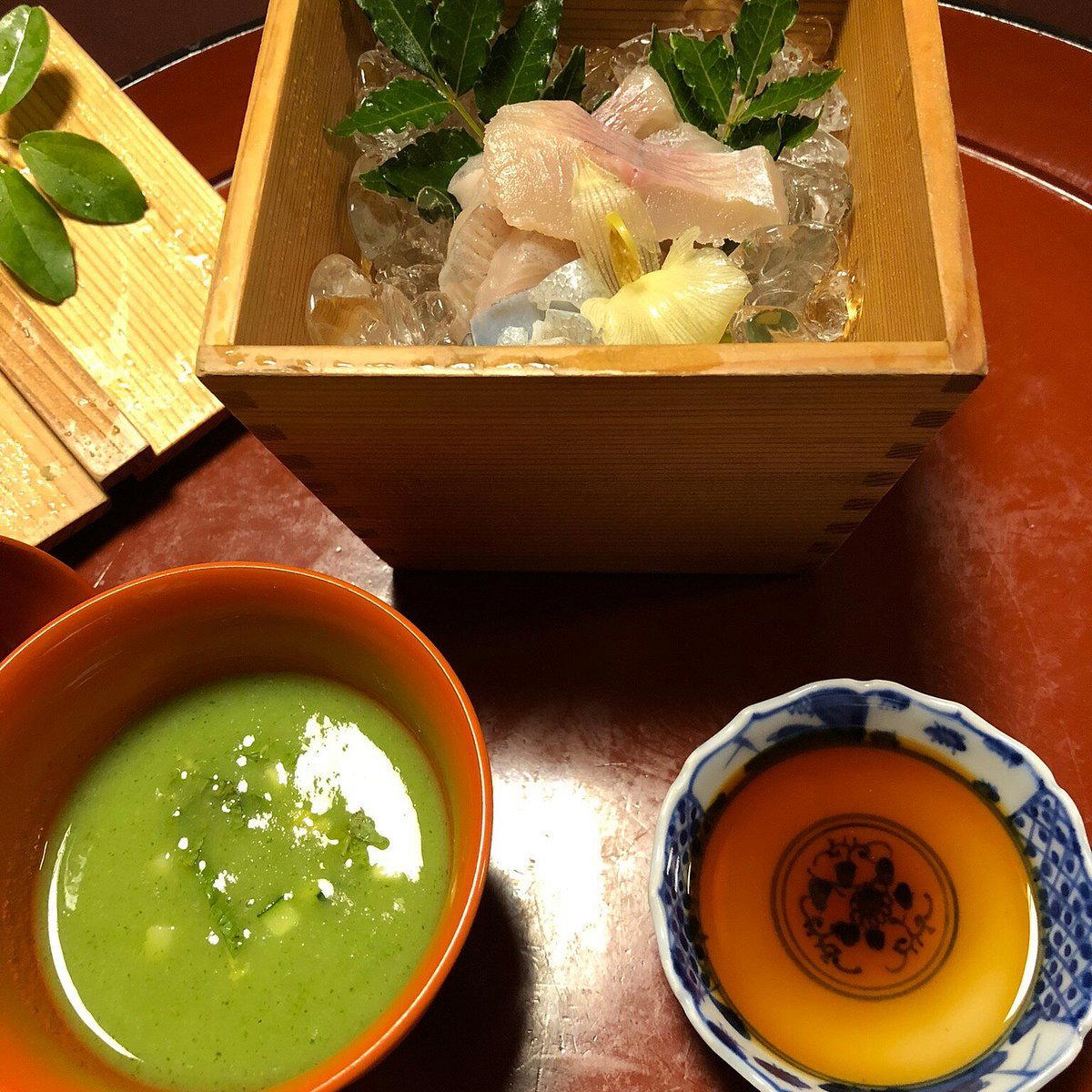
Timing a visit to Kyoto's highest-tier kitchens requires treating the seasonal calendar as the primary variable. Spring brings bamboo shoots from the western hills around Arashiyama and Ohara, a period when kaiseki menus shift almost weekly to accommodate rapid transitions between early, mid, and late shoot harvests. Summer introduces hamo (pike conger), a technically demanding fish preparation associated specifically with Gion Festival season and sold as a culinary marker of midsummer Kyoto. Autumn turns toward matsutake mushrooms, a sourcing exercise that involves dedicated foraging networks and prices that track supply volatility closely. Winter narrows toward root vegetables, citrus from the Kii Peninsula, and the long braise preparations that suit cold months.
For visitors whose primary interest is ingredient provenance rather than chef reputation or awards tier, the optimal window is either late March through April or October through November, the two periods when the gap between what is available and what is ordinary is widest. Beyond Kyoto, properties in cities like Akita and Oita offer equally season-driven culinary experiences, but without Kyoto's particular confluence of agricultural diversity and formal cooking tradition.
Planning Your Stay
The Aman Kyoto sits at 1 Okitayama Washimine-cho in Kita Ward, a location that places it north of the central city and adjacent to the preserved forest grounds of a historic shrine complex. Access from Kyoto Station requires a taxi or private transfer; the address is not served by standard transit routes, which functions as part of the deliberate sense of remove from the city's tourism circuits. Bookings for Aman properties globally operate through advance reservation, and Kyoto's limited room count means availability at high-season dates narrows considerably. The full Kyoto restaurants guide covers the city's kaiseki tier and neighbourhood dining in greater depth for guests planning their wider itinerary.
Frequently Asked Questions
What should I eat at Aman Kyoto?
The Aman Kyoto's kitchen operates within Kyoto's broader ingredient tradition, where seasonal sourcing from mountain and sea defines the menu's structure rather than individual dish signatures. The strongest framing is to align your visit with the seasonal calendar: spring bamboo shoots, summer pike conger, autumn matsutake, and winter root preparations each represent the city's culinary tradition at its most specific. For the full kaiseki context, Gion Sasaki and Kikunoi Honten remain the reference points for how Kyoto's leading kitchens deploy those same ingredients.
Do they take walk-ins at Aman Kyoto?
Aman Kyoto operates as a closed, reservation-based property in one of Japan's most competitive hospitality markets. Walk-in access to the dining facilities is not the standard model for properties at this tier in Kyoto, comparable to how Mizai and Hyotei operate on reservation-only formats with lead times measured in weeks or months. Guests planning a visit should treat advance booking as a structural requirement, not a formality, particularly during cherry blossom season (late March to mid-April) and autumn foliage peak (mid-November).
How does Aman Kyoto's location in Kita Ward compare to the city's central kaiseki district?
Kita Ward places the property several kilometres north of Gion and Higashiyama, where many of Kyoto's most-discussed kaiseki counters are concentrated. That distance is deliberate: the northern forest corridor offers a spatial and sensory remove from the central city that reinforces the property's sourcing identity, since the same mountain zone supplies foraged ingredients to kitchens across the city. Guests whose itinerary includes dining at counters like Isshisoden Nakamura or exploring the broader Kansai region through venues like Abon in Ashiya should plan for private transfers rather than expecting walkable access between the property and the city's central dining geography.
Frequently asked questions
How do I find Aman Kyoto?
Aman Kyoto is located at 1 Okitayama Washimine-cho, Kita Ward, Kyoto, 603-8458, Japan, Kyoto.
How does Aman Kyoto's location in Kita Ward differ from central Kyoto hotels?
Kita Ward sits at the northern edge of the city, where the urban density gives way to preserved cedar forest rather than the commercial corridors around Gion or the station. Aman Kyoto at 1 Okitayama Washimine-cho is adjacent to that forest buffer, which separates it physically and atmospherically from the central hotel tier. For guests whose priority is proximity to Nishiki Market or Gion dining, the distance is a real consideration; for those visiting the northern temples and prioritising quiet, it is the defining advantage.
What should I eat at Aman Kyoto?
Aman Kyoto's kitchen works within the Kyoto culinary framework that shaped the city's dining reputation: dashi-led broths, yuba sourced from Fushimi tofu makers, and vegetables that follow the seasonal calendar rather than a fixed menu. Spring visits coincide with bamboo shoot season from the surrounding northern hills; autumn shifts the focus to mushrooms and root vegetables. The property's location in Kita Ward places it close to the ingredient sources that define this tier of Kyoto cooking.
Do they take walk-ins at Aman Kyoto?
Aman properties globally operate on reservation models calibrated to their low guest counts, and Kyoto is no exception. Dining at Aman Kyoto is structured around the stay, meaning the kitchen prioritises guests of the hotel rather than outside diners. check the venue's official channels at 1 Okitayama Washimine-cho, Kita Ward, to confirm availability and access for non-staying guests.
At-a-Glance Comparison
| Venue | Cuisine | Price | Awards | Notes |
|---|---|---|---|---|
| Aman KyotoThis venue — the venue you are viewing | Kaiseki | $200–300 | Not listed | Not listed |
| Gion Sasaki | Modern Kaiseki | $300–500 | 3 Michelin Stars · La Liste Top Restaurants | Kaiseki, Japanese |
| cenci | Innovative Italian-Japanese Fusion | $100–150 | 1 Michelin Star · World's 50 Best #76 | Italian |
| Ifuki | Sumibi Kappo Kaiseki | $200–300 | 2 Michelin Stars · La Liste Top Restaurants | Kaiseki |
| Kyokaiseki Kichisen | Kyoto Kaiseki | $200–300 | 2 Michelin Stars · La Liste Top Restaurants | Japanese |
| Kyo Seika | Modern Chinese Fine Dining | $150–200 | 1 Michelin Star · Tabelog Bronze #216 | Chinese |
Continue exploring
More in Kyoto
Restaurants in Kyoto
Browse all →
Bars in Kyoto
Browse all →
Hotels in Kyoto
Browse all →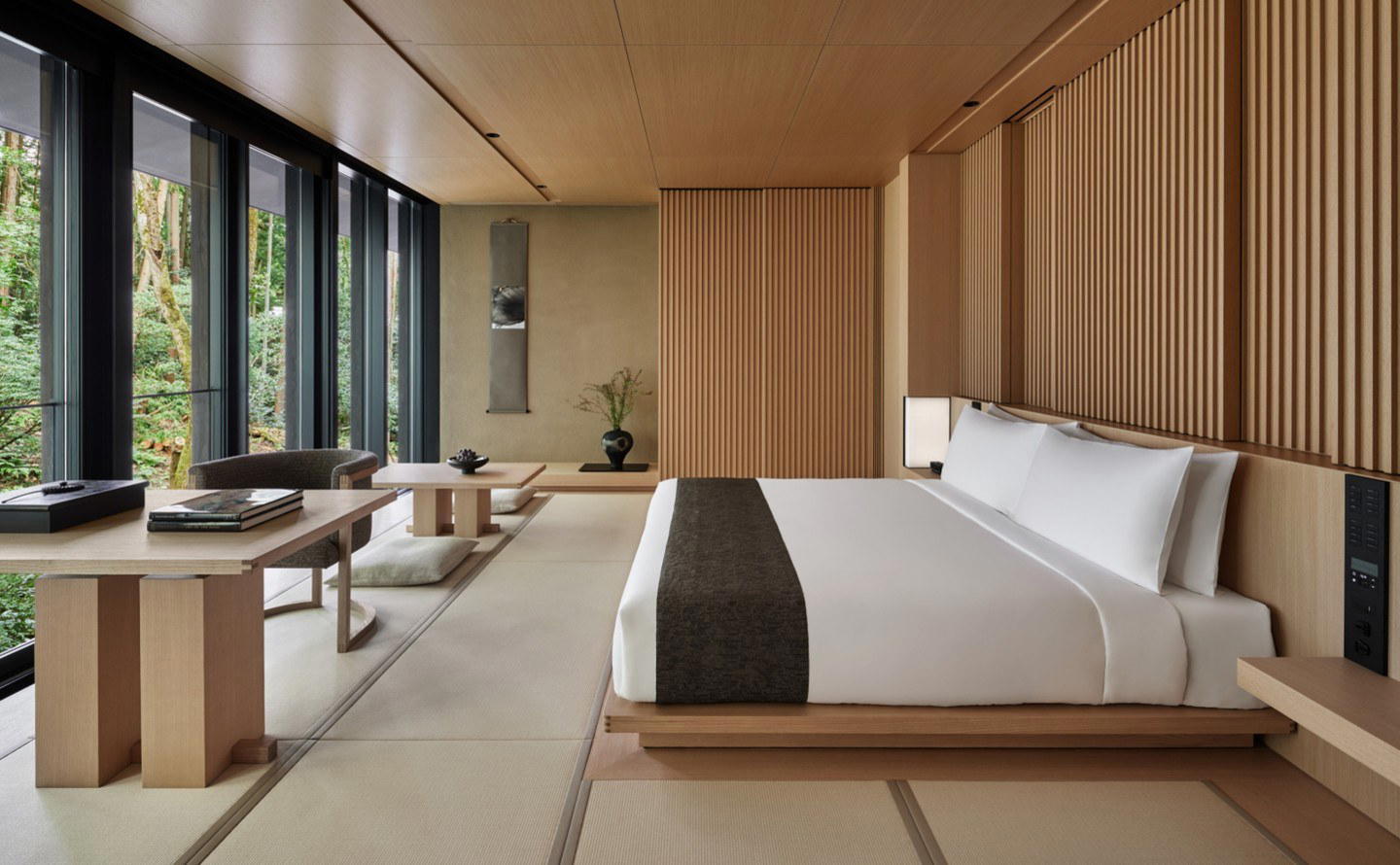
Wineries in Kyoto
Browse all →
Details
- Elegant
- Sophisticated
- Intimate
- Quiet
- Scenic
- Special Occasion
- Date Night
- Hotel Restaurant
- Garden
- Sake Program
- Local Sourcing
- Garden
- Mountain
- Tasting Menu
- Sake Program
Peaceful and elegant with forest views, emphasizing meticulous Japanese hospitality and tableware textures.