


Amaru on High Street in Armadale puts Australian produce at the centre of a menu shaped by techniques drawn from multiple international traditions. Chef Clinton McIver's cooking has earned consecutive La Liste recognition, 76.5 points in 2025 and 80 points in 2026, placing it firmly in the upper tier of Melbourne's fine dining circuit.
Pearl is the En Primeur Club membership app — saves, bookings, and concierge access live there. Same editors, same standards.
- Address
- 1121 High St, Armadale VIC 3143, Australia
- Phone
- +61 3 9822 0144
- Website
- amarumelbourne.com.au
- Directions
- Get directions
 Saves & bookings on Pearl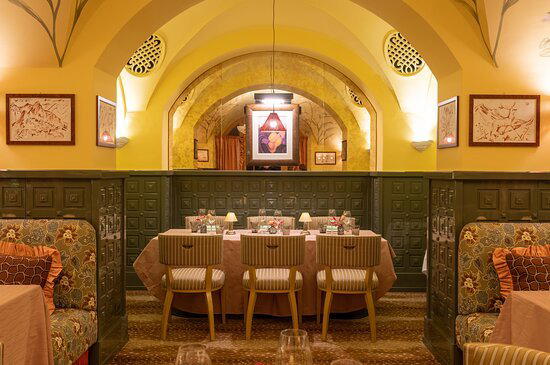
High Street, High Stakes: Where Armadale Meets Australia's Fine Dining Conversation
Armadale's stretch of High Street is better known for antique dealers and boutique fashion than destination dining, which makes the presence of a La Liste-ranked restaurant at number 1121 worth pausing over. The suburb sits between the more obviously gastronomic precincts of South Yarra and Malvern, and that relative quietness is part of its character. Amaru occupies that position without apology, a serious kitchen in a neighbourhood that doesn't announce itself as a dining district, a pattern increasingly common in Melbourne's inner southeast as rents and foot-traffic pressures reshape where ambitious cooking actually happens.
The Approach: Technique in Service of Ingredient
Australian fine dining has spent the better part of two decades working through its identity. Early iterations borrowed heavily from European classical frameworks; later movements swung toward native-ingredient fetishism, with menus built around wattleseed and finger lime as signifiers of place. The more considered position, one that a growing number of Melbourne kitchens now occupy, treats Australian produce as the non-negotiable starting point and applies whichever technique, from wherever in the world, genuinely serves the ingredient rather than performing a cultural statement.
Amaru sits in that more considered position. Chef Clinton McIver's approach draws on multiple international culinary traditions without treating any single one as a governing ideology. The result is a menu architecture that reads as confident rather than eclectic: produce-led, technique-supported, and grounded in a specific reading of what Australian ingredients are capable of when handled with real precision.
La Liste Recognition: What the Numbers Mean
Google rates Amaru 4.7 from 520 reviews, and the restaurant sits at about $250 per person. That four-point gain year-on-year is meaningful. The La Liste methodology weights critical consensus rather than a single inspector's visit, which means the 2026 score reflects a broadening recognition across multiple review channels simultaneously. At 80 points, Amaru sits within a tier of restaurants that La Liste positions as seriously accomplished, if not yet at the narrow peak occupied by the highest-scoring Australian entries.
Google's 4.7 rating from 520 reviews supports that critical consensus, which rarely happens by accident at this price point.
Clinton McIver and the Chef-as-Translator Model
The editorial angle here is less about a single chef's biography and more about what the chef-as-translator model means for Australian fine dining right now. McIver's cooking uses international technique as a toolkit rather than a framework, the culinary tradition being expressed is Australian, and the methods are borrowed strategically to deepen that expression rather than redirect it. This approach demands a different kind of mastery than, say, a kitchen committed to a single regional cuisine: the chef must know enough across multiple traditions to select correctly, not just competently.
That selective fluency is what separates the better practitioners of this style from menus that read as technically proficient but culturally diffuse. When it works at Amaru, the diner encounters dishes where the technique is invisible and the ingredient is the entire story. When it doesn't work elsewhere in the category, the technique announces itself and the produce becomes a supporting player in its own kitchen. The distinction is consequential.
The comparison is instructive: what varies across this cohort is less philosophy than geography, the local larder shapes the expression even when the underlying intent is shared.
Melbourne's Inner Southeast as a Dining Zone
Placing Amaru within Melbourne's wider fine dining geography requires acknowledging that the city's serious kitchens are more dispersed than its reputation as a concentrated dining city sometimes implies. Fitzroy, Collingwood, and the CBD corridor receive consistent attention; Armadale and its neighbours have tended to be overlooked in that narrative despite supporting a number of technically serious operations. Cutler & Co. in Fitzroy and Carlton Wine Rooms in Carlton illustrate the inner-north's stronger public profile; Amaru's La Liste score makes a case for rebalancing that attention southward.
Armadale itself is a tram-accessible suburb, the 6 route on High Street connects directly to the CBD, which makes the logistics of a dinner visit more direct than the suburb's relative quietness might suggest.
Planning a Visit
Amaru is located at 1121 High Street, Armadale VIC 3143. Amaru is open Tuesday to Thursday from 6 to 9 PM, Friday and Saturday from 12 to 2 PM and 6 to 9 PM, and is closed Monday and Sunday. Reservations are essential. Reservations well ahead of a planned visit are the norm for Melbourne fine dining at this tier, and Amaru's recognition profile makes that assumption reasonable here.
For visitors building a broader Melbourne itinerary, it is worth considering Amaru alongside other producers-focused Australian kitchens further afield, Firedoor in Surry Hills, 400 Gradi in Brunswick East, and Bacchus in Brisbane each represent distinct points on the Australian fine and casual dining spectrum, and mapping Amaru against them clarifies exactly which register it occupies: serious, produce-anchored, and ascending.
Side-by-Side Snapshot
Comparable venues nearby, for context on price, style, and recognition.
| Venue | Cuisine | Price | Notes |
|---|---|---|---|
| AmaruThis venue — the venue you are viewing | Modern Australian Fine Dining | $$$$ | Not listed |
| Vue de Monde | Modern Australian Fine Dining | $$$$ | Melbourne |
| Meatmaiden | Modern Steakhouse & Grill | $$$$ | Melbourne |
| Embla | Modern Wine Bar Small Plates | $$$ | Melbourne |
| Freyja Melbourne | Modern Scandinavian-inspired Australian | $$$ | Melbourne |
| Di Stasio Citta | Modern Italian | $$$$ | East Melbourne |
Recognition history
Dated appearances from independent guides and award organizations, with the underlying list record or original source where available.
La Liste Top Restaurants
La Liste
Star Wine List
Star Wine List
La Liste Top Restaurants
La Liste
The Best Chef One Knife
The Best Chef
Continue exploring
More in Melbourne
Restaurants in Melbourne
Browse all →
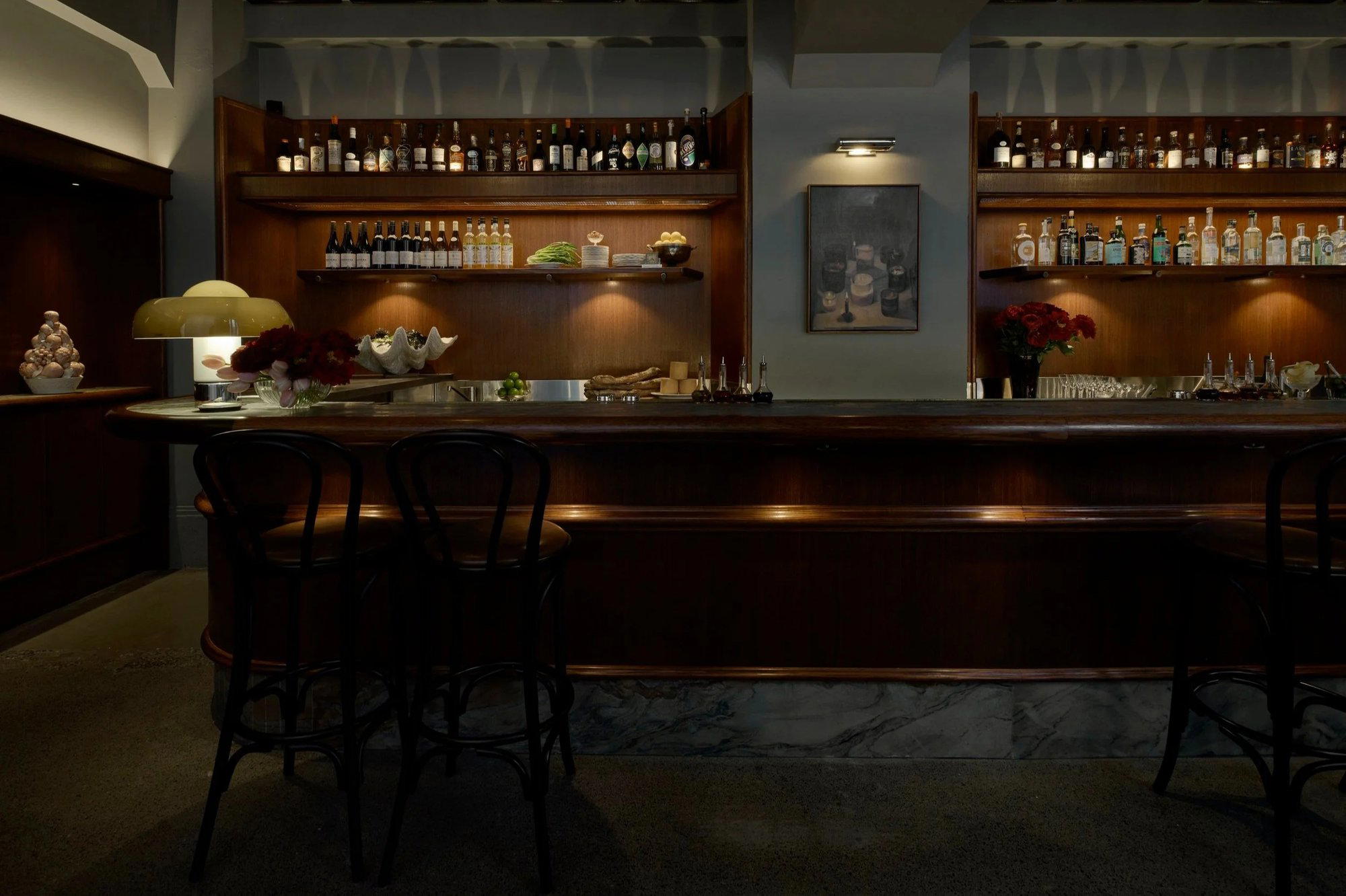
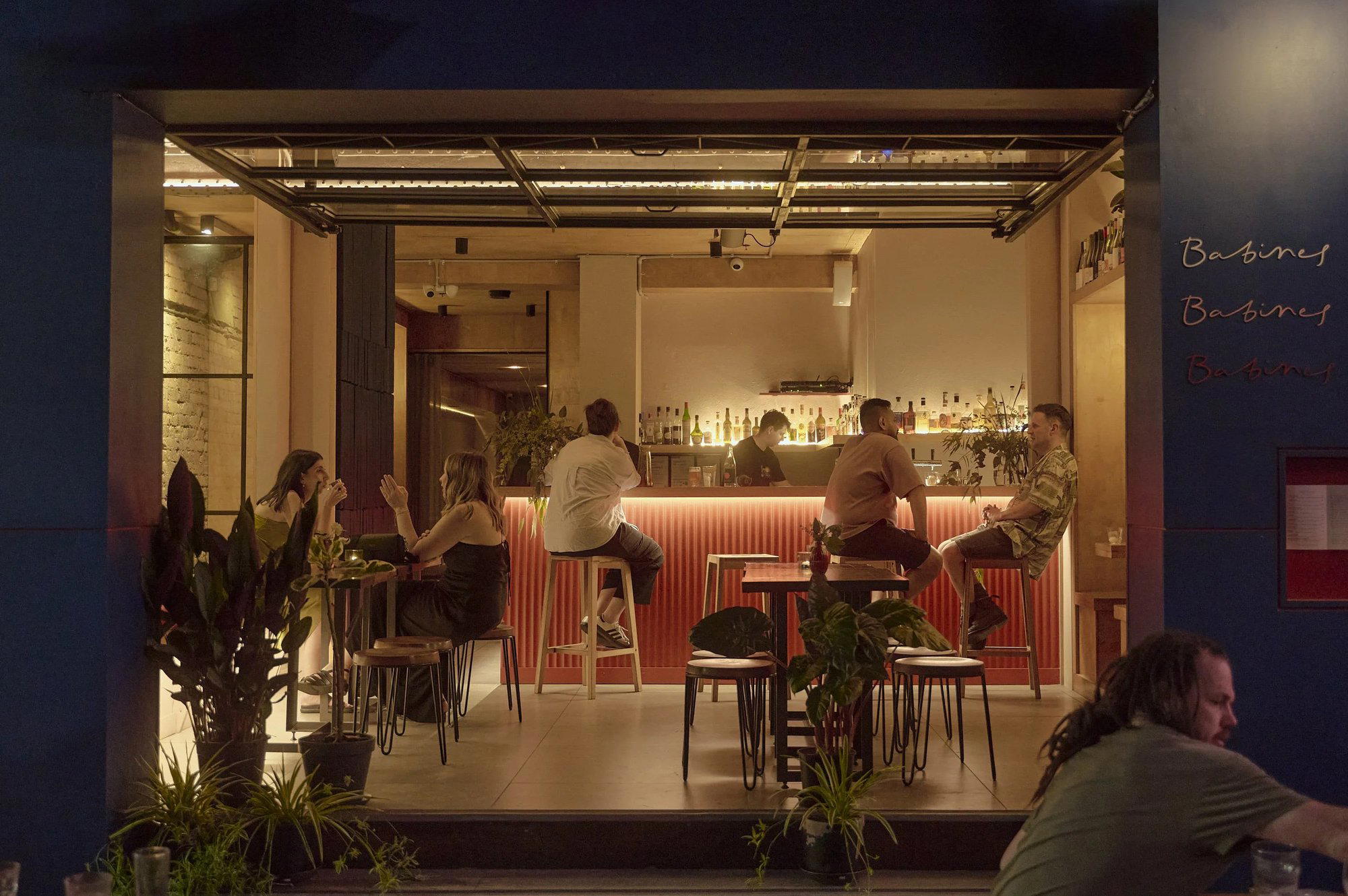
Bars in Melbourne
Browse all →
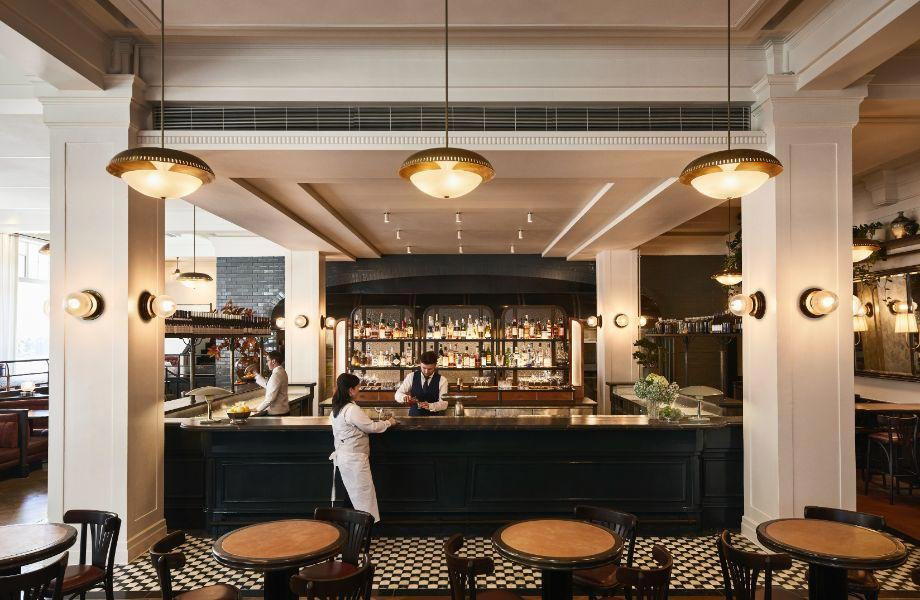
Hotels in Melbourne
Browse all →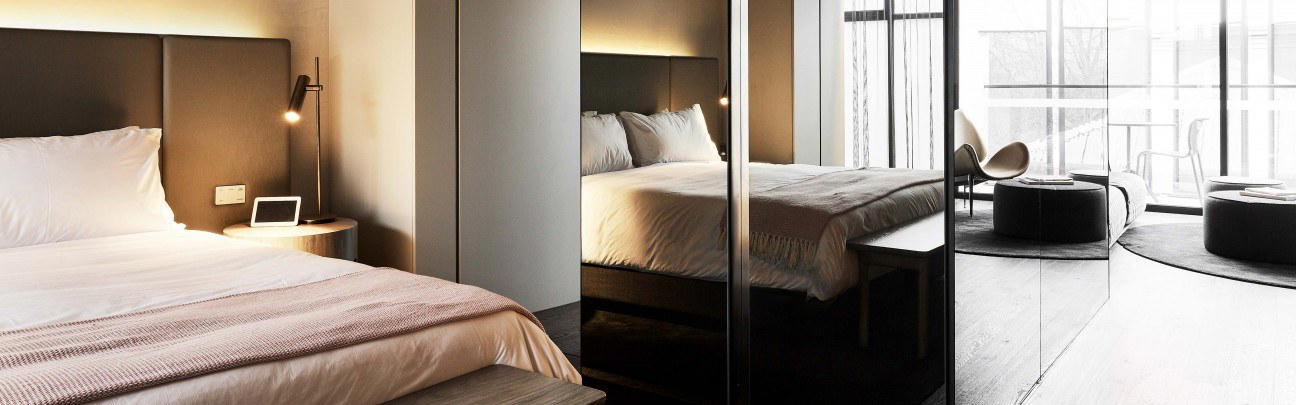
At a Glance
- Elegant
- Intimate
- Sophisticated
- Modern
- Special Occasion
- Celebration
- Date Night
- Chefs Counter
- Open Kitchen
- Sommelier Led
- Extensive Wine List
- Local Sourcing
- Farm To Table
Current opening hours
- Monday
- Closed
- Tuesday
- 6–9 PM
- Wednesday
- 6–9 PM
- Thursday
- 6–9 PM
- Friday
- 12–2 PM, 6–9 PM
- Saturday
- 12–2 PM, 6–9 PM
- Sunday
- Closed
Hours can change for holidays and private events. Last verified .
Calm and peaceful with a relaxed yet refined atmosphere; intimate setting with comfortable wood furnishings and gorgeous ceramics; minimal ego or pretension despite fine dining caliber.