1 Michelin Star · Tabelog 100 #90
Our verdict
Tucked into Ginza's sixth floor restaurant tier, 喰善あべ represents a strand of Tokyo dining that prioritises the provenance of its ingredients above spectacle or ceremony. The address places it among the capital's most competitive dining blocks, where sourcing decisions and seasonal discipline carry more weight than décor or brand recognition. Booking ahead is advised.

Pearl is the En Primeur Club membership app, where members save venues, book tables and use the concierge.
Ginza's Sourcing-Led Counter Tradition
Ginza has long functioned as the pressure test for serious Japanese dining. The district's sixth and seventh-floor restaurant corridors contain a concentration of counters where the central competitive variable is not the dining room or the service choreography but the quality of what arrives at the kitchen door each morning. 喰善あべ, located on the sixth floor of the Miyako Building at 5-6-10 Ginza, sits inside that tradition.
This matters because Japanese counter dining at the upper tier is fundamentally a procurement exercise made visible. What distinguishes one counter from its neighbours on the same floor or the same street is largely invisible to a first-time guest: the relationships with farmers in Hokkaido or fishermen in Kyushu, the preference for a specific prefecture's root vegetables, the decision to age a protein under particular conditions. The cuisine becomes the evidence of those decisions, not the other way around.
What the Ginza Location Signals
The Chuo City address, specifically the Ginza 5-chome block, places 喰善あべ in one of Tokyo's densest clusters of serious restaurants. Within walking distance sit counters operating at the ¥¥¥¥ price tier, including Harutaka, one of the city's most closely watched sushi counters, and RyuGin, which has applied kaiseki logic to seasonal Japanese produce for two decades. For a counter in this geography to maintain a distinct identity, its sourcing decisions need to be legible through the food itself.
Ginza's dining density also creates a useful comparative frame. Guests who have eaten at Sézanne in Marunouchi or L'Effervescence in Nishi-Azabu, both of which have built strong reputations around ingredient-led French cooking in Tokyo, will recognise a parallel logic operating through 喰善あべ's Japanese format. The emphasis is less on technique as display and more on letting sourcing integrity carry the dish. Crony in Marunouchi operates in a similar register, where the ingredient's origin is part of what you are being asked to taste.
Ingredient Sourcing as the Editorial Through-Line
Japan's geography makes ingredient sourcing unusually consequential. The country's length, from Hokkaido in the north to Okinawa in the south, means a kitchen with strong supplier relationships can access seafood, vegetables, and livestock from radically different climates within a single season. The fish arriving at a Ginza counter may have left a Tohoku port that morning; the vegetables may have been harvested in the dark hours before dawn in Nagano or Ibaraki. The counter format, typically a chef working directly in front of the guest, was always partly designed to make that chain of custody visible.
At the upper end of Tokyo's dining market, sourcing intelligence has become a kind of currency. Counters with multi-generational relationships with specific farms or fishing boats can access produce that does not appear on wholesale markets at all. This is a material advantage that does not show up in any rating system but registers immediately in the food. Restaurants across Japan operating in this tradition, from Gion Sasaki in Kyoto to HAJIME in Osaka to Goh in Fukuoka, have all built their reputations in part on supplier networks that took years or decades to establish. 喰善あべ operates within that same national tradition of counter cooking where the kitchen's procurement discipline is the foundation of the guest experience.
Regional producers have also benefited from this dynamic. Restaurants like akordu in Nara and counters in more remote prefectures, such as 一本木 名川製 in Nanao and 湖畔庵 in Takashima, have shown that sourcing proximity to specific agricultural regions can be a competitive advantage in itself. Tokyo counters, by contrast, must work harder to build those supply relationships across distance, which is part of why the procurement networks of established Ginza kitchens carry the value they do.
The Counter Format and Seasonal Rhythm
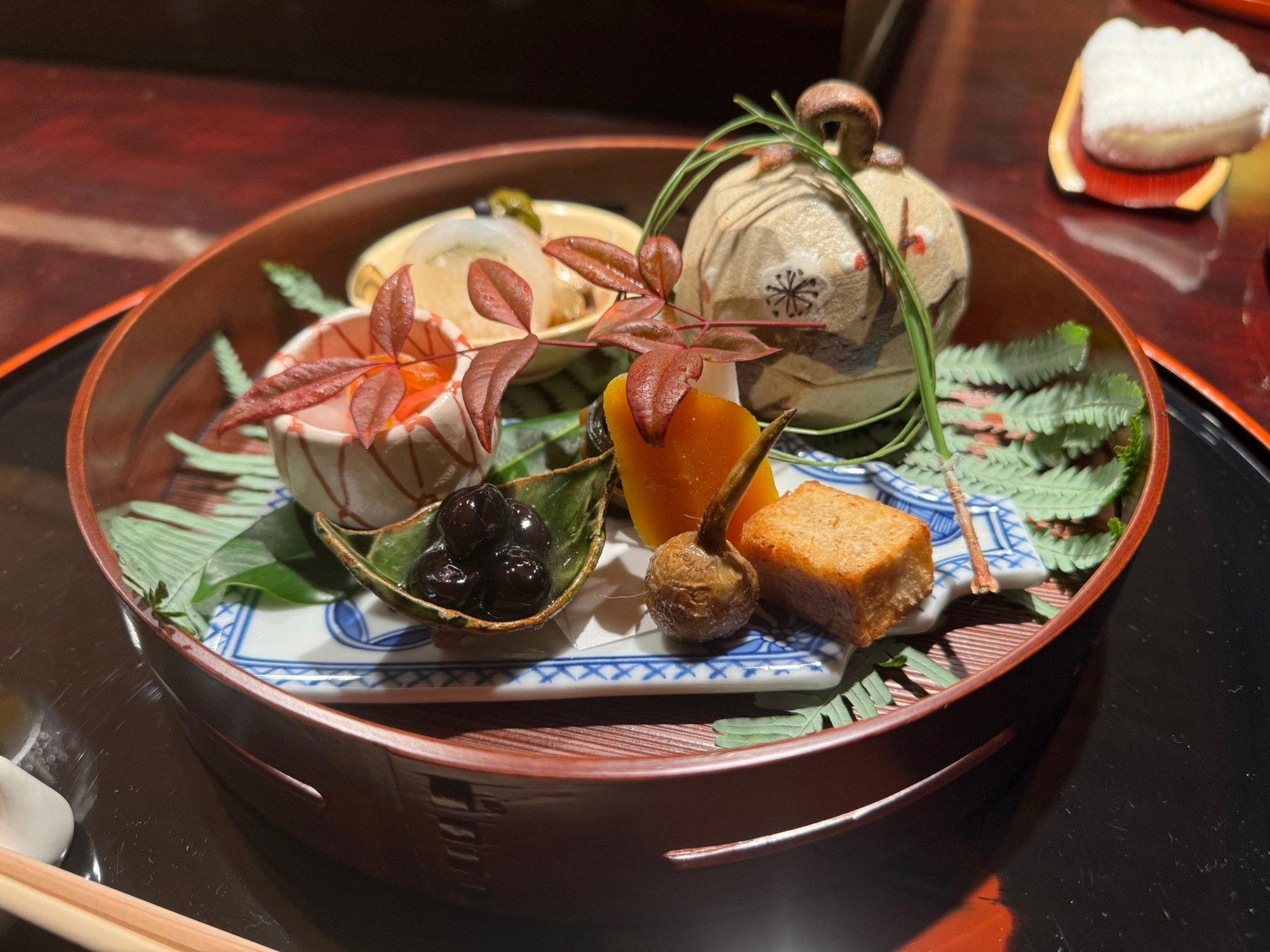
Japan's counter dining format enforces a seasonal discipline that menus in other formats can obscure. There is no standing menu to fall back on when a supplier's produce is unavailable or out of season. The kitchen adapts around what has arrived, and the guest's experience in April will differ materially from their experience in October, not because the chef has changed the concept, but because the country's seasonal produce cycle has shifted. This is the same logic that governs serious kaiseki, and it runs through the sourcing-led end of Tokyo's counter market regardless of specific cuisine category.
Counters at this level in Tokyo typically operate on advance booking cycles that reflect demand rather than capacity. Guests planning a Ginza counter dinner are advised to book several weeks ahead, particularly for weekend seatings, and to treat the reservation as the beginning of a logistical sequence rather than the end of one. For a broader view of how 喰善あべ fits into Tokyo's wider restaurant picture, the full Tokyo restaurants guide provides context across cuisine types and price tiers.
Counters that operate with similar seasonal discipline in other parts of Japan include 太古乃山乃 in Sapporo and 羽根屋 in Nishikawa Machi, both of which have built local identities around proximity to specific regional ingredients. Tokyo's Ginza counters operate at a remove from that kind of geographic proximity but compensate with procurement relationships that give them access to produce from across the country. Whether that trade-off serves the guest better than a regionally embedded counter is a question worth carrying into the meal.
For international reference points, the sourcing discipline of Tokyo's counter tradition finds parallels in the approach of Le Bernardin in New York, where seafood provenance drives the menu, or Atomix in New York, which has brought a version of Korean counter-dining logic to a similarly ingredient-focused register. Birdland in Sakai and Bistro Ange in Toyohashi represent the regional Japanese end of this spectrum, where local sourcing and local reputation reinforce each other.
Planning Your Visit
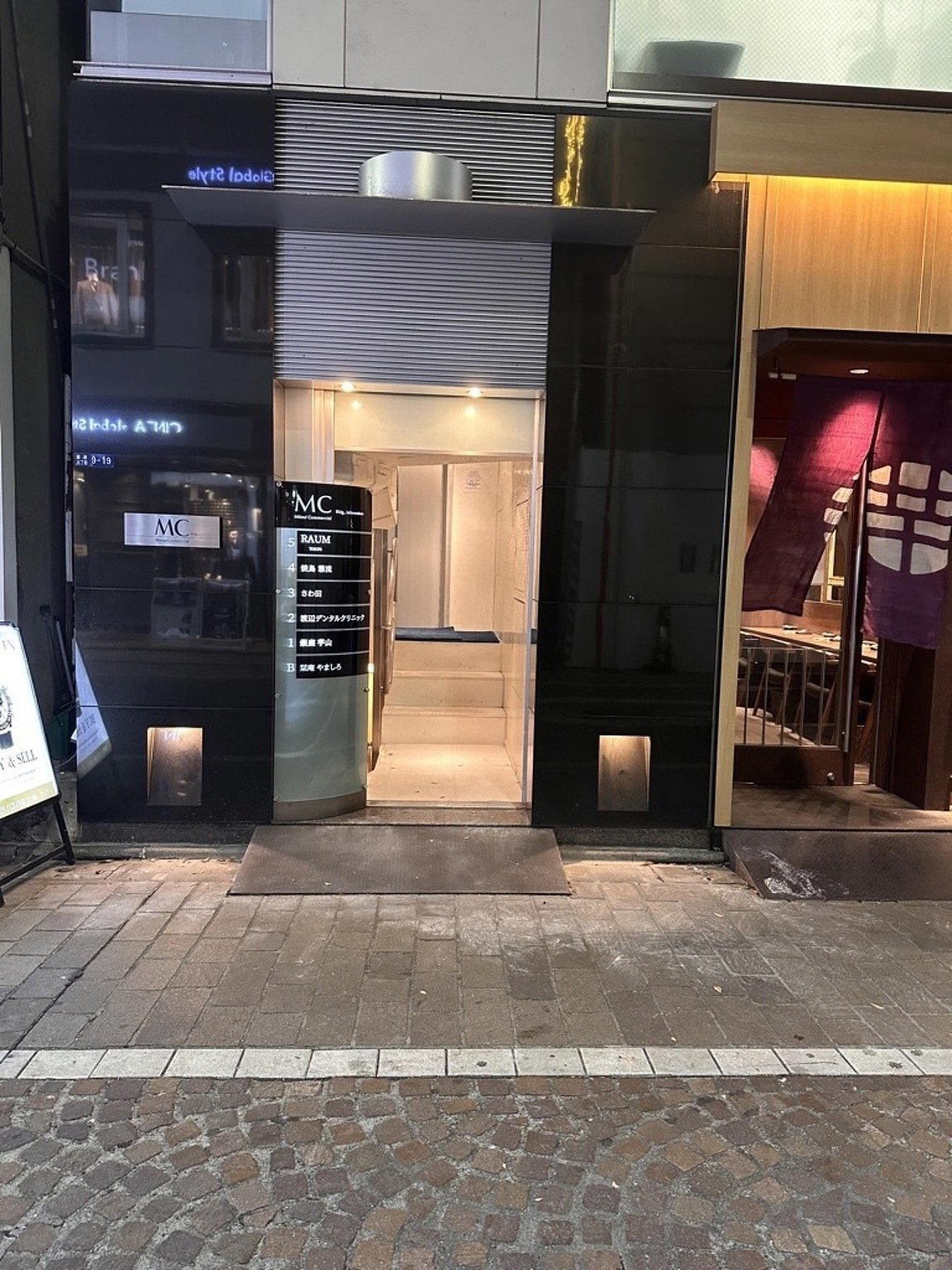
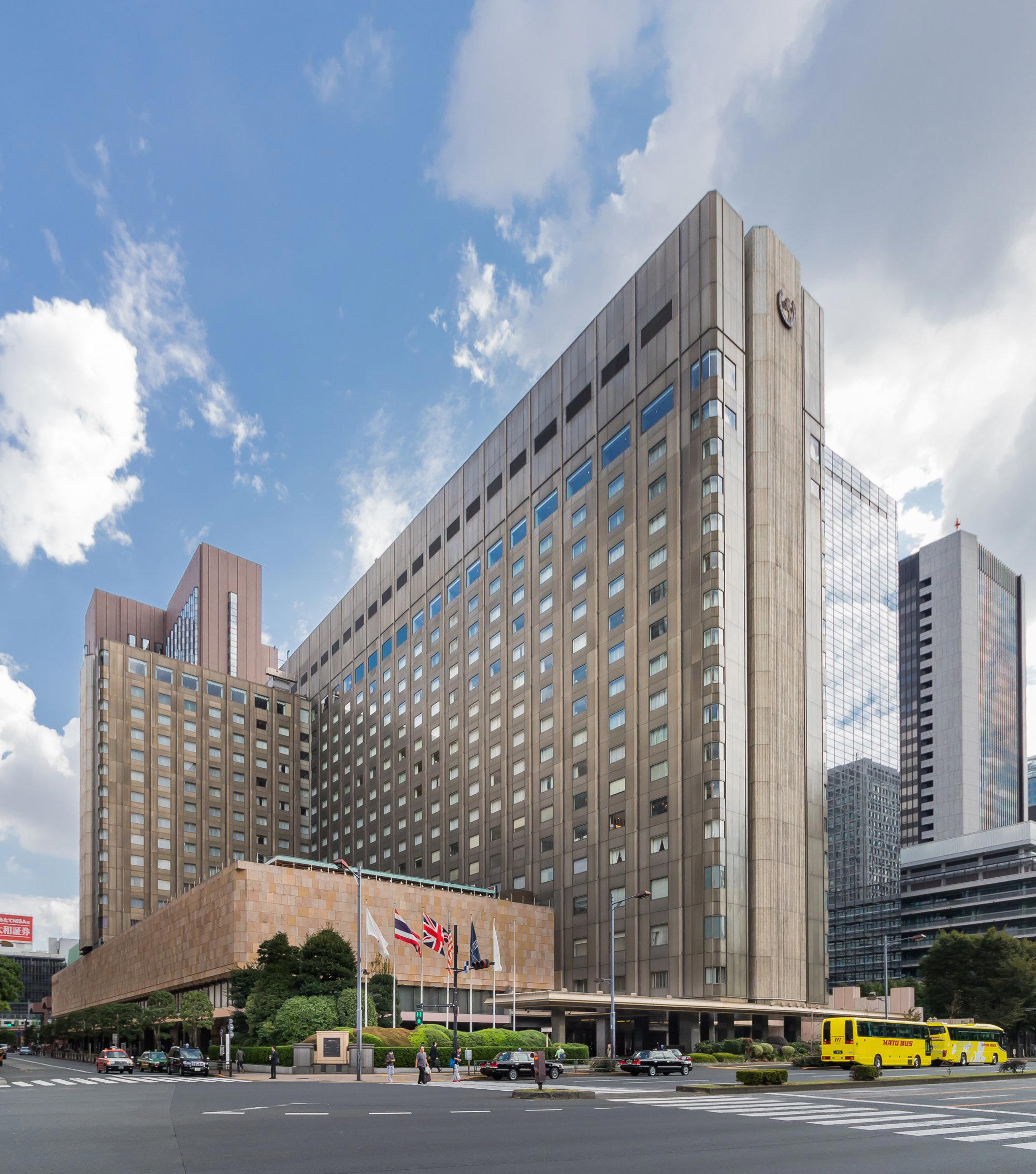
喰善あべ is located at 5 Chome-6-10 Ginza, Chuo City, Tokyo, on the sixth floor of the Miyako Building. The Ginza station exits place the building within a short walk, with the Ginza, Marunouchi, and Hibiya lines all serving the area.
Frequently asked questions
Is 喰善あべ a family-friendly restaurant?
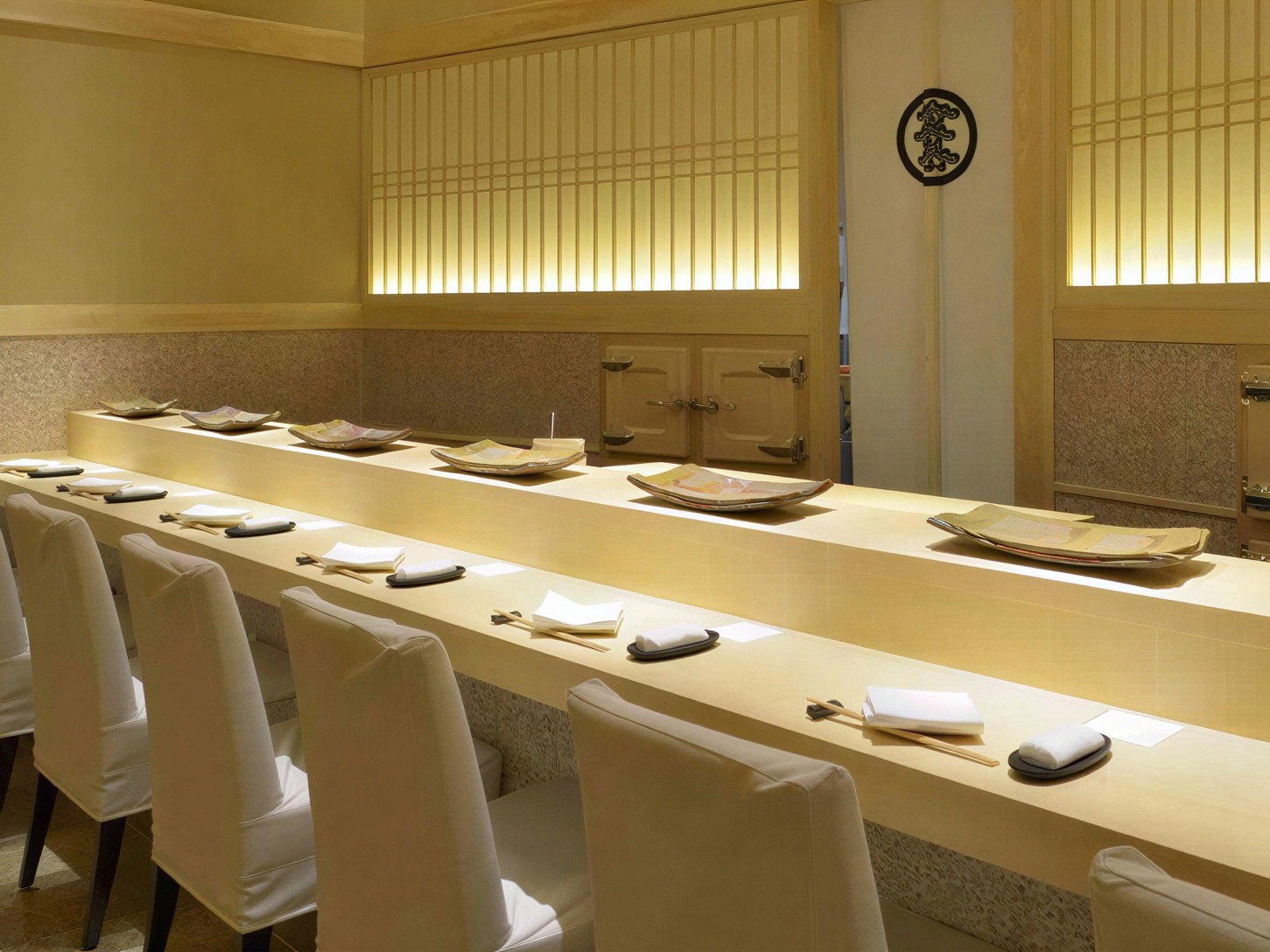
The counter format at this Ginza 5-chome address is structured around adult diners focused on seasonal Japanese cooking. Counter seating demands a level of stillness and attention that doesn't suit young children. It is best suited to adults with a specific interest in ingredient-led Japanese cuisine.
How would you describe the vibe at 喰善あべ?
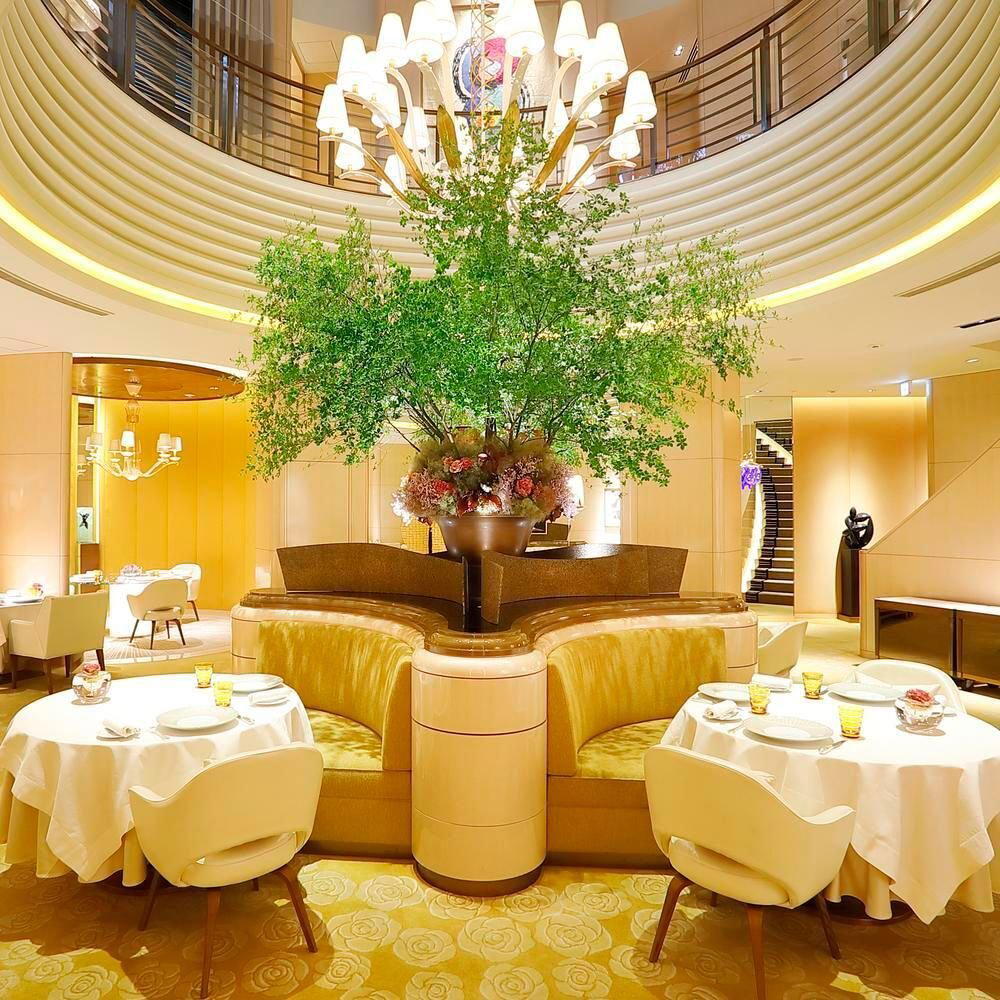
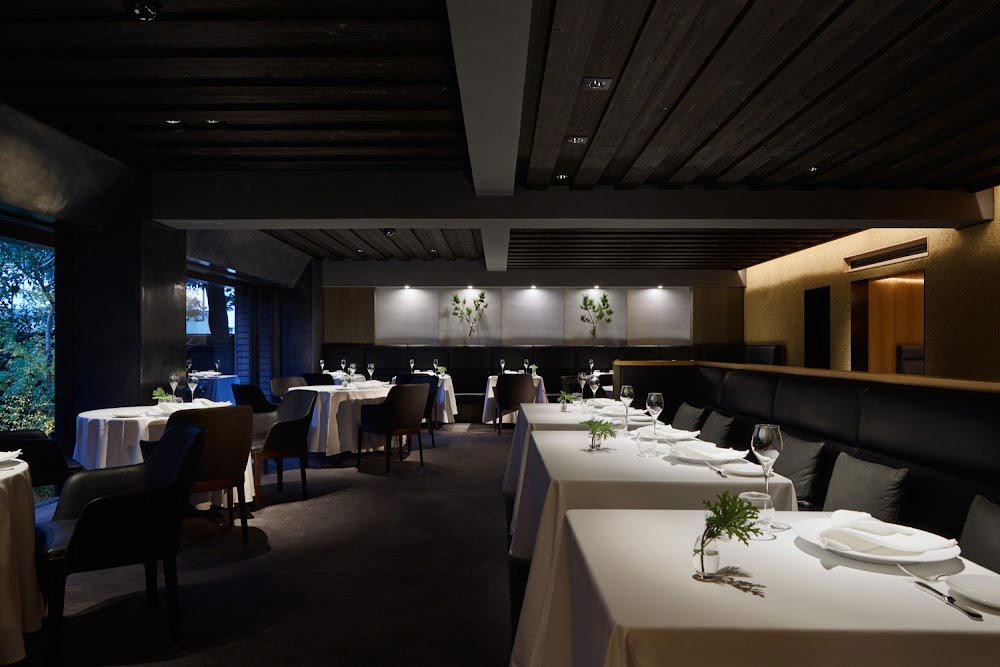
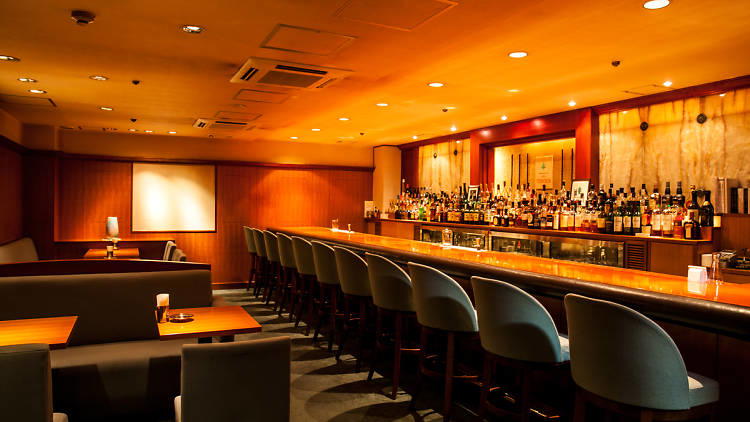
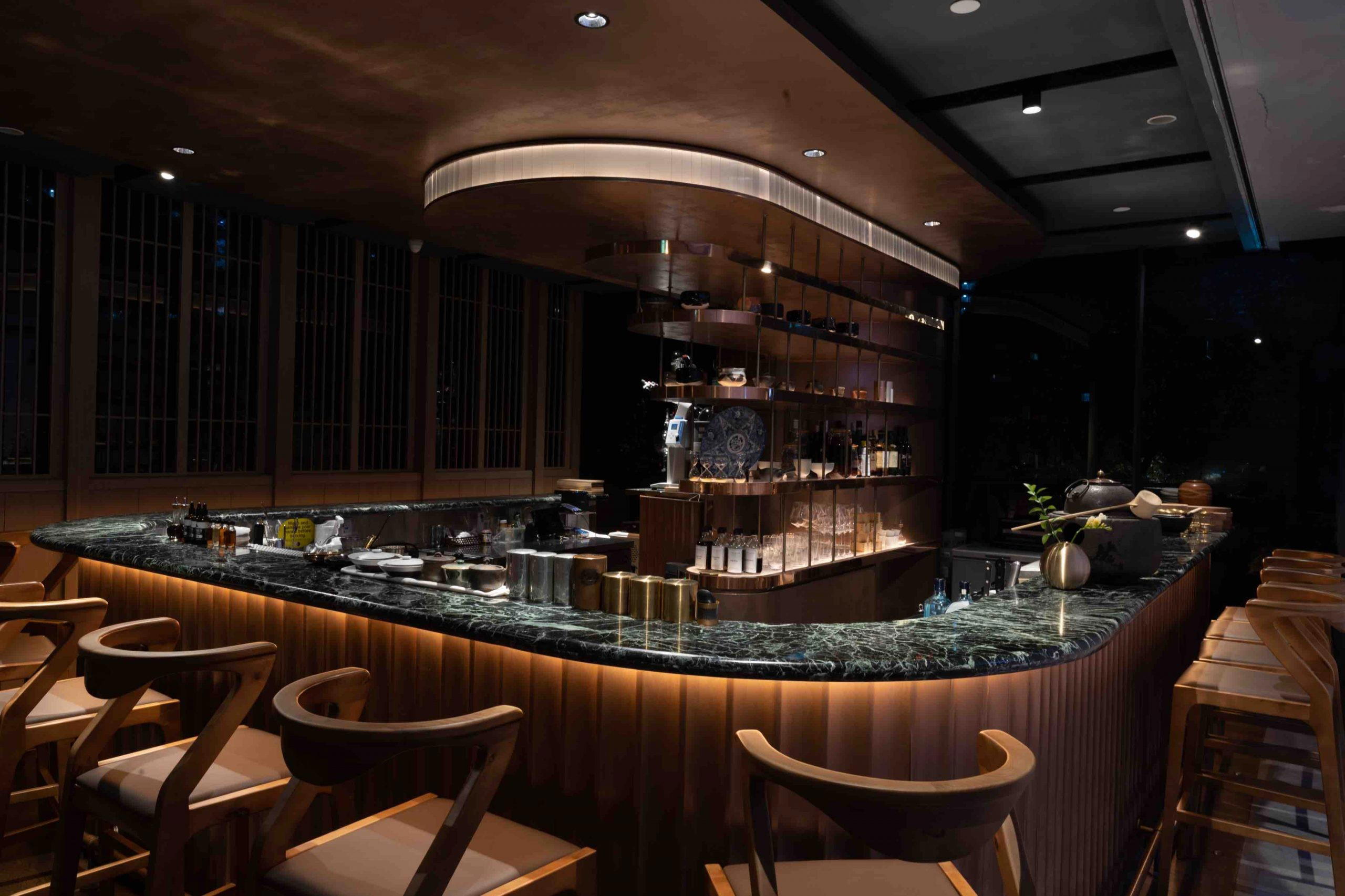
The setting is on the sixth floor of the Miyako Building in one of Tokyo's densest concentrations of serious dining, and the atmosphere follows that geography: quiet, focused, and counter-intimate. Ginza's sixth-floor corridor restaurants tend toward deliberate calm rather than social energy. Conversation happens, but the room's rhythm is set by the kitchen.
How do I find 喰善あべ inside the Miyako Building in Ginza?
喰善あべ is on the sixth floor of the Miyako Building at 5 Chome-6-10 Ginza, Chuo City, Tokyo. The Ginza station exits on the Tokyo Metro Ginza, Hibiya, and Marunouchi lines place the building within easy walking distance. Sixth-floor counter restaurants in this part of Ginza are typically accessed by a single elevator lobby, so confirming the floor ahead of arrival is advisable.
What's the signature dish at 喰善あべ?
No specific dish is confirmed in available data, which is consistent with how sourcing-led counters in this Ginza tier operate: the menu turns with the season and the market, so no single preparation anchors the experience permanently. What defines counters of this type is the ingredient selection itself, not a fixed showpiece.
Where exactly is 喰善あべ?
喰善あべ is located at Japan, 〒104-0061 Tokyo, Chuo City, Ginza, 5 Chome−6−10 ミヤコビル 6F 10MIYAKO BLD4F, Tokyo.
Cuisine-First Comparison
Comparable venues nearby, for context on price, style, and recognition.
| Venue | Cuisine | Price | Awards | Notes |
|---|---|---|---|---|
| 喰善あべThis venue (the venue you are viewing) | Kyoto-style Kaiseki | $150–200 | 1 Michelin Star · Tabelog 100 #90 | Not listed |
| Akasaka Asada | Traditional Kaga Kaiseki (Ryotei) | $150–200 | Not listed | Akasaka |
| sukiyaki & shabu shabu Ginza Rangetsu | Premium Sukiyaki & Shabu-Shabu | $200–300 | Not listed | Chūō |
| Kitagawa | Modern Japanese Kappo | $200–300 | Tabelog 100 #91 | Chūō |
| Ginza Ichibun | Traditional Edomae Sushi Omakase | $150–200 | Tabelog 100 #54 | Chūō |
| Sushi Tanji | Traditional Edo-style Omakase Sushi | $150–200 | Not listed | Minato |
Recognition history
Dated appearances from independent guides and award organizations, with the underlying list record or original source where available.
Michelin 1 Star
Michelin
Tabelog 100 #90 · No. 90
Tabelog · Tabelog 100 - Japanese cuisine - TOKYO - 2025
Full recognition history (3 entries)
Michelin 1 Star
Michelin