Birdland (バードランド) occupies a basement address in Ginza's 4-chome, positioning itself within one of Tokyo's most concentrated corridors of premium dining. The restaurant draws on the city's deep yakitori tradition while operating at a technical register that places it alongside counter-format specialists rather than casual grill houses. Booking ahead is advisable given the format's limited capacity.
Pearl is the En Primeur Club membership app — saves, bookings, and concierge access live there. Same editors, same standards.
- Address
- Japan, 〒104-0061 Tokyo, Chuo City, Ginza, 4 Chome−2−15 塚本素山ビルディング B1F
- Phone
- +81352501081
- Website
- ginza-birdland.sakura.ne.jp
 Saves & bookings on Pearl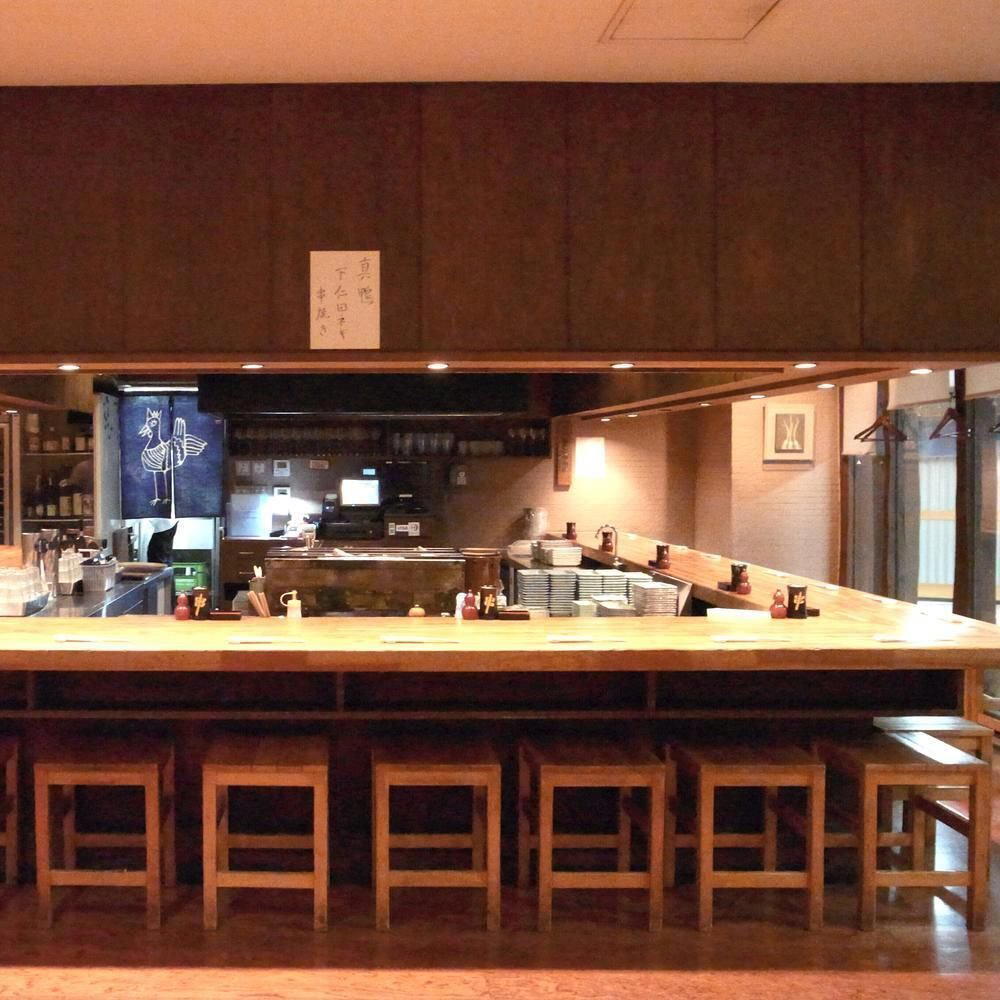
Ginza's Basement Counter Culture and Where Yakitori Fits
Ginza's dining scene has always stratified sharply. The district runs high-end French alongside three-star sushi, kaiseki rooms, and a quieter tier of counter-format specialists that attract a different kind of repeat visitor. In that lower, less visible bracket, basement addresses have long carried serious credentials. The B1F location at 4-chome-2-15 Tsukamoto Sozan Building is a well-established pattern in this part of the city: ground-level retail or office use, and below it a room that operates with genuine precision. Birdland (バードランド) belongs to that tradition, and its address in this corridor places it among Tokyo's most notable dining blocks.
Yakitori as a category has undergone a significant repositioning in Tokyo over the past two decades. What was once understood primarily as izakaya fare, skewers eaten standing or at low-budget counters near train stations, has in certain rooms become a format serious enough to draw international visitors who would otherwise default to sushi or kaiseki. Birdland is among the venues most associated with that repositioning. For context, Harutaka operates in the premium sushi tier of the same neighbourhood, and the gap between their respective formats illustrates how far Tokyo's counter dining has diversified in scope and ambition.
Local Ingredients, Technical Discipline
The intersection of indigenous product and imported technique is one of the defining tensions in Tokyo's premium dining conversation. At the French end, restaurants like L'Effervescence and Sézanne resolve it by applying classical French architecture to Japanese seasonal produce. At the kaiseki end, places like RyuGin invert the logic, using modern technique in service of Japanese aesthetic frameworks. Yakitori at Birdland's level occupies a different position on that axis: the primary material is a Japanese agricultural product, chicken, sourced with the same attention to provenance that drives the leading sushi counters' fish procurement, while the technical discipline applied to its preparation draws on rigorous temperature control and timing that would not be out of place in a European brigade kitchen.
This approach reflects a broader pattern visible across Japan's premium restaurant tier. In Osaka, HAJIME applies French technique to a Japanese seasonal sensibility. In Kyoto, Gion Sasaki demonstrates how kaiseki can absorb French training without abandoning its structural logic. Even at the more experimental end, Crony in Tokyo works within a similar creative negotiation. Birdland's contribution to this conversation is narrow and precise: it takes a format with strong working-class roots and applies the same provenance thinking and technical seriousness that defines the city's highest-regarded rooms.
The Counter Format and What It Demands
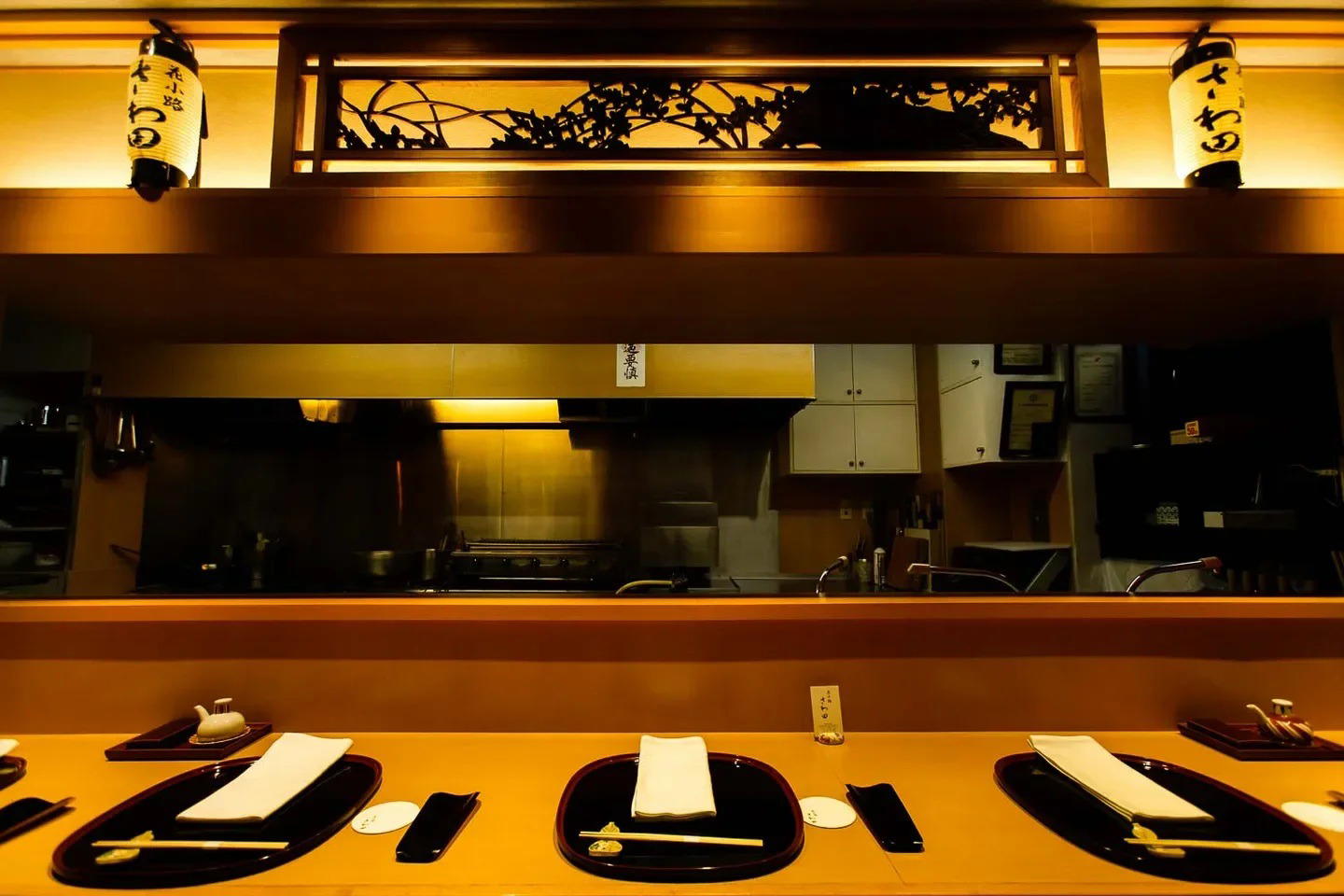
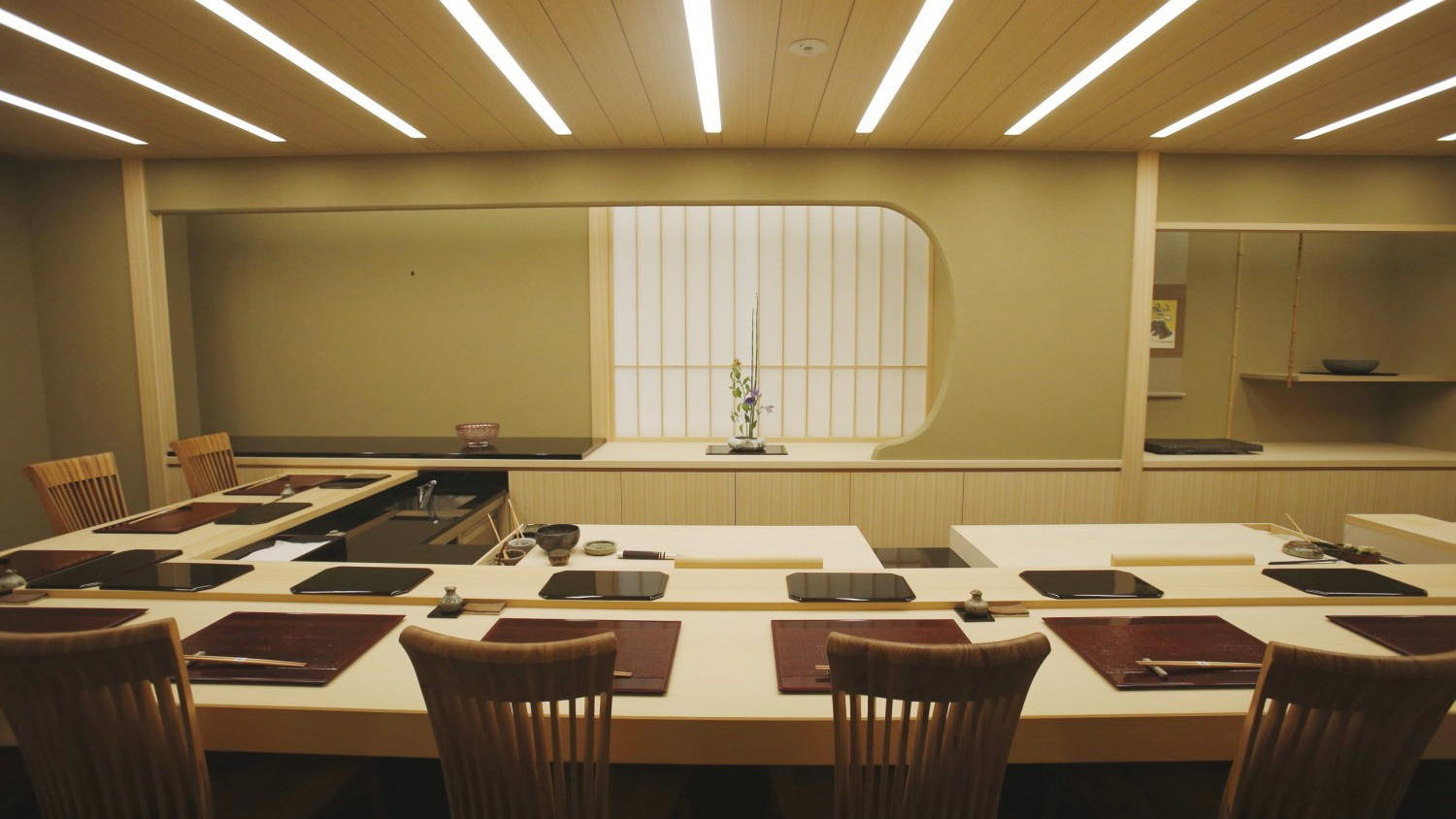
Counter dining in Tokyo operates on a logic of intimacy and compression. With limited seats, the kitchen cannot hide behind volume or inconsistency masked by distance. Every skewer at Birdland is assessed at close range, which places pressure on execution that a larger, more diffuse room would absorb. This format, familiar from the city's sushi and tasting-menu counters, has become a shorthand for seriousness in Tokyo dining, the physical proximity of diner to cook functions as a trust signal before the food arrives.
Comparable formats operate across Japan's dining culture. Akordu in Nara and Goh in Fukuoka both apply counter-format discipline to their respective cuisines, and the pattern is consistent: small seat counts produce heightened accountability and, where the kitchen delivers, heightened consistency. For visitors building a Japan itinerary across multiple cities, these rooms offer a useful structural comparison to Tokyo's own counter tier.
Ginza 4-Chome: Neighbourhood Context
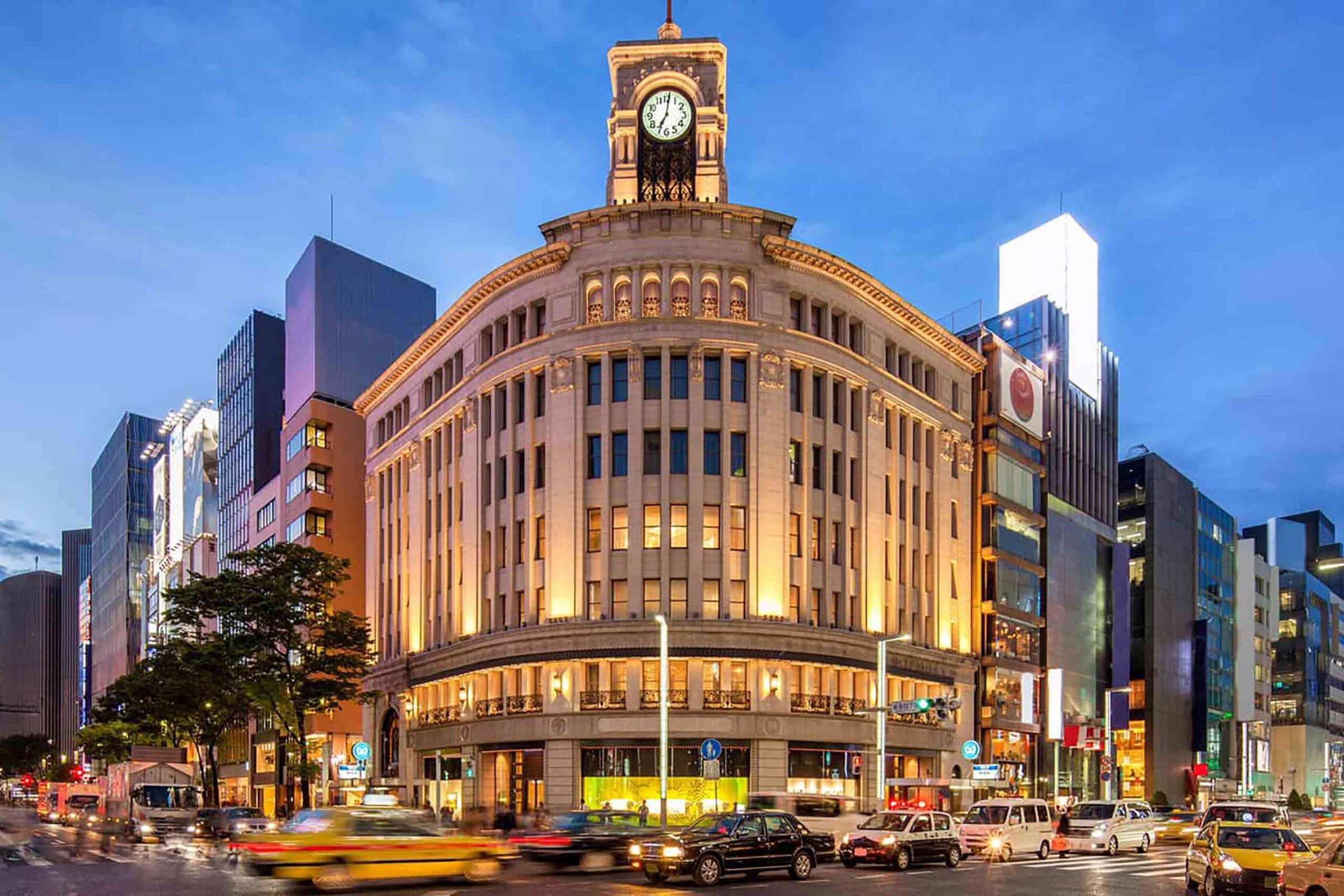
The 4-chome intersection in Ginza is one of Tokyo's most legible cultural reference points. The surrounding blocks carry department stores, gallery spaces, and a concentration of dining rooms that collectively represent most of the city's premium cuisine categories. Within walking distance of Birdland's basement address, a visitor can find Michelin-starred French, multi-decade sushi counters, and omakase rooms at every price register. This density means Birdland operates in an environment where informed diners are comparing it not just against other yakitori rooms but against the full spectrum of counter dining in the city.
Ginza rewards the kind of focused planning that treats a single block as a multi-day destination rather than one stop among many. The basement address at Tsukamoto Sozan Building reflects the district's pattern of serious rooms operating without street-level visibility, discovery here is deliberate, not accidental.
Japan's regional dining scene also offers useful comparison points for understanding what Birdland represents within the wider national context. Rooms like a specialist counter in Nanao, a precision-led room in Sapporo, or mountain prefecture spots such as this Takashima address and Nishikawa Machi's local specialist all reflect how counter-format seriousness has distributed beyond Tokyo. There is also a Birdland in Sakai for those extending their itinerary to the Osaka-Kansai region. For international comparison, Le Bernardin in New York and Atomix similarly demonstrate how a single-product technical focus can command serious critical attention in a saturated dining market. Bistro Ange in Toyohashi provides another regional reference for French-Japanese technique synthesis.
Planning Your Visit
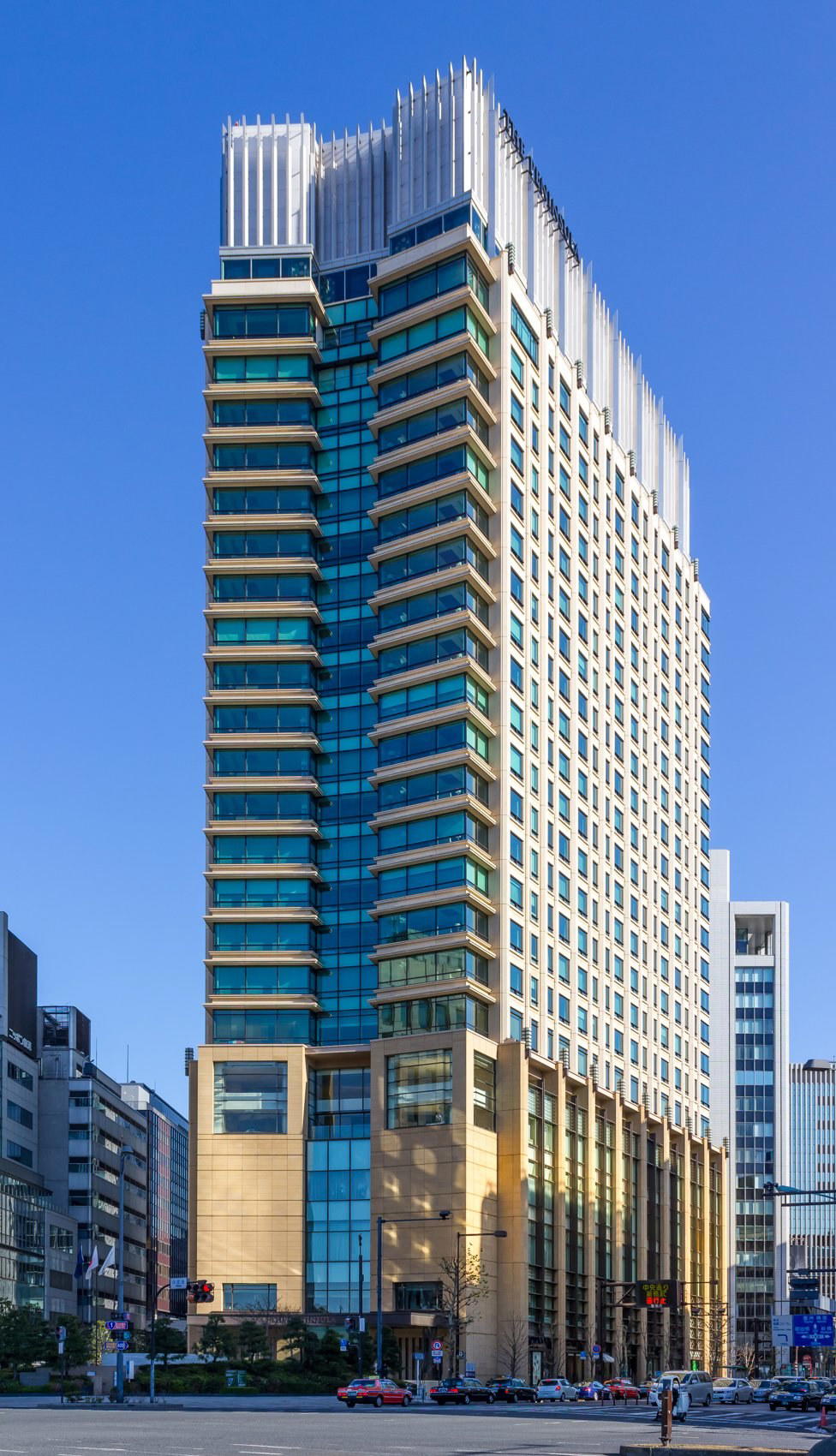
Birdland operates in the basement of the Tsukamoto Sozan Building at 4-chome-2-15, Ginza, Chuo City, Tokyo. The closest transit access is Ginza Station on the Tokyo Metro Ginza, Hibiya, and Marunouchi lines. Counter-format rooms at this level in Ginza typically require advance booking; availability is limited.
<Price and Positioning
Comparable venues nearby, for context on price, style, and recognition.
| Venue | Cuisine | Price | Notes |
|---|---|---|---|
| バードランドThis venue — the venue you are viewing | Chiyoda, Modern Yakitori | $$$ | Not listed |
| 楽亭 | Kagurazaka, Handmade Soba | $$$ | Not listed |
| 魚治 はら田 | Chūō, Edomae Sushi Omakase | $$$ | Not listed |
| 紀尾井町 三谷 | Chiyoda, Traditional Japanese Kaiseki | $$$ | Not listed |
| Aigamo Ippin Toriyasu | Not listed | $$$ | Chūō, Traditional Duck Sukiyaki (Aigamo) |
| Yakiniku Jambo Hongo | Not listed | $$$ | Bunkyō, Premium Yakiniku with A5 Wagyu |





At a Glance
- Elegant
- Sophisticated
- Intimate
- Date Night
- Special Occasion
- Solo
- Chefs Counter
- Open Kitchen
- Sake Program
Current opening hours
- Monday
- Closed
- Tuesday
- 5–10 PM
- Wednesday
- 5–10 PM
- Thursday
- 5–10 PM
- Friday
- 5–10 PM
- Saturday
- 5–9:30 PM
- Sunday
- Closed
Hours can change for holidays and private events. Last verified .
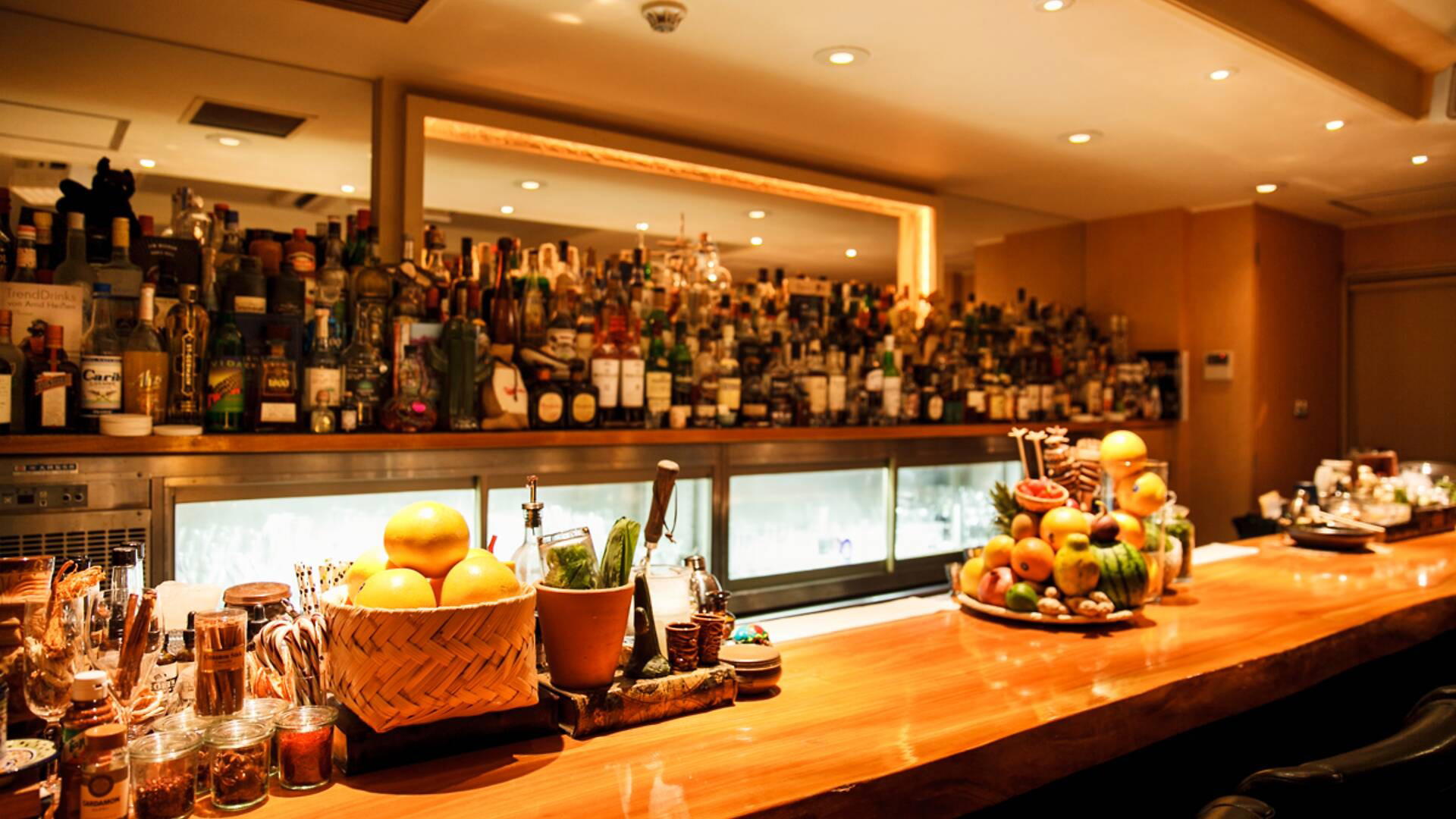
Calm, adult-oriented atmosphere with counter seating focused on the open kitchen where chefs precisely grill high-quality chicken.