Our verdict
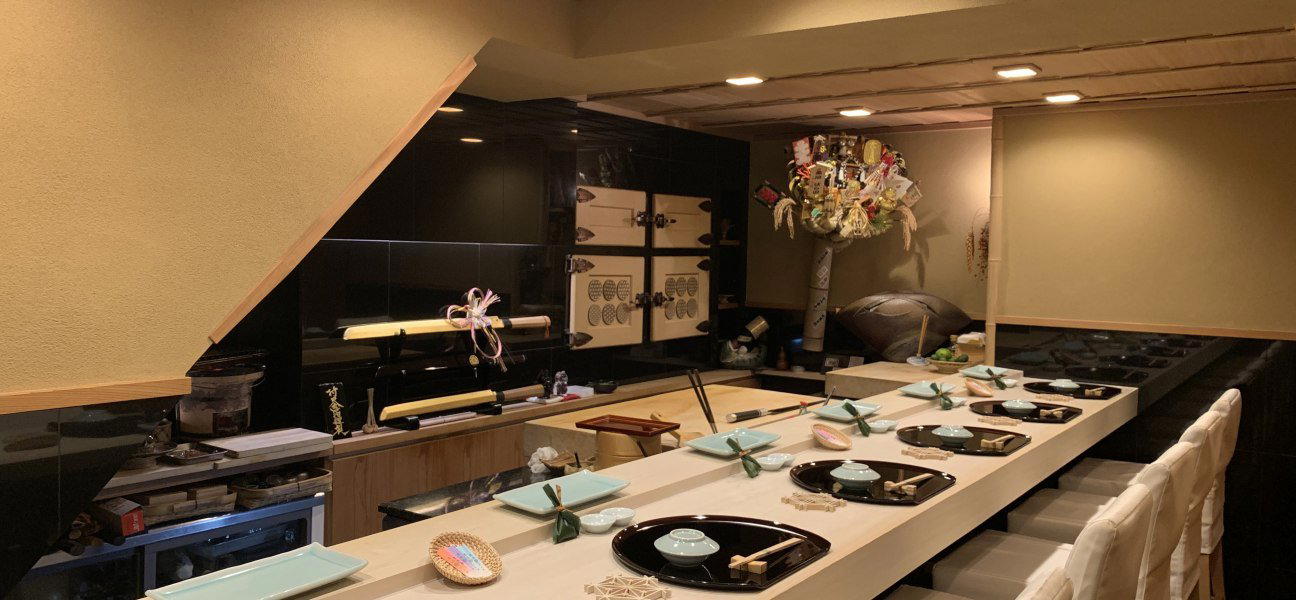
魚治 はら田 occupies a quiet address in Ginza 7-chome, placing it within Tokyo's most concentrated tier of premium dining. The restaurant operates in a neighbourhood where counter seats and omakase formats dominate the upper end of the market, and where location alone signals something about the seriousness of the offering. For visitors orienting themselves in Ginza's dining scene, it merits attention on that basis alone.

Pearl is the En Primeur Club membership app, where members save venues, book tables and use the concierge.
Ginza's Dining Density and Where 魚治 はら田 Sits Within It
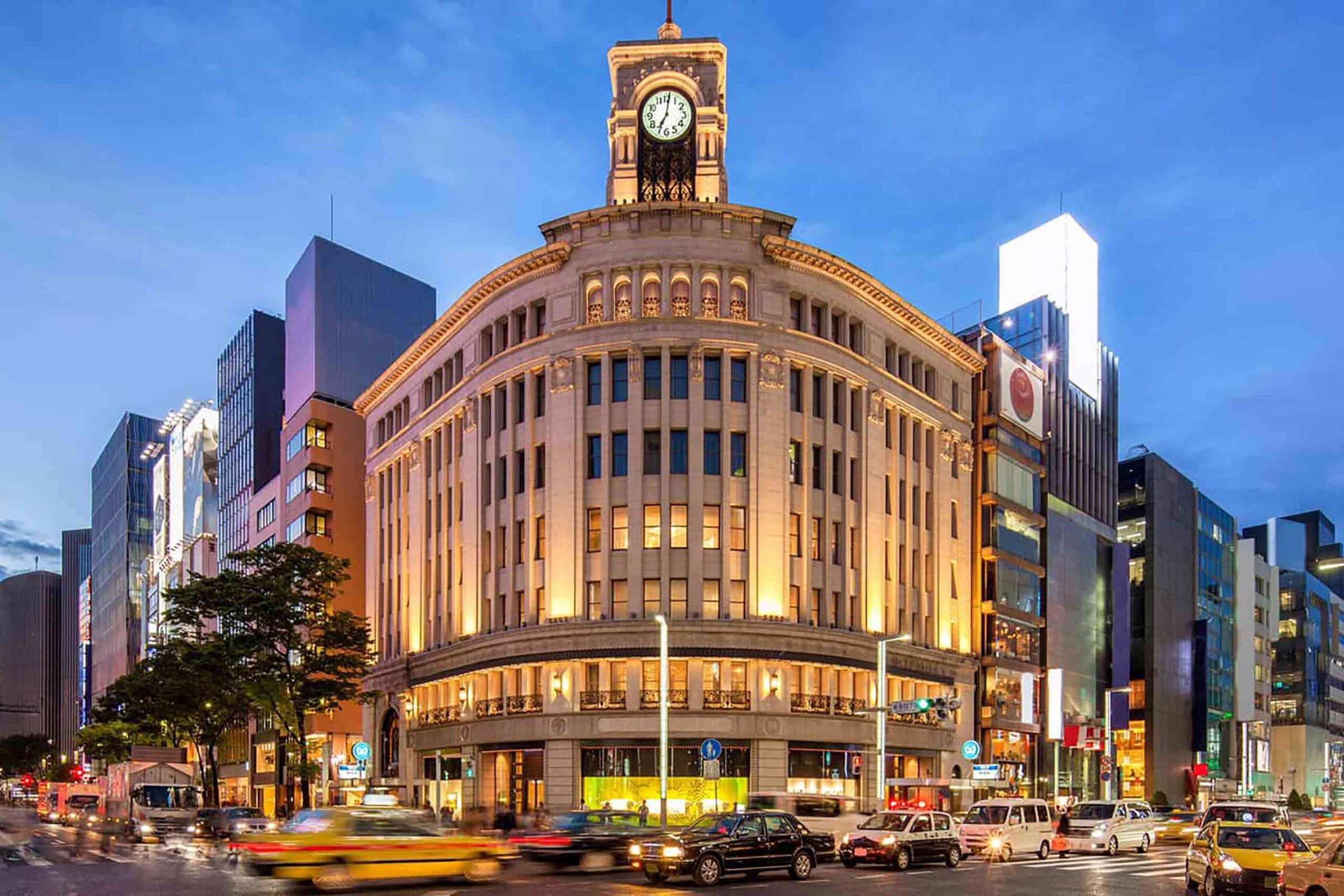
Ginza 7-chome is not a random address. The block running south from Ginza-Itchome station toward Shimbashi contains some of Tokyo's most closely watched counter restaurants, a concentration that has built up over decades as the neighbourhood established itself as the city's premium dining corridor. Rents here rank among the highest in Japan for food-and-beverage space, which means the operators who survive long enough to matter have already passed a significant economic filter. 魚治 はら田, at 7 Chome-4-7 in the Kojima Building, sits inside this geography rather than adjacent to it, and that placement is the first piece of editorial information worth registering.
Tokyo's fine dining scene has evolved in the past decade toward what might be described as micro-specialisation: restaurants no longer compete across broad cuisine categories but within very narrow brackets defined by format, counter size, chef lineage, and neighbourhood.
The Neighbourhood as Context
Understanding what Ginza 7-chome means for a dining experience requires separating the myth of the address from its operational reality. The area around Chuo-dori and its side streets does not draw the kind of tourist foot traffic that defines Shibuya or Shinjuku dining. Ginza's premium restaurants function more like private institutions: their clientele arrives by reservation, often through networks of introduction, and the street-level presence of the building matters less than the reputation that circulates within those networks.
The Kojima Building address places 魚治 はら田 in a low-profile setting characteristic of Tokyo's upper dining tier, where the absence of signage or external presence is itself a signal. This pattern repeats across the city's most selective counters, from the side streets of Minami-Aoyama to the basement and upper-floor rooms of Roppongi. The building-within-a-block format is particularly common in Ginza, where the density of competing venues means that reputation, rather than visibility, drives discovery.
For visitors arriving from outside the neighbourhood, Ginza station (Tokyo Metro Ginza, Marunouchi, and Hibiya lines) sits within reasonable walking distance of Ginza 7-chome, and the area is also served by Shimbashi station on the JR Yamanote Line.
Fish Cuisine at This Level of the Market
The specialist fish restaurant occupies a distinct position within Tokyo's counter dining ecosystem. Where omakase sushi counters like Harutaka work within the established Edomae format, and where kaiseki houses such as RyuGin weave seafood into a multi-course seasonal structure, the pure fish specialist draws on a different tradition: one that values curing, aging, and preparation techniques that transform the ingredient rather than simply presenting it in its raw state. The kanji in 魚治 はら田's name points toward this tradition, though the precise format remains unconfirmed from available data.
At the upper end of this category, the competitive set expands beyond Tokyo. Venues such as HAJIME in Osaka and Gion Sasaki in Kyoto demonstrate how Japan's regional fine dining operates at a level comparable to its metropolitan peers, which in turn raises the standard that any Ginza restaurant must meet to justify its address. The fish specialist format, when operating at its most serious, also draws comparison with international reference points for seafood technique, including Le Bernardin in New York City, where the intellectual framework for fish cookery has been developed over decades.
Within Tokyo itself, the broader fine dining context includes French and innovative formats that have achieved recognition alongside the Japanese cuisine counters. L'Effervescence, Sézanne, and Crony each operate in the top tier of the city's dining scene, creating a competitive reference frame that any serious Ginza restaurant inhabits by proximity and price signal, regardless of cuisine type.
What the Address Implies About the Offer
Ginza 7-chome real estate costs impose a discipline on the restaurants that occupy it. A venue that cannot sustain the overhead of this address either scales its pricing to match or does not remain in operation. This economic logic means that any restaurant maintaining a presence here over time has, by definition, found a customer base willing to pay at the upper end of Tokyo pricing, which for premium counter restaurants typically means omakase courses in the range that peers like Harutaka command at the ¥¥¥¥ tier.
The absence of publicly available booking information, hours, or a listed website is itself a data point. A significant number of Tokyo's most selective counters operate without public-facing booking infrastructure, relying instead on return clients, referrals, or phone reservations that do not translate into the kind of digital footprint that less exclusive venues generate. This pattern is documented across the city's top tier and applies to venues well beyond 魚治 はら田. Visitors planning to visit should allow lead time and consider the full range of Japan's serious dining scene, including options outside Tokyo such as akordu in Nara, Goh in Fukuoka, and 一本木 名川制 in Nanao, where comparable seriousness of purpose operates without the Ginza premium.
For a broader orientation across Tokyo's restaurant scene, our full Tokyo restaurants guide places venues like 魚治 はら田 within the city's full dining structure, from neighbourhood izakayas through to the Michelin-tracked counter tier. Additional perspectives come from across Japan's regions, including 古仁屋山乃 in Sapporo, 湖畔庵 in Takashima, 庄羽屋 in Nishikawa Machi, Birdland in Sakai, and Bistro Ange in Toyohashi. For a Korean-inflected reference point operating at a comparable level of counter sophistication in New York, Atomix offers a useful international comparison.
Planning a Visit
Given the limited public-facing information available for 魚治 はら田, the practical approach is to treat this as a venue requiring local knowledge or direct contact to access. The Ginza 7-chome address is fixed and verifiable; everything beyond that, including hours, pricing, and booking protocols, requires confirmation from a source with current access to the restaurant's operations.
Frequently asked questions
Where is 魚治 はら田 in Tokyo?
魚治 はら田 is located at Japan, 〒104-0061 Tokyo, Chuo City, Ginza, 7 Chome−4−7 小島ビル, Tokyo.
How does 魚治 はら田 differ from the sushi omakase counters also operating in Ginza?
Specialist fish restaurants like 魚治 はら田 occupy a different position from the omakase sushi counters concentrated in Ginza, the kitchen scope extends beyond nigiri to broader preparations centred on whole-fish cookery and seasonal product. The Ginza 7-chome address, shared with some of Tokyo's most closely watched restaurants, signals a comparable level of sourcing discipline. This makes 魚治 はら田 a relevant reference point for diners who follow Tokyo's counter fish cuisine circuit rather than its sushi tier specifically.
What do people recommend at 魚治 はら田?
Public dish-level detail for 魚治 はら田 is sparse, the Ginza 7-chome address points to a specialist fish counter format, where the offer typically follows the market and season rather than a fixed menu. The most practical route is to ask directly at the time of booking, as regulars at this level of the Tokyo counter circuit tend to rely on verbal guidance from the venue itself.
Do they take walk-ins at 魚治 はら田?
No confirmed walk-in policy is publicly documented for 魚治 はら田. Counter restaurants at this address in Ginza 7-chome, one of Tokyo's most competitive dining blocks, almost universally operate on reservations, often weeks in advance. Approaching the venue through a hotel concierge or a local contact with dining connections is the most reliable path.
What's the signature at 魚治 はら田?
No single dish is publicly cited as the house signature for 魚治 はら田. The venue name references fish handling as a core identity, placing it within Tokyo's specialist fish counter category rather than the sushi omakase circuit, a meaningful distinction in how the kitchen treats its primary ingredient.
Category Peers
Comparable venues nearby, for context on price, style, and recognition.
| Venue | Cuisine | Price | Awards | Notes |
|---|---|---|---|---|
| 魚治 はら田This venue (the venue you are viewing) | Edomae Sushi Omakase | $50–100 | Not listed | Not listed |
| Akasaka Tan-tei | Okinawan Kaiseki | $100–150 | Not listed | Akasaka |
| New Shin Mikan | Sea urchin and oyster-focused Japanese izakaya counter | $50–100 | Tabelog 100 #58 | Minato |
| Seo | Yakitori | $100–150 | Tabelog 100 #15 | Minato |
| Hon to Saya | Traditional Charcoal Yakiniku | $50–100 | Tabelog 100 #54 | Taitō |
| Yakiniku Dan Asakusa | Japanese Yakiniku (BBQ) | $50–100 | Not listed | Taitō |