
Tabelog 100 #62
Our verdict
Kobe’s beef culture is built around provenance, counter cooking, and controlled heat rather than steakhouse scale. Aburi Niku Kobo Wakkoqu Kitano Sakamoto Ten sits in that tradition with teppanyaki, steak, and beef dishes, a 30-seat counter-led format, and selection for Tabelog 100 Steak / Teppanyaki WEST 2025.

Pearl is the En Primeur Club membership app — saves, bookings, and concierge access live there. Same editors, same standards.
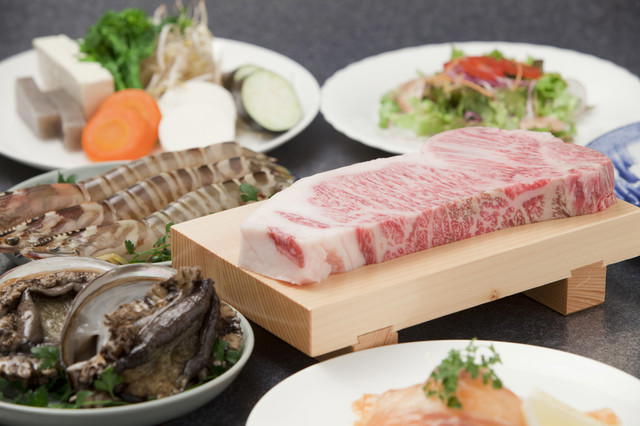
The menu
What to order
- Kobe beef steak teppanyaki
- Wagyu Kuro-ryu steak
- Mita beef steak courses
Kitanozaka changes character as it rises from Sannomiya: the retail glare thins, the street tilts upward, and Kobe’s long habit of mixing port-city polish with Japanese precision becomes easier to read. In this part of Chuo Ward, beef is not treated as a generic luxury product. It is a local language, shaped by cattle lineage, controlled portions, and the theatre of cooking at the iron plate.
That context matters more than any single address. Kobe’s name travels globally as shorthand for marbled wagyu, but the stronger meals in the city tend to resist overseas steakhouse habits. The format is smaller, the pacing tighter, and the value sits in temperature control, knife work, and the close relationship between cook, counter, and guest. Aburi Niku Kobo Wakkoqu Kitano Sakamoto Ten belongs to that counter tradition rather than the banquet-room version of beef dining.
Kobe beef culture, read through the teppan counter
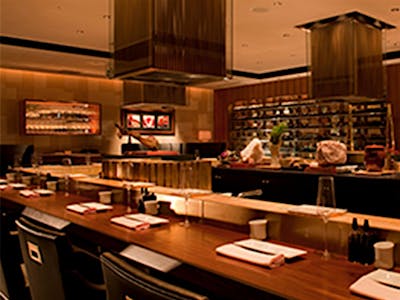
Teppanyaki in Kobe carries a different charge from its hotel-dining reputation abroad. At serious counters, the grill is not spectacle for its own sake; it is a way to manage fat, surface, and timing in front of the guest. The restaurant’s listed categories, teppanyaki, steak, and beef dishes, place it squarely inside that Kobe grammar. The room is arranged around teppan counters rather than a conventional dining room, with 30 seats divided across counter sections, including 10-seat, 6-seat, 8-seat, and 10-seat configurations.
The distinction is useful for travellers deciding between Kobe beef formats. A steakhouse can make beef feel international; a teppan counter keeps it local. The cooktop becomes the point of translation between raw product and finished course, and the guest reads the meal in stages rather than through a single large plate. That is why the category has held its status in Kobe even as tasting menus, French-influenced kitchens, and casual beef specialists compete for attention across the city.
Recognition gives the format a clearer frame. The restaurant was selected for Tabelog 100 Steak / Teppanyaki WEST 2025, with previous selections listed for 2024, 2022, and 2021 across steak and steak-teppanyaki categories. In Japan, Tabelog’s Hyakumeiten lists function less like decorative badges and more like a map of category credibility, especially in crowded genres where local diners compare narrowly: steak against steak, teppanyaki against teppanyaki, not luxury dining in the abstract.
Where it sits in Kobe's price and category map
Kobe dining can look deceptively compact from the outside. Around Sannomiya and Kitano, price bands separate quickly: casual counters and coffee rooms occupy one tier, polished beef and pork specialists another, and French or innovative rooms can climb sharply above both. Within the supplied Kobe comparison set, Tonkatsu to Wine Nichigetsu sits in a similar stated spend bracket, while erre prices slightly higher at lunch and dinner, and Aspirant moves into a more expensive French and innovative bracket outside the metro context. Kitanosaka Kobayashi sits far lower, making it a different decision rather than a peer substitute.
That spread explains the appeal of this address for a certain type of Kobe itinerary. It is not the low-cost way to eat beef in the city, and it is not positioned like a long-form destination tasting menu. It occupies the middle-premium band where the experience is still recognisably about the product and the counter, not an elaborate chef narrative. For travellers, that makes it a sharper choice when the purpose of the meal is Kobe beef culture itself.
The practical rhythm also fits a visitor’s day in Kobe. Lunch service gives the category a lighter entry point before a Kitano walk or a Sannomiya afternoon; dinner places the same format into the city’s after-dark dining circuit. The restaurant operates daily, with a year-end closure listed for December 31 and January 1. Reservations are available, and the non-smoking policy will matter to guests who want a cleaner read on grilled beef and drinks at the counter.
How to fold it into a Kobe itinerary
The strongest Kobe food days are built by neighbourhood, not by chasing isolated names. A beef counter near Kitano pairs naturally with coffee, bars, and smaller restaurants around Sannomiya, while longer trips can connect the city’s hotel, bar, winery, and experience planning into one route. For broader context, use Our full Kobe restaurants guide, Our full Kobe hotels guide, Our full Kobe bars guide, Our full Kobe wineries guide, and Our full Kobe experiences guide rather than treating the meal as a standalone trophy booking.
Nearby and citywide alternatives help clarify the choice. Aburi Niku Kobo Wakkoku Shinkobe ten gives the same group context in another part of Kobe, while Akaneya Coffee Ten, Akari, Ali's Halal Kitchen, and anthem point to the city’s broader mix of old coffee culture, small restaurants, and international influences. That range is part of Kobe’s identity: port history, beef prestige, and compact neighbourhood dining packed into a walkable urban core.
Travellers comparing beef-led meals across Japan should also distinguish method from ingredient. Grilled beef sukiyaki, charcoal cooking, and teppanyaki all frame meat differently, as seen in wider references such as -Grilled beef Sukiyaki- KAMAKURA TANUKIAN 鎌倉 たぬき庵 in Kamakura and. 鮪と炭火焼き うお炭 秋葉原店 in Tokyo. For a broader Japan itinerary, the contrast extends through casual and specialist rooms such as.cafe in Osaka.know in Kumamoto, (Shoku) Vietnam in Kawasaki, and [Curry Senmon Ten] Maruyama Kyoju. in Sapporo. Even overseas Japanese formats, including Jōdo Saké Bar in Los Angeles and Onigiri Time in Pasadena, show how tightly form determines expectation.
The editorial case for Aburi Niku Kobo Wakkoqu Kitano Sakamoto Ten is therefore not that it represents every version of Kobe beef dining. It represents a specific, durable one: counter-based teppanyaki in the city where beef carries civic weight. The Tabelog 100 selection, counter seating, and Kobe location make it a strong fit for travellers who want the meal to explain the place, not just display the product.
Frequently asked questions
When is Aburi Niku Kobo Wakkoqu Kitano Sakamoto Ten open?
Hours at Aburi Niku Kobo Wakkoqu Kitano Sakamoto Ten: Mon: 12–3 PM, 5–9 PM; Tue: 12–3 PM, 5–9 PM; Wed: 12–3 PM, 5–9 PM; Thu: 12–3 PM, 5–9 PM; Fri: 12–3 PM, 5–9 PM; Sat: 12–3 PM, 5–9 PM; Sun: 12–3 PM, 5–9 PM.
Where do I go for Aburi Niku Kobo Wakkoqu Kitano Sakamoto Ten?
Aburi Niku Kobo Wakkoqu Kitano Sakamoto Ten is located in KobeF, Kobe.
What should I budget for a meal at Aburi Niku Kobo Wakkoqu Kitano Sakamoto Ten?
Pricing at Aburi Niku Kobo Wakkoqu Kitano Sakamoto Ten is listed as JPY 10,000 - JPY 14,999 JPY 6,000 - JPY 7,999.
What's the standout thing about Aburi Niku Kobo Wakkoqu Kitano Sakamoto Ten?
Its clearest credential is Tabelog 100 WEST 2025 selection in the Steak / Teppanyaki category. Add the 10-seat teppan counter, a 30-seat total room, and a Kobe address near Sannomiya, and it reads as a serious beef counter rather than a generic steakhouse.
Budget Reality Check
Comparable venues by category and price.
| Venue | Cuisine | Price | Awards | Notes |
|---|---|---|---|---|
| Aburi Niku Kobo Wakkoqu Kitano Sakamoto TenThis venue (the venue you are viewing) | Kobe beef teppanyaki steakhouse | $100–150 | Tabelog 100 #62 | Not listed |
| Kobe Beef Steak Sakura | Premium Kobe Beef Teppanyaki | $100–150 | Not listed | Chūō, Premium Kobe Beef Teppanyaki |
| Tsuki Usagi | Halal Kobe Beef Japanese | $200–300 | Not listed | Chūō, Halal Kobe Beef Japanese |
| Kobe Beef TANRYU | Kobe Beef Teppanyaki | $150–200 | Tabelog Bronze #454 | Chūō, Kobe Beef Teppanyaki |
| Kobe Beef Steak Ishida. Ikutashinmichi-shop | Premium Kobe Beef Teppanyaki | $50–100 | Not listed | Chūō, Premium Kobe Beef Teppanyaki |
| KOBE BEEF EiKiChi | Kobe Beef Teppanyaki | $100–150 | Not listed | Chūō, Kobe Beef Teppanyaki |
Recognition history
Dated appearances from independent guides and award organizations, with the underlying list record or original source where available.
Tabelog 100 #62 · No. 62
Tabelog · Tabelog 100 - Steak / Teppanyaki - WEST - 2025
Continue exploring
More in Kobe
Restaurants in Kobe
All restaurants in Kobe →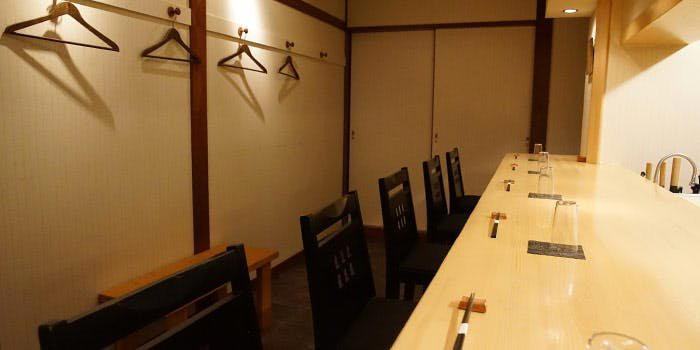

Bars in Kobe
Browse all →


Details
- Elegant
- Classic
- Intimate
- Sophisticated
- Date Night
- Business Dinner
- Special Occasion
- Group Dining
- Family
- Chefs Counter
- Open Kitchen
- Standalone
- Local Sourcing
- A La Carte
- Set Menu
- Counter Dining
- Wine
- Beer
- Sake
- Pescatarian Friendly
Current opening hours
- Monday
- 12–3 PM, 5–9 PM
- Tuesday
- 12–3 PM, 5–9 PM
- Wednesday
- 12–3 PM, 5–9 PM
- Thursday
- 12–3 PM, 5–9 PM
- Friday
- 12–3 PM, 5–9 PM
- Saturday
- 12–3 PM, 5–9 PM
- Sunday
- 12–3 PM, 5–9 PM
Hours can change for holidays and private events. Last verified .
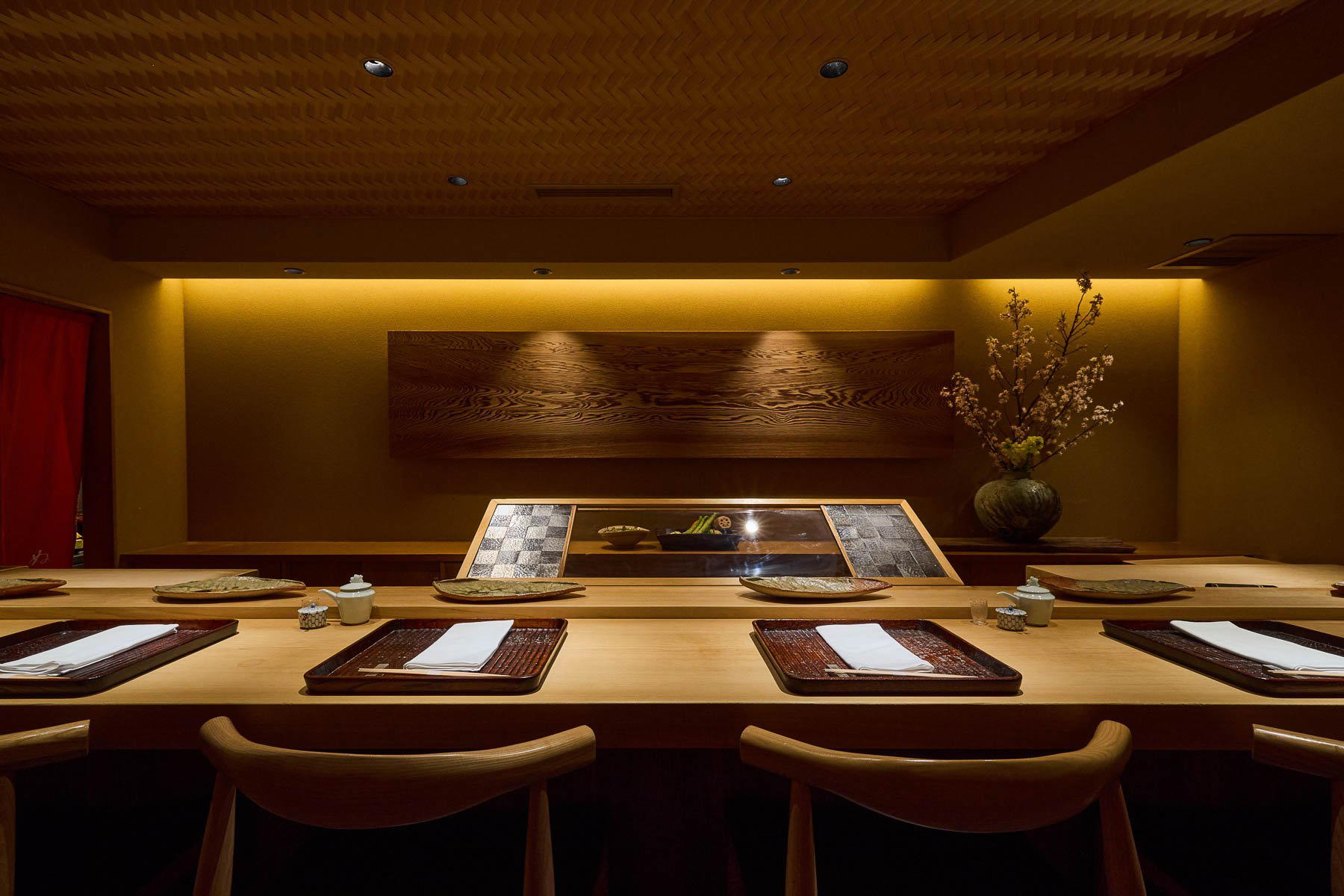
Refined teppanyaki counter setting with a calm, classic interior; guests sit around hot plates watching chefs cook Kobe beef, creating an intimate yet lively atmosphere centered on the performance of grilling.